



Essential Tips for Planning a Gastronomic Tour — Your Luxury Culinary Travel Guide
A luxury gastronomic tour is a purposely curated itinerary that prioritizes exceptional ingredients, chef-led formats, and considered pacing to create unforgettable meals. This guide walks you through defining a clear culinary vision, researching high-end destinations, and budgeting for exclusive tasting menus so you can reliably secure seat‑limited experiences like omakase and A5 Wagyu. Many travelers falter by stacking too many tasting menus into a short stay or missing reservation windows for chef’s tables; here you’ll find practical fixes to those common errors. You’ll learn how to choose preferred formats, evaluate premium ingredients, and confirm sustainable sourcing while building an itinerary that balances splurges with recovery time. The sections that follow lay out a step‑by‑step process: clarify your vision; learn the defining elements of omakase, A5 Wagyu, and caviar; manage reservations and daily pacing; why Pasadena matters for luxury dining; sustainability checks; and a concise top‑five planning checklist. Wherever helpful, we add reservation pathways and a local example to help you convert plans into confirmed, high‑quality dining experiences.
How Do You Define Your Luxury Culinary Vision for a Gastronomic Tour?
Start by deciding what you value most: intimate, chef‑to‑guest formats; rare, ingredient‑forward meals; or theatrical multi‑course presentations. A focused vision explains why you prioritize one format over another and clarifies how much lead time and deposit you should expect—many exclusive experiences require advance commitment. Decide whether you want direct chef interaction, ingredient‑driven tastings, or dramatic plated storytelling. With that purpose in hand, destination research and budgeting become far more efficient, and every reservation you make will serve your overall culinary goal.
What Gourmet Preferences Should You Identify for Your Food Adventure?
Map your preferences across cuisine, ingredient priorities, service format, and dietary needs so each booking matches expectations. Note whether you prefer omakase personalization, a chef’s‑table narrative, or hopping between markets and restaurants—and list non‑negotiables like specific premium items or allergy requirements. Think about how much interaction you want with the kitchen: do you want an ongoing conversation with the chef or a quieter, observational tasting? Those choices affect seat availability and reservation strategy. Clear preferences help you prioritize venues and plan how aggressively to pursue bookings.
How Do You Research Exclusive Culinary Destinations Like Pasadena?
Layer your sources: expert guides identify can’t‑miss formats, reservation platforms reveal availability trends, and local reviews show service reliability and sourcing transparency. For a compact city like Pasadena, cross‑check reservation systems and map listings to see how often seat‑limited formats run and which restaurants spotlight premium ingredients. Use critic reviews and chef interviews to judge whether a venue’s presentation and provenance match your vision. This multi‑source approach reduces surprises and helps you sequence visits within realistic travel times.
How Should You Set a Luxury Gastronomic Budget?
Separate fixed travel costs from discretionary culinary spending and set a premium for tasting menus that feature rare items or private formats that may require deposits. Estimate a per‑meal range for high‑end tasting menus, then add a contingency for beverage pairings, corkage, or custom requests like an A5 Wagyu course or caviar service. Prioritize the experiences that matter most—one signature meal is often more memorable than several average ones—and keep a small emergency fund for last‑minute openings. A clear budget gives you the confidence to commit when a high‑value reservation appears.
What Are the Key Elements to Curate Unforgettable High-End Dining Experiences?
Exceptional fine dining rests on five pillars: format (omakase, chef’s table, tasting menu), ingredient quality (A5 Wagyu, Kaluga caviar, uni), choreography of service and presentation, thoughtfully curated pairings, and pacing that lets each course land. These elements work together—top ingredients shape menu design, the chef sequences courses into a narrative, and service elevates the experience through precise timing and pairings. Understanding how these parts interact helps you choose restaurants capable of delivering the refinement and exclusivity you expect. Below, we outline the premium ingredients that often define these experiences and how they are best presented.
Reference table summarizing premium ingredients and recommended service approaches.
This side‑by‑side clarifies how ingredient traits inform plating and pairings, and why exacting service elevates each course.
Use these service notes to ask focused questions when booking and to set realistic expectations for the sensory arc of a chef‑led meal.
What Makes the Omakase Experience Essential in a Luxury Gastronomic Tour?
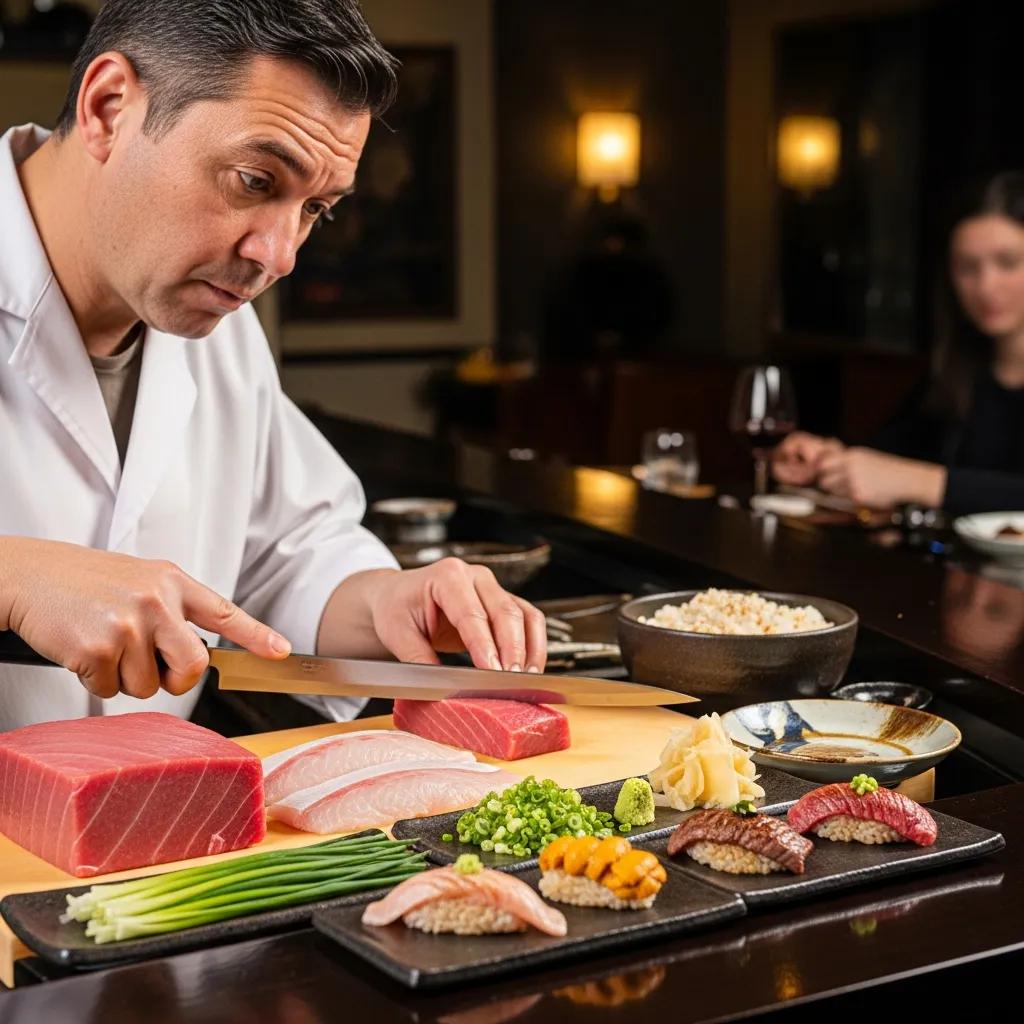
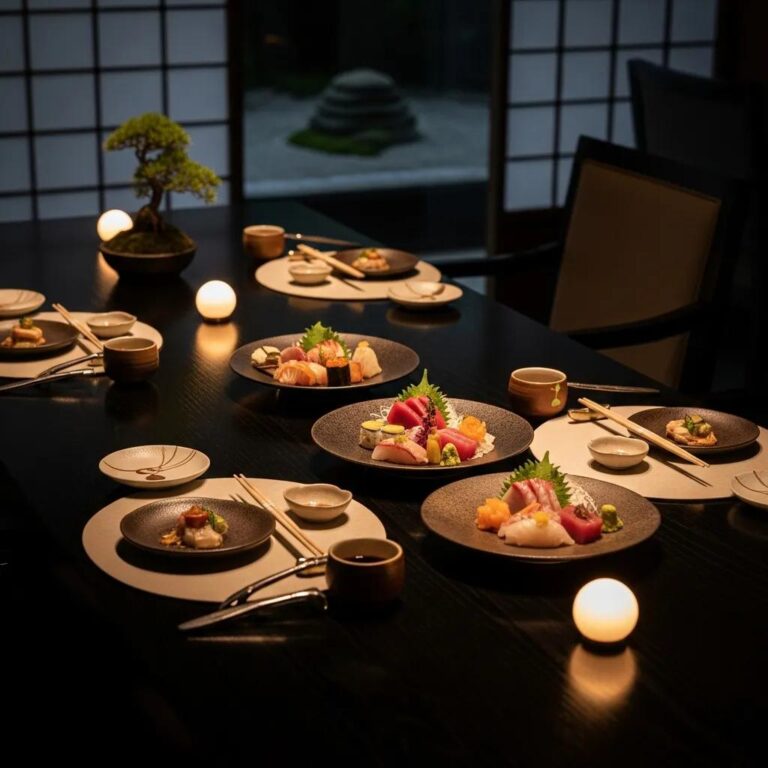
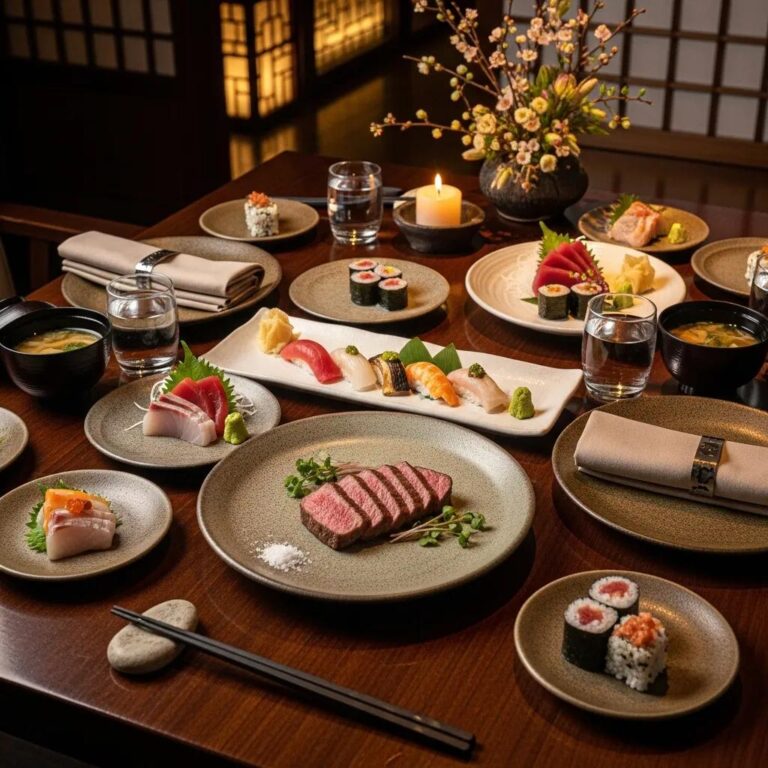
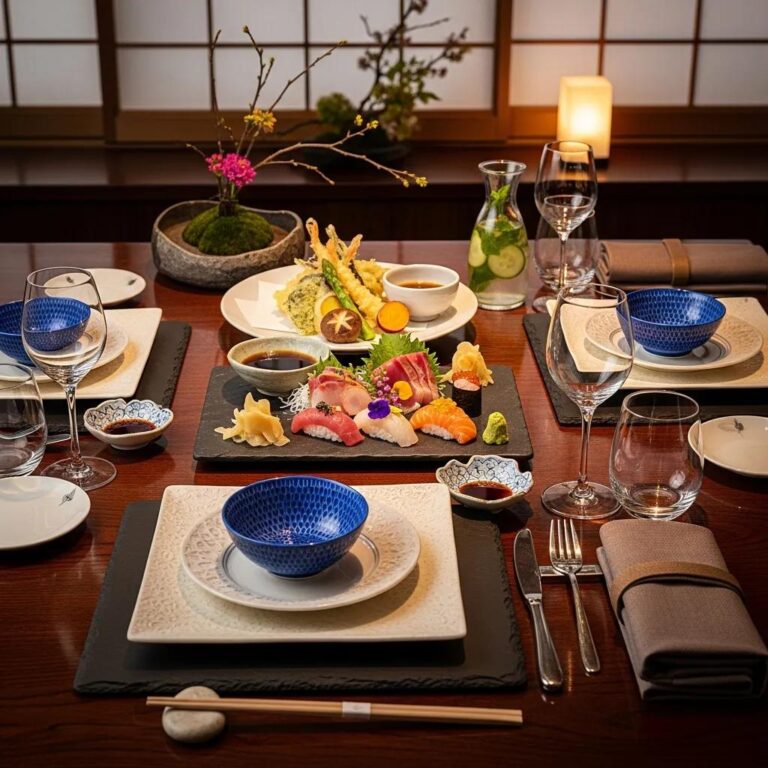
Omakase is a chef‑led tasting where the kitchen determines courses to showcase seasonality, technique, and provenance—delivering a highly tailored journey for each diner. The chef’s curation and sequencing create a narrative arc that reveals contrast and discovery in deliberate order. Plates are adapted to available supply and guest cues, producing an intimacy and exclusivity that standard à la carte service can’t match. Treat omakase as a centerpiece that needs lead time, clear dietary notes, and a mindset open to the chef’s evolving presentation.
How Do You Savor A5 Wagyu and Premium Meats on Your Tour?
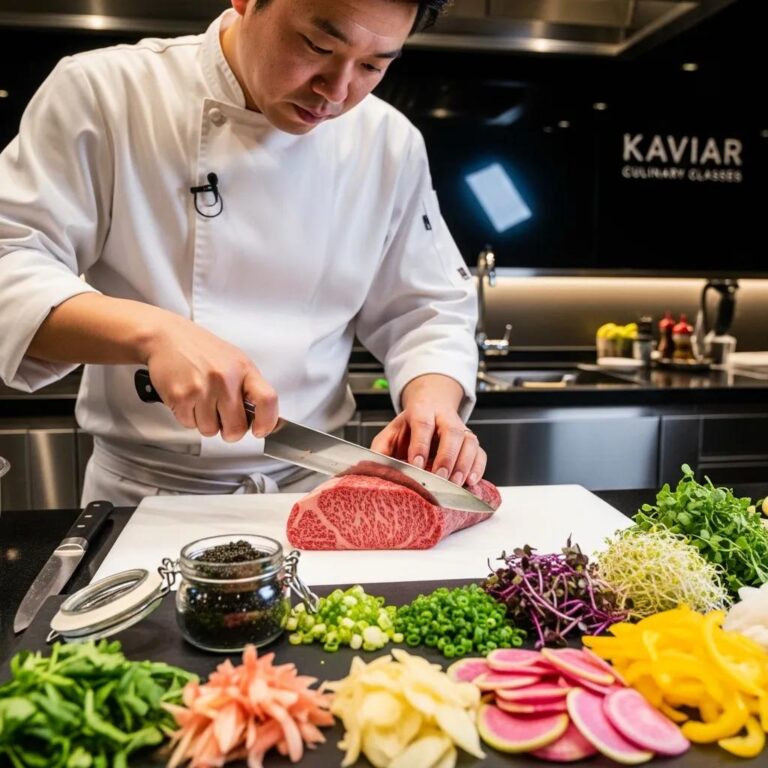
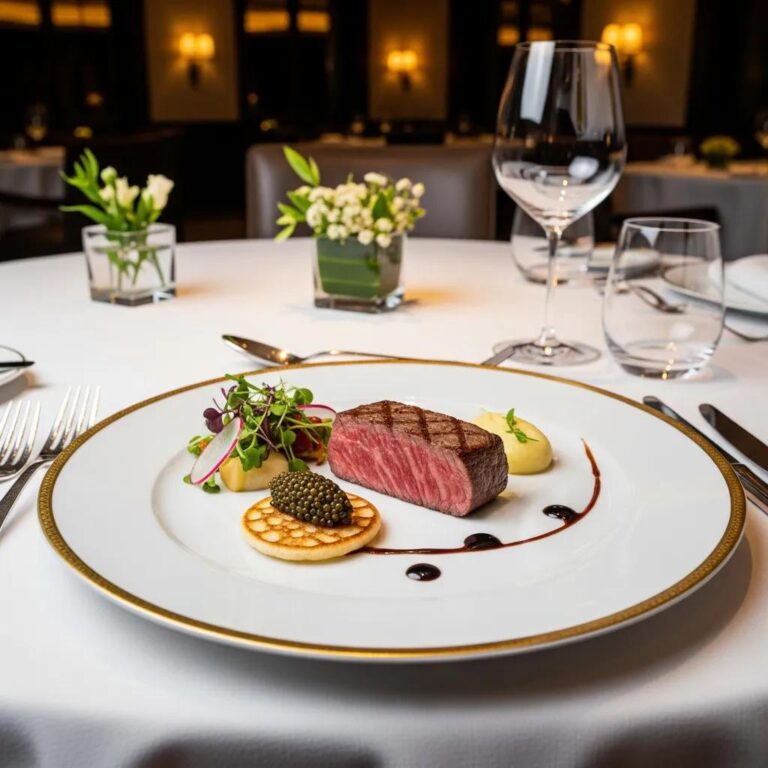
Enjoying A5 Wagyu means focusing on cut, temperature, and portion: its intense marbling favors small, precisely cooked servings that highlight texture and umami rather than heavy seasoning. Typical preparations include gentle searing or delicate slices that let the fat render and aromatics appear; seek a balance where fat and muscle extend the finish. Pair with light‑bodied sake or a restrained red to cleanse the palate without masking nuance. When booking, ask about the Wagyu grade and how the kitchen prepares it to ensure the execution matches the ingredient’s premium profile.
How Can You Enjoy and Understand Luxury Caviar Service?
Luxury caviar service centers on temperature, vessel, and restraint: Kaluga caviar, for instance, should be chilled and served on non‑metal spoons to protect its delicate flavor. Taste in small, unadorned portions to evaluate texture and finish, then explore delicate pairings—Champagne, dry sake, or simple blinis enhance without overwhelming. Knowing customary portions and service rituals helps you appreciate value and ask intelligent pairing questions when booking. Proper caviar service can make a single spoonful a defining moment of the meal.
How Do You Seamlessly Plan and Execute Your Luxury Gastronomic Tour?
Execute a luxury gastronomic tour with a clear timeline for reservations, intentional daily pacing, and mindful choices about pairings and etiquette so every meal has its intended impact. Book seat‑limited formats well in advance, build daily schedules that prevent tasting fatigue, and design beverage programs to complement rather than compete with food. Leave buffer time between heavy meals for walks or market visits to reset the palate and create context for the next tasting. These logistical choices keep the sensory experience aligned with the culinary vision you set at the start.
What Are the Best Strategies for Mastering Luxury Restaurant Reservations?
Winning high‑demand reservations means knowing each venue’s booking windows, using multiple channels, and keeping close communication with hosts or concierges. Watch reservation platforms for releases, call directly for special requests or private seating, and consider off‑peak nights to improve availability—flexible dates help immensely. For seat‑limited formats, confirm deposit and cancellation policies to avoid surprises and share dietary or celebratory details early so the kitchen can plan. These tactics convert intent into confirmed reservations while leaving room for itinerary tweaks.
Designing luxury food tours often involves navigating local complexity and benefits from expert mediation that bridges scholarly thinking and community practice.
Developing Luxury Food Tours: Challenges and Expert Mediation
This paper examines the Kras/Carso Food Tour to highlight challenges in creating a luxury tourism product. Following the Slovenian Tourist Board’s strategy, the authors compare bottom‑up and top‑down perspectives on luxury experiences and argue that experts who understand both academic discourse and local culture help craft successful offerings. The study contributes to discussions on luxury tourism by drawing attention to grassroots perspectives and the tensions that arise when traditions are “luxurified.”
Luxury food tour: Perspectives and dilemmas on the “luxurification” of local culture in tourism product, SP Istenič, 2021
Comparison table outlining booking channels and practical tips.
Mix online monitoring with direct outreach to maximize success and to secure any special accommodations you need.
How Do You Craft a Balanced Food Trip Itinerary for Optimal Experience?
Limit heavy tasting menus to one per day, alternate lighter meals and market visits, and schedule active recovery—walks, museums, or light activities—to keep appetite and interest. Sequence the day so ingredient‑heavy evenings (Wagyu or caviar‑focused dinners) follow lighter daytime tastings, allowing contrast and appreciation. Allow generous travel time to avoid last‑minute stress, and leave one evening flexible for local recommendations or chef referrals. Thoughtful pacing preserves excitement and ensures each meal lands as intended.
How Can Beverage Pairings and Dining Etiquette Enhance Your Tour?
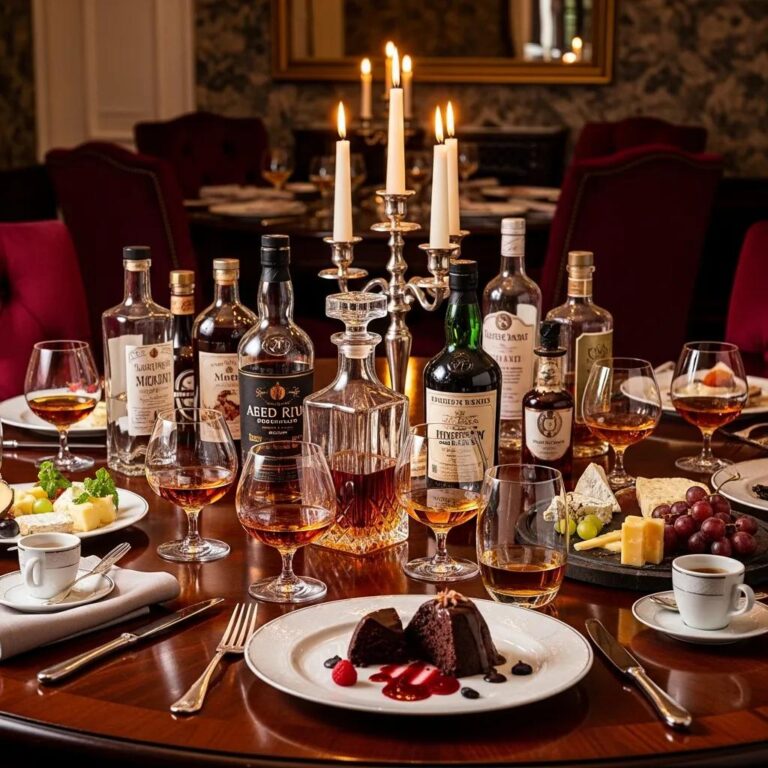
Thoughtful pairings and respectful etiquette heighten the sensory story of a luxury meal: the right sake, wine, or Champagne can reveal subtler flavors while good manners honor the chef’s progression. Follow sommelier guidance—match weight and acidity to the dish: delicate seafood favors clean, mineral pairings; richer meats benefit from gentle tannins or fuller sakes. At omakase, avoid strong fragrances, follow the chef’s cues, and state preferences in advance so the kitchen can adapt. These practices transform dining into a crafted cultural exchange that reinforces your tour’s intent.
Why Is Pasadena a Premier Destination for Luxury Gastronomic Tours?
Pasadena concentrates upscale restaurants and easy accessibility, making it an efficient stop for travelers seeking premium formats within a compact area. The city’s scene includes refined Japanese‑inspired dining alongside other luxury formats, letting visitors sample chef‑driven tasting menus without long cross‑city travel. For travelers building a regional circuit, Pasadena can anchor an evening or day while nearby cultural attractions balance the itinerary. Including an ingredient‑focused restaurant in Pasadena adds depth and a dependable example of local fine dining to any tour.
What Luxury Dining Experiences Define Pasadena’s Culinary Landscape?
Pasadena’s luxury offerings emphasize tasting menus, chef’s tables, and ingredient showcases that prioritize presentation and provenance—accessible within a walkable or short‑drive radius. Many venues run seasonal menus and occasional seat‑limited omakase services, allowing curated evenings that highlight premium items without extensive travel. When planning multiple high‑end stops, sequence by intensity—market or light seafood early, meat‑centric dinners later—to protect palate clarity. These patterns make Pasadena a practical and rewarding destination for luxury gastronomy.
How Does Kaviar Restaurant Exemplify Fine Japanese Dining in Pasadena?
Kaviar Restaurant is a focused example of modern Japanese fine dining in Pasadena, emphasizing sushi, sashimi, and fusion plates that feature premium items like Kaluga caviar, A5 Wagyu, and uni. The restaurant’s menu showcases these signature elements within chef‑directed presentations that align with the omakase and tasting‑menu formats luxury diners seek. For travelers stopping in Pasadena, Kaviar offers a tangible way to experience high‑grade ingredients executed with attentive service; reservations are typically managed by phone, RESY, and OpenTable, so book ahead to secure seat‑limited formats. Including Kaviar on your route delivers a clear snapshot of the city’s fine‑dining caliber.
How Can Sustainable and Ethical Practices Elevate Your Gourmet Travel?
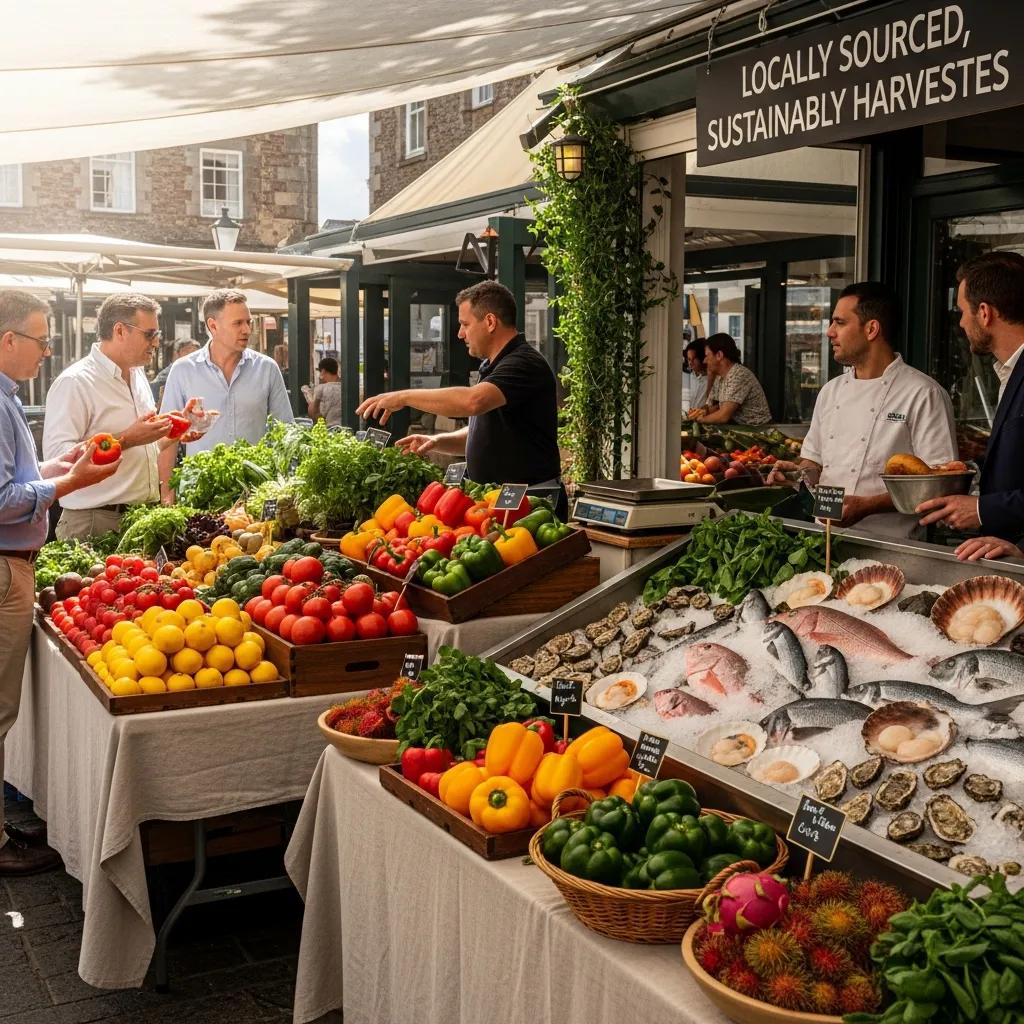
Sustainable and ethical practices deepen a gourmet tour by adding provenance and narrative to each meal while supporting long‑term supply health. Knowing where key ingredients come from enriches the tasting and supports responsible producers. Current trends favor traceability and local sourcing, so asking about a restaurant’s supply chain helps you choose venues aligned with conservation and quality standards. Verify sustainability by asking direct questions about suppliers, watching for seasonal menus, and choosing restaurants that can describe their relationships with farms and fisheries. These criteria often improve flavor through fresher, traceable ingredients and make your meals more meaningful.
What Are the Latest Trends in Sustainable Luxury Dining for 2025?
In 2025, luxury diners increasingly expect transparent traceability, seasonal sourcing, and reduced waste: chefs are adapting menus dynamically to reflect supply and conservation priorities. Premium items may rotate more frequently, creating short‑run specialties that reward flexible, engaged travelers. Sommelier programs are spotlighting sustainable producers, integrating ethical pairings into the dining narrative. These shifts make it essential to ask specific sourcing questions and to appreciate how sustainability can enhance both taste and storytelling.
Assessing a restaurant’s sustainability requires knowing what sourcing indicators to look for and how to verify them so your choices align with ethical and quality standards.
Developing Luxury Food Tours: Challenges and Expert Mediation
This paper examines the Kras/Carso Food Tour and the challenges of shaping a luxury tourism product. Using the Slovenian Tourist Board’s framework, the authors contrast top‑down and bottom‑up views on luxury and argue that expert mediation—someone fluent in academic and local perspectives—helps develop successful offerings. The study adds to debates on luxury tourism by spotlighting community perceptions and the tensions that come with “luxurifying” local traditions.
Luxury food tour: Perspectives and dilemmas on the “luxurification” of local culture in tourism product, SP Istenič, 2021
Table outlining sustainable sourcing indicators and how to verify them.
Use this practical framework to assess sustainability claims so you can support ethical producers while enriching your tour’s culinary narrative.
How Can You Incorporate Ethical Sourcing and Local Delicacies into Your Tour?
Add ethical sourcing by picking restaurants that publish supplier information, joining chef‑led market tours, and scheduling visits to local purveyors or sustainable producers when possible. Ask how key items are sourced and whether seasonal specialties will appear during your visit, and keep flexible days to catch ephemeral offerings. A market or farm visit between tasting menus informs your palate and supports local economies, creating a coherent story across meals. These steps deepen your experience and often yield more memorable dishes.
What Are the Essential Gourmet Tour Planning Tips to Ensure a Memorable Food Adventure?
A compact set of repeatable steps turns planning into a well‑executed luxury gastronomic tour: define your vision, research and prioritize venues, secure reservations across channels, pace your itinerary to avoid tasting fatigue, and verify sourcing and pairings for each key meal. These linked steps form a reliable framework that helps you capture limited experiences while staying comfortable and curious. Below is an actionable top‑five checklist you can use as a template, followed by tactical tips for securing exclusive omakase and A5 Wagyu tastings.
What Are the Top 5 Steps to Plan a Luxury Gastronomic Tour?
Use this short checklist as your operational blueprint for planning and booking a high‑end food trip.
- Define your culinary vision: choose the formats and signature ingredients you’ll prioritize.
- Research and shortlist venues: confirm style, seasonal focus, and booking patterns.
- Secure reservations early: combine direct calls with RESY and OpenTable monitoring.
- Pace intelligently: limit heavy tasting menus to one per day and schedule recovery time.
- Verify sourcing and pairings: confirm provenance, beverage matches, and special requests.
How Do You Secure Exclusive Experiences Like Omakase and A5 Wagyu Tastings?
Securing rare experiences depends on lead time, targeted outreach, and willingness to be flexible: book the longest lead‑time events first, contact restaurants directly for private or limited seats, and use concierges or waitlists to capture cancellations.
Share clear dietary details and your intent—if a celebration or special request might inspire a chef to create a bespoke course, disclose that early and be prepared for deposit policies.
Alternative tactics include choosing off‑peak nights, pairing reservations with daytime market visits, and accepting slightly different formats (a private counter instead of full private dining) to gain access.
These strategies increase your chances of experiencing rare, ingredient‑led menus on a luxury tour.
Frequently Asked Questions
What are the best times to visit luxury dining destinations?
The best windows often align with seasonal ingredient availability and local events. Booking when key ingredients are in season enhances menus, and visiting on weekdays or during off‑peak hours improves your chance of reservations. Culinary festivals and special events can also offer unique dining moments—check local calendars when planning.
How can I enhance my culinary knowledge during the tour?
Deepen your knowledge by engaging chefs and staff—ask about ingredients, techniques, and the stories behind dishes. Join cooking classes or chef‑led market tours for hands‑on learning, and read about the culinary history and traditions you’ll encounter to enrich your experience.
What should I do if I have dietary restrictions?
Communicate restrictions clearly when booking. Most high‑end kitchens accommodate dietary needs with advance notice. Ask about specific ingredients or methods before you dine, and consider restaurants known for flexibility and creativity in crafting personalized menus.
How can I make the most of my dining experience at omakase restaurants?
Approach omakase with an open mind and a willingness to follow the chef’s selections. Share preferences and dietary restrictions upfront, savor each course, and ask questions about ingredients and techniques. This engagement enhances the experience and helps you appreciate the craft behind each dish.
What are some tips for documenting my culinary experiences?
Keep a food journal to capture your impressions—flavor, texture, presentation—and take photos to preserve visual details. Collect menus or business cards as tangible mementos. Sharing your journey on social channels or a personal blog can connect you with fellow food enthusiasts.
How do I choose the right beverage pairings for my meals?
Match beverage weight and acidity to the food: light, mineral drinks suit delicate seafood; richer meats pair with fuller or low‑tannin options. Ask sommeliers or staff for tailored recommendations—experimentation often leads to delightful discoveries.
What are the advantages of exploring multiple dining formats during my tour?
Trying different formats—omakase, chef’s table, tasting menus—offers diverse interactions with chefs and techniques and helps prevent tasting fatigue by balancing heavier meals with lighter formats. Variety also deepens understanding of culinary artistry and cultural context, making your tour more rewarding.
Conclusion
Planning a luxury gastronomic tour opens the door to memorable meals that celebrate premium ingredients and refined craftsmanship. Use the strategies here to build an itinerary that balances indulgence with smart pacing and local insight. Embrace exclusive formats and thoughtful sourcing to elevate your journey—then sit back and savor the discoveries that await.