





Olive Oil: A Chef’s Guide to Varieties, Grades, and Culinary Uses
Olive oil comes in many forms—from vibrant, peppery extra virgin to neutral, high-heat refined oils—and each type behaves differently in the kitchen. Knowing how production, acidity and polyphenol content shape flavor and stability lets cooks match an oil to a technique: finishing a delicate course, dressing a salad, or achieving a steady fry. This guide walks through how grades relate to chemistry and taste, why smoke point matters, and how sensory notes such as fruity, grassy and peppery guide pairing decisions. You’ll find practical rules for choosing oils for dressings, sauces, sautés and searing, plus storage tips to keep bottles tasting their best. The article covers production and types, recommended uses by technique, label decoding and simple sensory checks, health and topical notes, storage best practices, and a myth-busting FAQ so both home cooks and professional kitchens can choose with confidence. A brief note ties these ideas back to fine-dining practice and reservations.
Kaviar provides the restaurant perspective on why thoughtful oil selection matters in refined dining without describing specific menu items. As an establishment focused on upscale Japanese fine dining and encouraging reservations, Kaviar sources premium ingredients and considers finishing touches—like choosing oils that pair with delicate omakase sequences and rare proteins. Framing olive oil guidance around this fine‑dining context helps chefs and guests see how the right oil can lift texture and flavor without overwhelming subtle components. With that perspective, the guide returns to practical selection criteria that apply equally to home cooks and professional brigades.
What Are the Different Types of Olive Oil and Their Characteristics?
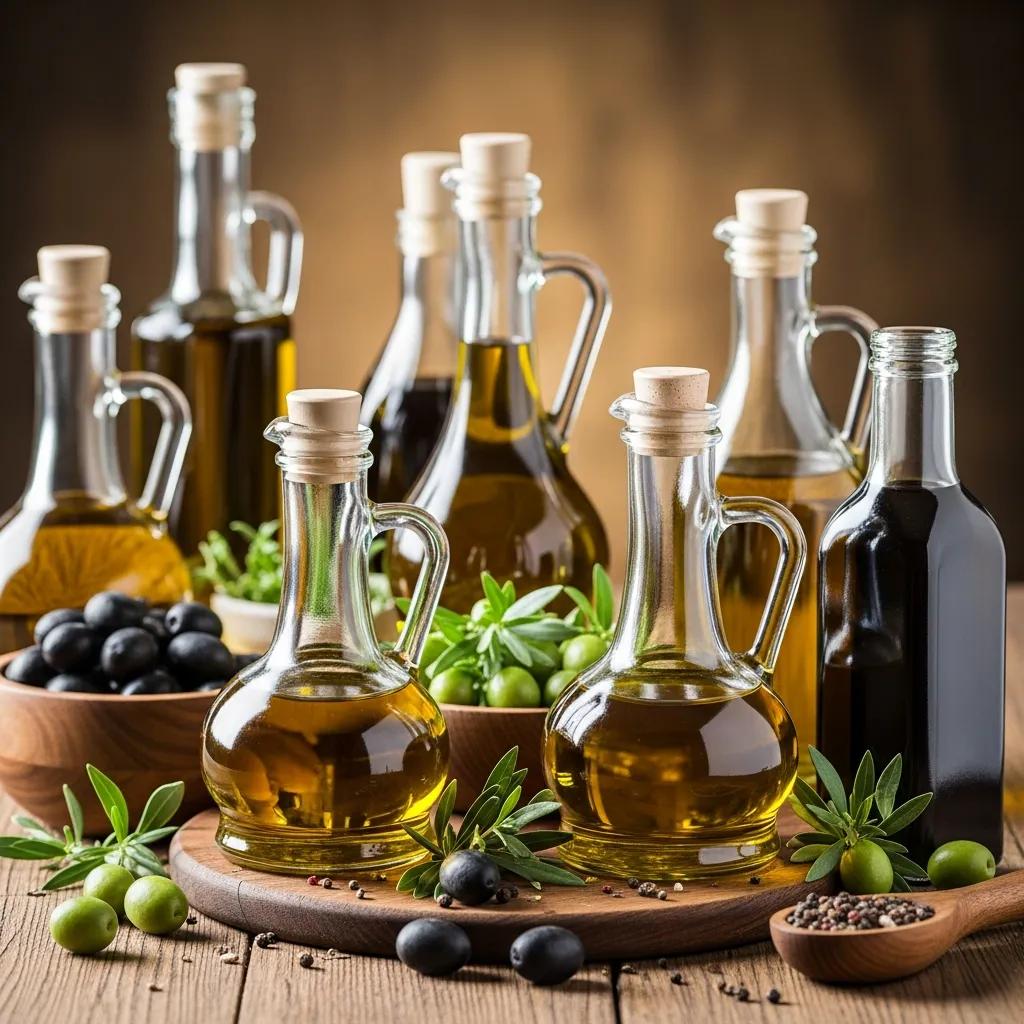
Olive oil categories are defined by how the oil is produced, how it tastes, and measurable markers such as acidity and polyphenol levels. Those factors dictate flavor intensity, heat tolerance and best culinary roles—so classification is helpful both for tasting and for technique. Below we compare the principal types and offer tasting notes to help match cultivar character to a dish. Understanding production and grade leads directly to clear guidance on when to use an oil for finishing versus for cooking.
Extra virgin olive oil (EVOO) is the top-tier oil, extracted mechanically without heat or solvents so it keeps more polyphenols and volatile aromatics. Those compounds create fruity, bitter and peppery impressions. EVOO’s low free fatty acid (FFA) threshold (under 0.8%) and strong sensory scores make it ideal where flavor and antioxidants matter—dressings, gentle sautés and finishing—rather than for very high-temperature deep‑frying.
The table below summarizes production methods, flavor cues, smoke points and common uses so you can quickly select the right oil for the job.
How Does Extra Virgin Olive Oil Differ from Other Olive Oil Grades?
Extra virgin differs from lower grades mainly by how it’s made, its acidity limit and its sensory quality. EVOO is cold‑pressed and must meet low free fatty acid levels (under 0.8%) and sensory panel standards, which preserves polyphenols that give green, peppery aromas and antioxidant value. Refined and pomace oils, in contrast, undergo heat or solvent treatment that strips volatile aromatics and reduces polyphenols, leaving a neutral, heat‑stable cooking oil. In practice: choose EVOO when flavor and antioxidants are desired; choose refined oils when you need neutral taste or higher smoke point.
Those technical differences have direct kitchen implications. Next we review common olive cultivars and their flavor signatures so you can match varietal character to ingredients.
What Are Common Olive Oil Varieties and Their Flavor Profiles?
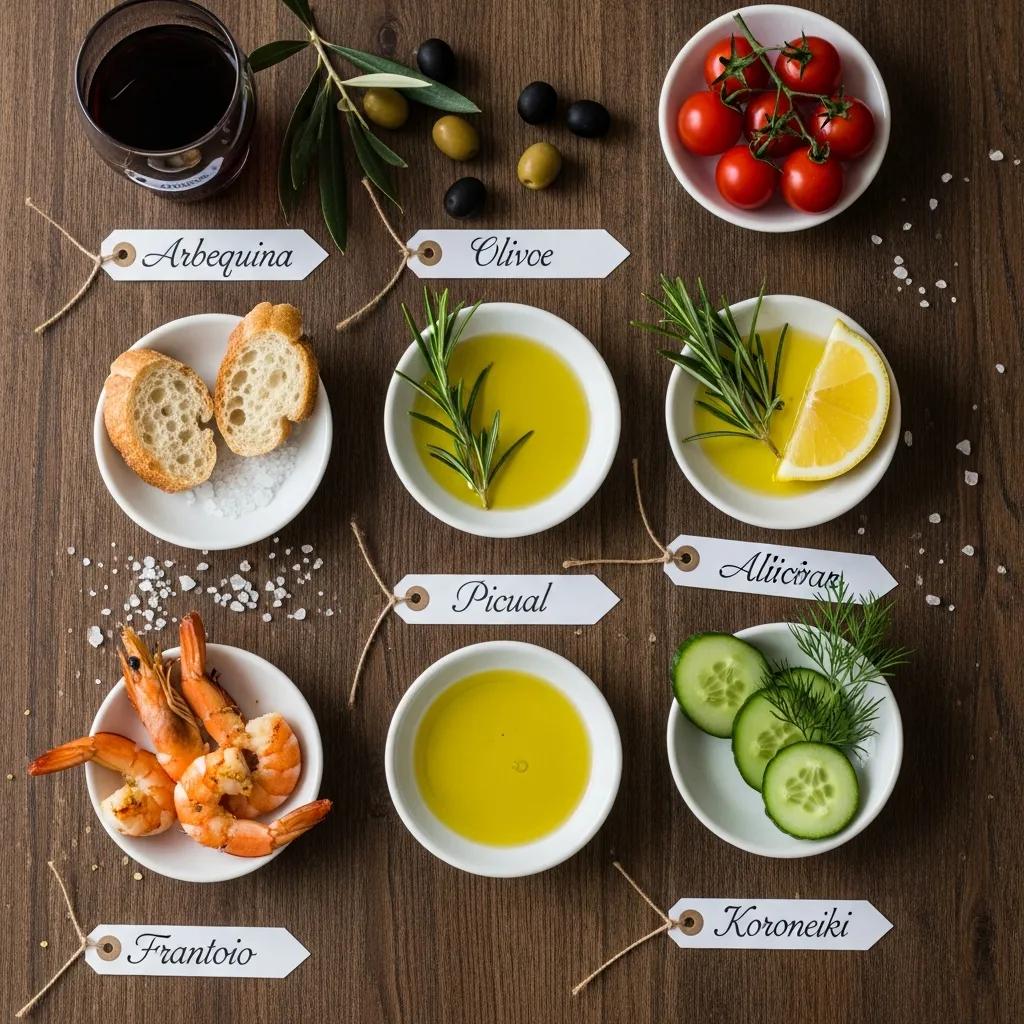
Different olive cultivars carry distinct signatures—chefs use them like wine varietals when building pairings. Arbequina tends to be gentle and fruity, well suited to delicate seafood and salads. Koroneiki brings herbal intensity and pepper, which pairs beautifully with robust grilled vegetables and aged cheeses. Picual often presents pronounced bitterness and pepper with strong oxidative stability—useful for savory mains—while Frantoio offers a balanced grassy‑fruity profile that complements bread and vinaigrettes. Recognizing these tendencies helps when selecting single‑cultivar oils for finishing or when blending to achieve a desired balance.
Practical pairing rules: for raw seafood, favor mild, fruity oils; for rich red‑meat courses, reach for peppery, robust oils; for bread service, a harmonious, grassy oil is often best. These varietal cues lead into how oils map to common cooking techniques.
Which Olive Oil Is Best for Different Culinary Uses?
Choosing the right oil balances smoke point, flavor intensity and the cooking technique so you preserve desirable aromatics while meeting thermal needs. Use flavor-forward oils for low‑heat finishing and dressings; use refined or light oils for high‑heat searing and frying. The section below pairs common culinary uses with recommended oil types and offers chef‑level tips for protecting texture and nuance when working with premium ingredients.
This quick map helps both everyday cooks and professional teams make consistent choices. Below are concise, practical points to put those recommendations into action.
- Consider smoke point, flavor retention and desired mouthfeel when selecting oil for cooking, baking or frying.
- Use refined oil for deep‑frying to avoid smoke and off‑flavors at high temperatures.
- Reserve high‑polyphenol EVOO for final seasoning and cold preparations where its aroma should shine.
What Olive Oil Should You Use for Cooking, Baking, and Frying?
For high‑heat and commercial deep‑frying, refined or light olive oils provide the smoke stability and neutral profile required. For sautéing at moderate temperatures, virgin or good‑quality EVOO preserves desirable aromas while performing well. In baking, use refined olive oil or a neutral blend when a neutral fat is needed; choose EVOO if a gentle fruity note is acceptable. Practical temperature guidance: keep sauté temperatures around 350–375°F to protect EVOO aromatics; use oils rated for 400°F+ for searing and deep‑frying. When a recipe depends on a neutral fat for texture, prefer a refined oil or neutral substitute.
Chef tip: preheat the pan with a neutral high‑smoke oil to form a crust on premium proteins, then finish off‑heat with a delicate drizzle of EVOO to add aromatic complexity without burning polyphenols.
How to Choose Olive Oil for Salad Dressings and Finishing Dishes?
Selecting an oil for raw or finishing applications is about balance: match the oil’s intensity to the salad’s acid and salt and to the dish’s primary protein. For bright, citrus‑forward salads, pick a fruity, grassy EVOO that lifts acidity without overpowering. For buttery or umami‑rich preparations—think premium seafood or caviar—choose a delicate, slightly nutty EVOO that enhances texture. Tasting and blending—combining a robust single‑cultivar oil with a milder blend—lets chefs dial complexity and mouthfeel across courses in a tasting menu.
Curated finishing practice means tasting oils with small samples of the protein or garnish to ensure the oil complements rather than competes—an essential habit when working with luxury ingredients in fine‑dining contexts.
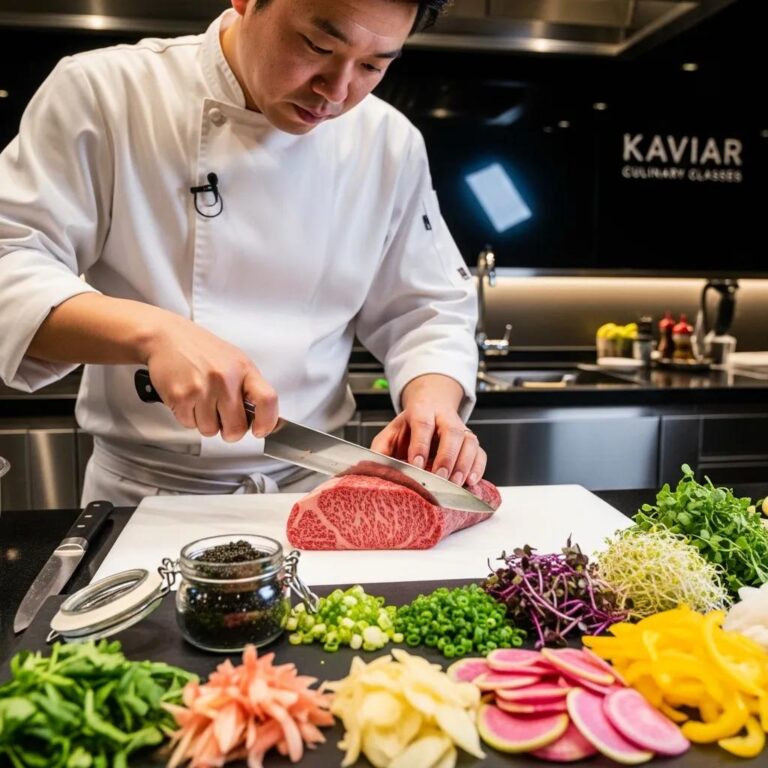
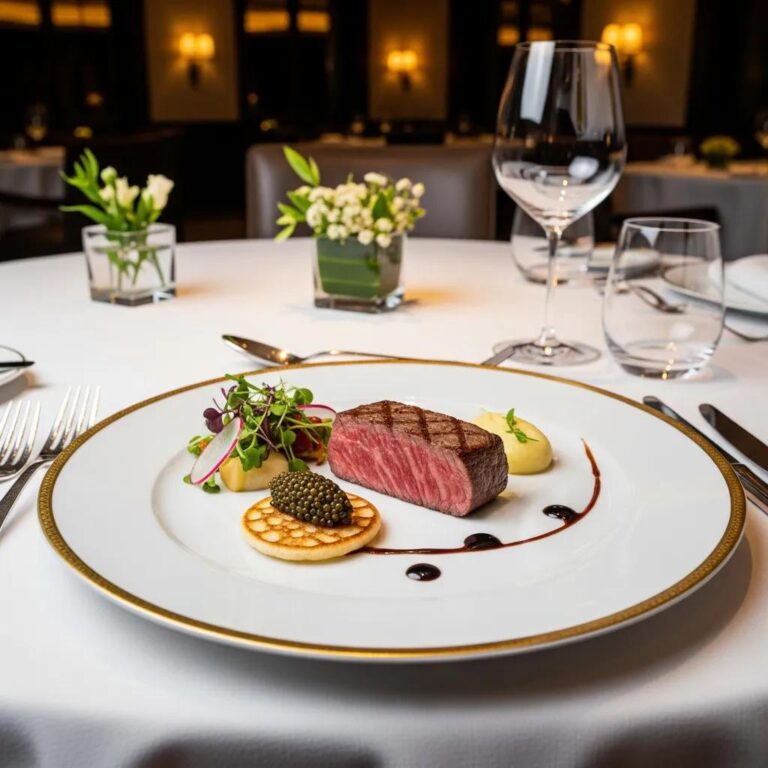
At Kaviar, chefs apply these selection principles when composing omakase and signature courses so oils accentuate rather than mask premium elements such as A5 Wagyu or delicate roe. The restaurant’s emphasis on premium ingredients and refined technique shows how oil choice can be a subtle, deliberate finishing tool in upscale Japanese dining—one reason reservations are encouraged for the full experience.
How Can You Understand Olive Oil Grades and Quality Indicators?
Grades are set by legal and sensory standards that tie production methods to measurable indicators such as acidity and sensory score—so reading labels is essential for predictable performance. “Extra virgin” signals mechanical extraction and high sensory quality; “refined” signals chemical processing and a more neutral product. Understanding these distinctions helps you buy with intent and apply oils appropriately: below we summarize common label terms and practical sensory steps.
Clear label literacy lets consumers and chefs align expectations, since processing methods produce meaningful differences in chemistry, flavor and nutritional value.
Edible Oil Standardization: Grading, Quality Parameters, and Consumer Guidance
Oils and fats appear across cuisines worldwide, but their origins and extraction methods produce final products with different physicochemical and nutritional qualities. Numerous extraction techniques yield oils of varying characteristics, so grading and standardization help guide consumers. Standards define quality classes, purity parameters, labeling rules and analytical methods—essential tools for helping buyers choose the product that fits their needs.
What Do Labels Like “Extra Virgin,” “Virgin,” and “Refined” Mean?
“Extra virgin” indicates the highest unrefined grade obtained by mechanical means, meeting low free fatty acid limits (under 0.8%) and sensory panel approval. “Virgin” is also mechanically extracted but may carry slightly higher acidity (up to 2%) and more muted sensory scores, making it suitable for lighter cooking. “Refined” oils undergo chemical treatment to remove defects and off‑flavors, producing a neutral oil useful at higher temperatures. Knowing these definitions keeps marketing language from obscuring practical choice.
Translating label language into sensory practice leads to a short tasting checklist you can use to verify freshness and detect common faults—outlined below.
How to Identify High-Quality Olive Oil by Taste and Appearance?
A straightforward tasting routine—look, swirl, smell, sip—lets you assess freshness and spot defects like rancidity or mustiness. Color is an unreliable quality marker (it varies by cultivar and harvest), so rely on aroma and the peppery finish that signals fresh, polyphenol‑rich oil. Off‑flavors to watch for include stale, metallic or vinegary notes, which indicate oxidation or poor processing. Taste oils side‑by‑side to compare fruitiness, bitterness and pungency, and rotate stocks to keep your service fresh.
Strong sensory practice improves procurement decisions and leads naturally into how different grades affect nutrition and health.
What Are the Health Benefits and Nutritional Uses of Olive Oil Varieties?
High‑quality extra virgin olive oil delivers monounsaturated fats and polyphenols associated with favorable cardiovascular patterns in Mediterranean‑diet research. EVOO’s oleic acid profile and antioxidant polyphenols support healthier lipid markers and offer anti‑inflammatory effects when part of a balanced diet. Nutritional differences between grades are mainly about polyphenol content: EVOO retains more bioactive compounds than refined oils, which is why EVOO is recommended for raw use when you want those benefits. Below are the primary takeaways and practical guidance.
- EVOO is a rich source of monounsaturated fats that support heart‑healthy eating patterns.
- Polyphenol‑rich EVOO offers antioxidant and anti‑inflammatory effects that complement overall wellness.
- Refined oils supply energy but fewer polyphenols—prefer EVOO for raw consumption to retain bioactives.
How Does Extra Virgin Olive Oil Support Heart Health and Wellness?
Research shows that diets using EVOO as a primary fat source are linked to improved cardiovascular indicators, largely because oleic acid affects LDL/HDL balance and polyphenols reduce inflammation and oxidative stress. EVOO supports endothelial function when consumed regularly as part of a pattern emphasizing vegetables, whole grains and lean proteins. Practical advice: use EVOO for dressings and finishing to maximize polyphenol intake, rather than exposing it to prolonged high heat where some compounds may degrade. These suggestions are dietary guidance rather than medical claims, and they lead into topical uses and safety notes.
The Mediterranean diet highlights virgin olive oil as a fundamental fat source, underscoring its cultural and nutritional role.
Virgin Olive Oil: Production, Health Benefits, and Mediterranean Diet Staple
Virgin olive oil is produced by gentle physical methods and retains characteristic aroma and bioactive compounds. Epidemiological studies link consumption of natural antioxidants with beneficial health effects, and virgin olive oil’s role in traditional Mediterranean diets illustrates its culinary and nutritional importance worldwide.
Can Olive Oil Be Used for Skin and Hair Care?
Olive oil has a long history as a topical emollient—food‑grade EVOO can hydrate dry skin and condition hair. However, cosmetic use requires care: patch test for sensitivities, avoid rancid or contaminated oil, and follow proper storage to prevent oxidation that could irritate skin. Used cautiously, olive oil can be a simple complementary treatment while remaining primarily a culinary ingredient.
Next we cover storage practices to help keep oils fresh for both tasting and any occasional topical use.
How Should Olive Oil Be Stored to Maintain Its Quality and Flavor?
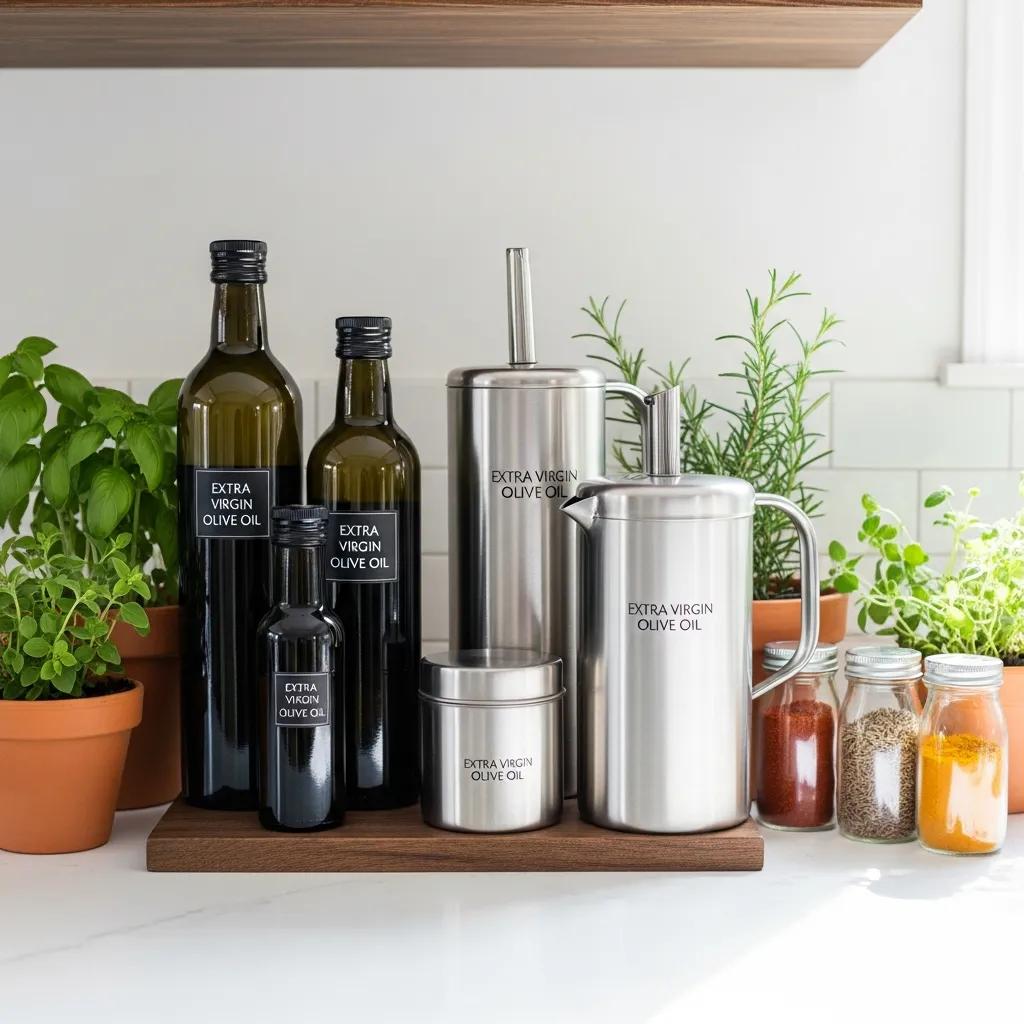
Good storage preserves olive oil’s polyphenols and volatile aromatics by minimizing light, heat and oxygen exposure. Keep oils in dark glass or stainless‑steel containers, store them in a cool, stable place away from the stove, and move opened oil into smaller bottles or pourers to reduce headspace and oxidation. These practices matter for restaurants and home kitchens alike. The table below summarizes container and condition recommendations along with expected shelf life ranges.
What Are the Best Storage Conditions for Different Olive Oil Types?
Store extra virgin olive oil in tightly sealed dark bottles at cool room temperature and away from heat sources; for restaurant use, stainless‑steel kegs or opaque containers are preferred. Refined oils are a bit more stable but still benefit from cool, dark storage. For infused or house‑blended finishing oils, refrigeration slows degradation—expect temporary cloudiness that clears at room temperature. These measures protect aroma and ensure consistent plating during service.
Adopting these habits leads to realistic timelines for opened bottles, which we cover next.
How Long Does Olive Oil Last After Opening?
After opening, olive oil will gradually oxidize as it meets air and light; a practical window for high‑quality EVOO is about 3–6 months for peak flavor and antioxidant benefit. Refined oils can remain serviceable longer for high‑heat cooking but will still lose subtle aromatics over time. Signs of rancidity include a flat, stale aroma or an unpleasant bitter or metallic taste—discard any oil with these faults. For professional kitchens, rotate stock first‑in, first‑out and consider smaller bottles or service decanters to reduce repeated air exposure.
Clear storage protocols reduce waste and protect flavor—useful context before addressing common myths below.
What Are Common Myths and FAQs About Olive Oil Varieties and Uses?
Persistent myths create confusion—examples include assuming darker color means higher quality or that EVOO is never suitable for cooking. Debunking these misconceptions comes down to understanding production, flavor and heat stability so you can make context‑based choices. The list below corrects key points so you avoid common pitfalls and select the right oil for the task.
- Myth: Darker oil is always better quality. Fact: Color varies by cultivar and harvest timing and is not a reliable quality marker.
- Myth: EVOO cannot be used for cooking. Fact: EVOO is suitable for many cooked applications when temperatures are controlled.
- Myth: All olive oils are the same. Fact: Processing and grade produce meaningful differences in flavor and chemistry.
Is Extra Virgin Olive Oil Always the Best Choice?
EVOO is the right choice when flavor and antioxidant content matter—dressings, dips and finishing are prime examples—but it isn’t always optimal for every technique because refined oils offer higher smoke points and neutrality. For high‑heat frying or when a neutral fat is essential in baking, refined oils or neutral alternatives perform better technically. The rule of thumb: use EVOO where its sensory character adds value and choose refined oils where heat performance is the priority.
That brings us to practical guidance on high‑temperature cooking and thoughtful alternatives.
Can You Use Olive Oil for High-Heat Cooking?
You can use olive oil for many cooking tasks, but choose the right type for the temperature. Refined and light olive oils have higher smoke points and are preferable above roughly 400°F; EVOO is best at moderate heats. A common professional technique is to sear with a neutral high‑smoke oil to achieve the Maillard crust, then finish with an off‑heat drizzle of EVOO to add aroma without degrading polyphenols. These strategies balance technical performance with flavor, whether at home or in a professional kitchen.
If you’d like to experience how ingredient selection and finishing choices translate to service, consider making a reservation.
How oils are labeled and presented shapes consumer behavior and market segmentation—knowing the distinctions helps you shop and cook more intentionally.
Olive Oil Market Segmentation: Consumer Profiles and Quality Class Preferences
Urban consumers respond to qualitative distinctions between products, creating clear market segments. Research based on consumer stated preferences highlights how different quality tiers influence buying behavior; analysis suggests three main consumer classes—basic, popular and premium—each with distinct expectations and purchasing patterns.
Kaviar offers an upscale Japanese fine‑dining experience where premium ingredients and considered finishing touches—including carefully selected finishing oils—shape tasting menus and signature dishes. To see how ingredient selection and plating come together in a curated sequence, guests may reserve a table via Kaviar’s website or consult the restaurant’s Google Business Profile for reservation details and reviews. Booking through those channels secures a tasting that highlights premium proteins and refined pairings in a focused, reservation‑driven setting.
Frequently Asked Questions
What is the best way to taste olive oil for quality?
Use a simple sensory routine: look, swirl, smell and sip. Note that color varies and is not a reliable quality cue. Swirling releases aromatics—take a deep sniff for fruity, grassy or peppery notes. Sip a small amount and let it coat your palate; pleasant bitterness and a clean, peppery finish usually indicate freshness and high polyphenol content. Comparing samples side‑by‑side is the fastest way to spot differences.
How can I tell if my olive oil has gone bad?
Olive oil goes rancid with exposure to light, heat and air. Signs include a flat, stale aroma or unpleasant bitter or metallic flavors. A musty or vinegary smell indicates oxidation—discard oils that show these faults. Store bottles in a cool, dark place and aim to use opened bottles within 3–6 months for best flavor.
Can olive oil be used for frying and high-heat cooking?
Yes—if you pick the right type. Refined and light olive oils have higher smoke points and are better suited to frying. Extra virgin olive oil performs well at low to medium heat and can be used for many cooked applications when temperatures are controlled. For very high temperatures, consider starting with a neutral oil for searing and finishing with EVOO off‑heat to add aroma.
What are the health benefits of using olive oil in my diet?
Extra virgin olive oil is rich in monounsaturated fats and polyphenols associated with heart‑healthy dietary patterns. Regular use can support better lipid profiles, reduce inflammation and contribute to overall wellness when part of a balanced diet. Polyphenols are more abundant in EVOO than in refined oils, so favor EVOO for raw consumption to maximize those benefits.
How should I store olive oil to maintain its quality?
Store olive oil in a cool, dark place in dark glass or stainless‑steel containers to limit light exposure. Keep bottles away from heat sources like the stove and transfer to smaller containers to reduce air contact once opened. Proper storage extends usable life—aim to use opened bottles within 3–6 months for optimal freshness.
Is there a difference between olive oil and olive pomace oil?
Yes. Olive oil (especially EVOO) comes from the first mechanical extraction and retains flavor and nutritional compounds. Olive pomace oil is produced from the leftover pulp after that pressing and is typically solvent‑extracted and refined, resulting in a milder, more neutral product suited to high‑heat cooking but lacking the flavor and many bioactives of higher‑grade oils. Choose based on the culinary need.
Conclusion
Knowing olive oil varieties and how they behave empowers both home cooks and professional chefs to select the right oil for each task. By understanding the differences between extra virgin, virgin, refined and pomace oils, you can make choices that enhance flavor, texture and nutritional value. Explore thoughtfully chosen oils and taste intentionally—then experience how careful ingredient selection shapes service at Kaviar, where every component, including our finishing oils, helps craft memorable meals.