




Tokyo’s Michelin Stars: A Practical Guide to Omakase, A5 Wagyu, and Caviar
Tokyo is unique: a city where centuries-old technique meets the exacting standards of Michelin. This guide breaks down why Tokyo leads the world in starred restaurants, how omakase, A5 Wagyu, and carefully placed caviar embody that excellence, and how to plan reservations and behavior for high-stakes meals. If you’d like a local comparison, Kaviar Restaurant in Pasadena offers a chef-driven omakase, select A5 Wagyu, and curated caviar service that reflect Tokyo-level thinking—see Kaviar Restaurant’s Menu and Reservations for booking details and sample offerings. Many diners find Tokyo’s formats graceful but hard to decode—this article turns those formats into actionable choices, with clear descriptions of restaurant types, sensory expectations, and reservation strategies through 2025.
What Makes Tokyo the Global Leader in Michelin Star Restaurants?
Tokyo’s edge comes from a mix of rigorous apprenticeship, unrivaled ingredient access, and a culture that prizes daily consistency. Michelin rewards those exact qualities, and across the city—from compact sushi counters to formal kaiseki rooms—you’ll find painstaking technique, seasonally-driven menus, and service that runs like clockwork. Markets, regional producers, and fast island-to-plate logistics give chefs access to seafood and produce at peak condition, allowing restaurants to deliver reliably excellent meals that meet Michelin’s standards. Below we unpack the criteria Michelin values and the structural reasons Tokyo supports such an intense concentration of quality.
The Michelin Guide evaluates restaurants against a handful of core measures—ingredient quality, technical skill, the chef’s voice, value, and consistency. In Tokyo, these measures align naturally with long-standing training methods and dining traditions. That alignment explains why chef-centered formats like omakase and multi-course kaiseki frequently earn stars and why diners target those experiences when they want the city’s finest meals.
Tokyo’s system is sustained by social and economic patterns that make excellence repeatable: regular dining habits, deep respect for craft, and a market environment that allows small, specialized operations to thrive. Because mastery is reinforced every service, restaurants can refine their craft continuously. The next section highlights three structural pillars that let Tokyo outpace other cities in Michelin recognition.
This section spotlights three core strengths behind Tokyo’s dominance:
- Traditional apprenticeship and craft systems that produce technically skilled chefs.
- Exceptional domestic supply chains and coastal fisheries that deliver superior ingredients.
- A dining culture that values consistency, ceremony, and repeat patronage.
Those three pillars explain why Michelin inspectors repeatedly find world-class technique and refinement across Tokyo’s restaurant scene. Next, we translate these attributes into the representative restaurant types diners will encounter.
How Does the Michelin Star Rating System Work in Japan?
The Michelin system centers on five pillars: ingredient quality, mastery of technique, the chef’s culinary personality, value for money, and consistency over time. Inspectors visit anonymously and assess how those elements combine into a repeatable dining experience. In Japan, where presentation and precision are cultural hallmarks, inspectors often encounter restaurants whose dishes demonstrate extraordinary harmony between component and whole. Knowing these criteria helps diners read reviews and set expectations for formats such as omakase, kaiseki, and focused counters—each judged for both individual dishes and the overall service flow.
Why Does Tokyo Have the Highest Number of Michelin-Starred Restaurants?
Tokyo’s density of Michelin-starred venues stems from high urban demand, vast regional culinary diversity, and institutional culinary education that feeds an expert workforce. The city supports many small-format specialists—sushi counters, tempura bars, kaiseki rooms—where intense focus allows chefs to reach exceptional technical levels within a narrow format. Strong seafood markets and inter-prefectural supply chains let chefs refresh menus often and showcase provenance at peak season. Those structural advantages explain the breadth of starred formats in Tokyo and why travelers must decide between sushi, kaiseki, and tempura based on occasion and expectation.
Which Are the Best Michelin-Starred Restaurants in Tokyo?
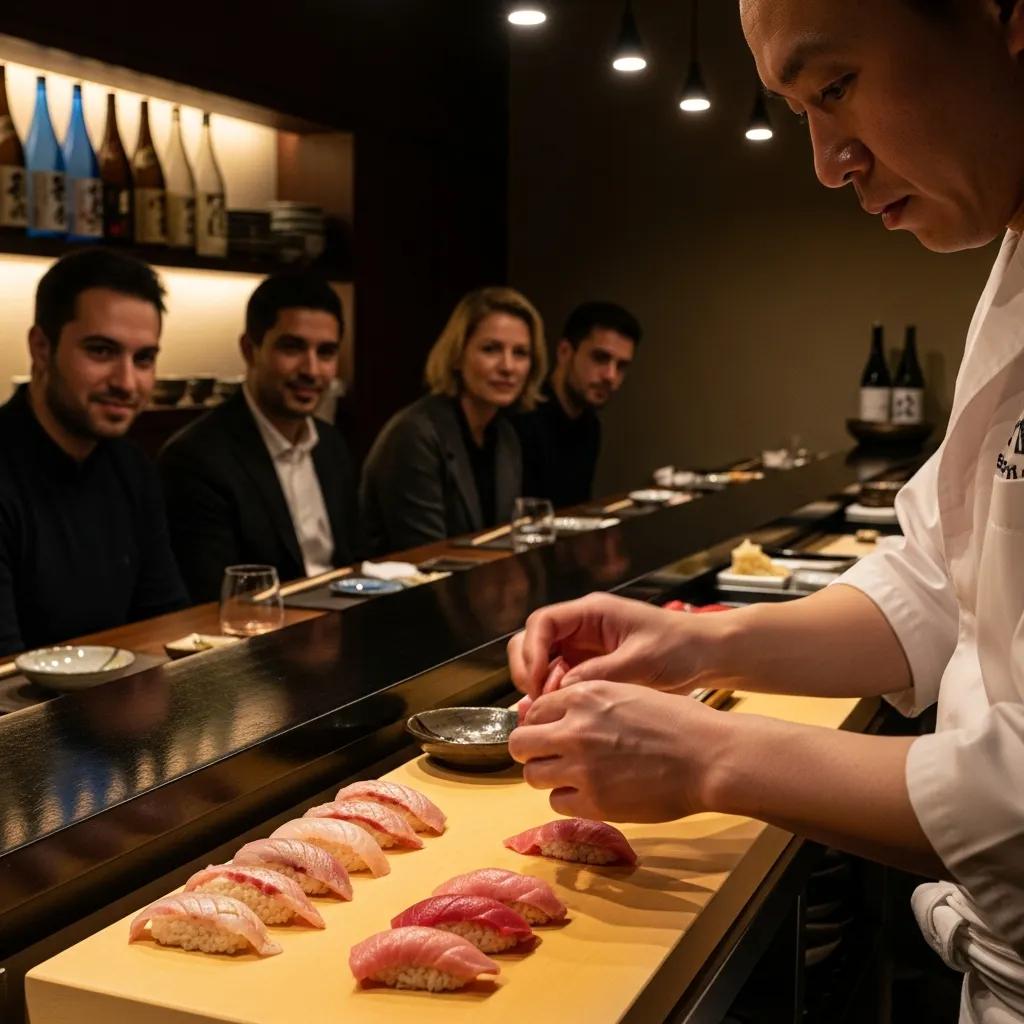
Rather than single out names, this section organizes Tokyo’s starred scene into three representative formats—sushi counters, kaiseki ryotei, and tempura specialists—so you can match format to occasion. Each type emphasizes different priorities: sushi counters center on sourcing and nigiri craft, kaiseki tells a seasonal story through multi-course progression and plating, and tempura houses perfect batter, oil, and frying rhythm. Below are the defining expectations for each.
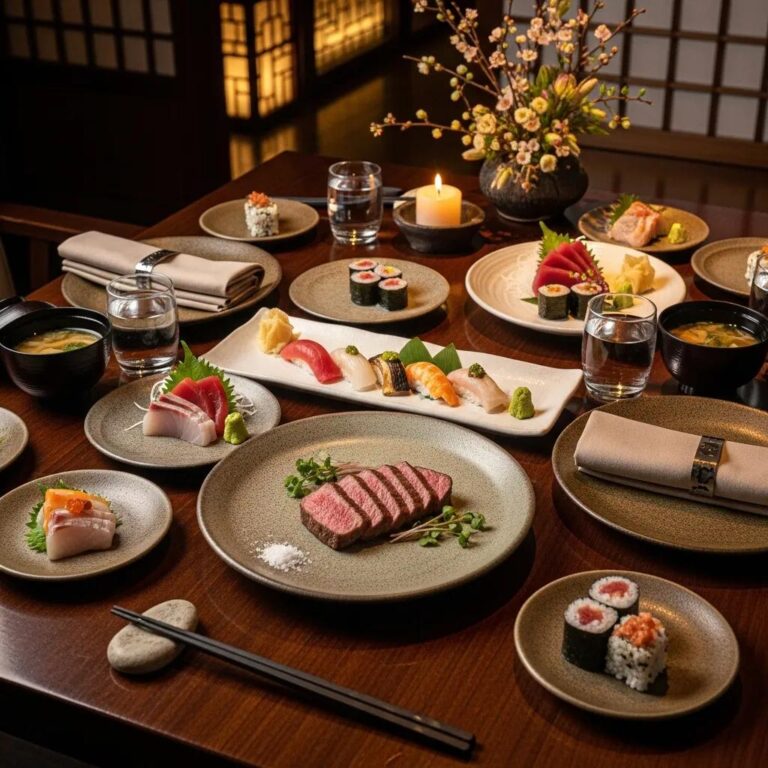
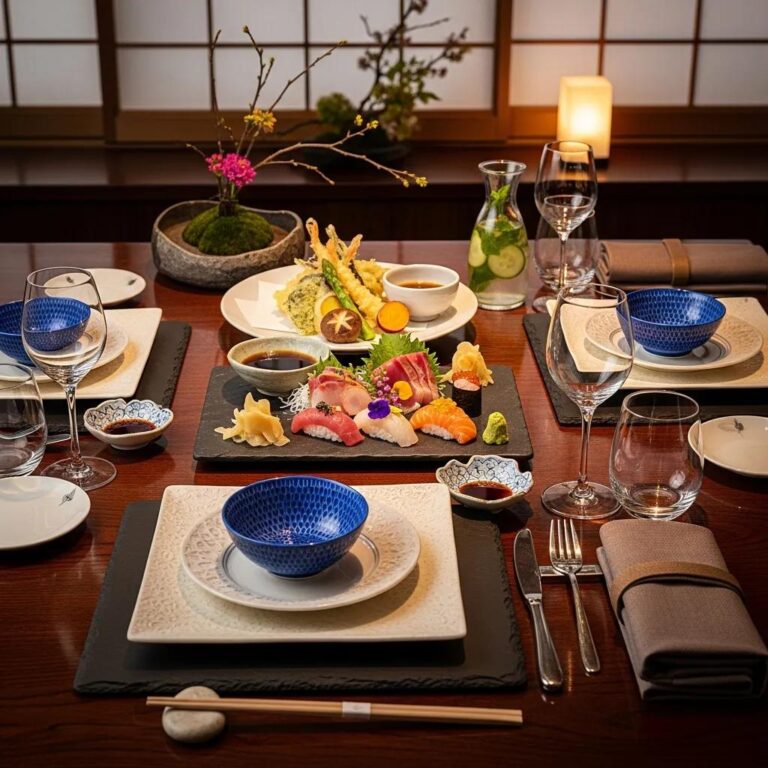
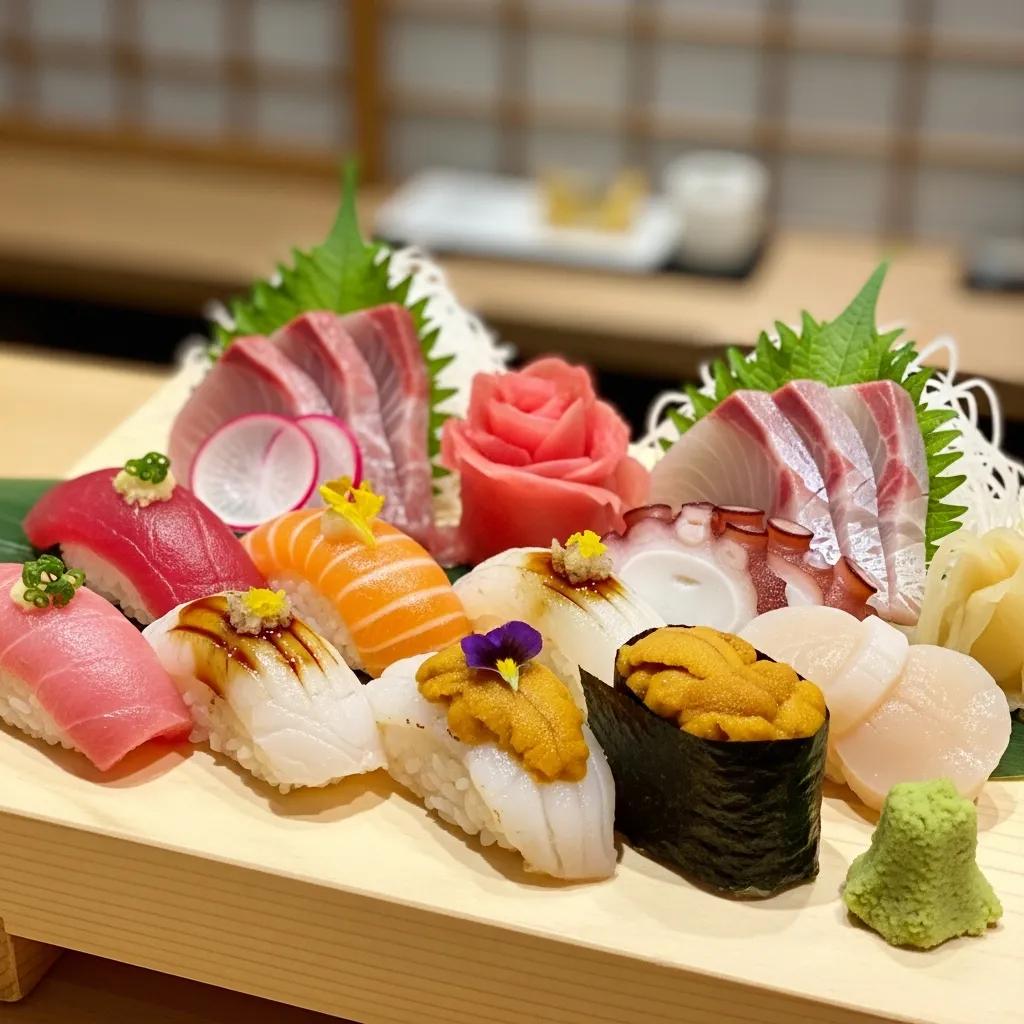
- Sushi Counters: Chef-led nigiri served in sequence, meticulously seasoned rice, and an intimate counter built around fish provenance and timing.
- Kaiseki Ryotei: A multi-course seasonal narrative, refined presentation, and deliberate pacing that elevates local ingredients.
- Tempura Specialists: Light, temperature-controlled frying, carefully tuned batters and oils, and emphasis on texture and contrast.
These categories help travelers choose a dining format that fits their goals. The table below summarizes signature attributes and how hard each is to book.
What Are the Top Sushi, Kaiseki, and Tempura Michelin Restaurants?
Leaders in each category earn acclaim for distinct strengths: sushi counters for fish selection and rice technique, kaiseki for seasonal composition and fine plating, and tempura houses for control of oil and batter. Sushi often unfolds at a close counter where the chef times each piece; kaiseki spaces courses to showcase local produce and small-plate artistry; tempura presents a shorter tasting progression focused on crispness and temperature. Match your budget and patience—top sushi and kaiseki often require advanced booking and favor small seat counts—so you get the experience you want.
How to Choose the Right Michelin Restaurant for Your Tokyo Fine Dining Experience?
Choose by occasion, budget, and desired level of formality. Opt for a sushi counter when you want direct chef interaction and a seafood focus; pick kaiseki for a ceremonial multi-course celebration rooted in seasonality; choose tempura for a textural, focused tasting. Check reservation policies—many top spots require advanced booking, deposits, or strict cancellation rules—and consider meal length and dress expectations. Using these criteria will steer you to the right format; next, we take a closer look at omakase, Tokyo’s central chef-led experience.
What Defines the Omakase Experience in Tokyo’s Michelin Star Restaurants?
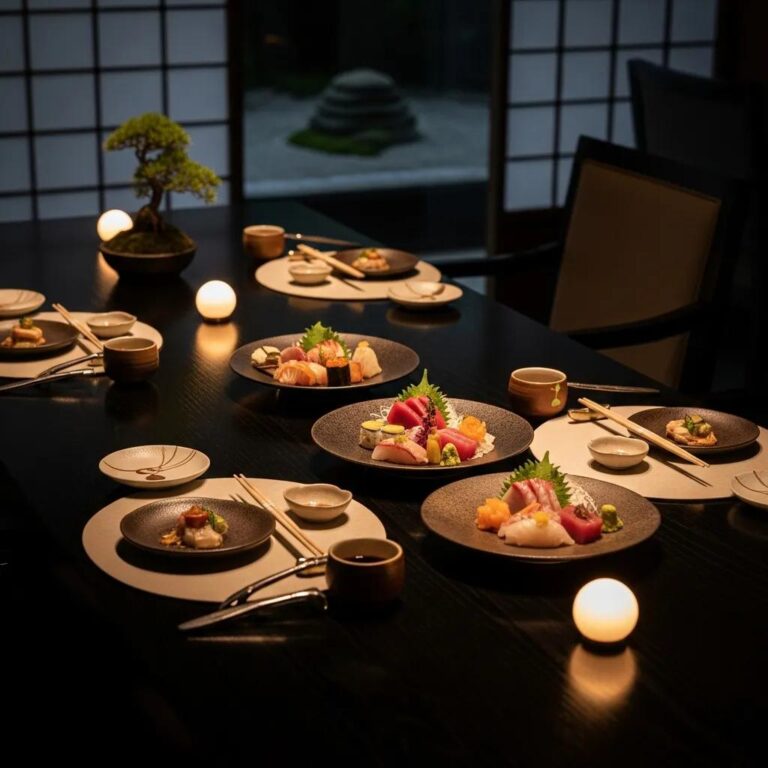
Omakase is a chef-driven tasting format where trust, seasonality, and craft converge into a personalized progression. Literally “I leave it to you,” omakase emphasizes the chef’s choices, on-the-fly adjustments based on market arrivals, and a close chef–guest dialogue. The payoff is a tightly curated sequence that prioritizes ingredient integrity and minimal intervention—often served at a counter where every bite contributes to a coherent culinary story. That is why omakase is so tightly associated with Tokyo’s highest culinary standards.
Omakase appears in different registers—from pure nigiri counters to hybrid kaiseki-omakase menus—each revealing different chef priorities. Some services focus on nigiri rhythm and fish provenance; others weave in seasonal small plates, grilled items, and broths to build a broader arc. The subsection below defines omakase succinctly and explains its cultural importance in Tokyo.
What Is Omakase and Why Is It Central to Tokyo’s Culinary Excellence?
Omakase is a chef-led tasting sequence where dishes are selected and timed according to seasonality and the chef’s judgment. It puts the chef’s palate front and center, allowing expert technique and real-time menu choices to showcase peak-season ingredients and regional rarities. Omakase invites diners to accept the meal as crafted art rather than an à la carte checklist—reflecting Tokyo’s deep trust in chef expertise and devotion to ingredient quality. It’s also a practical proving ground for chefs seeking Michelin recognition.
Next, we identify how leading Tokyo venues distinguish their omakase styles and what to expect from each approach.
Which Michelin-Starred Tokyo Restaurants Offer the Best Omakase?
Top omakase venues stand out for rigorous sourcing, precise pacing, and counter dynamics that spotlight the chef’s hand. They vary by fish cadence, rice seasoning philosophy, and how temperature and texture are sequenced across nigiri and small plates. Expect small seat counts, strict booking rules or prepayment in some cases, and menus that change daily with the market. Knowing these features helps you choose the omakase style—pure nigiri or a broader tasting menu—that best matches your aims.
Having covered omakase fundamentals, the next section explains how A5 Wagyu is treated in Tokyo’s high-end menus and why it plays a special role.
How Is A5 Wagyu Celebrated in Tokyo’s Michelin Star Dining Scene?
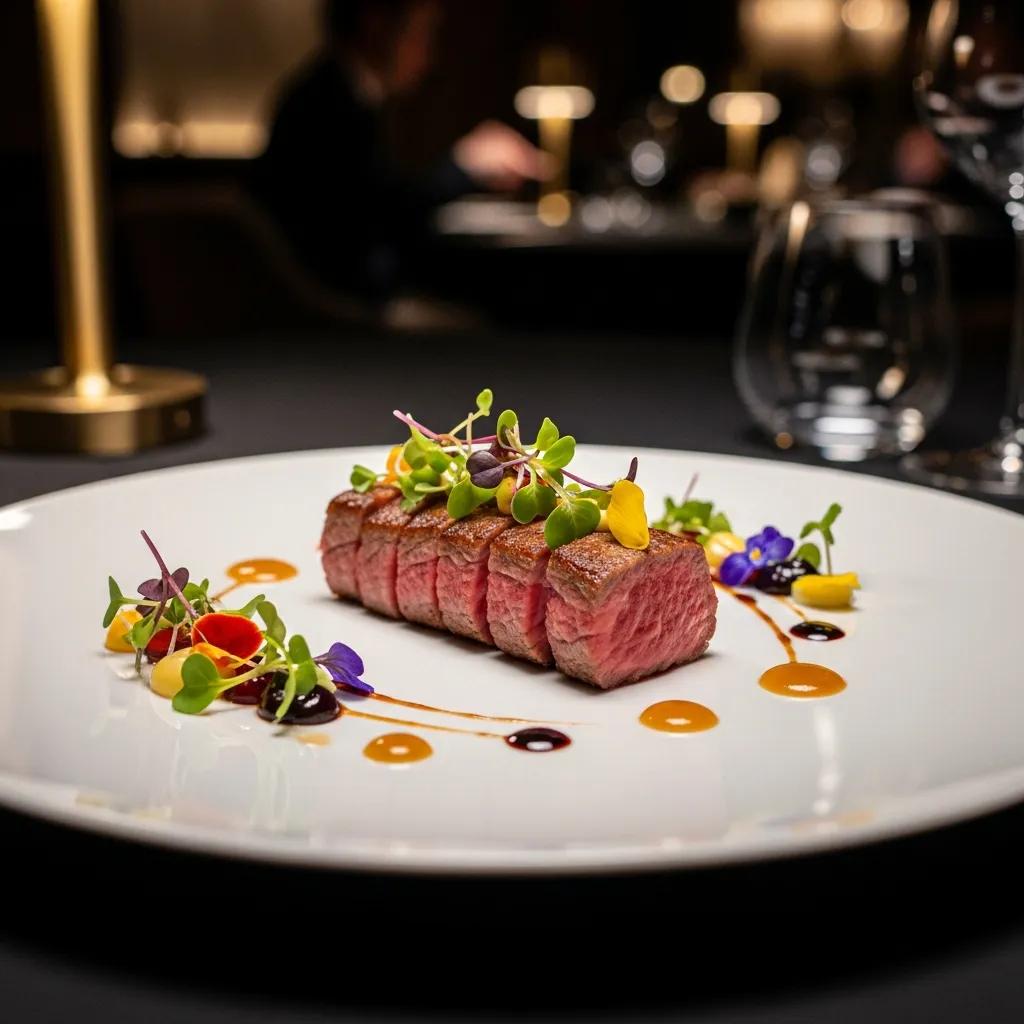
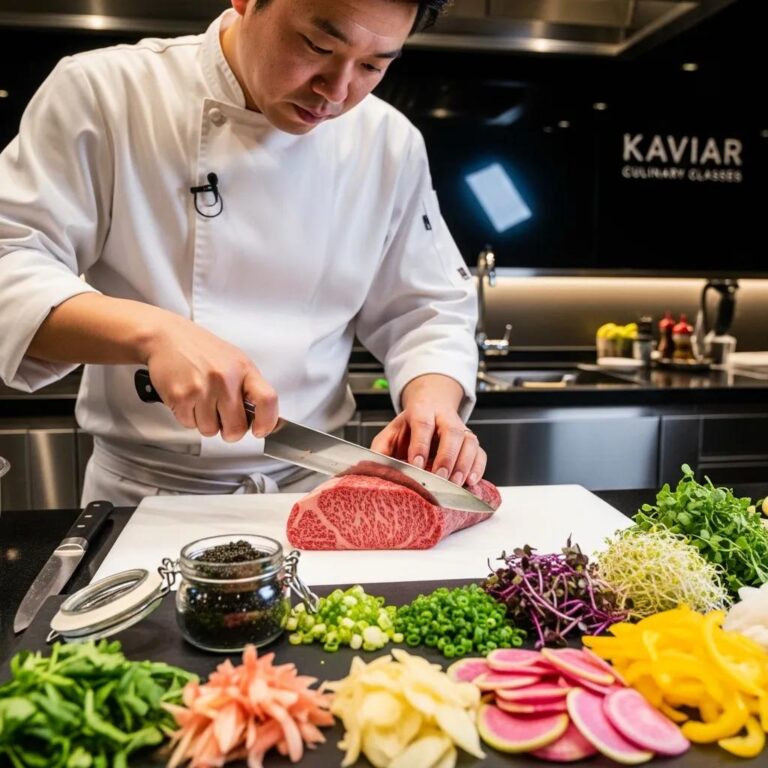
A5 Wagyu represents the peak of Japanese beef grading: extreme marbling, a buttery mouthfeel, and concentrated umami. In Michelin-level kitchens it’s used sparingly and deliberately—thin sears, small plated portions with subtle condiments, or a focused course that contrasts texture and temperature. Chefs stress traceability and cut selection, balancing portion size against menu pacing so the Wagyu moment feels impactful but proportionate. The next paragraph outlines the grading and sensory traits that make A5 a signature ingredient.
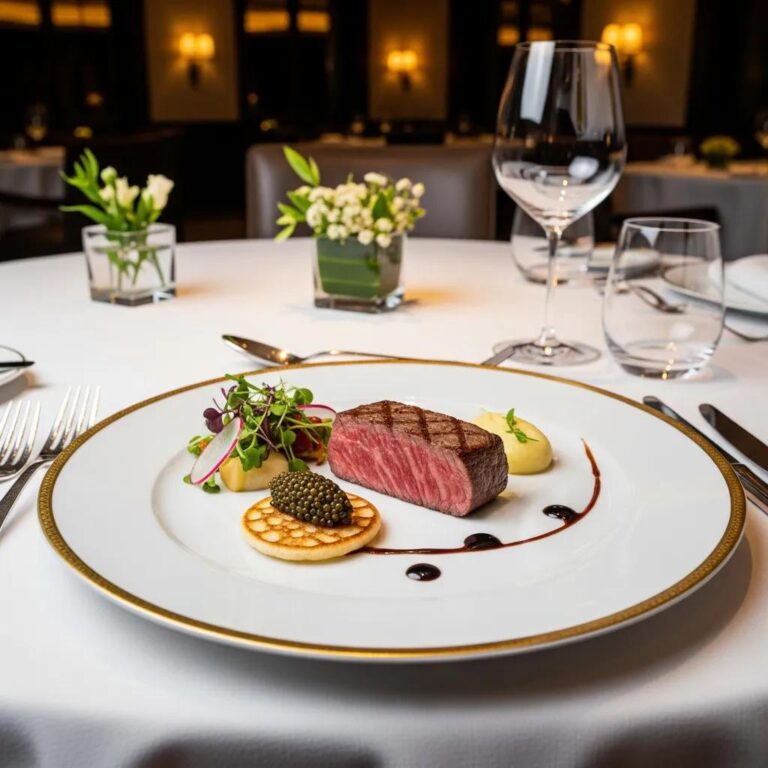
Because marbling defines A5’s intensity, Tokyo chefs keep seasoning minimal to preserve the meat’s fat-sweetness and silk-like texture. Typical preparations include quick, high-heat sears to render just enough fat, thin shabu-style slices presented against broth, or small grilled portions that act as a menu highlight. These restrained treatments reflect a provenance-first approach that aligns with Michelin’s standards.
Japanese Black cattle breeds produce very high intramuscular fat levels, and combined with careful breeding and feeding, result in beef whose marbling can exceed 30%. That structure creates the melt-in-the-mouth texture and rich, savory profile chefs prize, and it helps explain why A5 sits at the top tier of fine-dining ingredients.
Japanese Wagyu Beef Industry: Breeds, Fat Content, and Global Production
Japan’s Wagyu population includes four traditional breeds—Black, Brown, Shorthorn, and Polled—and Wagyu today is produced both domestically and abroad. Recent data show intramuscular fat in Japanese Black cattle can surpass 30% in the longissimus muscle. The breed is genetically inclined to deposit higher concentrations of monounsaturated fatty acids, contributing to Wagyu’s distinctive texture and flavor.
The Japanese Wagyu beef industry: Current situation and future prospects—A review, 2018
Below, a quick table clarifies Wagyu grades and common preparations so you can see how chefs integrate these beefs into tasting menus.
What Makes A5 Wagyu the Pinnacle of Japanese Fine Dining?
A5’s signature is its intramuscular fat distribution, which yields a near-melting texture and layered savory notes hard to replicate elsewhere. That marbling amplifies umami while letting chefs exercise precision over searing and seasoning, so a single bite can both spotlight the beef and support surrounding courses. The grading system signals quality and guides portioning in tasting menus, where Wagyu often serves as a concentrated, memorable highlight.
Which Tokyo Michelin Restaurants Are Renowned for A5 Wagyu?
Across Tokyo, several Michelin venues feature Wagyu as a centerpiece in kaiseki or as a focused offering in steak and tasting menus. These restaurants prioritize provenance and work with trusted purveyors to secure prefectural breeds and exacting cuts. If Wagyu is a priority for your meal, book ahead and ask about preparation style so the experience matches your expectations. Next, we’ll look at how caviar is used as a delicate accent in Tokyo’s fine dining.
Where Can You Experience Luxury Caviar Dining in Tokyo’s Michelin Restaurants?
Caviar in Tokyo’s fine dining scene typically plays a supporting role: a texture and salinity accent that lifts seafood, custards, and selective small plates. Chefs apply it sparingly to add umami and mouthfeel—pairing it with chilled custards like chawanmushi, lightly seasoned nigiri, or delicate crèmes so the brine enhances rather than overwhelms. Sustainability and provenance are increasingly part of the service narrative, and many restaurants will describe sourcing as part of the experience. Below we outline common integration approaches and pairing logic.
A small spoonful of caviar can transform mouthfeel and sharpen fatty or umami-rich elements without masking subtle flavors. Typical pairings include chilled egg custards, refined shellfish preparations, and restrained dairy or toasted carriers. Chefs balance temperature and salt so the caviar’s brine complements the primary ingredient. The next subsection lists practical integration strategies and pairing rationale used at Michelin level.
How Is Caviar Integrated into Tokyo’s Fine Dining Menus?
Chefs use caviar as garnish, focal accent, or texture contrast, choosing applications that harmonize with the menu’s seasonal arc. Common uses include crowning silken egg custards for saline lift, finishing sashimi or nigiri to add concentrated umami, and pairing with neutral carriers like blini or toast to create textural interplay. Responsible sourcing is increasingly part of the decision, with many kitchens opting for sustainably harvested options that align with their ingredient principles. The goal is always to complement, not overwhelm, the dish.
Which Michelin-Starred Tokyo Restaurants Feature Signature Caviar Dishes?
A select group of Tokyo venues spotlight caviar in signature courses where minimal portions and precise plating let the ingredient sing. Expect small service sizes, thoughtful pairings, and a service narrative that often mentions provenance or pairing intent. For diners outside Tokyo, a local example of this restraint-first approach is available closer to home.
Kaviar Restaurant in Pasadena offers curated caviar service that follows Tokyo’s logic—caviar as a precision accent within composed dishes. Diners interested in premium pairings can consult Kaviar Restaurant’s Menu and Reservations for current offerings and booking information. This illustrates how Tokyo techniques translate into a Pasadena setting while keeping provenance and restraint front and center.
How Can You Plan Your Visit to Tokyo’s Michelin Star Restaurants?
Visiting Tokyo’s Michelin restaurants takes planning: reserve early, confirm deposit and cancellation rules, and respect cultural norms that prize punctuality and decorum. High-demand counters often open bookings months ahead, and many travelers use hotel concierges or specialty reservation services for hard-to-get seats. Factor tasting-menu pricing and meal length into your budget, and be ready for small seat counts and deliberate pacing. Below are practical, search-friendly tips to help you secure the right reservation.
Four concrete reservation tips for Tokyo Michelin dining:
- Book Early: Secure reservations as far ahead as possible—particularly for intimate sushi counters and kaiseki rooms.
- Use Concierge or Specialist Services: Hotel concierges and trusted reservation agents can access limited windows and make the process smoother.
- Confirm Policies: Verify deposit, cancellation, and no-show terms before booking to avoid surprises.
- Communicate Dietary Needs Early: Alert the restaurant to allergies or strict preferences when you book so the kitchen can plan accordingly.
With those steps taken, consider the cultural etiquette that shapes how service flows and what chefs expect at high-end counters.
What Are the Best Reservation Tips for Tokyo’s Michelin Restaurants?
Securing a seat often means planning months ahead and tapping multiple channels—public reservation windows, hotel concierges, and reputable local booking services. Ask whether the restaurant requires prepayment or deposits and confirm arrival windows; such policies are common for small, in-demand counters. When you book, clarify menu format, seating (counter versus private room), and any language support so expectations align with reality. A little preparation prevents disappointments and helps you choose between omakase, kaiseki, or a focused tasting.
What Cultural Etiquette Should Diners Know When Visiting Tokyo’s Fine Dining Scene?
Japanese dining etiquette emphasizes respect, minimal interruption during service, and a polished exchange with chefs at counter seats. Arrive on time, avoid loud phone use or intrusive photography, and accept the chef’s pacing without demanding substitutions mid-service. Tipping is not customary—excellent service is included in the experience. Observing these norms ensures a smooth meal and a respectful relationship with the team crafting your dinner.
How Does Kaviar Restaurant in Pasadena Bring Tokyo’s Michelin Star Experience Locally?
Kaviar Restaurant in Pasadena translates Tokyo-caliber fine dining into a local setting through chef-led omakase, thoughtful A5 Wagyu treatments, and curated caviar service. We focus on seasonality, traceable sourcing, and intimate service—small-format dining that prioritizes conversation with the chef and composed plates that let primary ingredients speak. If you’re looking for a Pasadena option that channels Tokyo craftsmanship, consult Kaviar Restaurant’s Menu and Reservations for menu highlights and booking guidance tailored to guests seeking omakase, A5 Wagyu, and caviar-forward moments.
Our omakase frames a paced tasting progression where chef curation and market-driven sourcing shape course order and portioning—offering a narrative-driven meal similar to Tokyo counters. We balance intimacy with exacting technique, making Michelin-style rhythm accessible to local diners. Check Reservations for seating types and booking windows, and the Menu for signature items and seasonal highlights.
At Kaviar, A5 Wagyu and caviar are treated as moments of restraint and elevation rather than abundance. A5 is served in small, precisely cooked portions to showcase marbling and mouthfeel; caviar is used sparingly to lift texture and salinity in composed dishes. Guests should consult the Menu for current offerings and Reservations for booking procedures to ensure a tailored, memorable visit.
How Does Kaviar’s Omakase Reflect Tokyo’s Culinary Excellence?
Kaviar’s omakase prioritizes chef-led progression, seasonal sourcing, and counter-style presentation that encourages dialogue between chef and guest—translating Tokyo sensibilities into Pasadena. We favor minimal intervention and premium produce so each course highlights technique and provenance, mirroring the trust-based exchange central to Japanese omakase. Expect a dynamic sequence that adapts to market arrivals and chef discretion; we recommend reserving counter seats via Reservations for the fullest experience.
Where to Find Premium A5 Wagyu and Caviar Service at Kaviar in Pasadena?
Our Menu features carefully composed presentations of A5 Wagyu and measured caviar pairings woven into tasting progressions to balance richness with the meal’s arc. A5 Wagyu is showcased in compact, expertly executed portions to maximize texture and flavor, while caviar appears as a precision accent that adds saline lift and contrast. For exact dishes and recommended lead times, please consult Kaviar Restaurant’s Menu and Reservations.
What Are the Latest Trends and Insights in Tokyo’s Michelin Star Culinary Scene?
Through 2025, Tokyo’s leadership continues to emerge from innovation rooted in tradition: chefs pair hyper-local sourcing with clearer provenance, adopt sustainability practices for high-impact ingredients like Wagyu and caviar, and create more personalized omakase formats. Digital booking tools and concierge services are increasingly important for access to small-seat venues, while experiential plating and multi-sensory presentation evolve to create lasting memories. Below we outline the forces that keep Tokyo at the forefront and how those trends affect travelers and local restaurateurs alike.
How Has Tokyo Maintained Its Michelin Star Leadership Through 2025?
Tokyo’s consistency is driven by deep training systems, a dense market that supports specialization, and an ingredient network that supplies seasonal excellence year-round. Chefs iterate on time-honored techniques while integrating modern sourcing and sustainability standards, favoring continuous refinement over wholesale reinvention. The Michelin Guide’s scrutiny reinforces high standards and pushes kitchens to maintain technical precision—dynamics that sustain Tokyo’s unusually high concentration of starred venues and feed trends in omakase personalization and ingredient transparency.
What Are Emerging Trends in Omakase, Wagyu, and Luxury Dining?
Key trends shaping Tokyo’s fine dining include stronger traceability and sustainable sourcing for premium items, greater personalization within omakase while preserving chef authority, tech-enabled reservation systems to manage limited seats, and heightened experience design—multi-sensory plating, smoke, temperature contrast, and layered textures—to create memorable moments. Local restaurants like Kaviar respond by foregrounding provenance, curating tasting arcs, and communicating reservation logistics clearly.
For diners and restaurateurs, these shifts mean clearer provenance communication, deliberate portioning of luxury ingredients, and hybrid reservation channels that balance public availability with concierge access. Together, these practices preserve authenticity while improving accessibility as Tokyo-style fine dining evolves.
- Traceability: Clear sourcing for Wagyu and caviar builds trust with guests.
- Personalization: Omakase adapts to guest needs without diminishing the chef’s vision.
- Technology: Digital reservations and concierge tools help manage demand at small-seat venues.
- Experience Design: Thoughtful pacing and sensory techniques create lasting impressions.
These trends point to a future where provenance, personalization, and curated access shape Michelin-level Japanese dining—giving diners better choices and restaurateurs a roadmap for balancing exclusivity with transparency.
Frequently Asked Questions
What is the best time to visit Tokyo’s Michelin-starred restaurants?
Weekdays and off-peak hours (early lunch or later dinner) are generally quieter than weekends. Reservations remain essential for popular venues—book well in advance when possible. Visiting during lower-tourism windows, such as late autumn or winter, can also improve availability and provide a calmer dining atmosphere.
Are there vegetarian or vegan options available at Michelin-starred restaurants in Tokyo?
Some Michelin restaurants do offer vegetarian or vegan menus—kaiseki houses are often the most adaptable, creating seasonal vegetable-forward courses that highlight local produce. Always communicate dietary needs when booking; many chefs can accommodate with advance notice, though options may be more limited than in meat-forward kitchens.
How can I ensure a memorable dining experience at a Michelin-starred restaurant?
To make the most of a Michelin meal: arrive on time, respect the chef’s pacing, and engage politely with staff to learn about the dishes. Understand the format (omakase, kaiseki, etc.) beforehand and dress appropriately for the setting. Openness to the chef’s recommendations and courteous behavior will enhance the experience for both guest and team.
What should I know about the pricing of Michelin-starred meals in Tokyo?
Prices vary by reputation, format, and ingredients. Expect tasting menus to range widely—typical full-service prices commonly fall between ¥10,000 and ¥50,000 per person at higher-end establishments. Confirm whether beverages, service charges, or fees are included, and check deposit or prepayment policies when you reserve to avoid surprises.
What are the typical dress codes for fine dining in Tokyo?
Dress codes range from smart casual to formal depending on the venue. Most Michelin restaurants expect neat, elegant attire—men in collared shirts and slacks, women in dresses or tailored separates. Some high-end rooms prohibit shorts, flip-flops, or overly casual clothing; confirm the restaurant’s policy ahead of time so you feel comfortable and appropriately dressed.
How do I navigate language barriers when dining at Michelin-starred restaurants in Tokyo?
Language gaps are common, but many high-end venues provide English menus or staff who can help. Translation apps are useful for quick clarifications, and using a hotel concierge or local booking service can smooth reservations and communication. Advance notes on dietary needs and questions are best handled when booking to ensure the kitchen can respond effectively.
Conclusion
Tokyo’s Michelin-starred restaurants offer a unique combination of technique, seasonality, and service discipline. By understanding formats like omakase and kaiseki and the roles of A5 Wagyu and caviar, diners can plan more intentional, rewarding visits. For those who want a local expression of these standards, Kaviar Restaurant in Pasadena delivers a chef-led, ingredient-focused experience rooted in the same principles. Explore our Menu and secure a Reservation to discover a Pasadena tasting that channels Tokyo’s exacting spirit.