




Wine Regions and Why They Matter for Japanese Fine Dining
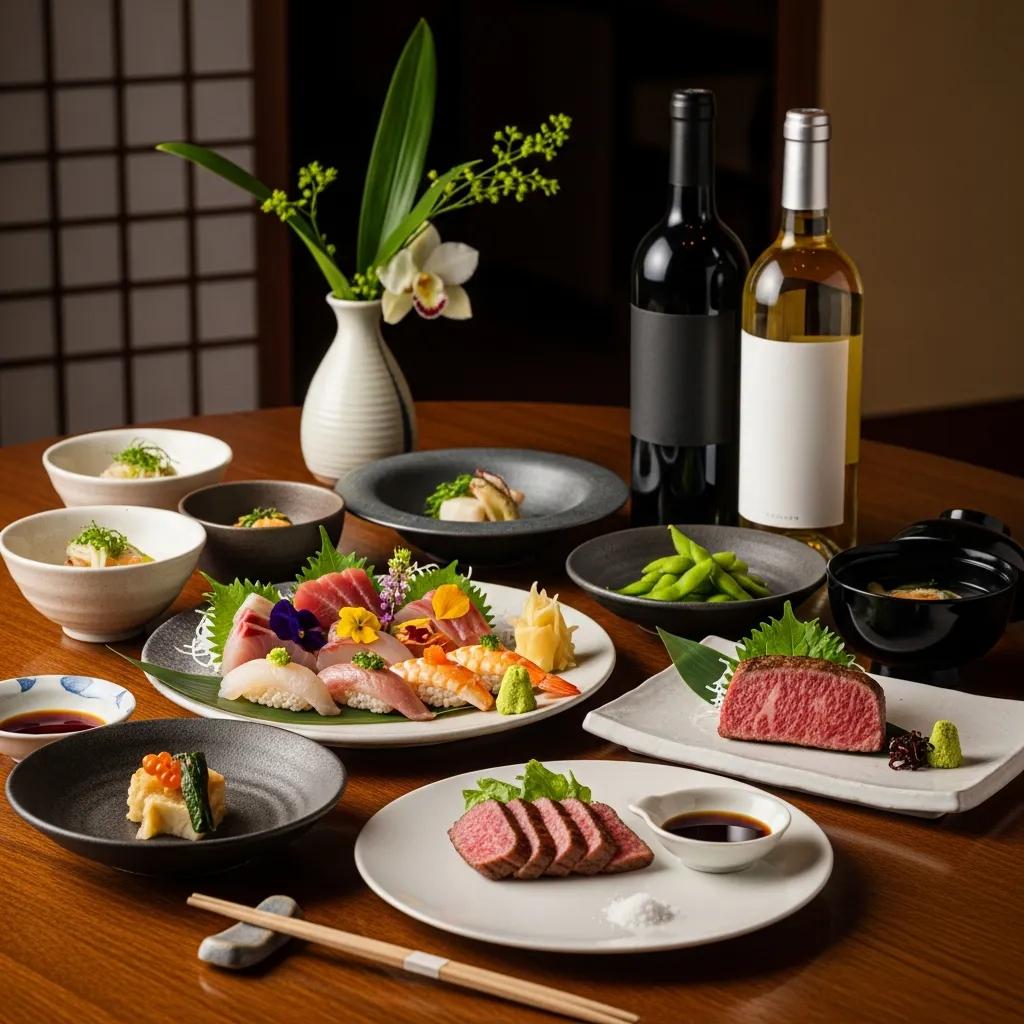
Knowing wine regions is essential when building a list that respects the subtle flavors and textures of Japanese fine dining. This guide breaks down what a wine region is, how viticulture and terroir shape a grape’s personality, and why choosing region-first helps us match wines to omakase, sushi, A5 Wagyu, and caviar. You’ll find clear pairing principles, concise regional profiles, varietal tasting notes, and practical sommelier tips tailored to elevated Japanese plates. We map key Old World and New World regions, explain terroir elements (climate, soil, topography), and translate those traits into usable wine-to-dish matches. Along the way, curated tables and short sommelier callouts make it easy to choose pairings that elevate a luxury dining experience.
What Are the Major Global Wine Regions and Their Signature Grape Varietals?
Wine regions are geographic areas shaped by climate, soil and winemaking history that tend to produce recognizable grape varieties and styles. Over time those conditions—along with vineyard practice—create predictable profiles of ripeness, acidity, tannin and aroma that are useful for pairing. Recognizing regional signatures—Burgundy’s poised Pinot Noir or Marlborough’s bright Sauvignon Blanc—helps a sommelier select wines that support the textures and flavors of Japanese cuisine. The table below summarizes major regions, their signature grapes, typical flavor traits and quick pairing cues for staff and guests.
Viewing regions this way shows how region → grape → style creates reliable pairing cues. Sommeliers use those cues to match structural elements—acidity and tannin—to dish attributes like umami, fat and texture. We expand on that connection next.
Which Old World Wine Regions Define Classic Wine Styles?
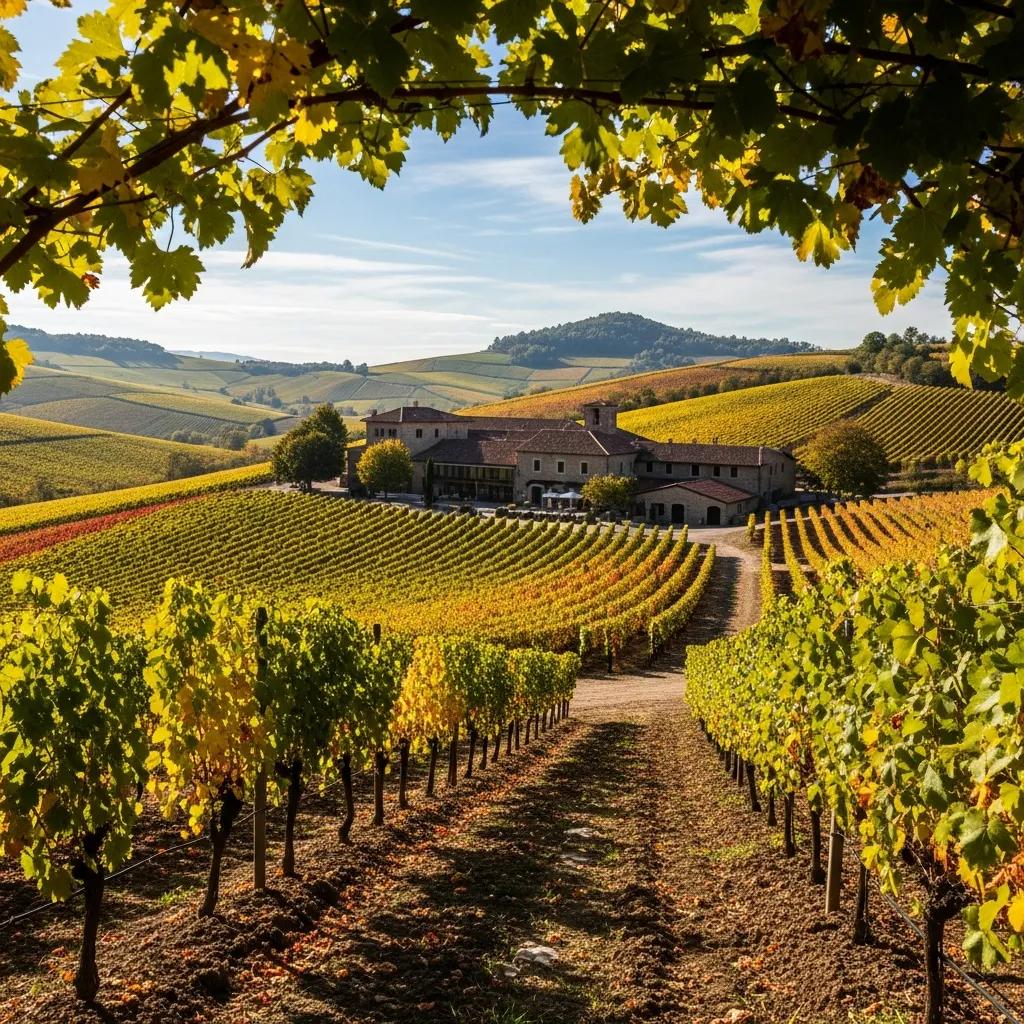
Old World regions—mainly in Europe—have long-established appellation systems and winemaking traditions that emphasize site and restraint. Cooler sites and complex soils in these regions often produce wines with higher acidity, gentle extraction and savory or mineral notes that partner beautifully with the finesse of sushi and lighter omakase courses. Burgundy’s Pinot Noir leans toward red-fruit and earthy nuance, while Bordeaux blends deliver structure and age-worthiness. Understanding Old World subtlety and appellation logic helps us select wines that complement delicate Japanese dishes rather than overpower them.
Understanding Terroir: Wine’s Full Environment
Terroir describes the complete natural setting where a wine is made—soil, topography and climate—and includes the human choices that shape the vineyard and cellar. It’s bigger than the simplistic “taste of the earth” idea and explains why wines from different places express distinct personalities.
Perfect Pairings: A Master Sommelier’s Practical Advice for Partnering Wine with Food, 2006
What New World Wine Regions Offer Unique Grape Varieties and Flavors?
New World regions—Napa, Marlborough, Barossa, Willamette and others—often show climate-driven ripeness and fruit-forward character that contrast with Old World restraint. Warmer New World sites can yield riper tannins and concentrated fruit that suit richer, sauced or seared dishes; cooler New World subregions produce elegant, bright examples that still work well with sushi. Many New World producers spotlight single-vineyard expression and contemporary cellar techniques, giving sommeliers tools to match body and intensity to dishes like marinated toro or charred fish. Between Old World nuance and New World generosity, we have a broad palette for pairing with Japanese cuisine.
How Does Terroir Influence Wine Characteristics and Our Selection?
Terroir—the mix of climate, soil, topography and human practice—shapes a wine’s sensory profile and guides our selections. Terroir affects ripeness, acidity, aromatic precursors and tannin development, which in turn determine how a wine balances umami, fat and texture on the plate. When curating wines for omakase or premium meats, our team considers how microclimate acidity or soil-driven minerality will play against sushi rice acidity or wagyu fat. Below we outline the key terroir components and why each matters for pairing.
The following list highlights primary terroir elements and their sensory impacts.
- Climate: Sets ripeness and natural acidity; cooler climates preserve the lift that suits sushi and sashimi.
- Soil: Adds minerality and structural nuance; stony soils often produce wines with saline or mineral notes that echo ocean flavors.
- Topography: Shapes sun exposure and drainage; hillside sites can yield concentrated fruit with balanced structure.
- Microclimate: Local influences like coastal fog slow ripening and favor aromatic whites and delicate reds.
These factors combine to form predictable profiles sommeliers use to map wines to dishes—for example, choosing a cool-climate Chardonnay for its bright acidity and subtle minerality alongside sashimi.
Terroir’s Role: More Than Earthy Notes
Some wines show earthiness—what many call terroir—but the term covers the full natural and human context that gives a wine its sense of place. Soil, slope, climate and human technique all leave signatures in the glass.
Perfect Pairings: A Master Sommelier’s Practical Advice for Partnering Wine with Food, 2006
What Are the Key Terroir Components: Climate, Soil, and Topography?
Climate controls ripeness and acidity, directly influencing a wine’s body and flavor intensity. Cooler climates tend to preserve acidity and delicate aromatics, which pair well with raw and lightly seasoned seafood in omakase. Soil contributes perceived minerality and can influence phenolic development—limestone or chalk often yields taut acidity and a saline edge that complements oceanic flavors. Topography—slope, aspect and elevation—affects sun exposure and drainage, creating micro-sites for balanced complexity. Together, these elements produce a sensory fingerprint we use to match wines to the texture and seasoning of Japanese dishes.
How Do Sustainable Viticulture Practices Affect Wine Quality and Flavor?

Sustainable, organic and biodynamic practices influence both grape reliability and the provenance story we share with diners. Prioritizing soil health and biodiversity often leads to more consistent ripening, clearer varietal expression and wines that reflect their site more honestly. Many sommeliers note that lower-intervention wines can show purer fruit and more pronounced terroir markers—qualities that pair beautifully with the transparent flavors of omakase. For a thoughtful wine list, sourcing producers committed to sustainability strengthens both menu storytelling and guest confidence in ethical sourcing.
How Do Wine Regions Shape Our Curated Wine Pairings with Japanese Cuisine?
Regional wine characteristics translate into pairing rules sommeliers use to balance acidity, tannin, body and aromatics with umami, fat and texture in Japanese cooking. High-acid, mineral-driven whites are natural fits for sushi and raw seafood; refined light reds or supple fuller-bodied wines complement richer or grilled plates. The table below maps dish categories to recommended regions or grapes and explains the terroir reasons behind each match.
This practical map turns regional signatures into simple rules: match acidity to fat, minerality to oceanic salinity, and tannin to protein density. The sections that follow give concrete examples for sushi/omakase and for A5 Wagyu.
Which Wines Best Complement Omakase and Sushi Dishes?
Omakase and sushi benefit from wines with bright acidity, restrained aromatics and clean minerality—qualities that preserve the nuance of fish and rice while cutting through umami. A crisp Chablis or an unoaked Chardonnay supports white-fleshed fish with citrus lift and saline backbone; Marlborough Sauvignon Blanc adds an herbaceous brightness for yuzu- or herb-accented bites. Champagne and high-acid sparklings refresh the palate between courses and pair especially well with shellfish and soft textures. Proper serving temperature and glassware refine the experience: chill whites to show freshness, and pour sparklings to keep their mousse and aromatics intact.
Sommelier’s Recommendation: A Brut Champagne or a mineral-driven Chablis is an excellent choice to accompany a sequence of nigiri, enhancing contrast with each bite.
What Are the Ideal Wine Choices for A5 Wagyu and Premium Meats?
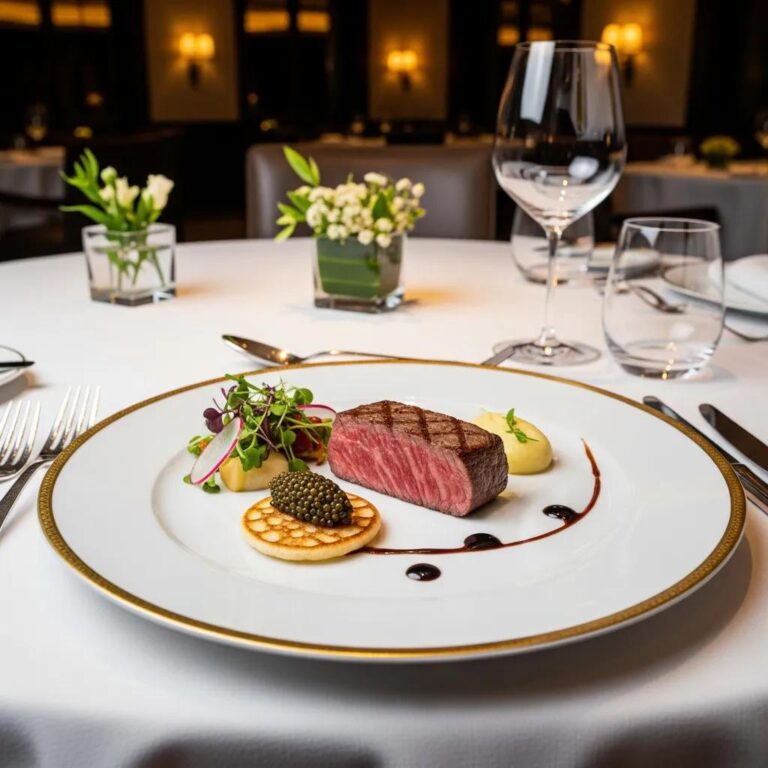
Pairing highly marbled A5 Wagyu calls for wines that integrate with fat without masking texture. The aim is to balance tannin with marbled fat and to complement savory crusting. Mature Bordeaux blends or aged Rioja bring structure and savory complexity; select Napa Cabernets with polished tannins and integrated oak can meet the meat’s intensity. Decanting and serving slightly warmer help aromas open and tannins soften, improving harmony with wagyu’s silkiness. Choose wines that offer backbone and savory depth rather than aggressive extraction that competes with the beef.
Sommelier’s Recommendation: For A5 Wagyu, a gently aged Bordeaux-style blend or an elegant Tempranillo highlights the beef’s richness while preserving subtle flavors.
Following these regional pairing principles, Kaviar’s sommelier team hand-selects bottles that emphasize terroir-driven acidity, minerality and structure suitable for omakase and premium meats. Our wine list rotates with seasonal menus so each course can be matched to bottles that echo its provenance and technique. Guests who want recommended pairings can request sommelier guidance or note pairing preferences when making a reservation or viewing the menu; Kaviar also highlights signature ingredients like A5 Wagyu and Kaluga caviar (25G $65; 50G $120; 100G $220) within tasting sequences to help inform wine choices.
Why Are Certain Grape Varietals Preferred in Our Wine Selection?
We prioritize grape varieties whose aromatics, acidity, tannin and body align cleanly with the flavor matrix of Japanese cuisine. Pinot Noir and Sauvignon Blanc often provide the texture and acid balance needed for sushi, while Cabernet Sauvignon and aged Tempranillo styles supply the tannic backbone for richer grilled dishes. Introducing lesser-known varieties fills pairing gaps with distinctive aromatics or acidity profiles. The table below profiles core grapes and explains why our sommeliers return to them for a Japanese fine-dining list.
This organized view explains why these varieties recur: they deliver structural traits sommeliers use to balance fat, umami and texture. Clear varietal notes also help service staff recommend targeted pairings as a tasting progresses.
What Are the Flavor Profiles of Key Grapes Like Cabernet Sauvignon and Pinot Noir?
Cabernet Sauvignon typically shows concentrated dark fruit, defined tannins and savory oak-derived notes with age—traits that pair well with rich, savory meats and heavy searing. Its tannins bind with fat to refresh the palate and heighten savory perception when aged or well-integrated. Pinot Noir, in contrast, offers bright red fruit, earthy nuance and softer tannins that complement lighter meats, fatty fish and umami-forward dishes without overwhelming delicate textures. Choose Pinot for subtle, aromatic plates and Cabernet-style wines for bold, fatty preparations.
How Do Lesser-Known Varietals Enhance Our Wine List’s Diversity?
Adding lesser-known varieties like Albariño, Grüner Veltliner and Nebbiolo lets us solve specific pairing challenges where mainstream grapes may fall short. Albariño brings saline-driven acidity perfect for shellfish and light ceviche; Grüner Veltliner’s peppery-citrus profile suits tempura and herb-forward dishes; Nebbiolo’s high acidity and tannin can counterpoint aged or umami-rich courses. These varietals expand the list’s narrative and give adventurous diners fresh, well-matched options that still follow our core principles of acidity, tannin and body balance.
What Role Does Wine Terroir Play in Pairing with Caviar and Sparkling Wines?
Terroir explains why Champagne and other traditional-method sparklings pair so well with caviar: cool-climate acidity, a fine bead of mousse and autolytic brioche notes from lees aging combine to cleanse the palate and echo caviar’s briny complexity. Effervescence lifts salinity and texture while mineral notes provide a supporting backbone. Outside Champagne, terroir-driven alternatives—Franciacorta, quality Cava and English sparkling wines—bring their own balance of depth, citrus-mineral tension or crispness that also suits caviar. Below we outline Champagne’s mechanisms and other regional sparklings that make excellent pairing partners.
How Does Champagne’s Terroir Influence Its Pairing with Caviar?
Champagne’s cool climate preserves bright natural acidity, and its chalky soils often give wines a mineral firmness that echoes caviar’s saline character. Bottle fermentation yields persistent, fine bubbles that lift fat and texture, while lees aging adds brioche and nutty notes that harmonize with caviar’s umami. Together, these elements create a cleansing, framing effect: acidity refreshes, mousse adds tactile contrast, and autolytic flavors provide savory affinity. For caviar service, serve Champagne slightly chilled in a tulip or white-wine glass to showcase aromatics while allowing the mousse to enhance mouthfeel.
Terroir and Wine Pairing: A Culinary Perspective
Pairing is best learned through tasting—both wine and food. Paying attention to place, technique and ingredients reveals why certain wines suit specific dishes and how terroir guides those matches.
The Taste of Place: A Cultural Journey into Terroir, AB Trubek, 2008
Which Sparkling Wines from Other Regions Complement Our Caviar Service?
Several traditional-method sparklings outside Champagne offer terroir-driven alternatives for caviar: Franciacorta delivers richer bread-yeast complexity with Italian citrus notes; premium Cava offers bright acidity and excellent value; English sparkling wines bring chalky minerality and focused acidity. Each region’s climate and soils shape acidity, mousse and autolytic development in ways that can mirror or contrast caviar’s profile. Choosing among these options lets our sommeliers balance price, regional story and flavor for the specific caviar service.
How Does Kaviar Restaurant’s Wine Philosophy Reflect Regional Influences and Dining Experience?
At Kaviar Restaurant we build a wine list that highlights regional stories, terroir-driven traits and pairing suitability to enhance Japanese fine dining in Pasadena. We look for wines with clear acidity, minerality or balanced structure so they integrate with omakase sequencing, A5 Wagyu and caviar rather than overpowering them. Our sommelier pairs regional choices to the menu—rotating bottles with seasonal seafood and premium ingredients—so every course benefits from a wine that echoes its provenance and technique. Guests who want guided pairings can request sommelier-curated flights or note pairing preferences when they reserve or consult the menu; these options help translate terroir narratives into on-the-table synergy.
How Do We Integrate Regional Wine Stories into Our Curated List?
Integration starts with selection criteria that prioritize site expression, thoughtful producer practices and pairing suitability for categories like omakase or premium meats. Our sommelier evaluates producers for terroir clarity and sustainable practices, then frames those stories on the menu so guests understand how a wine’s origin and method relate to the dish. A mineral-driven Champagne suggested with caviar will include tasting notes on chalky soil and lees aging; likewise, a cool-climate Pinot Noir paired with toro will note its high-acidity, low-tannin profile. This editorial approach makes regional narratives part of the dining experience, supporting both education and enjoyment.
What Are Our Sommelier’s Recommendations for Enhancing the Fine Dining Experience?
Our sommelier suggests a few practical service principles to make regional pairings sing:
- Start Light: Open with high-acid sparklings or crisp whites for raw, delicate courses.
- Progress Strategically: Move to aromatic whites or light-bodied reds for richer fish, then to fuller-bodied wines for heavier meats.
- Match Texture: Consider textural affinities—mousse versus silkiness—when pairing caviar or wagyu.
These tips help translate regional characteristics into a coherent tasting progression that highlights both wine and cuisine while respecting each selection’s provenance.
Frequently Asked Questions
What factors should I consider when pairing wine with Japanese cuisine?
Consider a dish’s primary flavors, texture and umami level. High-acid wines complement delicate sushi and sashimi, while fuller-bodied, tannic wines suit richer dishes like A5 Wagyu. Think about how acidity, tannin and body will either cut through or support the dish to create balance.
How can I choose the right wine for a specific Japanese dish?
Start by identifying the dish’s dominant elements—fat, salt, acidity and seasoning. Light, high-acid wines like Chablis work well with sushi; richer reds such as Bordeaux-style blends pair with grilled meats. When in doubt, ask our sommelier or use pairing tables for practical guidance.
What role does serving temperature play in wine pairing?
Serving temperature changes how a wine’s aromas and structure come across. Whites and sparklings are best chilled to highlight freshness and acidity—ideal for raw seafood. Reds benefit from being slightly cooler than room temperature to soften tannins and emphasize fruit. Correct temperatures help the wine complement the food.
Are there specific wine regions that are better suited for pairing with sushi?
Yes. Regions known for high-acid, mineral-driven wines—Chablis in France, Marlborough in New Zealand and Champagne—produce styles that refresh the palate and enhance sushi’s delicate flavors. These regions are dependable starting points for sushi pairings.
How do I know if a wine is sustainably produced?
Look for certifications like organic, biodynamic or sustainable vineyard labels, and check the winery’s website for details on soil health, biodiversity and water use. Producers who emphasize sustainable practices often provide transparency about their methods.
What are some lesser-known grape varietals that pair well with Japanese dishes?
Varietals such as Albariño, Grüner Veltliner and Nebbiolo offer fresh pairing possibilities. Albariño’s saline acidity suits shellfish; Grüner Veltliner’s peppery-citrus character complements tempura and herb-forward dishes; Nebbiolo’s acidity and tannin can stand up to aged or umami-heavy courses. Exploring these grapes adds variety and memorable matches.
Conclusion
Understanding how wine regions influence flavor and structure helps create pairings that truly elevate Japanese fine dining. By selecting wines that reflect regional characteristics—acidity, minerality and balanced structure—guests enjoy a harmonious interplay of wine and food. Explore our curated wine list to discover pairings that celebrate both the cuisine and the bottle, and ask our sommelier for personalized recommendations on your next visit.