





A5 Wagyu and Caviar: Kaviar’s Signature Flourish in Pasadena Fine Dining
At Kaviar, we bring two emblematic luxury ingredients—Miyazaki A5 Wagyu and Kaluga caviar—into a chef-led Japanese fine dining experience crafted for discerning guests in Pasadena. This piece outlines why Miyazaki A5 Wagyu is revered, how premium caviar is best tasted and served, what to expect from an omakase at Kaviar, and which wine and sake pairings enhance those flavors. Many guests prioritize both provenance and technique when choosing a special meal; knowing grading conventions, tasting rituals, and pairing logic helps you decide before you reserve. Below we explain the qualities that set A5 Wagyu and Kaluga caviar apart, the sensory reasoning behind accompaniments and pairings, the structure of our seasonally curated omakase, and practical reservation paths for private and celebratory dining. You’ll leave with clear tasting strategies, pairing suggestions, and a sense of how Kaviar weaves these premium ingredients into an elevated Japanese fine dining story in Pasadena.
What Makes Miyazaki A5 Wagyu the Pinnacle of Japanese Fine Dining?
Miyazaki A5 Wagyu combines strict provenance, rigorous grading, and exceptional intramuscular fat distribution to produce an unusually tender, umami-rich experience. The “A” indicates yield and “5” the highest quality grade; the Beef Marble Score (BMS) measures marbling that directly influences buttery mouthfeel and flavor delivery. Practically, this profile gives you rapidly melting fat, lifted savory aromatics, and a texture that rewards delicate techniques like a quick sear or tartare preparations. Chefs treat Miyazaki A5 differently from conventional beef: the goal is to showcase rendered fat and subtle seasoning rather than conceal the meat with heavy sauces. The section that follows unpacks grading mechanics and the sensory consequences so diners can better connect labels and provenance to the plate.
How Is Miyazaki A5 Wagyu Graded and What Sets It Apart?
Miyazaki A5 Wagyu is evaluated on two scales—yield (A–C) and quality (1–5)—with A5 representing the top mark on both. The Beef Marble Score (BMS) typically runs from 3 to 12; Miyazaki producers frequently reach the upper end, creating continuous ribbons of intramuscular fat that melt at low temperatures and perfume the palate. That marbling amplifies umami through lipid-bound flavor compounds and creates a silk-like texture that seems to dissolve between tongue and palate, leaving a sustained savory finish. Traceability to Miyazaki prefecture matters: local breeding, feed, and handling practices contribute to consistent marbling and meat chemistry, so provenance carries as much weight as the numeric grade. These grading points explain why eating Miyazaki A5 feels fundamentally different from a conventional steak and why chefs plan cooking methods to preserve those delicate qualities.
Before we look at Kaviar’s specific preparations, it helps to contrast Miyazaki A5 with other grades and styles so you can anticipate real, perceptible differences at the table.
That comparison highlights how Miyazaki A5’s fat chemistry favors texture and concentrated umami over the bolder, grain-forward character of typical beef—guiding chefs toward lighter seasoning and minimalistic presentation.
In Kaviar’s kitchen we apply those principles to A5 Wagyu dishes that deliberately spotlight provenance and fat rendering. The next subsection explains why diners choose our signature A5 preparations in Pasadena.
Why Choose Kaviar’s Signature A5 Wagyu Dishes in Pasadena?
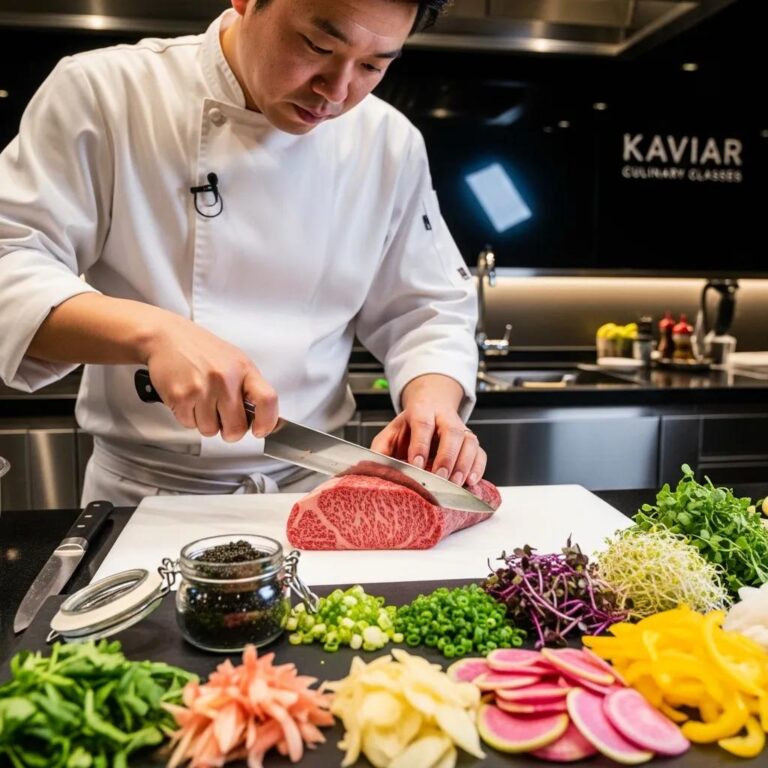
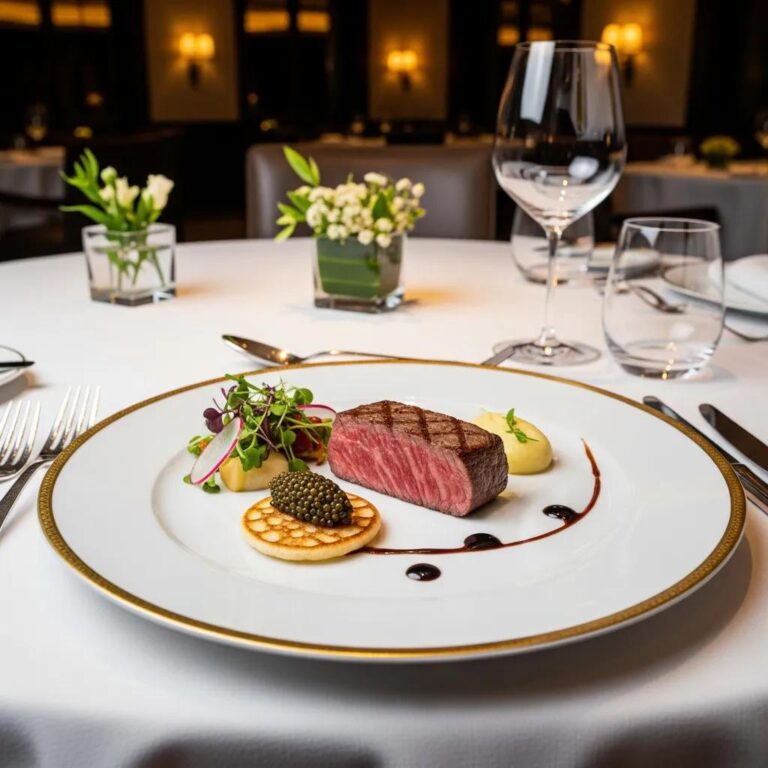
At Kaviar, Miyazaki A5 Wagyu anchors several signature preparations that play with textural contrast and restrained seasoning. Menu highlights often include refined presentations like A5 Wagyu tartare and seared striploin, where chef technique—precise knife work, exacting seasoning, and a brief, high-heat finish—lets the cut’s delicate fat and pure umami speak. These dishes are composed to deliver layers: the initial silk of melted fat, followed by a lingering savory finish that pairs best with light-acid accents or aged vinegars rather than heavy sauces. For Pasadena diners seeking a locally accessible expression of Miyazaki provenance and refined execution, these preparations are both instructive and memorable. If provenance and craft matter to you, sampling Kaviar’s A5 offerings is a logical step before booking an omakase.
How Does Kaviar Elevate the Caviar Dining Experience in Pasadena?
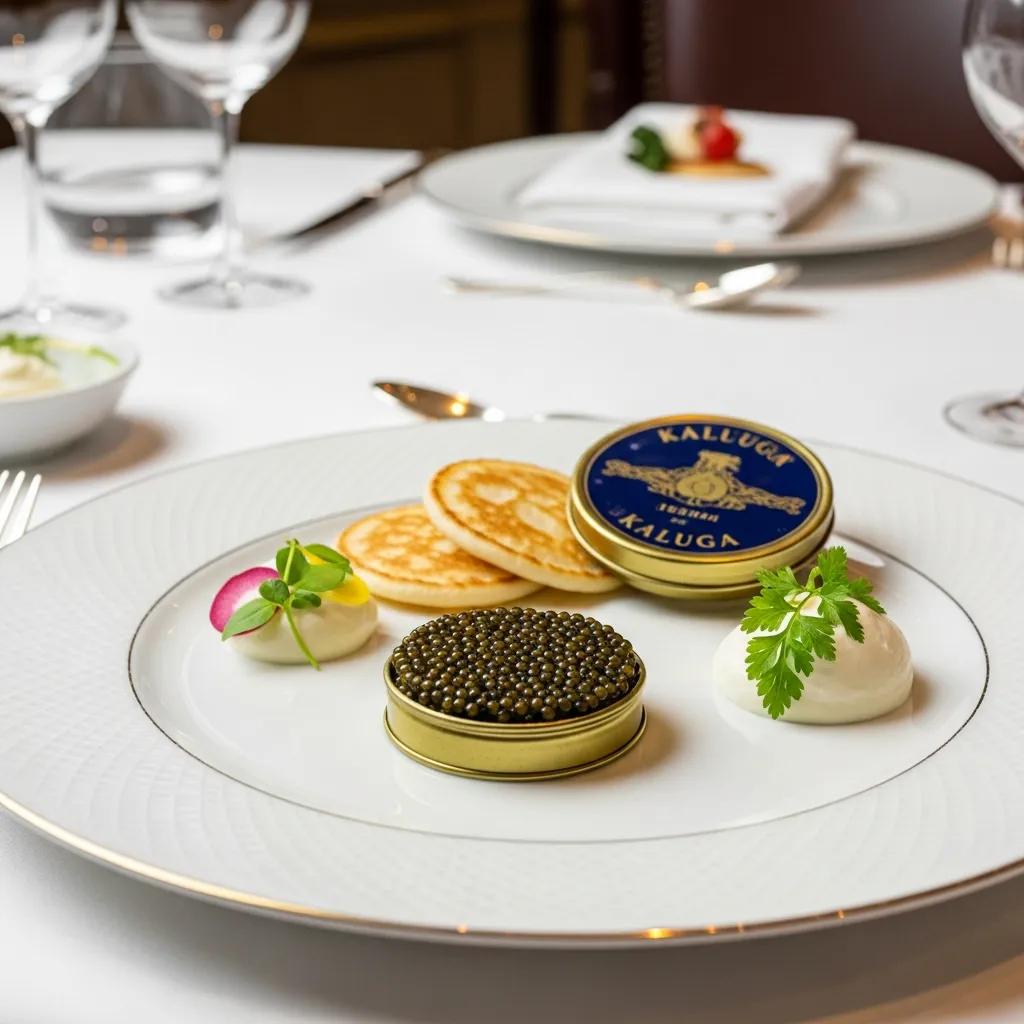
Great caviar is about pearl quality, mouthfeel, and supporting textures that let delicate briny and buttery notes sing. Kaviar highlights Kaluga caviar for its large, lustrous pearls and pairs it with accompaniments that balance fat, acid, and starch so every spoonful reveals nuanced saline and toasted tones. Our caviar service follows a gentle ritual: chilled plate, measured spoonfuls, and a progression from pure tasting to layered bites with blini and crème fraîche. Knowing Kaluga’s sensory profile clarifies why certain accompaniments and tasting order matter—they either refresh the palate or amplify brininess in complementary ways. The next subsection defines Kaluga caviar and contrasts its pearls and flavor with other varieties so diners know what to expect.
What Is Kaluga Caviar and Why Is It Special?
Kaluga caviar, sourced from the Kaluga sturgeon family, is prized for large, firm pearls with a glossy, translucent sheen and a creamy-yet-briny flavor profile. The pearls offer a gentle pop and a mouth-coating richness that sits between the butteriness of premium beluga and the salt-forward bite of smaller-grained varietals. Kaluga’s texture and balanced salinity make it ideal both for clean tastings and for composed dishes, where its fat-rich mouthfeel complements fatty fish or delicate beef like A5 Wagyu. Traceability and sustainable sourcing are increasingly important to caviar buyers; quality Kaluga usually comes with clear harvest and handling practices that protect pearl integrity. Recognizing these traits helps explain why chefs often choose Kaluga for curated tastings.
Before we review accompaniments, it’s useful to consider how portioning and service style shape the tasting journey and pairing choices.
Which Accoutrements Complement Kaviar’s Caviar Service?
We choose accompaniments to add texture contrast and subtle flavor lifts while keeping caviar front and center. Typical companions include warm blini or thin toast points for starch and gentle warmth, lightly whipped crème fraîche for cooling acidity and fat balance, minced shallot and chives for aromatic brightness, and neutral-tasting eggs or butter to soften salt intensity. We recommend tasting plain spoonfuls first, then experimenting with small, accoutrement-enhanced bites to discover how each element modulates salt and umami. This approach keeps the palate engaged and reveals new layers with every spoonful. After covering accompaniments, the following section explains how our omakase integrates both A5 Wagyu and caviar into a seasonal tasting progression.
What Can You Expect from the Kaviar Omakase Experience?
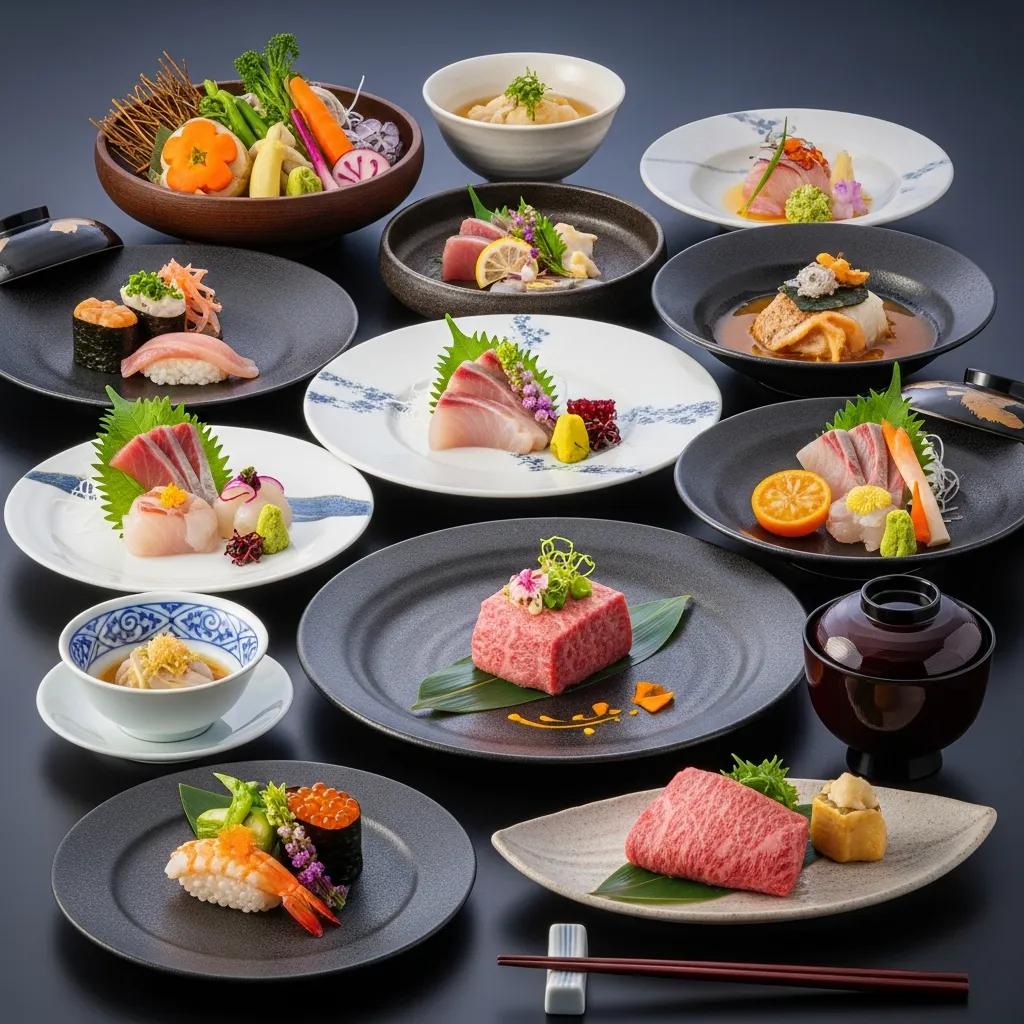
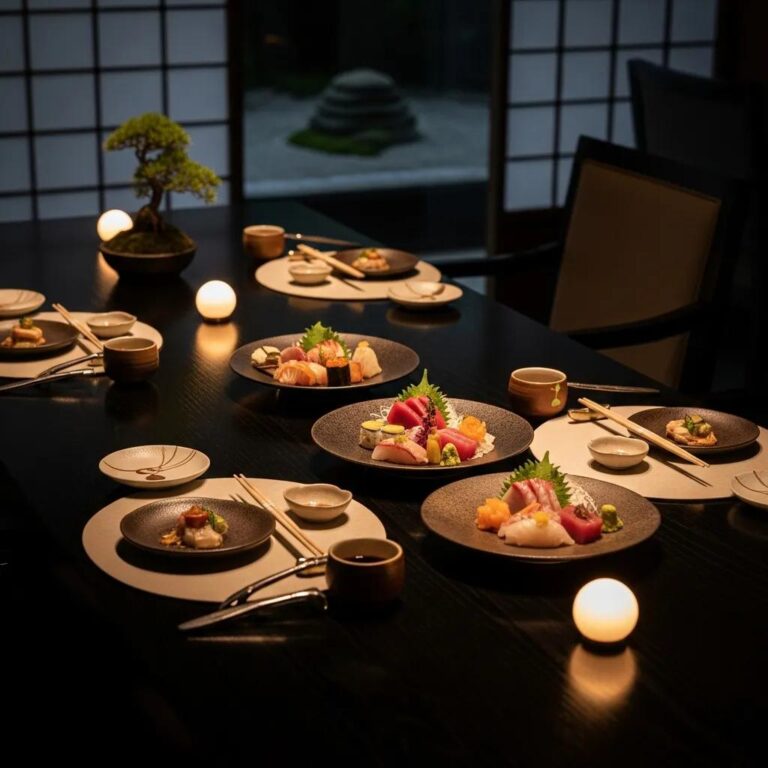
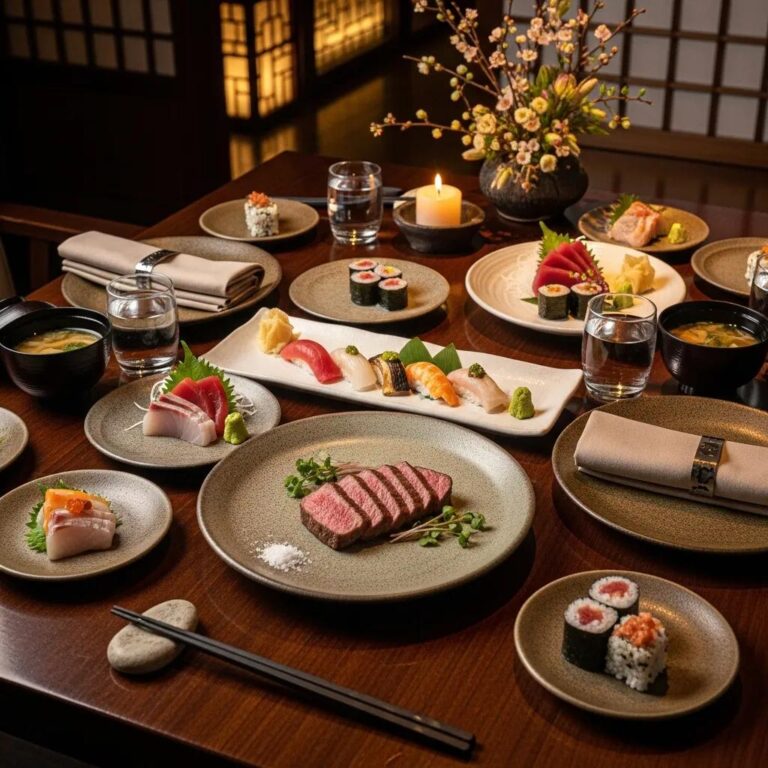
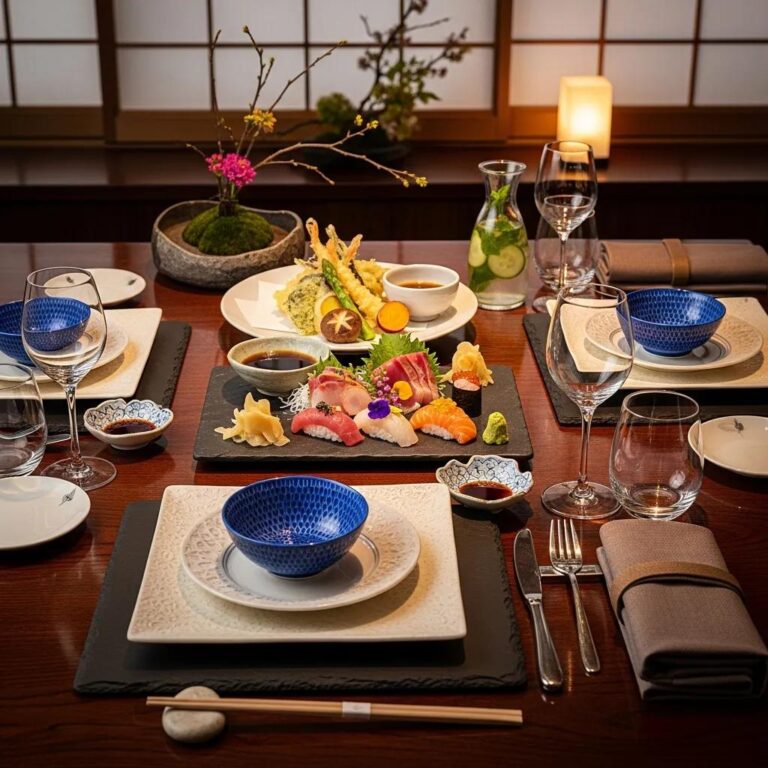
Omakase is a chef-led tasting sequence in which the kitchen composes courses that emphasize seasonality, balance, and narrative flow. At Kaviar, our omakase places premium ingredients like Miyazaki A5 Wagyu and Kaluga caviar thoughtfully within that arc. Typically, the progression moves from light raw courses (sushi and sashimi) through subtly richer cooked items, arriving at statement moments—such as a wagyu course or a caviar service—that tie earlier flavors together. This curated pacing lets the palate acclimate to increasing richness while preserving contrast and cleansing moments via pickles or palate-refreshing sips. Expect attentive plating, concise explanations from the chef or service team, and a rhythm that balances discovery with restraint. The next subsection outlines the chef’s sourcing and sequencing rationale so you understand how courses are chosen.
How Does the Chef Curate the Seasonal Omakase Menu?
Our chef builds omakase by prioritizing peak-season seafood and produce, then layering in premium proteins like Miyazaki A5 Wagyu only when they enhance the overall narrative. Sourcing decisions rest on freshness, provenance, and how an ingredient’s texture and flavor will interact with what comes before and after; for instance, a clean-tasting toro or uni course may precede a wagyu bite to prime umami perception. Course sequencing follows a logic of rising richness and textural variety—clean raw, lightly seared, marinated, then richer seared or sauced items—so each dish contributes to a cohesive meal. This sourcing-to-sequence method ensures that when caviar or wagyu appears, it feels intentional and rewarding rather than gratuitous.
Why Is Omakase at Kaviar a Unique Luxury Dining Journey?
Omakase at Kaviar becomes a memorable luxury experience through the mix of striking ingredients, direct chef engagement, and service design that privileges storytelling and sensory contrast. Guests encounter tactile moments—pearl pop, melting fat, delicate sashimi textures—paired with short contextual notes that illuminate provenance and technique, deepening appreciation. The emotional payoff comes from guided discovery: surprise courses, personal attention, and a plate-by-plate escalation that culminates in standout items like Miyazaki A5 Wagyu or a Kaluga caviar service. For diners seeking an occasion-driven meal or culinary insight, this format delivers both theatrical and gustatory satisfaction. If you’re considering an omakase, plan ahead given the chef-curated nature of the experience and seasonal sourcing constraints.
How Does Kaviar Define Luxury Japanese Fine Dining in Pasadena?
Luxury Japanese fine dining at Kaviar is anchored in an ingredient-first philosophy, disciplined technique, and service that encourages intimate discovery over spectacle. Our approach highlights traceable premium components—Miyazaki A5 Wagyu and Kaluga caviar—careful plating, and beverage programs designed to support tasting menus. Ambiance and service standards work with the kitchen to create a focused environment suited to celebrations and thoughtful dining. This positioning sets Kaviar apart in Pasadena by combining omakase, premium beef, and caviar into a single, coherent experience rather than presenting them separately. The next subsection outlines occasion use cases and service touches that make Kaviar a natural choice for special events.
What Makes Kaviar Ideal for Special Occasions and Celebrations?
Kaviar is well suited to celebrations because we offer customizable tasting sequences, shareable caviar portions, and private or semi-private seating that lets groups focus on the meal and one another. Service cues—careful pacing, celebratory course placement, and access to centerpiece ingredients like A5 Wagyu or larger caviar sizes—create memorable moments for anniversaries or milestone dinners. The kitchen can scale presentations or emphasize particular courses to personalize an evening, while staff coordinate timing so speeches or toasts align with course transitions. For special requests, early communication is recommended so sourcing and menu adjustments can be made to match the occasion and desired narrative.
How Does Kaviar Compare to Other Japanese Fine Dining Options in Pasadena?
Where conventional sushi counters focus on fish and high-end steakhouses on beef, Kaviar sits at the intersection of omakase curation and ingredient-focused luxury. We combine a tasting-menu mindset with specialty offerings like Miyazaki A5 Wagyu and Kaluga caviar, privileging provenance and course sequencing over à la carte spectacle. Some venues concentrate only on seafood sourcing or steak craft; Kaviar weaves both traditions into a single narrative—sushi, sashimi, wagyu, and caviar—appealing to diners who want breadth within a curated tasting framework. That blend explains why guests who value chef storytelling and rare ingredients often choose Kaviar for a comprehensive luxury meal.
Which Wine and Sake Pairings Best Complement A5 Wagyu and Caviar?
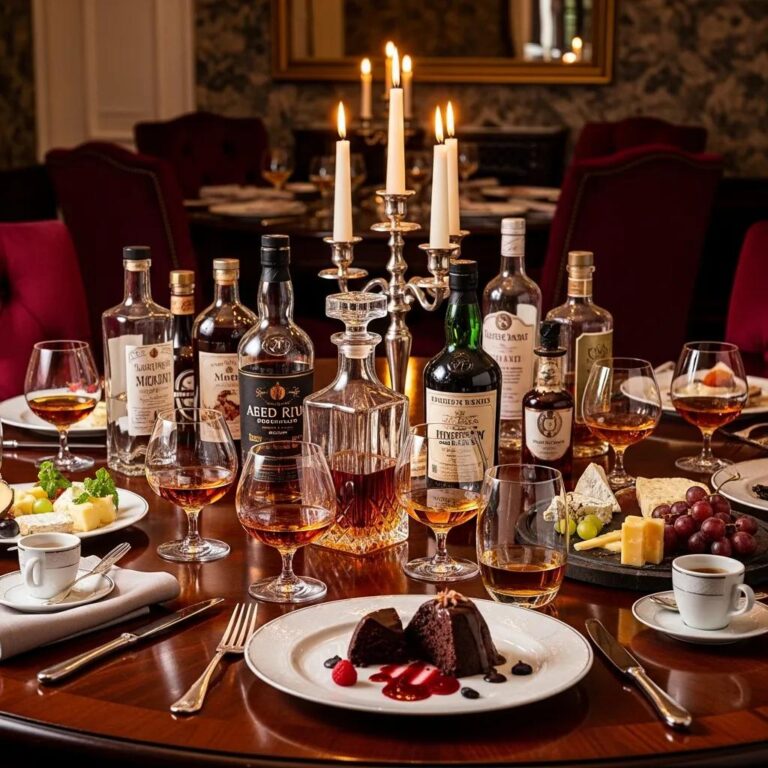
Pairings for A5 Wagyu and caviar must reconcile fat, umami, and saline elements so neither beverage nor food overpowers the other; the aim is synergy by contrast or affinity. Wines with modest tannin and balanced acidity, or those with oxidative nuance, support wagyu’s fat without clashing, while delicate, aromatic sake styles can accentuate caviar by matching umami and enhancing texture. Pairing logic typically follows these rules: for fatty, umami-rich wagyu choose moderate- to medium-bodied wines with soft tannins or rich sparkling wines that cut fat; for caviar, choose clean, mineral-driven sparkling options or highly polished junmai daiginjo sake that highlight brine and pearl texture. The table below maps dish types to recommended pairing categories and concise rationales.
What Are the Recommended Wine Pairings for A5 Wagyu Dishes?
Wines for A5 Wagyu should prioritize texture and integration rather than aggressive tannic structure, which can clash with melting intramuscular fat. Good choices include medium-bodied Pinot Noir with bright acidity and silky tannins that mirror wagyu’s tenderness, older Bordeaux blends with softened tannins that add savory complexity, or even structured whites with oxidative character for a contrasting foil. Temperature and glassware matter: slightly cooler reds (about 58–62°F) keep freshness while aromatics open, and stemware that concentrates perfume helps manage the fat’s aroma release. These practical wine choices let diners and sommeliers build pairings that celebrate wagyu’s texture and umami without overwhelming it.
How Does Sake Enhance the Caviar and Omakase Experience?
Sake’s range—from dry, mineral-driven Junmai to highly polished Daiginjo—offers flexible matches for caviar and a multi-course omakase. Junmai, with its earthy umami and fuller body, can complement richer sushi and some wagyu preparations by echoing savory notes; Daiginjo’s floral, refined aromatics lift delicate textures and brighten saline caviar pearls. Our pairing approach is to use lighter, aromatic sake early to accent raw fish and caviar, then move toward fuller Junmai styles as the meal progresses to seared or fatty wagyu courses. That sake sequencing supports the omakase arc and creates smooth transitions between sea and land elements.
How Can You Reserve Your Table for an Exclusive Dining Experience at Kaviar?
Booking at Kaviar accommodates both standard reservations and the advance planning needed for omakase or private events. You can use our online reservation tool or call us directly—omakase and private dining are best secured well in advance because of sourcing and chef-curation timelines. Our location and contact details are listed below for logistical planning and to discuss special requests or menu accommodations. The following subsection summarizes booking methods and timing tips so you can plan your visit with confidence.
What Are the Easy Ways to Book a Reservation at Kaviar Pasadena?
We offer several straightforward booking options: use our online reservation page for immediate confirmation, call the restaurant to discuss specific requests, or inquire about third-party reservation partners if that’s your preference. For omakase or private events, allow lead time so our kitchen can secure seasonal ingredients like Miyazaki A5 Wagyu or Kaluga caviar and tailor the menu. Calling directly is especially useful for celebratory menus or dietary accommodations; our team can also advise on portion sizing for shared caviar services. Early planning helps ensure our sourcing schedule aligns with your date and occasion.
Below are Kaviar’s address and phone details for convenient planning.
- Address: 70 N Raymond Avenue, Suite 250, Pasadena, CA 91103.
- Phone: (626) 605-0330.
Are Private Dining and Special Requests Available at Kaviar?
Yes. Kaviar accommodates private dining and special requests through pre-arranged bookings and menu planning that match the chef’s sourcing windows and kitchen capacity. Guests planning private events should share party size, preferred dates, and any menu priorities—such as emphasizing Miyazaki A5 Wagyu or arranging an enlarged Kaluga caviar service—when booking, so our team can coordinate logistics and ingredient procurement. Lead times vary by request complexity, but earlier notice improves our ability to confirm provenance and reserve required portions. This organized approach balances personalization with our commitment to seasonal integrity and consistent quality.
- Plan Early: For omakase or private events, request dates several weeks ahead so sourcing can be secured.
- Communicate Preferences: Share dietary restrictions or celebratory requests at booking so we can tailor the menu.
- Confirm Logistics: Call the restaurant to finalize party details and portion recommendations for caviar or wagyu.
Thoughtful advance planning helps ensure special requests are honored and that premium ingredients arrive at peak quality.
- Reservation Confirmation: Expect our staff to confirm logistics and any special arrangements before your visit.
- Arrival Guidance: We’ll advise on arrival timing to preserve the pacing of the chef-curated progression.
- Event Follow-up: For private dining, a post-event review helps refine future bookings and preferences.
These practical steps and pairing suggestions prepare diners to enjoy Miyazaki A5 Wagyu and Kaluga caviar within a deliberately designed fine dining experience at Kaviar—where provenance, technique, and hospitality meet.
Frequently Asked Questions
What is the best way to enjoy A5 Wagyu and Kaluga caviar together?
The most compelling way to enjoy A5 Wagyu and Kaluga caviar together is to play their textures and flavors off one another. Take a small piece of A5 Wagyu so its buttery fat can melt on your palate, then follow with a spoonful of Kaluga caviar to appreciate the contrast of its briny pop. The pairing accentuates umami in both ingredients. Light accompaniments—crème fraîche or a warm blini—can enhance the experience without masking the delicate flavors.
How should I prepare for my omakase experience at Kaviar?
For your omakase at Kaviar, come ready to explore a sequence of seasonal dishes curated by the chef. Arrive with an open palate and communicate any dietary restrictions or preferences when you make your reservation so we can tailor the experience. That simple preparation ensures a thoughtful, memorable progression that highlights the best of A5 Wagyu and Kaluga caviar.
What types of wine are recommended for pairing with Kaluga caviar?
With Kaluga caviar, choose clean, mineral-driven sparkling wines or crisp dry whites that complement the caviar’s briny, creamy qualities. Brut Champagne is a classic pairing—its acidity and effervescence accentuate pearl texture—while a polished Junmai Daiginjo sake offers refined aromatics that elevate the tasting. Both options balance richness and let the caviar’s nuance shine.
Can I customize my dining experience at Kaviar for special occasions?
Absolutely. Kaviar offers customizable experiences for special occasions. You can arrange private dining or tailor an omakase to highlight ingredients like A5 Wagyu or Kaluga caviar. Tell us your preferences and any special requests when booking; our team will work with you to design an evening that reflects your celebration and dietary needs.
What is the significance of ingredient sourcing at Kaviar?
Sourcing is central to what we do. Kaviar prioritizes quality, sustainability, and traceability—selecting premium ingredients like Miyazaki A5 Wagyu and Kaluga caviar with clear provenance and responsible handling. That commitment enhances flavor and texture on the plate and supports ethical farming and fishing practices, so each meal feels thoughtful and well considered.
How does Kaviar ensure a unique dining experience compared to other restaurants?
Kaviar creates a distinct dining experience by combining high-quality ingredients, chef-led omakase, and storytelling through food. Unlike conventional sushi counters or steakhouses, we blend both traditions into a curated tasting menu that highlights the interplay between A5 Wagyu and caviar. Attentive service, seasonal sourcing, and the chef’s narrative make a meal here immersive and educational as well as delicious.
Conclusion
The union of Miyazaki A5 Wagyu and Kaluga caviar at Kaviar offers a singular dining moment rooted in quality, technique, and flavor. A better understanding of provenance and preparation will deepen your appreciation of each course. When you’re ready to elevate your next meal, reserve a table for an omakase that showcases these ingredients in full. Visit our reservation page to secure your place and experience this thoughtfully crafted culinary journey.