




Bistro vs Fine Dining: Key Differences and What to Expect from Each Dining Experience
Introduction
Choosing between a bistro and a fine dining restaurant does more than decide your plate — it shapes the whole evening. Ambience, service style, pacing and price all influence the experience. This guide lays out the core differences between bistro and fine dining so you can pick the right setting for a weekday dinner, a celebration, or a chef-focused tasting. You’ll find clear definitions, signature traits, menu and ingredient contrasts, how omakase fits into the fine dining world, and practical notes on cost and accessibility. Use the tables and checklists to decide quickly — whether you’re searching “what is a bistro,” “omakase vs bistro,” or “Japanese fine dining Pasadena.” The sections move from simple definitions to direct comparisons, with examples to help you act with confidence.
What Defines a Bistro? Understanding Bistro Restaurant Characteristics
A bistro is a small, neighborhood restaurant built around approachable cooking, friendly service, and a welcoming atmosphere. Bistros work by keeping the menu focused, running efficient kitchen-to-table service, and favoring a relaxed social tone — which keeps prices moderate and tables turning. For diners, that translates to predictable, comforting meals: a la carte dishes served in a convivial space that often welcomes walk-ins. Knowing these typical bistro traits helps you pick the right spot for everyday social meals versus a more formal evening out.
This quick table breaks a bistro into its core components — ambiance, service, and menu — so you can spot the differences at a glance.
These elements combine to create a casual yet quality dining choice. Below we unpack bistro ambiance in more detail.
What is a Bistro? Definition and Typical Ambiance
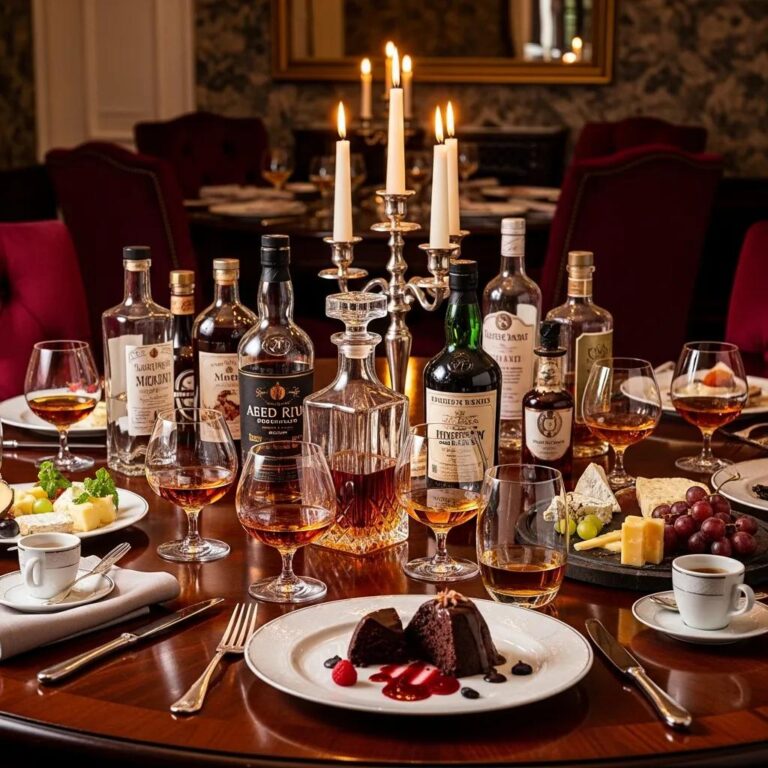
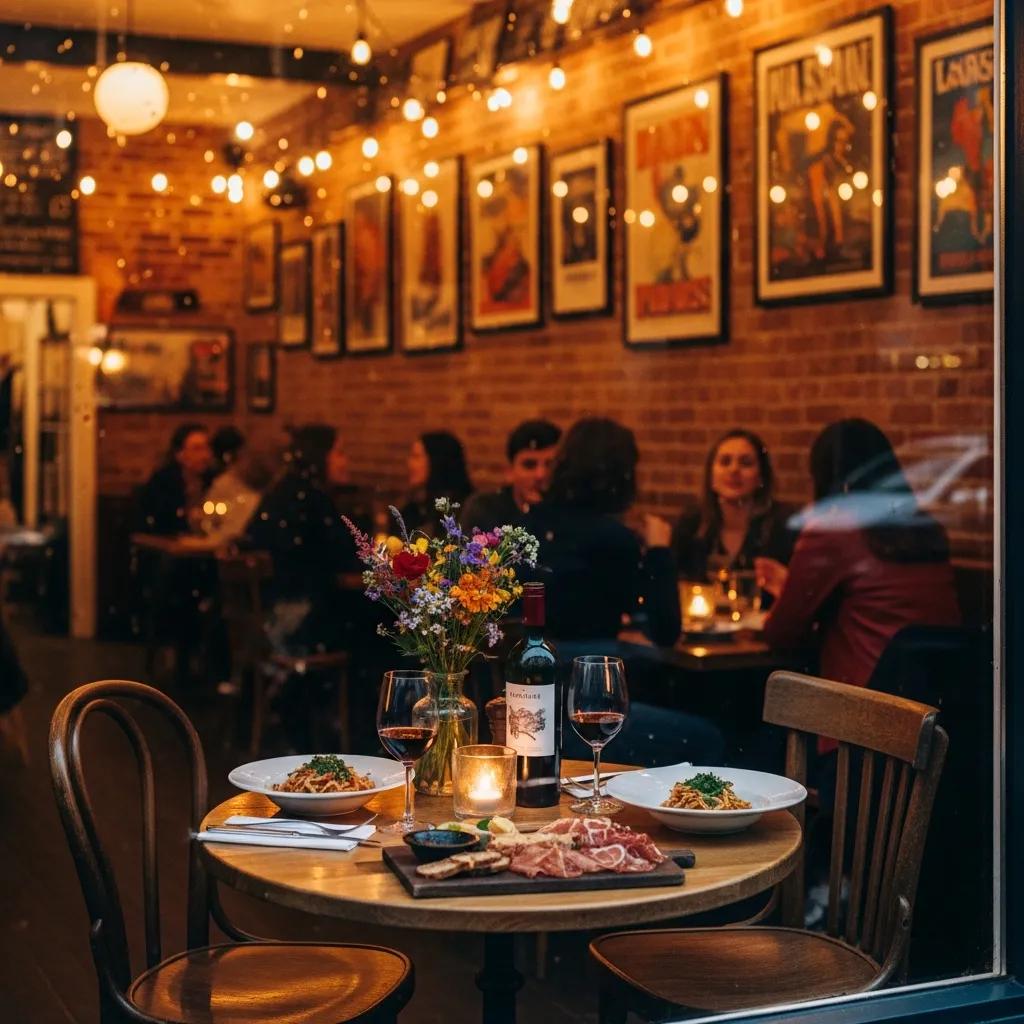
Think of a bistro as your neighborhood dining room: warm, comfortable and unfussy. Softer lighting and closer seating encourage conversation and a relaxed pace — the setting supports socializing rather than theatrical presentation. That accessibility makes bistros ideal for relaxed dates, weeknight dinners, or regular local outings. Recognizing this ambiance helps you set expectations for dress, noise level, and whether you need a reservation — a clear contrast with the formality of fine dining.
What Menu and Service Style Are Common in Bistros?
Bistro menus favor simplicity and seasonality: a dependable core of dishes with rotating daily specials that highlight local produce. Service is efficient and friendly; guests interact mostly with servers rather than a maitre d’ or sommelier, and the pace allows flexible arrival and departure. Portions are generous and plated plainly, focusing on flavor and comfort rather than elaborate staging or multi-course sequencing. Knowing this helps you choose a bistro when you want an unhurried, approachable meal.
What Are the Main Features of Fine Dining? Exploring Fine Dining Characteristics
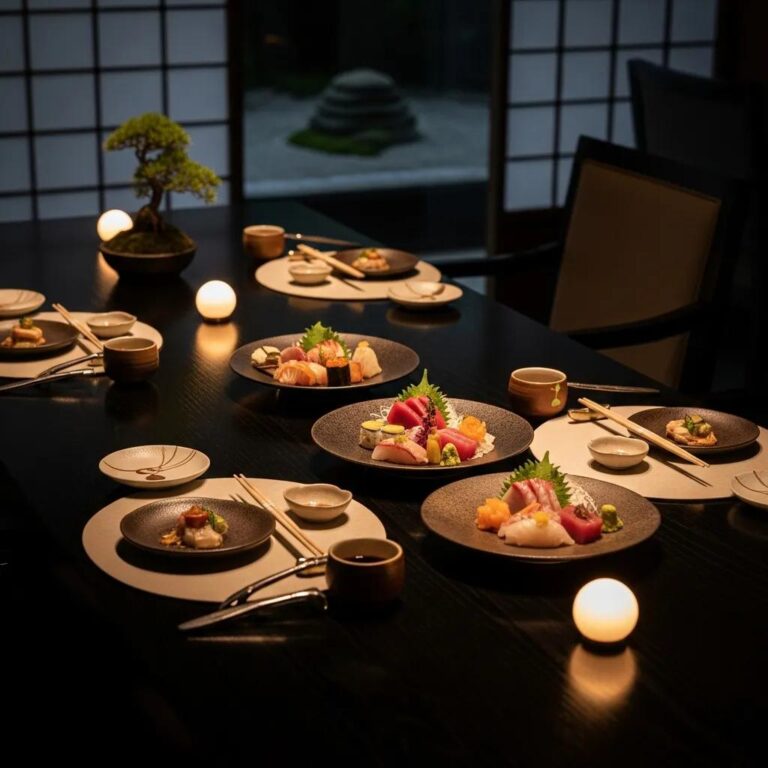
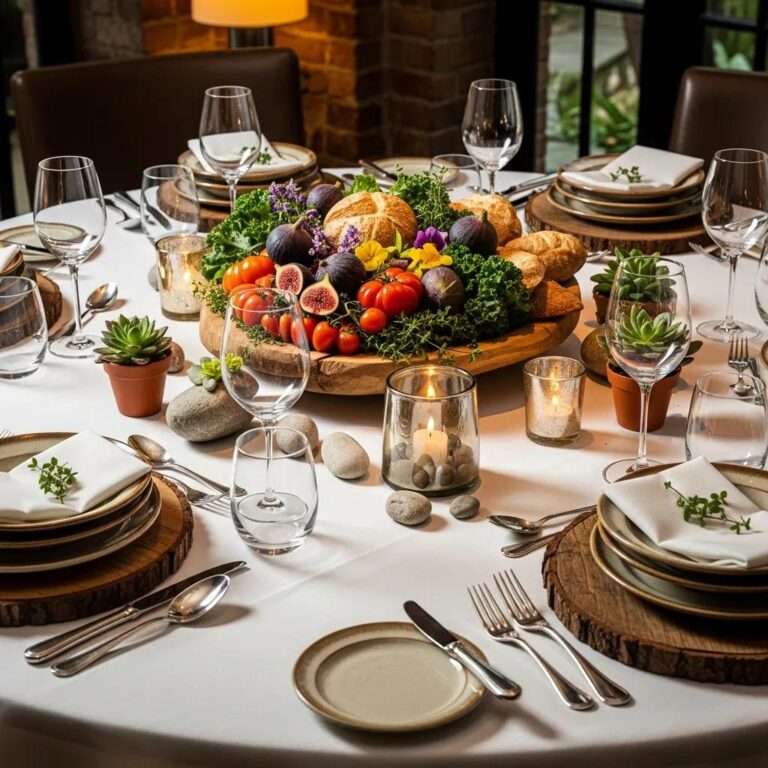
Fine dining is a deliberate hospitality model that combines elevated service, premium ingredients, and a purposeful sequence of courses to create a memorable meal. Luxury is engineered through careful coordination of staff roles, menu design, ingredient sourcing and presentation — each element raises the perceived value of the evening. For guests, that translates into a cohesive, immersive experience where pacing, sommelier guidance and culinary storytelling are as important as flavor. Recognizing these features helps you decide when the occasion calls for a refined, investment-worthy evening.
Key hallmarks of fine dining include specialized service roles, tasting-menu formats, and rare or meticulously sourced ingredients. Below are the most common characteristics at a glance.
- Curated Service Roles: A maitre d’, sommelier and attentive staff manage timing and personalization.
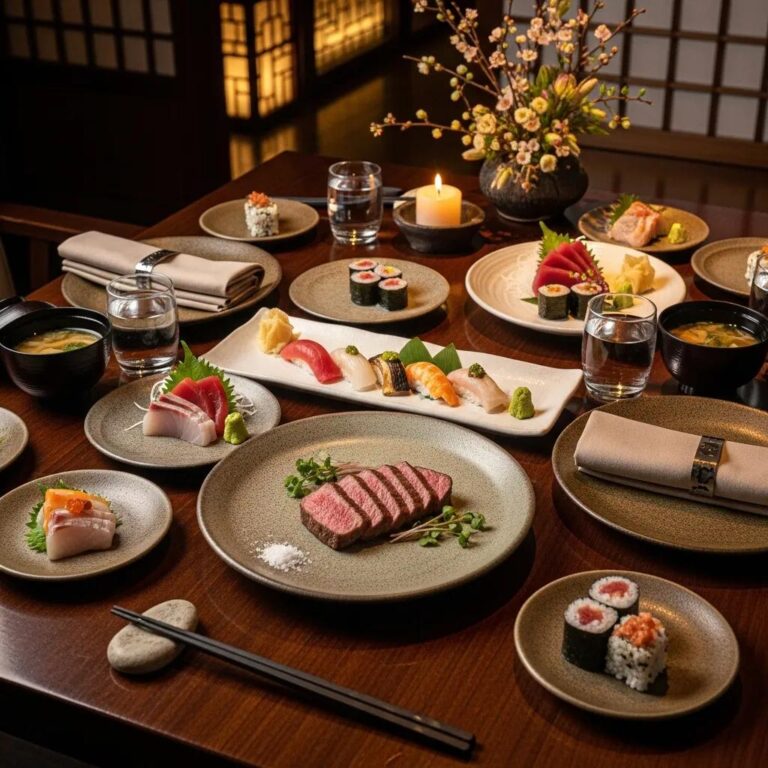
- Tasting/Prix Fixe Menus: Multi-course sequences or omakase that guide guests through a chef-led progression.
- Premium Ingredients & Presentation: High-grade proteins, precision plating, and tableside finishes that elevate each course.
These traits set expectations for a formal rhythm to the evening; the next section expands on sourcing and presentation.
At Kaviar, our approach to fine dining centers on intentional menus, seasonal Japanese ingredients and reservations that ensure a focused, elevated experience. We design each tasting to highlight provenance and technique — from omakase counters to plated progressions — for guests seeking a memorable night in Pasadena.
What Makes Fine Dining a Luxury Dining Experience?
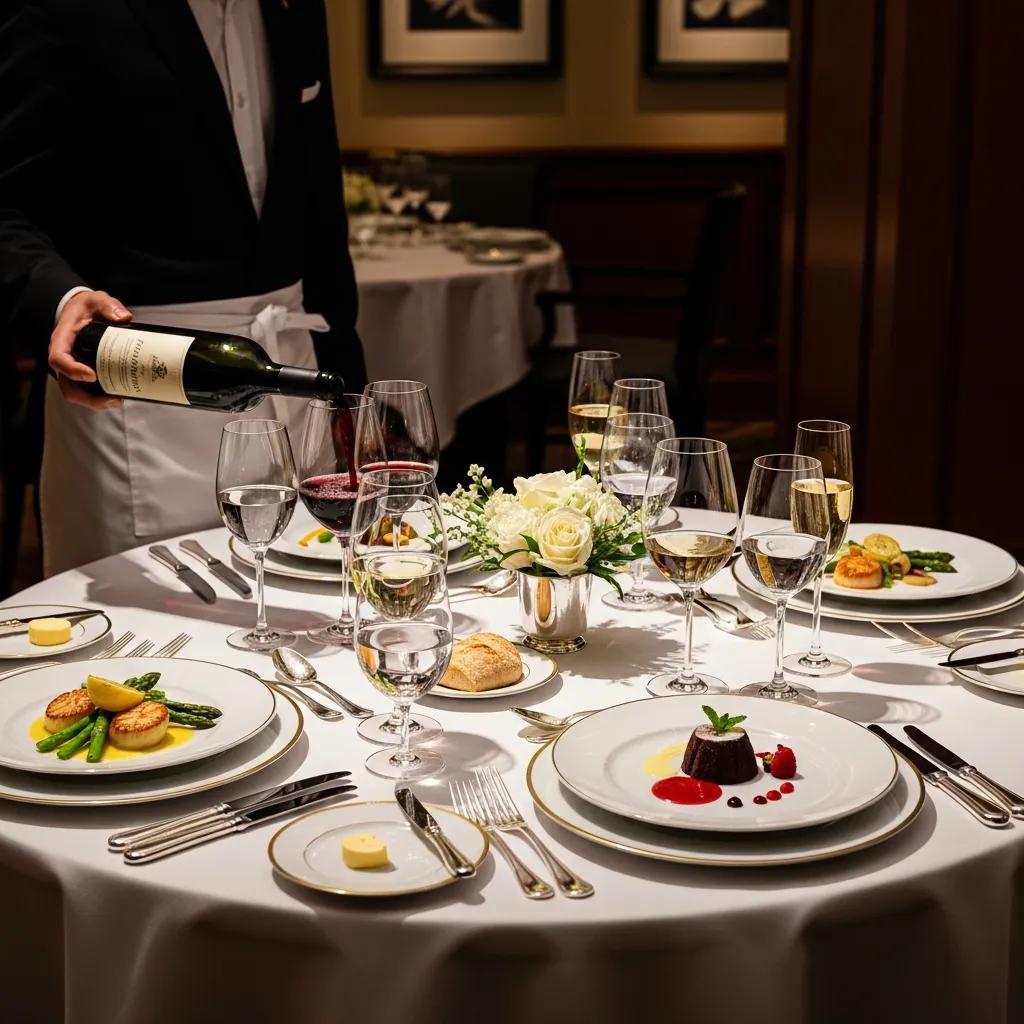
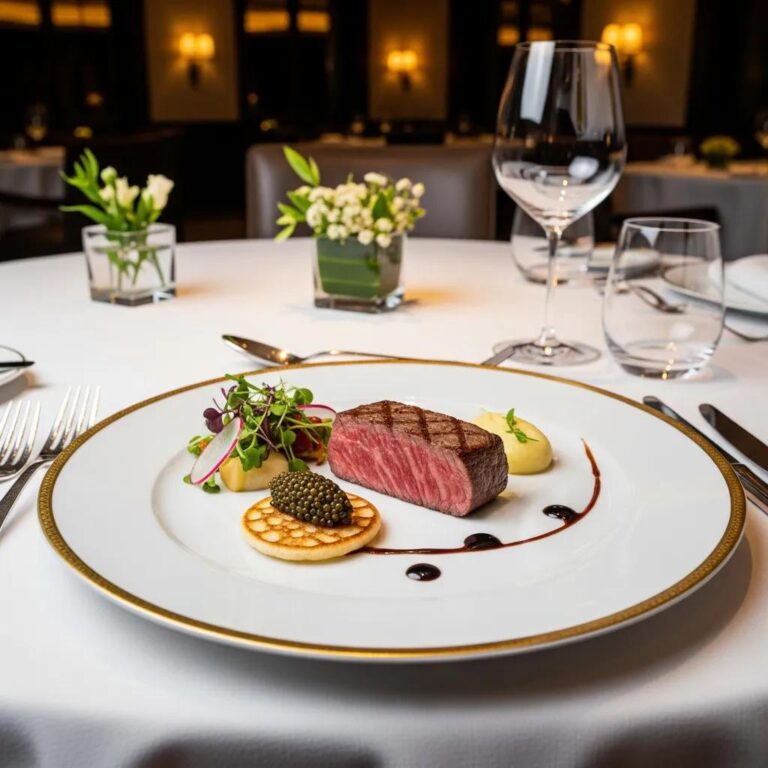
Fine dining becomes luxury through meticulous sourcing, refined presentation, and curated menu structures that celebrate craftsmanship. Premium items — highly marbled beef, rare seafood, or specialty caviar — are prepared to highlight texture, balance and visual impact. Presentation techniques like precise plating, tableside finishing and thoughtful pairings turn each course into a moment, heightening the senses and the memory. These practices require skilled kitchen choreography and justify the elevated expectations around pacing and etiquette that guests accept for special occasions.
How Does Service Differ in Fine Dining Restaurants?
Service in fine dining is specialized and choreographed: maitre d’s, sommeliers and skilled servers collaborate to control timing, portion sequencing and beverage pairing. Staff anticipate needs, adjust pacing to the table’s rhythm, and often introduce dishes to deepen appreciation of technique and provenance. The result is highly personalized attention with formal rituals — careful plating reveals, coordinated garnishes and deliberate clearing — that stand in contrast to bistro informality. This service model typically requires reservations and a commitment of time, preparing guests for a slower, more considered meal.
How Do Bistro and Fine Dining Compare in Food Quality and Menu Offerings?
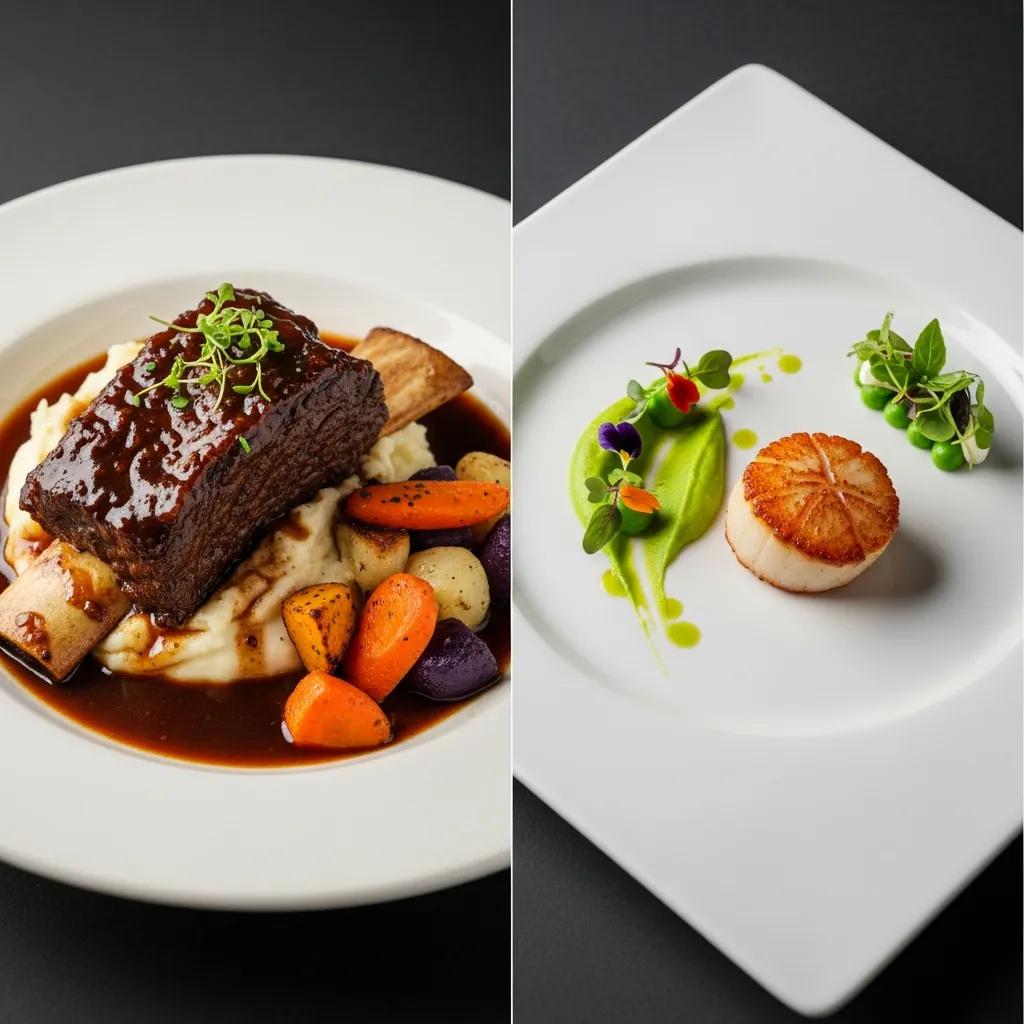
Bistros and fine dining kitchens differ in focus: bistros prioritize familiar flavors and efficiency, while fine dining prioritizes provenance, technique and course sequencing. Ingredient sourcing drives much of that difference — bistros use seasonal, local produce to balance cost and taste; fine dining seeks rare or premium items and labor-intensive techniques to elevate flavor and presentation. Portioning reflects the approach: bistros serve generous, single-plate meals, while fine dining offers smaller, multi-component courses that create a narrative across a tasting or prix fixe. Those choices shape cost, pacing and the type of culinary satisfaction you’ll take away.
The table below highlights representative menu features and presentation across both formats so you can compare at a glance.
This comparison clarifies the trade-off between immediacy and culinary theater. Next we outline common dish types so you can picture typical menus.
What Types of Dishes Are Served in Bistros vs Fine Dining?
Bistros serve hearty, unfussy dishes — stews, roasted proteins, composed salads and straightforward desserts that prioritize comforting, direct flavors. Fine dining menus feature refined preparations: amuse-bouches, composed tasting plates and layered desserts, sometimes finished tableside. The difference isn’t just ingredients but intent: bistro dishes aim to satisfy plainly, while fine dining sequences aim to surprise and evolve across multiple courses. Use those archetypes to choose based on appetite, curiosity and the time you have.
At Kaviar, our tasting menus emphasize Japanese technique and premium ingredients — from seasonal seafood to caviar and A5 Wagyu — designed for guests who seek a focused, elevated meal in Pasadena.
How Does the A5 Wagyu Experience Illustrate Fine Dining Excellence?
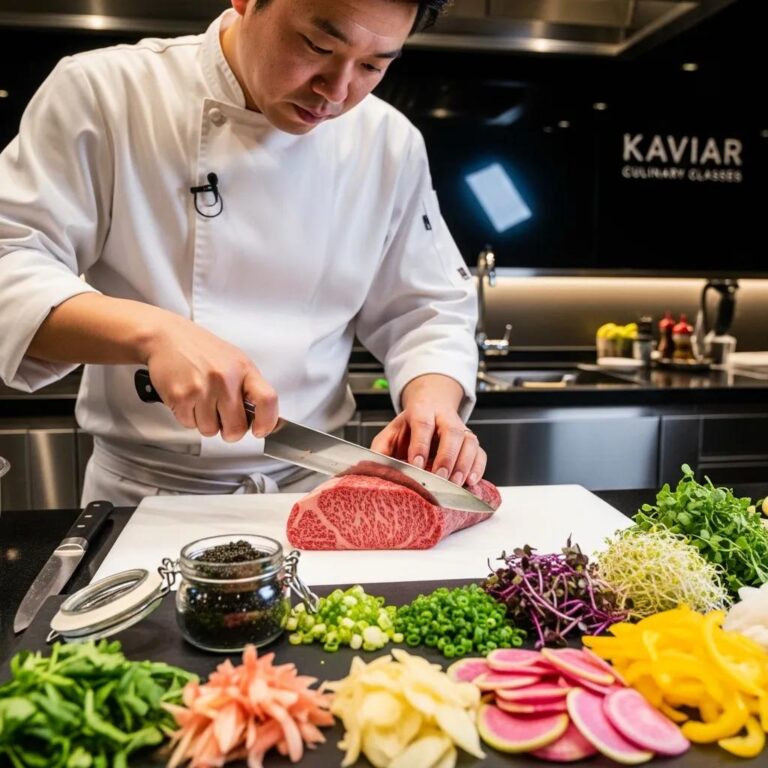
A5 Wagyu is a clear example of fine dining because its marbling, texture and flavor require precision in slicing, temperature and plating to reveal nuanced character. Service often presents small, measured portions within a multi-course progression or as a centerpiece course, encouraging mindful tasting. Pairings tend to be minimal so the beef’s richness remains the focal point. In a tasting menu, A5 Wagyu usually functions as a crescendo — a demonstration of sourcing integrity and chef skill in one course.
For guests seeking that level of detail, Kaviar highlights A5 Wagyu and similarly rare ingredients within carefully timed progressions and pairings.
What Role Does Dining Style Play? From Casual Bistro to Omakase Fine Dining Guide
Dining style sits on a spectrum: bistros at the relaxed end, and omakase or tasting-menu restaurants at the curated, formal end. The key difference is the degree of chef control and guest participation — bistros leave choices to the diner, while omakase asks you to trust the chef’s sequence. Understanding this spectrum helps you pick an experience based on how much structure, surprise and interaction you want. Below we explore omakase as a form of fine dining and contrast it with bistro informality.
How Does Omakase Dining Represent Fine Dining Culture?
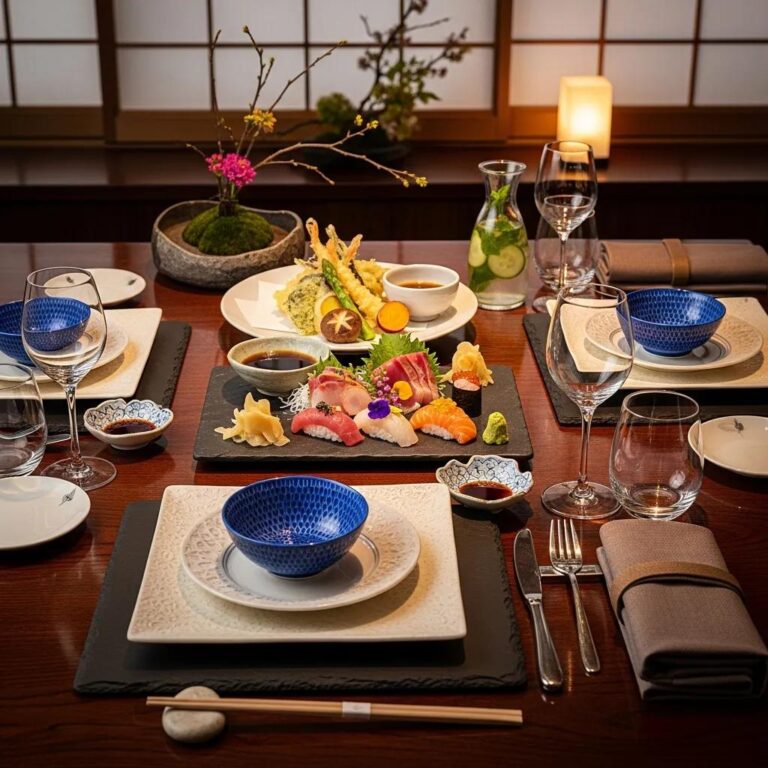
Omakase — literally “I leave it up to you” — is a chef-led, sequential experience where the chef selects and times each course, often served at a counter with direct interaction. The format emphasizes provenance, seasonality and real-time curation; guests participate by trusting the chef’s choices and pacing. Omakase is considered fine dining because it combines exclusive ingredients, precise technique and personalized service into a single, evolving narrative. Expect to reserve seats, allow for extended pacing, and savor both the sensory and educational aspects of the meal.
If you’re looking for an omakase or chef-counter experience in Pasadena, Kaviar offers curated seatings that showcase seasonal seafood, premium beef and attentive service.
How Casual or Formal Is the Bistro Dining Experience?
Bistro dining is casual compared with fine dining: dress is relaxed, reservations are often optional, and the social tone is convivial. Service is straightforward rather than ritualized, and pacing is guest-directed so parties can linger or leave on their own schedule. For everyday outings, that flexibility makes bistros ideal when convenience, affordability and sociability matter most. Keep this informality in mind when planning attire, timing and expectations for noise and menu choice.
How Do Price and Accessibility Differ Between Bistros and Fine Dining?
Price and accessibility are among the most obvious differences between bistros and fine dining. They stem from ingredient choices, service intensity and seat-management policies. Fine dining prices reflect premium sourcing (rare cuts, imported items), higher staff-to-guest ratios, and the time investment of multi-course menus; bistro pricing balances quality with approachability. Accessibility is shaped by reservations: bistros often accept walk-ins, while fine dining commonly asks for advance booking to preserve pacing. Those distinctions affect cost, scheduling and spontaneity.
This snapshot helps you plan financially and logistically. The next section explains what drives those price differences.
What Are Typical Price Ranges for Bistro vs Fine Dining Meals?
Bistro meals are usually priced per plate and remain accessible for regular dining, with costs driven by local produce and standard proteins rather than rare items. Fine dining commonly charges per person for tasting or prix fixe menus, reflecting multiple courses, premium ingredients and paired beverages. Chef-counter or omakase offerings can carry higher per-person prices because of limited seats and high-cost ingredients like A5 Wagyu or caviar. Understanding these drivers — ingredient rarity, labor intensity and seat scarcity — helps you estimate total spend.
How Accessible Are Bistros Compared to Fine Dining Restaurants?
Bistros tend to be more accessible: walk-in availability, flexible seating and shorter dining windows make them convenient for weeknight plans or spontaneous gatherings. Fine dining venues prioritize predictable bookings to control pacing and resources, so they commonly require reservations and may enforce cancellation or deposit policies. Accessibility also ties to location and exclusivity: some fine dining rooms limit seatings to maintain quality, while bistros focus on neighborhood regulars and turnover. These patterns affect how you plan special occasions versus casual nights out.
Why Choose Bistro or Fine Dining? Matching Your Dining Preferences and Occasions
Choosing between a bistro and a fine dining restaurant comes down to occasion, budget, time and how adventurous you feel. Match formality and investment (time and money) to the event’s importance and your party’s expectations. The benefit is simple: better satisfaction. Pick a bistro for relaxed socializing and convenience; choose fine dining or omakase for celebrations, culinary exploration or when service and presentation should be central. Use the checklists below to decide quickly.
When to pick a bistro: practical occasions where a casual neighborhood spot fits best.
- Casual Dates and Weeknights: Good food with a relaxed pace, perfect for weekday plans.
- Group Gatherings: Flexible seating and approachable pricing make coordination easier.
- Quick or Spontaneous Meals: Walk-in likelihood and shorter waits support spontaneity.
These use cases show when informality is an advantage. Below are reasons to choose fine dining instead.
What Occasions Suit Bistro Dining Best?
Bistro dining is perfect when comfort, sociability and convenience matter — casual dates, after-work dinners and neighborhood meetups. The relaxed setting lowers the pressure to dress up or book far in advance, and a straightforward menu helps mixed groups find satisfying options quickly. Bistros also work well when time is limited; service is paced for flexibility rather than ceremony. Keep these strengths in mind when you want an easy, enjoyable meal.
When Is Fine Dining the Preferred Choice?
Fine dining is the clear choice for anniversaries, milestone celebrations and culinary-focused outings where the meal is the main event. Guests value curated tasting menus, sommelier pairings and ceremonial service that together create a memorable evening worth the time and expense. Fine dining also suits diners who want to learn about ingredients and technique — interaction with chefs and specialists is common. For these occasions, plan ahead to secure reservations and allow enough time to enjoy each course.
At Kaviar, our curated tasting menus and omakase seatings highlight signature dishes, premium ingredients and thoughtful pacing — intended for guests searching specifically for Japanese fine dining, A5 Wagyu, caviar and elevated experiences in Pasadena.
Final note: if you’re looking for a local example that embodies many fine dining characteristics — curated tasting menus, premium ingredients like A5 Wagyu and caviar, and a reservation-focused service model — Kaviar offers an upscale Japanese fine dining option designed for guests who value provenance, technique and thoughtful hospitality. Reservations are recommended for omakase and multi-course experiences.
Frequently Asked Questions
What is the typical dress code for bistros compared to fine dining restaurants?
Bistros typically have a relaxed dress code — comfortable, everyday clothing is fine. Fine dining leans toward smart casual or upscale attire to match the restaurant’s more formal ambiance. Dress expectations reflect the overall tone: casual and welcoming at a bistro, refined and polished for a fine dining evening.
Are reservations necessary for bistros, and how does that differ from fine dining?
Most bistros welcome walk-ins and keep bookings optional, which makes them ideal for spontaneous plans. Fine dining restaurants usually require or strongly recommend reservations to manage pacing and ensure a tailored experience. For chef-led seatings like omakase, advance booking is common and often essential.
How do the dining experiences differ in terms of pacing and meal duration?
Bistro meals are typically relaxed and flexible — you control the pace. Fine dining follows a more deliberate rhythm, guiding guests through multiple courses with intentional timing; expect a longer, more immersive meal where each course is presented with care.
What types of beverages are typically offered in bistros versus fine dining?
Bistros usually offer approachable beverage lists — house wines, local beers and simple cocktails that pair well with the menu. Fine dining establishments often feature expansive wine lists curated by a sommelier, specialty cocktails and premium spirits, with pairings designed to elevate each course.
How do the overall dining costs compare between bistros and fine dining?
Bistros are generally more affordable, with per-plate pricing that suits regular dining. Fine dining carries higher price points due to premium ingredients, multi-course menus and specialized service. The price reflects the full experience: sourcing, technique and hospitality.
What role does customer interaction play in bistro versus fine dining settings?
Customer interaction in bistros is informal and friendly — servers engage in casual conversation and practical service. In fine dining, interactions are more formal and informative, with specialists like sommeliers and maitre d’s guiding the experience and offering context about dishes and pairings. Both styles aim to make guests comfortable; they differ in degree and purpose.
Conclusion
Choosing between a bistro and fine dining lets you tailor the night to your occasion, budget and desired atmosphere. Understanding the differences in ambiance, service and menu helps you make confident choices that enhance your dining enjoyment. Whether you prefer the easy charm of a bistro or the refined focus of fine dining, each option has distinct strengths. Explore locally and pick the experience that fits your next meal.