




Chef Biographies and Culinary Legacies: How Fine‑Dining Icons Shape Today’s Omakase and Luxury Dining
Culinary legacy captures how a chef’s technique, philosophy and signature dishes change kitchens, menus and diner expectations over generations. This article explains why chef biographies matter for modern fine dining, tracing a line from the architects of haute cuisine to today’s omakase masters and tasting‑menu innovators. You’ll discover which chefs most shaped contemporary gastronomy, the core philosophies that drive inventive restaurants, the rise of Japanese omakase traditions, and how awards like Michelin influence reputation and practice. We connect those legacies to practical menu outcomes and current trends—seasonality, sustainability and immersive dining—and show how a local fine‑dining venue interprets those traditions. Expect clear comparisons, concise chef profiles, and actionable guidance for diners seeking luxury Japanese experiences—omakase, A5 Wagyu and caviar—in Pasadena. This narrative blends historical context with practical tips for reservation‑minded guests.
Who Are the Most Influential Fine Dining Chefs in History?
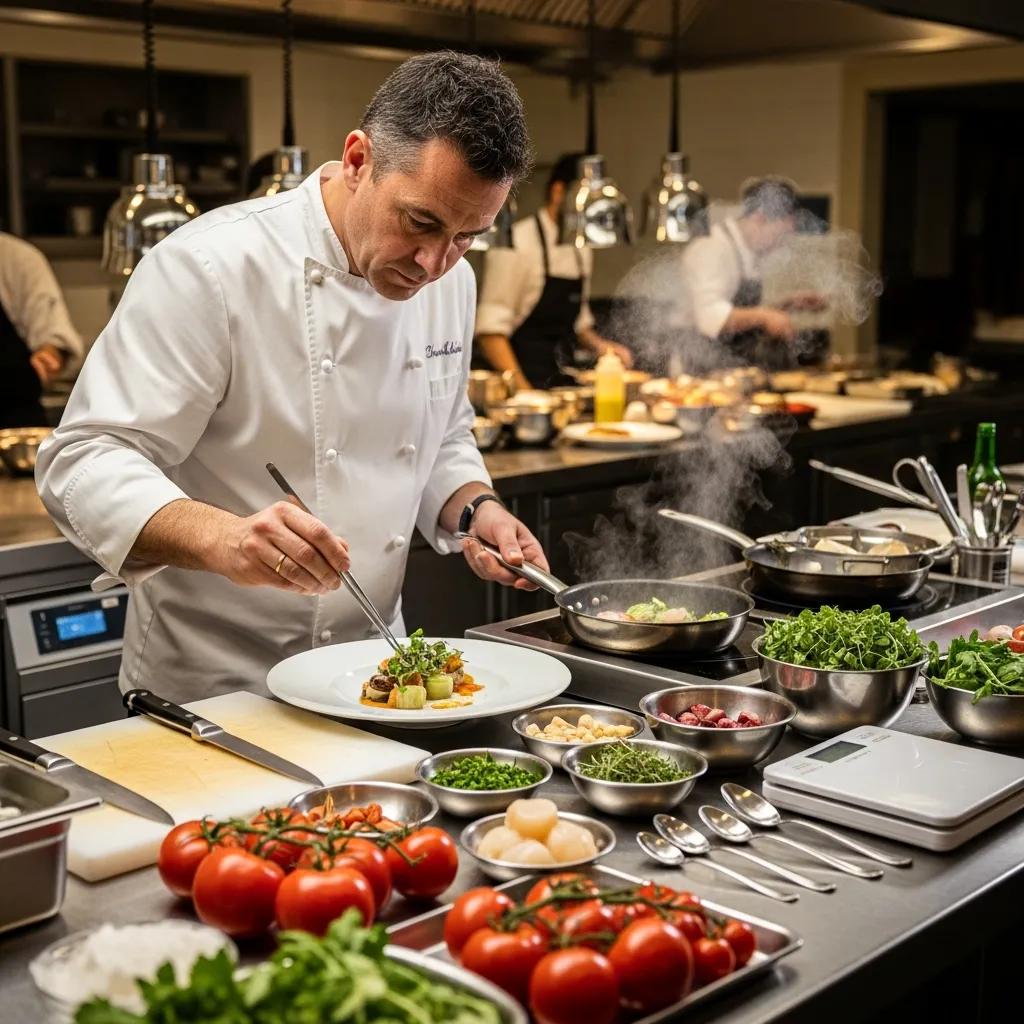
Influential fine‑dining chefs are pioneers whose techniques, institutions or publications reset culinary standards and trained new generations of cooks. They range from codifiers of classical technique to radical experimenters who reimagined texture, flavor and presentation. Their legacies live on through restaurants they founded, cookbooks they wrote and schools or movements they inspired, producing concrete changes in menu design and kitchen organization. Understanding these figures helps diners and restaurateurs see why tasting menus, ingredient sourcing and service rituals look the way they do today. The list below highlights key figures and summarizes their primary contributions.
These chefs shaped modern gastronomy through technique, teaching and institutional reach; their influence appears across both classical fine dining and contemporary tasting menus.
- Auguste Escoffier: Modernized classical French technique and the brigade system, codifying recipes still used worldwide.
- Paul Bocuse: Advanced nouvelle cuisine’s lighter, ingredient‑forward approach and mentored chefs who opened restaurants globally.
- Julia Child: Brought French technique to a broad audience via television and books, raising culinary literacy at home and in schools.
- Jiro Ono: Elevated sushi into an art form with relentless precision, consistency and an apprenticeship model.
- Ferran Adrià: Pushed the boundaries with molecular gastronomy and textural innovation that expanded what cuisine could be.
- Thomas Keller: Set standards for technical rigor, consistency and hospitality in modern American fine dining.
- Masaharu Morimoto: Blended Japanese technique with global flavors, influencing cross‑cultural menu development.
- Alice Waters: Championed farm‑to‑table and seasonality, transforming ingredient sourcing practices.
These short profiles show how each chef translated ideas into lasting institutional practices and menu archetypes that restaurants still adapt today.
What Are the Key Achievements of Legendary Chefs Like Paul Bocuse and Julia Child?
Legendary chefs changed the industry through institutions, media and technical innovations that reached both professionals and the public. Paul Bocuse popularized nouvelle cuisine’s focus on freshness, restrained sauces and ingredient quality, and he mentored a wide network of chefs. Julia Child translated classical French technique into approachable lessons on television and in print, increasing demand for professional training and encouraging refined cooking at home. Those achievements reshaped how ingredients are selected, how menus rotate with the seasons, and how technique is taught. The ripple effects appear in tasting menus that balance refinement with approachability and in hospitality standards that emphasize both skill and education.
These contributions connect directly to modern expectations: lighter preparations, clearer expression of ingredients, and a culture of mentorship and public culinary education that endures in today’s restaurants.
How Have Michelin Star Chefs Shaped Modern Haute Cuisine?
Michelin‑starred chefs set benchmarks for consistency, creativity and service that many restaurants emulate to build reputation and credibility. Chefs who earn Michelin recognition often extend their influence through books, mentorship and new openings, exporting their standards across regions and styles. The pursuit of stars encouraged innovations in cooking technique, tasting‑menu sequencing and dining‑room choreography, professionalizing kitchens and raising diner expectations for precision and narrative. Michelin’s framework also pushed chefs to balance individual creativity with reproducible quality, producing a culture that prizes technical excellence and conceptual clarity.
Michelin Star Reputation: Chef Achievement and Restaurant Recognition
ABSTRACT: For many chefs and restaurateurs, receiving one or more stars from the Michelin Guide Rouge is a defining achievement—recognition of their work that generates important publicity and broader notoriety. In this industry, expert opinion plays a decisive role, and restaurant and chef reputations are largely formed through those evaluations. This paper reviews restaurants that have achieved and sustained Michelin recognition, how those reputations are built and what it takes to maintain such a high standing.
Overview: Michelin star reputation in the hospitality industry, AG Subakti, 2013
Because Michelin recognition reshaped both kitchen practices and front‑of‑house service, its influence appears in the global standardization of tasting menus and hospitality rituals that prioritize guest experience and technical mastery.
What Defines the Culinary Philosophy of Iconic Fine Dining Masters?
A culinary philosophy organizes a chef’s choices around ingredients, technique, aesthetics and hospitality—shaping how menus are built, kitchens run and diners experience a meal. Common pillars include seasonality, technical excellence, thoughtful presentation and an ethos of hospitality that makes innovation approachable for guests. These pillars guide everything from sourcing and mise en place to plating and tasting sequence, producing cohesive experiences that express a clear artistic vision. Comparing movements like classical haute cuisine, nouvelle cuisine and molecular gastronomy shows how different emphases—on technique, ingredient clarity or scientific exploration—lead to distinct signature dishes and service styles. The table below maps those philosophies to observable outcomes.
This comparison shows how different philosophies shape menu architecture and service choices diners recognize and prefer depending on taste and context.
Culinary philosophies also guide hiring, kitchen layout and guest communication; knowing these pillars helps diners anticipate a restaurant’s focus and tone.
How Did Nouvelle Cuisine and Molecular Gastronomy Influence These Chefs?
Nouvelle cuisine and molecular gastronomy offered alternative paradigms that challenged heavier classical traditions and expanded chefs’ technical palettes. Nouvelle cuisine emphasized fresh, local ingredients, shorter cooking times and lighter sauces, encouraging chefs to foreground natural flavors. Molecular gastronomy introduced techniques—spherification, gelification, sous‑vide—that let chefs manipulate texture and create surprise while preserving ingredient integrity. These movements fostered experimental menus, cross‑disciplinary kitchen teams and a willingness to mix science with intuition. Today many chefs synthesize these influences, using scientific methods to elevate simple, seasonal ingredients.
Those movements reshaped menu narratives and training, enabling modern chefs to combine precision with provenance in cohesive dining experiences.
In What Ways Do These Philosophies Reflect in Signature Dishes and Techniques?
Philosophy becomes tangible in techniques that yield signature items: sous‑vide for exact doneness, light broths for clarity, foams or gels for novel textures. A chef committed to seasonality will build tasting sequences that change frequently, prioritizing local producers and minimal processing. Chefs influenced by molecular gastronomy often play with texture contrasts—crisp versus silky—and theatrical plating to shape a meal’s sensory arc. Presentation choices, from generous negative space to layered tasting formats, communicate values like restraint, surprise or abundance. These visible outcomes let diners read a chef’s philosophy directly from the menu and the sequence of dishes.
By mapping technique to dish, restaurants create repeatable signatures that honor tradition while leaving room for innovation within a recognizable culinary voice.
How Have Japanese Culinary Pioneers Impacted Fine Dining and Omakase Traditions?
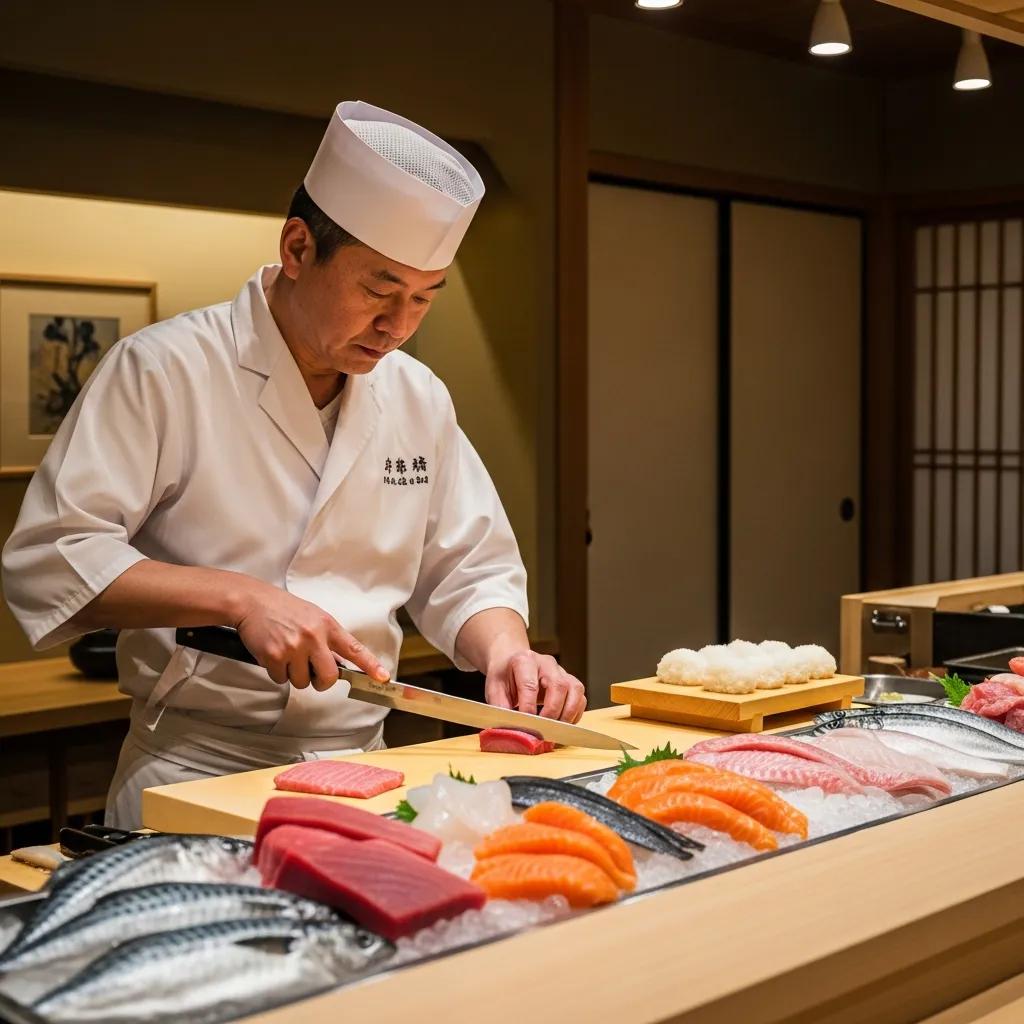
Japanese culinary pioneers reshaped global fine dining by codifying extraordinary precision, apprenticeship systems and a reverence for seasonality—the core of the omakase experience. Omakase, literally “I leave it to you,” relies on trust: the chef curates a sequenced tasting that showcases seasonal seafood, immaculate technique and disciplined presentation. Sushi masters refined rice seasoning, knife technique and fish selection as foundational arts, inspiring chefs worldwide to adopt rigorous sourcing and tasting‑order logic. These contributions nudged many Western tasting menus toward minimalism, purity of flavor and an elevated role for the chef as curator. The table below traces pioneers’ technical contributions and how they apply today.
This mapping shows how core Japanese techniques—rice mastery, fish selection and apprenticeship—translate into contemporary omakase discipline and tasting‑menu structure.
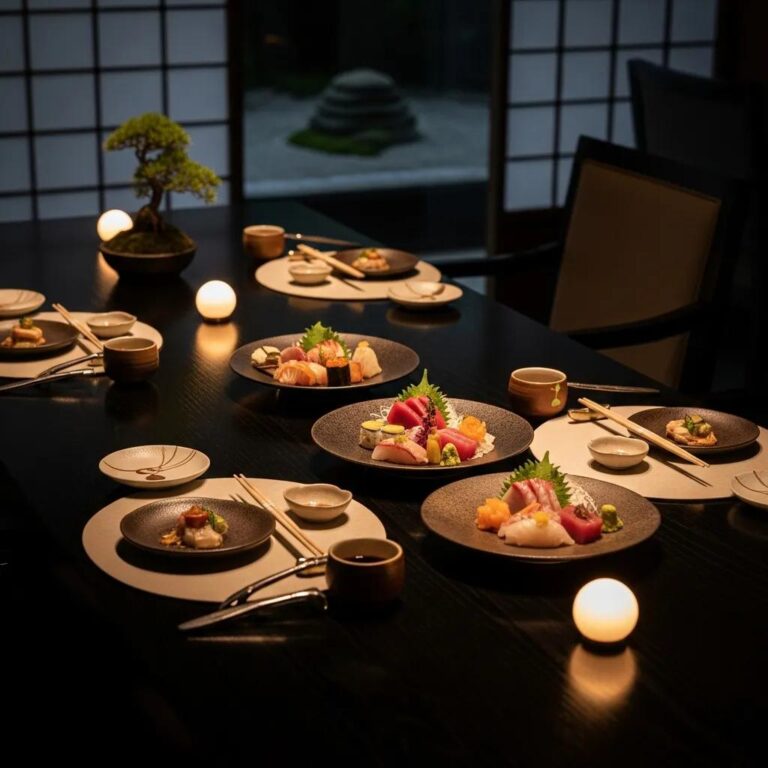
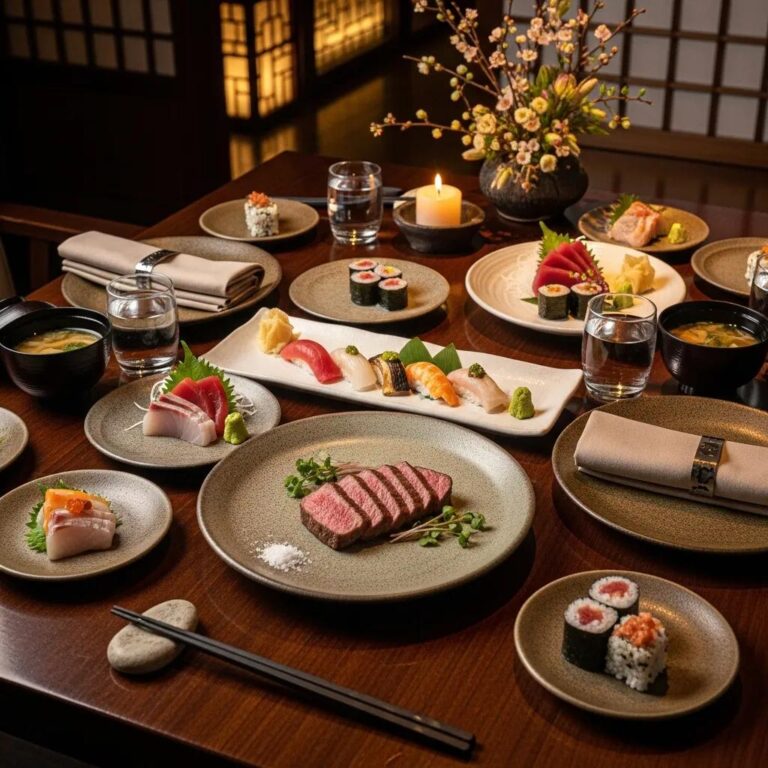
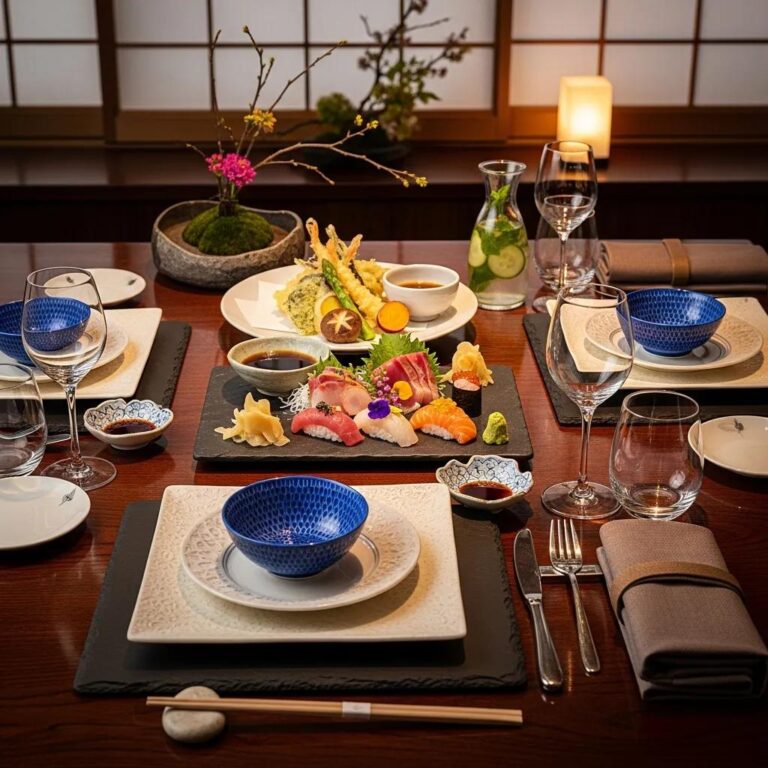
Kaviar Restaurant interprets these omakase traditions locally by emphasizing deliberate sequencing, premium ingredients like A5 Wagyu and caviar, and artful presentation that honors Japanese restraint while engaging a Pasadena fine‑dining audience. For guests seeking this experience, reservations can be made by phone or through common booking platforms; the menu highlights omakase, A5 Wagyu and caviar‑focused offerings as signature courses.
Who Are the Pioneers of Japanese Omakase and Their Contributions?
The pioneers of omakase and sushi established the technical canons—how rice is seasoned, how fish is cured or aged, and how service is choreographed—that remain central to high‑end practice. Masters emphasized long apprenticeships, where repetition and attention to detail produce consistent execution and a refined taste memory. Their contributions include standards for rice temperature and seasoning, curing or aging methods for specific species, and the sequential tasting order that highlights texture and flavor progression. Those innovations created reproducible methods that could be taught and adapted globally, allowing omakase to become a benchmark for chef‑led tasting menus beyond Japan. Training lineages from these pioneers continue to influence contemporary sushi programs worldwide.
These foundational practices underpin modern omakase’s focus on trust, sequence and technical purity—qualities diners expect in premium Japanese fine dining.
What Is the Legacy of Japanese Culinary Masters in Global Fine Dining?
Japanese masters left a legacy of precision, deep respect for ingredients and an apprenticeship culture now widely adopted across fine dining. Sushi techniques—meticulous knife work, precise temperature control and seasonality—appear in contemporary tasting menus and modern fusion cuisine. The omakase philosophy inspired chef‑led tasting sequences in Western restaurants, encouraging shorter menus, sequential logic and attention to single‑ingredient expression. Japanese service ritual and hospitality also influenced front‑of‑house choreography, raising expectations for seamless, respectful service. This diffusion broadened the definition of excellence to include technical mastery, ingredient stewardship and attentive hospitality.
The global adoption of these practices redefines excellence as a balance of craft, provenance and guest care.
How Do Legendary Chefs Inspire Kaviar Restaurant’s Culinary Excellence?
Kaviar Restaurant’s culinary story draws on the legacies of fine‑dining icons, translating their philosophies into a Japanese‑forward tasting experience centered on premium ingredients and curated service. Our chefs interpret principles like seasonality, technical rigor and artful presentation through omakase sequencing and specialty dishes featuring A5 Wagyu and caviar. This local interpretation connects global legacies—precision from Japanese masters, refinement from classical French technique and modern textural play—to the Pasadena dining scene. We use these influences to craft menus that are technically disciplined and guest‑centered, aiming to deliver the narrative and sensory arcs diners expect from luxury Japanese fine dining. Kaviar offers multiple reservation methods, including phone and mainstream booking platforms, to serve high‑intent guests.
Explaining these influences helps diners see how Kaviar’s menu choices and service rituals are rooted in broader culinary traditions yet tailored to a contemporary local audience.
Who Are the Chefs Behind Kaviar’s Signature Omakase and A5 Wagyu Dishes?
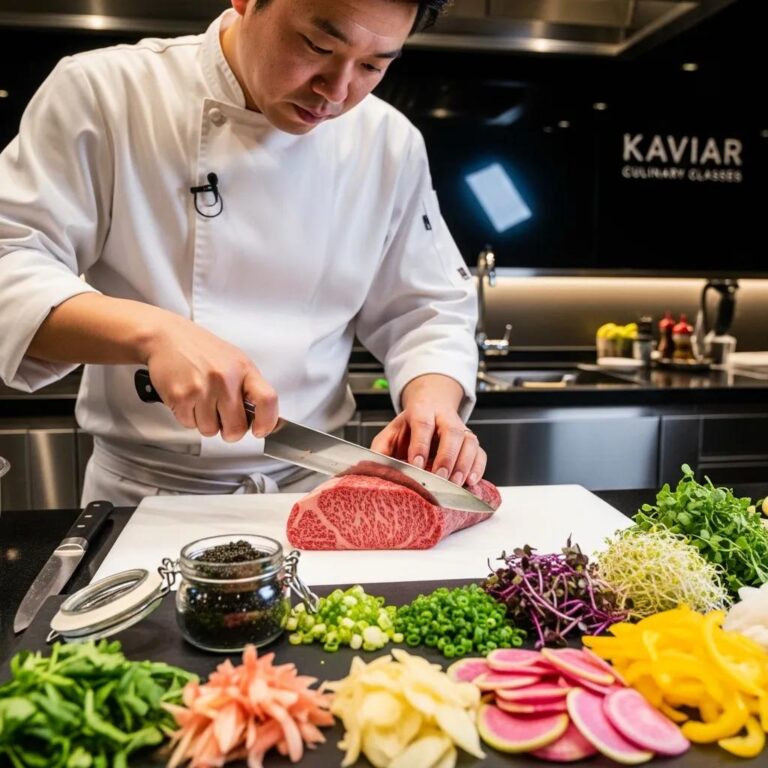
Kaviar’s kitchen is led by a collaborative chef team focused on omakase and premium ingredient execution rather than individual celebrity names. The team blends Japanese omakase discipline—attention to rice, fish selection and tasting order—with training in classical technique and modern plating. Our chefs prioritize sourcing top‑tier ingredients, meticulous knife and temperature control, and service choreography that centers the guest’s tasting sequence. While individual biographies are not spotlighted here, Kaviar recommends structuring chef profiles with Person schema to improve discoverability and to communicate each chef’s culinary philosophy, signature techniques and role in menu design. Guests interested in our omakase or A5 Wagyu offerings are encouraged to reserve in advance to experience the curated sequence.
This team‑first approach underscores a kitchen philosophy: craft and ingredient stewardship over personality cults.
How Does Kaviar Interpret Culinary Legacies in Its Menu and Dining Experience?
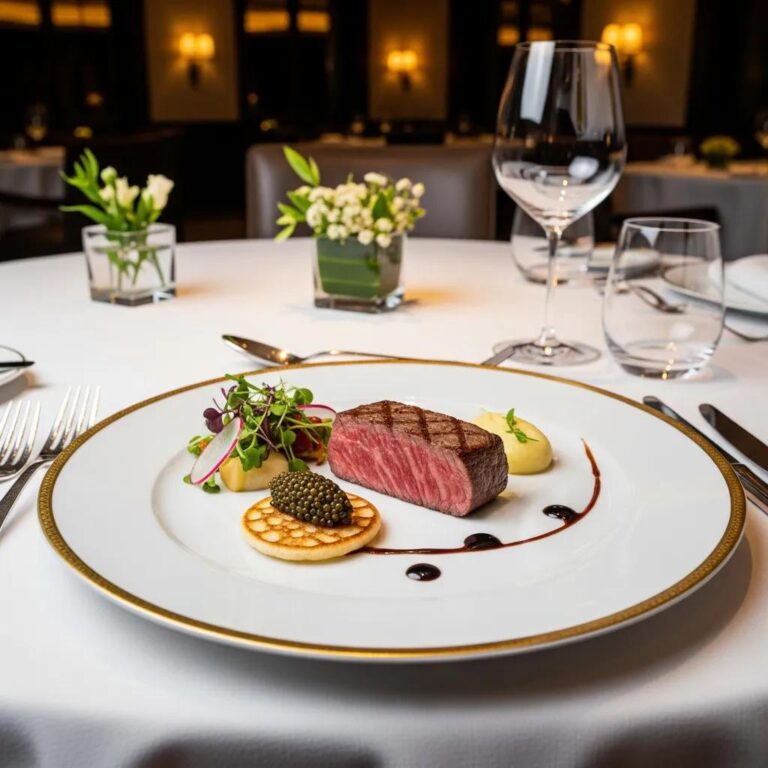
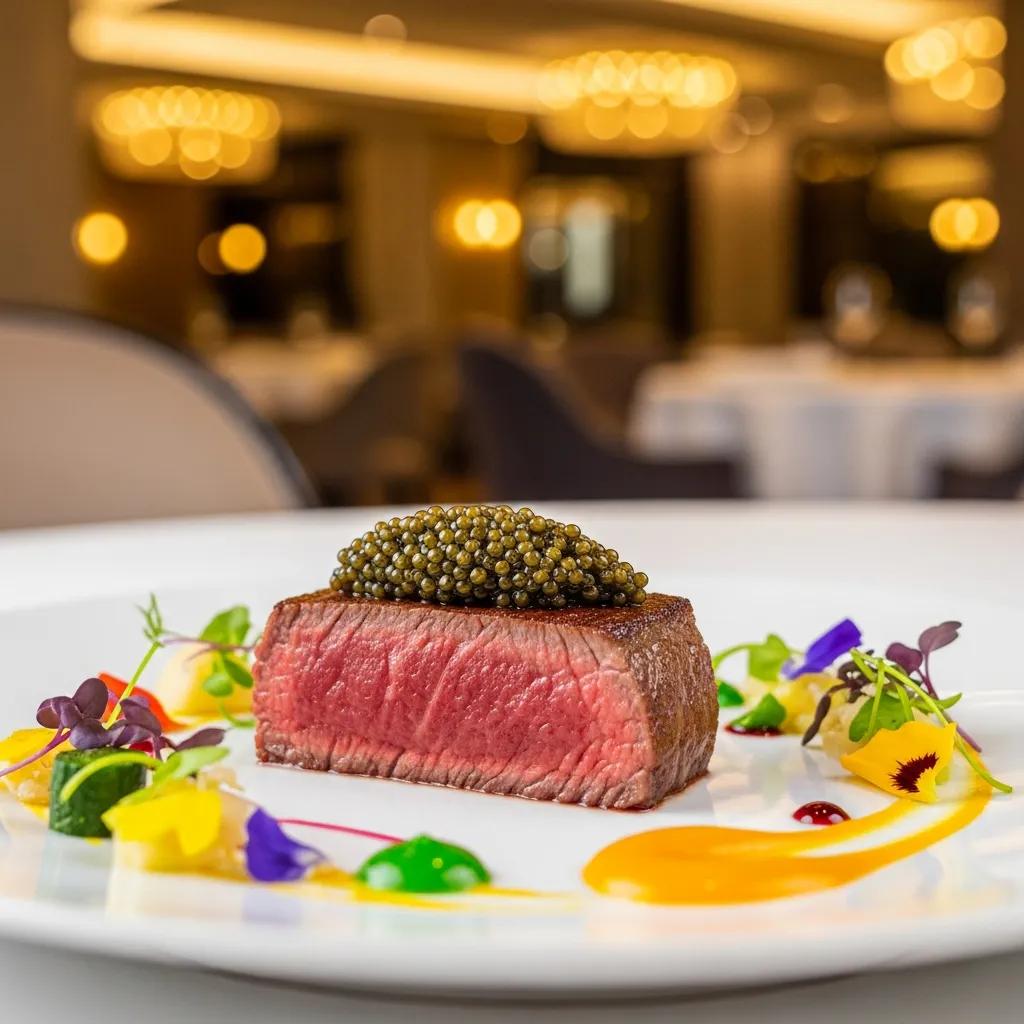
Kaviar channels historical culinary legacies through menu mechanics and service rituals that reflect both Japanese tradition and contemporary fine‑dining expectations. Signature offerings like omakase progressions emphasize seasonality and precise execution, while A5 Wagyu presentations focus on controlled heat, restrained seasoning and finishing techniques that showcase marbling and texture. Caviar appears as accent courses or finishing touches to amplify umami and add a luxurious counterpoint. Presentation favors negative space, delicate garnishes and measured pacing that reflect apprenticeship‑trained timing. Guests should expect a curated narrative and are advised to book early; Kaviar accepts reservations via phone and mainstream platforms to ensure the tailored omakase sequence can be delivered consistently.
By translating lineage into menu mechanics and service choreography, Kaviar offers a local expression of global fine‑dining traditions.
What Role Do Michelin Stars and Culinary Awards Play in Chef Legacies?
Awards such as Michelin stars and honors from peer institutions shape chef legacies by signaling sustained excellence, shaping diner expectations and opening professional opportunities. Michelin evaluates product quality, technique, chef personality, value and consistency; stars often bring greater visibility, fuller bookings and the platform to mentor or launch new projects. Awards can also create constraints—expectations for consistency and a particular kind of experience—so chefs must balance innovation with reproducible standards. For diners, awards are a helpful heuristic for likely quality and service, but they are only one signal alongside sourcing, philosophy and team pedigree. The table below clarifies major awards, their criteria and what they communicate to the public.
This table helps diners translate accolades into meaningful expectations about a restaurant’s priorities and consistency.
How Are Michelin Stars Earned and What Do They Represent?
Michelin stars are awarded by anonymous inspectors after multiple visits, using a rubric that emphasizes ingredient quality, technical mastery, the chef’s personality expressed through food, value and consistency. One star denotes a very good restaurant in its category; two stars signal excellent cooking worth a detour; three stars mark exceptional cuisine worth a special journey. For chefs, stars bring attention and operational demands—rigorous training, precise procurement and tight execution. For diners, stars suggest polished service, deliberate tasting sequences and technical mastery; yet many notable restaurants deliberately avoid pursuing stars to preserve creative freedom. Knowing how stars are judged helps diners choose experiences that match their appetite for innovation versus established excellence.
Understanding the process lets guests select restaurants aligned to their preferences for novelty or for tried‑and‑true excellence.
Which Chefs Have Set Records for Michelin Stars and Culinary Recognition?
Certain chefs have accumulated high Michelin counts or multiple major awards, building careers that shape culinary history and training networks. Those record holders often use recognition to mentor new chefs, publish influential works and expand concepts across regions. Their trajectories show how awards can amplify influence beyond the plate—founding restaurants, schools or philanthropic efforts that extend a chef’s legacy. While accolades raise visibility, lasting impact also depends on teaching and the durability of technical contributions—the chefs trained and the methods codified—so recognition and influence usually work together rather than independently.
Awards accelerate a chef’s platform, but sustained legacy grows from mentorship and the endurance of technical innovations.
What Are the Emerging Trends Shaping the Future of Fine Dining and Chef Legacies?
Between 2023 and 2025, fine dining has trended toward sustainability, personalization, immersive experiences and a renewed respect for traditional techniques paired with premium ingredients. Sustainability affects sourcing and waste practices, encouraging whole‑animal butchery, partnerships with local farms and traceable seafood. Personalization and immersive dining bring seat‑specific menus, narrative service and multisensory elements that deepen engagement. Demand for premium items—caviar and A5 Wagyu—remains strong but is increasingly framed by provenance and ethical sourcing. Technology—reservation platforms and guest preference systems—enables personalization at scale while preserving culinary storytelling. The list below outlines major trends and their implications for restaurants and diners seeking modern luxury experiences.
Together, these trends redefine excellence as a blend of ethical sourcing, sensory design and guest‑centered adaptability.
- Sustainability: Restaurants adopt local sourcing, waste reduction and traceability to lower environmental impact and meet guest expectations.
- Personalization: Tailored tasting sequences and seat‑level attention create bespoke experiences that boost satisfaction and loyalty.
- Immersive Experiences: Multisensory plating, storytelling and service theater turn meals into curated narratives that extend beyond taste.
- Premium Provenance: Luxury ingredients like A5 Wagyu and caviar remain sought after but are presented with clear provenance and ethical context.
The takeaway for diners: expect more narrative‑driven menus, transparent sourcing and reservation systems that capture preferences to enhance personalization.
How Are Sustainability and Mindful Eating Influencing Modern Fine Dining?
Sustainability reshapes procurement, menu engineering and operations by prioritizing local partners, seasonal planning and full‑use strategies that cut waste and support regenerative practices. Chefs practice mindful eating by highlighting plant‑forward courses, using whole‑animal butchery to honor resources and reducing single‑use packaging. Guest‑facing steps include sourcing notes on menus, trained servers who explain provenance and tasting sequences that spotlight an ingredient’s lifecycle. Operational shifts—supplier partnerships and inventory optimization—support these initiatives. Diners increasingly judge restaurants by these criteria, making sustainability a strategic priority for contemporary fine dining.
Practically, sustainability enriches the tasting‑menu narrative and aligns culinary excellence with environmental responsibility, influencing menu design and guest perception.
In What Ways Are Personalization and Immersive Experiences Redefining Chef Influence?
Personalization and immersion expand a chef’s influence by turning meals into authored experiences where technique, story and guest history converge. Seat‑specific menus, allergy‑aware customizations and curated sensory elements (sound, scent and visuals) let chefs tailor experiences while keeping the overall narrative intact. Technology helps capture guest preferences and enables pre‑service customization, while immersive staging and storytelling create stronger emotional resonance. These shifts recast the chef as artist and experience designer, with influence measured not only by technical skill but by the ability to orchestrate a multi‑dimensional guest journey. For diners, this means a move away from static menus toward adaptive, story‑rich dining that rewards repeat visits and fosters loyalty.
Chefs who master personalization and immersion expand their legacy through repeatable formats that prioritize relationship, narrative and sensory design.
Kaviar Restaurant aligns with these trends by offering curated omakase sequences, premium ingredients such as A5 Wagyu and caviar, and reservation workflows that support guest personalization. Our Pasadena location allows local provenance choices within the omakase framework, and reservations by phone or established booking platforms make tailored experiences accessible to modern diners.
- Reserve Early: High‑demand tasting experiences require advance booking to secure curated sequencing.
- Communicate Preferences: Sharing dietary notes when you book lets chefs personalize safely and imaginatively.
- Expect Narrative Service: Immersive tasting menus prioritize pacing and sensory arcs—arrive ready to engage with the story.
Frequently Asked Questions
What is the significance of culinary awards in the fine dining industry?
Culinary awards—Michelin stars, James Beard Awards and similar honors—play a major role in shaping a chef’s reputation and a restaurant’s credibility. These accolades signal excellence in technique, creativity and consistency, shaping diner expectations and attracting food enthusiasts. Awards can increase bookings and open opportunities for chefs to mentor, publish or expand. That said, awards aren’t the only measure of quality; many outstanding restaurants prioritize creative freedom over chasing stars.
How do modern dining trends reflect the influence of historical chefs?
Current trends—sustainability, personalization and immersive experiences—trace back to the philosophies of historical chefs. Alice Waters’ focus on seasonality informs farm‑to‑table practice, while Japanese masters’ precision influences omakase’s exacting standards. These trends show a move toward ethical sourcing and deeper guest engagement, proving that past culinary icons still shape today’s dining expectations.
What role does technology play in enhancing the fine dining experience?
Technology boosts the fine‑dining experience by enabling personalization and smoothing operations. Reservation platforms let guests share preferences and dietary restrictions, allowing kitchens to tailor meals. Technology also supports immersive elements—curated music or visuals—that complement a tasting. By capturing guest data and streamlining logistics, technology helps chefs deliver memorable, personalized experiences that align with modern expectations.
How can diners best prepare for a fine dining experience?
To get the most from fine dining, book early—especially for tasting menus—and share dietary needs when you reserve so chefs can adapt safely and creatively. Be open to the meal’s narrative: learning the story behind dishes and the chef’s intent deepens appreciation. Asking staff about the menu can also enrich the experience.
What are the key elements of a successful omakase experience?
A successful omakase depends on trust in the chef, who curates a sequence showcasing seasonal ingredients and technical skill. Key elements include precise rice seasoning, careful fish selection and a thoughtful tasting order that emphasizes flavor progression. The atmosphere should balance formality with comfort so diners can fully engage. Attentive service that respects pacing enhances enjoyment and connection to the chef’s narrative.
How do chefs balance creativity with consistency in fine dining?
Chefs balance creativity and consistency by building on solid technique and a clear culinary philosophy. Innovation keeps menus fresh, but established methods ensure each dish meets high standards. Cultivating mentorship and ongoing learning in the kitchen encourages creativity without sacrificing the reliability diners expect. That combination—discipline plus imagination—is the hallmark of successful fine dining.
Conclusion
Understanding the legacies of fine‑dining icons enriches how we experience a meal—connecting flavors and service to the philosophies and techniques that shaped them. Exploring the influence of legendary chefs helps diners appreciate the craft behind each dish and the curated narratives that elevate dining into an experience. If you’re ready to taste these traditions firsthand, Kaviar Restaurant offers a thoughtful interpretation of omakase and premium ingredients. Reserve today and join us on a memorable journey through contemporary fine dining.