




Creating Memorable Moments at Kaviar — Luxury Japanese Fine Dining in Pasadena
At Kaviar, we design memorable dining moments through chef-led omakase, rare ingredients like A5 Wagyu and Kaluga caviar, and a quietly refined dining room suited to life’s milestones. This guide walks through how our tasting journeys are composed, why provenance and technique matter for Wagyu and caviar, and how seasonal sourcing and Japanese methods shape each course for optimal flavor and texture. You’ll learn about the chef’s curatorial intent, the sources and preparations that define A5 Wagyu, the rituals behind our caviar service, and practical details for private dining and reservations in Pasadena. Along the way we spotlight signature plates and premium elements from Kaviar’s menu, and offer straightforward booking options for guests planning anniversaries or an omakase tasting in Pasadena.
What Makes Kaviar’s Omakase Experience Unique in Pasadena?
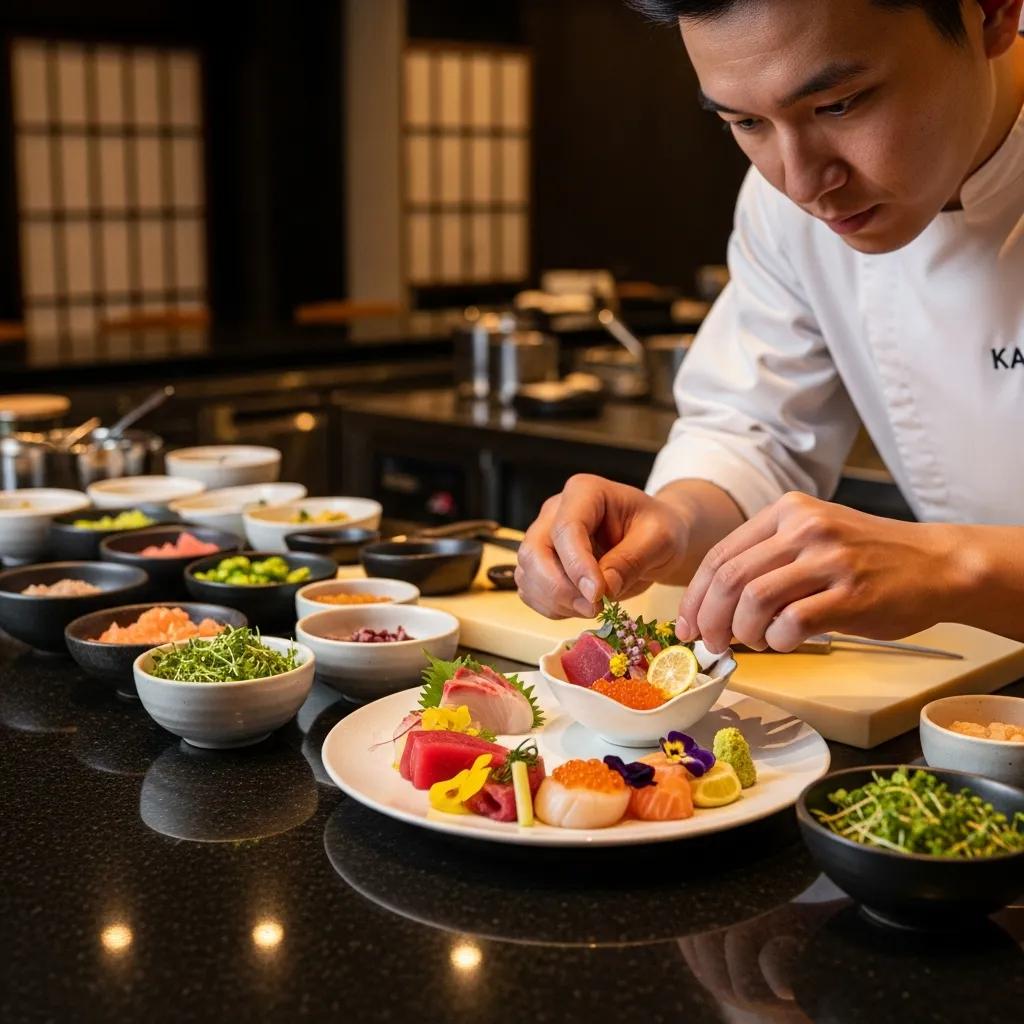
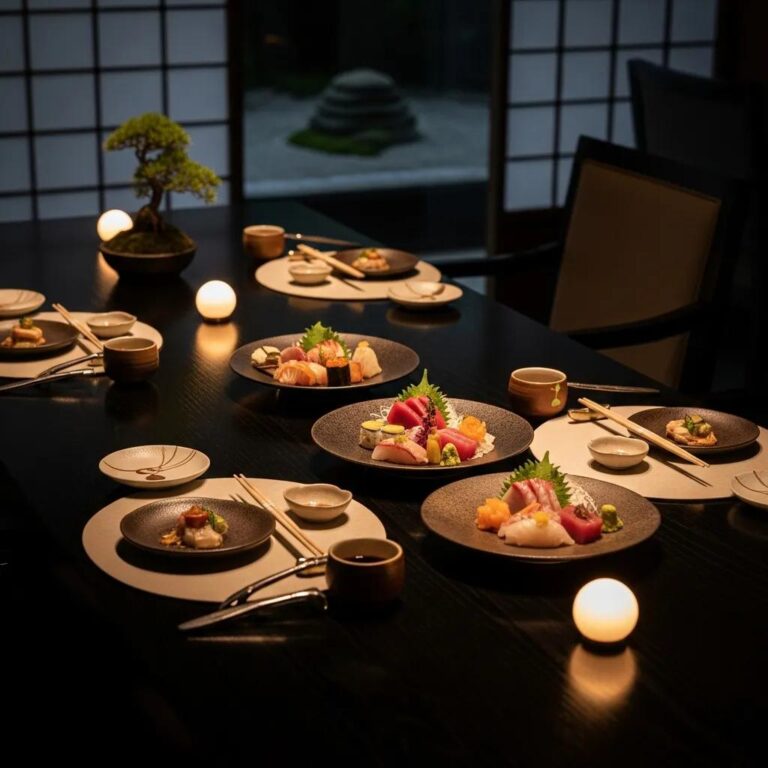
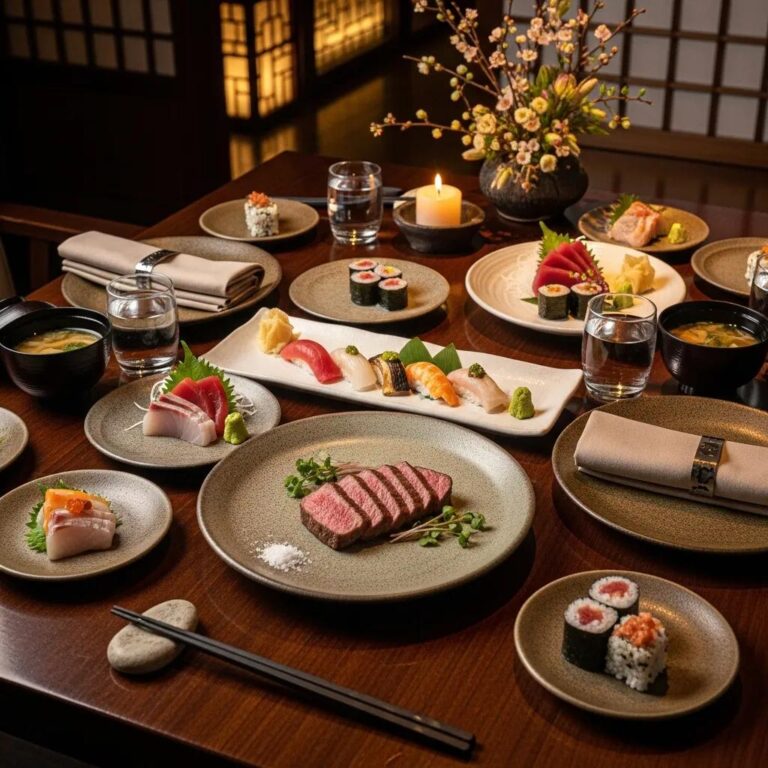
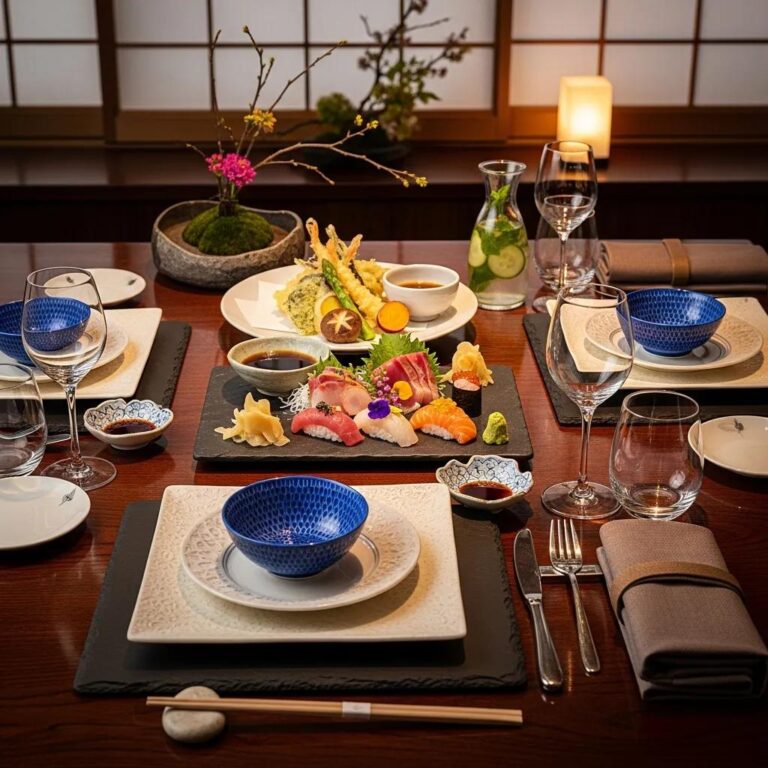
Omakase at Kaviar is a chef-curated tasting sequence that arranges seasonal plates to create contrast in flavor, texture, and temperature—crafting a cohesive sensory arc for each guest. Our approach rests on sourcing ingredients at peak freshness and applying time-honored Japanese techniques—aging, torching, curing—so every course delivers a thoughtful gustatory moment. Diners benefit from an orchestrated, personalized meal where progression, pacing, and pairings reveal nuances single-plate dining rarely offers. Knowing this structure helps guests appreciate how course order, provenance, and plating shape a truly memorable evening.
Chef John Hans Yeo builds each omakase by matching seasonality to a clear narrative, starting delicate and moving toward bolder expressions while honoring guest preferences and dietary needs. His curation blends hyper-local produce with regional Japanese ingredients to create contrast between pristine sashimi, seared finishes, and palate-cleansing interludes. The outcome is an adaptive tasting that resembles a short performance—each course chosen to highlight a single technique or ingredient.
At Kaviar, omakase puts sensory presentation and tempo on par with flavor. Plating, aroma, and temperature shifts heighten engagement, and subtle audio-visual touches in the dining room, together with attentive pacing, allow guests to savor individual moments. The section that follows explains how the chef’s choices translate into concrete techniques and seasonal items that define the experience.
How Does Chef John Hans Yeo Curate the Omakase Journey?
Chef John Hans Yeo curates omakase by combining seasonal availability, textural contrast, and personal storytelling into each tasting sequence, guiding guests through a deliberate culinary arc. He opens with lighter, chilled preparations—clean sashimi and refined nigiri—then moves toward warm, umami-forward plates that showcase flame, aging, and fat, ensuring each transition builds on the last. This approach prioritizes balance of taste, texture, and temperature while allowing real-time adjustments for allergies or celebrations. His decision framework—ingredient quality → technique → pacing—creates coherence and surprise, delivering a tasting that feels intimate and precisely choreographed.
Which Seasonal Ingredients and Traditional Techniques Define Our Omakase?
Seasonality at Kaviar means the menu draws from the best available seafood and produce, paired with Japanese techniques like controlled aging, light torching to accentuate fat, and gentle curing to concentrate flavor. Typical seasonal highlights include delicate uni, rare fish varieties, and shellfish that shine with minimal handling. Traditional methods are layered with modern touches—smoke, judicious acidity, and micro-herb garnishes—to produce depth that rewards attentive tasting. These season-forward practices preserve texture and foreground provenance, which in turn informs pairings and the tasting flow.
How Does Kaviar Deliver Authentic A5 Wagyu Perfection in Pasadena?
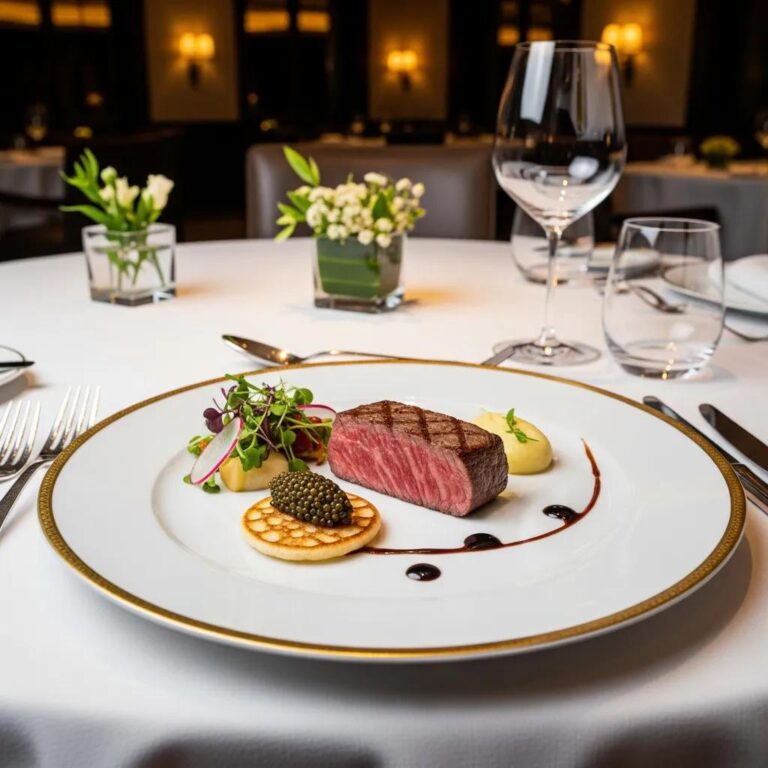
At Kaviar, A5 Wagyu is presented as a tactile and flavor centerpiece, handled with minimal intervention to showcase its intense marbling and buttery mouthfeel. A5 grading signifies exceptional intramuscular fat and tenderness—qualities best experienced when preparation preserves the melt-in-the-mouth texture and delicate aromatics. Guests usually encounter Wagyu in small-format presentations—nigiri, tartare, or lightly seared bites—so each portion maximizes savor and pairing potential. Understanding sourcing and finishing clarifies why Wagyu often occupies a starring role on the tasting menu.
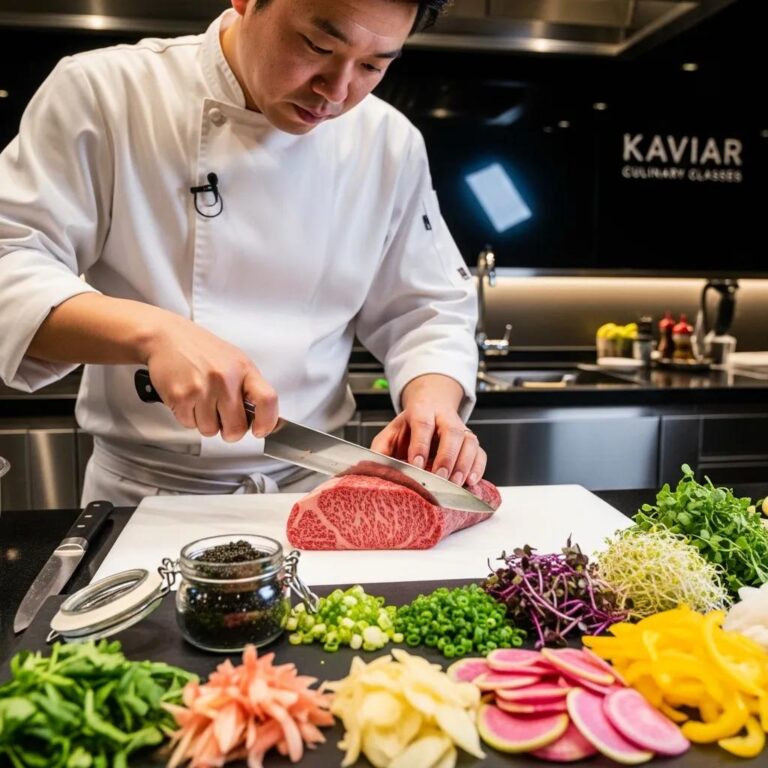
Origin and technique shape both flavor and service. We source A5 Wagyu from respected prefectures such as Miyazaki and Kagoshima, known for rigorous rearing and distinctive flavor profiles. Finishing methods favor brief, high-heat sears, thin nigiri slices, and hand-chopped tartare dressed to enhance—never mask—the beef’s fat. These practices prioritize mouthfeel and preserve the subtle aromatics that set A5 apart.
To illustrate practical differences in Wagyu sources and finishes, the table below compares origins, grade context, common finishing methods, and recommended service styles—clarifying how provenance and technique combine to create the Wagyu moments diners remember.
This comparison underscores how source and technique shape the final Wagyu impression; choosing Miyazaki or Kagoshima A5 and applying restrained finishing preserves clarity of flavor and textural excellence. Next, we highlight signature Wagyu preparations that put these principles into practice.
Where Is Our A5 Wagyu Sourced and How Is It Prepared?
Kaviar sources A5 Wagyu from trusted Japanese prefectures, selecting animals known for exceptional marbling and refined flavor so authenticity shines in every bite. In the kitchen we use focused finishing methods—brief sears, gentle torching, and precise knife work—to render fat without overcooking the muscle, preserving the buttery texture A5 is prized for. We often pair Wagyu with subtle acidic or saline accents to cut richness and amplify umami, and portion sizes are calibrated to maintain tasting-menu balance. These sourcing and preparation choices present Wagyu as a chapter in the tasting narrative rather than a standalone main.
Japanese Wagyu Beef Industry: Breeds and Fat Composition
In Japan, Wagyu cattle include four breeds—Black, Brown, Shorthorn, and Polled. Today, the Wagyu name applies to beef produced in Japan as well as in countries such as Australia and the United States. In recent years, intramuscular fat in Japanese Black cattle (longissimus muscle) has increased to more than 30%. The Japanese Black breed is genetically inclined to yield carcass lipids with higher concentrations of monounsaturated fatty acids than other breeds.
The Japanese Wagyu beef industry: Current situation and future prospects—A review, 2018
What Signature Dishes Feature A5 Wagyu at Kaviar?
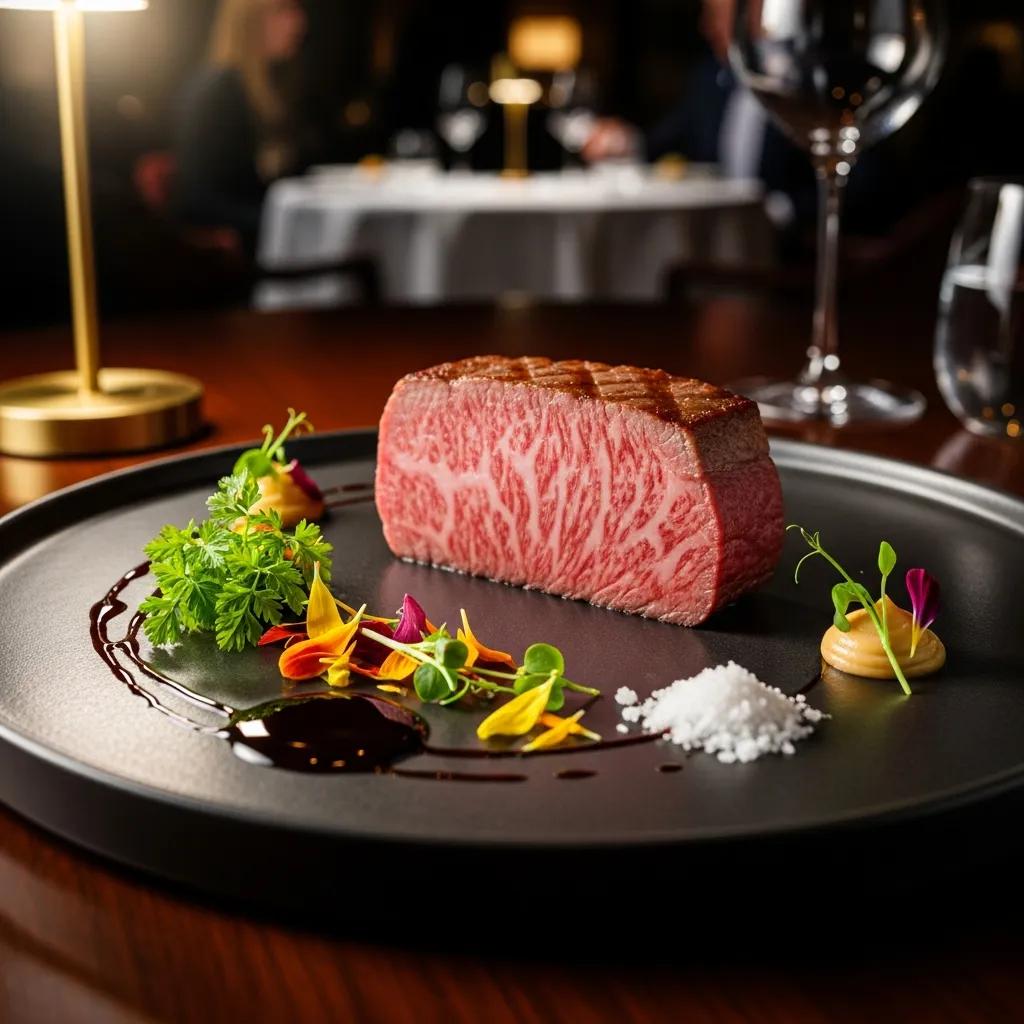
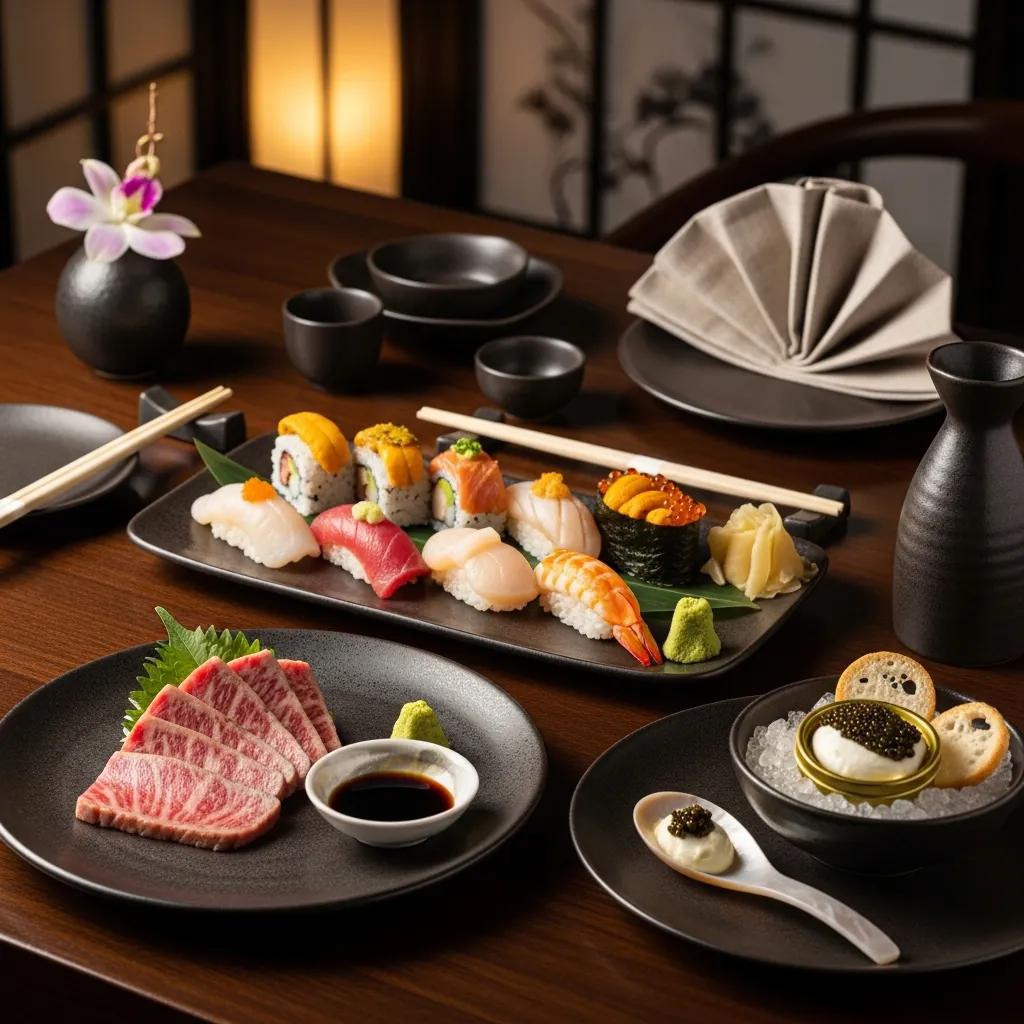
Our signature Wagyu plates focus on small-format, intensely flavored preparations that celebrate marbling and mouthfeel—think A5 Wagyu tartare with restrained seasoning or Wagyu nigiri finished with a whisper of soy or citrus. Each dish is plated to underscore texture—cool tartare paired with warm toast points, or seared Wagyu atop sushi rice that balances fat with gentle acidity and soft starch. Pairings often include premium sake or a delicate red to balance richness; bright, acidic cocktails can also lift the palate. These presentations let guests experience Wagyu’s complexity in concentrated, memorable bites.
What Distinguishes Kaviar’s Exquisite Caviar Service in Pasadena?
Our caviar service elevates the tasting by selecting refined varieties, offering restrained accoutrements, and presenting each portion with precision to foreground texture and saline nuance. Caviar’s pearl-like pop and nuanced flavors function as a textural and aromatic crescendo within the sequence. For guests, caviar becomes a luxurious highlight that suits celebratory moments and pairs gracefully with sake, chilled neutral spirits, or subtle dairy accompaniments. Understanding how caviar operates in the tasting clarifies its placement and impact.
We favor Kaluga caviar for its medium-to-large pearls, balanced salinity, and creamy finish—qualities that translate well across presentations. Service rituals emphasize minimal companions—blini, crème fraîche, understated carriers—so the caviar’s nuance stays front and center. The table below compares caviar types, flavor notes, presentation approaches, and ideal pairings to help guests choose and appreciate each style.
This comparison shows how Kaluga and similar premium caviars offer distinct textures and flavors that benefit from restrained service. In the next section we outline presentation techniques and the experiential benefits caviar brings to a tasting sequence.
Which Types of Caviar Are Served and How Are They Presented?
Kaluga caviar’s medium-to-large pearls deliver a clean saline burst and creamy texture; we serve it simply to preserve nuance—typically on chilled mother-of-pearl with blini and crème fraîche. Presentation prioritizes temperature control and neutral carriers so each pearl’s aroma and mouthfeel remain unmasked. Small portions ensure caviar acts as a refined accent rather than an overpowering element, and our team offers tasting cues to guide pairings and texture appreciation. This restrained ritual deepens enjoyment and keeps the tasting’s pacing intact.
How Does Our Caviar Service Enhance the Fine Dining Experience?
Caviar provides a multisensory high point—texture, salinity, and aromatic subtlety—that lifts key moments in a tasting, often marking celebratory crescendoes where contrast and finesse are most felt. It pairs naturally with sake and sparkling selections, reinforcing its luxury role. Creative uses—caviar-topped tartare or bite-sized blini interludes—allow the ingredient to bridge courses and elevate perceived value without overwhelming the menu.
How Does Kaviar Cater to Special Occasions with Japanese Fine Dining in Pasadena?
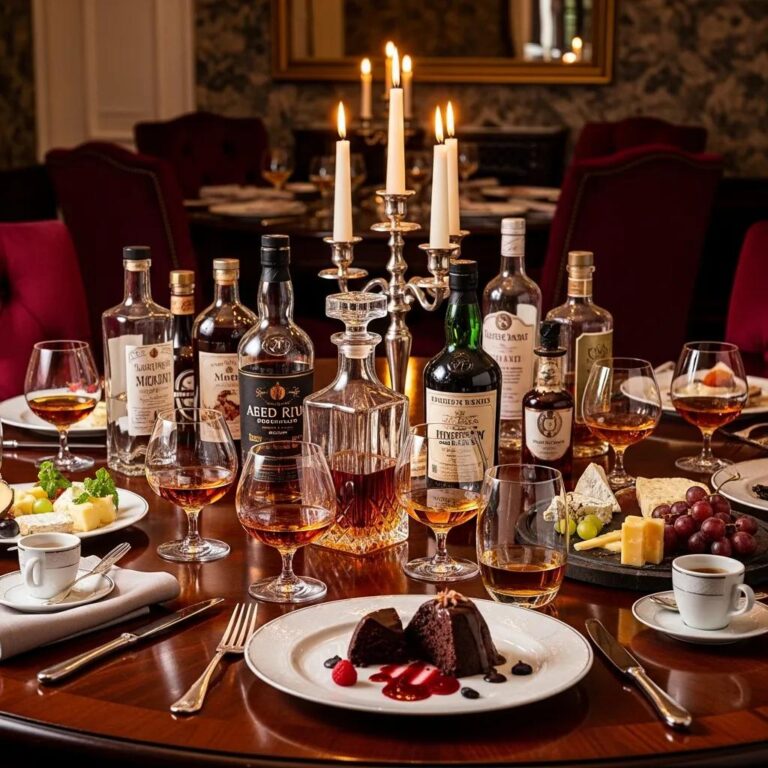
Kaviar supports special occasions with an intimate upstairs dining room, chef-led customization, and menu pacing tailored for privacy and celebration. The combination of our setting—views of Raymond Avenue and historic Old Pasadena—and culinary personalization creates an emotional backdrop for anniversaries, birthdays, and private gatherings. For guests, the result is a seamless, elevated experience where service, menu, and atmosphere align to make milestones feel distinctive and thoughtfully managed.
Private dining and celebration options range from intimate tasting menus to multi-course events with dietary accommodations and celebratory touches. Our team coordinates menu choices and timing so the culinary rhythm matches toasts, speeches, and shared moments, ensuring each segment builds toward a memorable peak. Expect the following typical package elements when planning an upscale celebration at Kaviar.
- Personalized tasting sequence: Menus tailored for dietary needs and celebratory preferences.
- Ambiance and seating: Intimate upstairs spaces designed for quiet conversation and views.
- Service rhythm: Thoughtfully timed courses to accommodate speeches, cake service, or toasts.
These elements show how customization and setting combine to create an occasion that feels both private and ceremonial. The next section explains how private dining options are structured and how to begin planning.
What Private Dining and Celebration Packages Are Available?
Private dining typically includes a curated tasting menu, flexible course counts, and service styles—plated or family-style—based on group preferences, capacity, and pacing. Packages stress advance coordination so the chef can source seasonal items and design the tasting flow around dietary needs and celebration goals. Planning conversations usually cover guest count, preferred pacing, and any special requests well ahead of the event to ensure ingredients and staffing match expectations. These steps minimize last-minute changes and protect the intended experience.
Why Is Kaviar the Ideal Venue for Anniversaries and Birthdays?
Kaviar’s upstairs intimacy, chef-led menus, and attentive service create a setting where conversation and culinary discovery sit comfortably together. Our elevated vantage of historic Old Pasadena and quietly arranged dining spaces support private celebrations that feel exclusive yet connected to place. Curated menu options and the ability to feature premium ingredients—A5 Wagyu, Kaluga caviar, uni, and truffle accents—help guests craft moments that mark milestones with culinary nuance rather than showy excess.
What Are Kaviar’s Signature Dishes and Premium Ingredients?
Our signature dishes follow an ingredient-first approach: provenance, texture contrast, and restrained seasoning let natural flavors take center stage. Technique and pairing are used to reveal nuance rather than mask origin. For guests, this means a menu where each plate feels intentional and tied to the chef’s culinary story—dishes like tuna tartare or uni pasta stand out for their clarity and balance.
Below is a table listing signature dishes, primary ingredients, and sensory or serving notes to illustrate how each plate contributes to the tasting progression. This overview helps guests anticipate textures, temperatures, and pairing choices.
This table highlights the range of textures and temperatures guests encounter across our signature plates, reinforcing the chef’s balance of tradition and innovation. The following section ties these dishes back to the chef’s overall philosophy.
How Do Our Signature Dishes Reflect Chef John Hans Yeo’s Culinary Philosophy?
Chef John Hans Yeo’s philosophy blends Japanese tradition with an ingredient-forward modern sensibility that prizes balance, texture, and provenance. Each signature dish embodies that view: sparing seasoning to let quality ingredients speak, meticulous technique to refine mouthfeel, and thoughtful pairings that add contrast without discord. Examples include pairing uni’s oceanic richness with a creamy starch or finishing Wagyu with a faint acidic note to accentuate fat. The result is cuisine that feels both timeless and contemporary.
What Premium Ingredients Define Our Menu Beyond Wagyu and Caviar?
Beyond Wagyu and caviar, our menu features ingredients like truffles, uni, rare fish, and a curated selection of premium sake and handcrafted cocktails that complement rather than overpower. These items are used with restraint—truffle as a finishing accent, uni as a textural centerpiece, and premium sake as a harmonizing pairing—so each element enhances the tasting arc. Sourcing and seasonality determine when these ingredients appear, keeping the menu dynamic and thoughtfully timed.
How Can You Book Your Luxury Dining Experience at Kaviar Pasadena?
Booking a luxury dining experience at Kaviar starts with choosing the format—omakase tasting, à la carte with premium plates, or a private event—then contacting us to confirm availability, menu preferences, and any accommodations. This three-step approach streamlines planning and allows the kitchen to source seasonal items and prepare custom elements for special occasions. Early coordination secures premium ingredients and lets our team tailor pacing and presentation to your event.
Follow these simple steps to reserve a tasting or private event at Kaviar:
- Select your experience: Choose between an omakase tasting, premium à la carte dishes, or a private celebration menu.
- Initiate contact: Call the restaurant at (626) 605-0330 or reference our address when inquiring to arrange details.
- Confirm logistics: Share guest count, dietary restrictions, preferred pacing, and any celebratory needs to finalize the booking.
These steps align reservations with ingredient availability and staffing needs, giving the chef room to personalize menus. For larger groups, we recommend booking early so we can source specialty items and design the tasting sequence.
What Is the Reservation Process for Fine Dining and Special Events?
The reservation process begins with selecting the type of experience—omakase, signature plates, or private event—then sharing guest count, date preferences, and any dietary constraints so the kitchen can plan seasonally. Lead times depend on event size and menu complexity; private celebrations typically require extra time for customization and sourcing. Once details are agreed, we confirm logistics and timing to ensure service pacing complements your event flow.
How Can Guests Contact Kaviar for Large Parties or Custom Requests?
Guests planning large parties or custom requests should call to discuss capacity, menu options, and logistics—providing an approximate guest count and preferred dates upfront helps streamline planning. Our team coordinates menu choices, timing for speeches or toasts, and any sensory considerations to enhance the celebration. The restaurant’s address—70 N Raymond Avenue, Suite 250, Pasadena, CA—serves as the event location for planning and guest logistics.
- Call to inquire: Phone is the best way to start event coordination at (626) 605-0330.
- Provide core details: Share guest count, preferred date range, and any dietary restrictions.
- Finalize arrangements: Confirm menu, pacing, and special requests to secure the reservation.
Frequently Asked Questions
What is the significance of omakase in Japanese dining culture?
Omakase—literally “I leave it to you”—is a traditional Japanese dining style where the chef selects and serves a sequence of dishes. It centers on trust in the chef’s skill and seasonal sensitivity, allowing diners to experience ingredients at their peak. Omakase highlights the chef’s techniques and the quality of the produce, producing a personalized meal that reflects Japanese culinary craft.
How does Kaviar ensure the quality of its ingredients?
We prioritize ingredient quality through relationships with reputable purveyors and a focus on seasonality. Kaviar partners with local and international suppliers to secure the freshest seafood, authentic A5 Wagyu, and other luxury items. Our selection process is meticulous—the chef reviews provenance and freshness to ensure every dish meets the standards expected in fine dining.
What types of dietary accommodations can Kaviar provide?
Kaviar strives to be inclusive and can accommodate many dietary restrictions and preferences. Guests should note allergies, intolerances, or special needs when booking. The chef can adapt omakase or à la carte offerings so all diners can enjoy a thoughtful meal without compromising safety or flavor.
Are there any special events or seasonal menus at Kaviar?
Yes—Kaviar regularly features seasonal menus and special events that highlight unique ingredients or culinary themes. These limited-time offerings showcase the chef’s creativity and the changing seasons. To stay informed about events and menus, subscribe to our newsletter or follow us on social media.
What is the recommended dress code for dining at Kaviar?
We maintain a refined atmosphere; while there’s no strict dress code, smart casual is recommended. Dressing thoughtfully complements the dining experience and helps preserve the restaurant’s elegant ambiance for special occasions.
Can guests request wine or sake pairings with their meals?
Absolutely. Kaviar offers curated wine and sake pairings to elevate the tasting. Our team can recommend pairings that complement each course—guests can request pairings when booking or during their visit for a tailored experience.
Conclusion
Kaviar’s luxury Japanese fine dining blends seasonal ingredients, careful curation, and an intimate atmosphere to elevate any occasion. From the omakase arc to our signature plates, meticulous attention to detail ensures each meal is memorable and expressive of culinary craft. If you’re ready to indulge, explore our reservation options and discover the thoughtful flavors and personalized service awaiting you at Kaviar.