





Creative Mocktail Pairings to Elevate Your Kaviar Omakase
At Kaviar, gourmet mocktails are thoughtfully composed, alcohol‑free beverages designed to sit comfortably alongside our tasting menus. This guide explains how intentional mocktail pairing can elevate a Japanese omakase—covering pairing principles, concrete mocktail‑to‑dish matches, signature alcohol‑free creations, and how to request tailored pairings when booking a luxury meal. Too often, non‑alcoholic choices are an afterthought: basic sodas or juices that don’t engage the palate beside refined courses. We address that gap with craft techniques, sensory rules, and menu‑aware examples that work with ingredients like A5 Wagyu, caviar, and delicate sashimi. You’ll find practical heuristics, sample flavor profiles, a course‑by‑course omakase map, and reservation tips so you can bring these ideas to the dining room or build a seasonal zero‑proof program.
Why choose gourmet non‑alcoholic cocktails for fine dining?
Gourmet non‑alcoholic cocktails mirror the precision of cocktail craft—without ethanol—by bringing acidity, texture, aroma and balance to each course. We layer concentrated infusions, herbal tinctures, craft bitters and measured carbonation to either contrast or complement a dish’s dominant flavors. The outcome is an inclusive tasting experience that honors umami, refreshes the palate between courses, and sharpens flavor perception for guests who prefer zero‑proof options. As mindful drinking grows, refined mocktails move from secondary offering to essential sensory partner for tasting menus.
Gourmet mocktails deliver clear benefits for fine dining:
- They create a structured palate progression that supports omakase pacing.
- They add acidity and effervescence to cut rich textures like A5 Wagyu.
- They lift aromatics with herbs (shiso) and tea infusions that pair with delicate seafood.
These advantages explain why craft mocktails belong on a fine‑dining menu rather than generic soft drinks, and they lead naturally into the practical pairing rules that follow.
What makes mocktails essential in a luxury dining experience?
Mocktails deserve the same technical rigor as cocktails—clarified juices, precise tinctures, temperature control and considered glassware. Using concentrated yuzu, green tea reductions and house bitters, a mocktail can fulfill a cocktail’s structural role—supplying acid, bitterness, sweetness and aromatics—without alcohol’s palate‑altering effects. That craftsmanship makes tasting menus inclusive for guests who abstain, while preserving the chef’s intent. Mocktails also act as palate cleansers and contrast agents: a sharp yuzu spritz cuts through fat, a mineral cucumber spritz refreshes between rich bites. Treating mocktails as an equal culinary component aligns beverage service with the restaurant’s gastronomic vision.
How do mocktails enhance Japanese cuisine and omakase menus?
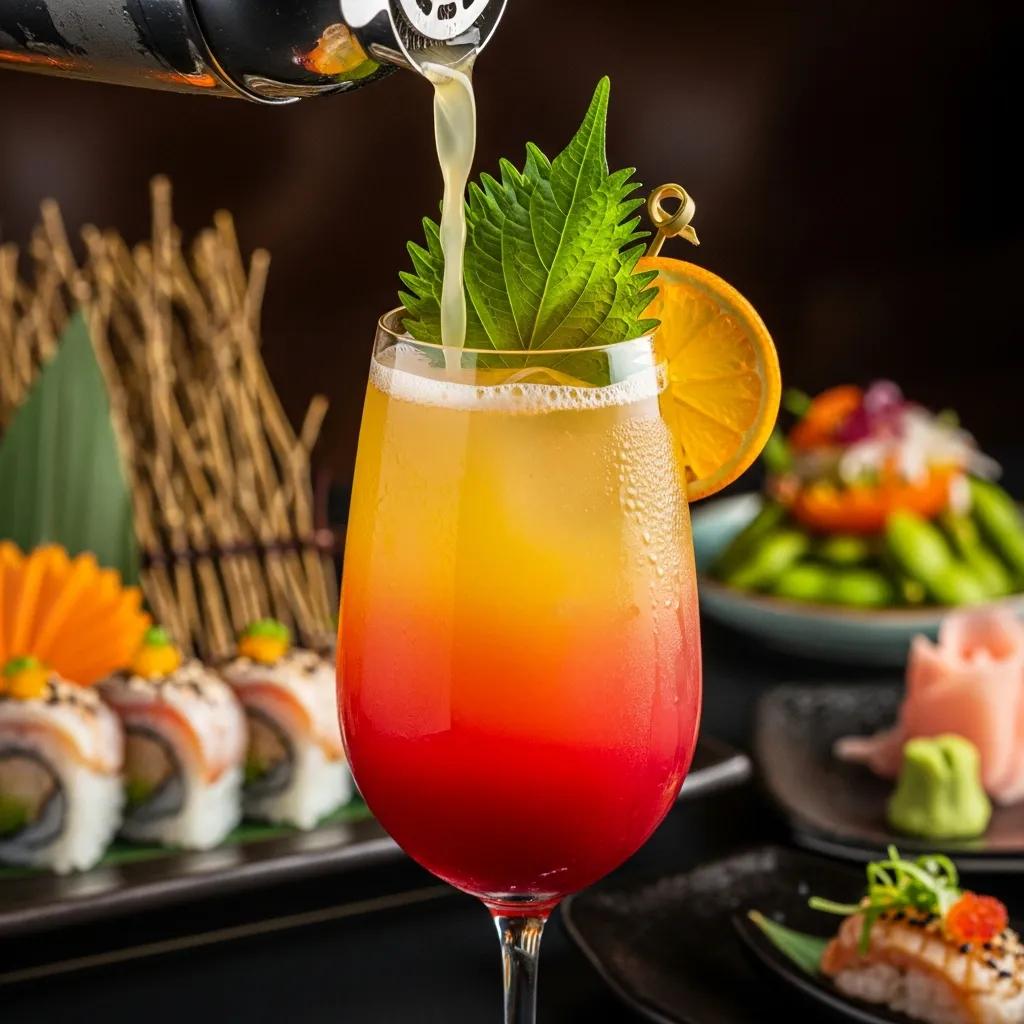
Mocktails amplify Japanese cuisine by mirroring key structural elements—acidity for fatty components, minerality for saline notes, and herbaceousness for aromatic lift—so the drink supports the dish rather than distracts from it. Yuzu’s brightness pairs with fatty tuna or seared A5 Wagyu; shiso and green tea highlight sashimi’s delicate umami without masking texture. Carbonation adds tactile contrast for tempura or grilled items, while low‑sugar umami tinctures (kombu reductions or miso‑smoked syrups) deepen savory pairings without excess sweetness. By balancing intensity, matching texture and using contrast deliberately, mixologists craft course‑aware mocktails that progress with the meal and enrich the omakase narrative.
How to pair creative mocktails with signature Japanese dishes at Kaviar?
Pairing mocktails with Japanese dishes follows simple, reliable heuristics: use acidity and effervescence to cut richness, minerality to echo saline components, and herbaceous aromatics to refresh between bites. These rules simplify most menu pairings and help our service team recommend complementary non‑alcoholic options. Below are core pairing principles chefs and mixologists can reference when suggesting pairings for a tasting menu.
- Acidity for fat: Bright citrus and sparkling bases cut through fatty textures and refresh the palate.
- Minerality for saline: Cucumber, sea‑salt tinctures and mineral spritzes echo caviar and briny seafood.
- Herbaceous lift for delicacy: Shiso, sansho and green tea infusions lift sashimi without overpowering.
- Effervescence for texture: Sparkling elements add contrast to tempura and grilled items.
These guidelines inform the specific pairings below, mapping signature dishes to pairing rationale and a recommended mocktail—useful for front‑of‑house and diners exploring pairing logic.
This mapping shows how pairing principles translate into actionable recommendations, helping staff match beverage intensity to dish weight for a consistent guest experience.
The next section outlines mocktail characteristics that suit heavy, saline or delicate Japanese ingredients, with sample pairings tailored to Kaviar’s menu.
Which mocktails complement A5 Wagyu and caviar best?
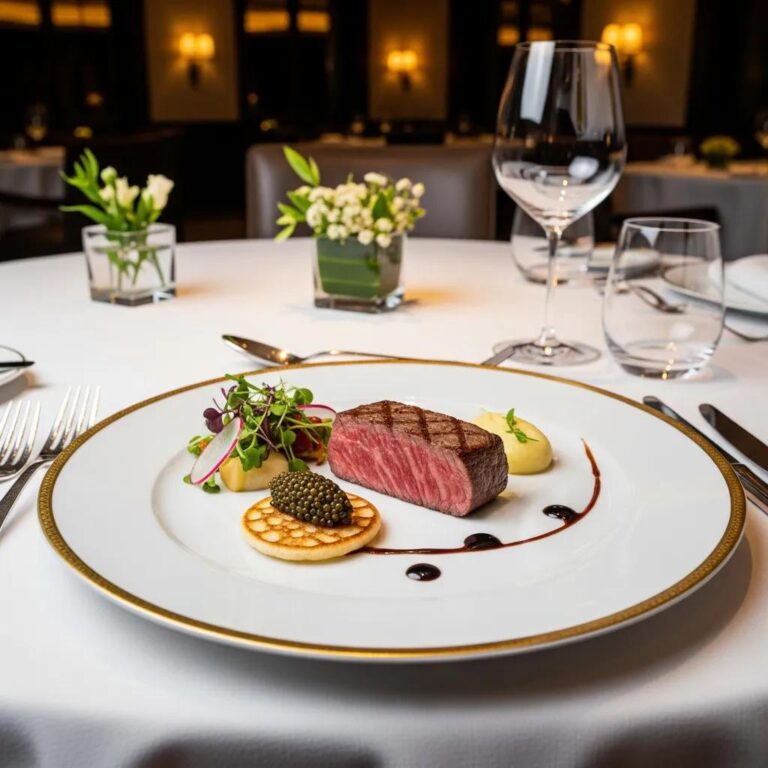
Rich A5 Wagyu benefits from high‑acid, effervescent mocktails that create palate‑cleansing contrast and accentuate savory beef notes. A yuzu‑sparkling with a restrained black pepper or ginger tincture brightens and cuts through fat while enhancing umami. Caviar pairs well with mineral‑lean drinks: cucumber and kelp tinctures or a light oolong infusion provide a subtle mineral backdrop without overwhelming the brininess. Our recommendations: a citrus‑sparkling for Wagyu, a cucumber‑mineral spritz for caviar, and a tannic green‑tea mocktail for richer grilled preparations—each emphasizing structural match and thoughtful calibration.
What are ideal non‑alcoholic drinks for sushi and sashimi?
Mocktails for sushi and sashimi should stay low in sweetness, bright in acidity and subtle in aroma so the fish remains the star. Examples include a cold‑brew sencha spritz with a touch of yuzu, a shiso‑citrus cooler for herbaceous lift, and an umami‑forward pandan‑oolong blend for richer nigiri. Using tea infusions or clarified citrus preserves mouthfeel and highlights texture, ensuring the beverage cleanses rather than competes. Low‑sugar bases, restrained bitters and aromatic herbs create options that respect raw seafood’s delicacy and support the omakase flow.
What are Kaviar’s signature mocktails and their flavor profiles?
Our signature mocktails echo Kaviar’s focus on Japanese fine dining—seasonal citrus, tea infusions and measured umami—so each alcohol‑free beverage stands alongside A5 Wagyu, caviar and sushi. Below are three house examples, labeled AlcoholFree for clarity; ingredient highlights reflect recurring families—yuzu, shiso, green tea and craft bitters—used to achieve balance and depth. These drinks demonstrate how syrups, clarified juices and tinctures layer into restaurant‑grade, zero‑proof cocktails.
The table below lists each mocktail with key ingredients and a concise flavor note for quick reference.
These mocktails embody Kaviar’s approach to balance and seasonality: concentrated infusions for depth, sparkling and herbal notes for clarity. Clear dietary tags—AlcoholFree, Vegan where applicable—help guests choose confidently and let staff recommend precise pairings.
Which ingredients define our gourmet non‑alcoholic cocktails?
Core ingredient families in fine‑dining mocktails include yuzu for bright acidity, shiso and other herbs for aromatic lift, tea infusions (sencha, oolong) for tannic structure and umami depth, and craft bitters or kombu tinctures for savory nuance. Each component has a functional role: yuzu supplies citrus oils and sharp acid, shiso brings citrus‑anise aromatics, tea offers a tannic backbone akin to light wine, and kelp or kombu tinctures add mineral umami that complements saline seafood. Three quick examples: yuzu to cut fat, shiso to refresh the palate, oolong for tannic counterpoint—building blocks that let mixologists create mocktails that pair like wines or spirits.
How are our mocktails crafted to match fine‑dining standards?
Fine‑dining mocktails require precision in extraction, dilution and presentation: house‑made syrups and clarified juices for purity, strict temperature control to preserve aromatics, and glassware that directs scent and supports the course. Techniques include cold‑brew tea extractions, clarified citrus to avoid bitterness, and micro‑dosed bitters for complexity without alcohol. Staff training—recipes with exact weights, defined infusion times and plating protocols for garnishes—ensures consistency. That technical rigor lets non‑alcoholic beverages integrate seamlessly into multi‑course tasting menus while upholding our standards.
How to experience omakase with expert non‑alcoholic drink pairings?
Enjoying omakase with non‑alcoholic pairings means planning a beverage progression that mirrors the meal’s flavor arc: from cleansing and delicate to richer and restorative as courses unfold. Below we outline the ideal beverage evolution and provide a course‑by‑course table to help diners and staff plan pairings for each stage. The aim is a seamless narrative where mocktails accentuate texture and flavor without overshadowing the chef’s progression.
An effective course progression pairs:
- Aperitif‑style light citrus‑sparkling to awaken the palate.
- Mid‑intensity herbal or tea‑based mocktails for sashimi and nigiri.
- Acidic or tannic pairings for seared or umami‑rich courses to cut richness.
- A refreshing digestif‑style mocktail at the end to close the palate.
The table below maps typical omakase courses to recommended mocktails and brief rationales for quick front‑of‑house reference.
This course‑by‑course template helps pair mocktails with an omakase flow and supports both staff recommendations and guest expectations.
The next section explains the flavor progression logic so diners understand why particular mocktails appear at each stage.
What is the flavor progression of an omakase tasting menu?
An omakase typically moves from light to bold: begin with cleansing flavors that prime the palate, progress through mid‑intensity courses that showcase freshness and texture, arrive at richer umami‑heavy plates, and finish with a light digestif. Beverage progression should mirror that arc: a sparkling or citrus‑forward mocktail awakens salivation, tea‑ and herb‑forward options support raw seafood, acidic or tannic blends cut through seared items, and a mild, refreshing finish restores balance. That sequence preserves contrast between courses and ensures each pairing accentuates the intended flavor highlight rather than competing with it. Knowing this progression helps guests request pairings aligned with the chef’s pacing.
Which mocktails are recommended for each omakase course?
- Aperitif: Yuzu Sparkler — awakens the palate with clean acidity and effervescence.
- Sashimi: Shiso Citrus Cooler — aromatic lift and low sweetness for raw fish.
- Grilled/Seared: Oolong Tannic Blend — balanced tannins cut fat and emphasize umami.
- Finish: Pandan Oolong Fizz — soothing floral notes and gentle carbonation to close.
How does Kaviar’s mocktail program reflect luxury and innovation?
Kaviar’s mocktail program pairs seasonal sourcing, mixologist‑led R&D and meticulous presentation to express both luxury and innovation. We prioritize premium ingredients—seasonal citrus, high‑grade tea leaves and clarified juices—while investing in techniques like tinctures and cold infusions to build layered, restaurant‑grade alcohol‑free cocktails. Framing mocktails as culinary products crafted with the same care as signature dishes supports Kaviar’s mission to showcase upscale Japanese fine dining and encourage reservations at our Pasadena location. Integrating mocktails into tasting flows and offering staff‑led pairing recommendations shows how the beverage program complements the restaurant’s gastronomic identity.
Who are the mixologists behind our creative mocktail pairings?
Our mixology team brings a culinary mindset to beverage design, blending classical cocktail technique with Japanese ingredient sensibility. Their philosophy centers on balance, seasonality and restraint—concentrated infusions and small‑batch syrups create clear flavor narratives. Training covers extraction methods, sensory evaluation and recipe documentation so each mocktail meets fine‑dining standards. This professional approach makes mocktails a considered, curated element of the dining experience, not an afterthought.
What seasonal mocktail menus elevate the dining experience?

Seasonal mocktail menus rotate to highlight peak produce and Japanese pantry items—spring might showcase yuzu and young shiso, summer leans on cucumber and green tea, and autumn explores roasted oolong and fig. These rotations let pairings align with seasonal tasting menus and omakase variations, so staff can recommend pairings that resonate with the chef’s seasonal palate. Guests booking for a specific season benefit from tailored mocktails that reflect fresh ingredients and our commitment to innovation.
How can guests reserve and enjoy Kaviar’s elevated mocktail experience?
Guests who want an elevated mocktail pairing can request non‑alcoholic pairings when making a reservation or note beverage preferences in advance; our reservation process supports adding pairing requests to omakase bookings. Sharing dietary restrictions and abstention preferences at booking lets the team customize the progression and ensures mocktails align with the tasting menu. Advance notice improves customization—especially for groups or special occasions—so kitchen and mixology can coordinate precise pairings.
Follow these steps to reserve a table with mocktail pairings included.
- Select a tasting or omakase reservation: Choose the tasting option and indicate party size.
- Request mocktail pairings: Add a note specifying non‑alcoholic pairings or dietary needs.
- Confirm details with staff: Share timing or occasion notes for bespoke pairings.
- Arrive prepared: Mention allergies or strong preferences so pairings can be adjusted.
These steps help secure a curated non‑alcoholic pairing experience and ensure staff can prepare tailored mocktails that align with the menu. For more information about the mocktail program or seasonal pairings, inquire through our reservation channel or consult the menu when planning your visit.
How to book a table with mocktail pairings included?
Booking with mocktail pairings is simple: select an omakase or tasting reservation, note that you’d like non‑alcoholic pairings in the reservation, and list any dietary restrictions or group preferences. Providing details in advance allows mixology and culinary teams to coordinate specific pairings—especially for A5 Wagyu or caviar courses that benefit from bespoke complements. Groups and special events should request pairings early to enable the highest level of customization. This approach ensures the mocktail program enhances the meal rather than being improvised on arrival.
Where can you find more information about our mocktail menu?
For current seasonal mocktail offerings, pairing suggestions and reservation options, consult Kaviar Restaurant’s menu and reservation pages or contact our reservation channel for bespoke requests. The menu lists beverage tags (AlcoholFree, Vegan where applicable) and seasonal rotations, while reservation notes let guests request tailored pairings. Reviewing our public profiles and menu before booking will provide visuals, ingredient notes and seasonal updates to guide pairing choices and enhance your dining plan.
- Menu reference: Review the menu page for seasonal mocktail descriptions and dietary tags.
- Reservation notes: Use reservation notes to request pairings or specify allergies.
- Direct inquiries: Ask when booking for bespoke options tailored to your omakase.
These steps make it easy to secure an elevated non‑alcoholic beverage program that complements Kaviar’s fine‑dining offerings and ensures a cohesive, memorable tasting experience.
Frequently asked questions
What are the benefits of choosing mocktails over traditional soft drinks in fine dining?
Mocktails offer a crafted alternative to generic soft drinks. Made with fresh herbs, artisanal syrups and careful technique, they bring complexity that enhances the meal—cleansing the palate, balancing rich dishes and amplifying flavors. Rather than a passive refreshment, a well‑designed mocktail is an intentional component of the tasting experience for guests who prefer zero‑proof options.
How can I customize my mocktail experience at Kaviar?
To customize your mocktail experience, note your preferences when reserving: dietary restrictions, flavor likes or ingredients to include or avoid. Our mixology team designs bespoke pairings aligned with your tasting menu. You can also share requests on arrival—our staff is trained to accommodate unique tastes and elevate your dining journey.
Are there seasonal variations in the mocktail menu at Kaviar?
Yes. Our mocktail menu changes with the seasons to showcase peak produce and Japanese pantry items—yuzu and shiso in spring, cucumber and green tea in summer, roasted oolong and fig in autumn. Seasonal rotation keeps pairings aligned with the chef’s menus and introduces fresh, thoughtful options throughout the year.
What techniques are used to craft Kaviar’s mocktails?
We use advanced techniques that mirror fine cocktail preparation: cold‑brew tea extractions, clarified citrus for purity, and house syrups and tinctures for depth. Attention to presentation, temperature and sourcing further elevates each drink. The result is non‑alcoholic beverages that meet the same craftsmanship standards as our culinary offerings.
Can mocktails be paired with specific dietary needs or restrictions?
Absolutely. When booking, tell us about allergies, dietary preferences or restrictions—vegan, gluten‑free, etc.—and our mixology team will adapt pairings to align with the tasting menu while honoring those needs. This ensures every guest enjoys a curated beverage experience that complements their meal.
How do mocktails enhance the overall dining experience at Kaviar?
Mocktails enhance the dining experience by offering sophisticated, alcohol‑free options that complement Kaviar’s fine‑dining ethos. Crafted to mirror cocktail complexity, they cleanse the palate, add texture and highlight dish flavors—allowing all guests, regardless of alcohol preference, to engage fully with the chef’s culinary narrative.
Conclusion
Gourmet mocktails elevate the fine‑dining experience while honoring the artistry of Japanese cuisine. By applying pairing principles and understanding each mocktail’s flavor profile, diners can enjoy a complete, immersive tasting journey. Explore our seasonal mocktail offerings and reserve your table to experience a thoughtfully curated non‑alcoholic beverage program at Kaviar.