





Dietary Restrictions & Accommodations at Kaviar — Personalized, Allergy-Conscious Japanese Fine Dining in Pasadena
At Kaviar we pair thoughtful hospitality with exacting culinary standards so guests with dietary restrictions can enjoy a carefully composed meal. This guide describes how we balance signature elements—omakase, A5 Wagyu and caviar—with safety-minded procedures, staff training and reservation best practices. You’ll find clear guidance on gluten-free choices, nut and dairy accommodations, and vegan or vegetarian requests, plus how we adapt omakase for medical needs or personal preferences. We explain our communication and kitchen protocols, the chef’s role in crafting bespoke sequences, and handling notes for premium ingredients. Finally, you’ll get step-by-step reservation tips and simple checklists to prepare before you arrive, so your visit to our Pasadena dining room is both safe and memorable. Read on for practical information about allergy accommodations, cross-contact controls and how to request modifications when booking a table.
How Does Kaviar Cater to Dietary Restrictions and Allergies?
We approach dietary needs with clear policies, trained staff and close kitchen coordination so safety and the dining experience remain aligned. Through pre-service communication, ingredient verification and cross-contact controls, we reduce risk while offering thoughtful substitutions that preserve flavor and balance. These measures let guests with allergies or specific diets enjoy curated omakase and à la carte options with confidence. Below are the practical steps we follow to manage dietary requests and keep service smooth.
- Notify us in advance through the reservation system or upon arrival so our team can flag the booking for kitchen coordination.
- Share specific allergens and the severity of reactions so we can verify ingredients and prepare dedicated prep where appropriate.
- Our chef or sous‑chef will review the request and propose course adjustments that preserve the tasting sequence while removing the allergen.
These steps form the backbone of front‑of‑house and kitchen coordination and help both teams work together seamlessly during service.
We reinforce these operational steps with staff training and routine kitchen procedures aimed at minimizing cross‑contact and ensuring accountability. Servers are trained to ask clarifying questions about allergies and to remind guests of the menu note requesting disclosure of food restrictions. The kitchen documents substitutions and, when needed, implements separate plating or limited alternative prep workflows to reduce exposure. Knowing these safety measures helps you choose dishes and understand what to expect at service—and clarifies how to prepare before booking or arrival.
We also ask guests to add reservation notes so our kitchen and service teams can prepare; that advance planning reduces last‑minute changes, improves safety and preserves the flow of the tasting. The next section outlines the most common accommodations we offer and how they translate into specific dish adjustments.
What Is Kaviar’s Commitment to Allergy Safety and Personalized Service?
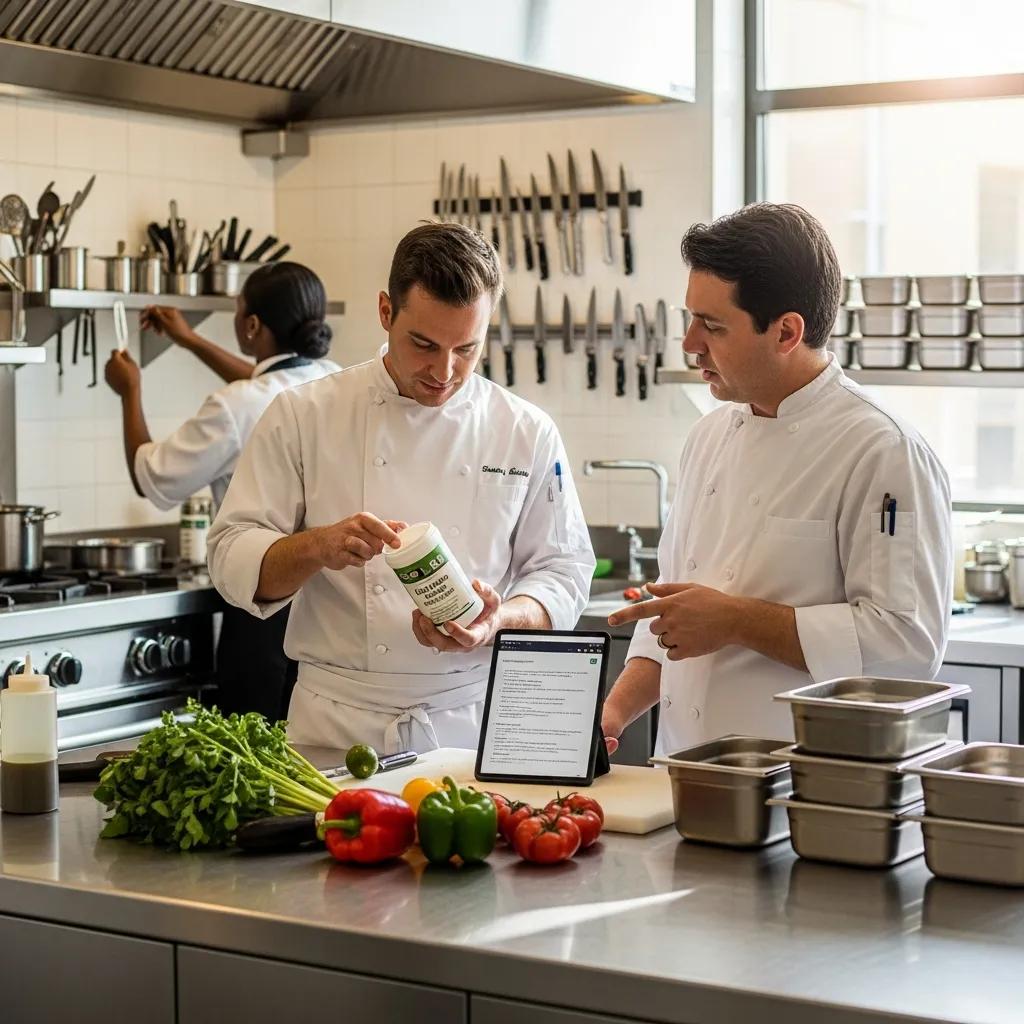
Our commitment centers on clear communication, ongoing staff education and a chef‑led approach to personalization so guests understand both our capabilities and our limits. The menu asks guests to tell their server about any food allergies or restrictions, which activates operational protocols across front‑of‑house and the kitchen. Team members are trained on cross‑contact mitigation, ingredient sourcing, and when to escalate complex requests to culinary leadership. In short: safety is part of the guest experience, not an afterthought.
Internally, we verify ingredients and document allergy requests so the entire team knows a guest’s needs before service begins. When a request is flagged, the kitchen outlines acceptable substitutions and a plating plan to reduce shared utensils and surfaces.
Because we operate in a luxury setting, the chef aims to preserve the tasting narrative whenever possible; achieving that requires clear handoffs between service and culinary teams. That operational clarity also shapes how guests should inform us about dietary needs, which we cover next.
How Can Guests Inform Kaviar About Their Dietary Needs?
Advance notice gives our team time to coordinate kitchen adjustments and staffing, and it greatly increases the chances of a smooth, safe experience. When making a reservation, please use the reservation system’s “Special Message” box to list specific allergens, the severity of any reactions (for example, anaphylaxis versus intolerance), and any preferred substitutions or dislikes. If you prefer to confirm at arrival, tell your server right away and mention any note left with the reservation so we can verify the kitchen’s plan. Help us by providing ingredient names, reaction history and whether strict cross‑contact avoidance is required—this lets the chef determine suitable alternatives and separation measures.
- Use the reservation system’s “Special Message” box to list allergens and severity before your visit.
- Confirm on arrival with your server and request to speak with the chef for complex or multiple restrictions.
- Describe prior reactions and any absolute avoidance needs so the kitchen can plan dedicated prep if necessary.
Preparing these details in advance helps our team coordinate safe substitutions and, when needed, reserve extra lead time for the chef to redesign portions of an omakase or tasting sequence.
What Common Dietary Accommodations Are Available at Kaviar?
We offer a range of common accommodations—gluten‑free, nut‑free, dairy‑free, vegetarian and vegan—delivered with the same precision as our core menu so you don’t trade safety for quality. Our kitchen adapts sauces, swaps condiments and uses alternative ingredients that respect Japanese fine‑dining technique. Staff and chefs identify naturally compatible dishes (like sashimi or certain rice‑based preparations) and propose substitutions that preserve balance across courses. Below is a practical guide to typical accommodations and representative dish‑level examples to help you set expectations before you reserve.
This overview clarifies common approaches and helps diners understand which dishes are easily adapted and which may need more advance planning. We are transparent when absolute allergen avoidance cannot be guaranteed so you can decide whether a reservation fits your safety needs.
Which Gluten-Free Options Does Kaviar Offer for Fine Dining in Pasadena?
Our gluten‑free offerings focus on naturally wheat‑free preparations and deliberate substitutions that retain flavor while reducing cross‑contact risk. We favor rice‑based items—sashimi, many nigiri and grilled proteins served without wheat‑based marinades—and we can provide gluten‑free soy sauce or minimize sauce use on request. For guests with celiac disease or severe sensitivity, we flag items that need extra caution—like tempura batters and certain glazes—and recommend advance notice so the kitchen can create dedicated preparations.
- Core gluten‑free choices include sashimi, many nigiri and grilled proteins with rice accompaniments.
- We can substitute GF soy or omit wheat‑based glazes when asked in advance.
- Guests with celiac disease should notify us early so we can arrange separate prep and plating workflows.
These steps reduce cross‑contact risk but cannot eliminate it entirely in a busy kitchen; guests with very high sensitivity should discuss options with the chef before arrival so we can add further safeguards.
How Does Kaviar Address Nut, Dairy, and Other Food Allergies?
We handle nut, dairy and less common allergies with ingredient verification, substitution strategies and focused plating protocols that limit cross‑contact while keeping course composition and flavor intact. For nut allergies, we omit nut garnishes and replace textures with seeds or crisped vegetables when appropriate. Dairy‑free swaps often use dashi, citrus or soy emulsions to preserve mouthfeel. For rarer allergens, we confirm ingredient sources and, when needed, recommend off‑menu substitutions or a tailored tasting route.
- We perform ingredient checks on high‑risk items before service.
- When possible, we arrange separate plating and dedicated utensils to limit cross‑contact.
- If full avoidance cannot be guaranteed, we communicate alternatives or propose a modified experience.
Clear, specific communication about the nature and severity of an allergy enables the chef to apply the right level of separation and to choose safe ingredient alternatives while maintaining a refined presentation.
How Is Omakase Customized for Dietary Restrictions at Kaviar?
Omakase at Kaviar is adaptable: with pre‑service consultation, careful sequencing and chef‑chosen substitutions we can create a bespoke tasting that honors our culinary intent. The chef identifies courses containing high‑risk elements—shellfish, nuts, dairy or wheat—and designs alternative components that preserve texture and umami progression. This approach generally requires advance notice so we can source substitutes and rehearse plating. The table below shows typical restriction‑to‑action mappings our chef uses when adapting an omakase.
This mapping helps guests anticipate the nature of substitutions and makes the chef’s role in service clear. Adapting an omakase requires collaboration between guest, reservations team and chef so the tasting can be reimagined without losing its narrative.
Can Omakase Be Adapted for Shellfish, Nut, or Dairy Allergies?
Yes—our omakase can often be adapted for shellfish, nut or dairy allergies when we receive sufficient advance notice and specific allergen details. For shellfish exclusions, the chef will substitute comparable fish or cured items to retain textural contrast and briny notes. For nut or dairy allergies, garnishes and emulsions are replaced with safe, flavor‑forward techniques such as reduced dashi, charred vegetables or bright citrus finishes. Lead time matters: complex substitutions across multiple courses may require additional sourcing or tasting flow adjustments, so earlier communication widens the chef’s options.
- Notify us well before your reservation so the chef can plan substitutions.
- Provide precise allergen details and prior reaction severity to guide separation decisions.
- Expect a revised tasting narrative that maintains balance using alternative ingredients.
When multiple or life‑threatening allergies are involved, the chef will advise what can and cannot be safely accommodated and may suggest a simplified bespoke menu to ensure guest safety.
What Role Does the Chef Play in Allergy-Friendly Omakase Experiences?
Our chef leads the adaptation process—redesigning sequences, selecting substitute ingredients and supervising execution to ensure safety and culinary coherence. After reviewing allergen information, the chef determines which elements are essential to the tasting arc and which can be replaced, then issues precise substitution and plating instructions to the team. During service, the chef or a senior cook oversees modified plates and confirms cross‑contact protocols for affected covers. This hands‑on approach turns constraints into opportunities for creative, high‑quality alternatives that honor the omakase spirit.
- The chef identifies course‑level swaps that preserve umami, texture and balance.
- Substitutions include clear plating notes to prevent cross‑contact.
- The chef verifies execution during service to ensure consistency and safety.
This chef‑led process ensures that guests with dietary restrictions receive a cohesive tasting sequence that meets Kaviar’s standards for luxury Japanese dining.
When requesting omakase changes, we encourage guests to record customization details in the reservation’s “Special Message” box so the chef has time to plan appropriate swaps before service.
What Vegan and Vegetarian Options Does Kaviar Provide for Special Diets?
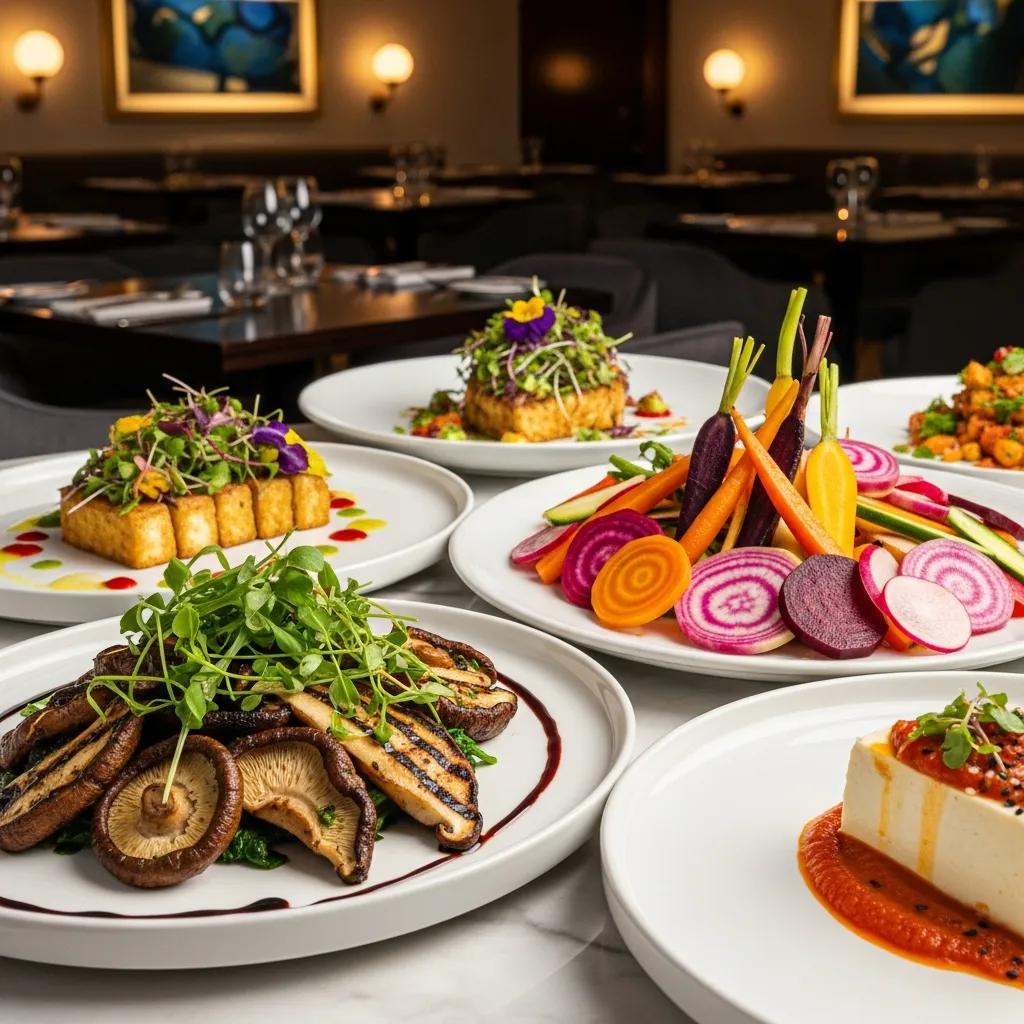
We offer elevated plant‑based sequences and can build vegan or vegetarian tastings that reflect the same care as our seafood and meat menus. Plant‑forward adaptations focus on umami‑rich elements—sea vegetables, shiitake, aged soy reductions and slow‑roasted roots—to recreate depth and complexity. The kitchen checks for hidden animal ingredients (fish‑based stocks, gelatins, or certain sauces) and replaces them with verified vegan alternatives on request. Below are representative plant‑based dishes and the practices we use to maintain quality for vegan and vegetarian guests.
The list below highlights representative plant‑based dishes that convey our approach to refined vegetable preparations.
- Grilled shiitake with aged soy reduction and microgreens for concentrated savory depth.
- Marinated heirloom vegetables with citrus‑ponzu and toasted sesame (omit sesame if allergic).
- Tofu in refined textures—silken for a delicate course and pressed for a grilled course.
- Seaweed and kelp‑based broths that deliver oceanic umami without seafood.
These dishes show that plant‑based sequences are curated with the same attention to texture, seasoning and progression as the rest of our menu, and they serve as building blocks for a vegetarian or vegan omakase.
Which Plant-Based Dishes Are Featured in Kaviar’s Menu?
Our plant‑based offerings emphasize technique and ingredient quality so vegetarian and vegan courses meet our luxury standards. Expect preparations that highlight char, concentrated umami and refined finishes—grilled mushrooms, slow‑roasted roots glazed with soy‑mirin, marinated kelp salads and artistically plated tofu. Each course is composed to provide contrast and forward motion in a tasting, and when you request vegan service we verify that any stock or finishing sauce is plant‑based.
This approach prioritizes ingredients that naturally deliver savory complexity so a vegan or vegetarian omakase is cohesive, satisfying and true to Kaviar’s fine‑dining expectations. The next subsection explains how we ensure safety and quality for plant‑based diners.
How Does Kaviar Ensure Quality and Safety for Vegan and Vegetarian Guests?
To protect vegan and vegetarian integrity, we rely on labeled ingredient inventories, staff verification steps and separation measures that prevent cross‑contact with animal products. The kitchen documents which stocks and sauces are plant‑based and ensures utensils and pans used for vegan preparations are not shared with meat or seafood without thorough cleaning. Front‑of‑house staff confirm details with the kitchen, and the chef signs off on modified sequences before service begins. These practices reduce risk and let plant‑based guests receive transparently sourced, carefully executed dishes.
- Ingredient verification and labeling prevent hidden animal products in stocks and sauces.
- Dedicated prep and plating practices minimize cross‑contact risk for vegan meals.
- Staff training keeps server–kitchen communication precise and consistent.
These operational standards are part of our broader allergy‑safety culture and help vegetarian and vegan diners enjoy a premium, reliable experience.
How Does Kaviar Source Premium Ingredients to Support Dietary Needs?
We source premium ingredients with attention to provenance and handling so guests can understand allergy risk profiles and flavor origins for items like A5 Wagyu and caviar. Ingredient transparency lets the kitchen identify potential allergen pathways—condiments, finishing sauces or shared equipment—and implement targeted controls. Traceability also helps when allergies require substitutions, because the chef can select comparable ingredients with known profiles. The table below outlines allergy considerations and handling notes for a few of our key premium items.
We provide sourcing and handling notes for premium ingredients to inform guests and to guide kitchen procedures when accommodations are requested.
This table helps guests ask focused questions about premium items and shows how sourcing transparency supports safe handling and substitution choices. The next subsection covers allergen specifics for A5 Wagyu and caviar.
Our sourcing transparency enables the chef to make informed substitution choices while preserving the dining experience for guests with dietary restrictions.
What Is the Allergy Information for A5 Wagyu and Caviar at Kaviar?
A5 Wagyu and caviar present distinct considerations: A5 Wagyu itself isn’t a gluten or shellfish allergen, but sauces paired with it can introduce wheat, soy or dairy. Caviar is fish roe and should be avoided by guests with fish or seafood allergies. We verify sauces, glazes and dressings that accompany these premium items and advise which components are safe or require modification. If you’re concerned, ask specific questions about condiments and plating so the chef can recommend safe alternatives.
- Confirm which sauces accompany the Wagyu to avoid hidden wheat or dairy.
- Treat caviar as a seafood product that may trigger fish‑allergy responses.
- Request chef confirmation of handling and plating when booking to lower cross‑contact risk.
These simple checks help guests make informed choices while still enjoying premium flavors when appropriate.
How Does Kaviar Prevent Cross-Contamination in the Kitchen?
We minimize cross‑contamination through ingredient labeling, staff training, dedicated prep practices and verified cleaning protocols so high‑risk allergens are identified and separated whenever possible. Our kitchen tracks ingredients, designates separate plating areas for flagged covers when feasible, and requires clean utensils and sanitized surfaces between preparations. Senior culinary staff oversee execution for flagged reservations to ensure protocols are followed consistently. When full separation cannot be achieved in the main kitchen, we communicate limitations clearly and offer alternatives or an adjusted menu.
- Labeling and ingredient tracking reduce the chance of accidental inclusion.
- Dedicated prep and plating workflows limit surface and utensil sharing.
- Senior staff oversight and service confirmations reduce human‑error risk.
These measures create a predictable environment for accommodating dietary restrictions and help set realistic expectations for guests who require strict avoidance.
Before the frequently asked questions: please use the reservation system’s “Special Message” box to record dietary needs and request any chef consultation. Guests arriving without advance notes should inform their server immediately so the team can respond. Our menu and reservation flow explicitly ask diners to disclose food allergies or restrictions—this helps the kitchen prepare accommodations and cuts down on last‑minute changes.
Frequently Asked Questions
What should I do if I have multiple dietary restrictions?
If you have multiple dietary restrictions, please list each one clearly when making your reservation. Use the “Special Message” box to detail every restriction and its severity. On arrival, inform your server and ask to speak with the chef if needed. The more information you provide in advance, the better our team can plan and deliver a safe, enjoyable meal.
Can I request a completely allergen-free meal at Kaviar?
We take extensive precautions, but a completely allergen‑free meal cannot be guaranteed in a working kitchen where cross‑contact may occur. That said, by informing us of specific allergies in advance, we can take meaningful steps to minimize risk and craft a meal that closely matches your needs. Please discuss severe allergies with the chef for tailored guidance.
How far in advance should I make a reservation for special dietary needs?
We recommend booking at least 48 hours in advance when you have special dietary needs. This lead time allows the chef to source alternative ingredients and plan substitutions or sequence changes so your experience is seamless and considered.
Are there any seasonal menu changes that might affect my dietary options?
Yes—our menu changes seasonally, which can affect ingredient availability. If you have specific dietary restrictions, check the current menu or discuss options with our staff when booking so we can confirm that your needs can be met with available seasonal ingredients.
What happens if I forget to mention my dietary restrictions when booking?
If you forget to mention restrictions when booking, tell your server immediately upon arrival so we can alert the kitchen. Last‑minute adjustments may limit available options, so advance notice is best, but our team will do everything possible to accommodate you on the day.
Can I customize my omakase experience at Kaviar?
Yes—your omakase can be customized, particularly for dietary restrictions. Notify us in advance and the chef will adapt the tasting by substituting ingredients while maintaining the integrity of the sequence. Customization lets you enjoy a personalized experience that still reflects the spirit of omakase.
What should I do if I have a severe allergy?
If you have a severe allergy, communicate it clearly when making your reservation—use the “Special Message” box and describe the allergy and its severity. On arrival, request to speak with the chef so we can discuss specific precautions. We take severe allergies seriously and will implement additional measures to minimize risk, but proactive communication is essential for the safest outcome.
Which Japanese Restaurants in Pasadena Offer Gluten-Free and Allergy-Friendly Menus?
Kaviar is among Pasadena’s allergy‑aware Japanese fine‑dining options, offering gluten‑free preparations, explicit menu notices asking guests to inform servers about allergies, and chef‑led adaptations when given advance notice. For gluten‑free sushi or omakase, we recommend reserving in advance and noting celiac‑level restrictions so the kitchen can plan separate prep where feasible. Calling attention to these details during booking increases the likelihood of a safe, thoughtfully composed meal.
Reservations that include specific allergen details help our team align service and kitchen practices with your needs—this is the most effective step toward securing an allergy‑friendly dining experience.
Food Allergen Database for Japanese Restaurants and Travel Recommendations
Recent research highlights the growing prevalence of food allergies and the difficulty diners face when allergen information is dispersed across menus and sources. A unified allergen dataset—like the one described here—improves the ability to find suitable menu options, especially for travelers. The study’s approach to consolidating allergen data and recommending safe choices demonstrates how clearer information can reduce risk and increase dining confidence.
Food Allergen Database for Japanese Restaurants and Its Application to Menu Recommendation System to Foreign Travelers, S Yamaguchi, 2023
How Do I Make a Reservation with Special Dietary Requests at Kaviar?
Making a reservation with dietary requests is straightforward and increases safety when done early. Follow these steps so our team can prepare properly.
- Use the reservation system and add allergy details in the “Special Message” box, specifying the allergen and reaction severity.
- If you’d like extra confirmation, arrive a few minutes early and tell your server you left a dietary note so the kitchen can review it.
- For complex or multiple allergies, request a brief discussion with the chef before service so substitutions and separation measures can be confirmed.
These steps help our team coordinate staff and kitchen workflows and increase the range of accommodations available during an omakase or tasting service.
Our public materials remind guests to inform their server about allergies or restrictions—using the reservation notes is the most efficient way to begin the chef‑led planning that makes safe, bespoke dining possible.
Conclusion
Kaviar is committed to delivering a luxurious dining experience while prioritizing the safety and satisfaction of guests with dietary restrictions. Through clear communication, trained staff and thoughtful menu adaptations, we strive to ensure you can enjoy exquisite Japanese cuisine without compromising health. We invite you to reserve a table and experience the personalized, allergy‑conscious service Kaviar provides—explore our menu to see how we can accommodate your needs.