





Discover Kaviar’s Daily Chef Specials and Seasonal Creations in Pasadena
At Kaviar, our menu evolves nightly around a rotating selection of Chef’s Daily Specials and seasonal plates that celebrate premium Japanese ingredients and an intimate omakase spirit. This guide walks you through what our daily features are, why seasonality guides our choices, and how the chef transforms rare items—A5 Wagyu, Kaluga caviar, Hokkaido scallops and uni—into a single, thoughtful tasting sequence. You’ll learn how specials are chosen, what an omakase counter experience looks like, and practical steps to reserve and prepare for a seasonal fine‑dining evening in Pasadena. We also point you to current specials, ingredient spotlights, booking channels, and the latest menu and media samples online—so guests ready to book know when to come, what to order, and how to get the most from a chef‑driven service.
What to Expect from Kaviar’s Chef’s Daily Specials
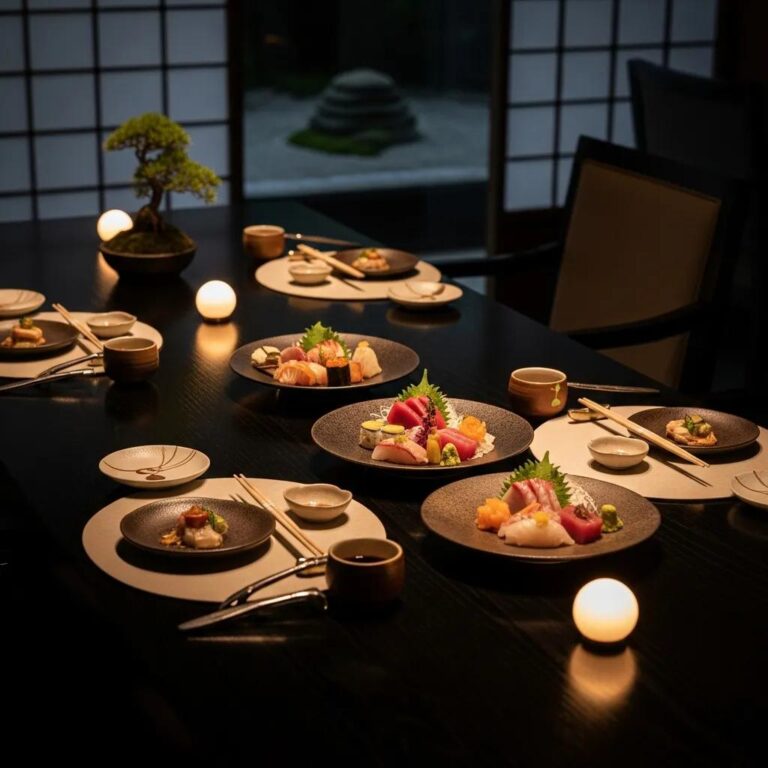
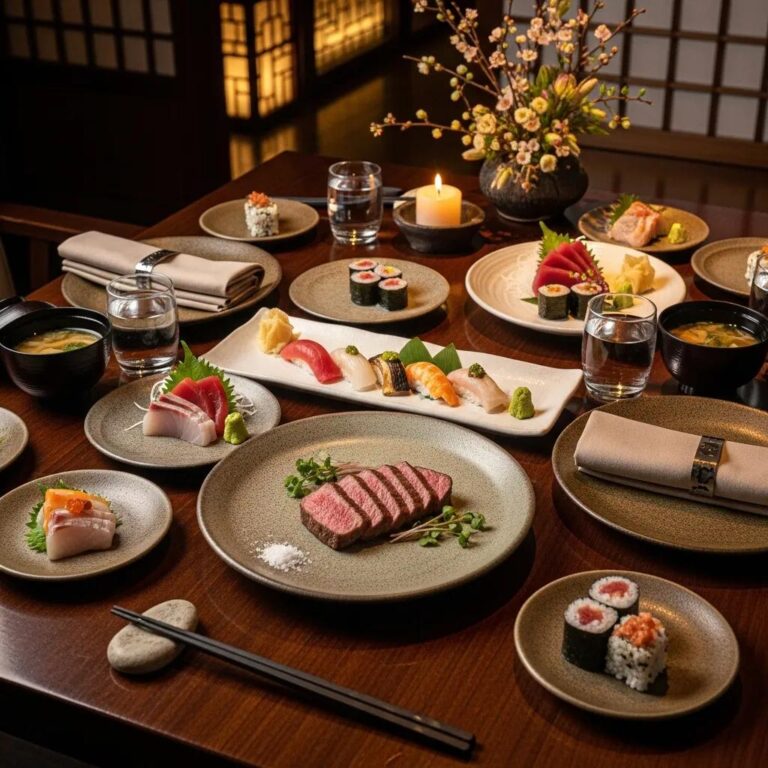
Our Chef’s Daily Specials are short‑run plates that change with peak harvests, fresh arrivals from trusted suppliers, and the chef’s evolving vision for the tasting flow. Each special is designed to spotlight immediate freshness and singular ingredients, creating concentrated moments within the larger omakase or tasting experience. Most evenings you’ll see a curated rotation of three to five specials; availability depends on portion limits and seasonal yields. Below we outline the kinds of dishes that commonly appear, the premium items featured, and how to best sample them at the counter.
The table below gives a quick, scannable snapshot of representative daily specials, their primary components, and typical availability notes for easy reference.
Use this table to quickly spot the rotating highlights and to understand that pricing follows market conditions. The limited‑portion notes explain why earlier bookings increase your chances of tasting these items and how premium sourcing shapes nightly selection.
Which Premium Ingredients Appear in Today’s Specials?
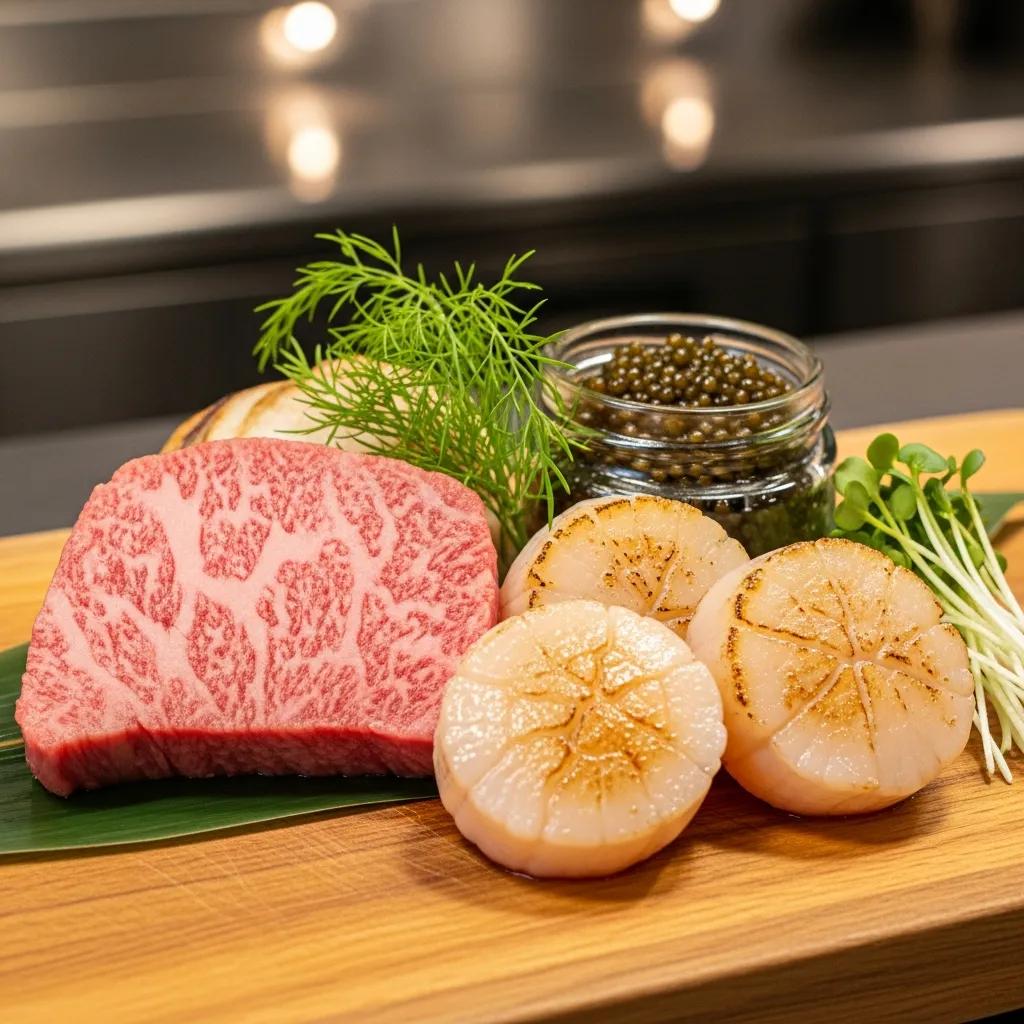
Premium ingredients give each special its personality through distinct textures and layered flavors that the kitchen pairs for contrast and balance. A5 Wagyu brings lush marbling and a buttery mouthfeel; Kaluga caviar adds saline pops and deep umami; Hokkaido scallops lend sweet, oceanic creaminess; and uni offers a briny, custardy finish. We select ingredients by origin, grade and immediate freshness, working with trusted suppliers and tailoring preparations to showcase each item’s best traits. Knowing these ingredient roles makes it clear why some plates are fleeting and why the tasting order shifts textures and temperatures to build a layered dining arc.
These spotlights explain the sensory intent behind our daily specials and lead into how guests actually experience the omakase flow at Kaviar’s counter. The next section describes that service and how daily features are woven into a tasting.
How to Experience Kaviar’s Daily Omakase Selection
To experience our daily omakase, reserve a seat at the counter where the chef sequences each course to incorporate that night’s specials into a broader tasting progression. Omakase typically unfolds as a series of small plates and composed bites; the chef will introduce featured items and, when relevant, explain sourcing or technique. We accommodate dietary needs and adjust pacing so conversation and palate resets are part of the rhythm. For guests intent on sampling limited features, an omakase seat offers the best chance to taste items that may not appear on the à la carte list.
For the fullest omakase experience, arrive ready to enjoy the pacing and the interactive moments at the counter—many services culminate in a specialty highlight that ties the tasting together. This prepares you for the seasonality and curation process we describe next.
Attentive focus on sensory detail—taste, texture and atmosphere—is central to the fine dining experience, especially in intimate omakase settings.
Sensory Marketing in Fine Dining: Taste, Ambience, and Japanese Omakase
Fine dining is a multisensory journey where flavor and atmosphere work together to shape memorable meals. This paper examines how taste, texture, presentation and storytelling pair with curated ambience to elevate perception of luxury—using examples like Japanese omakase to show how a coordinated sensory strategy enhances guest satisfaction and supports premium pricing.
How Kaviar Curates Its Seasonal Creations
Our seasonal offerings are the result of a deliberate process that aligns ingredient availability, culinary concept and plating that signals each season. The chef reviews supplier samples, peak harvest windows and flavor affinities before assembling a seasonal lineup that may rotate quarterly or more often, depending on seafood runs and produce cycles. We prioritize traceable sourcing and textural interplay so every dish reflects an ingredient at its peak. The table below outlines key seasonal ingredients, their typical seasons and the sourcing notes that guide our menu decisions.
This table shows how timing and provenance shape what appears on the pass and explains the culinary logic behind our seasonal menus. The summary below ties sourcing rigor to the guest experience.
Seasonal growth patterns and harvest windows—especially for items like Hokkaido scallops—play a major role in how we plan and execute menus.
Hokkaido Scallop Growth and Productivity in Okhotsk Sea
This study links primary productivity and scallop growth in the Okhotsk Sea region off Hokkaido, offering context for seasonal availability and quality—insights that inform our sourcing and menu timing.
Which Seasonal Ingredients Define Our Current Menu?
Seasonal identity at Kaviar is shaped by a handful of ingredients that recur at their peak, creating continuity across services. Hokkaido scallops bring concentrated sweetness and a silky interior that suits both raw and seared treatments; uni offers a lush, oceanic creaminess ideal for pasta or delicate toast; Kaluga caviar supplies a saline crescendo that punctuates multi‑course progressions; and seasonal oysters add mineral brightness that refreshes the palate between richer plates. The chef selects these items for complementary textures and for their ability to anchor both small-format bites and the meal’s crescendo.
Knowing the seasonal cycles of core ingredients—like Japanese scallops—helps explain why certain dishes appear only at specific times.
Seasonal Growth of Japanese Scallops in Okhotsk Sea Linked to Food Availability
This research describes seasonal changes in scallop growth, condition and food availability off Tokoro in the Okhotsk Sea, offering scientific context for fluctuations in scallop quality and harvest timing.
Which Signature Seasonal Dishes Should You Try?
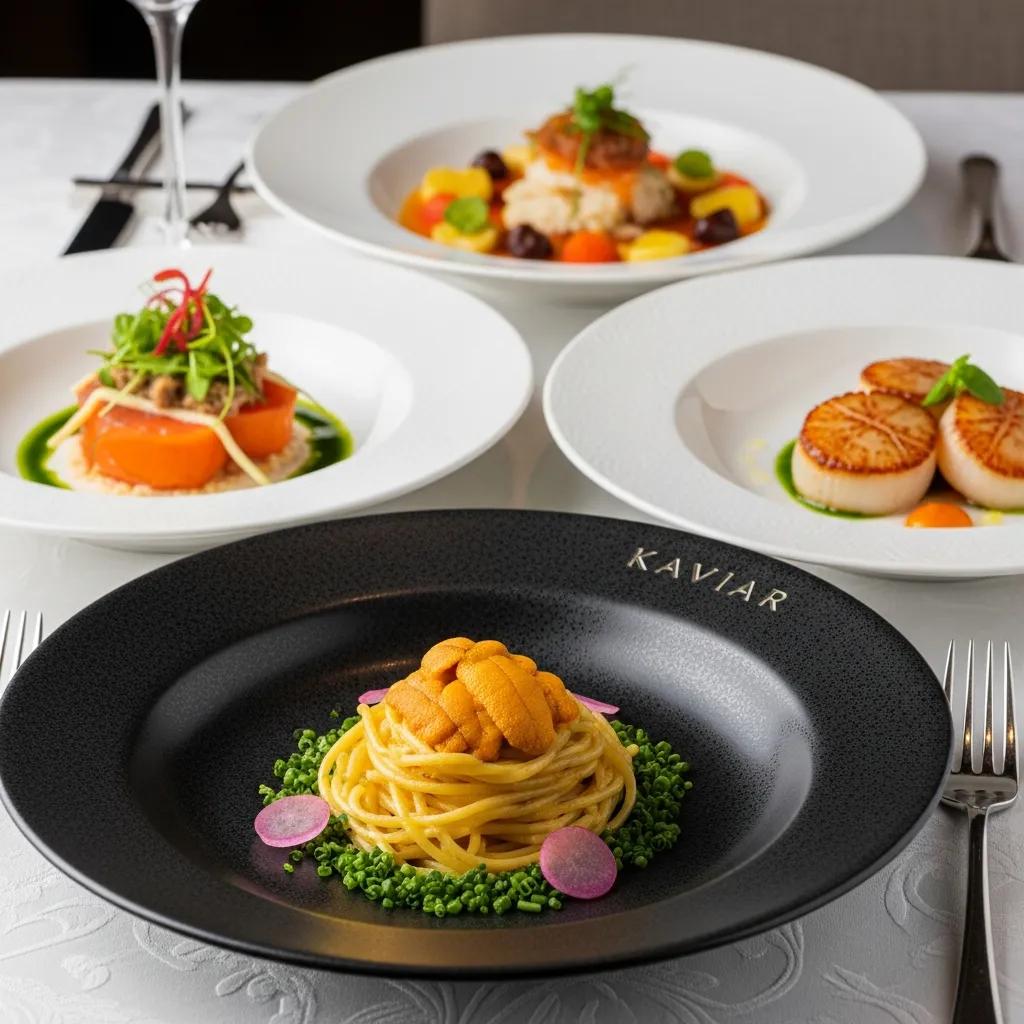
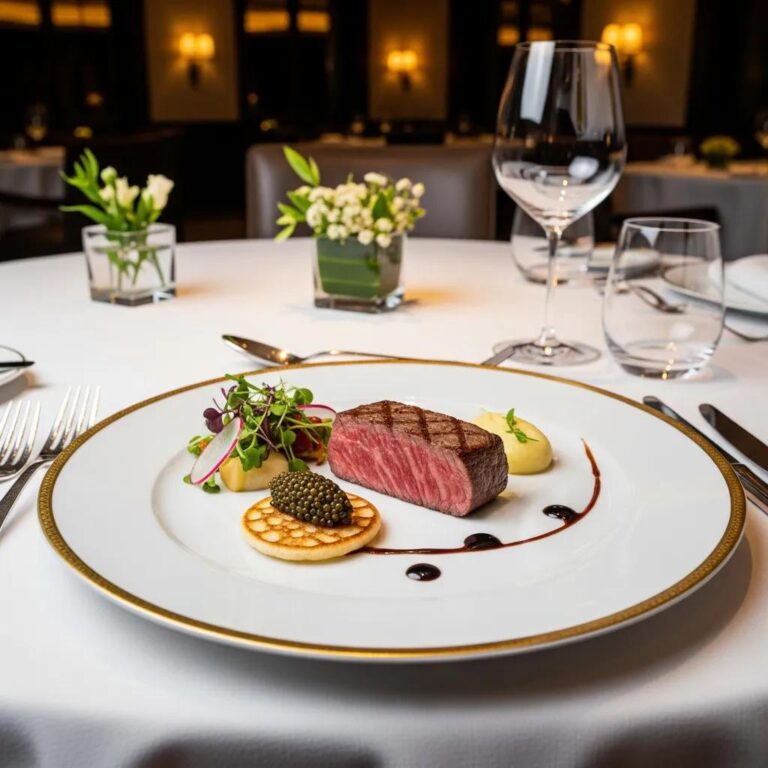
Our signature seasonal dishes highlight one primary ingredient and reveal its full range, paired with restrained accents that amplify rather than mask. Standouts often include a uni‑forward preparation with gentle acidity, a seared Hokkaido scallop finished with a citrus‑kosho touch, and an A5 Wagyu course that balances rich texture with bright microherbs. Beverage pairings typically favor delicate sakes or lighter whites that support umami‑rich components without overpowering them. Note that these features are popular and often reserved for early seatings—if there’s something you want to try, mention it when you book.
These recommendations show how seasonal plates form the backbone of our tasting sequence and prepare guests for the distinct omakase approach described below.
What Makes Kaviar’s Omakase Experience Unique in Pasadena?
Kaviar’s omakase stands apart through chef‑led sequencing, exceptional ingredient sourcing, and an intimate service style that centers the chef–guest connection. We apply Japanese technique with contemporary presentation to craft a tasting that is both precise and expressive, using rare items like A5 Wagyu and Kaluga caviar as curated highlights. Service pacing and table choreography are tuned so each course reads as part of a larger arc—from bright, sea‑sourced starters to rich, lingering finishes. Together, these elements create a premium culinary journey that emphasizes seasonal discovery and personal interaction with the chef.
Below are the core differentiators that explain why this omakase appeals to diners seeking refined, exclusive Japanese fine dining in Pasadena.
- Chef Curation: The chef sequences specials to build contrast, momentum and narrative across the meal.
- Premium Ingredients: Luxury items such as A5 Wagyu and Kaluga caviar are used deliberately as highlight courses.
- Intimate Service: Counter seating and small services foster direct chef‑to‑guest engagement.
- Seasonal Focus: Menus shift with peak ingredient cycles to keep flavor at the forefront.
These differentiators show how we balance technique, product and service—and set up the section below on how our menus evolve in practice.
How the Chef’s Seasonal Omakase Menu Evolves
Our seasonal omakase develops through a cycle of supplier sampling, concept testing and iterative refinements that respond to ingredient variability and guest feedback. Early on we test small portions to validate texture and seasoning; mid‑cycle adjustments refine portioning and pacing; late‑cycle tweaks fine‑tune garnish and service order from in‑service observations. This loop—sample → test → refine—lets each seasonal menu reach a polished state while staying flexible to sudden market shifts. One example: a raw uni concept in testing may evolve into a lightly warmed uni pasta in service to balance richness and acidity.
Knowing this process helps guests appreciate why some dishes are fleeting and why reservations matter if you’re hoping to taste a limited seasonal item.
Why Kaviar’s Omakase Is a Premium Culinary Journey
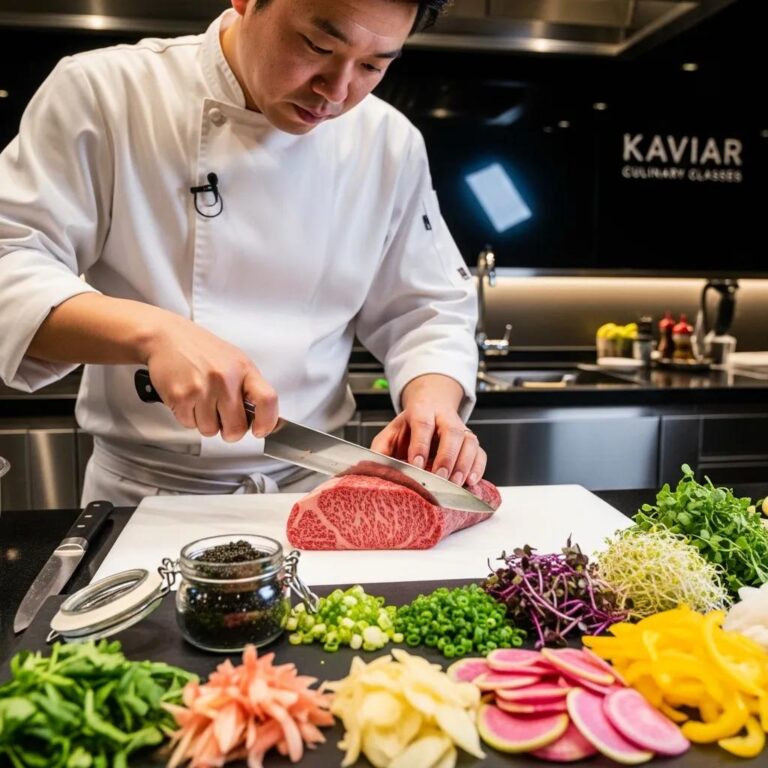
Our omakase is premium because we combine high‑grade ingredients, exacting technique, thoughtful sequencing and personalized service into one cohesive experience. A5 Wagyu provides a textural climax, Kaluga caviar creates saline highlights, and carefully sourced shellfish punctuate the tasting with bright, oceanic notes. Technically, the kitchen applies Japanese precision in cutting, seasoning and temperature control to elevate each ingredient without overworking it. That focus requires limited seating and deliberate pacing—conditions that foster an attentive, quietly exclusive atmosphere.
These practical differences explain the premium pricing and the reservation urgency for omakase seats, and lead into the booking and preparation guidance below.
How to Book and Prepare for Kaviar’s Seasonal Dining Experience
Booking and preparing for a seasonal dining experience at Kaviar means choosing the right channel, allowing adequate lead time, and arriving with clear notes on expectations or dietary restrictions. Reserve well in advance for omakase seatings—limited availability and daily specials can sell out. Practical steps include arriving on time, communicating allergies or preferences when you book, and being ready to engage with the chef for a tailored sequence. The section below lists primary reservation channels and best‑practice tips for booking.
Reservation checklist
Frequently Asked Questions
What is the best time to visit Kaviar for the freshest specials?
The freshest specials often appear at the start of service, so early evening seatings are a strong choice. Weekdays can be slightly quieter than weekends, increasing the chance of a counter seat. We always recommend checking the latest menu online or calling ahead to confirm which specials are planned for that night.
Are there vegetarian or vegan options available at Kaviar?
Yes. While we specialize in premium Japanese ingredients, the chef welcomes dietary requests and can craft vegetarian or vegan tasting menus that emphasize seasonal vegetables and plant‑based preparations. Please let us know your needs when you book so we can plan a tailored menu.
How does Kaviar ensure the quality of its ingredients?
We maintain strict sourcing standards focused on freshness, sustainability and traceability. The chef works closely with trusted purveyors to select high‑grade items—A5 Wagyu, Hokkaido scallops and more—and we continuously evaluate quality and supplier relationships to uphold our standards.
Can I customize my omakase experience at Kaviar?
Absolutely. The chef is open to accommodating dietary preferences and restrictions to create a personalized tasting journey. When you make a reservation, please note any allergies or requests so we can adjust the menu and pacing accordingly.
What should I expect in terms of service during my visit?
Expect attentive, personal service in an intimate setting. Our counter seating encourages direct interaction with the chef, who will guide you through each course and explain ingredients and techniques. The meal is paced for enjoyment and conversation—our team aims to make the evening seamless and memorable.
Is there a dress code for dining at Kaviar?
We recommend smart casual attire—elegant and comfortable. There’s no strict formal requirement, but we suggest avoiding overly casual garments like shorts or flip‑flops to match the dining room’s refined atmosphere.
Conclusion
Tasting Kaviar’s Chef’s Daily Specials is an opportunity to experience premium Japanese ingredients in a carefully curated, intimate omakase setting. Each dish highlights seasonal freshness and culinary craft to create a memorable evening. Reserve a seat to enjoy the thoughtful pacing, rare ingredients and personal service that define our approach—then come ready to savor the moments. Explore our reservation options today to secure your place at Kaviar.