




Discover the World’s Best Food Festivals: Your Essential Guide to Top International Culinary Experiences
Food festivals concentrate chefs, producers and local communities into short, intense celebrations of place and technique. This guide explains why those gatherings matter—for curious diners and for the chefs who shape contemporary cuisine. You’ll find which flagship festivals deserve priority, how to use a global festival calendar when planning travel, what to expect at high‑end and interactive events, and the economic and sustainability forces driving modern festivals. We also map festival moments to fine‑dining equivalents—showing how tasting menus and chef demonstrations recreate that same excitement in a restaurant setting—and finish with practical booking tips so you can plan, secure tickets, and enjoy memorable culinary moments at home or abroad.
Which food festivals define the global culinary calendar?
Major festivals bring signature dishes, headline chefs, and concentrated tastings that shape culinary seasons and attract international visitors. They typically pair curated tasting stages, live demonstrations, competitions and open marketplaces where producers meet diners—creating compressed experiences that accelerate food tourism and spark innovation. For travelers and chefs, a top festival is an efficient way to discover regional ingredients and catch the latest dining trends, from fermentation showcases to experimental tasting menus. Knowing the standouts helps you prioritize travel and set realistic expectations for scale and style.
Which international food festivals should you not miss?
Different travelers value different formats: street‑food fans, fine‑dining seekers and dessert devotees each have signature events. The short list below matches festival types to traveler tastes and explains why each format is compelling—focusing on diversity of experiences, region‑defining dishes and opportunities to learn from artisans and chefs.
- Best for Fine‑Dining: Large gastronomy festivals with chef tables and tasting series offer direct access to chef‑curated programs and rare ingredients.
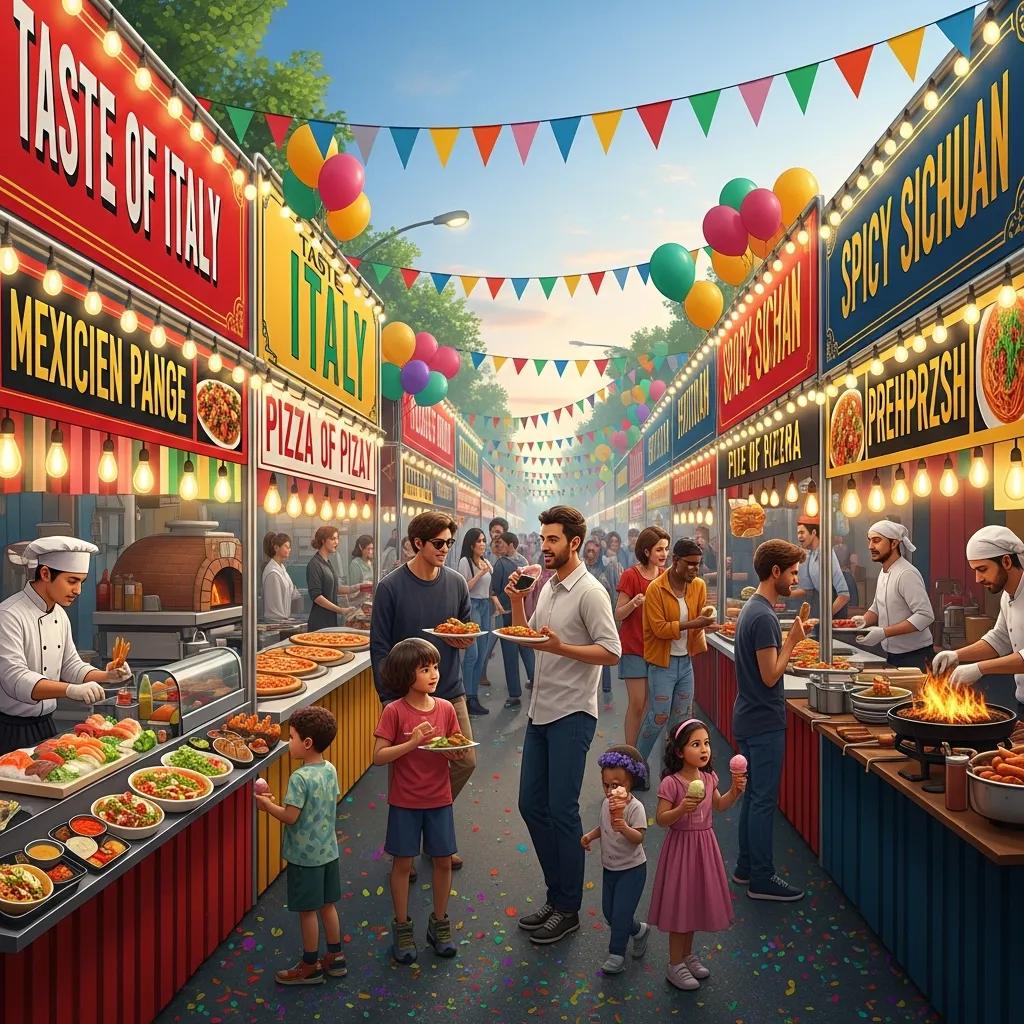
- Best for Street Food: Urban street‑food festivals gather vendors for quick tastings, letting you sample many regional specialties in one visit.
- Best for Sweets & Chocolate: Dessert festivals and chocolate fairs feature pastry masterclasses and showcases from top chocolatiers.
This quick categorization helps you match personal interests to festival formats and choose the right ticket types when planning a trip.
What makes these gastronomy festivals unique and popular?
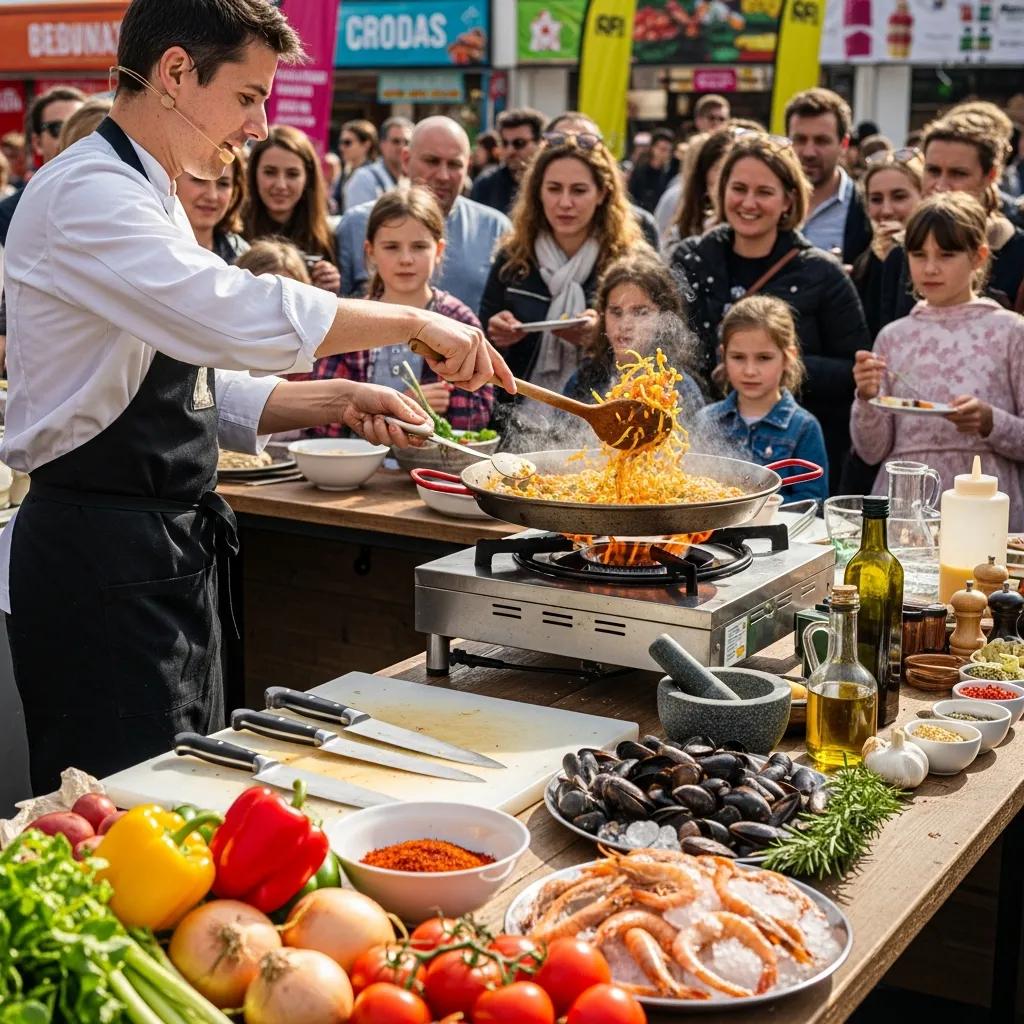
Top festivals stand out for rare ingredients, impressive chef lineups and theatrical programming that generate press and word‑of‑mouth. The most successful events blend storytelling about terroir and heritage with staged moments—chef battles, curated tasting flights and intimate masterclasses—that can scale from public markets to ticketed dinners. Accessibility matters, too: pairing headline events with open‑market elements encourages both visitors and locals to attend. Chef‑led tasting segments often act as incubators for dishes and service styles that later influence fine‑dining menus worldwide.
When and where are the top culinary events happening globally?
A clear festival calendar lets you align travel seasons, book early and layer local experiences around marquee events. Festivals cluster by season and hemisphere—for example, many European gastronomy fairs peak in autumn while Southern Hemisphere events concentrate in their late summer—so a calendar view can maximize attendance and value. Below is a compact, representative calendar showing typical months and signature highlights to help you plan and identify regional clusters where multiple events occur close together.
Use these timing cues to set alerts, compare flights and lodging, and coordinate festival dates with restaurant bookings and side excursions.
How to use the world food festival calendar to plan your visits?
Efficient planning syncs festival dates with travel logistics and booking windows for headline events. Start by choosing festivals that match your culinary interests, then map flights, lodging and local activities around flagship dates—many travelers add market visits and restaurant reservations before or after the core event. Subscribe to festival newsletters, set calendar alerts and monitor reputable travel platforms for ticket drops and chef‑table announcements. Booking early also helps budget for premium items—tasting menus, special dinners and masterclasses—that often sell out faster than general admission.
This stepwise approach often leads to choosing cities that host multiple events or sit near rich produce regions, increasing the value of international travel for culinary exploration.
Which cities host the most renowned food festivals?
Certain cities become festival hubs because they combine vibrant food cultures, the infrastructure for large events and proximity to unique producers. Tokyo, Paris, Naples and Melbourne regularly appear on festival calendars because they offer chef talent, ingredient diversity and engaged local audiences. These cities make efficient bases for culinary itineraries, often presenting multiple formats—street markets, trade fairs and ticketed tasting series—within easy reach. When a city hosts several high‑profile events, visitors can pair public‑market discovery with intimate dining to extend a single trip’s culinary range.
What types of cuisines and experiences can you expect at luxury food festivals worldwide?
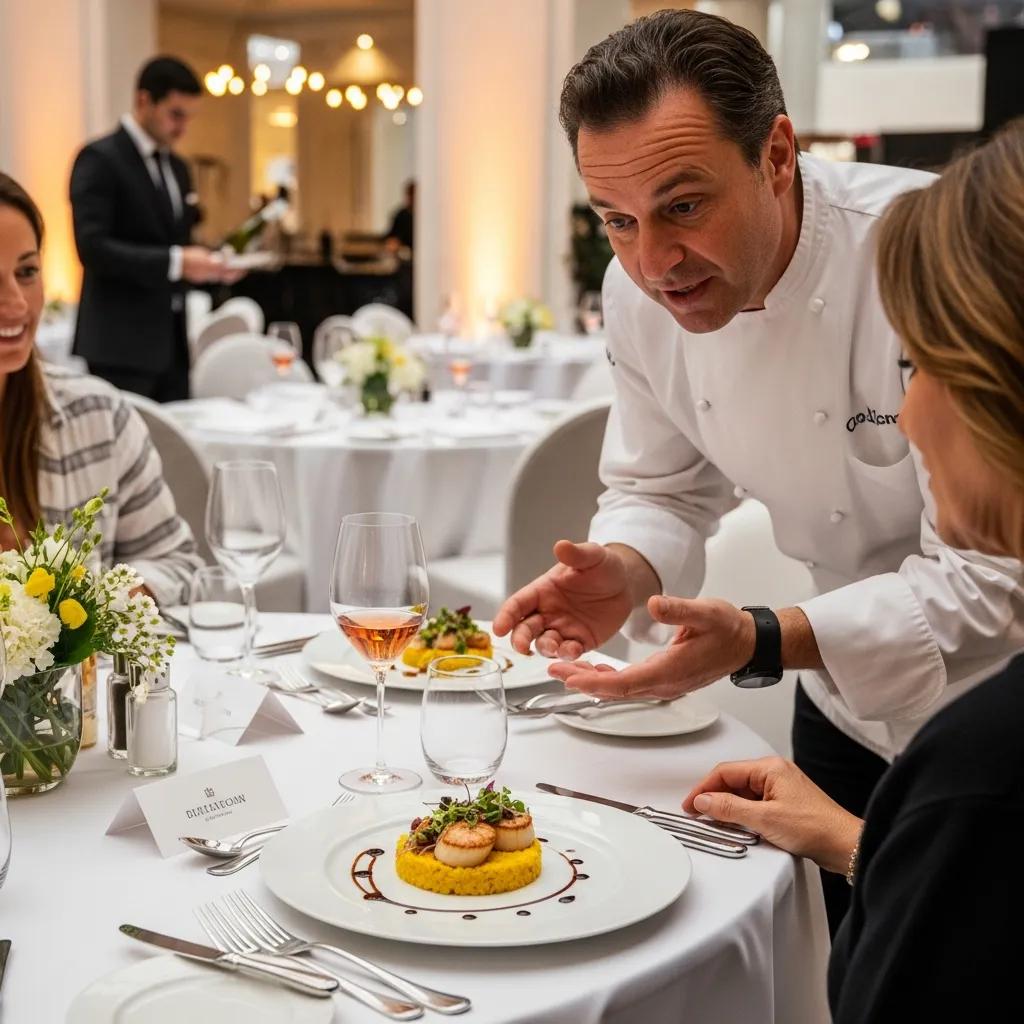
Luxury festivals emphasize premium ingredients, chef‑led tasting menus and immersive programming—masterclasses, curated pairings and provenance storytelling. Expect seasonal sourcing, careful staging and elevated takes on regional cuisines alongside experimental fusion menus that highlight cross‑cultural technique. The table below contrasts common cuisine/experience types with typical dishes and interactive elements to show how luxury festivals structure guest engagement.
Knowing these formats helps diners seek similar experiences at fine‑dining restaurants when travel isn’t possible.
How do gourmet and fusion cuisines shape modern food festivals?
Gourmet and fusion programming pushes festivals toward experimental tasting sequences and cross‑cultural collaborations, raising expectations for creativity and technical refinement. Curators invite guest chefs to collaborate, producing one‑off dishes that often spark new trends in restaurants. That creative exchange forms a feedback loop: festivals incubate innovation that destination dining later adopts and refines.
Recognizing this role helps attendees plan for special‑ticket experiences—collaborative chef dinners, pop‑ups and limited tastings—that capture a festival’s most inventive moments.
What interactive culinary events and demonstrations are popular?
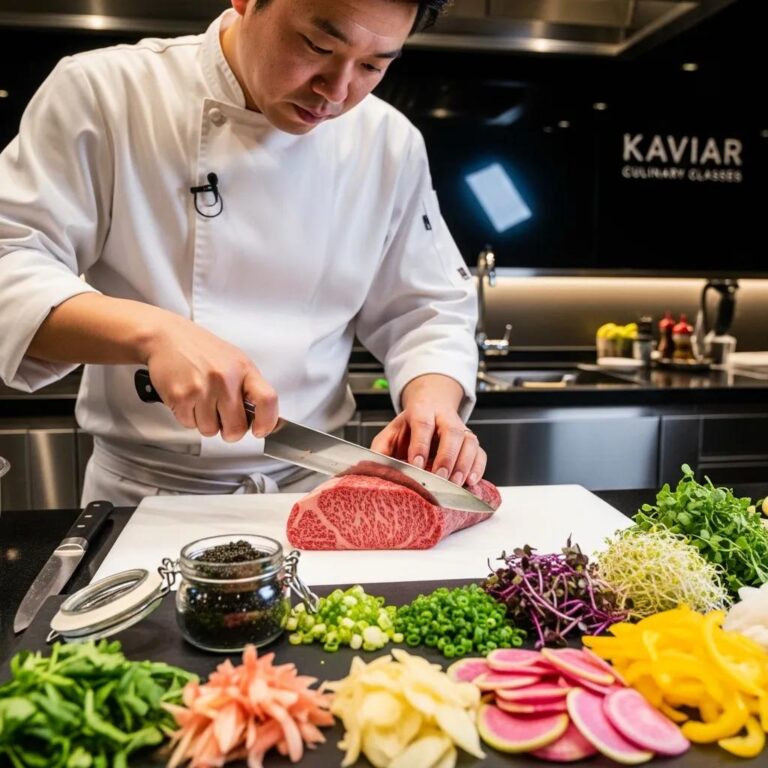
Hands‑on classes, live cook‑offs and guided pairing sessions let attendees learn as they taste. Popular formats include step‑by‑step demos, sourcing stories from producers and small‑group workshops where guests try techniques under chef guidance. These sessions are memorable because they combine education with participation; many festivalgoers call them the highlights of a visit. Restaurants replicate these formats through chef’s‑table nights, narrated tasting menus and pairing dinners to bring festival‑style engagement to a more intimate setting.
How are food festivals driving global food tourism and economic growth?
Food festivals catalyze local economies: visitors spend on lodging, dining and retail while festivals increase exposure for producers and restaurants. By showcasing regional specialties, festivals contribute to destination branding and generate media stories that attract repeat visitors. This multiplier effect benefits hospitality, transport and artisan sectors. Contemporary festivals also emphasize sustainability and wellness—choices that influence procurement and encourage participating restaurants to adopt more ethical sourcing. Thoughtful festival design can balance memorable visitor experiences with long‑term community value.
The Role of Food Festivals in Branding Culinary Destinations
Food festivals help shape a destination’s culinary image, promote local food culture and support economic development. The research offers practical insights for destination marketing organizations and tourism practitioners on leveraging festivals to strengthen place‑based food identities.
The role of food festivals in branding culinary destinations, FX Yang, 2020
What are the latest trends in food festival sustainability and wellness?
Recent festivals prioritize low‑waste operations, plant‑forward programming and transparent sourcing to match changing consumer values. Common initiatives include composting, reusable serviceware, partnerships with nearby producers to cut transport emissions, and elevated non‑alcoholic pairings. These practices reduce environmental impact and widen accessibility for guests with dietary or wellness preferences. As festivals model these shifts, fine‑dining kitchens increasingly mirror them in tasting menus and event programming.
Sustainable Best Practices in European Culinary Festivals
A review of recent literature highlights trends—molecular gastronomy’s evolution, the rise of food trucks and renewed interest in farm‑to‑table—that frequently appear at culinary festivals. These events provide platforms for innovation and consumer engagement while testing sustainable practices.
Sustainable best practices of European culinary festivals, B Csapody, 2021
These sustainability trends raise important questions about festivals’ economic impacts and the ways they preserve culinary traditions while innovating responsibly.
How do food festivals boost local economies and culinary destinations?
Festivals drive visitor spending on lodging, dining and retail while creating short‑term jobs and long‑term visibility for producers and restaurants. Media coverage and social sharing amplify a region’s reputation, attracting culinary tourists who return for future visits. Festivals also open distribution and networking opportunities for local suppliers, strengthening regional food systems. The most durable economic benefits come when festivals partner with communities and invest in capacity‑building for small producers—turning one‑time visitors into repeat gastronomic travelers.
How can you experience a luxury culinary event like a food festival at a fine‑dining restaurant?
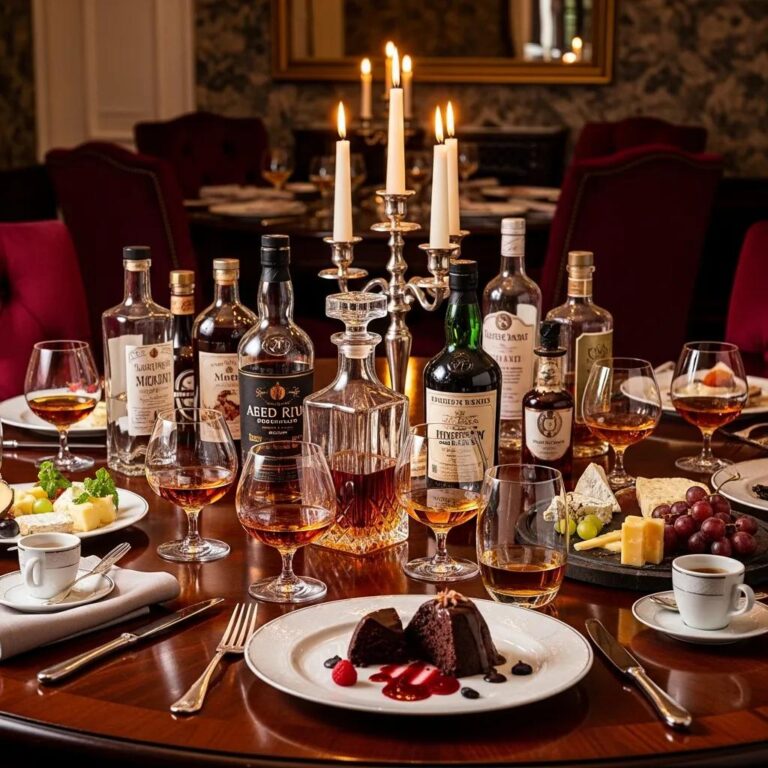
A fine‑dining restaurant can recreate festival qualities—curated narratives, rare ingredients and staged service—through thoughtfully designed tasting menus and chef‑led evenings. Core elements include a chef‑curated progression of courses, storytelling about provenance, and curated pairings. Restaurants may add interactive touches—chef commentary, small‑group seating or pre‑dinner demonstrations—to mirror the educational and participatory aspects of festivals. The table below maps festival components to restaurant equivalents so chefs and diners can translate large‑scale experiences into intimate formats.
This mapping shows how restaurants can structure sourcing and service to deliver festival‑caliber moments in a condensed, personalized setting and helps diners identify the elements to look for when booking local experiences.
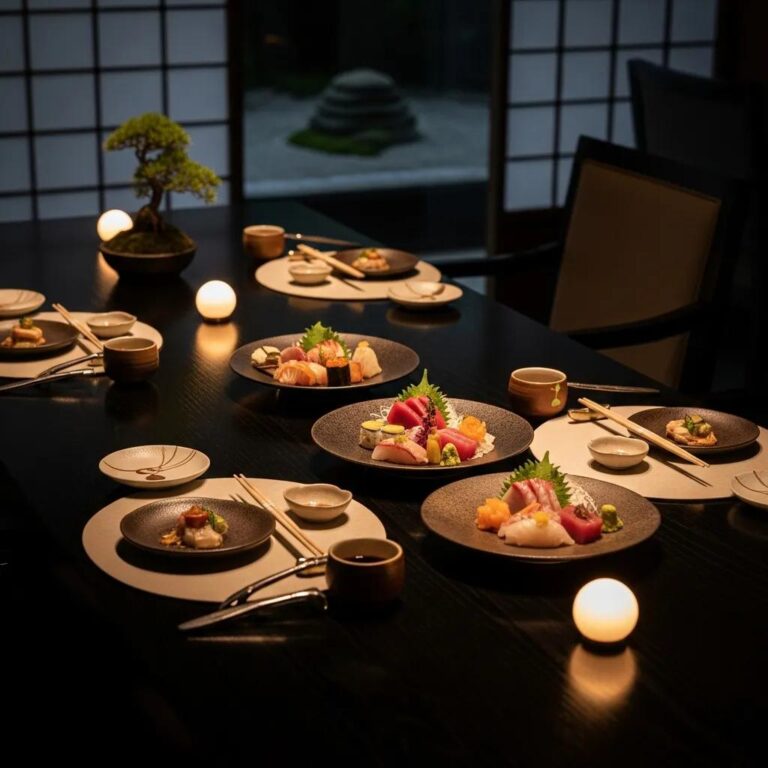
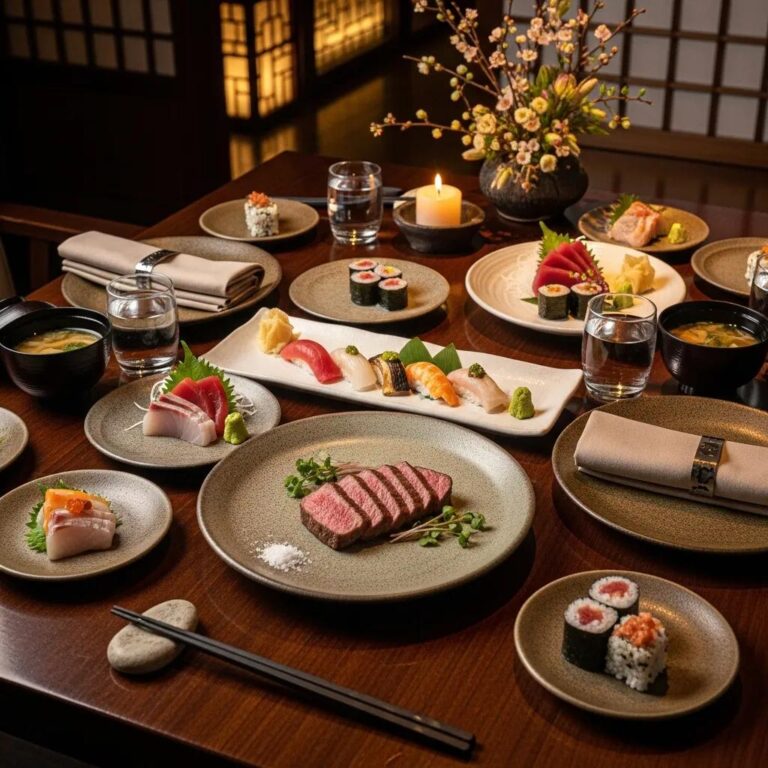
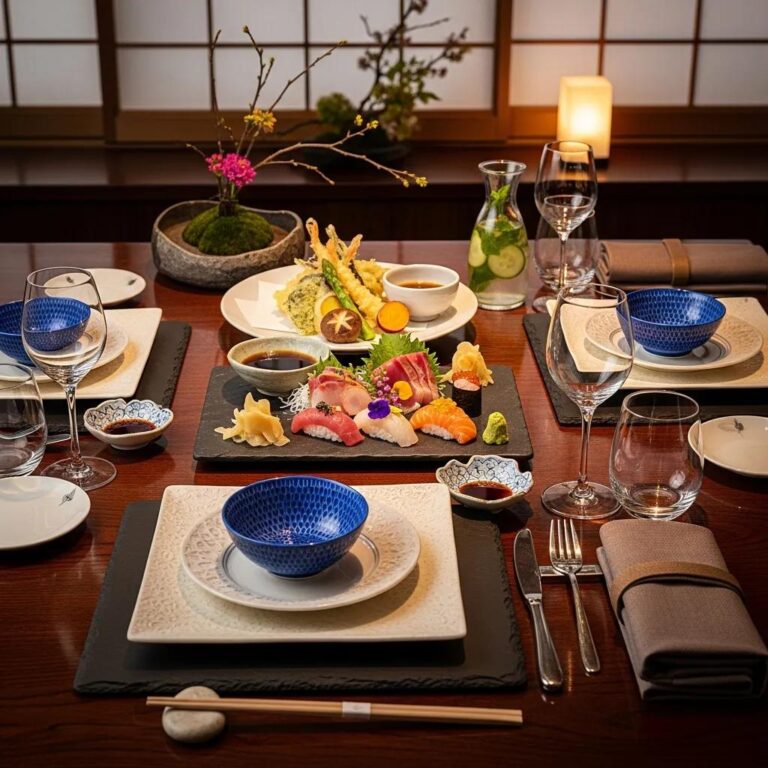
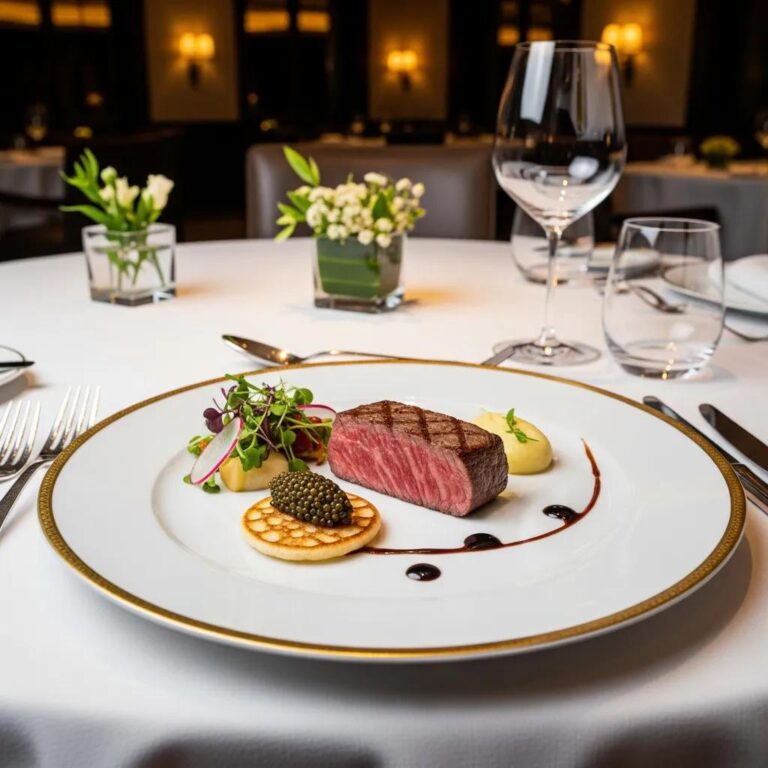
Kaviar Restaurant is a clear example of how fine‑dining can capture a festival’s theatricality and ingredient focus through an omakase journey rooted in Japanese technique. At Kaviar, the omakase unfolds as a progression of seasonal courses that spotlight items such as A5 Wagyu and Kaluga caviar—each plate paced and presented with narrative intent and attentive service to create a festival‑like arc. Guests in Pasadena seeking a local luxury culinary event can reserve an omakase that delivers discovery, rare ingredients and chef‑led storytelling similar to high‑end festival chef tables.
What makes Kaviar Restaurant’s omakase feel like a personal Japanese gastronomy festival?
Kaviar’s omakase is a chef‑curated sequence where every course reads as a chapter in a larger tasting narrative—mirroring the festival model of sequential discovery. Seasonal sourcing and meticulous plating emphasize provenance and technique, while personalized service adapts pacing and focus to guest preferences. The result is the intimacy of a festival chef table for a small party: premium components, theatrical presentation and a sense of occasion. To request this experience locally, contact the restaurant by phone or use the restaurant’s reservation options.
How do Kaviar’s A5 Wagyu and caviar services reflect premium culinary events?
A5 Wagyu is prized for its marbling and buttery mouthfeel; chefs season sparingly and sear precisely to let the fat and umami speak. Kaluga caviar emphasizes texture and saline nuance and is paired minimally so its complexity remains the focus—much like festival tasting stations that spotlight a single ingredient. At Kaviar, these moments are presented as signature highlights and paired thoughtfully with sake or curated beverages to echo the premium ingredient spotlights you’d find at luxury festivals. Guests interested in these offerings can inquire about menu selections and reserve a tasting seating centered on these flagship items.
What are the best tips for booking and enjoying food festivals and culinary events worldwide?
Getting the most from festivals takes early planning, travel flexibility and clarity about which experiences matter most—masterclasses, chef tables or open‑market sampling. Identify the festival components you want, register for alerts, follow official channels for ticket drops, and allow buffer days for sold‑out sessions or recommended side trips. Budget for premium ticket tiers and tasting dinners, and communicate dietary needs early when booking chef tables. Below is a compact checklist to maximize value and reduce last‑minute stress.
- Plan Early: Subscribe to festival newsletters and ticket alerts before general sales begin.
- Prioritize Experiences: Choose between hands‑on sessions, chef tables or market sampling so you can allocate time and budget wisely.
- Budget for Premium Elements: Set aside funds for special dinners and exclusive tastings that often sell out quickly.
These steps lower the risk of missing headline events and make it easier to pair festival attendance with restaurant reservations for a richer itinerary.
How to secure tickets and reservations for popular food festivals?
Many festivals stagger ticket releases—early bird, member and general admission—so subscribe and set calendar reminders. Buy through official platforms to avoid scalpers; festivals often offer waitlists or added sessions if headline dinners sell out. For chef‑table experiences and special tastings, book as soon as reservations open and consider contacting festival concierge services or participating restaurants for alternatives. Understanding ticketing mechanics increases your chances of securing in‑demand experiences and helps avoid last‑minute compromises.
Future Trends in Food Events and Festivals
Major food and wine festivals range from casual tasting sessions to elaborate chef‑led dinners and competitions. Events like Taste of London have drawn large crowds—demonstrating how programming scale and variety can attract significant public and media interest.
Future issues and trends: Food events, festivals and farmers’ markets, CM Hall, 2008
If international travel isn’t possible, this ticketing strategy pairs well with local alternatives—seek tasting menus and chef collaborations at nearby restaurants to capture festival‑quality dining close to home.
What should you know before attending a food festival or culinary event?
Check logistics—arrival times, transport and payment options—because formats vary and some events use timed entries or outdoor settings. Tell ticketed chefs and restaurants about dietary restrictions in advance so they can accommodate you. Pace your sampling: prioritize a few high‑quality tastings rather than trying to taste everything, and book adjacent restaurant reservations to deepen themes you discover at the festival. If international travel isn’t feasible, consider a local tasting menu to enjoy similar progression and premium ingredients.
- Reserve Early: Book chef tables and tasting menus as soon as reservations open.
- Communicate Needs: Inform the restaurant of allergies or preferences when booking.
- Arrive Prepared: Allow time for pre‑dinner demos or producer talks when attending special events.
Frequently Asked Questions
What are the benefits of attending food festivals for culinary professionals?
For culinary professionals, festivals provide networking with peers, suppliers and potential collaborators. Workshops and masterclasses led by established chefs offer insight into evolving techniques and trends. Exposure to new ingredients and presentation styles can spark creativity and enrich a chef’s repertoire, with direct benefits for their restaurants or culinary projects.
How can food festivals promote sustainability in the culinary industry?
Festivals are effective platforms to highlight sustainable practices—showcasing local producers, seasonal menus and waste‑reduction measures. Many events adopt composting, reusable serviceware and short supply chains to lower emissions. By modeling these practices, festivals raise awareness and encourage chefs and restaurateurs to adopt similar standards in their kitchens.
What types of culinary experiences can attendees expect at food festivals?
Expect tastings, live demonstrations and interactive workshops. Many festivals include chef‑led sessions that teach specific cuisines or techniques alongside vendor sampling and competitions. The variety ensures there’s something for casual diners and serious food enthusiasts alike.
How do food festivals impact local communities economically?
Festivals boost local economies by attracting visitors who spend on hotels, dining and shopping, and by creating temporary jobs. They raise the profile of local producers and artisans, helping them reach new customers, and media coverage can promote a region as a culinary destination—encouraging repeat visitation and sustained economic benefits.
What should first‑time attendees know before going to a food festival?
Research the schedule and ticket options, arrive early to avoid lines, and identify priority tastings or workshops. Communicate dietary needs before ticketed events, and wear comfortable shoes—festivals often involve a lot of walking and standing while you explore.
Are there any health and safety measures in place at food festivals?
Many festivals enforce food‑safety standards—proper handling and storage—and provide crowd‑control measures, sanitation stations and distancing guidelines when needed. Check the festival’s official site for specific health and safety policies before you go.
Conclusion
Food festivals and culinary events offer rare opportunities to explore regional flavors, meet chefs and experience the theatrical side of food. They fuel culinary tourism, support local producers and increasingly model sustainable practices. With a little planning—prioritizing the experiences you value and booking early—you can turn a festival visit into a lasting culinary memory. Begin your next gastronomic journey by exploring upcoming events and securing tickets for the experiences that matter most to you.