




Elevated Table Setting Ideas for a Memorable Dinner Party: Luxury and Ease at Home
An intentional table setting turns a meal into an experience — one that guests remember for its balance of beauty, texture and thoughtful timing. In this guide we walk you through practical, approachable steps to create a luxe table at home: choosing linens, building layered place settings, selecting centerpieces, shaping light and sound, and applying simple formal etiquette. The techniques borrow from professional plating and service to let a single star ingredient shine while keeping conversation relaxed. If you worry about scale, pacing or making high-end details feel natural, this article gives clear, prioritized how-to steps and direct translation tips so you can host a refined, memorable evening. Expect concise checklists, comparison guidance and quick answers to plan and execute a sophisticated dinner with confidence.
How Do You Create a Luxury Table Setting for a Formal Dinner Party?
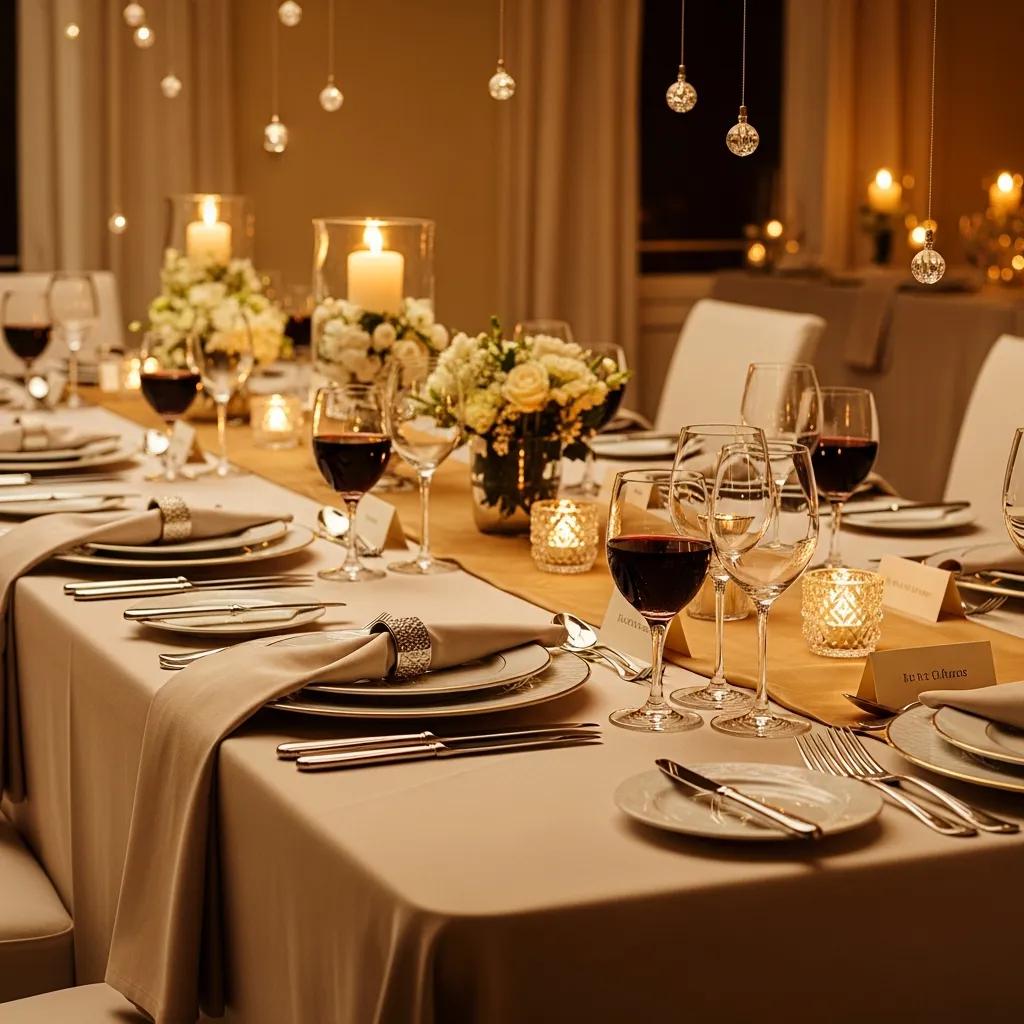
A luxury table starts with a considered foundation: quality linens, a cohesive color story and a layered arrangement of plates and flatware that intuitively directs each course. Visual order and tactile contrast reduce distraction and signal care, which makes the food read as more deliberate and special. The main benefit is clarity — guests understand where to rest hands, which utensil to use and can see one another so conversation can flow. Begin with a neutral or muted palette for serving pieces to let the food stand out, then add depth with chargers, napkins and stemware. Below are step-by-step actions to build the setting, followed by focused advice on tableware and linens.
- Start with linens: use a full tablecloth or a runner in linen or a linen-cotton blend for texture and natural drape.
- Layer plates: place a charger, dinner plate and salad/appetizer plate in descending order to frame each course.
- Arrange cutlery: set utensils outside–in by course — knives to the right, forks to the left — with dessert cutlery above the plate.
- Add glassware: position water and wine glasses above the knife, ordered for service (water, white, red).
- Finish surface details: add a low centerpiece, a considered napkin treatment and place cards so sightlines remain open.
These five steps form the foundation. Next, we break down specific tableware and linen choices so you can select materials that deliver a refined tactile and visual experience.
What Are the Essential Tableware Pieces for an Elegant Setup?
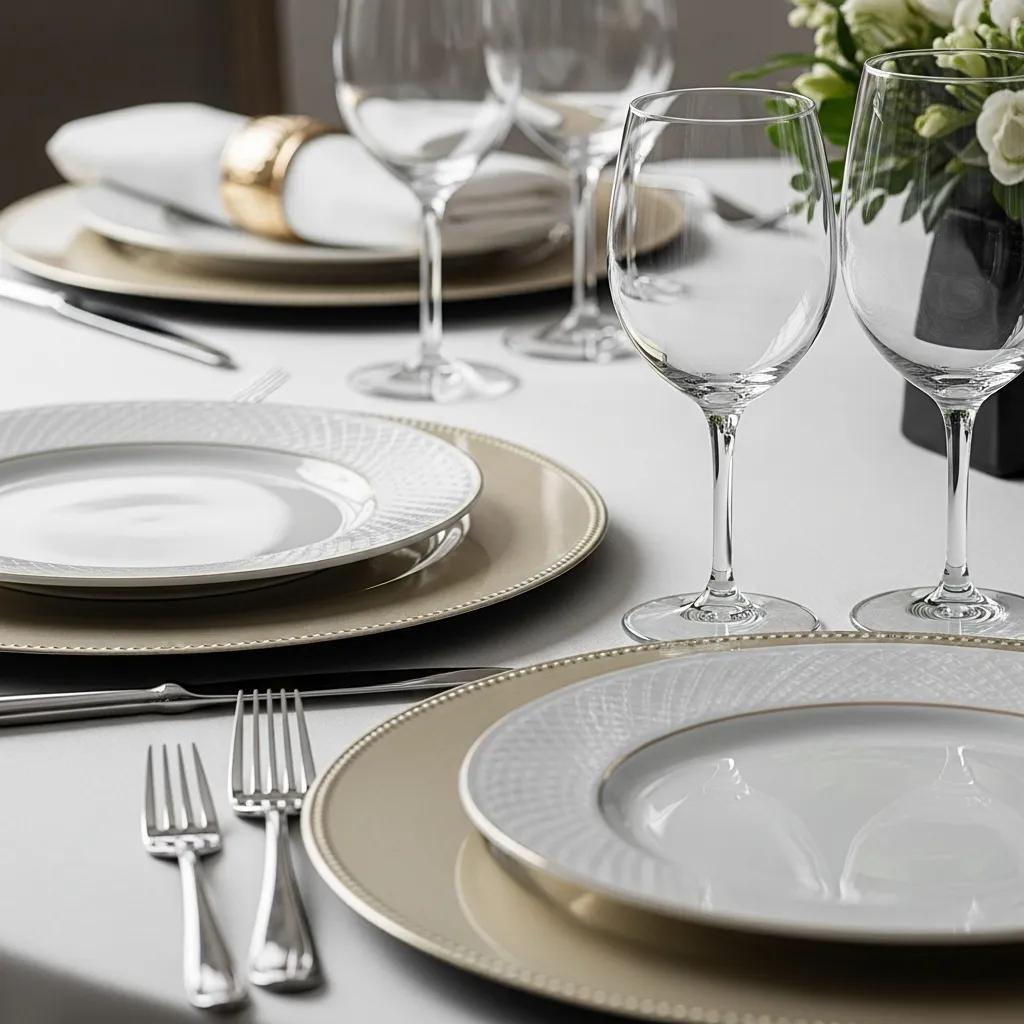
Essential tableware provides function and creates visual rhythm: a charger frames the place, the dinner plate is the primary canvas and a smaller salad or appetizer plate guides earlier courses. Choose materials that flatter food — white bone china or matte porcelain let colors and textures sing, while crystal or fine glass gives wine clarity. Opt for polished or softly brushed cutlery and select pieces by menu complexity: service fork, dinner fork, fish fork (when needed), dinner knife, butter knife and soup spoon. For most hosts, one versatile charger, two plate styles (classic white plus a textured accent) and a consistent glass set give flexibility without excess.
These components clarify function and help you choose pieces that work visually together, which supports smoother course flow and more deliberate plating.
How Do You Choose Linens and Napkin Styles to Enhance Sophistication?
Linens and napkins establish the meal’s tactile signature: natural linen or a linen-cotton blend offers soft texture and elegant drape without fuss. Color strategies work two ways: tonal layering (varying shades of the same hue) builds quiet depth, while high-contrast accents (a dark runner on a pale cloth) add evening drama. Napkin presentation is a small gesture that signals ceremony — a neat rectangular fold tucked under a charger reads formal, a loosely tied linen knot suggests relaxed refinement, and a simple napkin ring can echo metallic accents on the table. Use unscented fabric treatments and lightly press or steam linens before guests arrive so edges read crisp and the focus stays on the food.
Thoughtful linen choices lead naturally into centerpiece decisions; next we explore focal elements that anchor the table without stealing the conversation.
What Are the Best Elegant Table Centerpieces to Impress Your Guests?
A successful centerpiece balances scale, sightlines and texture so it punctuates the table without blocking face-to-face interaction. The rule of proportion is simple: use repeated low arrangements or clustered objects for long tables; for round tables, a single low-to-medium arrangement keeps sightlines clear. Mix finishes — matte ceramics with glossy foliage or a discreet metallic accent — to echo your dinnerware. Mind scent: keep blooms unscented at the table or reserve fragrant elements for arrival areas so aromas don’t compete with the food. Below are prioritized centerpiece approaches that reliably impress.
- Floral arrangements: low, lush clusters add seasonal color without obstructing views.
- Candle groupings: layered tapers and pillars create intimacy and let you adjust light.
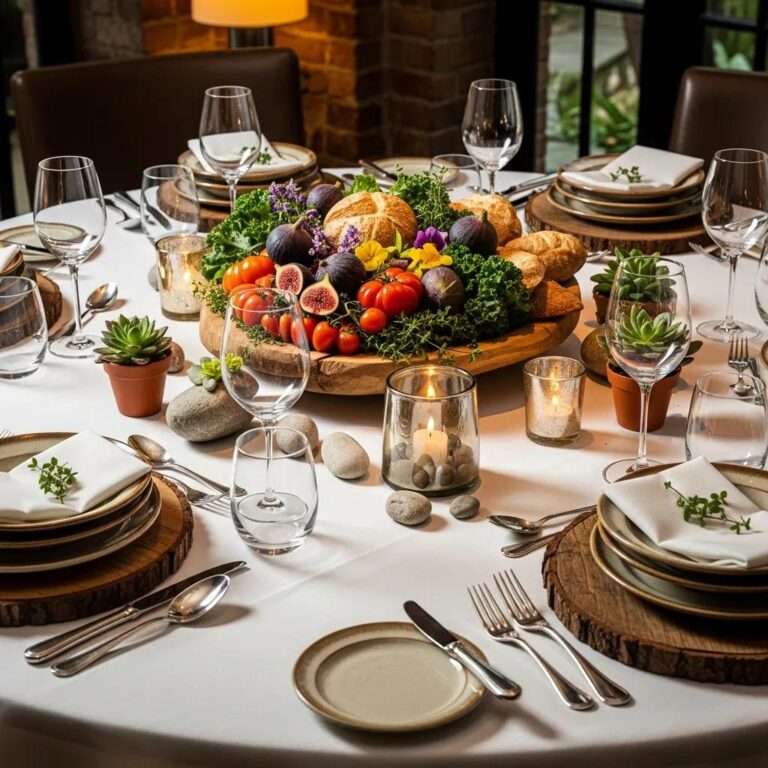
- Natural elements: bowls of fruit, textured branches or stones introduce organic contrast.
- Edible centerpieces: stacked breads, small cheese towers or citrus displays that are both decorative and useful.
These options help you choose a focal direction; the next section covers practical floral construction to keep arrangements conversation-friendly.
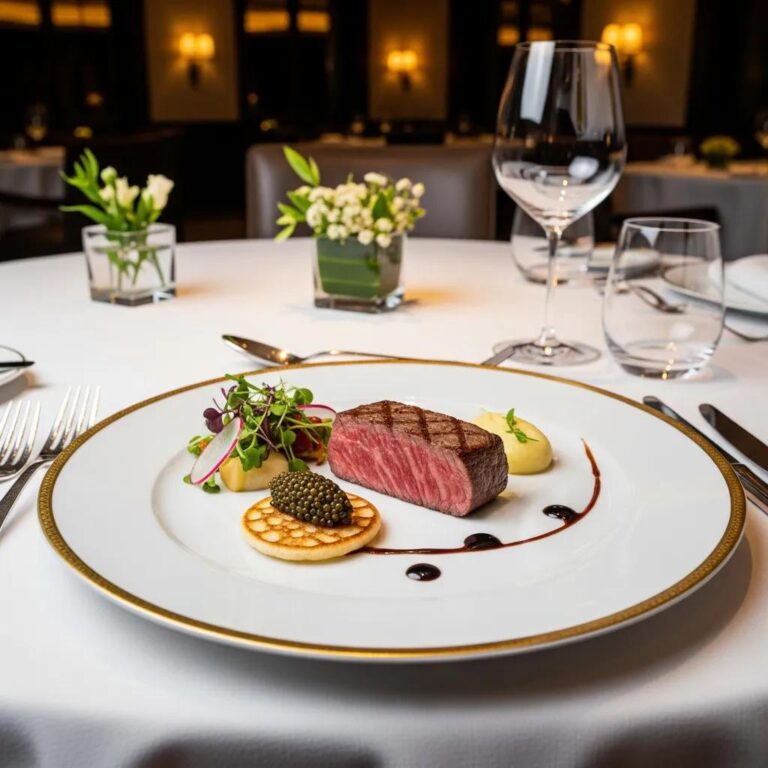
A quick inspiration: Kaviar Restaurant’s Toro Tartare with gold accents and their restrained caviar service show how a single metallic highlight and a pared color palette can inform centerpiece choices. A single gilded detail or a small metallic bowl can echo that restrained luxury while allowing food and floral tones to lead.
How Can Floral Arrangements Elevate Your Dinner Party Table?
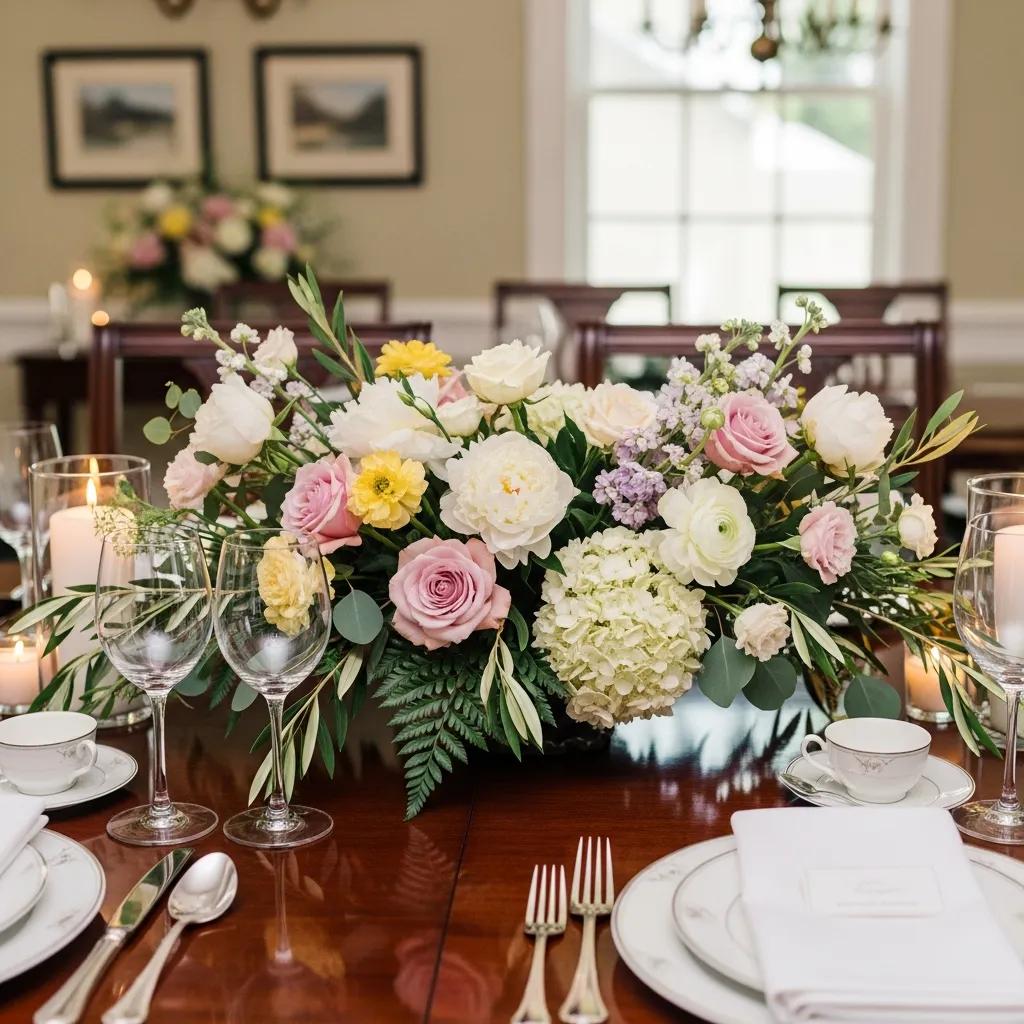
Flowers introduce living texture and seasonal color, but composition keeps them supportive rather than distracting. Keep centerpieces low — generally under 6–8 inches for seated sightlines — or use narrow tall vessels placed so guests still see one another. Choose local, seasonal blooms for freshness and value, and pair foliage with small focal flowers to reduce scent intensity. For a simple DIY approach, place three to five stems per vase and repeat similar vessels down the table to create rhythm. These techniques allow blooms to enhance the meal without competing with plated presentations.
Before moving on to candles, consider how floral texture and color will coordinate with your linens and plates so the table reads as a single, considered composition.
What Are Creative Candle and Natural Element Ideas for Ambiance?
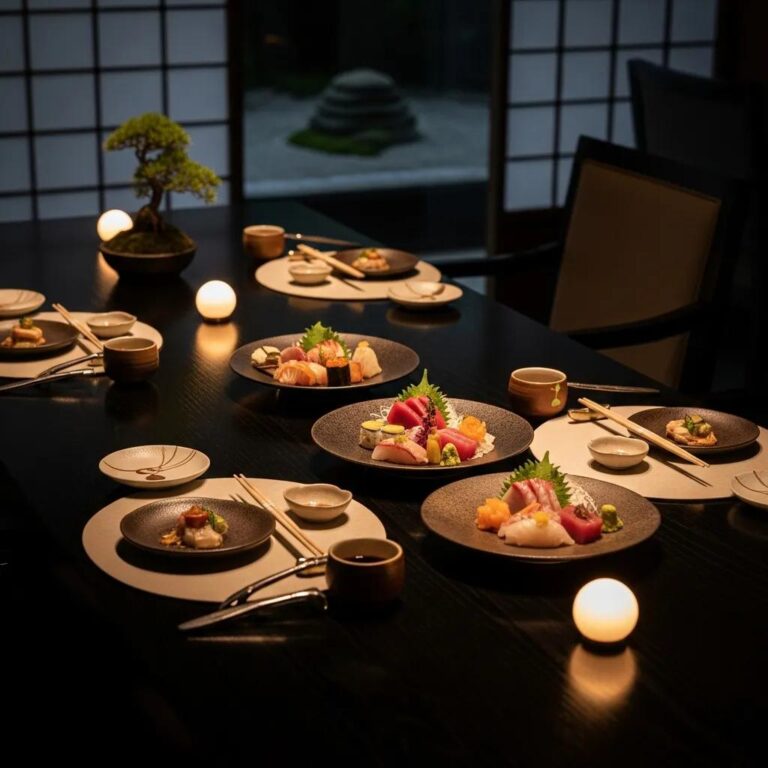
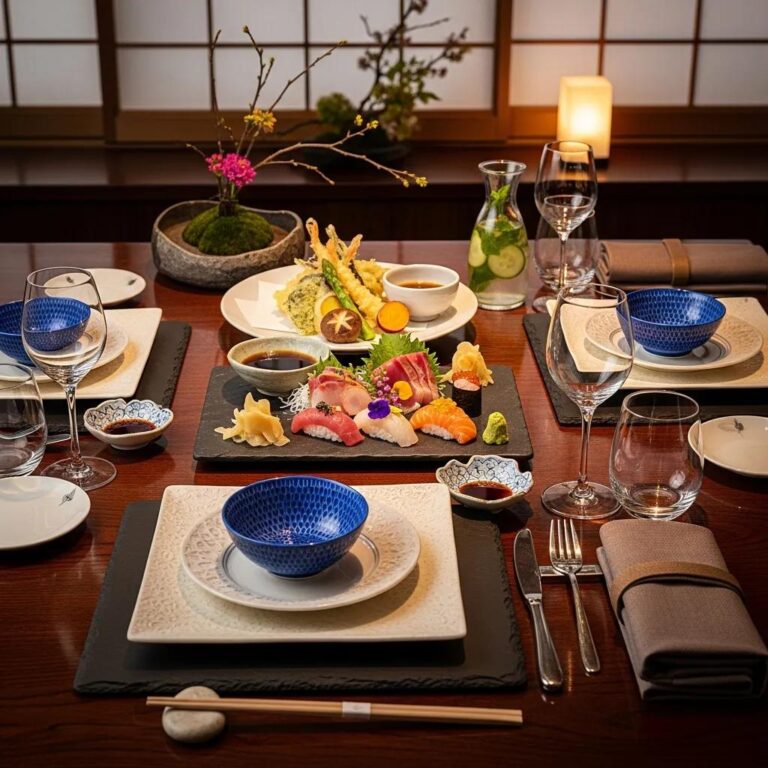
Candle groupings deliver warm, adjustable light that flatters plate colors and creates intimacy. Combine slender tapers in simple holders with one or two low pillars to layer height while keeping sightlines open. Prioritize safety — sturdy holders, drip plates and distance from linens or foliage — or choose LED wax candles where open flames aren’t feasible. Natural accents such as small bowls of seasonal fruit, polished river stones or textured wood slabs add organic contrast and reference local produce. For a light Japanese-inspired touch, space single sprigs of evergreen or bamboo in narrow vases to echo minimal omakase vessels without cluttering the table.
Intentional candle and natural-element choices set the table’s mood and lead into lighting strategies that shape the room’s overall ambiance.
How Do You Master Lighting and Ambiance for a Sophisticated Dining Experience?
Good ambiance comes from layered lighting: a warm base level, targeted task light for plating and subtle accents for atmosphere. Ambient light gives safe visibility, task light clarifies plated details for servers, and accents draw the eye to art or displays. Choose warm bulbs (around 2700K) and dimmers so you can shift intensity between courses; use candles for table-level glow but avoid relying on them as the only light during service. Below are practical techniques to create layered dining-room lighting.
- Dimmable overheads: set a comfortable conversational base before guests arrive.
- Table-level lighting: candles or low lamps add warmth and reveal plated textures.
- Accent lights: sconces or uplights can highlight background features without competing with the table.
What Layered Lighting Techniques Create an Inviting Dinner Party Mood?
Layered lighting sculpts the room without harsh glare or deep shadows. Start by dimming the main light to a conversational level that still allows servers to see; add table candles or small lamps for immediate warmth at faces and plates. Use accent lighting sparingly to highlight décor or food displays — keep it lower than table light so the meal remains central. Practical tips: use warm (2700K) bulbs, avoid strong directional lights over plates and test your setup before guests arrive to ensure colors read true on the plate.
Shifting light between courses can subtly cue pace — brighter for serving and clearing, warmer and lower for main and dessert — so think of lighting as part of your service rhythm.
How Do Scent and Sound Enhance the Overall Dinner Party Ambiance?
Scent and sound shape perception; used sparingly they enhance the meal, but if overdone they compete with it. Keep fragrance at the dining table minimal or unscented — reserve stronger aromas for arrival areas. For music, choose low-tempo instrumental playlists that encourage conversation and set volume so music remains background. Test scent and sound choices with your intended menu to ensure they support, rather than distract from, the dining experience.
With sensory and lighting elements in place, hosts can borrow refined service cues from restaurants to deepen the at-home fine dining feel; the next section maps those inspirations into practical home techniques.
How Can You Incorporate Fine Dining Inspirations from Kaviar Restaurant at Home?
Fine-dining principles — particularly from high-end Japanese service like omakase — prioritize restraint, pacing and celebrating one standout ingredient. At home, translate this by serving small tasting plates sequentially, using neutral table palettes and letting premium ingredients take visual precedence. The benefit is clear: focused presentation lifts perceived quality without technical complexity. Below are straightforward translation tips inspired by omakase and premium steak service so you can achieve restaurant polish with modest tools and planning.
- Serve small tasting plates in sequence to spotlight each ingredient and control pacing.
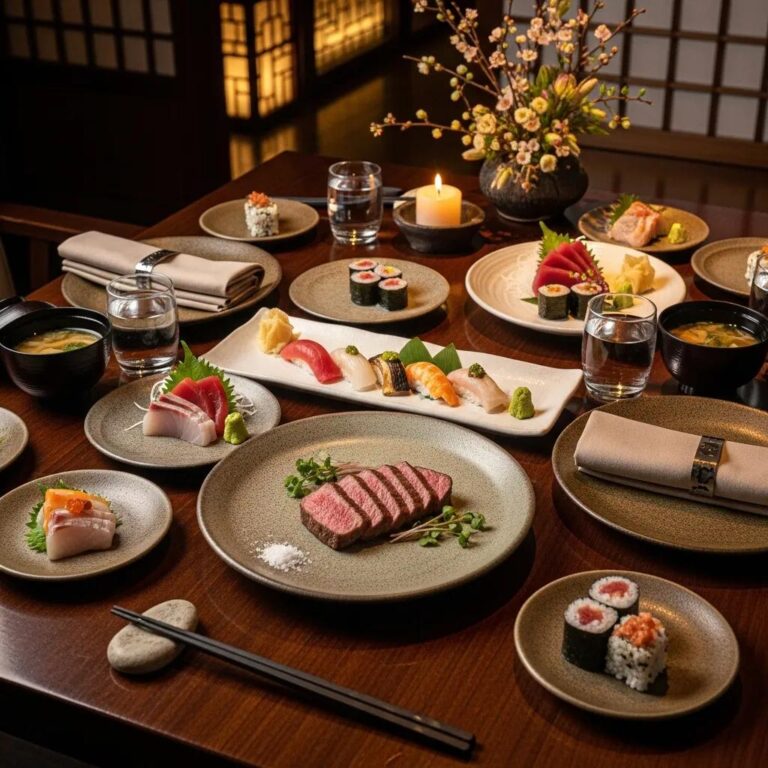
- Use neutral chargers and white or textured plates to make a single ingredient the visual focal point.
- Keep garnishes minimal — microgreens, a curl of citrus zest or a precise sauce brush accentuate the main flavor.
These service choices borrow directly from professional plating and set expectations for a composed, ingredient-first evening.
What Table Setting Ideas Are Inspired by Japanese Omakase and A5 Wagyu Presentation?
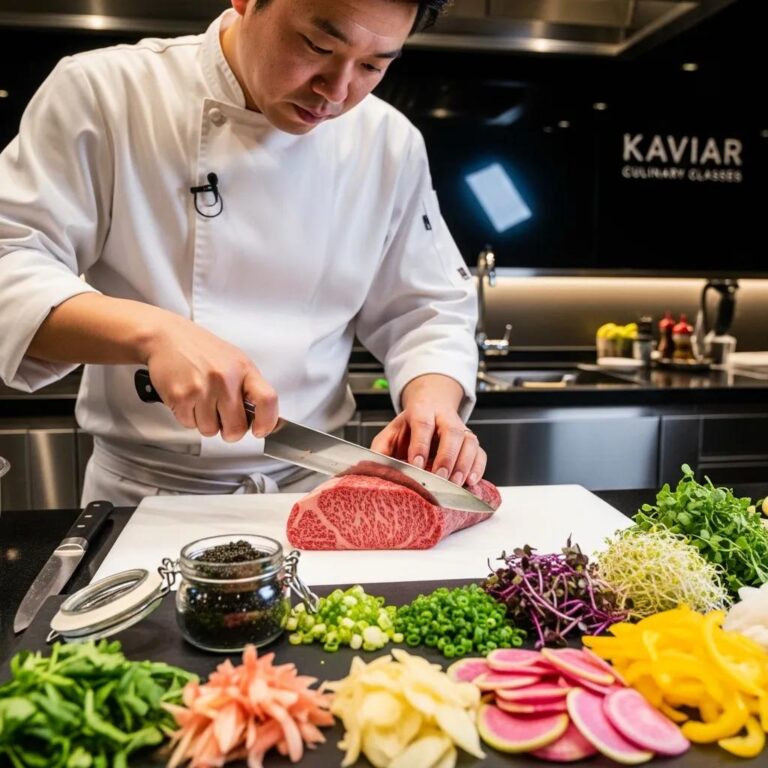
Omakase favors negative space, small vessels and an unobtrusive table story so each course reads as a distinct moment. A5 Wagyu presentation highlights the cut with minimal garnish and precise slicing to emphasize marbling and texture. At home, use small tasting plates, leave visible plate area around portions and arrange utensils and glassware to allow sequential service without crowding. Neutral linens and simple ceramic vessels support this aesthetic; a single bright accent — an artful soy brushstroke or a tiny metallic spoon — can reference refined restaurant touches. These ideas help your dinner feel curated rather than cluttered.
How Does Kaviar’s Caviar Service Influence Elegant Home Dinner Party Styling?
Kaviar’s caviar service — small chilled vessels, discreet accompaniments and restrained metallic touches — is a useful template for a polished home course. At home, set chilled small bowls, offer mother-of-pearl or brass spoons and plate accompaniments on miniature side dishes to avoid clutter. Serve blini and crème fraîche on their own small plates rather than scattering condiments across the table; this preserves visual order and supports sequential service. These techniques let a single luxurious ingredient feel ceremonial while keeping the overall table calm and cohesive.
What Are Seasonal and Local Table Setting Inspirations for Pasadena Dinner Parties?
Using local produce and seasonal palettes roots your table in place and time, adding freshness and narrative to centerpieces and place accents. Pasadena’s climate favors citrus, stone fruit and diverse greenery — use small bowls of fruit, herbs or branches as decorative accents or weave them into floral designs for texture. Echo floral and produce hues in linens or napkin ties to create a cohesive visual story. Buying from local markets also supports ingredient-driven centerpieces that can later be repurposed in the meal — think citrus that becomes a garnish or herbs incorporated into sauces.
How Do You Use Pasadena’s Seasonal Produce and Colors in Table Decor?
Spring in Pasadena invites soft pastels and early citrus — place small bowls of Meyer lemons and light greenery to echo spring blooms. Summer highlights stone fruit and fragrant herbs — scatter a few ripe peaches or small plum bowls near centerpieces and repeat their tones in napkin ties. Autumn favors deeper hues — pomegranates, quinces and olive branches pair beautifully with warm linens. Winter benefits from citrus, evergreen sprigs and bare-branch silhouettes for architectural interest. Present produce in simple ceramic bowls or on wooden boards to echo natural textures without overpowering the plates.
What Are Trending Table Setting Styles for 2025 Home Entertaining?
Trends for 2025 lean toward minimalist luxury, tactile materials and sustainable accents that feel elevated without excess. Expect handcrafted chargers, textured linen blends and napkin rings made from natural materials — modest investments that create unmistakable personality. Sustainable choices like reusable floral mechanics, foraged foliage and vintage glassware support an ingredient-led aesthetic aligned with fine-dining sensibilities. A distinctive crystal glass or artisan breadboard can act as a focal piece while the overall layout stays uncluttered.
What Are Key Etiquette Tips for Formal and Elegant Dinner Table Settings?
Etiquette gives guests predictable cues that increase comfort and smooth service; formal rules reduce friction, aid pacing and let the food be the focus. Practical elements include utensil order, glass placement, napkin positioning and clearing sequence. The immediate payoff is fewer awkward moments and a steadier flow — hosts can use small signals (place cards, gentle timing) to guide guests naturally. Below are seven core rules to apply quickly.
- Plate-centered: place the main plate centrally with equal space to the table edges for balance.
- Utensils outside–in: set forks to the left and knives/spoons to the right in the order they’ll be used.
- Glassware above the knife: arrange water and wine glasses above and slightly to the right of the main plate.
- Napkin placement: fold or lay the napkin on the charger or to the left of forks before service.
- Use of charger: remove chargers after the main course unless they’re intended as a serving frame.
- Place cards: assign seating subtly to shape flow and conversation dynamics.
- Minimal clutter: keep the tabletop focused — limit décor that obstructs reach or sightlines.
These concise rules act as a quick checklist for polished presentation and smoother service. Next we detail spacing and alignment of cutlery, glassware and plates to refine your setup.
Basic Table Setting Rules and Elements
To set a basic formal table, you typically include a charger plate, knife, fork, spoon, glass and napkin. These core elements form the foundation of classic table-setting guidelines referenced in hospitality practice.
TABLE SETTING-RESTAURANT ETIQUETTE., MI IONA, 2024
How Should Cutlery, Glassware, and Plates Be Arranged for Sophistication?
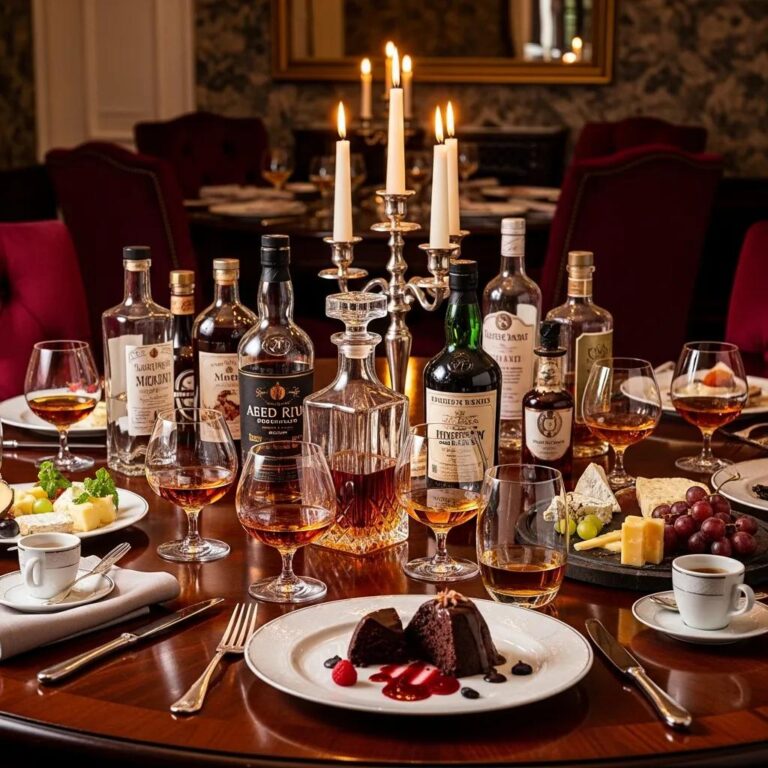
Alignment and spacing create a clean visual rhythm — leave about an inch between the plate edge and the first utensil and keep handles parallel with the table edge. Forks go left (salad fork outermost), knives to the right with blades facing the plate, and spoons outside the knives; dessert cutlery can sit horizontally above the plate or be brought with dessert. Glassware belongs above the knife in order of use — water closest to the diner, then white and red wine glasses to the right — arranged on a slight diagonal to avoid crowding. Consistent spacing signals attention to detail and makes utensil choice intuitive during multi-course service.
The Importance of Table Etiquette in Social and Professional Life
Table etiquette plays a meaningful role in social and professional settings, shaping first impressions and interpersonal confidence. Research indicates that most learners can apply foundational etiquette skills effectively, though more complex rules may require practice.
THE STUDENTS’IMPLEMENTATION OF ETIQUETTE IN TABLE MANNERS PROGRAM, P Rahayu, 2025
These placement rules complete the practical grammar of a formal table. Use them with your presentation and lighting strategy to deliver a dining experience that feels at once polished and personal.
Kaviar Restaurant offers reservations by phone and through RESY and OpenTable for guests who want to experience professional omakase-style service and precision ingredient presentations in person. If you’d like to compare home execution with a restaurant example, tasting signature items such as caviar service or Wagyu plating can inspire future menus and tabletop choices. Kaviar’s focus on premium ingredients — Kaluga caviar, Miyazaki A5 Wagyu and signature dishes like Toro Tartare with gold leaf and uni pasta — gives concrete visual and service references you can adapt at home. Consider a reservation to observe timing and cadence, then bring those minimalist, ingredient-forward lessons back to your own table.
Frequently Asked Questions
What are some tips for selecting the right color palette for a dinner party table setting?
Start with the season and the mood you want to set. Use a neutral base for linens, then add accents through napkins, centerpieces and tableware. Spring favors soft pastels and fresh greens; autumn supports deeper, richer tones. Aim for harmony so the colors complement the food — a cohesive palette makes the table feel intentional and elevates plated presentation.
How can I incorporate personal touches into my table setting?
Small, personal details make a dinner feel special. Use family heirlooms or handmade pieces, personalize place cards with guests’ names or a short note, or choose centerpieces that reflect a personal story or season. These thoughtful accents create warmth and make guests feel seen.
What are some budget-friendly ways to create an elegant table setting?
Elegance doesn’t require a large budget. Start with durable, high-quality linens you’ll reuse, rely on classic white dinnerware, and dress the table with seasonal produce or garden clippings. Candles add immediate warmth. Thrift stores and rental services are great sources for standout pieces without a big investment.
How can I ensure my dinner party flows smoothly?
Plan the menu and service order in advance and time each course. Set the table ahead and have serving tools ready to minimize last-minute scrambling. Let guests know the evening’s structure and build pauses for conversation between courses to keep the pace relaxed and enjoyable.
What are some common mistakes to avoid when setting a formal dinner table?
Avoid overcrowding the table with decor that blocks sightlines or reach. Don’t mix utensils or glassware styles in a way that confuses guests. Keep centerpieces scaled to the table and remove unnecessary clutter — a focused layout reads as intentional and polished.
How can I create a cohesive theme for my dinner party?
Choose a clear theme — seasonal, regional or ingredient-driven — and let it guide color choices, tableware and menu. For example, a Mediterranean theme pairs blue-and-white palettes with matching dishes and complementary menu items. Consistency across elements creates a cohesive and memorable atmosphere.
Conclusion
An elegant table setting elevates both the food and the conversation. With thoughtful linens, coordinated tableware and centered, conversation-friendly décor, you can host a refined evening that feels personal and polished. Use these techniques as a starting point, experiment with seasonal touches and local ingredients, and let restraint and intention guide each choice to create a dinner party your guests will remember.