




Seasonal Omakase at Kaviar — Pasadena’s Destination for Luxury Japanese Dining
Kaviar presents a seasonal dining program built around chef-led curation, peak‑harvest ingredients, and a deliberate omakase rhythm that highlights freshness, texture, and balance. This guide explains how our seasonal menus are conceived, how an omakase unfolds, and which premium touches — from Miyazaki A5 Wagyu to Kaluga caviar — shape the tasting experience for Pasadena diners. Many guests who seek a memorable luxury meal want clarity on provenance, menu rotation, and booking logistics before they reserve; this article connects our philosophy to practical steps. Read on to learn what “seasonal dining” means at Kaviar, see example course progressions, get sourcing and sustainability context, and find straightforward reservation options for omakase and private events. The sections below cover our seasonal definition and ingredient highlights, the omakase flow and premium ingredient integration, signature dishes with provenance notes, booking details, why Kaviar stands out, and how current industry trends intersect with our approach.
What Defines the Seasonal Dining Experience at Kaviar Restaurants?
At Kaviar, seasonal dining is a chef‑directed practice that honors ingredients at their peak, using precise timing and minimal intervention to reveal natural flavor and textural contrast. The process is straightforward: source produce and seafood when they’re at their best, craft courses that showcase each ingredient’s seasonality, and sequence plates so flavors move logically from delicate to robust. Guests receive a tasting menu that changes regularly, spotlights fresh‑caught sushi and shellfish, and features rare items in limited runs. Understanding this framework explains why our menus shift by quarter and why reservations are recommended for seasonal rollouts.
Our seasonal philosophy centers on same‑day sourcing, trusted regional partners, and preparations that let the ingredients lead. The kitchen favors restrained techniques — precise slicing, subtle seasoning, and careful temperature control — to preserve peak flavor. This approach supports responsible choices by prioritizing traceable seafood and select premium proteins. Below we list the ingredient categories that typically rotate through Kaviar’s seasonal menus and introduce the table mapping specific items to their peak seasons and common uses.
Highlights for the current season include oysters, line‑caught fish, seasonal vegetables, and occasional luxury accents like A5 Wagyu and Kaluga caviar. The table that follows gives a quick view of seasonal highlights, tasting notes, and typical menu applications so you know what to expect when booking a seasonal tasting.
Ingredient mapping overview: the table links seasonal examples to peak timing, tasting notes, and how Kaviar typically prepares them.
This table demonstrates how seasonality guides both selection and preparation at Kaviar, helping diners anticipate textural and flavor arcs when they reserve a seasonal tasting.
- Kaviar’s seasonal approach ensures menus rotate frequently to showcase ingredients at peak freshness.
- The kitchen relies on minimal‑intervention techniques to preserve natural flavor and texture.
- Limited‑run premium items are added only when they complement the season’s progression.
These bullets summarize the operational principles behind our seasonal dining and lead into a closer look at the kitchen’s sourcing philosophy and supplier relationships.
How Does Kaviar’s Philosophy Emphasize Freshness and Seasonal Flavors?
Our philosophy is built on close supplier relationships and kitchen practices that preserve peak flavor through minimal handling and precise timing. Chefs work with regional purveyors to prioritize same‑day catches and locally harvested produce, maintaining the integrity of delicate seafood and seasonal vegetables. Light treatments — gentle searing, restrained seasoning, and temperature‑aware plating — keep primary flavors vivid and textural contrasts intact. The result is a tasting progression that moves naturally from clean, oceanic sashimi to deeper, umami‑driven preparations. Emphasizing provenance and careful technique also supports sustainability: sourcing follows availability and traceability rather than a fixed menu.
Our focus on freshness directly shapes the omakase progression and guest expectations; next we explain how the chef designs the tasting flow to highlight seasonal peaks.
Which Seasonal Ingredients and Dishes Are Featured at Kaviar Now?
Kaviar rotates six to eight seasonal highlights each quarter, blending shellfish, fish, select produce, and occasional luxury finishes to reflect availability and culinary balance. Typical features include raw seasonal oysters, a lineup of fresh‑catch sashimi, vegetable‑forward courses that spotlight local produce, and concentrated dishes such as tartare or lightly seared items. You may encounter tuna or toro tartare, seasonal nigiri with citrus or fermented accents, and delicate vegetable plates that complement seafood. Because our menu rotates with the harvest, guests often find new highlights across visits.
We also reserve space for limited premium offerings that amplify the tasting narrative — A5 Wagyu accents or a curated caviar service — so every tasting can feel distinctive. These menu mechanics transition naturally into a description of the omakase structure and how seasonal choices shape the chef’s progression.
How Does the Omakase Journey Showcase Seasonal Japanese Cuisine at Kaviar?
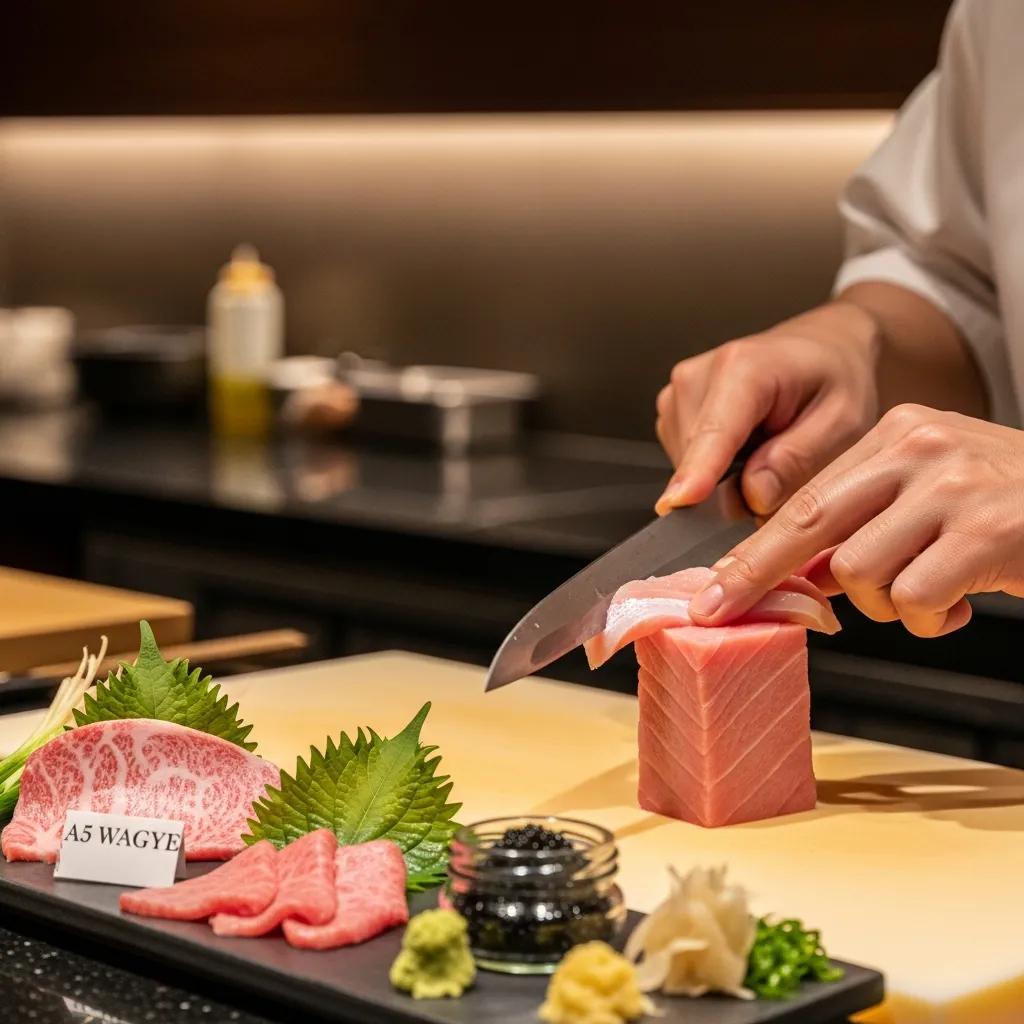
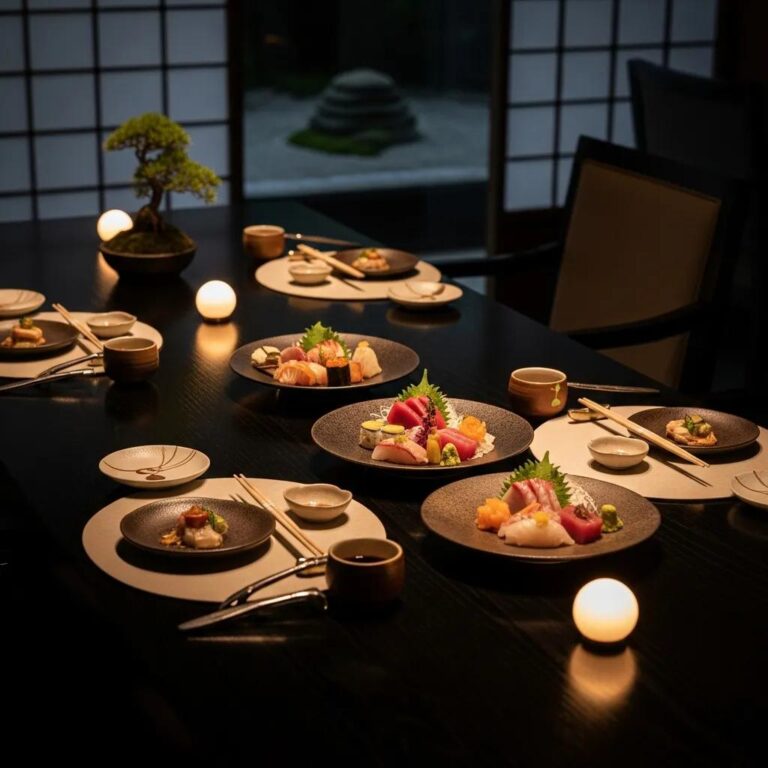
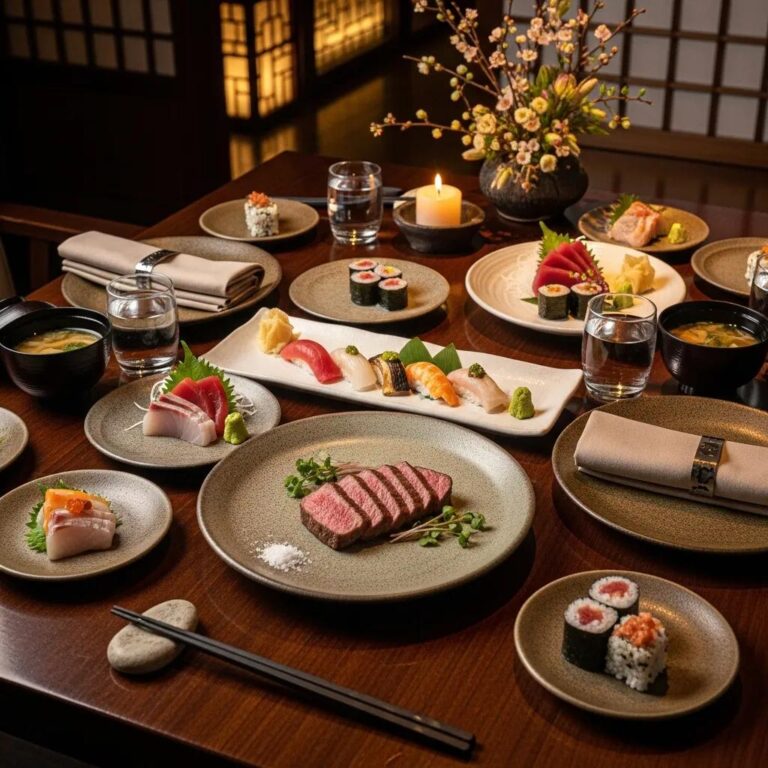
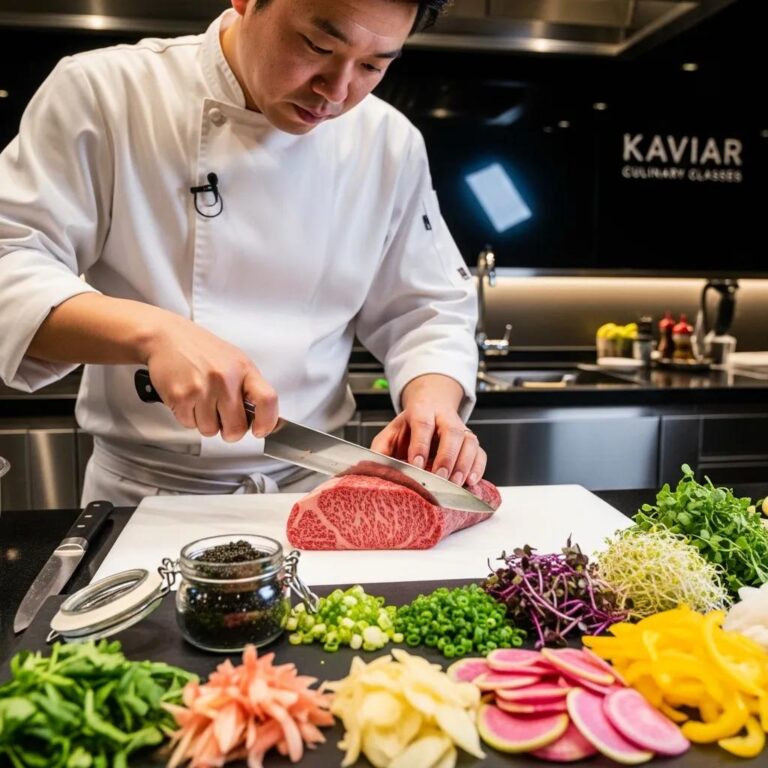
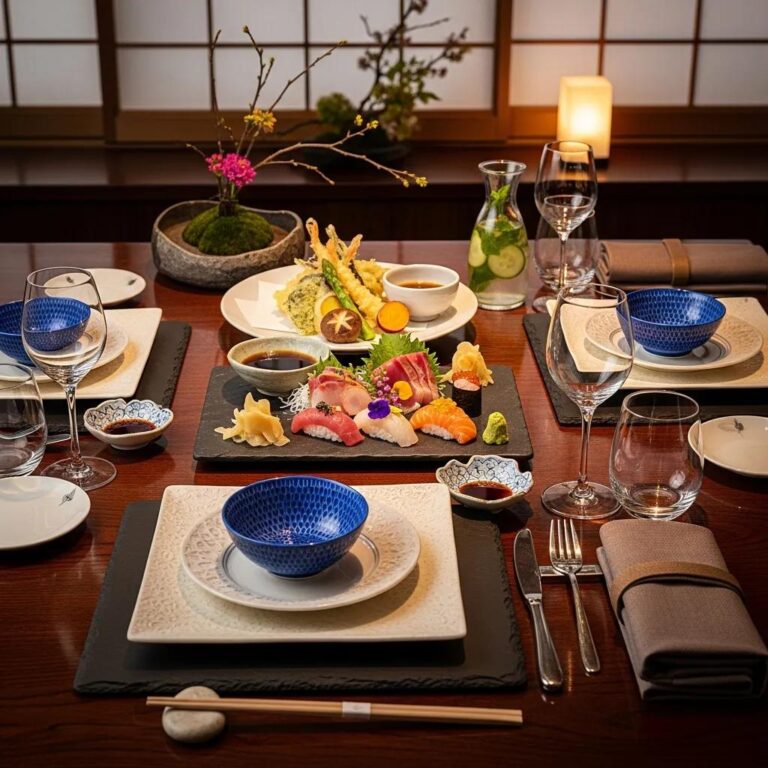
An omakase at Kaviar is a multi‑course chef’s selection where seasonal ingredients determine order, pacing, and technique to form a cohesive flavor arc from light to lush. The method is intentional sequencing: begin with clean, subtle flavors to prime the palate, introduce texture and fat through mid‑course items, and arrive at a crescendo with rich proteins or specialty finishes before a restrained dessert. Diners benefit from a curated narrative that showcases seasonality and chef expertise rather than a series of disconnected plates. Chef John Hans Yeo applies this philosophy to craft menus that respond to market availability while keeping a signature pacing.
Below is a concise sequence summarizing a typical omakase flow so readers can quickly see what to expect and plan reservations accordingly.
- Prelude / Amuse: A small seasonal bite that sets the tone and highlights a single ingredient.
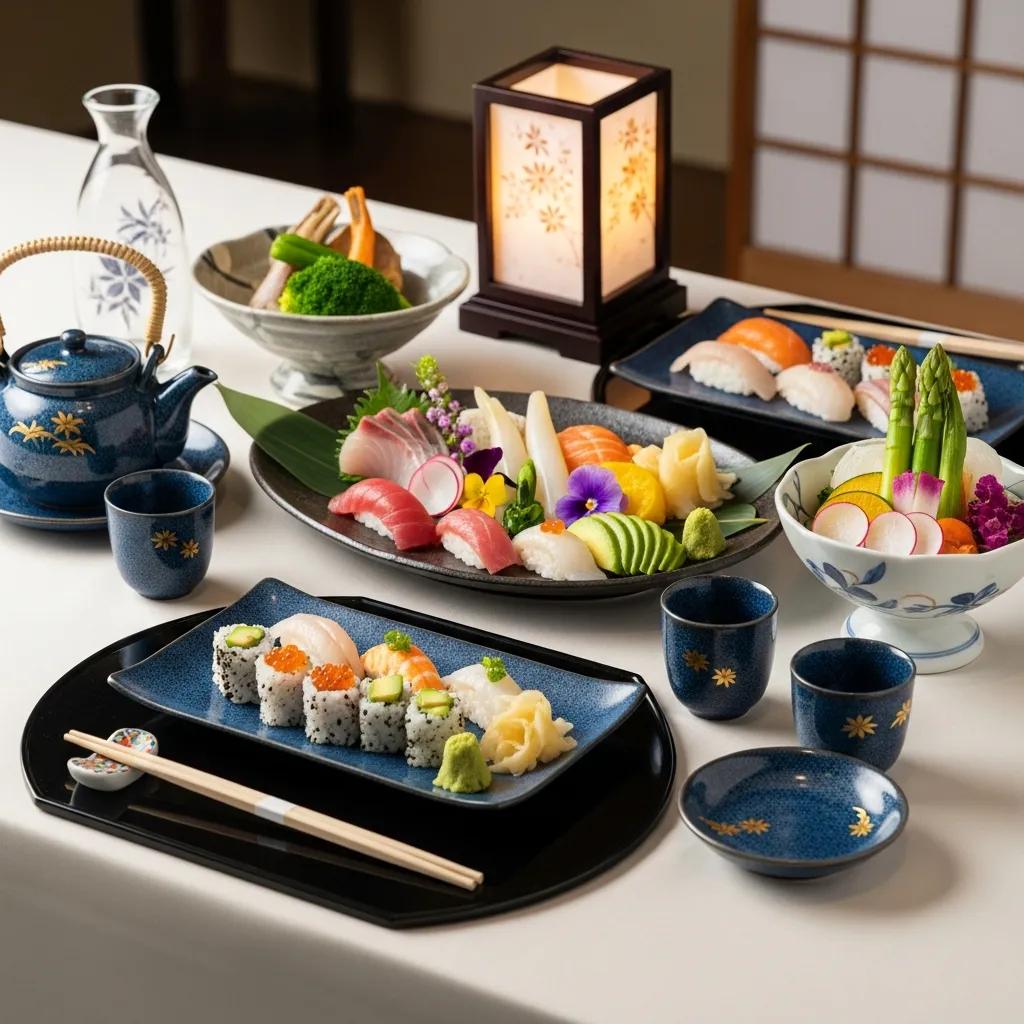
- Sashimi & Nigiri Sequence: Fresh‑catch sashimi followed by nigiri arranged from delicate to bold.
- Cooked Course: A grilled or braised seasonal item to introduce warmth and texture.
- Premium Accent: A5 Wagyu or caviar as a highlight before the denouement.
- Finishing Course & Dessert: A light palate cleanser followed by a subtle dessert.
This sequence shows how seasonal elements are arranged to build contrast and climax, preparing readers for a sample itinerary that follows.
We also provide practical booking information for omakase, including sample price cues to aid planning. The chef’s seasonal omakase has been referenced around $125 per person in recent promotions, and premium additions like Miyazaki A5 Wagyu may be priced separately based on portion. Guests interested in a particular seasonal omakase should reserve early to secure limited seating.
What Can Diners Expect from Kaviar’s Chef’s Seasonal Omakase Menu?
Expect an orchestrated tasting that typically opens with a light amuse and sashimi, moves through nigiri and a warm prepared course, and culminates with one or two premium accents before a modest dessert. The progression — from clean and delicate to rich and textured — creates a clear palate narrative. Sensory benefits include balanced contrasts of temperature, texture, and umami, with the chef highlighting peak‑season ingredients for maximum effect. Portions are paced to allow conversation, and special requests (dietary needs or celebrations) can be noted at booking to inform course composition. This sample itinerary helps guests set expectations and plan their visit.
Knowing where premium items fit in the flow clarifies how A5 Wagyu or caviar can serve as climactic moments, which we describe next.
How Are Premium Ingredients Like A5 Wagyu and Caviar Integrated into the Omakase?
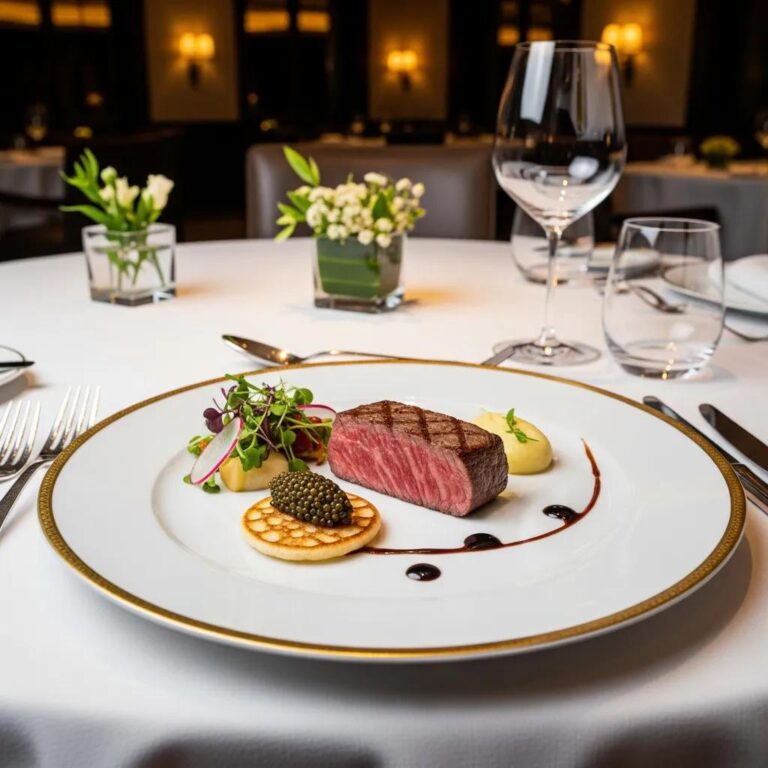
Premium items such as Miyazaki A5 Wagyu and Kaluga caviar are used sparingly and strategically to elevate the tasting story, typically placed mid‑ to late‑service to add richness after lighter sashimi. A5 Wagyu is commonly presented as nigiri or thin, quick‑seared slices to showcase marbling and buttery texture, while caviar may appear as a garnish on tartare, atop chilled seafood, or as a small caviar service with blini and crème fraîche. The intent is to introduce high‑fat or intensely flavored items where they heighten preceding courses without overpowering the palate. When included, these ingredients are portioned and plated to maximize tactile contrast and pairing potential.
For planning purposes: the omakase baseline has been referenced at about $125 per person, and Miyazaki A5 Wagyu is sometimes noted at roughly $33 per ounce in industry references — guests should anticipate possible supplementary charges for these rare ingredients when they appear.
What Signature Seasonal Dishes and Premium Offerings Make Kaviar Unique?
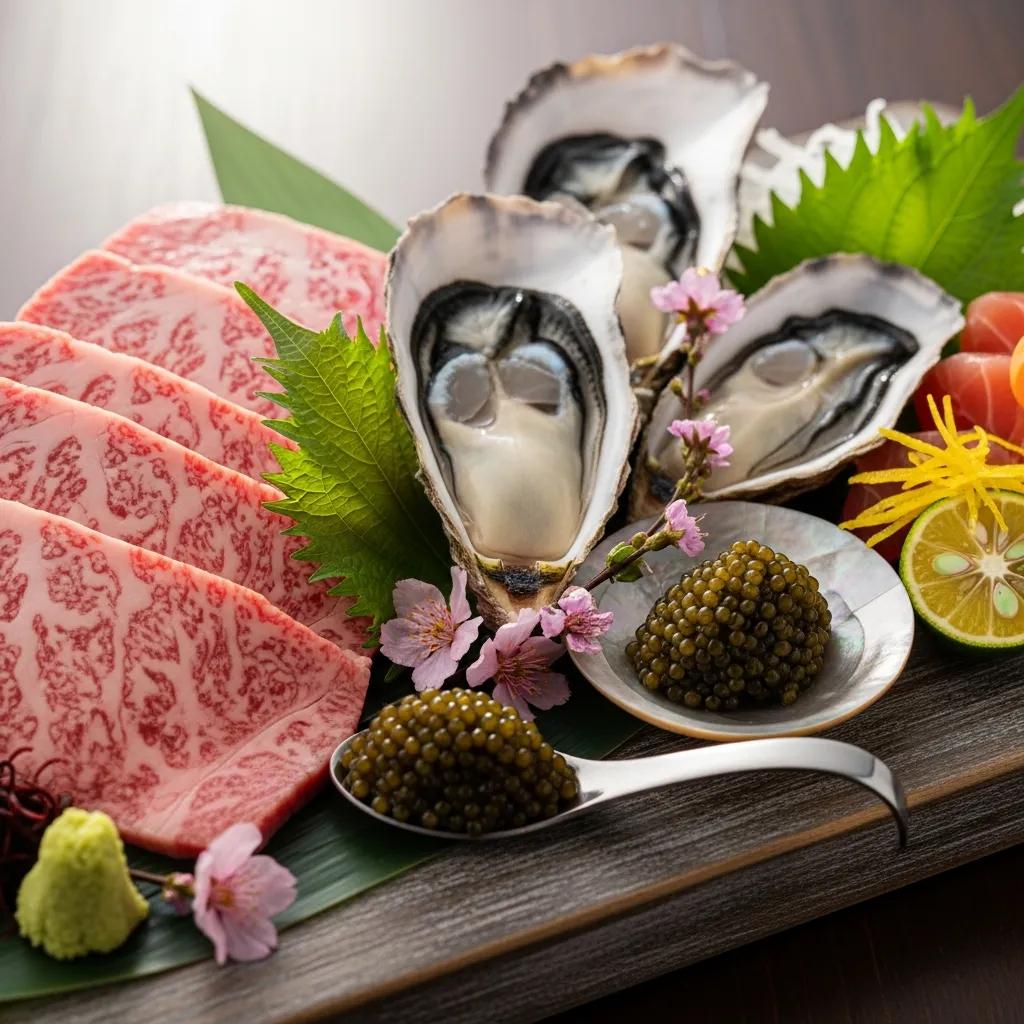
Kaviar’s signature offerings combine seasonal seafood techniques with select luxury items to create recurring highlights that rotate with the seasons. What makes these dishes distinctive is provenance‑driven execution: sourcing top‑quality fish, shellfish, and specialty proteins, then presenting them in concise formats like nigiri, tartare, or refined small plates. The result is a menu with recognizable anchors — tuna and toro tartares, seasonal oysters, and a curated caviar service — that still evolves each cycle. These dishes serve as both familiar favorites for returning guests and clear entry points for newcomers to seasonal Japanese cuisine in Pasadena.
Comparison overview: the table below contrasts premium offerings by origin and grade and explains how Kaviar typically prepares and serves each.
This table helps diners compare signature premium elements and understand how each elevates a seasonal tasting at Kaviar.
Signature dishes stand out because they combine selective sourcing, restrained seasoning, and service rituals that emphasize texture and finish. Guests interested in a private tasting focused on these premium offerings can use our reservation and inquiry paths to arrange a tailored experience. The sections that follow describe A5 Wagyu and our caviar service in more detail.
- Kaviar balances seasonal seafood staples with rotating premium features to keep the signature menu dynamic.
- Premium items are prepared to highlight intrinsic qualities rather than mask them.
- Guests may request focused tastings that center on these hallmark offerings.
These points lead into a focused look at A5 Wagyu’s role and how caviar is presented as an experiential offering.
Why Is Kaviar’s A5 Wagyu Considered the Ultimate Japanese Delicacy in Pasadena?
A5 Wagyu is prized for its intense marbling and silky mouthfeel; at Kaviar, Miyazaki A5 Wagyu is used as an accent that lifts the tasting narrative without dominating it. The A5 grade denotes the highest marbling and quality, and Miyazaki’s rearing standards contribute a distinctive, melt‑in‑the‑mouth texture. We showcase Wagyu in small, highly concentrated formats — nigiri or thinly seared slices — so diners can appreciate fat distribution, aroma, and subtle finishes of soy or citrus. By using A5 sparingly within an omakase, we preserve its impact and keep the meal balanced.
Because Miyazaki A5 is rare, its inclusion typically carries an incremental cost; industry references note examples such as around $33 per ounce. This helps guests plan whether to include Wagyu as a featured moment in their tasting.
How Does Kaviar’s Caviar Service Elevate the Seasonal Dining Experience?
Our caviar service adds a ceremonial moment that pairs delicate textural pop and saline richness with minimal accompaniments to maintain clarity and refinement. High‑quality Kaluga caviar is generally presented with small blini, crème fraîche, and delicate garnishes so the caviar’s buttery, nutty notes remain central. The service is designed for tasting, emphasizing spoon‑to‑palate rituals and mindful portions that suit celebrations or intimate courses within an omakase. Typical pairings favor neutral or slightly acidic elements to cut through richness without masking nuance.
The presence of caviar on a seasonal menu signals rarity and a thoughtful service ritual, making it ideal for special occasions or private tastings where texture and provenance matter. The next section outlines how to plan a visit and secure omakase seating to ensure access to these premium moments.
How Can Guests Plan Their Visit to Enjoy Seasonal Dining at Kaviar?
Planning a visit to experience seasonal dining at Kaviar centers on selecting the right booking channel, understanding lead times for omakase, and deciding if you want private or celebratory accommodations. The keys to success are early reservation, clear communication of dietary needs, and awareness that limited‑run menu items may require advance notice. The benefit is smoother seating, the option to request premium inclusions, and confidence that the seasonal menu will meet expectations. The practical details below help turn interest into a confirmed reservation.
Booking options overview: the table clarifies how to approach reservations based on occasion and party size so guests can choose the correct path.
This table gives practical clarity on where to begin when planning a seasonal dining experience at Kaviar.
Follow these best practices when making reservations to improve your chances of securing desired seasonal items and seating.
- Reserve early: Limited omakase seats and seasonal features often book weeks in advance.
- Specify dietary needs: Note allergies or preferences so the chef can adapt courses proactively.
- Indicate special occasions: Mention celebrations to allow for optional service touches or private arrangements.
These steps help guests secure omakase seating and any premium inclusions, and they segue into private dining options for special events.
What Are the Best Ways to Make Reservations for Seasonal Menus and Omakase?
The most reliable ways to reserve seasonal menus at Kaviar are via Resy or OpenTable and by phone when available; booking early ensures access to limited omakase seating and seasonal rollouts. We recommend reserving ahead for peak seasonal periods and noting party size, dietary restrictions, and celebration details so the chef can tailor the experience. Deposits or prepayment policies may apply for larger private events or exclusive omakase seatings — check reservation policies at booking to avoid surprises. Early reservations also increase the likelihood of premium inclusions like A5 Wagyu or a dedicated caviar service, which often require advance notice due to limited inventory.
Clear communication at booking supports a smoother dining experience and helps staff sequence the tasting to your preferences, which naturally leads into private dining and event options.
What Private Dining and Special Occasion Options Does Kaviar Offer?
Kaviar offers private dining and curated event options that allow groups to experience seasonal menus and premium features in an intimate setting, with customizable tasting menus and service styles tailored to the occasion. Private events require early inquiry so we can arrange menu composition, portioning of premium items like A5 Wagyu or caviar, and service logistics. Benefits include bespoke pacing, dedicated service, and the ability to prioritize seasonal specialties for the event. For corporate dinners, birthdays, or milestone celebrations, contact the restaurant with guest counts and menu preferences to explore tailored arrangements.
Private bookings often require coordination for sourcing rare ingredients and may include sample pricing during the inquiry process, so planning well in advance ensures the best alignment with seasonal availability and desired premium offerings.
- Book early to secure omakase seating and seasonal feature availability.
- Specify dietary needs and celebrations to enable menu customization.
- For private events, inquire in advance to allow sourcing and bespoke menu creation.
These pointers reinforce reservation best practices and lead into why Kaviar is a top choice for seasonal fine dining in Pasadena.
Why Is Kaviar the Top Choice for Luxury Japanese Dining and Seasonal Menus in Pasadena?
Kaviar stands out through chef‑led seasonal curation, selective sourcing of premium ingredients, and a dining environment that balances formality with intimacy to support tasting menus. The foundation of this positioning is consistent execution: deliberate supplier partnerships, restrained culinary technique that highlights ingredient quality, and service rituals that complement premium items like A5 Wagyu and caviar. Guests enjoy a coherent luxury experience where menu changes feel purposeful, and each visit can reveal new seasonal discoveries. These qualities make Kaviar a go‑to destination for diners seeking refined seasonal Japanese cuisine in Pasadena.
Guest feedback commonly highlights presentation, ingredient quality, and attentive pacing as core strengths that reinforce our seasonal and premium positioning. Rather than relying on broad claims, Kaviar’s steady use of high‑grade inputs and chef‑driven sequences supports its reputation among diners who value provenance and culinary craft. Next, we examine review themes and how ambiance and service shape the overall experience.
What Do Customers Say About Kaviar’s Seasonal Omakase and Premium Dishes?
Guests most often praise ingredient quality, thoughtful presentation, and the cohesive pacing of our omakase services, frequently noting the memorable effect of premium accents like Wagyu and caviar within the seasonal story. Reviews call out freshness, the balance between raw and cooked courses, and the ceremonial aspects of service that elevate special occasions. These recurring themes reinforce Kaviar’s standing as a destination for luxury seasonal tasting menus. Prospective guests are encouraged to consult review channels for recent feedback and to confirm current seasonal highlights before booking.
Positive review patterns lead naturally to questions about the dining room and service rituals, which influence how seasonal menus are perceived.
How Does Kaviar’s Ambiance and Service Enhance the Seasonal Dining Experience?
Our ambiance and service are intentionally designed to support focused tasting: a restrained dining room aesthetic, attentive but unobtrusive service, and ceremonial moments for premium items such as caviar or Wagyu. Service timing, dish presentation, and lighting align to highlight texture, aroma, and visual detail in each course. Guests benefit from staff who anticipate pacing needs and offer contextual explanation for seasonal items without interrupting the meal’s flow. The combined effect is an environment that elevates sensory appreciation and makes seasonal transitions feel deliberate and cohesive.
- Quality ingredients, precise service, and a focused ambiance create a unified seasonal tasting experience.
- Guest feedback consistently cites freshness and presentation as defining strengths.
- The dining room is arranged to spotlight seasonal progression and premium moments.
These points set the stage to consider broader industry trends and how Kaviar’s practices align with them.
What Are the Latest Trends in Seasonal Japanese Fine Dining and How Does Kaviar Lead?
Current trends in seasonal Japanese fine dining emphasize experiential omakase, traceable sourcing, and growing interest in premium ingredients like A5 Wagyu and high‑grade caviar. The force behind these trends is guest demand for provenance and memorable, shareable experiences rather than static menus. Kaviar maps to these trends through chef‑led seasonal menus, partnerships that prioritize traceability, and curated premium offerings deployed selectively to create standout moments. The benefit to diners is a contemporary tasting experience that honors Japanese technique while meeting modern expectations for provenance and sustainability.
Key trends shaping seasonal Japanese fine dining and how Kaviar responds:
- Experiential omakase: Guests seek narrative‑driven tasting menus over à la carte options.
- Premium ingredient interest: Demand for A5 Wagyu and caviar remains strong among luxury diners.
- Sustainable sourcing: Traceability and responsible procurement are central to today’s seasonal menus.
These trends explain market direction and lead into a look at local demand and our sourcing practices.
How Is the Demand for Seasonal Omakase and Premium Ingredients Growing in Pasadena?
Pasadena’s dining scene has shown rising interest in experience‑driven tasting menus and premium ingredient showcases, with diners favoring curated, chef‑led sequences over generic dinner options. The local demand stems from a consumer base that values provenance and is willing to book limited‑seat omakase events for special occasions or exploration. Kaviar benefits from this environment by offering seasonal menus and occasional premium accents that satisfy the local appetite for discovery and luxury. Guests can expect continued emphasis on seasonal changeovers and premium features as demand persists.
This local context leads to how Kaviar secures responsible sourcing to meet both quality and sustainability expectations.
How Does Kaviar Source Its Seasonal Ingredients Responsibly and Sustainably?
Kaviar sources through selective supplier relationships that emphasize traceability, seasonal availability, and responsible harvest practices for seafood and specialty proteins. The process prioritizes vendors who can verify provenance and coordinates deliveries with peak‑season timing to minimize storage and preserve freshness. For premium items like caviar and Wagyu, we balance quality with stewardship by limiting portions and using these ingredients strategically to avoid waste. This sourcing model reassures diners that our seasonal menus are flavorful and informed by supplier accountability.
- Supplier partnerships and traceability underpin responsible seasonal sourcing.
- Strategic portioning of premium items reduces waste while preserving impact.
- Kaviar aligns seasonal availability with menu design for fresher, more ethical offerings.
These final points complete our mapping from seasonal philosophy to practical dining and booking guidance at Kaviar, leaving readers ready to plan an informed and memorable tasting experience.
Frequently Asked Questions
What is the ideal time to visit Kaviar for seasonal dining?
The best time to visit Kaviar is when we launch a new seasonal menu, typically once per quarter. Each season introduces ingredients at their peak, so reservations are highly recommended during rollouts when demand is highest. Visiting during the peak of specific ingredient seasons — for example, winter for oysters or spring for fresh vegetables — can also enhance the experience.
Are there vegetarian or vegan options available at Kaviar?
Yes. While Kaviar specializes in seafood‑forward omakase and premium proteins, we offer thoughtfully prepared vegetarian options that highlight seasonal produce and plant‑forward techniques. Please share dietary restrictions or preferences when booking so the chef can tailor the tasting to vegetarian or vegan needs.
How does Kaviar ensure the sustainability of its seafood sourcing?
Kaviar prioritizes sustainability by working with suppliers who follow responsible harvesting practices and provide traceability. Focusing on seasonal availability reduces storage time and preserves freshness. By sourcing from vendors committed to ethical practices, we support sustainable fisheries and ensure the quality of our dishes — so guests can enjoy meals that are both delicious and responsibly sourced.
Can guests customize their omakase experience at Kaviar?
Absolutely. Guests can customize their omakase by informing staff of dietary restrictions, preferences, or special occasions at the time of reservation. The chef will adapt courses where possible or craft a unique tasting to mark celebrations. This personalized approach helps make the experience memorable and perfectly suited to your party.
What is the typical duration of an omakase meal at Kaviar?
An omakase at Kaviar typically lasts between 2 and 2.5 hours, depending on course count and service pace. This window allows guests to savor each dish, enjoy conversation, and appreciate the tasting’s progression. Reservations are recommended to secure a spot in this immersive dining format.
Is there a dress code for dining at Kaviar?
We suggest smart casual attire — elegant yet comfortable. Formal wear isn’t required, but please avoid overly casual items like shorts or flip‑flops. Dressing thoughtfully complements the dining atmosphere and enhances the overall experience.
What should guests know about the pricing of seasonal menus at Kaviar?
Pricing varies with the menu and the inclusion of premium items such as A5 Wagyu or caviar. The chef’s seasonal omakase is typically referenced around $125 per person, with additional charges possible for specialty ingredients. Prices may fluctuate with market availability and seasonal changes; check the menu or ask when making your reservation for the most current information.
Conclusion
Seasonal dining at Kaviar invites you to taste peak‑harvest ingredients through thoughtfully crafted omakase menus. Guests enjoy a carefully paced journey that highlights freshness, provenance, and sustainable sourcing. To experience this curated approach, reserve your seat and discover the seasonal offerings and premium selections awaiting you at Kaviar.