




Explore Kaviar’s Rare Wine Cellar in Pasadena — Vintage Bottles & Thoughtful Pairings
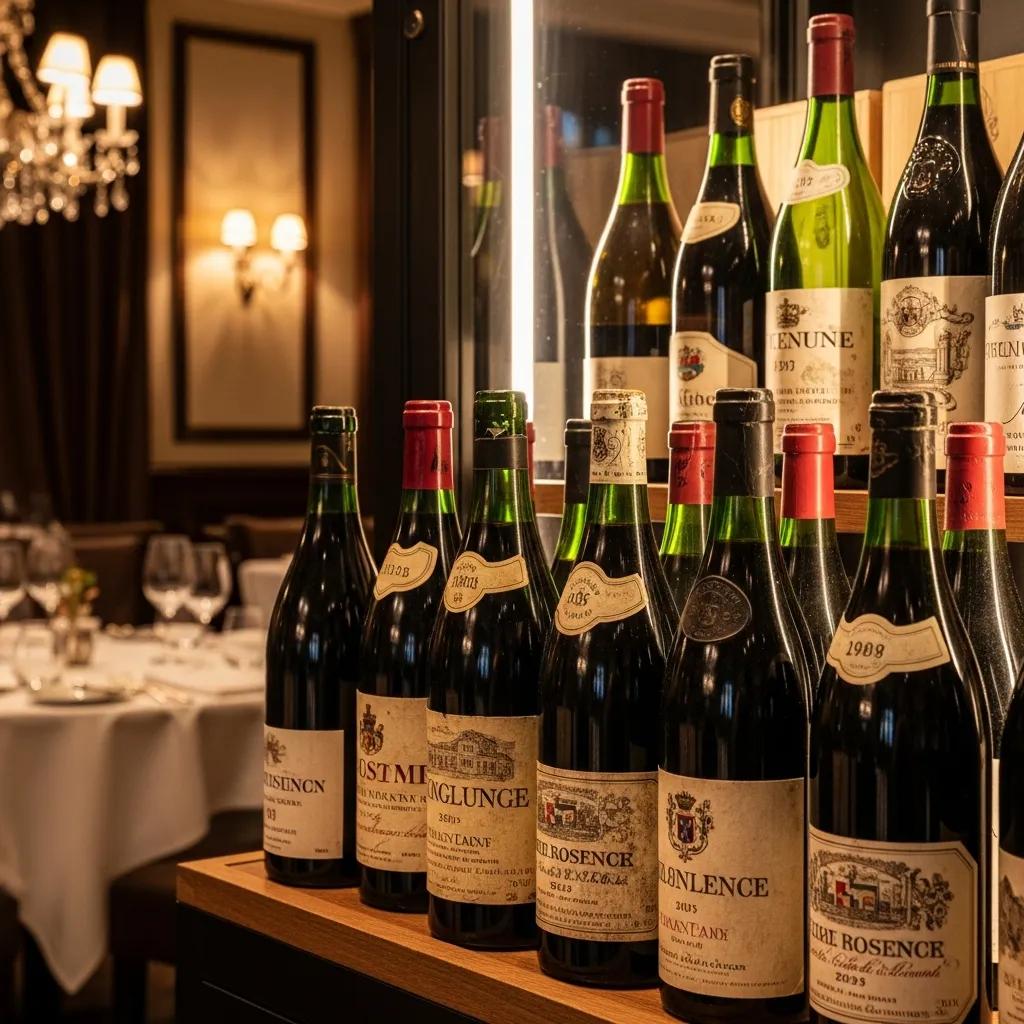
At Kaviar, our rare wine cellar collects thoughtfully selected vintages and premium cellar allocations to enhance a refined Japanese fine‑dining experience in Pasadena. This guide explains what distinguishes a dedicated rare wine program, how our sommelier verifies provenance and drinkability, which Old World and New World categories we favor, and practical pairing principles for omakase, A5 Wagyu, and caviar. Whether you’re planning a tasting or considering a purchase, you’ll find clear selection criteria, scannable tables that highlight representative bottle categories, and step‑by‑step reservation guidance for sommelier‑led experiences. Throughout, we focus on vintage expression, cellar stewardship, and pairing logic — beginning with what makes our collection distinct and how our sommelier curates it.
What makes Kaviar’s rare wine collection distinct in Pasadena?
Our collection is built around sommelier‑led selection that prioritizes provenance, cellar standards, and intentional pairings to complement high‑end Japanese cuisine. We balance Old World structure with New World approachability so wines support textures and umami across a multi‑course progression. The result is a beverage program that elevates tasting sequences and gives guests and collectors confidence in bottle condition and service. Below are the core attributes that define the program and why each matters when you seek a wine‑forward dining experience.
Operationally, Kaviar combines focused sommelier curation, climate‑controlled storage, and selective rotation of limited bottles to preserve both drinkability and long‑term value. These practices let the sommelier match vintages to delicate seasonal seafood, richer Wagyu cuts, and caviar service so every pour supports the dish. The following section explains our sommelier’s selection workflow and highlights the regions and varieties represented in the cellar.
Kaviar’s rare wine program stands out in Pasadena for four primary reasons:
- Sommelier‑driven curation and provenance verification: Each bottle is vetted for origin, storage history, and authenticity.
- A balanced Old World and New World rotation: Bordeaux, Burgundy, Champagne and California cult wines provide flexible pairing options.
- Cellar‑grade storage and condition controls: Temperature, humidity and rotation procedures preserve drinkability and value.
- Reservation‑first access to limited bottles: Exclusive pours and private tastings are available by advance request.
These pillars set the stage for deeper conversations about selection criteria and regional emphasis, which the next sections explore.
How does our sommelier select the finest vintage and rare wines?
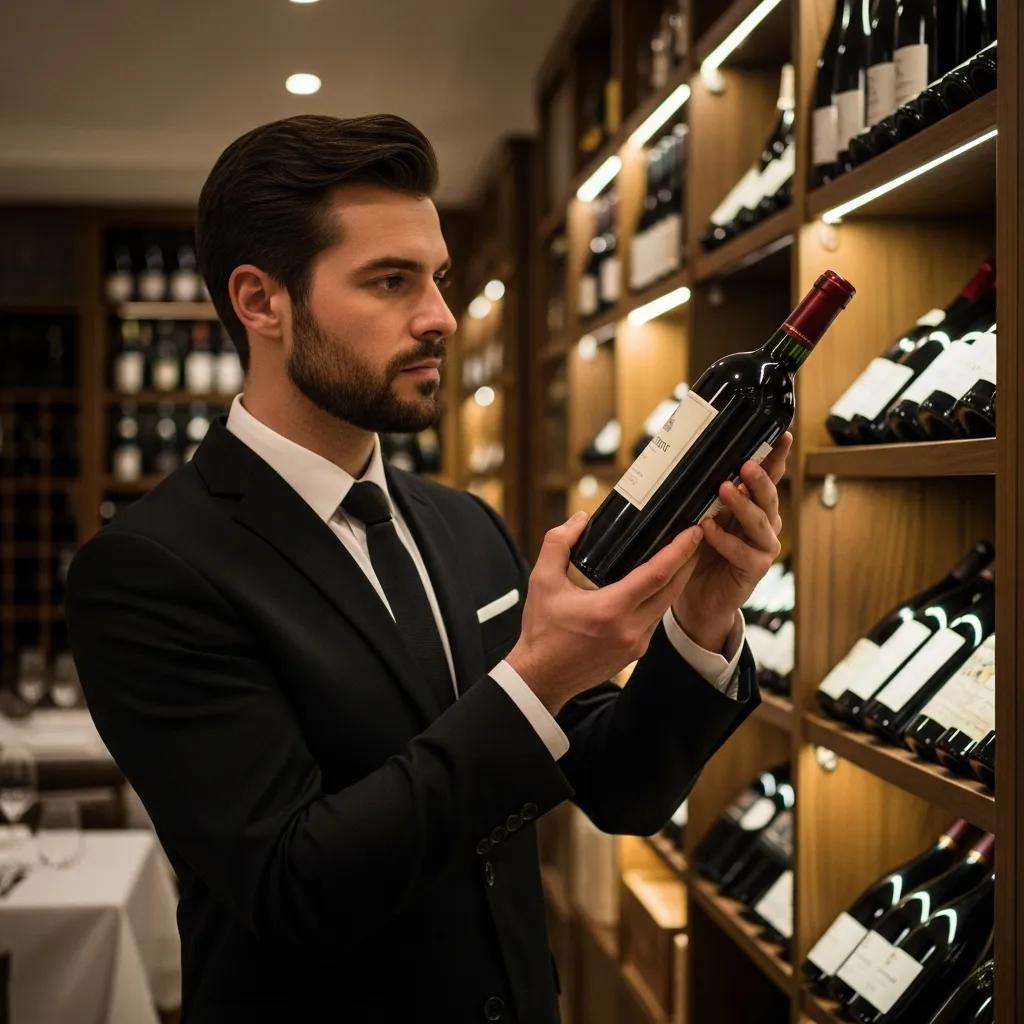
Our sommelier follows a systematic evaluation focused on documented provenance, producer reputation, and storage history to ensure each bottle is service‑ready and pairs well with our menu. First, provenance is confirmed by tracing ownership and storage records — a key step for both collectors and guests. Next, the producer and vintage profile are assessed to align the bottle’s aging window with intended service. Finally, condition checks on site — including cork integrity and ullage — determine whether a bottle is approved for pouring. This process balances immediate drinkability with cellaring potential so guests enjoy wines at their intended expression during a tasting sequence.
Pairing intent is central to selection. We choose wines that either contrast or complement umami‑driven Japanese flavors. Selection meetings cover tasting notes, rotation plans, and allocation decisions for private tastings. Knowing this process clarifies why certain vintages are reserved for Wagyu or caviar and why booking ahead improves access to limited bottles.
Which premium regions and varieties feature in the collection?
Our cellar emphasizes regions and varieties whose structure and flavor profiles align with refined Japanese cuisine and progressive tasting menus. Old World strengths include Bordeaux for tannic backbone, Burgundy for nuanced Pinot Noir, and Champagne for palate‑cleansing acidity. New World highlights include California Pinot Noir and Cabernet‑driven blends that bring ripe fruit and supple oak — ideal for richer items like A5 Wagyu. Across both hemispheres, white Burgundies and high‑acid Chardonnays are selected for delicate seafood and sashimi thanks to their minerality and texture.
Selections are deliberate: high‑acid sparklers and Chablis‑style whites for cleansing and balance, structured reds for fattier cuts, and aromatic Pinot Noirs for subtler red fish. The next section presents representative categories and scannable examples of highlighted bottles and availability.
Which vintage and rare wines appear on Kaviar’s luxury wine list?
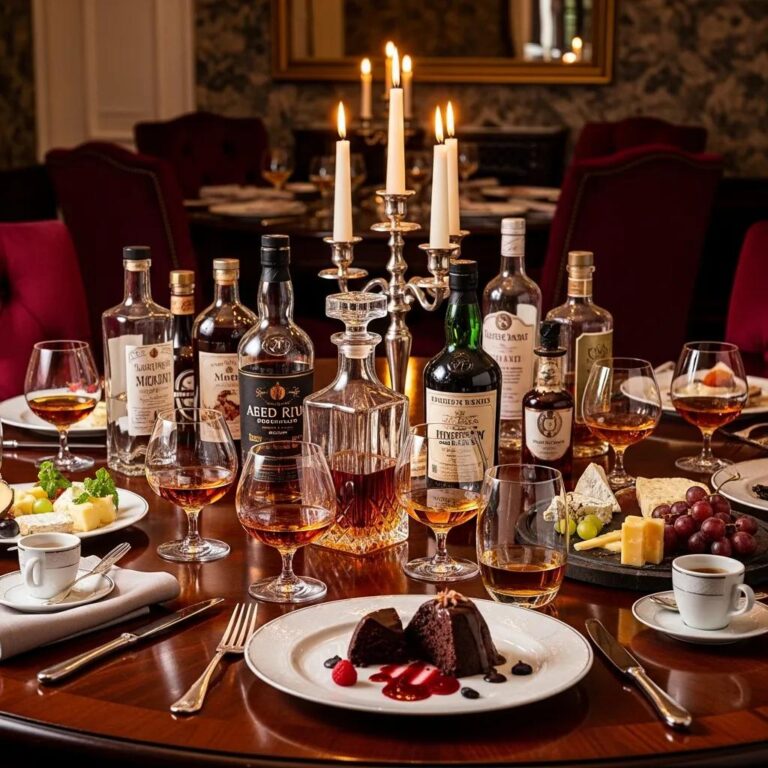
Our luxury wine list showcases categories such as vintage Bordeaux, prestige Champagne, and select California cult wines chosen for pairing versatility and verifiable provenance. We present concise descriptors — decade ranges, region‑level notes, and availability conditions — so guests and collectors can quickly decide which bottles to request. The table below highlights three representative entries across Old World and New World categories and explains typical availability.
This scannable table helps guests find bottle categories and understand how we deploy them in service. Next, we explore Old World highlights and their sensory role, followed by New World complements.
What are the highlights among our vintage Bordeaux and Old World treasures?
Old World selections are valued for their structural complexity, aging potential and savory secondary aromas that interact beautifully with umami‑rich cuisine. Bordeaux’s tannic framework and layered aromatics suit richer, fatty courses where tannins refresh the palate. Champagne doubles as aperitif and pairing — its acidity and mousse cut through briny caviar and richer textures. Burgundy’s Pinot Noir brings delicate red fruit and subtle earth that complements delicate fish without overwhelming nuance.
We choose Old World bottles to offer both immediate enjoyment and the option to cellar, allowing collectors and diners to experience wines at their best. The sommelier’s tasting notes guide service so each Old World pour supports the intended progression. The next section examines New World selections that provide approachable drinking windows and textural contrast.
Bordeaux Wine and Luxury: Business History, Premiumization, and Competitiveness
The differentiation of wine consumption by taste, culture and social practice has long shaped the Bordeaux cluster, adapting production and pricing across a wide quality spectrum. Grands crus and prestigious château names evolved through recent history, and this differentiation intensified after the turn of the 21st century as markets globalized and new commercial actors influenced distribution. In short, the pairing of wine and history has become a strategic asset for growth, renewal and competitiveness within Bordeaux.
Which New World gems and California cult wines complement our menu?
New World selections — notably California cult wines — are chosen for concentrated fruit, plush texture and immediate appeal that pair well with richly seasoned dishes. California Pinot Noir offers bright fruit and silky tannins for medium‑rich fish and tuna; Napa Cabernet‑style blends deliver the power and glycerol body that harmonize with A5 Wagyu’s marbling. These wines often present earlier drinking windows than many older Old World bottles, making them well suited for a single‑evening tasting with immediate intensity.
By combining Old and New World approaches, our list gives guests options for contrast and complement, ensuring each course can be matched to a bottle whose structure enhances texture and flavor. Next we move to practical pairing rules you can use when booking a sommelier‑guided pairing.
How can Kaviar’s wine pairings enhance your fine dining experience?
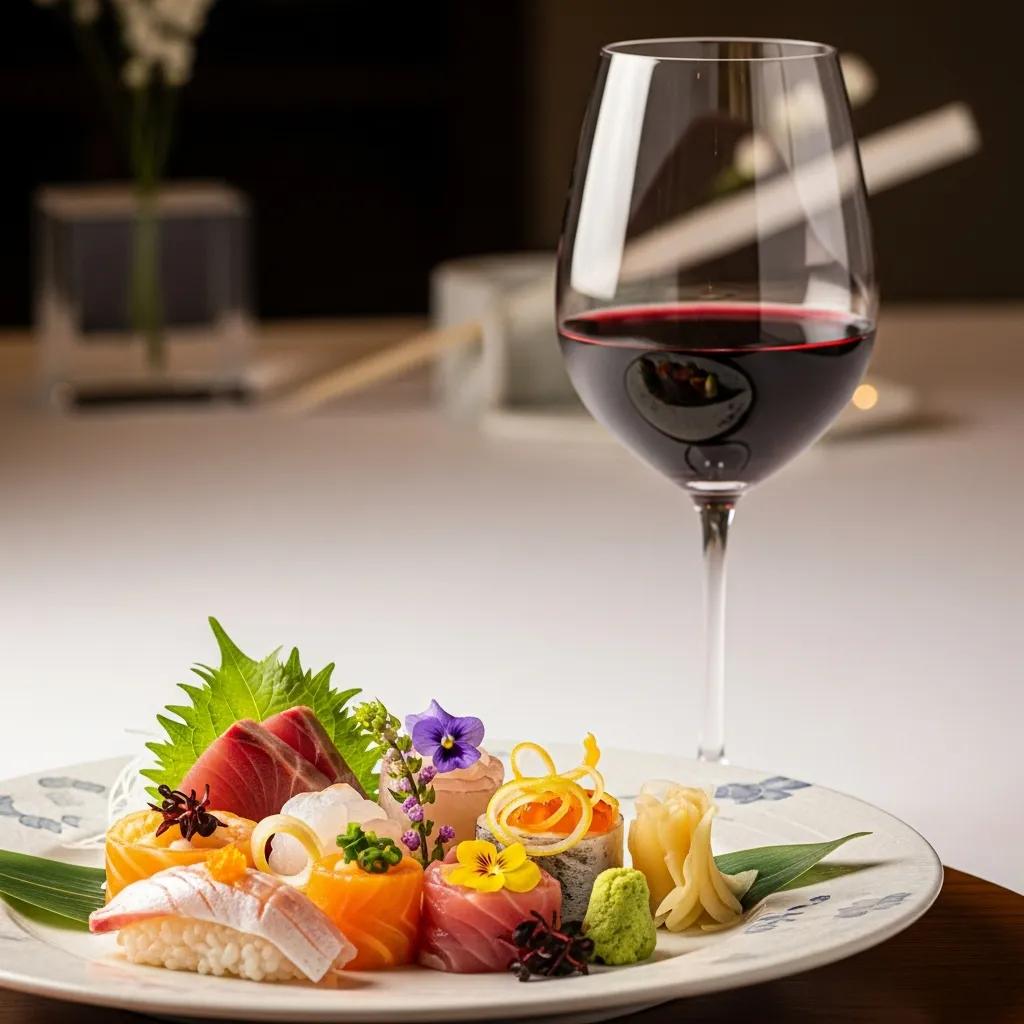
Thoughtful pairing heightens texture, balances umami and accentuates seasonal seafood and rich meat courses. The approach is simple: select wines whose acidity, tannin and aromatics either refresh the palate or harmonize with key flavor compounds in the dish. The result is clearer sensory progression through an omakase, where each pour prepares you for the next course. Below are actionable pairing principles and quick recommendations tailored to omakase, A5 Wagyu and caviar service.
Our guiding pairing principles emphasize acidity for seafood, measured tannins for fatty beef, and bubbles or minerality for saline elements like caviar. These rules help guests request sommelier‑led flights that match their desired intensity and sequence. The following points offer practical rules you can use when booking:
- Prioritize acidity for seafood: High‑acid whites and sparkling wines refresh the palate between delicate bites.
- Match weight to weight: Light‑bodied reds for delicate fish; medium‑to‑full reds for richer cuts.
- Use bubbles with saline elements: Sparkling wines and prestige cuvées add lift and texture next to caviar.
- Balance umami with freshness: Minerality and citrus notes temper savory, soy‑forward flavors.
Applying these rules creates a cohesive omakase arc and helps you book a pairing that fits your preferences. The next subsection lists specific omakase pairing suggestions.
What are the best wine pairings for omakase at Kaviar?
Omakase benefits from versatile, palate‑cleansing wines that support a wide range of textures and flavors. Mature prestige sparklers and grower Champagnes provide acidity and mousse to reset between courses, while mineral‑driven whites like Chablis or White Burgundy complement raw and lightly seasoned fish. Light‑bodied Pinot Noir can support richer tuna courses without overwhelming delicate textures, and aromatic blanc de noirs or high‑acid rosés work well on dishes that blend fat and salt.
We recommend requesting a sommelier‑led flight with one sparkling, one high‑acid white and one light red to span an omakase progression. That structure provides contrast, smooth transitions between seafood and richer bites, and a range of complementary aromatics. Next, we address pairings for A5 Wagyu and caviar.
Which wines pair best with A5 Wagyu and caviar?
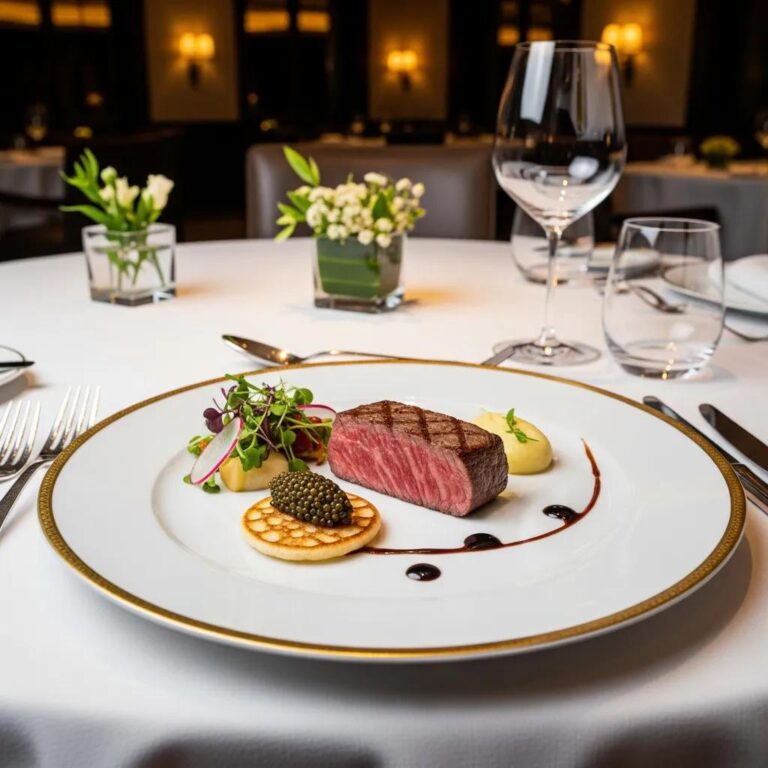
Pairing A5 Wagyu and caviar requires attention to tannin integration, acid‑driven cleansing and textural balance so neither element dominates. For A5 Wagyu, medium‑to‑full‑bodied reds with refined tannins and balanced acidity — think elegant California Cabernet blends or mature Bordeaux‑style bottles — cut through fat while preserving meat nuance. For caviar, prestige Champagne or very high‑acid whites offer bright lift and fine mousse that accentuate brine and provide a cleansing counterpoint to silky roe. Portioning and pacing matter: small sips and mindful pauses between bites maximize contrast and let each component shine.
Our sommelier optimizes pour sizes and timing to create balance; we encourage guests to request specific pairings when booking so the cellar can allocate appropriate bottles. The following section explains how private cellar experiences bring these ideas to life.
How does Kaviar deliver an exclusive wine cellar experience in Pasadena?
An exclusive cellar experience pairs curated flights, guided tasting insight and controlled access to limited bottles to create an intimate hospitality moment for collectors and diners. The format is sommelier‑led: we explain provenance, sensory notes and pairing intent while sequencing pours and controlling sizes to maximize appreciation. Guests gain a structured learning experience that heightens both the meal and understanding of rare wines’ expression. Below we outline private tasting formats and connect the cellar approach to broader premiumization trends.
This section clarifies formats, capacities and how sommelier narration deepens appreciation for each bottle and pairing. The table that follows summarizes typical private formats and logistics to expect when inquiring about cellar access.
This quick comparison helps guests choose the format that matches their objectives — education, celebration or collector exploration. Next, we describe the event types and how our cellar strategy reflects market trends.
What private tasting events and cellar tours do you offer?
Our private offerings include sommelier‑led flights, curated multi‑course pairing dinners, and intimate cellar consultations for collectors or small groups. Each format pairs guided tasting notes, calibrated pour sizes and small pairing plates that demonstrate how wine structure interacts with Japanese flavors. We recommend requesting specific bottle categories or pairing themes in advance so the sommelier can allocate rare bottles and design an optimal sequence. These events emphasize education and sensory progression — ideal for milestone celebrations or deep‑dive tasting evenings.
When booking, tell us whether you prefer a thematic flight (for example, vintage Bordeaux) or a course‑driven pairing aligned with an omakase menu. Advance coordination ensures bottles are presented at peak condition and gives our sommelier time to prepare detailed notes that enrich your visit. The next subsection outlines how our cellar reflects premiumization trends.
How does our wine cellar reflect the premiumization trend in luxury wines?
Our cellar strategy responds to premiumization — the shift toward investing in fewer, higher‑quality bottles and immersive experiences. We source terroir‑driven, provenance‑verified bottles that offer sensory depth and collectible value. For guests and collectors, this means access to wines that pair thoughtfully with refined cuisine and hold market relevance. This approach aligns acquisition and rotation with modern demand for rarity, storytelling and verified provenance.
We prioritize verified provenance, terroir expression and sustainable practices favored by contemporary collectors, reinforcing ethical sourcing and long‑term desirability. Understanding these trends helps guests appreciate why certain categories receive priority and why advance booking for private tastings increases access to limited allocations.
Where can you reserve a spot to explore Kaviar’s rare wine collection?
To secure a sommelier‑led tasting or a reservation that includes rare bottle access, allow lead time and communicate your preferences up front. Reservations operate on a reservation‑first model: tell us your pairing interests, bottle categories or desired private format so our sommelier can prepare and allocate inventory. This ensures predictable access to limited bottles and a tasting flow that aligns with menu timing. Below are practical booking tips for diners focused on wine.
When reserving, describe your request — pairing flight, private cellar dinner, or specific bottle categories — and allow reasonable lead time for allocation. The next subsection gives step‑by‑step guidance for booking via phone, Resy or OpenTable and suggests phrasing to ensure the sommelier has the details needed to prepare.
How do I book a luxury wine experience via phone, Resy, or OpenTable?
Book by selecting your preferred channel — phone, Resy or OpenTable — and state early that you’d like a sommelier pairing or private tasting so staff can confirm cellar availability. Provide the date, party size and any bottle categories you hope to include (for example, vintage Bordeaux or prestige Champagne). Allow lead time for rare bottle requests and ask whether a deposit or special arrangements are required for private pours. Clear, specific booking language improves coordination and the likelihood of securing limited bottles.
After booking, expect follow‑up from our team to confirm pairings and any dietary considerations that could affect wine choices.
What should you expect from an exclusive wine tasting visit?
On an exclusive tasting visit, expect a structured tasting sequence, calibrated pour sizes and guided commentary from our sommelier that covers provenance, vintage character and pairing rationale. Tastings typically progress from lighter, higher‑acid wines to fuller, more tannic selections, with palate‑cleansing interludes such as caviar or sparkling pours. Portion sizes are planned so you can enjoy multiple pours without compromising your meal; pacing and interactive notes are designed to educate and delight. Good etiquette: ask focused questions about vintage condition and share any collector interests when booking.
Knowing these expectations helps you prepare for a balanced sensory arc and ensures our sommelier can tailor the sequence to your group’s preferences and collecting goals. The next section summarizes market context behind our cellar choices.
What market trends and insights shape Kaviar’s rare wine selection?
Our selection strategy responds to market signals such as the 2024–2025 rebound in select rare wine prices, the premiumization of consumption toward experiences, and growing emphasis on provenance and sustainability. Collectors and high‑intent diners increasingly prioritize bottles with verifiable history and terroir narratives, prompting restaurants to invest in selective allocations and tasting programs. For guests, this means clearer access to wines that carry both sensory and collectible value, enhanced by sommelier‑led storytelling. Below we summarize the primary market drivers influencing our approach.
Key drivers include price appreciation in top categories, demand for immersive tastings, and buyer preference for provenance and sustainability. These factors shape acquisition priorities and justify reservation‑first access to limited bottles. The list below outlines the trends guiding our curation.
- Price appreciation and market rebound: Recent data shows uplift in rare wine valuations, supporting selective retention and rotation.
- Experience economy and premiumization: Guests increasingly choose curated, educational tastings over mass‑market pours.
- Provenance and sustainability emphasis: Verified storage history and terroir‑driven selections guide sourcing decisions.
How is the rare wine market rebounding in 2024–2025?
Reporting points to a measured rebound in rare wine values through 2024 and into 2025, with categories like Bordeaux, Champagne and White Burgundy seeing renewed collector interest and price appreciation. The dynamic at work is renewed global demand combined with constrained supply for older vintages, which elevates both market prices and restaurants’ incentive to maintain curated cellars. For restaurants holding verified, well‑stored bottles, this supports careful rotation into tastings and private dinners while giving collectors renewed opportunities for experiential consumption.
These market movements inform how Kaviar structures pricing and reservation policies to balance guest access with careful stewardship of limited inventory. Understanding these trends helps you frame rare bottle requests and collector ambitions when booking.
Why is premiumization driving demand for luxury wine collections?
Premiumization reflects a shift from transactional buying to investing in fewer, higher‑quality bottles and memorable tasting experiences. Guests increasingly value curated stories, provenance verification and expert narration over commoditized pours, which raises willingness to pay for rare bottles and sommelier expertise. For restaurants and guests, this creates higher‑margin, educational offerings that align with collectible interests and sustainability priorities. That’s why Kaviar emphasizes provenance, sommelier curation and reservation‑first access for limited bottles.
As premiumization continues, expect cellar programs to prioritize terroir, verified storage and pairing excellence so rare wine collections remain both relevant to diners and attractive to collectors.
Frequently Asked Questions
What types of wine experiences can I expect at Kaviar?
We offer sommelier‑led tasting flights, private cellar dinners and intimate consultations. Each experience is designed to illuminate provenance, tasting notes and pairing strategy. Whether you’re a collector or a curious diner, our curated formats deepen appreciation for rare bottles while complementing Kaviar’s Japanese cuisine.
How can I ensure access to limited bottles during my visit?
Reserve in advance and state your interest in specific categories or pairing experiences. That head‑start lets our sommelier confirm availability and allocate limited bottles. The clearer you are about vintages or styles you prefer, the better we can prepare exclusive pours for your visit.
What should I know about wine storage at Kaviar?
We maintain cellar‑grade conditions — controlled temperature and humidity plus systematic bottle rotation — to protect quality and longevity. These practices preserve drinkability and give guests confidence that bottles are presented at their best.
Are there pairing recommendations for seasonal dishes?
Yes. Our sommelier tailors pairings to seasonal menus: high‑acid whites for delicate seafood, medium‑to‑full‑bodied reds for richer meats like A5 Wagyu, and sparkling wines for saline elements such as caviar. Ask for pairing advice when reserving or during your meal for recommendations tuned to that day’s menu.
Why is provenance important to Kaviar’s selection?
Provenance — the documented history of a bottle’s origin and storage — is central to our selection. Verifying provenance ensures quality and authenticity, builds trust with collectors and guests, and supports responsible stewardship of rare bottles.
How does Kaviar’s wine program reflect current market trends?
Our program aligns with premiumization and a renewed focus on provenance and experience. Guests now favor curated, educational tastings and verified bottles, so we prioritize terroir, storage integrity and storytelling when building the cellar. The result is a wine program that meets contemporary collector and diner expectations.
Conclusion
Kaviar’s rare wine collection pairs sommelier‑led curation and careful cellar management to deliver provenance‑verified bottles that complement our Japanese fine‑dining menu. By blending Old World structure with New World accessibility, we offer a range of flavors suited to omakase, A5 Wagyu and caviar. To experience these wines at their best, reserve a sommelier‑led tasting or private cellar dinner and tell us your preferences in advance. Explore our offerings and discover how thoughtful pairings elevate every course at Kaviar.