






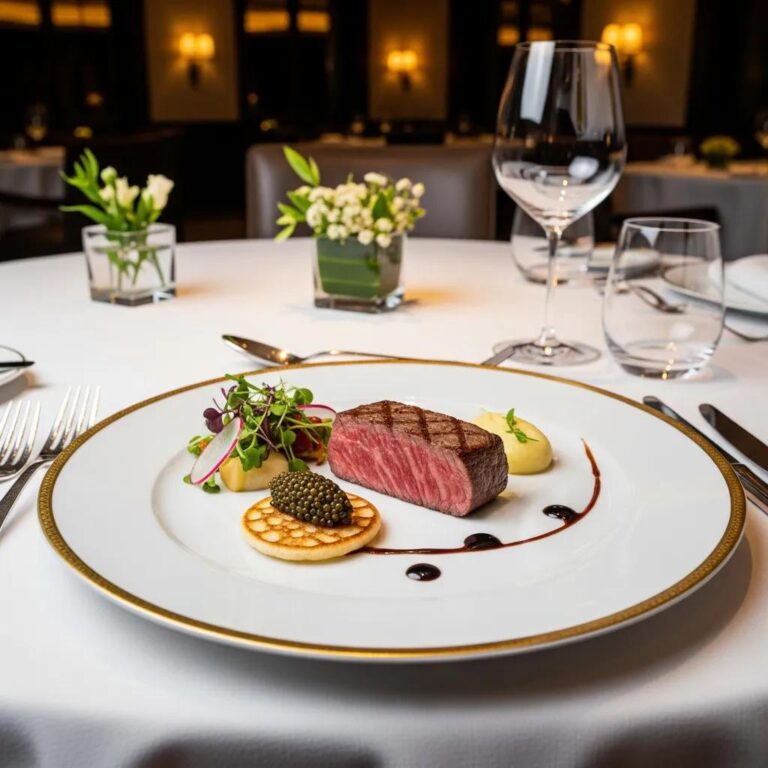

Foie Gras Controversies: Exploring Ethics, Production Methods, Legal Bans, and Culinary Use
Foie gras — the enlarged, fat‑rich liver of ducks or geese — sits at a crossroads of culinary heritage and modern animal‑welfare concerns. This piece explains what foie gras is, why its production remains contentious, how traditional and emerging methods differ, and what the legal and dining landscapes look like as of late 2025. You’ll find a clear definition, a summary of welfare evidence, a side‑by‑side look at production options, and practical context for how chefs and restaurants approach ethical sourcing. Along the way, we reference terms like gavage, humane foie gras, faux gras, and connected luxury items such as A5 Wagyu and caviar to aid clarity and search relevance.
What Is Foie Gras and Why Is It Controversial?
Foie gras refers to an intentionally enlarged liver of a duck or goose, valued for its rich, buttery texture in fine dining. The controversy focuses on gavage — the practice of force‑feeding birds with a tube or funnel — which critics say causes harm while supporters defend it on cultural and culinary grounds. To understand both sides, we briefly review the history and outline the main ethical arguments, since these debates shape production methods, regulation, and kitchen choices today. Below we define foie gras, trace its origins, and summarize the positions that inform policy and dining decisions.
What Defines Foie Gras and Its Historical Origins?
Foie gras describes a deliberately induced liver condition that produces a dense, lipid‑rich organ. The practice dates back millennia to ancient Egypt and was refined into a culinary specialty in France. In French haute cuisine, foie gras became synonymous with luxury—served as torchon, terrine, mousse, or seared medallions paired with sweet or acidic accents to cut the richness. Both geese and ducks have been used historically, with regional techniques and chef traditions shaping flavor and presentation. This long cultural lineage is central to arguments that view foie gras as an artisanal product with regional character.
Why Is Foie Gras the Subject of Ethical Debate?
The core ethical questions revolve around welfare outcomes of production, whether force‑feeding is necessary to achieve the prized liver, and how to weigh gastronomic value against animal suffering. Opponents point to hepatic lipidosis, stress behaviors, and injuries linked to gavage, while proponents highlight controlled husbandry, economic livelihoods, and culinary legacy. The debate is further complicated by differing scientific interpretations, variation between farms, and shifting consumer expectations that now emphasize transparency and humane sourcing. Those tensions frame the rest of this guide on methods, alternatives, and regulation.
Foie gras offers unique sensory qualities prized by chefs, but its production methods trigger persistent ethical concerns that drive regulatory and market change — and those shifts, in turn, shape the alternatives and innovations we examine next.
How Is Foie Gras Traditionally Produced and What Are the Alternatives?
Traditional foie gras production centers on gavage. Alternatives range from natural fattening and humane husbandry to scientific approaches like enzyme treatment and cell‑cultured tissue. This section describes how gavage works, reviews non‑force‑feeding models, and introduces lab‑based options that seek to replicate foie‑gras characteristics without the same welfare trade‑offs. Comparing these routes helps chefs, policymakers, and diners evaluate culinary quality, scalability, and ethical performance. The concise table below offers a quick overview of the main production categories and their welfare/process profiles.
The following table compares traditional gavage, natural fattening, and scientific alternatives so readers have a clear side‑by‑side view before we unpack each method in detail.
The trade‑offs are clear: traditional methods deliver predictable results, natural approaches improve welfare but constrain supply, and scientific options hold promise pending regulatory and market development. We now examine gavage and humane alternatives in greater detail to help chefs and consumers weigh those trade‑offs.
What Is the Gavage Process in Foie Gras Production?

Gavage involves introducing a tube or funnel into a bird’s esophagus to deliver a concentrated energy diet, typically several times per day over a short fattening window designed to induce hepatic fat accumulation. Mechanically, it increases calorie intake well beyond voluntary feeding levels and produces the dense, buttery texture chefs prize. Physiologically, the liver accumulates lipids; critics cite risks such as respiratory compromise, esophageal lesions, and stress behaviors in some operations. These mechanics explain why welfare groups and regulators focus on handling, frequency, and veterinary oversight.
That technical overview sets the scene for evaluating humane and natural production methods that aim to replicate foie gras’ qualities without force‑feeding. Those alternatives deserve close scrutiny for both benefits and limits.
What Humane and Natural Foie Gras Production Methods Exist?
Natural fattening and humane husbandry use extended feeding windows, selective breeding, and enriched environments to encourage voluntary overconsumption and, in some cases, produce a larger liver without tube feeding. Examples include farms that provide geese with prolonged access to carbohydrate‑rich forage or specialized diets to promote gradual lipidosis while minimizing invasive handling. These systems can reduce acute welfare risks but require more land and time and yield livers that vary in size and texture—factors that affect price and availability. For chefs, natural alternatives offer an ethical middle ground with sensory compromises that must be weighed against guests’ expectations for humane provenance.
Those practical constraints help explain interest in scientific innovations — like enzyme‑based treatments and cell‑cultured tissue — as possible scalable, cruelty‑free solutions.
How Are Scientific Innovations Changing Foie Gras Production?
Through 2025, research into cell‑cultured liver tissue and enzymatic techniques has accelerated. Lab‑grown constructs can be engineered to match lipid profiles and mouthfeel while avoiding live‑animal gavage, though commercialization faces regulatory, cost, and sensory‑acceptance hurdles. Enzyme‑based methods may modify harvested livers to approximate fattening, offering a partial pathway that reduces force‑feeding. Industry response is mixed: some chefs and producers are testing prototypes, while many note that sensory and price parity remain barriers to broad adoption.
Technological progress points toward a future where culinary standards and animal‑welfare goals align, but wider availability will depend on regulation, cost reduction, and chef acceptance.
What Are the Animal Welfare Concerns Related to Foie Gras?
Critiques focus on measurable health outcomes, behavioral stress markers, and the ethics of deliberately inducing a pathological liver state for taste. Veterinary reviews and on‑farm studies report conditions linked to gavage—hepatic lesions, inflammation, and altered behavior—while differences in methodology and farm practice complicate assessments of severity and prevalence. This section synthesizes principal welfare concerns, summarizes positions from veterinary and animal‑welfare organizations, and frames the evidence for readers weighing the ethics of consumption and sourcing.
Welfare evidence informs regulations and consumer choices, and it pushes producers and chefs to consider alternatives or greater transparency. The subsections below look more closely at physiological impacts and institutional positions.
How Does Force-Feeding Affect Duck and Goose Welfare?
Force‑feeding can produce acute mechanical injuries—esophageal abrasion, aspiration—and stress responses, alongside metabolic changes such as hepatic steatosis. Behavioral signs reported in some settings include reduced mobility, altered social interactions, and stress vocalizations. Outcomes vary with handling, stocking density, and veterinary care. Critics maintain that gavage inherently compromises welfare; some veterinarians argue that meticulous, hygienic gavage can reduce but not erase certain risks. Interpreting studies requires attention to design, welfare metrics, and farm‑level practices that shape outcomes.
Identifying the specific welfare markers associated with gavage helps compare traditional methods to alternatives and informs debates over bans or regulation.
What Do Veterinary and Animal Welfare Organizations Say About Foie Gras?
Positions among veterinary and welfare bodies range from calls for stricter oversight and improved husbandry to recommendations for bans, depending on ethical frameworks and regional policy. Common themes include the need for transparent welfare auditing, independent inspection, and more research into less invasive methods. Institutional reports influence legal challenges and public opinion and act as reference points for chefs and restaurateurs deciding whether to serve foie gras or pursue alternatives. The dialogue between scientific evidence and ethical interpretation remains active and continues to influence market behavior.
Institutional guidance thus functions both as a scientific summary and as a policy lever, shaping regulation and culinary decisions in high‑end kitchens.
What Is the Legal Landscape Surrounding Foie Gras Production and Sale?
Laws on foie gras differ widely around the world, with distinctions between bans on production, sale, and importation. Some jurisdictions ban force‑feeding outright or restrict production; others preserve permissive frameworks that consider cultural practice and agricultural livelihoods. This section offers a regional snapshot and a focused review of U.S. legal developments through 2025, helping restaurants and consumers identify where foie gras is restricted, regulated, or freely traded. The table below summarizes representative regions and their legal posture for quick reference.
The table below lists representative regions, their legal posture on foie gras, and key notes to clarify scope and enforcement nuances.
This snapshot highlights regulatory diversity: chefs and diners should check local rules before procuring or serving foie gras, and restaurants commonly adjust menus to remain compliant.
Which Countries and Regions Have Banned or Regulated Foie Gras?
Regions that restrict foie gras typically differentiate between production bans, sale bans, and import limits, reflecting varied legal and cultural priorities. Enforcement and penalties differ widely: some jurisdictions outlaw force‑feeding, others limit commercial sale, and a few permit production under strict welfare standards. The regulatory landscape continues to evolve, pushing some markets toward tighter controls and encouraging innovation in alternatives to preserve culinary options. For restaurants, knowing whether a place restricts sale or production affects supply‑chain choices and menu transparency obligations.
Legal heterogeneity drives market adaptation: chefs may source humane alternatives, explore cell‑cultured products, or add clear menu notes to meet both legal and consumer expectations.
What Are the Key Legal Challenges and Outcomes in the US?
Legal battles in the United States have tested whether state or municipal bans survive constitutional and commerce‑clause challenges, producing a patchwork of outcomes through 2025 that complicate availability. Courts and legislatures have weighed cultural and commercial arguments; some rulings have upheld restrictions while others have allowed sales to resume under specific conditions. Notably, New York City’s foie gras ban was overturned by a federal court in 2022, reopening sales there. These shifts affect chefs and diners: restaurants in regulated areas may avoid foie gras, source from permitted suppliers, or clearly disclose provenance to stay compliant. Navigating this terrain requires ongoing legal awareness and supply‑chain flexibility.
Regulatory uncertainty spurs both innovation in alternatives and careful menu disclosure so culinary practice can keep pace with changing rules.
How Is Foie Gras Used in Culinary Traditions and Fine Dining?
Foie gras remains a fixture in classic and contemporary dishes for its dense, silky texture, deep umami, and capacity to carry flavors—especially when balanced with sweet‑acidic elements like fruit compotes or late‑harvest wines. Typical preparations include torchon, terrine, pâté, and seared medallions that benefit from brief, high‑heat cooking to develop Maillard flavors. Chefs use foie gras as a small, memorable accent on tasting menus, paired with seasonal garnishes or toast points to create contrast. That culinary role helps explain why debates over production methods resonate so strongly in haute cuisine and why alternatives aim to reproduce both sensory and functional qualities.
Kaviar’s own sourcing philosophy and menu curation illustrate how modern restaurants balance culinary ambition with ethical responsibility. We craft structured, search‑friendly content that highlights Kaviar’s fine‑dining experience, signature dishes, premium ingredients, and reservation intent. If you’re searching for Japanese fine dining, omakase, A5 Wagyu, caviar, or luxury dining in Pasadena, we invite you to reserve thoughtfully.
What Role Does Foie Gras Play in Haute Cuisine and Classic Dishes?
In haute cuisine, foie gras acts as both a texture and flavor amplifier: a small portion delivers a rich, lingering mouthfeel that pairs beautifully with acidic or bitter counterpoints. Classic companions include Sauternes or late‑harvest wines, fruit compotes, and toasted brioche. Whether served as torchon, terrine, seared slices, or mousse, foie gras can anchor a course—bringing aromatic nuance and a luxurious balance to multi‑course progressions. Those culinary properties explain why foie gras persists on some menus and why the ethics of its production spark intense debate.
Chefs who keep foie gras on a menu often pair it precisely for contrast and balance; others have adapted preparations to emulate its functional role using alternatives.
How Do Chefs Address the Ethical Dilemmas of Serving Foie Gras?
Chefs respond in several ways: they increase sourcing transparency, work with humane or natural‑fattening producers when available, offer plant‑based or lab‑grown substitutes, or simply remove foie gras from the menu. Common practices include clearly labeled menu notes about provenance, partnerships with certified suppliers, and experimentation with faux gras made from nuts, mushrooms, or cultured tissue to approximate texture and flavor. Restaurants that emphasize premium ingredients and ethical sourcing may spotlight alternatives like A5 Wagyu or caviar as comparable luxury experiences while avoiding foie‑gras controversies. These strategies show how culinary imagination and sourcing policies can align high‑end dining with guest expectations for humane production.
As kitchens innovate, they must balance flavor fidelity, guest preferences, and supply constraints when deciding whether and how to feature foie gras or its substitutes.
What Are the Alternatives to Traditional Foie Gras and Future Trends?
Alternatives fall into three broad groups: plant‑based “faux gras” made from nuts, mushrooms, or soy; humane meat‑based approaches using natural fattening or modified husbandry; and cell‑cultured or lab‑grown products engineered to replicate liver structure and lipid profile. Below we list notable alternatives, compare their culinary roles, and review market trends through 2025—highlighting rising investment in cruelty‑free substitutes and growing kitchen experimentation. The table that follows helps chefs and buyers evaluate options by ingredient, method, and likely culinary fit.
The table summarizes alternatives, their main ingredients or methods, and typical culinary applications to guide chefs and diners in practical choice‑making.
What Plant-Based and Vegan Foie Gras Alternatives Are Available?
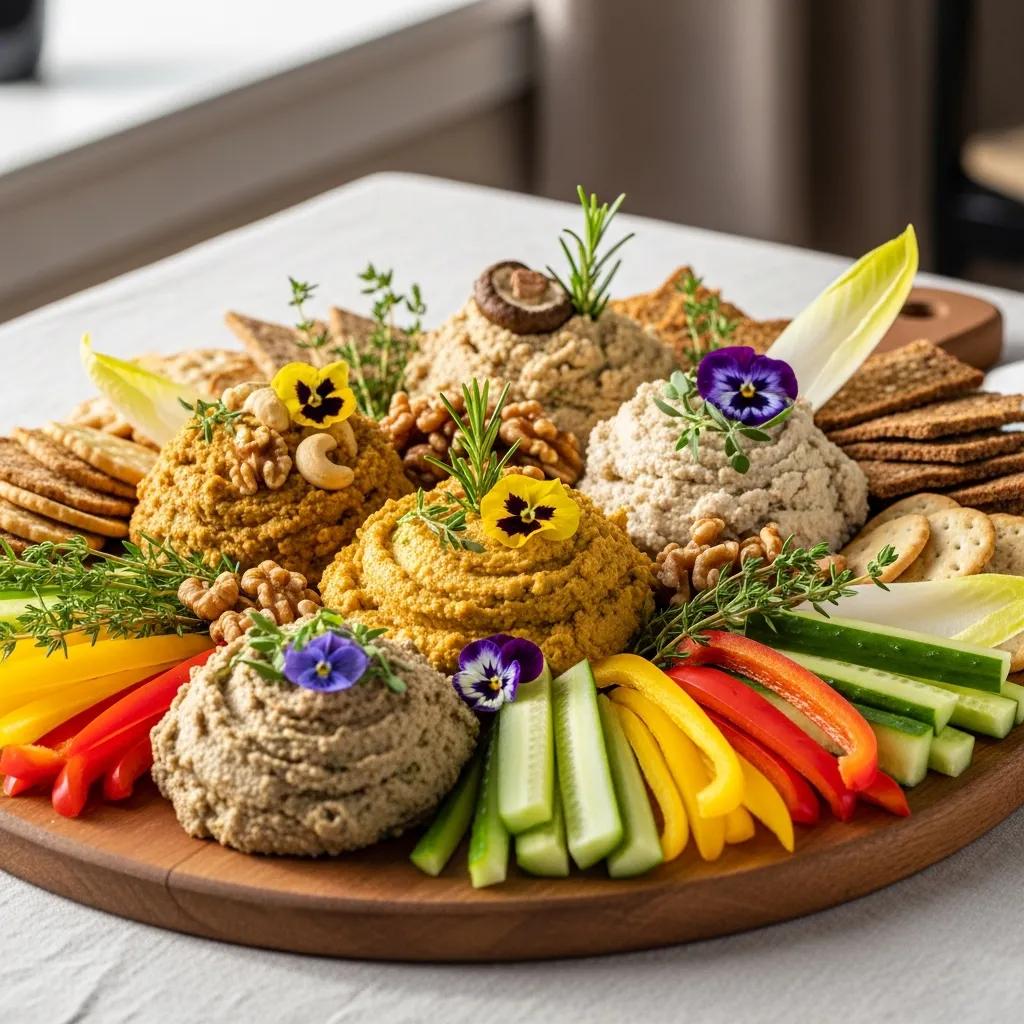
Plant‑based faux gras blends creamy nuts (like cashews), umami‑rich mushrooms, and fat‑binding techniques to approximate foie gras’ texture and savory depth. Chefs shape these mixtures into terrines or torchon‑style forms and pair them with the same sweet‑acid contrasts used for traditional foie gras. Commercial vegan products and chef recipes vary in fidelity, but many succeed in capturing the decadent mouthfeel diners expect. For restaurants, plant‑based options offer scalable, transparent alternatives that align with ethical sourcing and broaden menu accessibility.
These substitutes let tasting menus retain a rich, memorable course while clearly communicating provenance to guests.
How Are Meat-Based and Humane Foie Gras Alternatives Developed?
Humane alternatives rely on adjusted husbandry—voluntary high‑calorie feeding windows, extended grazing, and selective breeding—to encourage larger livers without forced tube feeding. Producers that document welfare improvements through monitoring and certification can supply niche markets seeking animal‑derived foie gras with stronger welfare credentials. These farms face higher costs and variable yields, so culinary quality and consistency differ by producer. While not yet mainstream, humane‑sourced foie gras provides a middle ground that preserves animal‑origin qualities while addressing certain ethical concerns.
As demand for ethically sourced luxury ingredients grows, humane meat‑based options may expand modestly but are likely to remain premium and limited in scale.
Plant‑based innovation, humane production, and lab‑grown technologies together point to a culinary future where chefs reconcile texture and flavor goals with higher welfare expectations. For restaurateurs and diners, choices made now—whether to serve traditional foie gras, source humane variants, or adopt high‑quality plant‑based or cultured alternatives—will help shape haute cuisine’s next chapter.
- Alternatives create ethical paths for chefs and diners without abandoning culinary ambition.
- Plant‑based options deliver immediate scalability and menu flexibility.
- Cell‑cultured approaches aim for high fidelity but depend on regulatory and commercial progress.
These trends suggest that culinary creativity, scientific innovation, and legal pressures will collectively determine how foie gras and its substitutes evolve in the years ahead.
Frequently Asked Questions
What are the health implications of consuming foie gras?
Foie gras contains vitamins A and B12, iron, and beneficial fats when enjoyed in moderation, but it is also high in total and saturated fat. Regular, large portions can contribute to elevated cholesterol and cardiovascular risk, so portion control and overall dietary balance are important considerations.
How do chefs adapt traditional foie gras recipes to use alternatives?
Chefs rework textures and flavor building blocks—using cashew or mushroom purées, fat emulsions, or cultured tissue—to reproduce foie gras’ creamy mouthfeel and umami richness. Techniques include molding terrines, searing plant‑based blocks for Maillard flavors, and pairing with the same sweet‑acid contrasts to preserve the sensory balance of the original dishes.
What are the environmental impacts of foie gras production?
Traditional foie gras farming can be resource‑intensive, requiring feed, water, and land inputs that contribute to greenhouse‑gas emissions and environmental impact. Humane and cell‑cultured alternatives may lower those footprints, but comparative assessments depend on production scale and methods. Sustainability is an evolving factor in producers’ and diners’ decisions.
Are there any cultural arguments in favor of foie gras?
Proponents emphasize foie gras’ deep roots in regional culinary heritage—particularly in France—and argue it represents artisanal technique and local economies. Supporters caution that bans or heavy regulation could erode traditions and livelihoods tied to this specialty food.
What are the market trends for foie gras alternatives?
Demand for alternatives is rising as consumer concern about animal welfare grows. Plant‑based faux gras is increasingly available and scalable; cell‑cultured foie gras is advancing but faces regulatory and cost challenges. Chefs and investors are actively exploring these options, and menu experimentation is expanding as a result.
How do consumer preferences influence foie gras production?
Guest preferences strongly shape production choices. As diners prioritize transparency, welfare, and sustainability, producers respond with humane practices, alternative products, or enhanced labeling. Restaurants that emphasize provenance and ethical sourcing adapt menus to reflect those shifting expectations.
Conclusion
Foie gras sits at the intersection of culinary tradition and evolving ethical standards. By understanding production methods, welfare evidence, legal frameworks, and available alternatives, chefs and diners can make informed choices that reflect their values. Embracing humane sourcing or high‑quality substitutes can preserve culinary creativity while addressing welfare concerns. Explore our curated selection of ethically minded dining options and elevate your next culinary experience.