





How Japanese Whisky Elevates the Fine‑Dining Experience Through Thoughtful Pairings
Japanese whisky offers a quiet, refined balance of aroma, texture and finish that lifts fine dining—accenting umami, tempering richness and preserving delicate preparations.
In this guide we explain why Japanese whisky pairs so naturally with upscale Japanese cuisine, outline practical pairing principles, and provide course‑by‑course notes for sushi, sashimi, grilled meats and caviar. You’ll find tasting‑note mappings, the sensory science behind fat and umami interactions, and clear recommendations for sequencing sips during a multi‑course omakase. The guide also links representative Japanese whisky profiles to our premium menu and offers service guidance—glassware, pour sizes and tasting order—designed to preserve both dish integrity and spirit nuance. Practical examples show how a Pasadena fine‑dining kitchen curates whisky flights and how guests can request bespoke pairings when booking. Throughout, keywords like japanese whisky, whisky pairing, A5 Wagyu tasting experience, and omakase japanese whisky appear naturally to help diners find practical advice and reservation pathways.
What Makes Japanese Whisky Distinctive in Fine Dining?
Japanese whisky is prized at the table for its balance, restraint and an elegant interplay of aroma and finish that complements refined dishes. Many expressions blend malt and grain and finish in distinctive casks—mizunara among them—producing floral, fruity and sometimes smoky notes that enhance rather than overpower. That equilibrium allows a whisky to mirror a dish’s texture and umami while adding contrast through oak spice or gentle peat, creating a harmonious tasting conversation. For diners the result is a companionable beverage that amplifies savory moments and refreshes the palate between courses. Recognizing these traits sets the stage for the practical pairing rules that follow.
Key attributes to consider at service are nose (aroma), palate (taste) and finish (aftertaste), along with cask influence and age statements that inform sweetness, tannin and spice. Traditional craft and modern blending produce complexity without aggression—perfect for delicate raw seafood and richly marbled meats alike. These production choices naturally lead into course‑specific pairing strategies for sushi, wagyu and caviar.
- Balanced aroma and finish that complements delicate dishes without overwhelming them.
- Cask versatility—mizunara, sherry and ex‑bourbon finishes—that introduces subtle spice and sweetness.
- A range from floral, citrus‑leaning whiskies to richer sherried or lightly peated styles for heavier courses.
For these reasons chefs and beverage directors increasingly weave Japanese whisky into tasting menus and omakase flows.
How Is Japanese Whisky Made and What Should Diners Listen For?
Japanese whisky blends Scotch‑inspired distillation with local approaches to blending and cask finishing, creating a wide flavor spectrum. Distillers often marry multiple grain and malt distillates, then finish them in mizunara, ex‑bourbon or sherry casks to layer vanillin, coconut or dried‑fruit notes across nose, palate and finish. Expect floral, honeyed or citrus aromatics, a textured mid‑palate of sweet or savory oak, and a clean—sometimes lingering—finish well suited to refined cuisine. This craft‑led vocabulary—aroma, palate, finish—helps chefs and sommeliers design pairings. Reading these components prepares diners to appreciate why a specific whisky elevates a given dish.
Cask and blending choices shape tasting interactions: citrus‑forward finishes preserve seafood’s delicacy, while sherry or toasted oak intensify roasted and umami‑rich flavors. Knowing how casks and blends behave helps you predict whether a whisky will complement or contrast a course, and it leads directly into why these characteristics pair so well with luxury Japanese cooking.
Why Japanese Whisky and Luxury Japanese Cuisine Work So Well Together
Both Japanese whisky and fine Japanese cuisine prize nuance, texture and balance over force—so they naturally enter into a dialogue. A whisky’s aroma can lift subtle umami in sashimi; its palate—silky, oaky or softly smoky—can trim fat on a seared cut or echo caramelized notes from a grill. The finish governs transition: a brisk, clean finish refreshes the mouth between delicate bites, while a longer, sweeter finish can extend a savory crescendo. Chefs and beverage directors use these interactions—matching intensity, accounting for fat and choosing complement or contrast—to build course‑by‑course pairings. That sensory logic underpins the practical rules we outline next.
Umami and Kokumi: Enhancing Flavor in Fine Dining with Japanese Whisky
Umami and kokumi influence how we perceive depth and mouthfeel. Umami—driven by amino acids like glutamate and nucleotides such as GMP and IMP—adds savory weight found in soy, aged cheeses and mushrooms. Kokumi compounds, including γ‑glutamyl peptides from fermented foods, enhance continuity and richness without adding a distinct taste. Together they intensify flavor and mouthfeel, making dishes more memorable. This review highlights growing interest in these compounds for creating natural, clean‑label flavor enhancements and suggests continued research into their production, isolation and sensory mechanisms.
Natural sources, mechanisms, and sensory evaluation of umami and kokumi flavour compounds in food, MM Ramesh, 2025
How Do You Pair Japanese Whisky with Fine‑Dining Dishes?
Pairing Japanese whisky with fine dining follows clear, repeatable principles: match intensity, choose complement or contrast intentionally, and factor texture and umami when sequencing sips. Start by assessing a dish’s dominant sensations—fat, salt, smoke, acidity—then select a whisky whose nose, palate and finish either mirrors those traits or offers a cleansing counterpoint. Thoughtful service—small pours, neutral glassware and mindful temperature—preserves aromatics while allowing multiple sips across a course. Apply these rules and you’ll create reliable pairings for sushi, sashimi, grilled meats, wagyu and dessert that respect the chef’s intent while enhancing both plate and glass.
- Match Intensity: Light whiskies for delicate raw fish; fuller expressions for fatty or smoked meats.
- Complement or Contrast: Use complementary sweetness with caramelized items; use acidity or peat to cut through richness.
- Consider Texture and Umami: Fatty textures benefit from acidity or tannic oak; umami‑rich dishes pair well with sherried or rounded finishes.
- Serve Thoughtfully: Offer small tasting pours, neutral glassware for nosing, and sequence from light to robust.
Which Japanese Whisky Profiles Suit Delicate Sushi and Sashimi?
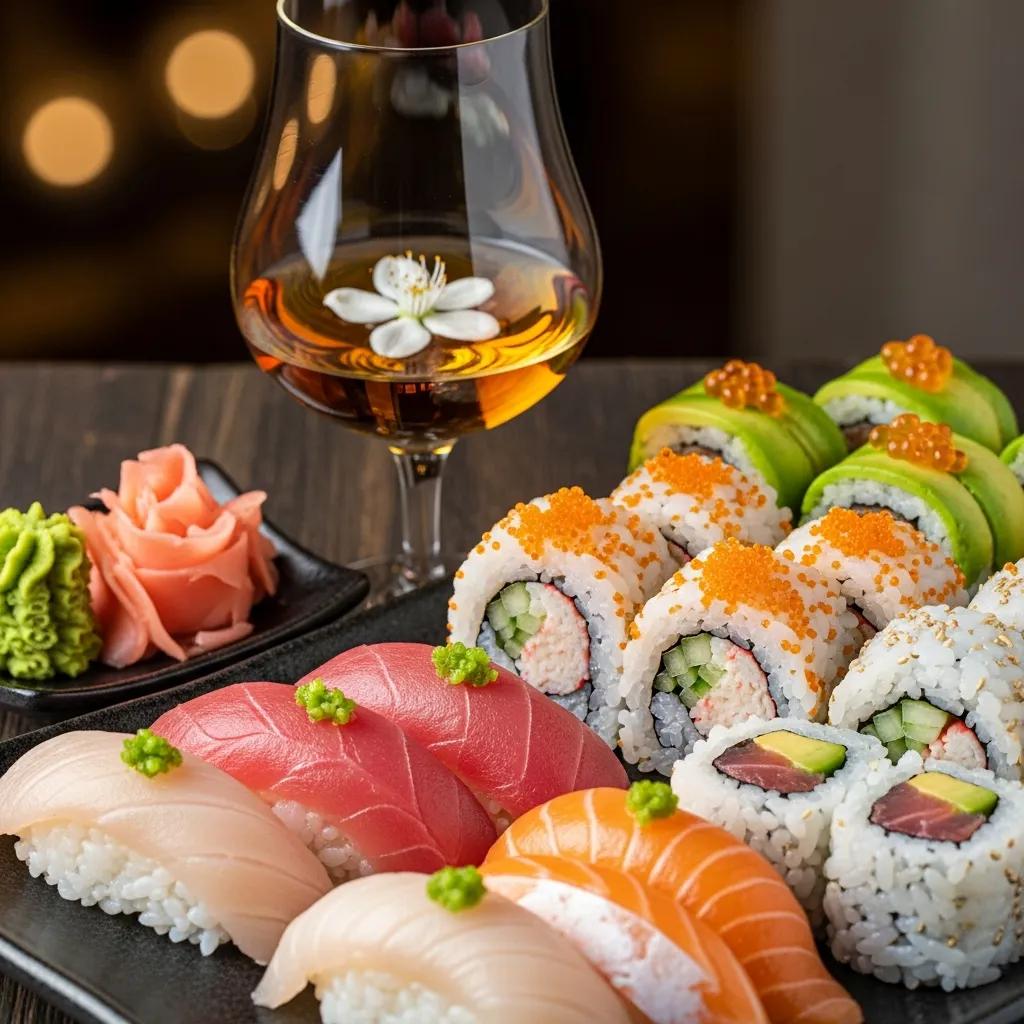
Delicate sushi and sashimi pair best with floral, citrus‑forward or lightly herbaceous whiskies that accent freshness without masking subtle fish flavors. Light single malts with short to medium finishes preserve raw texture; mineral or green‑apple notes on the nose complement clean, briny bites. Service-wise, offer a small nip before the first piece or a modest sip between selections to let aroma meet palate—avoid chunky ice or heavily spiced mixes that would overpower subtle textures. These lighter profiles act as aromatic amplifiers for the chef’s seafood work. As the menu progresses, select whiskies with increasing warmth and body to match richer courses.
- Floral or mizunara‑finished malts and lightly fruity single malts with nigiri
- Citrus‑driven blends for sashimi
- Grain‑forward, smooth whiskies for pressed or vinegared preparations needing a neutral complement
What Rich Whisky Flavors Best Complement A5 Wagyu and Grilled Meats?

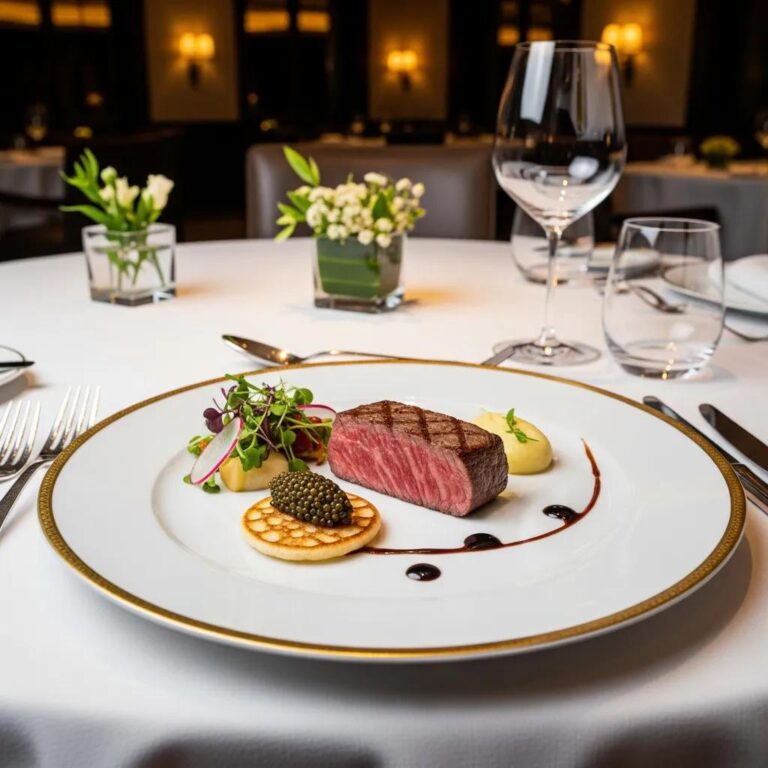
A5 Wagyu and grilled meats call for whiskies with body—sherried sweetness, toasted‑oak tannins or gentle peat—to stand up to intense fat and umami while offering palate‑cleansing relief. Sherry‑finished whiskies bring dried‑fruit and caramel notes that echo meat caramelization; lightly peated or toasted‑oak expressions lend smoky consonance with char. On a molecular level, alcohol and oak components help solubilize fat‑soluble aromatics, amplifying savory flavors and trimming mouth‑coating richness. Serve richer whiskies in measured pours after lighter courses and use palate cleansers or neutral bites between wagyu servings so each sip enhances rather than overpowers the meat’s melt‑in‑the‑mouth texture.
- Sherried or toasted‑oak whiskies for seared wagyu
- Moderate peat where the preparation features pronounced char or smoke
How Does Kaviar Curate Its Japanese Whisky and Food Pairings?
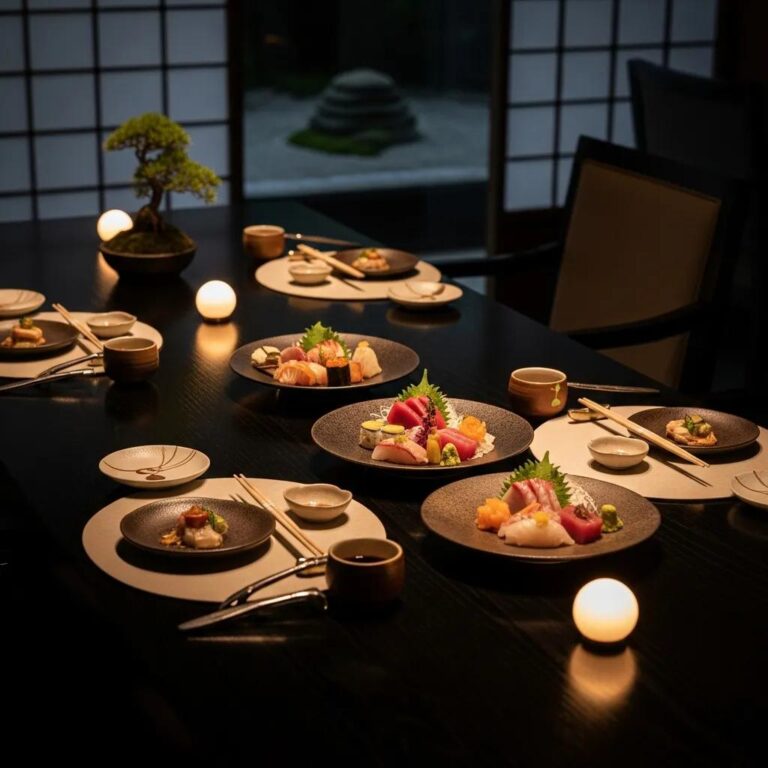
At Kaviar, pairings are the product of a close collaboration between our chef team and beverage director. We align course progression, dish attributes and whisky selection to shape memorable tasting narratives. Starting from core menu elements—A5 Wagyu, signature sushi and curated caviar service—we map whisky profiles to each course by intensity, cask influence and aromatic character. Flights are built to move from light, floral whiskies for raw courses to richer, fuller styles for grilled and wagyu dishes, with palate cleansers in between to preserve clarity. Service details—glassware for nosing, portion sizes for multi‑course sequencing and tasting order—are standardized so every guest experiences a coherent sensory arc.
By keeping chef and beverage teams in lockstep, our pairings are kitchen‑informed and service‑ready. Below we highlight signature dishes that showcase this approach and explain how the omakase integrates whisky flights.
Which Signature Dishes at Kaviar Best Showcase Whisky Pairings?
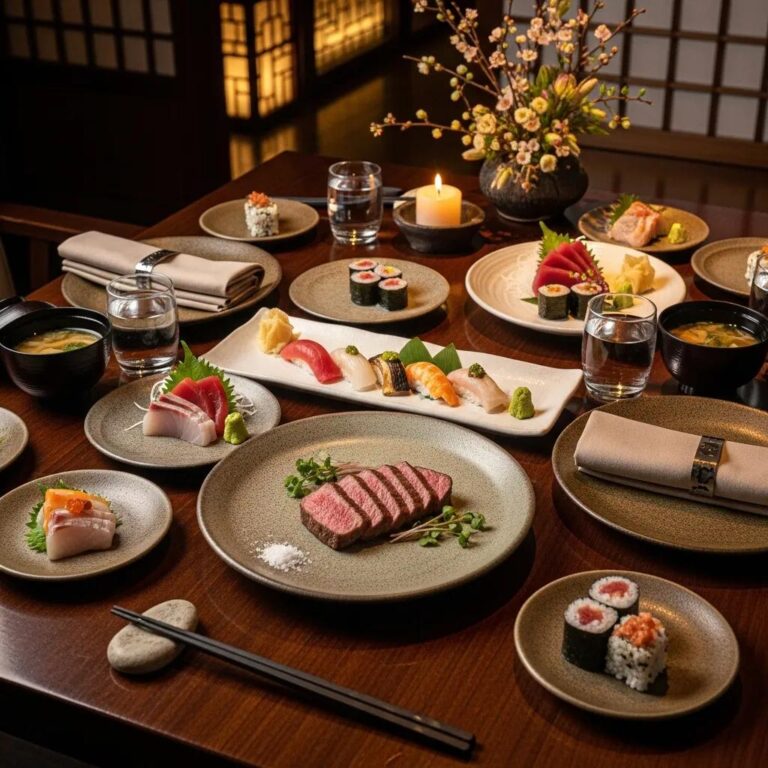
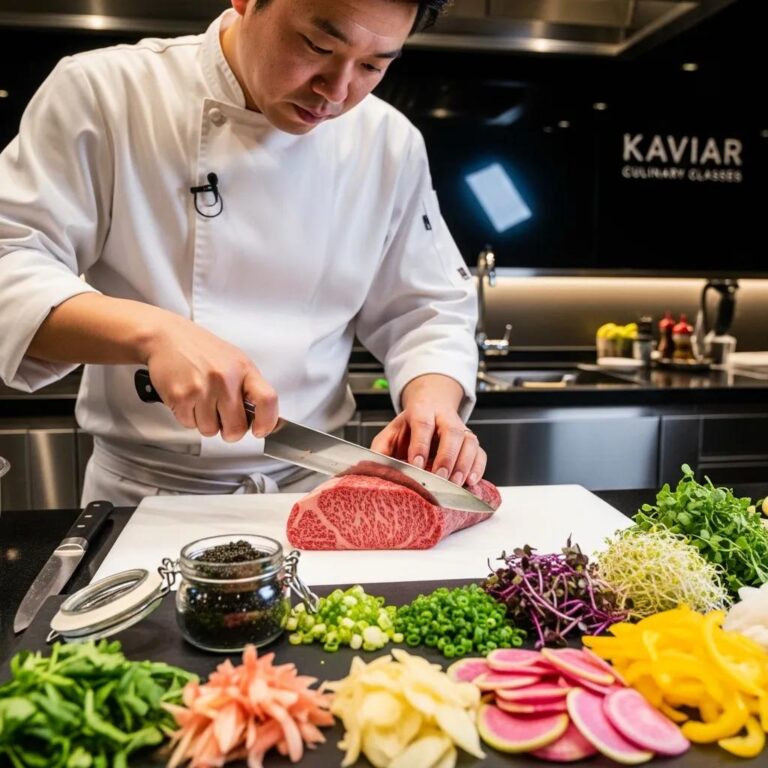
Kaviar’s signature items provide natural pairing anchors: A5 Wagyu brings concentrated umami and silky fat; toro or toro tartare with caviar offers briny, buttery contrast; our refined sushi and sashimi highlight subtleties that benefit from lighter whiskies. Each dish suggests a specific whisky strategy—sherried or oaky styles for wagyu, citrus‑leaning malts for raw fish, and grain‑forward or lightly peated options for seafood with smoky elements. Presentation and accoutrements matter: a caviar‑topped tartare asks for a restrained pour to showcase brininess, while a seared wagyu slice pairs with a slightly warming, full‑bodied sip. Guests are invited to note pairing preferences when reserving so service is synchronized from kitchen to table.
- A5 Wagyu Seared Slice: Best with sherry‑finished or full‑bodied blends that echo caramelization.
- Toro Tartare with Caviar: Complemented by a clean, slightly fruity whisky that highlights buttery texture.
- Exquisite Sushi and Sashimi: Paired with floral or citrus‑driven single malts.
How Is Whisky Integrated into Kaviar’s Omakase?
Our omakase offers whisky flights as an optional, complementary layer to the chef‑driven sequence—typically a three‑ to four‑whisky flight that progresses from light to rich in parallel with the menu. We might pair a crisp, floral whisky with early raw courses, a mid‑weight blended or grain whisky with cooked seafood, and a sherried or lightly peated malt for heavier grilled items and wagyu. Portions are intentionally small so guests can sip without dominating the meal; pacing is coordinated so each whisky meets the plate at the right moment. Guests may request bespoke flights or skip whisky pairings when reserving—allowing us to tailor the experience to dietary needs and flavor preferences.
The omakase + whisky flight format creates a curated sensory arc: a delicate opening, an evolving midsection that explores umami and texture, and a confident finish that celebrates fat and char—so each course and sip contributes to a cohesive tasting story.
Why A5 Wagyu Is an Ideal Partner for Japanese Whisky
A5 Wagyu is a standout pairing partner because its extreme marbling, melt‑in‑the‑mouth texture and concentrated umami invite whiskies that either harmonize or offer brisk contrast. The meat’s fat releases fat‑soluble aromatics that interact with whisky components; sherried or oak‑forward whiskies amplify caramelized and savory notes, while expressions with acidity or light peat cut through richness and refresh the palate. The synergy is simple: whisky can extend savory flavors or sharpen contrast to highlight meat purity. Understanding these interactions lets diners choose the style and sip sequence that best reveals both the meat and the spirit.
Which Flavor Elements of A5 Wagyu Pair with Specific Whisky Types?
Fat and umami in A5 Wagyu interact predictably with whisky attributes: sherry casks’ sweetness and dried‑fruit notes reinforce caramelized meat flavors; oak tannins give structure against fat; peat supplies smoky consonance with seared surfaces. Chemically, alcohol‑soluble volatiles in whisky help release savory, fat‑borne aromatics, boosting perceived intensity; conversely, acidity and tannic grip can cleanse residual fat and reset the palate. These dynamics suggest sequencing—start with lighter wagyu preparations, move to richer sherried pairings—so flavor complexity increases without fatigue. Small pours and guided sip order preserve balance and ensure each pairing performs as intended.
Which Japanese Whiskies Best Elevate Kaviar’s Wagyu Dishes?
Representative choices that lift wagyu include sherry‑finished single malts for caramel depth, balanced blends for structural support, and lightly peated malts when char is present. Examples that typify these profiles are Yamazaki‑style sherry expressions for dried‑fruit warmth, Hibiki‑style blends for layered balance, and Hakushu‑like malts for herbaceous freshness that can cut through fat. Proper portioning—one measured sip after a small wagyu bite—lets the whisky’s sweetness and oak unfold without overwhelming texture. Our servers recommend tasting sequence and pour size to maximize interplay between dish and spirit.
How Caviar Shapes the Whisky Pairing Conversation
Caviar introduces brininess, delicate texture and buttery mouthfeel that interact with whisky sweetness, minerality and finish to create layered contrasts or complements. Salt and lip‑coating roe can amplify a whisky’s perceived sweetness or shorten its finish; alternatively, a drier, slightly tannic spirit can refresh the palate. Knowing caviar’s main traits—brine, richness and pop—guides pairing: mineral or citrus‑leaning whiskies for delicate roe; sherried or oaky styles for butterier, more robust caviar. Accompaniments like blini, crème fraîche or neutral carriers also shift outcomes by adding fat or acidity, so service choices matter as much as the spirit.
Which Caviar Types Pair Best with Japanese Whisky?
Delicate, buttery caviar favors floral or grain‑driven whiskies that preserve roe nuance; bold, creamy caviar requires fuller, sweeter spirits to match texture and salt. The guiding principle is balancing brininess and fat: a mineral or citrus‑tinged whisky refreshes against saline beads, while sherried fruitiness complements buttery roe. Practically, present small whisky sips between bites and sample caviar with neutral carriers to control added fat or acidity—minor adjustments to accompaniment or sip order can dramatically change the pairing.
Practical tip: when showcasing the direct interaction between roe and spirit, serve caviar with minimal accoutrements; add crème fraîche or blini when you prefer a softer, more integrated pairing.
How Kaviar’s Caviar Service Enhances Whisky Pairings
Our caviar service is staged to optimize texture and flavor layering through curated accompaniments and precise portioning, letting whiskies play supporting or starring roles. Neutral blini, lightly acidic garnishes or clean crackers change how fat and salt interact with the spirit, and servers tailor whisky suggestions accordingly—lighter whiskies with minimal accoutrements, fuller whiskies when the service includes butterier elements. This deliberate staging helps guests notice both the caviar’s subtleties and the whisky’s evolving notes, encouraging exploration across multiple pairing permutations. Guests may request paired whisky suggestions when booking to ensure synchronized service during the caviar course.
Careful sequencing and small tasting pours preserve the delicate balance between roe and spirit, delivering a layered tasting experience that highlights both components.
Top Japanese Whisky Styles and How They Taste
Leading Japanese whisky brands define archetypal style templates—floral and citrus single malts, harmonious blends, smoky forest malts and smooth grain expressions—that chefs and beverage directors reference when designing pairings. Recognizing these profiles helps diners pick a whisky that either complements a dish’s dominant trait or provides a deliberate contrast. Representative categories include Yamazaki‑style sherry‑influenced malts, Hibiki‑style balanced blends, Hakushu‑style herbaceous malts and Nikka Coffey‑type grain expressions for vanilla and silk. Framing brands as stylistic categories lets restaurants rotate illustrative selections into a program that supports tasting menus and whisky flights.
For guests seeking curated pairings, Kaviar positions these representative profiles within a premium beverage program and can include illustrative selections in omakase pairings on request when reserving. Our beverage philosophy emphasizes pairing education and synchronized service so diners can explore how each brand‑style maps to specific menu items.
How Yamazaki, Hibiki and Hakushu Differ in Taste and Pairing
Yamazaki‑style expressions lean toward sherried warmth and dried‑fruit sweetness—ideal companions for caramelized or umami‑forward dishes. Hibiki‑style blends emphasize balance and floral harmony, making them versatile across sushi and composed plates where subtle complexity is desired. Hakushu‑style malts bring herbaceous, green‑smoke notes that suit grilled or lightly charred seafood and meats. Sommeliers use these cask influences and aromatic signatures to align whiskies with a dish’s dominant cues. In practice, start multi‑course flows with Hibiki‑style balance, reserve Yamazaki‑style richness for savory peaks, and use Hakushu‑like freshness to lift oily or charred items.
Which Whisky Cocktails Work with Fine Dining at Kaviar?
Cocktails and highballs complement fine dining when they preserve spirit clarity and avoid heavy sweeteners that mask food nuance. The Japanese highball—spirit forward and effervescent—cleanses the palate and pairs well with fried or charred items, while restrained, low‑sugar spirit cocktails can echo whisky character without overwhelming delicate sushi. Lightly adapted classics with citrus or herbal accents add brightness for raw seafood, and a minimalist stirred whisky cocktail in a small format can bridge to richer courses. Choose carbonation for cleansing and spirit‑forward low‑sugar drinks for subtle augmentation.
- Japanese Highball: Effervescent and light—an excellent palate cleanser before or between courses.
- Light Citrus Stir: Keeps whisky character while adding brightness for sashimi.
- Minimalist Stirred Old‑Fashioned Variant: Low‑sugar and oak‑forward; pairs well with grilled wagyu when offered in small measures.
Our beverage program presents these cocktail options as complements to whisky flights and tasting menus and will advise when a cocktail may serve a course better than a neat pour.
Kaviar offers a premium dining program centered on upscale Japanese cuisine—exquisite sushi and sashimi, curated caviar service, A5 Wagyu and premium seafood—and invites guests to book omakase and curated pairing experiences. Guests who want a tailored whisky pairing or an omakase with integrated whisky flights can note pairing preferences when reserving so we can synchronize service at our Pasadena location. This reservation pathway connects high‑intent diners to a cohesive, chef‑driven tasting that highlights premium ingredients and beverage craftsmanship.
Frequently Asked Questions
What is the best way to serve Japanese whisky during a fine dining experience?
Serve Japanese whisky to enhance the meal: offer small tasting pours so guests can savor the spirit without overwhelming their palate. Use neutral, nosing‑friendly glassware and serve slightly cooler than room temperature to preserve aromatics. Sequence sips from lighter to richer styles in step with the menu to maintain harmony between food and drink.
Can Japanese whisky be paired with non‑Japanese cuisine?
Absolutely. Japanese whisky’s balance and nuance make it versatile across cuisines—grilled meats, seafood and certain desserts all pair well. The principle remains the same: assess a dish’s intensity and flavor components, then choose a whisky that complements or contrasts those elements intentionally.
How does the aging process affect the flavor of Japanese whisky?
Aging in casks profoundly shapes a whisky’s flavor. Over time, the spirit extracts vanillin, caramel and spice from wood; the cask type—mizunara, sherry or bourbon—imparts distinct notes. Longer maturation generally produces smoother, more layered spirits, while younger whiskies retain fresher, brighter elements. Knowing these nuances helps you select a whisky that suits the meal.
What role does glassware play in enjoying Japanese whisky?
Glassware matters. The right shape concentrates aromas and frames the tasting. Tulip‑shaped glasses are ideal for nosing, as they gather scent toward the nose; a neutral, stemmed glass preserves temperature and texture. Thoughtful glass selection elevates the whisky experience and complements the dining setting.
Are there specific Japanese whiskies recommended for dessert pairings?
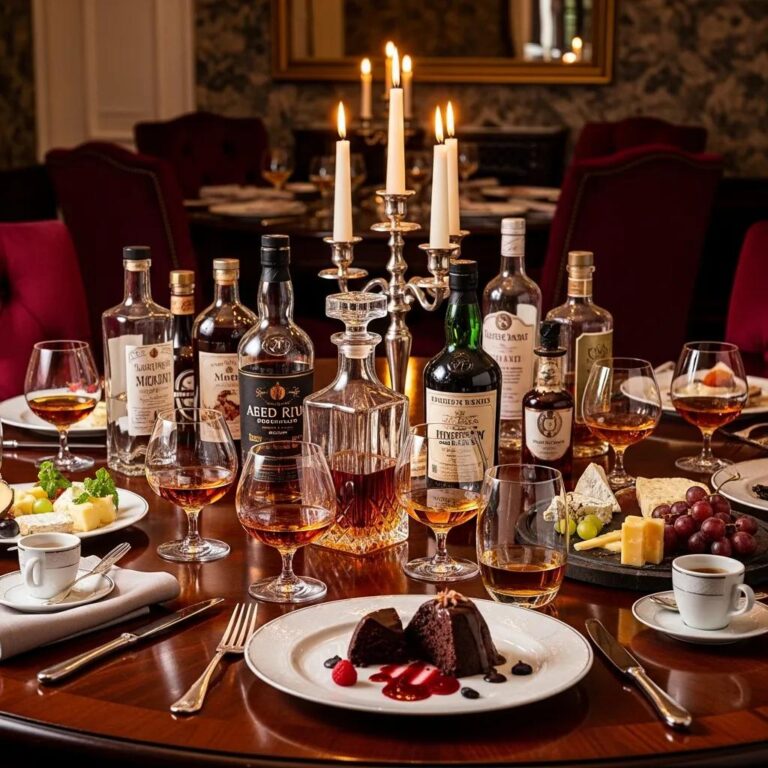
Yes—sweeter, sherry‑influenced whiskies pair beautifully with rich desserts like chocolate or caramel, while lighter, floral whiskies brighten fruit‑based desserts. Match sweetness and texture between whisky and dessert for a harmonious finish to the meal.
How can diners request bespoke whisky pairings at Kaviar?
Diners can request bespoke whisky pairings by noting preferences when making a reservation. Share flavor likes, dietary restrictions or the dishes you plan to order, and our team will curate a personalized flight to enhance your meal. Engaging with our staff ahead of time ensures a synchronized, memorable experience.
Conclusion
Japanese whisky deepens the fine‑dining experience by bringing balance, nuance and complementary texture to upscale Japanese cuisine. With a few simple pairing principles and thoughtful service, whisky can reveal new facets of sushi, caviar and A5 Wagyu alike. Explore our premium whisky offerings and find the pairing that elevates your next visit—reserve your table at Kaviar Restaurant to experience a bespoke, chef‑driven tasting.