






Sustainable Fine Dining: Practical Strategies for Eco‑Conscious Luxury Restaurants
At the intersection of culinary craft and environmental care, sustainable fine dining keeps taste and technique first while shrinking ecological impact. This guide shows how upscale kitchens integrate traceable seafood, regenerative beef, and zero‑waste workflows without compromising service or flavor. You’ll find core practices, a stepwise route to circularity, energy and water technologies that cut operating costs, sourcing guidance for luxury items like A5 Wagyu and caviar, and how certifications plus community work reinforce credibility. Practical comparisons and communication tactics help chefs and operators preserve ingredient quality, tell confident provenance stories, and convert guest interest into reservations. Throughout we use terms like traceability, supplier partnerships, and lifecycle impacts to link operational standards to the guest experience and brand promise—aimed at eco‑minded diners and operators seeking realistic, high‑end implementation.
What Are the Key Sustainable Practices in Fine Dining Restaurants?
Sustainable fine dining is a coordinated approach: thoughtful sourcing, systematic waste reduction, energy and water efficiency, greener packaging, and continuous staff development. Together these practices reduce environmental harm while sharpening culinary consistency and presentation. Provenance and process shape flavor, timing and cost—for example, predictable seasonal sourcing tightens menu planning and lowers spoilage. Success requires alignment across purchasing, kitchen flow, and front‑of‑house storytelling so sustainability reads as an elevation of luxury, not a compromise. Below are the highest‑impact priorities to preserve a premium guest experience while meeting environmental goals. Start with measurable targets and small pilots that can scale to full service.
Sustainable practices in fine dining include:
- Sustainable sourcing: Choosing traceable seafood, certified beef, and seasonal local produce to protect quality and reduce supply‑chain impact.
- Waste reduction: Applying nose‑to‑tail and root‑to‑stem work, fine‑tuned portioning, and tighter inventory control to limit prep and plate waste.
- Energy and water efficiency: Specifying induction cooktops, high‑efficiency refrigeration, and low‑flow dish systems to lower utilities and improve kitchen comfort.
- Circular packaging and composting: Replacing single‑use disposables and partnering with compost services or municipal programs to divert organics.
- Staff training and measurement: Embedding sustainability in SOPs, monitoring KPIs (waste diverted, energy saved), and recognizing continuous improvement.
These pillars create the framework for targeted tactics—menu engineering, supplier audits, and equipment choices—which we explore next in sourcing and quality.
Kaviar Restaurant frames sustainability as part of our culinary identity: provenance supports elevated dining. Our site hosts a sustainability hub where guests can review supplier practices and program goals. As a luxury Japanese restaurant, we weave provenance into service and accept reservations by phone and through major platforms to guide diners toward experiences that pair sustainability with premium ingredients.
How Does Sustainable Sourcing Enhance Fine Dining Quality?
Sustainable sourcing strengthens fine dining by making origin and seasonality predictable—helping chefs build reliable flavor, texture, and safety standards. Working with traceable fisheries or certified farms gives kitchens clear harvest windows and quality benchmarks, which translate into consistent plating and confident tasting menus. A sourcing checklist for premium items should include provenance documentation, third‑party recommendations (species‑level where relevant), small‑batch or seasonal allocations, and direct supplier relationships that allow chef visits and tastings. When provenance becomes part of the menu narrative, origins add sensory context without diluting luxury—supporting both culinary and brand goals.
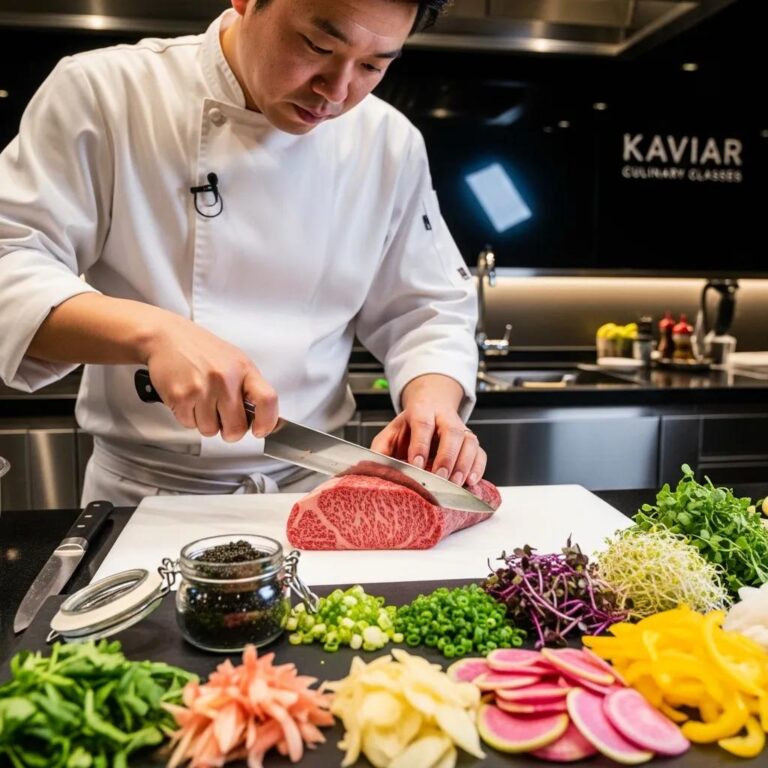
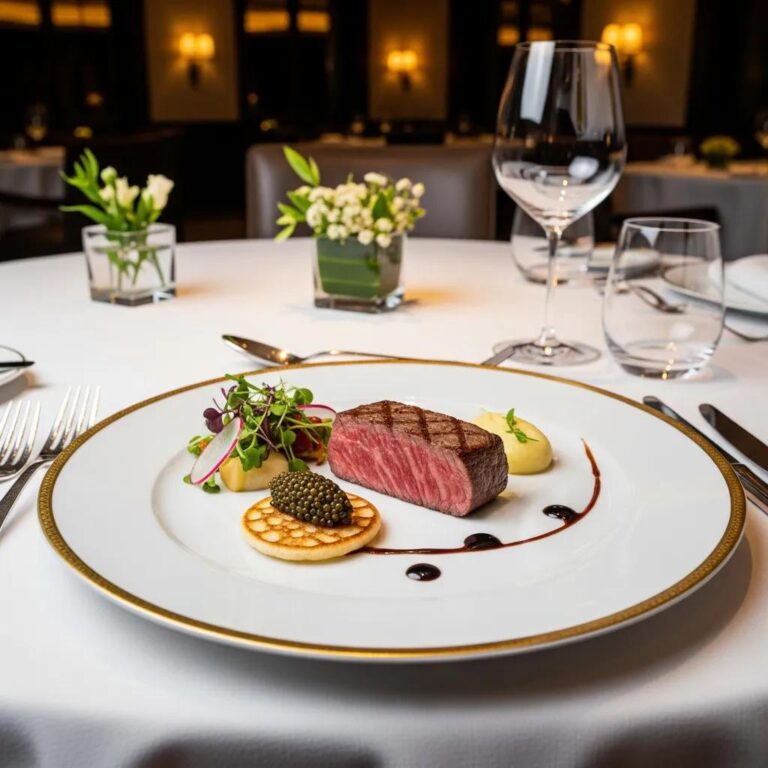
At Kaviar we highlight premium ingredients like A5 Wagyu and select seafood to show why documented origin and handling matter: menus note these attributes to build trust and justify premium pricing while preserving an omakase‑style presentation.
What Waste Reduction Methods Are Effective in Luxury Restaurants?
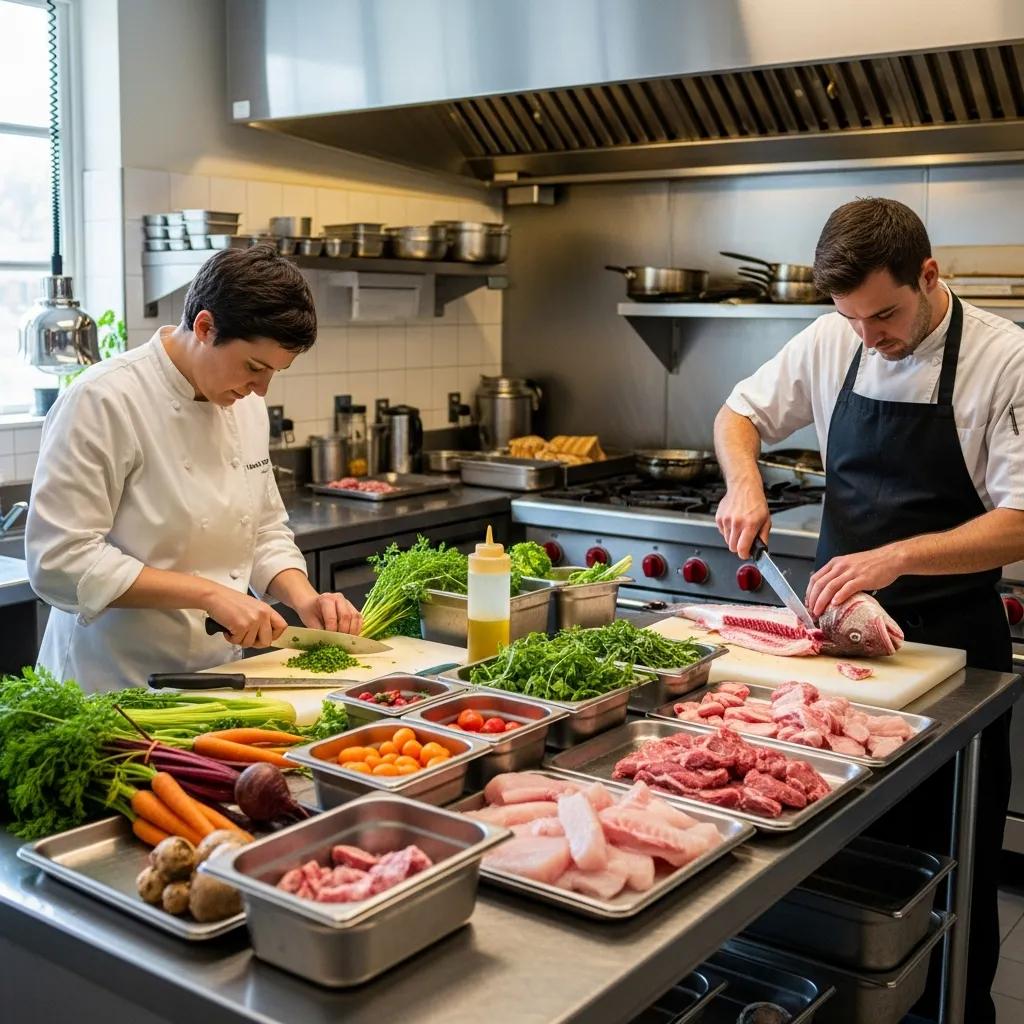
Effective waste reduction in luxury kitchens focuses on cutting raw‑material loss and turning byproducts into purposeful components without compromising presentation. Nose‑to‑tail butchery, root‑to‑stem vegetable work, precise portion control, and scheduled batch prep reduce trim and overproduction while keeping standards high. Operational controls—daily waste audits, demand‑aligned prep lists, and strict inventory rotation—limit spoilage and reveal hidden costs. Thoughtful menu design can reincorporate byproducts (clear broths, crisps from peels, charred stems) as texture and depth, supporting circularity and lowering food costs.
Regularly tracking waste metrics and ongoing staff training help these practices become routine; once teams see clear waste and cost improvements, chefs can broaden repurposing while maintaining the restaurant’s refined aesthetic.
How Can Fine Dining Restaurants Achieve Zero Waste and Circularity?
Zero‑waste and circularity reduce landfill inputs by re‑engineering procurement, production, and post‑service flows so materials are reused, recycled, or composted. Begin with a baseline waste audit to map streams, then phase in interventions: supplier take‑back programs, kitchen byproduct valorization, and partnerships with composters or anaerobic digesters. Align menu design with diversion goals—create dishes that intentionally use trims—and invest in simple measurement systems to report diverted tonnage and cost offsets. Realistic first‑year targets (10–25% diversion) make progress measurable and help calculate ROI for tools like on‑site dehydrators or off‑site compost services.
Kitchen initiatives plus municipal or third‑party partnerships form the backbone of circular programs; the table below compares common initiatives, their attributes, and typical outcomes to guide investment priorities.
Intro to kitchen initiatives table: The following table compares common zero‑waste initiatives by implementation characteristic and measurable outcomes to guide prioritization.
What Are Zero-Waste Kitchen Initiatives in Fine Dining?
Zero‑waste kitchen initiatives turn ordinary prep and storage into flavor sources and savings. Practical steps include standardized trimming that feeds stocks and sauces, portion templates to limit plate waste, and prep schedules keyed to reservations to avoid overproduction. Small investments—vacuum sealers to extend shelf life, dehydrators to create unique garnishes—add culinary options while repurposing materials that would otherwise be thrown away. These practices need consistent training and clear documentation so culinary teams understand how reuse supports both creativity and measurable savings.
Routine waste audits and yield tracking translate creative reuse into numbers that justify wider adoption across service periods and menu cycles.
Circular Economy Principles for Zero-Waste Restaurants
This project moved beyond simple diversion and embraced circular‑economy approaches—reusable foodware and material reuse—to advance UBC toward zero waste. The Government of Canada defines a circular economy as “a new way of doing business that extracts as much value as possible from resources by recycling, repairing, reusing, repurposing, or refurbishing products and materials—eliminating waste and greenhouse gas emissions at the design stage.”
How Do Composting and Recycling Programs Support Sustainability?
Composting and recycling turn unavoidable organics and packaging into usable materials, cutting landfill volume and producing soil amendments for nearby farms or landscaping. Restaurants can compost on‑site where allowed, contract municipal or third‑party haulers, or partner with local growers for closed‑loop nutrient returns. Clear internal protocols—labeled bins, staff sorting training, and reliable pickup schedules—prevent contamination and maximize diversion. Sharing these systems with suppliers and guests deepens circularity and can spark new local sourcing partnerships.
Well‑run programs commonly reach diversion rates above 60% in year one and improve as staff gain proficiency, making composting a realistic milestone toward near‑zero waste.
Which Energy and Water Efficiency Measures Improve Eco-Friendly Restaurant Operations?

Energy and water efficiency lower operating costs and shrink environmental footprints by combining modern equipment, monitoring, and operational changes. Key choices include induction cooktops for faster response, combi ovens that consolidate functions, LED lighting and smart controls, and advanced refrigeration with better insulation and controls. Water measures—low‑flow pre‑rinse valves, efficient dishwash cycles, and permitted water‑reuse systems—cut volumes and pay back through lower bills. Pair capital upgrades with monitoring dashboards so managers can quantify savings and schedule work to avoid peak demand charges.
A prioritized checklist helps teams evaluate ROI and disruption risk before retrofits, making sure upgrades support service reliability and culinary needs.
Intro to technology list: The following list highlights energy‑ and water‑focused technologies and the quick stats managers should consider when making equipment decisions.
- Induction cooktops: Faster heat response and higher usable efficiency compared with comparable gas setups.
- Combi ovens: Combine steaming and roasting to reduce footprint and energy use.
- Energy monitoring systems: Deliver real‑time data to uncover savings and support staff behavior change.
What Green Kitchen Technologies Reduce Energy Consumption?
Green kitchen technologies cut consumption by improving thermal efficiency and enabling smarter scheduling of high‑draw equipment. Induction ranges convert more input into usable heat and reduce kitchen heat load, easing HVAC demand; variable‑speed refrigeration reduces cycling losses; and combi ovens remove redundant units. Energy monitoring creates feedback loops—preheat only as needed, batch oven loads, and move non‑critical tasks off‑peak. Regular maintenance—gasket checks, door seals, sensor calibration—sustains gains.
Together, these technologies reduce energy use and make kitchen workflows more predictable when paired with staff engagement and visible metrics for continuous improvement.
Green Technology and Carbon Footprint Reduction in the Restaurant Industry
The food service sector contributes materially to global food‑related carbon emissions—energy‑intensive processes, upstream sourcing, and waste management are key drivers. Commercial kitchens often have carbon footprints several times higher than other commercial spaces. This review synthesizes literature on carbon reduction strategies, emphasizing life cycle assessment (LCA), IPCC methods, and material flow analysis (MFA). Green systems like solar, biogas, and biodiesel can cut GHGs by 20–75%, while composting and food‑waste valorization can reduce methane emissions by up to 30%. Menu interventions—swapping beef for plant proteins or favoring regional ingredients—also lower meal‑level emissions. Challenges remain around consistent data, Scope 3 reporting, and standardized accounting frameworks. The review calls for harmonized tools, digital monitoring, and cross‑sector collaboration to guide low‑carbon transitions in the sector.
How Can Water Conservation Be Implemented in Fine Dining?
Water conservation pairs efficient equipment with disciplined operations across cooking, cleaning, and service. Install low‑flow fixtures, use dishwashers calibrated to full loads, and consider permitted pre‑soak or reuse systems to save significant volumes without sacrificing hygiene. Operational tactics—batch washing, scheduled rinsing windows, and water‑conscious plating techniques—further lower use. Start with a water audit to find the highest‑return measures and track savings to refine procedures seasonally.
These actions reduce resource use, stabilize utility costs, and feed sustainability reporting for stakeholders and certifiers.
How Does Sustainable Sourcing Impact Premium Ingredients Like A5 Wagyu and Seafood?
Sourcing for luxury ingredients ties provenance, animal or fishery welfare, and traceability to sensory quality and brand trust. For items such as A5 Wagyu or specialty caviar, where price reflects rarity and technique, sourcing affects marbling, flavor nuance, and the provenance story you share at the table. Clear criteria—documented origin, supplier audits, seasonal availability, and handling guidance—help kitchens protect those attributes. Below is a practical comparison of common luxury ingredients, their sourcing markers, and the quality impacts that guide purchasing choices.
Intro to sourcing comparison: The following table compares provenance and sustainability attributes for common luxury ingredients and explains how sourcing practices affect quality and traceability.
What Are Ethical Seafood Sourcing Practices for Fine Dining?
Ethical seafood sourcing rests on traceability, seasonal selection, and alignment with accepted sustainability guidance to avoid overfished stocks and prefer regenerative practice. Fine dining buyers look for chain‑of‑custody records, seasonal catch data, and handling standards that protect texture and taste. Rotating species with the seasons eases pressure on single stocks and extends freshness windows, allowing chefs to serve peak flavor. Close relationships with fishmongers enable adaptive sourcing—substituting with culinary equivalents while keeping dish intent intact.
These practices preserve plate quality and ethical credentials—important to discerning diners seeking transparent seafood provenance.
How Are A5 Wagyu and Meat Sourced Responsibly?
Responsible sourcing for premium beef like A5 Wagyu includes breed lineage documentation, farm practice transparency, and transport methods that protect quality and welfare indicators. Request provenance details—farm location, feeding regimen, and any regenerative or welfare practices that influence soil health and emissions. Supplier partnerships offering select cuts and scheduled allocations help chefs maintain consistent marbling and portioning for tasting menus or omakase services.
Sharing these sourcing stories on menus or through service adds narrative value to premium pricing and builds trust with discerning guests. Responsible sourcing ties culinary excellence to sustainability by making provenance part of the dining story rather than a separate claim.
What Role Do Certifications and Community Engagement Play in Sustainable Fine Dining?
Certifications and community engagement offer independent validation and operational networks that help restaurants scale sustainability while strengthening local ties. Programs—from Michelin Green Star recognition to Green Restaurant Association standards—assess procurement, waste practices, energy and water use, and transparency; pursuing them clarifies improvement areas and provides credible marketing. Community engagement—local farm partnerships, educational events, or ingredient co‑investments—builds supply resilience and reduces transport emissions. Community ties supply verifiable evidence for certifiers, while certification frameworks guide investments that benefit local partners.
Knowing certification criteria and building reciprocal local relationships turns sustainability into measurable results that enhance operations and guest perception.
How Can Restaurants Pursue Green Restaurant Certifications Like Michelin Green Star?
Pursuing a Michelin Green Star or similar starts with a gap analysis: map current practice to the certifier’s criteria, gather evidence, and set measurable targets. Typical steps include compiling procurement records, waste‑diversion data, energy and water reports, and training logs; implementing corrective actions; and preparing for third‑party review. Expect staged progress—policy and pilots in 6–12 months, then structured measurement and external assessment. The certification journey often uncovers efficiencies and earns recognition that supports a luxury brand’s differentiation.
For upscale venues, aligning certification work with menu storytelling and supplier commitments amplifies credibility among eco‑conscious diners.
How Does Local Community Support Enhance Sustainability Efforts?
Local community support shortens supply chains, improves freshness, and creates reciprocal relationships that steady supply through seasonal swings. Partnerships with nearby farms, fisheries, and composters cut transport emissions and enable joint projects like regenerative trials or farm‑to‑table events. Community ties produce marketing narratives that resonate with locals and visitors who value regional authenticity and stewardship.
Staff farm visits and guest‑facing provenance events create memorable experiences while strengthening supplier relationships and mutual accountability. These local collaborations make sustainability tangible and benefit both cuisine and community resilience.
How Can Restaurants Communicate Their Sustainable Practices to Diners Effectively?
Clear, verifiable communication helps diners understand a restaurant’s sustainability choices by linking menu language to supplier stories, certifications, and measurable outcomes. Effective channels include concise menu notes that flag provenance or certification, QR codes that lead to supplier profiles and your sustainability hub, and short front‑of‑house narratives that contextualize sourcing during service. Technical SEO—structured content and internal linking—also supports discovery and reservation intent. Track engagement (menu clicks, QR scans, booking lift) to see which messages land and refine them over time.
Below is a short tactical list of communication methods that balance transparency with a refined guest experience.
- Menu icons and brief provenance notes: Immediate cues that don’t crowd the menu.
- QR codes to supplier stories: Deeper context for guests who want it.
- Staff training for concise provenance narratives: Equip servers to share accurate, engaging origin details.
What Are Best Practices for Showcasing Sustainability on Menus and Websites?
Best practice is clarity, brevity, and verifiability: support trust without distracting from culinary descriptions. Use short menu copy that names origin and certifications, paired with icons for seasonal or sustainable items; make fuller supplier profiles and measurement data available on a dedicated sustainability hub. Cross‑reference menu items to the hub via UX links so guests can explore provenance at their own pace. Consistent, fact‑based messaging avoids greenwashing and reinforces premium positioning through transparency.
When menus and online content align, guests get a coherent narrative that raises perceived value and supports reservation decisions.
How Do Internal Linking and Structured Data Improve Sustainability Visibility?
Internal linking and structured data make sustainability claims discoverable and eligible for rich search results, improving visibility for diners seeking eco‑conscious luxury. Implement schema such as Restaurant and MenuItem with properties for provenance, certification, and sustainability notes to make these attributes machine‑readable. Use anchor text that connects menu items to supplier pages and the sustainability hub to concentrate topical relevance and boost click signals. Image alt text and descriptive filenames that reference elements like A5 Wagyu, caviar, and sustainable seafood help search engines associate your site with premium, ethical sourcing.
These SEO practices increase discovery for high‑intent searches—like sustainable fine dining in Pasadena—and support reservation intent by surfacing verifiable provenance at key moments.
Kaviar plans to use menu notes, QR codes, and a dedicated sustainability hub to present supplier stories and certification progress, and we train staff to share concise provenance narratives during omakase and tasting‑menu service. Guests can reserve by phone or through common booking platforms to experience curated meals centered on premium, traceable ingredients.
This table summarizes the technical elements for visibility; consistent structured data and internal linking improve guest access to provenance and search relevance for sustainability queries.
Frequently Asked Questions
What are the benefits of implementing sustainable practices in fine dining?
Adopting sustainable practices strengthens brand reputation, reduces operating costs, and deepens guest loyalty. Thoughtful sourcing and waste reduction attract diners who value ethics and transparency, and operational changes—energy and water savings, lower food costs—improve margins. Clear sustainability signals also differentiate a restaurant in a competitive market and encourage repeat visits from patrons who appreciate purposeful dining.
How can fine dining restaurants measure their sustainability efforts?
Measure sustainability with concrete KPIs: waste‑diversion rates, energy and water usage, and sourcing compliance. Regular waste audits quantify diversion, energy monitoring reveals consumption patterns, and supplier documentation verifies provenance. Set targets, run periodic reviews, and use the data to prioritize investments and report progress to guests and stakeholders.
What role does staff training play in sustainable restaurant practices?
Staff training is essential. When teams understand why practices matter—how trimming feeds flavor, how portioning reduces waste—they adopt sustainable routines. Training covers waste sorting, energy‑conscious behaviors, and concise provenance messaging for service. Engaged, informed staff drive consistent implementation and communicate credibility to guests.
How can restaurants effectively communicate their sustainability initiatives to guests?
Communicate clearly and verifiably: short menu notes, QR codes to supplier profiles, and trained servers who can share succinct origin stories. Maintain a transparency‑focused sustainability hub online and link menu items to it. Use measurable facts rather than vague claims; guests respond to clear provenance and evidence.
What challenges do fine dining restaurants face when adopting sustainable practices?
Challenges include higher upfront costs, supply‑chain complexity, and the need for staff buy‑in. Premium sustainable ingredients can be pricier, and building reliable supplier relationships takes time. Change also requires leadership and training. Address barriers with phased pilots, measured targets, and clear communication that ties investments to quality and guest value.
How can technology support sustainability in fine dining restaurants?
Technology enables measurement and efficiency: energy monitoring, efficient kitchen equipment, and inventory software that reduces overordering. These tools reveal saving opportunities, streamline operations, and help managers make data‑driven sustainability decisions that support both the kitchen and the bottom line.
Conclusion
Sustainable practices in fine dining elevate both cuisine and stewardship: thoughtful sourcing, waste reduction, and energy efficiency enhance flavor, reduce costs, and build trust. Working with local suppliers, pursuing credible certifications, and communicating provenance clearly turn sustainability into a defining element of the guest experience. Explore how these approaches can shape your next dining moment—where culinary care and environmental care meet at the table.