




Inside Kaviar: The Techniques That Define Our Japanese Fine Dining — Omakase, A5 Wagyu, and Caviar Craft
At Kaviar, classical Japanese technique meets modern culinary science to create tasting menus defined by precision, provenance, and layered sensory detail. This guide breaks down the exact methods we use—what they are, how they work, and why they matter—so curious diners and culinary students can appreciate the craftsmanship behind our omakase sequences, A5 Wagyu finishes, and refined caviar service. You’ll find clear explanations of precision knife work, the enzymatic logic behind fish aging, temperature-controlled searing for heavily marbled beef, and selective molecular accents that lift caviar texture and aroma. We map each technique to sensory results, kitchen workflows, and the reasons these choices support a premium dining price. Finally, we explain how to encounter these methods in person—how an omakase unfolds, which signature dishes to request, and reservation guidance for our Pasadena location—so every guest can taste the intent behind each decision.
What makes Kaviar’s approach to Japanese fine dining distinctive?
Our culinary philosophy is simple: honor Japanese fundamentals and enhance them with targeted modern methods to amplify flavor, texture, and presentation. That means pairing traditional practices—careful rice preparation, precise knife work, and seasonal sourcing—with controlled aging, thermal accuracy, and occasional molecular touches to heighten umami and mouthfeel. By managing enzymatic activity, Maillard development, and textural contrast, the kitchen turns raw ingredients into consistent sensory moments that justify the pacing of a tasting menu. The result is food that feels familiar and exacting at once—dishes that reward attention to nuance and a palate tuned for layered progression. Below we unpack how tradition and innovation intersect across our signature plates.
How does Kaviar elevate traditional Japanese culinary arts?
We protect the essentials—seasonal sourcing, disciplined rice technique, and respect for ingredient integrity—while adding precision tools and scientific controls where they enhance consistency. For example, classic sashimi slicing remains central, but we pair it with humidity- and temperature-controlled storage to optimize texture and aroma before service. Reducing variability in ingredient condition lets timeless techniques deliver repeatable, elevated results: sashimi that releases flavor cleanly, sushi rice with calibrated acidity and bite, and plates that read simply but run deep. That careful balance is why our menu reads as classical but feels contemporary.
Which innovative methods shape Kaviar’s signature dishes?
We work with a concise set of modern tools—precision thermal control, measured aging, selective torching, and restrained micro-molecular elements—each chosen to achieve a specific sensory aim. Spherifications or thin gels add textural contrast under caviar; torch finishing brings caramelized aroma without overcooking delicate proteins; controlled enzymatic aging concentrates umami and softens muscle. You’ll see these techniques across the menu: torch-finished nigiri for aromatic lift, aged sashimi for concentrated savor, and caviar paired with a gelled citrus membrane for bright counterpoint. The throughline is restraint: every innovation supports clarity and the omakase narrative that follows.
How does Kaviar shape the omakase culinary experience?
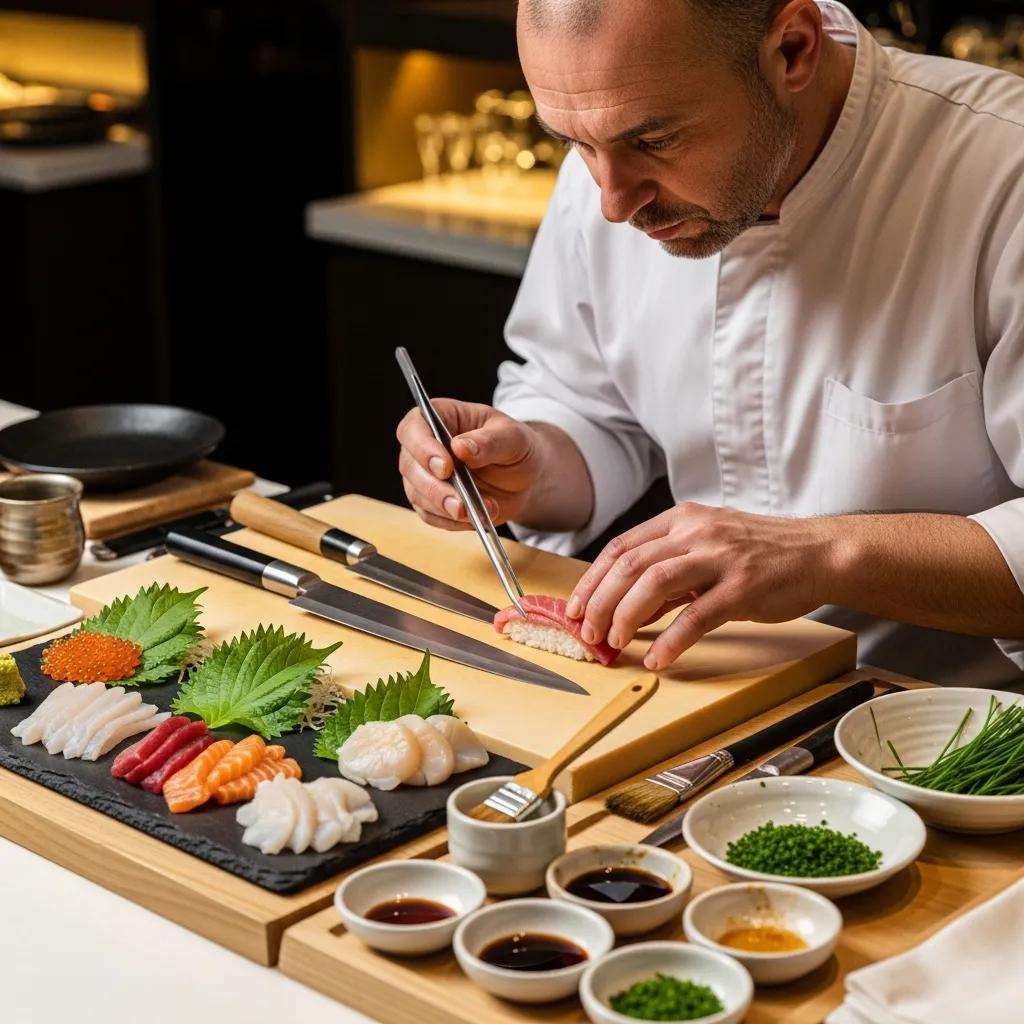
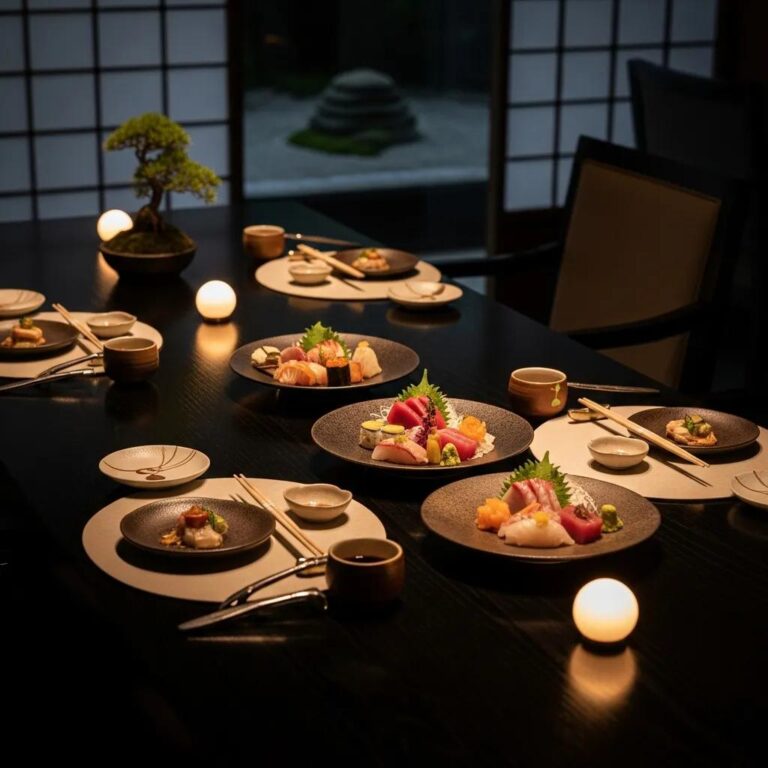
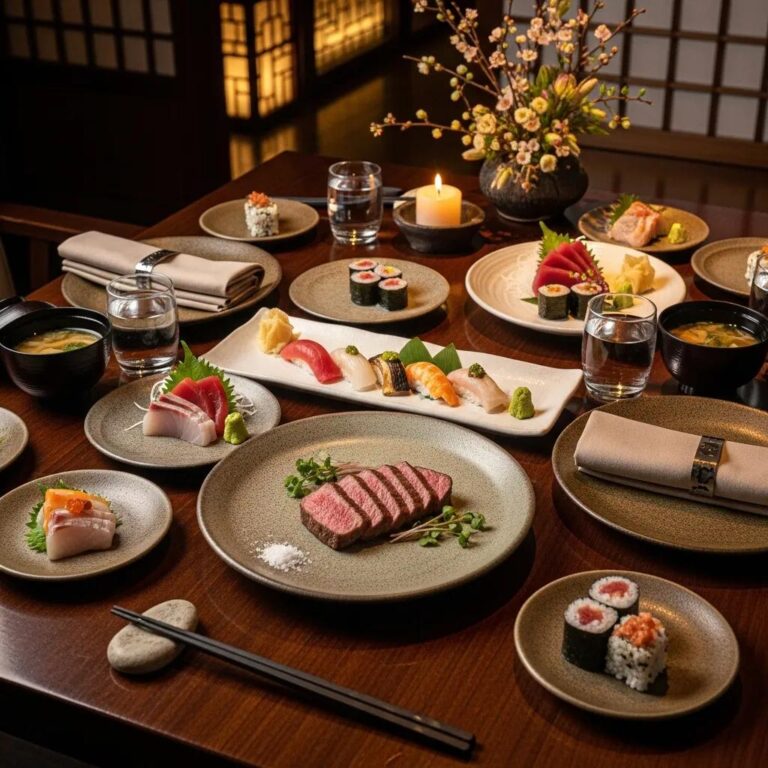
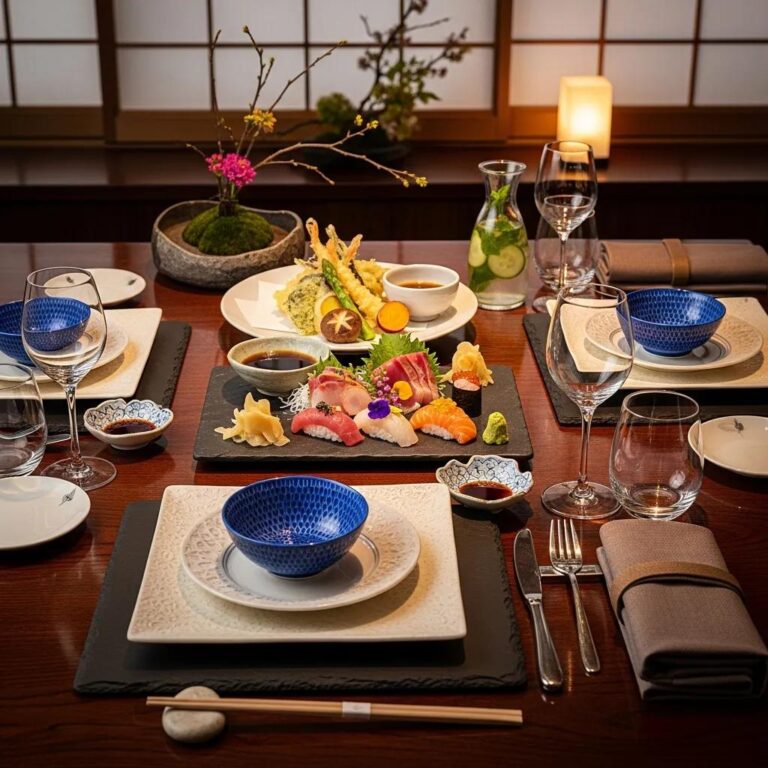
Omakase at Kaviar is a chef-led progression built on disciplined mise en place, rice calibration, knife precision, informed aging choices, and thoughtful finishing. By entrusting the menu to the chef, the sequence is designed to move the palate through contrasts of texture, temperature, and umami intensity. Typically we begin with light, chilled sashimi to showcase freshness, then move to aged fish for deeper savor, follow with a seared item for Maillard complexity, and finish with a cleansing, focused course. This pacing ensures each technique plays a purposeful role in an evolving sensory arc.
As an upscale Japanese fine-dining destination in Pasadena, CA, Kaviar offers omakase seating or curated tasting progressions—reserve an omakase seat or review the restaurant’s menu to select the experience that suits your occasion. Our sequence emphasizes technical transparency and sensory storytelling to deepen guest engagement and perceived value.
Key procedural steps Kaviar uses in omakase:
- Opening Sequence: Light, chilled courses (sashimi, subtle vinegared bites) to calibrate the palate and show raw quality.
- Mid-Sequence Development: Aged or cured fish and gently cooked items that build umami and texture.
- Statement Courses: Sear-finished A5 Wagyu or torch-seared sushi to introduce Maillard aromas and rich mouthfeel.
- Resolution: Acidic or herbal cleansers and a refined caviar or dessert to close the arc.
These stages create a predictable yet dynamic progression that balances novelty with tradition, and lead naturally into the technical details below.
What precision knife skills shape Kaviar’s sushi and sashimi?
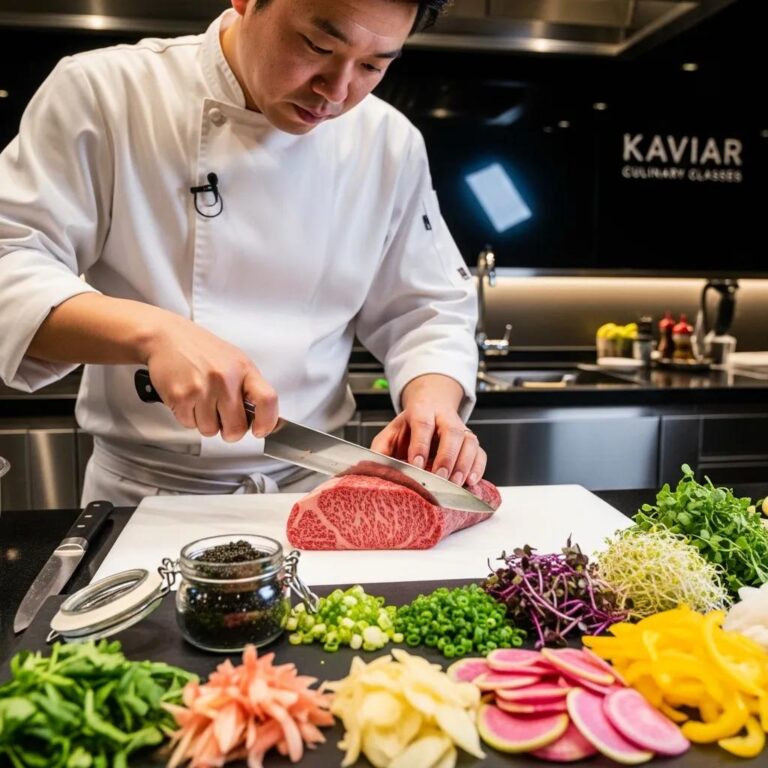
Our knife work pairs classical Japanese blades with strict angle control to optimize texture, mouthfeel, and visual presentation. For single-piece nigiri and sashimi we favor yanagiba-style slicing, aligning grain and muscle fibers and cutting at roughly 15–20 degrees to yield a clean surface that releases flavor at the ideal moment on the tongue. Regular stropping and whetstone maintenance preserve blade edge and minimize cellular damage, helping fish retain moisture and resist premature oxidation. The practical payoff: properly cut sashimi that “melts” with controlled flossing and predictable aroma release—foundational skills for aged fish and the precise portions used throughout omakase.
How does fish aging enhance umami on our omakase menu?
Controlled aging concentrates umami by letting endogenous enzymes break proteins into free amino acids like glutamate, while gently altering texture for a more tender bite. We choose wet aging (vacuum-sealed, shorter timelines) or dry aging (temperature- and humidity-regulated, longer timelines) based on species and the sensory goal. Strict low-temperature storage and hygiene controls allow enzymatic action without spoilage, producing fish with deeper savory notes and softer connective tissue. For example, a briefly dry-aged amberjack develops a richer aroma and silkier texture that deepens the mid-sequence experience and prepares the palate for richer, seared courses.
This table shows how timing and technique shape the omakase arc and why sequencing matters to guest perception.
What A5 Wagyu cooking methods do we use at Kaviar?
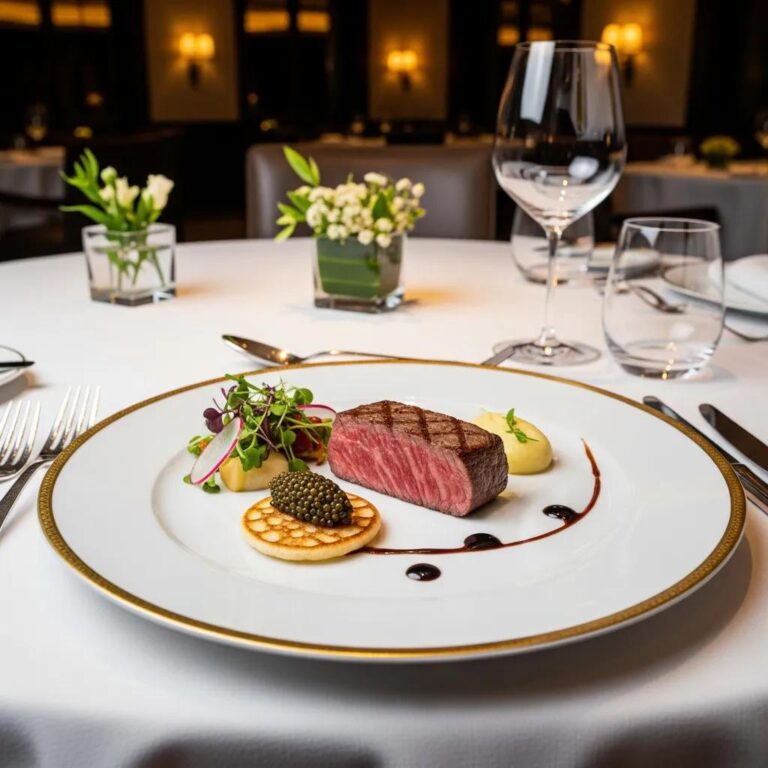
Cooking A5 Wagyu at Kaviar is about showcasing marbling through exact temperature control and minimal handling so the beef delivers a melt-in-mouth texture. A5 denotes the highest marbling and yield for Japanese Wagyu; our goal is selective rendering so the exterior forms a thin Maillard crust while the interior remains luxurious. We use low-contact sears or brief high-heat contact—often finished with a blowtorch or hot pan—to form a flavorful crust without overcooking. Careful resting and serving temperature let collagen and intramuscular fat redistribute, producing the silky texture A5 is prized for.
We pair sourcing transparency with technique: cut selection, sear intensity, and rest windows are all tuned to grade so the dish reads as provenance-driven through taste and texture.
This comparison illustrates why cut choice and temperature control are central to achieving the melt-in-mouth Wagyu experience.
How do we achieve the perfect sear for A5 Wagyu?
Our sear follows a focused sequence: bring the piece close to room temperature, pat dry to remove surface moisture, season subtly, then expose it to intense, even heat for a short time to trigger Maillard reactions without overcooking inside. Heat source—cast iron, flat-top, or torch—depends on desired crust and smoke control. Timing is precise: short sears on each side with a finishing torch for edge rendering build a thin, flavorful crust while internal temperature monitoring preserves a tender interior. A brief rest lets juices and rendered fat equilibrate, producing the silky mouthfeel and pronounced beef aroma characteristic of Kaviar’s Wagyu service.
- Preparation: Temper meat, pat dry, light seasoning to showcase Wagyu fat.
- Searing: Apply high, even heat for short intervals; use torch for edge rendering when needed.
- Resting: Rest briefly so juices and intramuscular fat stabilize serving temperature.
These steps protect A5 Wagyu’s defining trait—the intramuscular fat that dissolves on the palate—while ensuring consistent, chef-controlled results.
Why is Wagyu marbling important and how does Kaviar source premium cuts?
Marbling—the network of intramuscular fat—drives tenderness, juiciness, and flavor delivery: it melts at relatively low temperatures, creating a buttery mouthfeel and concentrating savory notes. Marbling acts as a flavor reservoir, carrying fat-soluble compounds that amplify aroma as it renders. Our sourcing prioritizes high-marbling A5 cuts and aligns cooking technique to grade: the chef considers marbling distribution, thickness, and finish to avoid over-rendering delicate fat fields. While we don’t list specific farms here, our kitchen translates sourcing into practice by adjusting sear intensity and resting windows so the texture and taste speak to provenance without relying solely on labels.
How do we present caviar for a fine-dining moment?
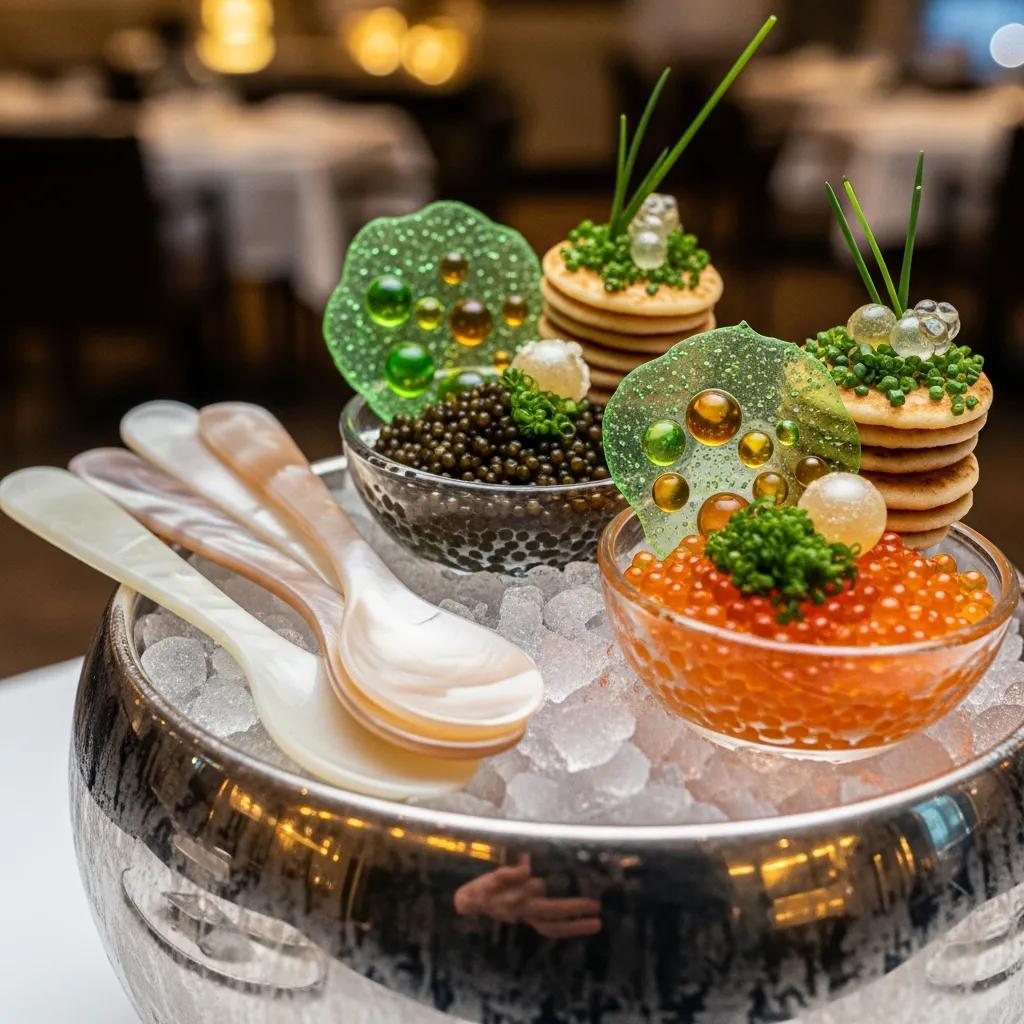
Our caviar service pairs service fundamentals—temperature control, neutral utensils, precise portioning—with restrained molecular accents that enhance texture and aroma. Key practices include serving near-freezing to protect fragile lipids, avoiding metal with mother-of-pearl or ceramic spoons, and using small-format molecular elements (spherifications, gels, foams) to complement rather than overpower. These choices preserve delicate flavor compounds while adding controlled contrasts—creamy emulsions, a delicate gel “pop,” or an aromatic foam. The table below summarizes common caviar types, pairing profiles, and how we match presentation to taste and serving temperature.
Presentation goals for Kaviar’s caviar service:
- Protect: Preserve temperature and use gentle utensils to maintain texture and flavor.
- Contrast: Introduce a single textural accent (gel, blini, foam) to highlight pop and mouthfeel.
- Balance: Add acid or cultured dairy to cut richness without masking the caviar.
These examples show how caviar selection informs presentation choices, and why temperature and utensil selection are essential to preserving delicate flavor.
What molecular techniques do we use with caviar?
We apply molecular techniques sparingly to support, not overshadow, caviar: spherification to encapsulate complementary sauces, agar membranes for a controlled pop, and stabilized foams to lift aroma. Spherification—cross-linking alginate with calcium—creates a thin membrane that bursts on the tongue, delivering a concentrated accent beneath the roe. Agar gels form thin, stable platforms or membranes that add tactile contrast without changing flavor, while foams (soy lecithin or other stabilizers) release volatile aromatics immediately. These interventions are chosen for their ability to enhance caviar’s natural texture, salinity, and aroma in a composed, balanced bite.
Which pairings and serving styles enhance the caviar experience?
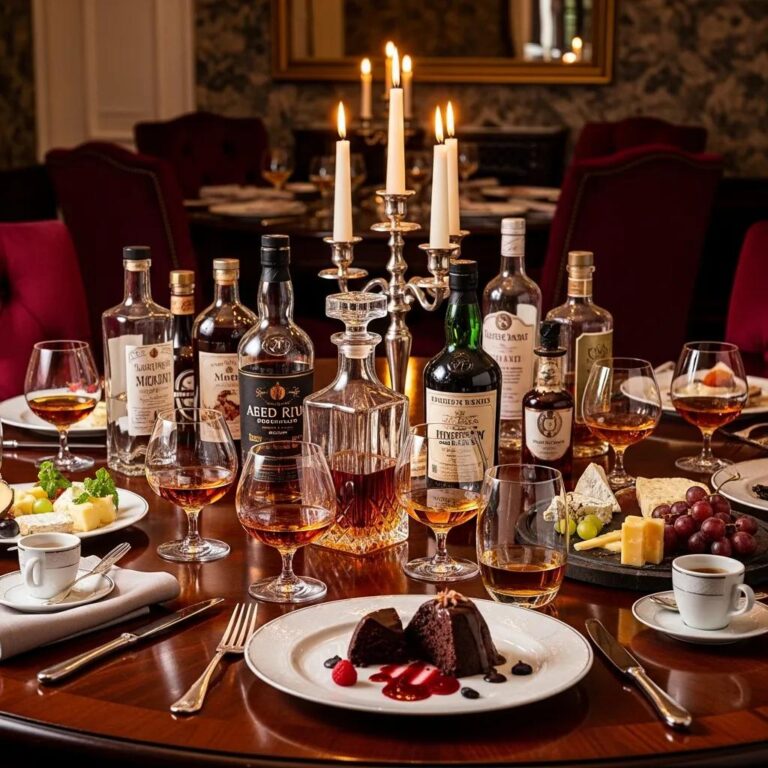
Pairings favor neutral carriers and subtle acidity so caviar’s salinity and fat-soluble aromatics remain the focus. Typical elements include micro-blini, a light cultured cream or crème fraîche, and tiny acidic touches like micro-citrus or a whisper of yuzu. Serving vessels are cold and inert—mother-of-pearl spoons, chilled ceramic shells—to prevent metallic notes and maintain temperature. Below are pairing suggestions for diners who want to get the most from the caviar moment.
Recommended pairing suggestions:
- Classic: Caviar with unsalted blini and a small dollop of cultured crème fraîche to amplify creaminess.
- Bright Counterpoint: Caviar with a tiny citrus gel or yuzu membrane to add acidity and lift.
- Texture Contrast: Caviar on a thin agar wafer to introduce an elegant snap without masking flavor.
These pairing principles and utensil choices ensure the caviar moment at Kaviar is refined and thoughtfully composed.
What modern Japanese gastronomy trends influence Kaviar’s kitchen?
Kaviar reflects contemporary trends that prioritize sustainability, narrative-driven tasting menus, and precision cooking to deliver consistent, transparent fine dining. We emphasize ethical sourcing of seafood and high-grade beef, selective use of sous vide and temperature-controlled tools for repeatable results, and storytelling that ties provenance and technique into the guest experience. These trends let kitchens produce complex sensory results reliably while giving diners clear reasons behind price and provenance—an approach that pairs classical methods with modern appliances to enhance texture and flavor in measured ways.
How do we use sous vide in our Japanese cuisine?
Sous vide is used selectively where precise doneness and moisture retention matter—delicate fish cuts, certain shellfish, or to stabilize high-grade beef before a rapid sear. Vacuum-sealing and low-temperature baths ensure even heat penetration and predictable protein denaturation, allowing chefs to hit target textures consistently. Typical windows for delicate fish range from the low 40s to mid 50s °C for short durations to maintain flakiness while managing enzyme activity; for Wagyu, sous vide can stabilize interior temperature before a high-heat finish. This approach pairs well with torching or pan crusting to add Maillard character without risking overcooking.
What role do flavor layering and culinary science play at Kaviar?
Flavor layering uses reductions, emulsions, umami concentrates, and acid balances so each course evolves within a bite and across the menu. We combine base flavors (salts, glutamates) with modifiers (acids, bitters, aromatic oils) and textural contrasts (crisp, gel, foam) so every dish resolves cleanly and sets up the next. For example, a reduced dashi may underpin a seared course while a light citrus emulsion lifts the finish; together they manage palate fatigue and heighten perceived complexity. Culinary science—understanding solubility, aromatic volatility, and temperature effects—guides these choices so dishes feel both technically precise and emotionally resonant.
How can diners experience Kaviar’s techniques in person?
Guests who want to experience Kaviar’s technique-driven menu should expect a chef-led tasting focused on pacing, interaction, and curated progression. Reservations for omakase or tasting menus are recommended given the chef-driven nature of service; prospective guests can consult Kaviar Restaurant’s reservation page and menu descriptions to choose an experience that fits dietary needs and occasion. During service you’ll see alternating chilled and warm courses, visible finishing techniques (torch, sear, gel application), and occasional chef interaction to explain method and sourcing—practices that deepen appreciation for the kitchen’s decisions. Noting allergies and arriving on time helps preserve the intended sequence and maximize the culinary narrative.
What should you know about booking and the omakase experience?
Think of your reservation as an invitation to a curated sensory arc where timing and sequence matter. The service is structured to move through technique-focused moments that prepare the palate. Please communicate dietary restrictions ahead of time so the chef can adapt the sequence without compromising technical intent. During the meal, the chef or service team may offer brief explanations—why a fish was aged, why a torch finish was used, or how a caviar accent was prepared—helping you connect technique to taste. That transparency is central to Kaviar’s aim: to teach through tasting while delivering an elevated Japanese fine-dining experience in Pasadena, CA.
Which signature dishes best showcase our culinary innovation?
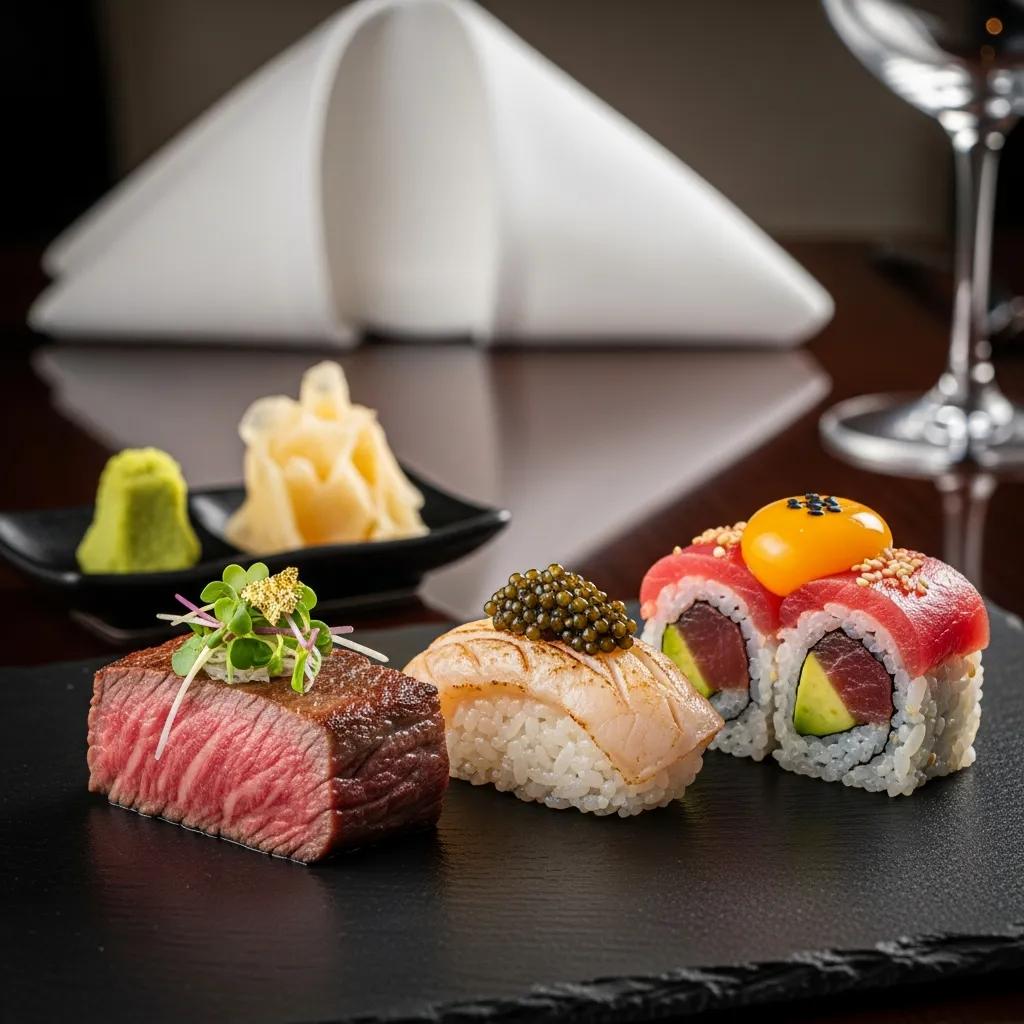
A few signature items concentrate the kitchen’s technical range and are ideal for guests seeking a focused taste of our methods. These plates combine clear technique with distinct sensory outcomes: a torch-seared nigiri that provides Maillard aroma without losing raw quality, an aged-sliced sashimi that reveals enzymatic umami concentration, and an A5 Wagyu finish that highlights temperature-controlled searing and melt-in-mouth marbling. Each is a technical showcase and a highlight within the omakase progression.
Signature dish recommendations:
- Torch-seared Nigiri: A finishing technique that adds aromatic lift while preserving raw integrity.
- Aged Sashimi Course: Demonstrates enzymatic umami concentration and refined texture change.
- A5 Wagyu Finish: Highlights marbling-driven mouthfeel and precise searing.
Frequently Asked Questions
What is the significance of seasonal ingredient sourcing at Kaviar?
Seasonal sourcing ensures we work with the freshest, most flavorful ingredients available. Aligning the menu with natural cycles lets our chefs highlight peak produce and seafood, supports responsible suppliers, and keeps the tasting menu dynamic—reflecting the best of each season.
How does Kaviar ensure food safety during fish aging processes?
Food safety is central to our aging protocols. We combine low-temperature control, strict hygiene, and close monitoring of temperature and humidity to allow enzymatic activity without spoilage. These safeguards let us safely concentrate flavor while maintaining the highest safety standards.
What role does temperature control play in Kaviar’s cooking techniques?
Temperature control underpins much of our work—especially for delicate fish and A5 Wagyu. Precise temperatures (from sous vide to controlled sears) let us achieve desired textures reliably, preserve moisture, and build targeted flavor through Maillard reactions and gentle denaturation.
How does Kaviar incorporate molecular gastronomy into its dishes?
We use molecular techniques sparingly and with purpose—spherification, gels, and foams that support the main ingredient rather than dominate it. Examples include a gel membrane for caviar or a light foam to lift aromatics; each intervention is calibrated to enhance texture and aroma while keeping the dish balanced.
What should diners expect during the omakase experience at Kaviar?
Expect a thoughtfully paced, chef-led sequence that alternates chilled and warm courses, highlights finishing techniques, and often includes brief explanations of method and sourcing. The experience is interactive and educational by design, aimed at deepening your appreciation of technique and provenance.
How does Kaviar’s culinary philosophy reflect contemporary dining trends?
Our philosophy aligns with trends toward sustainability, transparency, and narrative-driven tasting menus. We emphasize ethical sourcing, precise technique, and storytelling so guests understand both the origins of ingredients and the methods that shape flavor—creating a modern fine-dining experience rooted in craft.
Conclusion
Tasting at Kaviar is an opportunity to experience how careful technique and contemporary science can elevate Japanese fine dining. By marrying tradition with measured innovation, each dish demonstrates the attention to detail that defines our kitchen. To explore these methods firsthand, consider reserving an omakase seat at Kaviar Restaurant in Pasadena, CA. We look forward to sharing our craft—one deliberate course at a time.