




Kaviar Restaurants Dress Code for Fine Dining: Your Guide to Upscale and Omakase Attire
At Kaviar, the way you dress helps shape the evening—both the atmosphere and the flow of service. This guide outlines what to wear so your look matches the restaurant’s quiet, refined energy. You’ll find clear rules for fine dining, specific expectations for omakase, and practical notes about Pasadena so you arrive comfortable and confident. Because we encourage reservations for our signature omakase, A5 Wagyu, and caviar-focused dishes, knowing the dress code makes for a smoother, more deliberate night. Many guests wonder how formal “elegant attire” should be; below we define the standard, give outfit examples for men and women, cover grooming and accessories, and offer last-minute tips to avoid common mistakes. We start with the recommended dress code, then move into omakase specifics, Japanese-influenced elements, Pasadena context, common missteps, and final prep steps to align your outfit with Kaviar’s expectations.
What Is the Recommended Dress Code for Fine Dining at Kaviar Restaurants?
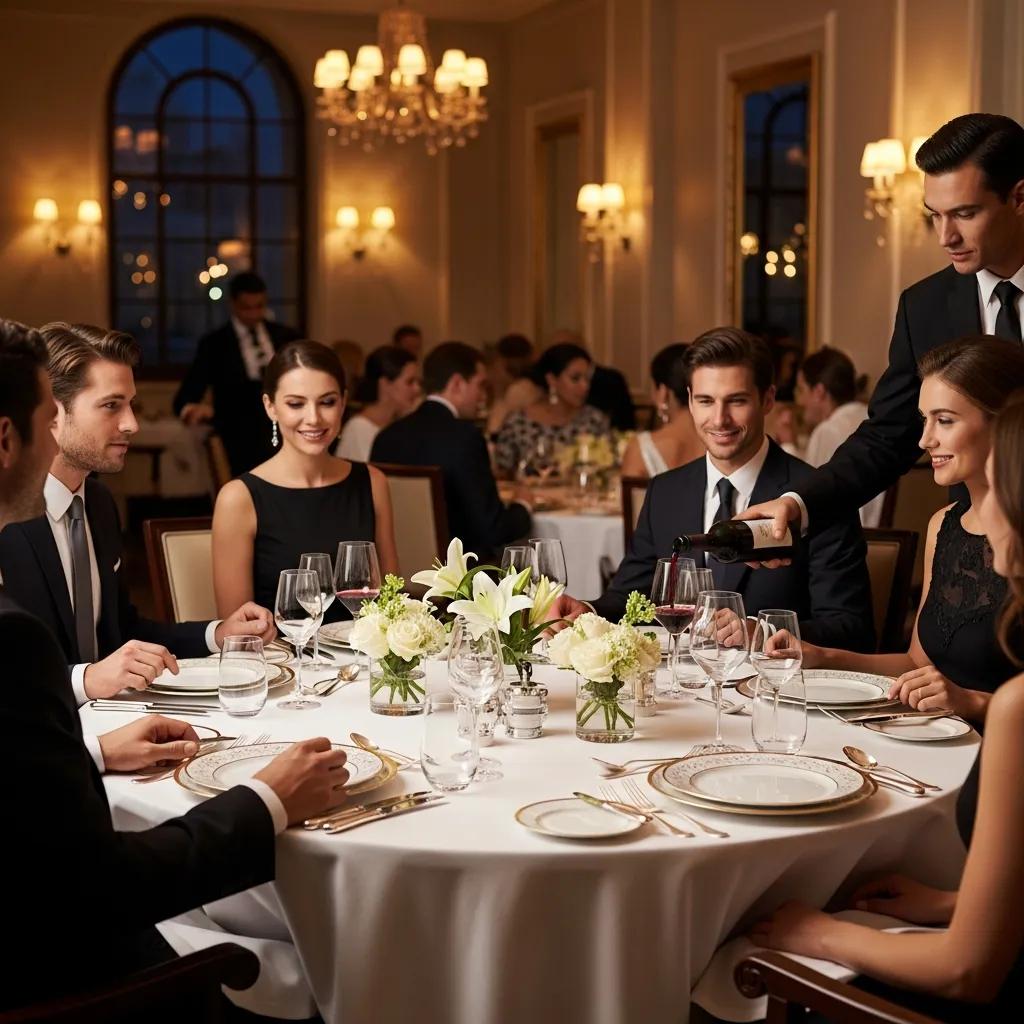
Our recommended dress code is elegant, refined attire—think cocktail or business formal rather than casual. Dressing with intention shows respect for the craft and helps maintain a calm environment where tasting menus and omakase take center stage. Aim for tailored silhouettes, quality fabrics, and a subdued color palette that complements our minimalist dining room and the food. Below are concrete outfit ideas for men and women, plus quick rules to help you choose with confidence.
Use these practical suggestions to translate “elegant” into an outfit ready for the dining room.
- Recommended men’s outfit: tailored blazer, button-down shirt, dark trousers, leather dress shoes, and a simple watch.
- Recommended women’s outfit: midi sheath or tailored dress, low-to-mid heels or polished flats, understated jewelry, and a small clutch or bag.
- Smart-casual upgrade: fitted knit sweater over a collared shirt, chinos, and loafers for less formal evenings.
- Seasonal layering: a lightweight blazer or elegant overcoat for cool Pasadena nights; breathable fabrics in warmer months.
These examples show how pieces map to formality and prepare you for how we define “luxury” in restaurant attire.
How Does Kaviar Define Luxury Restaurant Attire?
At Kaviar, luxury is about three things: impeccable fit, refined fabric, and restrained styling that keeps the focus on the meal. Tailoring matters—a well-cut blazer or shirt signals care and complements our elevated hospitality. Favor wool blends, silk, fine cottons and subtle patterns—muted stripes or light textures—so clothing reads as quietly elegant. Stick to a restrained palette—navy, charcoal, cream, black and muted jewel tones—and keep accessories polished but minimal: a slim belt, simple cufflinks, or a delicate pendant. This approach helps you move smoothly from casual to fine dining without feeling overdone.
With that definition in place, the next section clarifies the practical differences between casual and fine-dining choices.
What Are the Key Differences Between Casual and Fine Dining Attire at Kaviar?
The gap between casual and fine-dining looks is mostly about fit, material and restraint. Casual favors comfort and relaxed shapes; fine dining calls for sharper silhouettes, higher-quality fabrics and considered accessories. Swap sneakers for dress shoes or polished loafers, T‑shirts for collared shirts or refined blouses. Small details—pressed seams, shined shoes, lint‑free garments—read as more formal than labels. If you’re upgrading an outfit, change one element at a time—start with shoes, then a top, then accessories—to keep your style authentic. This is especially important for omakase, which asks for a slightly different approach.
How Should You Dress for an Omakase Experience at Kaviar?
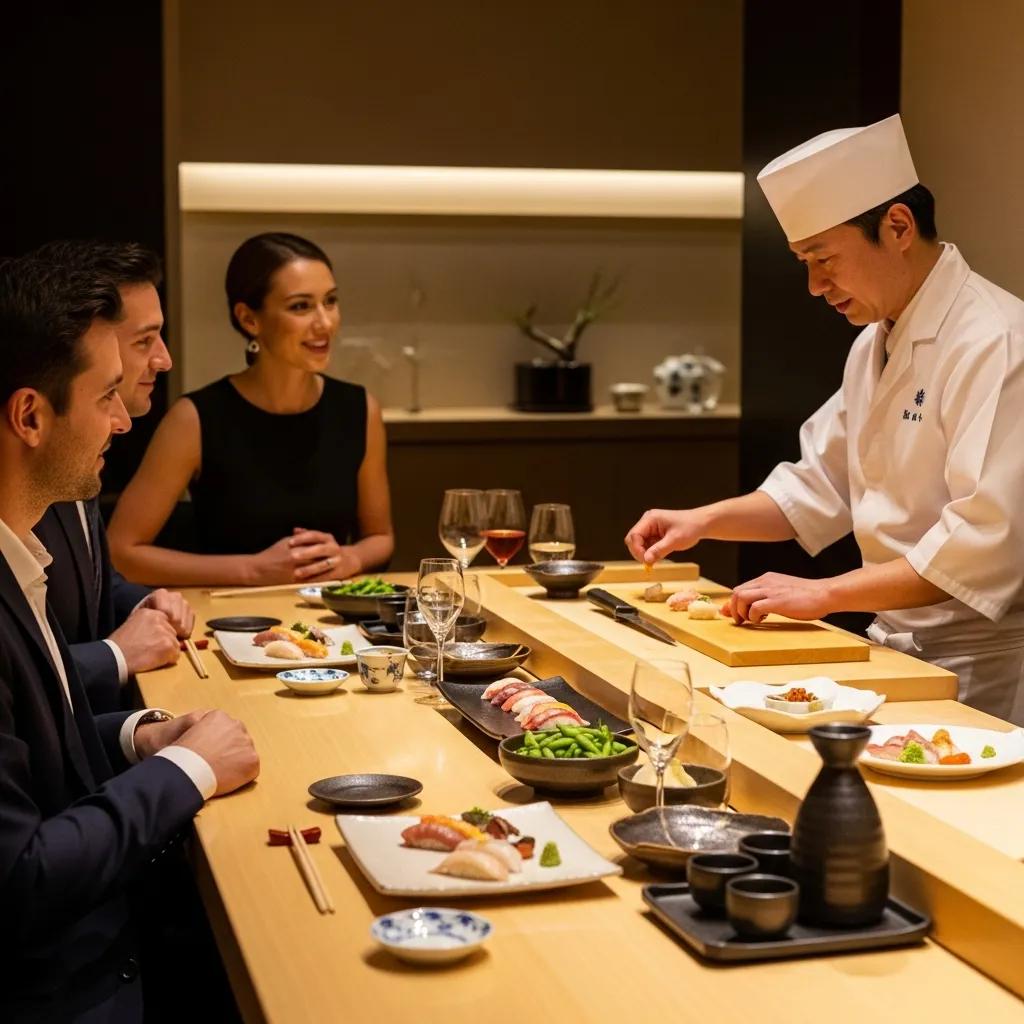
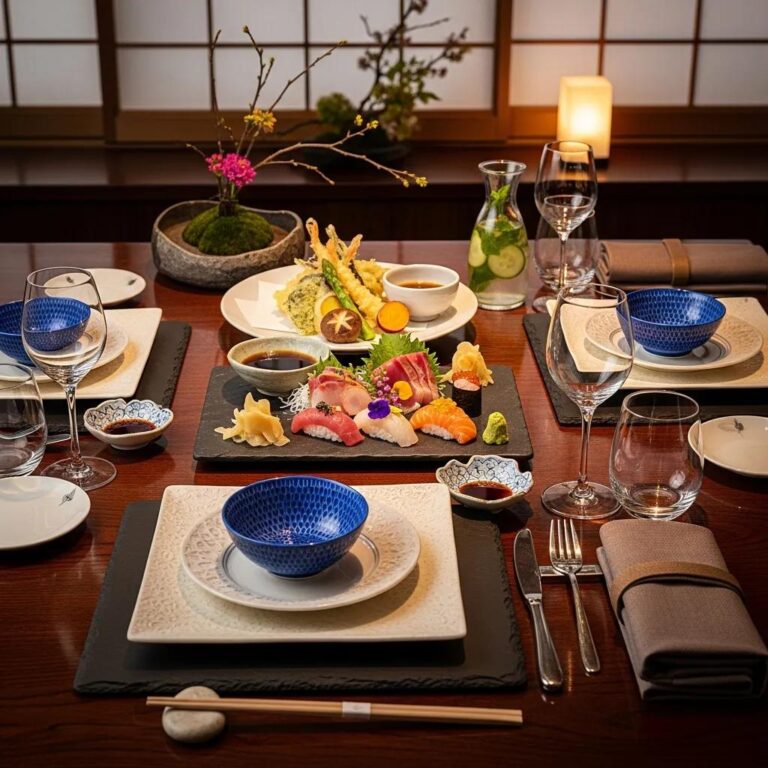
Omakase calls for a mindful, slightly elevated look. The counter setting and close chef interaction reward unobtrusive, comfortable clothing that still reads polished. Choose breathable, low‑noise materials—avoid clinking jewelry or rustling fabrics—so the focus remains on the sequence of dishes. Below are outfit examples and three practical tips to ensure your presentation matches the intimacy and ritual of an omakase service.
These guidelines translate into clear choices for both men and women and explain why restraint matters at the chef’s counter.
What Is the Typical Omakase Dress Code for Men and Women?
For omakase, men should aim for a neat, semi‑formal look: a tailored blazer or sport coat, a crisp shirt or fine knit, dark trousers, and closed leather shoes that are comfortable for extended seating. Women often choose a midi dress or tailored separates—such as a silk blouse with tapered trousers—and low‑to‑mid heels or polished flats for ease at the counter. Gender‑neutral options like structured blazers, quality knitwear, and monochrome palettes also work well, reducing visual distraction and emphasizing decorum. Bring a light layer for comfort at the counter where temperatures can change.
Appropriate dress supports both the cultural and practical elements of the omakase and preserves the harmony between guest and chef.
Why Is Dressing Appropriately Important for Omakase Dining?
Appropriate attire for omakase shows respect for the chef’s craft, minimizes sensory distractions, and preserves the immersive flow of the tasting. Quiet fabrics and minimal accessories keep attention on texture, aroma and flavor. Dressing with restraint also makes counter interactions smoother—the chef presents dishes directly and may speak briefly—so a composed, understated look signals your appreciation for the experience. These reasons make it easier to choose deliberately when preparing for your reservation.
What Are the Essential Elements of Upscale Japanese Dress Code at Kaviar?
Our approach to Japanese‑influenced upscale dress emphasizes minimalism, craftsmanship and subtle nods to tradition within modern tailoring—qualities that reflect our culinary precision. Core elements include precise tailoring, a muted color palette, natural fibers and minimal ornamentation so clothing complements rather than competes with the food. Tasteful traditional touches—like a kimono‑style jacket or an obi‑inspired belt—are welcome when modernized and worn respectfully. Below is a practical breakdown of common attire types and suggested pieces to help you plan.
Which Traditional and Modern Attire Styles Are Accepted?
We welcome both modern Western formalwear—well‑cut suits and dresses—and tasteful incorporations of Japanese elements such as a minimalist kimono jacket, simple wrap tops, or obi‑inspired sashes. When combining styles, keep proportions and fabric harmony in mind: pair a kimono‑style layer with tailored trousers or a sheath dress rather than casual denim. Favor muted colors, with occasional deep indigo or lacquered tones that reference Japanese aesthetics while preserving modern formality. Avoid oversized or heavily patterned pieces that disrupt the restaurant’s quiet atmosphere.
Thoughtful cultural cues can enhance an outfit when balanced with clean tailoring and good taste.
How to Incorporate Japanese Dress Code Etiquette into Your Outfit?
Bringing Japanese etiquette into dress means preferring modest silhouettes, subtle fragrances and quiet accessories that respect proximity at the counter. Do choose closed‑toe shoes that are comfortable for sitting, wear garments that allow natural movement, and pick fabrics that don’t rustle or clink. Don’t wear heavy perfumes, oversized bags that crowd seating, or noisy jewelry. Keep colors and patterns tasteful—deep neutrals, indigo and simple motifs—to align with our minimalist service and keep attention on the plating. These choices help the chef’s work speak for itself.
How Does Pasadena Fine Dining Dress Code Influence Kaviar’s Attire Expectations?
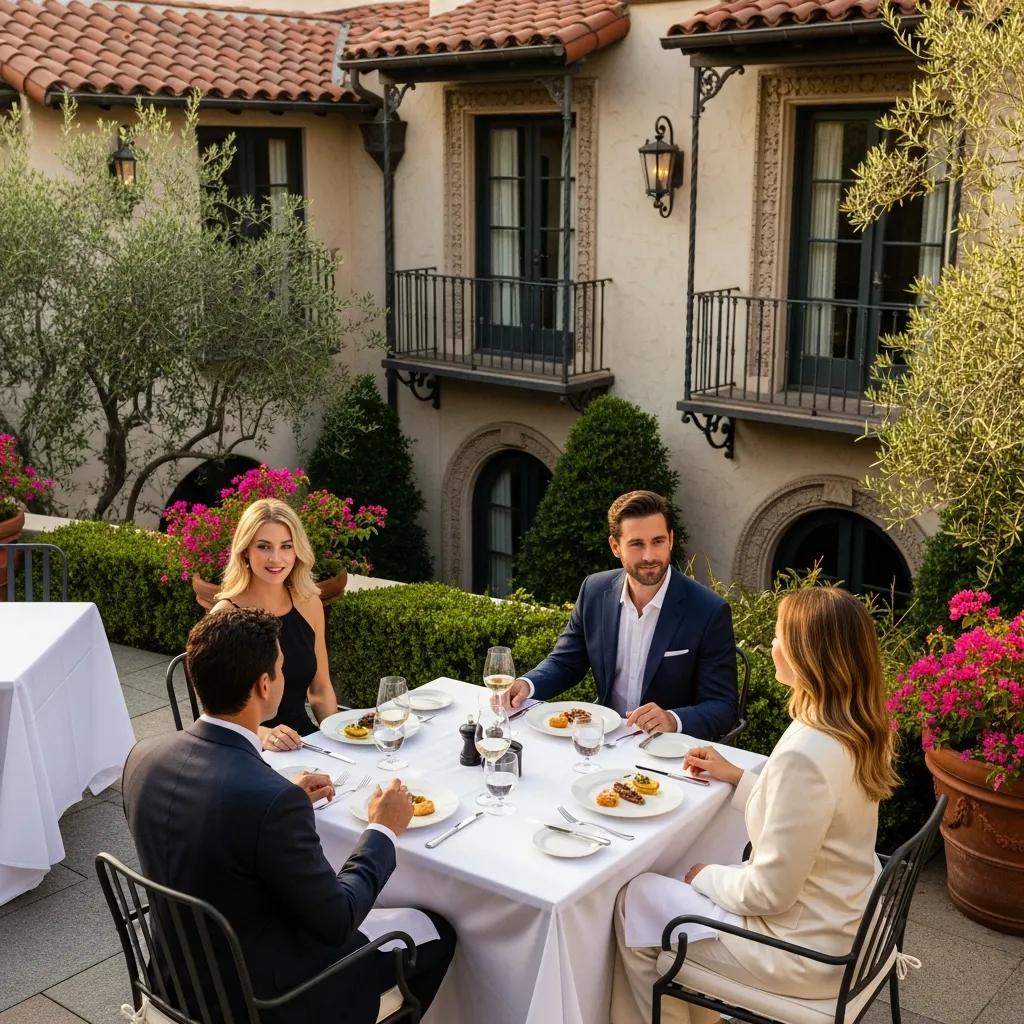
Pasadena’s dining scene favors understated neighborhood luxury—polished without flash—and that local sensibility shapes what we expect from guests. Patrons arriving from theater evenings or cultural events typically favor tasteful layers and mid‑range formalwear, so our standards reflect neighborhood elegance and culinary seriousness. Seasonal considerations mean breathable fabrics and light layers in warm months, with tailored outerwear for cooler evenings. Below are local trends and alignment tips to help you calibrate your look before your reservation.
Knowing Pasadena’s tone helps you choose an outfit that feels right both in the restaurant and around town.
What Are Pasadena’s General Fine Dining Dress Code Trends?
Trends here favor polished, minimalist looks that blend classic Western tailoring with local casual refinement—imagine a well‑cut blazer with simple accessories rather than overt glamour or obvious casual wear. Event nights may call for more formal dress; weekday dinners tend toward elegant business casual. Footwear trends lean to leather loafers, clean low heels and refined boots over sporty or workwear styles. Use these cues to pick an outfit that fits Kaviar and the greater Pasadena evening.
How to Align Your Outfit with Pasadena’s Luxury Restaurant Standards?
Before you head out, run a quick checklist: are your shoes clean and appropriate? Are outer layers tailored? Remove instantly casual items like graphic tees and choose minimal accessories that won’t impede seating. Consider the weather—bring a refined overcoat for cool nights or a light blazer for summer—and pick fabrics that travel well. Let one subtle, personal detail (a patterned pocket square or muted scarf) express individuality while keeping the rest of the outfit restrained. These small steps reduce uncertainty and help you avoid common dressing mistakes.
What Are Common Mistakes to Avoid in Kaviar’s Fine Dining Dress Code?
The most common missteps are under‑dressing (sneakers, athletic wear), over‑accessorizing (noisy jewelry, oversized bags), and heavy scents that disrupt a shared tasting. Each error has a simple fix: swap sneakers for dress shoes, remove large bracelets, or apply fragrance lightly—or not at all. Other easy improvements are addressing poor fit or wrinkles—a quick steam or lint roll goes a long way. Below are the top five mistakes and quick corrective tips so you can make immediate adjustments.
- Sneakers and athletic shorts: Choose leather shoes and tailored trousers to match the restaurant’s formality.
- Loud perfumes or colognes: Opt for no fragrance or a very light scent out of respect for other diners.
- Oversized, casual handbags: Bring a small clutch or compact crossbody to avoid crowding at the counter.
- Untailored or ill-fitting garments: Visit a tailor or pick pieces with a cleaner silhouette for better polish.
- No attention to shoes/maintenance: Clean and polish shoes and remove lint for an instant uplift.
Avoiding these common mistakes preserves the restaurant’s calm service environment and prepares you for an enjoyable meal.
Which Attire Choices Are Considered Inappropriate or Too Casual?
Items to avoid include athletic wear, graphic tees, flip‑flops, heavily ripped denim and gym attire—these conflict with the elevated tone and the intimacy of omakase seating. Simple swaps work well: replace flip‑flops with loafers or refined sandals, and pair dark, unembellished denim with a blazer if you must wear jeans. Avoid oversized statement jewelry that may clang or distract. Choose one or two polished elements and simplify the rest to correct a casual outfit without sacrificing comfort.
How Can You Ensure Your Outfit Matches Kaviar’s Dress Code Every Time?
A five‑point pre‑departure checklist keeps things consistent: check shoes, confirm fit and tailoring, remove visible lint, test fragrance restraint, and verify accessories are quiet. Keep a small emergency kit—mini steamer, lint roller, backup flats or slip‑on dress shoes, sewing kit, safety pins and stain wipes—for last‑minute fixes. Arriving a few minutes early gives you time for discreet adjustments and shows respect for reservation timing.
How to Prepare Your Outfit for Kaviar’s Fine Dining Experience?
Preparing your look means combining grooming, accessories and thoughtful shopping so your outfit suits omakase and tasting menus. Start grooming 24 hours ahead—clean, trimmed nails, neat hair and minimal fragrance—and choose accessories that enhance without distracting: a slim watch, discreet cufflinks, or a compact clutch. When buying, prioritize fit and fabric over labels; a single tailoring session can transform off‑the‑rack pieces. To guarantee the curated experience Kaviar offers, reserve in advance so we can prepare the level of service your attire reflects.
What Accessories and Grooming Are Recommended for Luxury Dining?
Recommended accessories and grooming favor subtle, high‑quality choices: a slim leather watch, small stud earrings, a simple belt and a compact clutch—items that avoid bulk or noise. Grooming should include fresh breath, neat nails and tidy hair; avoid heavy makeup or strong fragrances that could interfere with tasting notes. For omakase seating, remove long dangling earrings and bracelets that might brush plates—choose flat, quiet jewelry instead. The table below summarizes practical accessory tips for easy packing or preparation.
These straightforward choices support a calm, focused dining experience and point to where to find suitable garments.
Where to Shop for Fine Dining and Omakase Appropriate Clothing?
When shopping, prioritize tailors, specialty boutiques and rental or consignment options that emphasize fit and fabric over logos. Look for natural fibers—wool blends, silk, high‑thread‑count cotton—and plan for a tailoring session to refine proportions; one visit often turns off‑the‑rack pieces into restaurant‑ready clothing. Rental services are practical for special occasions and let you wear higher‑formality items without a long‑term commitment. Sustainable choices—upcycled or classic investment pieces—offer longevity and align with mindful consumption while preparing you for a reservation‑driven experience.
These shopping strategies help build a wardrobe that’s practical, respectful and aligned with Kaviar’s ethos.
We’ve covered recommended dress code, omakase guidance, essential elements of Japanese‑influenced attire, Pasadena context, common mistakes, and final preparations to help you present appropriately at Kaviar Restaurants.
Frequently Asked Questions
What should I consider when choosing colors for my outfit at Kaviar Restaurants?
Choose a subdued palette that complements our minimalist dining room. Navy, charcoal, cream, black and muted jewel tones convey elegance without drawing attention from the food. Bright, flashy colors can distract from the experience—aim to enhance the ambiance and let the cuisine remain the focal point.
Are there specific grooming tips to follow for a fine dining experience?
Grooming matters. Keep nails clean and trimmed, hair neat, and makeup understated. Avoid heavy fragrances that can interfere with tasting. For men, a clean shave or well‑groomed facial hair is appreciated. These small touches show respect for the dining environment and your fellow guests.
How can I ensure my outfit is comfortable for a long omakase meal?
Choose breathable fabrics and well‑fitted pieces that allow for movement. Pick low‑noise accessories and layer thoughtfully to adapt to changing temperatures. Closed‑toe shoes that are comfortable for sitting are ideal. Prioritizing comfort ensures you can fully enjoy each course.
What types of shoes are appropriate for Kaviar’s fine dining setting?
Appropriate footwear includes leather dress shoes for men and polished flats or low‑to‑mid heels for women. Avoid sneakers, flip‑flops and overtly sporty shoes. Clean, well‑maintained shoes complete your look and show attention to detail.
How can I incorporate personal style while adhering to the dress code?
Express yourself with one or two thoughtful details—a patterned pocket square, a distinctive belt, or a muted scarf—while keeping the rest of your outfit restrained. Make sure those elements harmonize with an overall elegant aesthetic so your personal style complements the dining experience.
What should I do if I feel uncertain about my outfit choice?
If you’re unsure, run through a quick checklist: is the outfit clean, well‑fitted and appropriate for the occasion? Ask a friend for a second opinion if helpful. When in doubt, err on the side of slightly more formal—showing respect for the meal is always a safe choice.
Conclusion
Understanding Kaviar’s dress code elevates the evening for you and everyone at the table. Thoughtful attire shows respect for the chef’s work and enhances your own experience. Prepare with intention, and consider reserving in advance to ensure the full, carefully curated omakase journey. We look forward to welcoming you.