





Kaviar’s Artisanal Bread Service: A Refined Introduction to Bread in Fine Dining
At Kaviar, our artisanal bread service is a chef-curated course of freshly baked loaves crafted to complement tasting menus and guide the palate through a multi-course experience. This piece explains how a focused bread program—rooted in slow fermentation, precise bake timing, and refined accompaniments—serves as both textural contrast and a subtle flavor bridge between dishes. You’ll find clear, practical notes on the technical baking stages that shape crumb and crust, the signature breads commonly offered in a high-end Japanese tasting context, and pairing logic that elevates Kaluga caviar, A5 Wagyu and beverage selections. We also cover seasonal rotations, how to request bread service when booking, and why handcrafted bread belongs at the center of experiential dining. Throughout, useful terms like artisanal bread, gourmet bread service, omakase bread service, and bread pairings caviar are woven into actionable guidance to help diners and culinary professionals appreciate, request, and evaluate a premier bread offering.
What Sets Kaviar’s Artisanal Bread Service Apart?
Our bread service brings together meticulous baking technique, careful ingredient sourcing, and intentional timing within service to support the tasting menu. Long fermentation and a continuously maintained starter build layered flavors, while thoughtfully chosen accompaniments are designed to enhance premium proteins and delicate seafood. The result is a tactile, gustatory connector that balances umami, salt and fat between courses and refreshes the palate for what follows. Knowing these distinctions explains why a deliberately composed bread course matters in luxury Japanese fine dining.
Below we outline the program’s core differentiators, followed by a practical example of how the approach plays out in service.
- Daily in-house baking to guarantee freshness and align bread with seasonal menu elements.
- Controlled fermentation—maintained starter and timing—to deliver consistent depth and crumb structure.
- Curated accompaniments, like cultured butter and selected salts, chosen to partner with premium menu items.
These principles produce a coherent program—not a generic basket—where each technical choice supports service flow and pairing strategy, which we detail next.
How Our Baking Process Reflects Culinary Craftsmanship
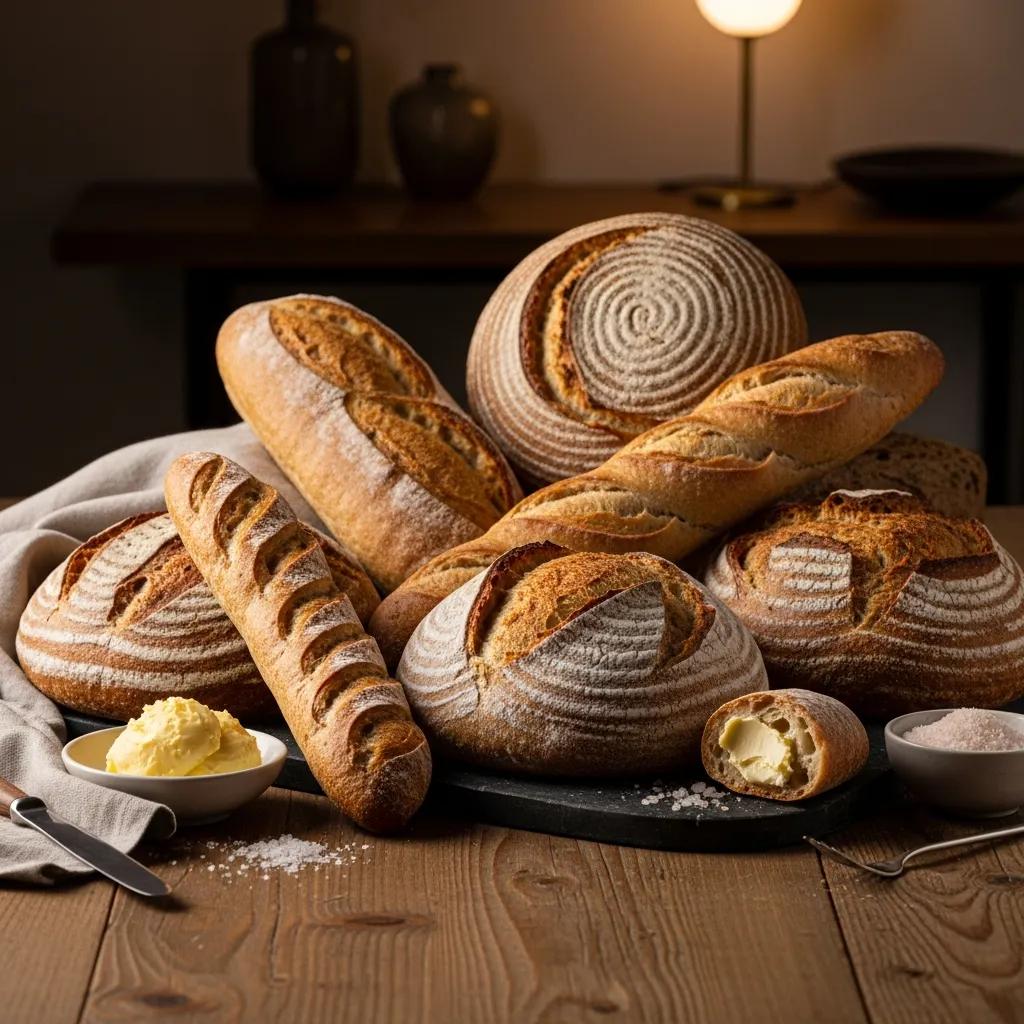
Our process centers on a healthy sourdough starter, extended bulk fermentation, careful bench shaping and precise oven spring management to yield the desired crumb and a flavorful crust. Bakers fine-tune hydration, folding intervals and proof times to achieve either an open, airy crumb or a tighter, knife-friendly slice—decisions that change mouthfeel when paired with caviar or Wagyu. This technique-led approach mirrors fine-dining standards: control of time and temperature produces consistent, refined results for the dining room. Understanding these steps reveals how texture and fermentation inform pairing outcomes.
From there, ingredient choices define the final flavor profile and pairing potential.
Sourdough Starters: Ecology, Practices, and Sensory Quality in Baking
Sourdough baking is a time-honored practice built on the stewardship of a living starter culture. Starters vary widely across regions and bakers, and while scientific study has expanded our understanding of sourdough microbiology, there is no single standardized technique for starter use in production. This review surveys current knowledge about starter ecosystems, maintenance practices and factors that shape sensory outcomes in bread—offering practical hypotheses for managing starters in artisanal and commercial settings.
A review of sourdough starters: Ecology, practices, and sensory quality with applications for baking and recommendations for future research, AA Madden, 2021
Which Premium Ingredients Define Our Handcrafted Selection?
We select single-origin and specialty flours, cultured butter, artisan sea salts and occasional inclusions—truffle, seasonal grains or citrus—that enhance aroma and mouthfeel. Each element has a clear role: the flour shapes starch and gluten behavior; cultured butter adds lactic richness and creamy weight; finishing salts add a bright lift that highlights umami. Sourcing from local mills or trusted producers ensures these components harmonize with both delicate seafood and richly marbled meats. Recognizing how ingredients alter compatibility clarifies the pairing choices described below.
Those ingredient notes lead into the signature breads we present in our program.
What Signature Breads Appear in Kaviar’s Gourmet Bread Experience?
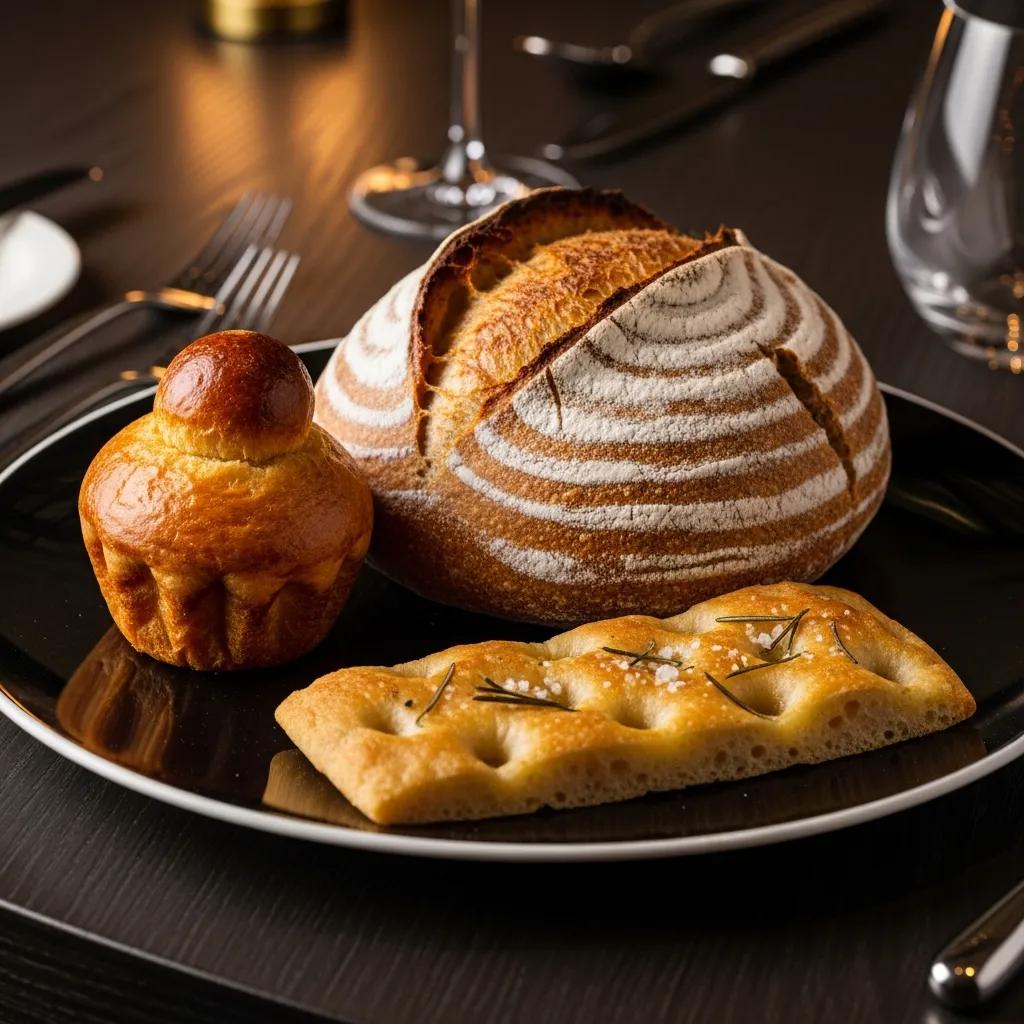
Our signature lineup is crafted for distinct pairing roles: a naturally leavened sourdough for crisp texture and clarity, a rich brioche for buttery balance, a thin herbed focaccia to carry oil-based condiments, specialty dinner rolls for crowd-pleasing versatility, and a truffle-enriched loaf for decadent, umami-forward matches. Each is finished and served at an intended temperature and plated to complement the tasting menu, not overpower it. The table below summarizes texture, method and ideal pairings to help diners choose confidently.
This quick reference shows how each signature loaf supports a specific role in the tasting sequence and what to expect when it arrives at the table.
Which Bread Types Showcase Our Artisanal Expertise?
Each type highlights a technical skill: long ferments for sourdough depth, enrichment techniques for tender brioche, and hydration control for ideal focaccia crumb. Mastery appears in consistent oven spring, controlled crumb openness and balanced crust development—achieved by calibrated temperature and timing. These refinements explain why handcrafted breads offer sensory complexity and pairing flexibility that mass-produced loaves cannot match. Appreciating these production details deepens the dining experience and guides pairing choices.
How Do These Breads Complement a Japanese Fine Dining Menu?
We choose breads to balance the umami, salt and fat typical of Japanese tasting menus, providing palate resets and textural contrast alongside sashimi or grilled courses. An open-crusted sourdough can cleanse after a saline bite; a buttery brioche can temper the richness of Wagyu without competing with its fat. Serving temperature and portioning—warm, thinly sliced or torn for sharing—reinforce the tasting ritual and preserve the meal’s pacing.
These complementary roles ensure bread enhances, rather than distracts from, an omakase-style sequence.
This pairing logic leads into specific matches with premium ingredients like Kaluga caviar and A5 Wagyu.
How Kaviar’s Bread Service Elevates the Palate with Thoughtful Pairings
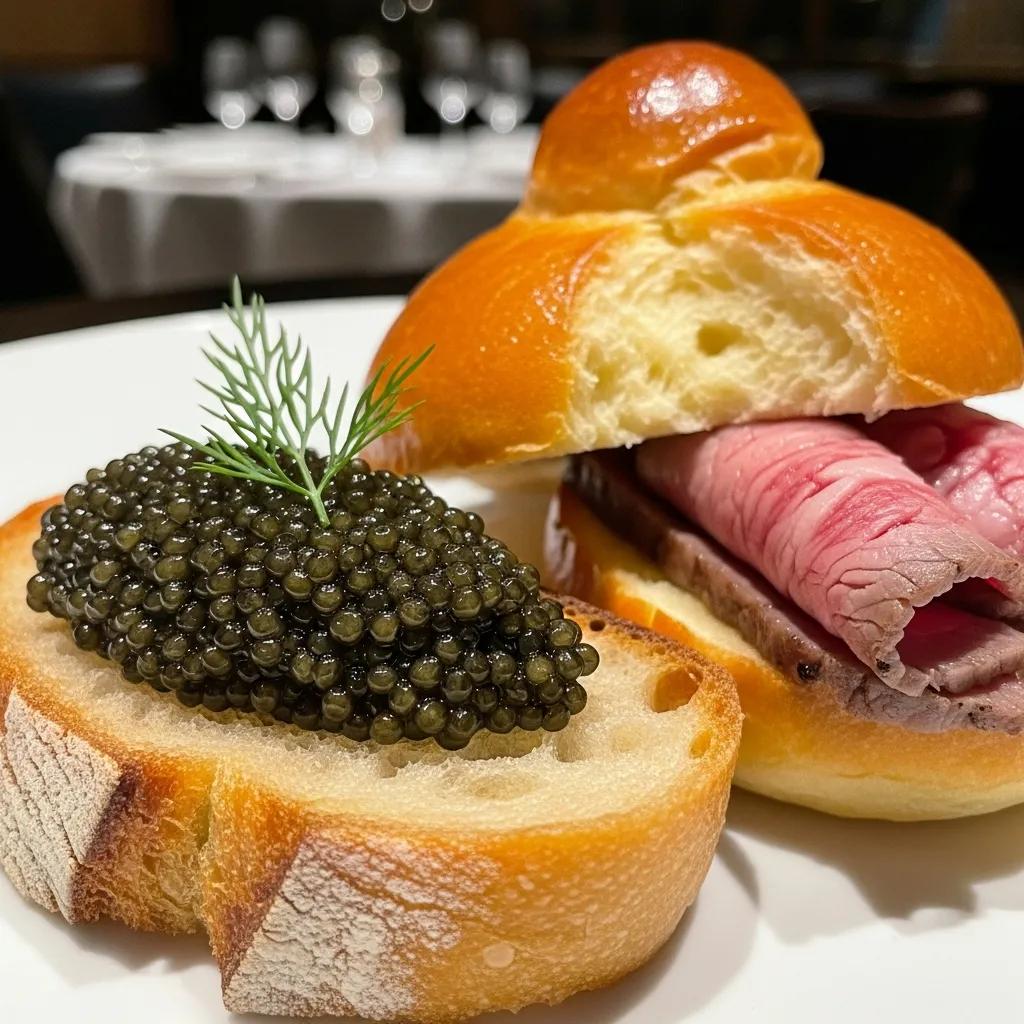
A deliberate bread service elevates the meal by matching texture and flavor drivers—fat, salinity and acidity—to the strengths of premium ingredients. Pairings follow sensory logic: neutral, airy breads let delicate seafood shine; enriched breads bridge to fatty meats; oil-forward breads carry umami-rich condiments. The table below lists our top pairings and explains why they work, useful for diners and sommeliers planning tasting flows.
Best Pairings for Kaluga Caviar and A5 Wagyu
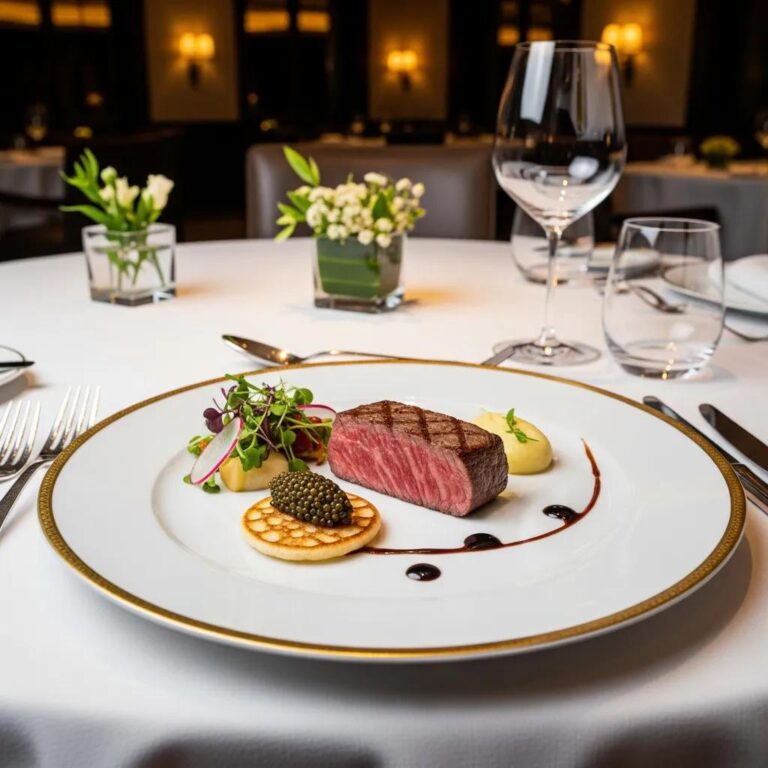
Kaluga caviar benefits from lightly textured breads that offer lift without overwhelming its delicate saline nuance—think thinly sliced, naturally leavened sourdough with minimal butter so the caviar’s briny oils and pop remain central. A5 Wagyu pairs beautifully with a plush, buttery brioche that complements high marbling and heightens the sensation of richness while supplying a gentle textural counterpoint. Successful pairings balance intensity and mouthfeel so neither element overshadows the other—key to thoughtful tasting design.
Which Sake and Wine Selections Best Complement the Bread Service?
Beverage choices should mirror the bread-and-protein relationship: a delicate Junmai Daiginjo or a citrus-driven white pairs well with sourdough and caviar, offering restrained acidity and floral lift. For richer courses like A5 Wagyu, aged sake or a rounded, lightly oaked white or a medium-bodied red with soft tannins will cut through fat and refresh the palate. Service temperature and glass shape matter: chilled, narrow-profile glassware preserves lift for lighter matches; slightly warmer pours reveal depth against richer breads. Thoughtful beverage mapping completes the pairing triad and reinforces the meal’s narrative.
What Seasonal and Exclusive Bread Offerings Does Kaviar Offer?
We rotate seasonal breads to introduce short-run flavors that reflect chef-driven innovation—spring grains, autumn root flours or specialty fermentations that echo the tasting menu. Limited availability creates meaningful menu updates and aligns bread accompaniments with seasonal proteins and condiments. The table below lists current seasonal breads, their availability rhythm and the inspirations behind each one so guests can anticipate and request them when booking.
These seasonal selections are timed to complement the larger menu and give diners a specific reason to reserve during select windows for exclusive breads.
Which Seasonal Breads Are Currently on the Menu?
Current seasonal breads highlight local produce and mirror seasonal proteins—citrus-infused loaves in spring for light seafood, or nutty autumn breads to accompany richer mains. Each limited item spotlights a single ingredient to create a distinct change in aroma and texture from the regular lineup. Letting the kitchen know your preferences when booking helps incorporate seasonal breads into your tasting sequence.
These rotations encourage repeat visits to experience evolving bread pairings.
How Do Upcoming Creations Showcase Culinary Innovation?
Upcoming breads explore hybrid techniques—combining long fermentation with lamination, or using unconventional cultures to shape novel sourness and aroma profiles. Chefs may incorporate foraged elements or work with millers to develop proprietary flour blends that yield signature textures. This R&D treats bread as an intentional creative element, not an afterthought, and keeps the program evolving.
Knowing these experiments are underway helps guests see bread as an active part of the tasting narrative.
How to Experience Kaviar’s Artisanal Bread Service via Reservation
To include our curated bread service, indicate your tasting menu and pairing interests when booking so the kitchen can plan allocations and specialty accompaniments. Reservations are available online or by phone; notes about allergies, pairing preferences or celebrations ensure the service integrates seamlessly with your meal.
If you’re planning a specific pairing—Kaluga caviar with sourdough or brioche with A5 Wagyu—calling ahead or adding a reservation note increases the chance of a curated presentation. Advance booking also helps secure seasonal breads that have limited availability.
The following subsection explains step-by-step booking tips to ensure the bread service is included and optimized.
Reservation Steps for Enjoying the Bread Service
When reserving, tell us you’d like the bread service and share dietary restrictions or pairing requests so the team can prepare and allocate specialty breads. Reserve online or call the dining room at (626) 605-0330; mentioning the bread service and preferred pairings helps our kitchen plan. Allow a little lead time—particularly for exclusive seasonal breads—to improve the likelihood of receiving specialty items on the night of your visit. Confirming preferences on arrival ensures smooth integration with your tasting menu.
These simple booking steps lead into what guests commonly report after experiencing the program.
What Guests Say About the Bread Service
Guests often praise the warmth of freshly baked breads, the thoughtfulness of pairings and how bread courses enhance the flow of a tasting menu. Reviews on platforms like Google and OpenTable frequently highlight texture, presentation and the way breads balanced rich or saline dishes. These comments act as social proof for prospective diners and guide our portioning and pairing decisions. We monitor feedback to keep refining the program so it consistently supports the tasting narrative.
Guest perspectives underscore why specifying pairing preferences when reserving is helpful.
Why an Artisanal Bread Service Matters in Luxury Japanese Fine Dining
An artisanal bread service functions as a sensory pivot within a tasting menu—supporting pacing, offering palate resets and introducing textures that highlight umami and fat contrasts. In Japanese fine dining, where subtlety and balance are central, bread can be crafted to accentuate rather than compete with delicate preparations. Strategically, an in-house bread program signals provenance and technique, aligning with modern diners’ expectations for craft. Recognizing bread as an intentional course reframes it from accompaniment to an integrated element of the meal.
The next subsection places bread service within broader experiential dining trends.
How Bread Service Enhances Experiential Dining
Bread service creates a ritualized moment—warmth on arrival, shared breaking of bread and tailored pairings that linger in memory. This ritual supports menu pacing by offering a tactile counterpoint between courses and allows chefs to modulate intensity across a tasting. As diners seek narrative and novelty, bread becomes an opportunity for storytelling—seasonal expression, ingredient highlights and chef creativity.
That is why many contemporary tasting menus invest in in-house baking programs.
What Consumer Preferences Drive Demand for Handcrafted Bread?
Today’s diners value authenticity, traceability and visible craft—qualities that translate into interest in breads that showcase starter lineage, local flours and deliberate technique. Preference for sensory-rich, memorable experiences makes guests willing to pay for curated breads that complement premium ingredients like Kaluga caviar and A5 Wagyu. Transparency about technique and origin increases perceived value and deepens engagement with the tasting menu.
These consumer drivers support investment in in-house baking as part of a complete luxury dining proposition.
Frequently Asked Questions
Why is fermentation important in artisanal bread making?
Fermentation is the backbone of flavor, texture and aroma in artisanal bread. Slow fermentation—often from a natural starter—breaks down complex carbohydrates, enhances digestibility and builds a layered flavor profile. It also contributes to structure, producing a desirable crumb and well-developed crust. Knowing this helps diners appreciate the craft behind each loaf and its role at the table.
How should diners engage with the bread service during their meal?
To get the most from the bread service, taste breads with their suggested pairings and take small, intentional bites so flavors can interact with accompanying dishes. Share preferences or dietary restrictions when booking to allow the kitchen to tailor selections. This simple engagement makes the pairing experience more personal and rewarding.
Are gluten-free options available?
Traditional artisanal breads are typically wheat-based, but some fine-dining programs offer gluten-free alternatives made from flours like rice, almond or chickpea. We recommend asking about gluten-free options when booking or upon arrival so the kitchen can accommodate dietary needs and present suitable alternatives that respect the tasting format.
How often does Kaviar update its bread offerings?
Kaviar refreshes its breads seasonally, introducing limited flavors that reflect the culinary calendar and menu changes. We also roll out occasional limited-time breads for special events or local harvests. Check the menu or ask when reserving to learn about current and upcoming offerings.
What role does presentation play in the bread service?
Presentation elevates the bread course—warm loaves, careful plating and considered accompaniments set the tone. Serving vessels, finished garnishes or bespoke condiments all contribute to the sensory story and reflect our commitment to culinary artistry.
Can guests request specific breads when reserving?
Yes. Guests may request specific breads at booking—especially for seasonal or limited items. Mentioning desired selections or pairing requests and noting any dietary restrictions increases the likelihood we can accommodate your preferences and deliver a tailored experience.
Conclusion
Kaviar’s artisanal bread service is designed to enrich your tasting menu with thoughtfully crafted loaves that enhance premium ingredients. Each loaf reflects deliberate technique and considered pairing, created to elevate texture and flavor throughout the meal. Reserve in advance and share your bread preferences so we can tailor the experience. Explore our full offerings and book your table to taste the difference.