





How Kaviar Sources Sustainable Seafood for Luxury Japanese Dining
At Kaviar, luxury Japanese dining is defined by exacting technique and deliberate, responsible sourcing. Our omakase, caviar service, and A5 Wagyu offerings are crafted to deliver exceptional taste while honoring long‑term ocean health. This article outlines our sourcing philosophy, the fishing and aquaculture methods we prioritize, and how traceability and third‑party certifications shape menu decisions and seasonal planning. Many guests in Pasadena want both provenance and premium flavor; Kaviar answers that by synchronizing seasonal selection, low‑impact harvest methods, and careful supplier vetting with the chef’s standards. You’ll learn our selection criteria, how MSC and ASC inform choices, practical menu integration for sustainable omakase, community impacts from local partnerships, and simple steps to reserve a sustainable luxury experience. We balance technical sourcing detail with guest‑facing guidance so you know what to expect and how to request provenance information when booking.
What Defines Kaviar’s Sustainable Seafood Philosophy?
Our approach centers on traceability, low‑impact harvest methods, seasonal selection, and rigorous supplier vetting. These priorities make environmental stewardship a part of the kitchen’s craft—improving consistency and elevating flavor. Sustainable sourcing at Kaviar is not a marketing line; it’s a culinary principle: we favor fish caught or farmed to protect ecosystems, and we use provenance to shape dishes and the omakase narrative. That connection between sourcing and service helps chefs curate tasting sequences that taste better and inspire trust.
Supplier screening focuses on verifiable documentation, harvest method confirmation, and seasonal windows—practical checks that reduce supply risk and protect quality. Below we outline the concrete vetting steps Kaviar uses to confirm ethical sourcing.
How Does Kaviar Select Ethically Sourced Seafood?
We evaluate suppliers through a documented vetting process that prioritizes origin records, harvest method, and digital traceability so guests can trust provenance. Vendors provide harvest reports, chain‑of‑custody documentation, and seasonality data to ensure each lot matches the kitchen’s timing and sustainability standards. Building long‑term relationships with suppliers who can share certificates or digital provenance lets the chef plan omakase around verified catches. Clear selection criteria reduce the risk of sourcing from depleted stocks and let service staff confidently explain sourcing to guests.
Those supplier standards point us to the specific fishing and aquaculture practices we prefer for both ecological and culinary reasons.
Which Sustainable Fishing and Aquaculture Practices Does Kaviar Support?
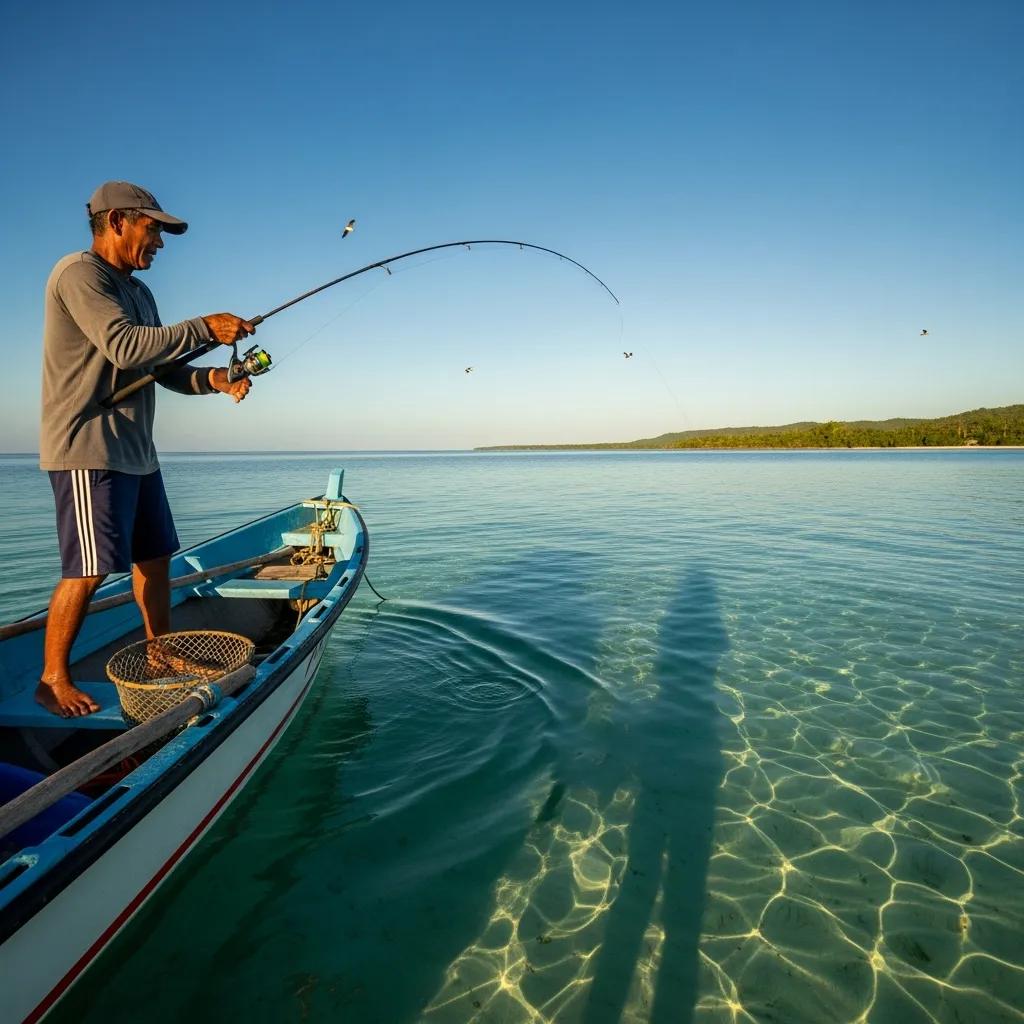
Kaviar favors low‑impact wild methods—line‑caught and pole‑and‑line harvests—and responsible aquaculture systems, including recirculating technologies and ASC‑aligned farms where appropriate. These choices reduce bycatch, protect habitats, and often produce fish with superior texture and freshness—qualities that matter for sashimi and nigiri. We also describe harvest methods to guests: a line‑caught tuna or pole‑and‑line salmon not only supports better fisheries practice but also brings textural nuances that our chefs highlight in plating. Knowing why a species appears in the omakase helps diners appreciate how sourcing affects the final bite.
Which Seafood Sustainability Certifications Does Kaviar Uphold?
Third‑party standards guide many of our sourcing decisions. We use certification frameworks—such as the Marine Stewardship Council (MSC), the Aquaculture Stewardship Council (ASC), and Seafood Watch recommendations—as tools for menu planning, traceability checks, and guest education. Rather than depending only on labels, our team interprets these standards to prioritize lower‑risk stock and to signal certified items clearly when they appear on the menu.
Below we explain how each certification informs choices and how guests can spot certified items in a refined Japanese dining context.
We also use a simple reference table so diners can quickly see what each certification covers and why it matters when looking for MSC‑certified or ASC‑compliant options in Pasadena.
This quick reference helps guests understand certification terms and why certified items are highlighted on our menu. Next, we detail how MSC guidance is applied in kitchen planning.
What Is the Role of the Marine Stewardship Council at Kaviar?
The Marine Stewardship Council provides a benchmark for wild‑capture sustainability that we consult when sourcing sashimi‑grade species. When MSC‑certified lots are available, our purchasing team gives them priority and flags provenance in kitchen briefings so chefs can arrange omakase sequences around certified availability. For diners, an MSC‑certified sashimi course signals conservation‑minded procurement and a clear standard of stock management. We weave that provenance into the service story so guests can connect seafood quality with responsible fishing practices.
The Marine Stewardship Council (MSC) is a global non‑profit organization that sets a standard for sustainable fishing.
Marine Stewardship Council (MSC) Standard for Sustainable Fisheries
The Marine Stewardship Council (MSC) is a global non‑profit organization that sets standards for sustainable fishing. Its criteria, grounded in science, aim to ensure wild‑capture fisheries are managed to minimize environmental impact and maintain healthy fish populations. Fisheries meeting the MSC standard may carry the MSC eco‑label, helping consumers choose seafood caught under recognized sustainability rules.
With MSC guidance covered, the next section explains how ASC principles shape our approach to farmed and cultured seafood.
How Does the Aquaculture Stewardship Council Influence Kaviar’s Sourcing?
The Aquaculture Stewardship Council offers a performance framework we use when evaluating farmed shellfish and finfish. ASC‑aligned criteria—limits on hazardous inputs, responsible feed practices, and community engagement—help determine whether a farmed product is suitable for delicate preparations like sashimi or for cooked dishes. By using ASC principles as part of our vetting, we balance the culinary benefits of aquaculture with our broader sustainability goals, ensuring that farmed options support both plate quality and positive ecological outcomes.
The Aquaculture Stewardship Council (ASC) is a global leader in setting standards for responsible aquaculture.
Aquaculture Stewardship Council (ASC) Certification for Sustainable Seafood
The Aquaculture Stewardship Council (ASC) is a global leader in establishing standards for responsible aquaculture. Its certification program seeks to reduce environmental and social impacts of farmed seafood by covering criteria such as environmental protection, social responsibility, animal welfare, and traceability. Choosing ASC‑certified products gives consumers confidence that farmed seafood was produced with attention to long‑term ocean and community health.
How Does Kaviar Integrate Sustainable Seafood into Its Menu?
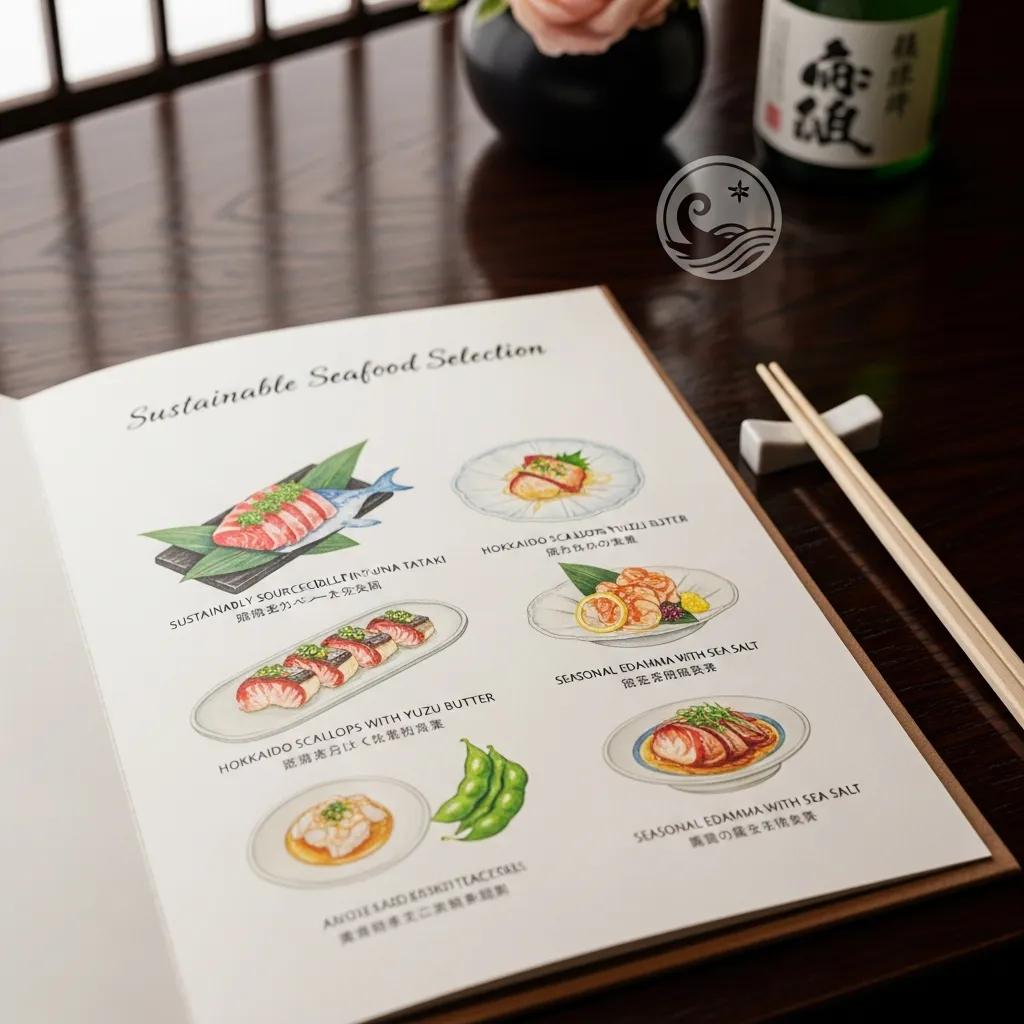
We weave sustainability into menu design through seasonal omakase curation, clear provenance notes, and selective highlighting of certified or traceable items so sustainability supports the dining story rather than interrupting technique. Our culinary team maps seasonal catch windows to tasting sequences so delicate species are served at peak freshness and the omakase evolves with supply. Menu annotations and server training communicate harvest methods or certification status, letting guests request a sustainable omakase or learn about a fish’s origin. By integrating sourcing into plating and pacing, we show that responsible procurement and luxury dining are complementary.
Before sharing sample dishes, the table below links illustrative menu items to their sustainable attributes so guests can scan provenance and seasonality at a glance.
This concise reference makes sustainability claims easy to scan and supports menu markup or schema that highlights hasOffer and sustainabilityPolicy attributes. The next subsection offers illustrative omakase descriptions grounded in these sourcing links.
What Sustainable Seafood Dishes Are Featured in Kaviar’s Omakase Experience?
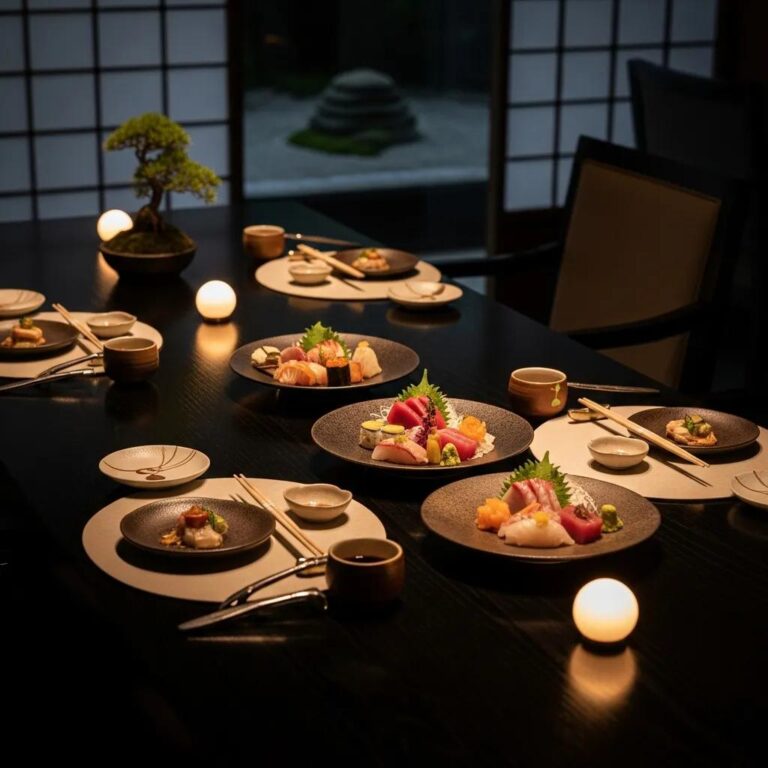
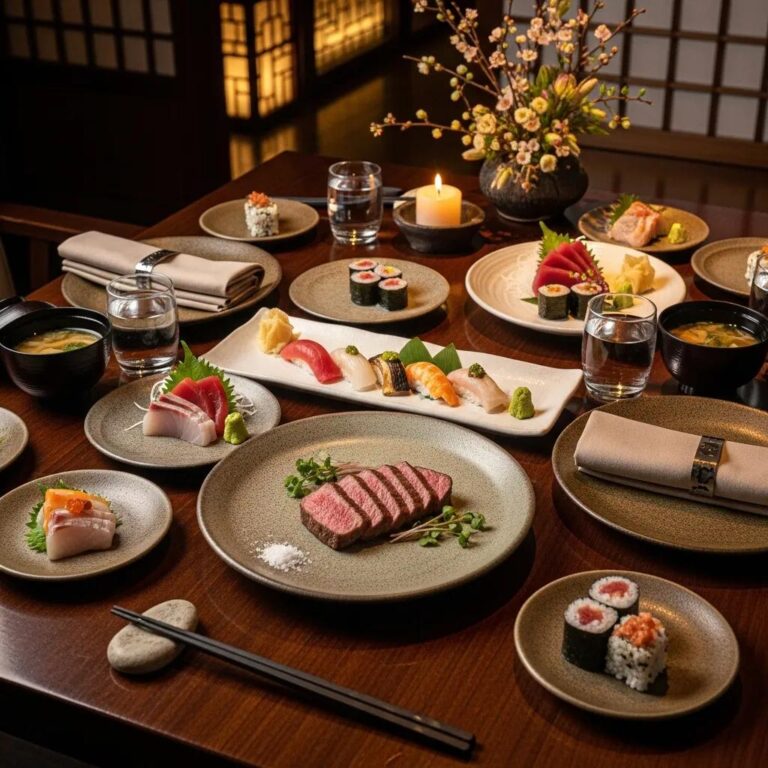
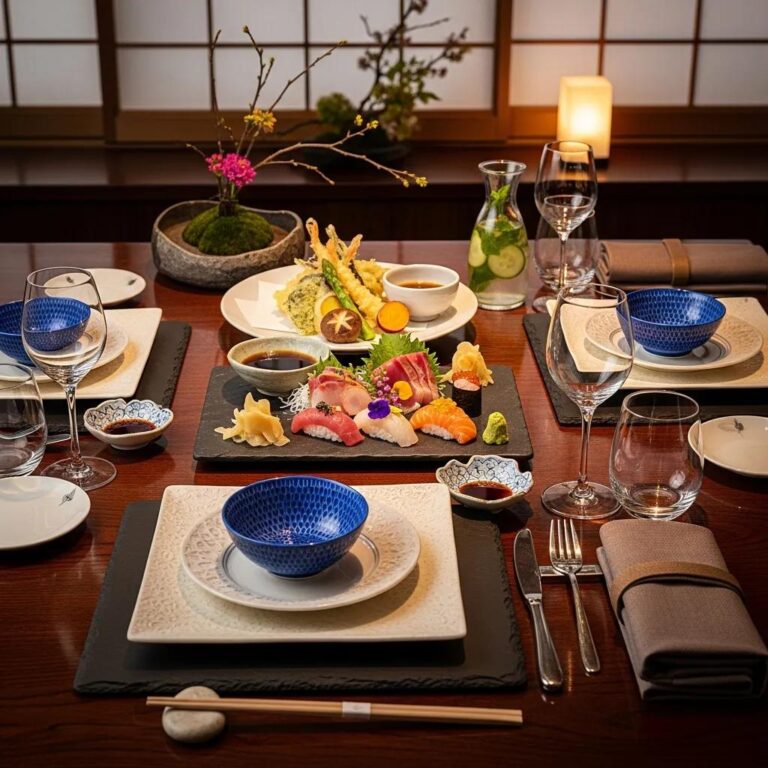
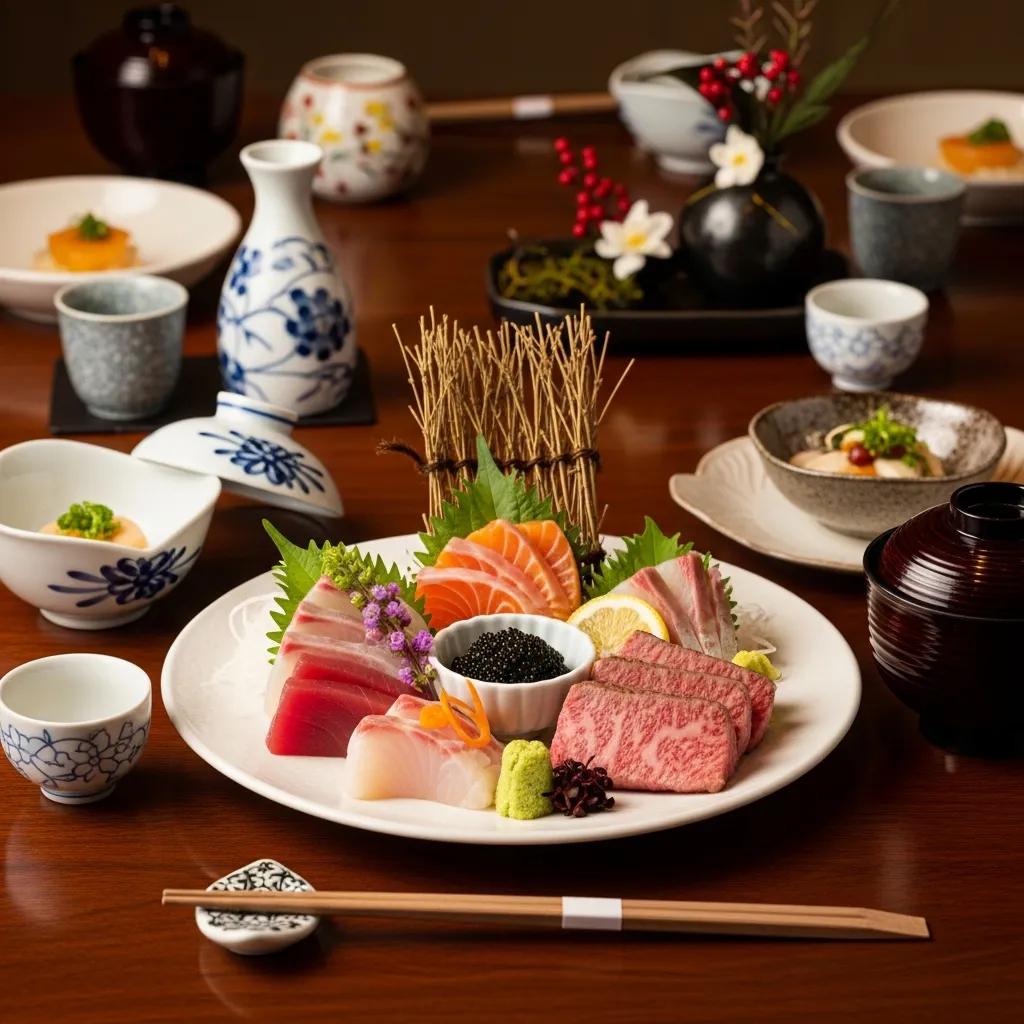
Our omakase is a rotating progression of seasonal sashimi and small plates chosen for verified provenance and flavor harmony. A typical sequence might begin with a delicate, traceable whitefish caught with low‑impact gear, move to a premium tuna course sourced via pole‑and‑line or verified provenance, and conclude with a signature caviar or responsibly farmed shellfish course. Each course emphasizes freshness and technique. Service staff are prepared to describe harvest methods and provenance to deepen appreciation for how sustainability influences texture and taste. Framing dishes this way elevates the omakase into both culinary theater and a conversation about stewardship.
Fisheries performance indicators are essential for evaluating the ecological sustainability of wild‑caught seafood.
Assessing Ecological Sustainability of Wild-Caught Seafood with Performance Indicators
Fisheries performance indicators provide a structured way to evaluate how fishing practices affect stocks, habitats, and biodiversity. Robust indicators help stakeholders make informed choices that support sustainable fishing and the long‑term availability of seafood. Using these measures is key to aligning procurement with ecological outcomes and preserving resources for future generations.
After describing how dishes rotate, we address how high‑value items like caviar and A5 Wagyu fit into our responsible sourcing policy.
How Is Sustainable Caviar and A5 Wagyu Responsibly Sourced at Kaviar?
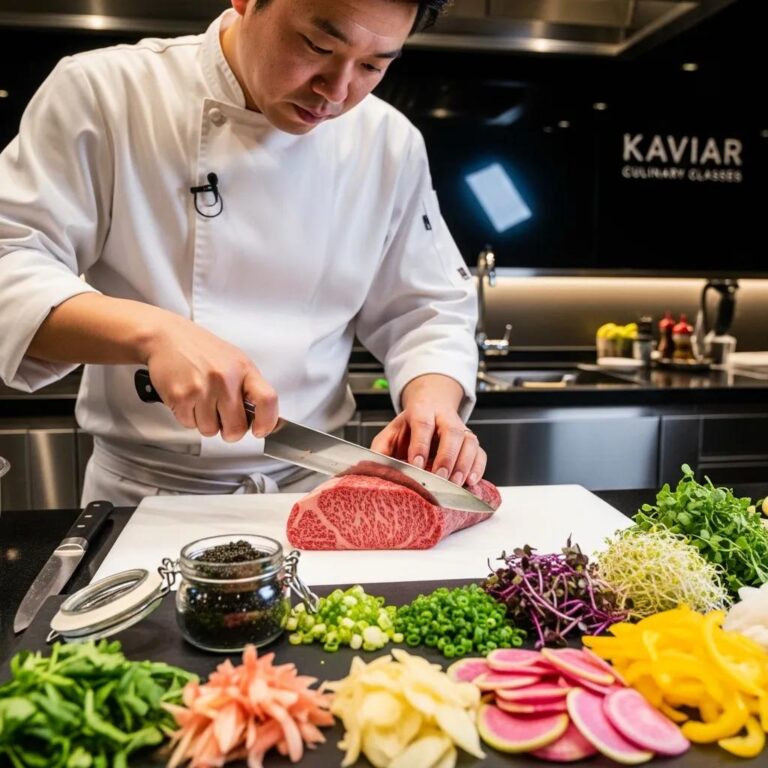
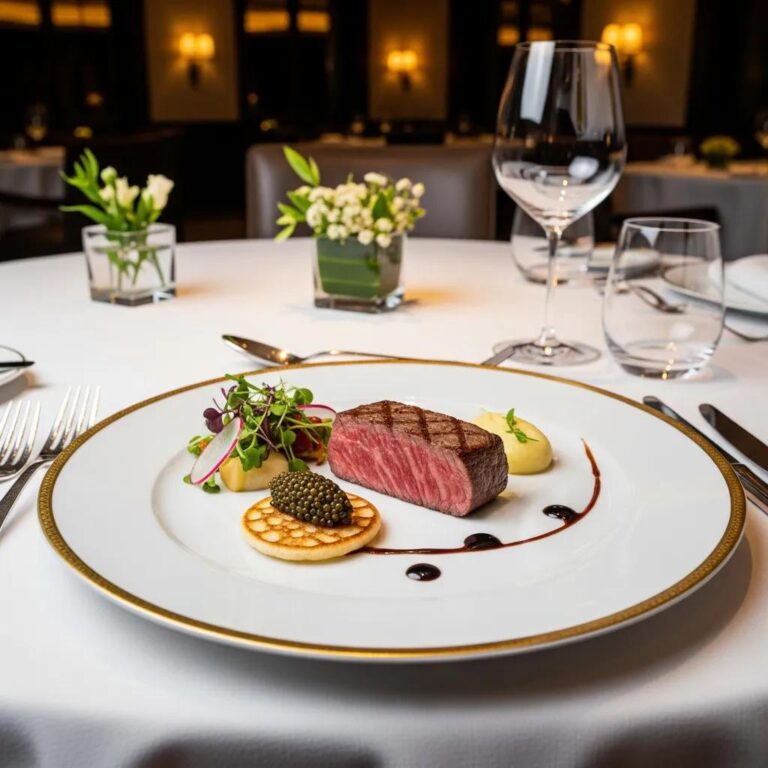
We apply the same sourcing discipline to caviar and A5 Wagyu as we do to seafood: provenance verification, humane husbandry or ethical harvest standards, and traceability documentation when available. For caviar, we prioritize products with transparent harvest records or responsible aquaculture methods that lessen pressure on wild stocks. For A5 Wagyu, we assess supply‑chain transparency and humane rearing practices as part of our integrated ingredient policy. Featuring these premium items in omakase or specialty courses supports a sustainability narrative that extends beyond seafood.
Why Is Sustainable Seafood Important for Kaviar and Its Community?
Sustainable seafood matters to Kaviar and the Pasadena community because sourcing choices yield measurable environmental benefits—reduced overfishing and habitat protection—and social benefits like support for local fishers and clearer supply chains. By purchasing traceable, low‑impact seafood, the restaurant contributes to resilient fisheries and creates economic value for responsible suppliers, helping preserve local fishing knowledge and coastal livelihoods.
These community and ecosystem outcomes build trust and create a culinary ecosystem where guests can dine knowing their meal supports longer‑term stewardship. The table below maps common practices to community benefits and outcomes linked to our sourcing approach.
The table clarifies how procurement choices translate into tangible outcomes and prepares us to discuss broader ocean‑health impacts.
How Does Kaviar’s Commitment Support Ocean Health and Reduce Overfishing?
Choosing certified items and low‑impact harvest methods helps reduce demand for overfished stocks and incentivizes better practices across the supply chain. When a high‑end buyer like Kaviar consistently prefers traceable, low‑impact fish, it creates market signals that can improve fisheries management and encourage responsible aquaculture. Industry research shows growing consumer demand for traceable seafood, and restaurants that prioritize sustainability help align market incentives with conservation. By linking procurement to recovery trends and reduced bycatch, we contribute to healthier ecosystems that sustain the premium ingredients we rely on.
What Community and Supplier Partnerships Enhance Kaviar’s Sustainability?
Our strategy centers on partnerships with suppliers who share traceability records, coordinate seasonal catch windows, and enter agreements that favor responsible practices. Rather than naming individual suppliers publicly, we invest in relationship building, data sharing, and joint planning so seasonal opportunities and certification windows are maximized for menu planning.
Guests benefit from these partnerships through clearer provenance stories and a higher chance of encountering certified or low‑impact items during their omakase.
How Can Diners Experience Kaviar’s Sustainable Luxury Dining?
To experience our sustainable luxury dining, reserve an omakase that emphasizes seasonal, traceable seafood, ask servers about sourcing details, and choose items flagged for certification or provenance. The process is straightforward: book a tasting, request a sustainable omakase or provenance notes when you reserve, and engage with service staff during the meal to learn about harvest methods and supplier stories. Our team is trained to explain how sourcing decisions shape flavor and presentation, turning a meal into both a sensory and educational experience.
Three practical ways guests can prepare for a sustainably focused experience:
- Reserve a sustainable omakase: Ask for a tasting menu that emphasizes seasonal, traceable seafood when booking.
- Ask about provenance: During service, request sourcing and certification details to guide choices.
- Request tasting notes: Ask for chef or server notes that explain harvest methods and seasonality for each course.
These steps help guests get the most from their meal and appreciate how sourcing influences flavor and impact. Next, we explain what makes Kaviar distinct in Pasadena.
What Makes Kaviar’s Eco-Friendly Seafood Restaurant Unique in Pasadena?
Kaviar stands out in Pasadena by blending refined omakase technique, luxurious presentation, and intentional sustainability practices woven into menu curation and storytelling. Our focus on traceability and low‑impact harvest methods makes conservation part of the tasting narrative, matching the expectations of diners who seek both excellence and responsibility. We tailor seasonal offerings to regional availability and cultivate supplier relationships that benefit nearby fishing communities—creating a destination for guests who value craft and conscience.
With that context, here’s how to reserve and ask about our sustainable practices.
How Can Guests Reserve and Learn More About Kaviar’s Sustainable Practices?
Guests can reserve a sustainable dining experience through our reservation channel and indicate interest in a sustainable omakase so the team can prepare provenance notes and menu sequencing. When booking, request sustainability details or ask that servers highlight certified items during service to ensure a focused experience. In‑restaurant materials and staff briefings provide deeper context for those who want it. For planning convenience, prospective guests may call the restaurant or visit in person to discuss special requests before their reservation. This flow makes it simple to combine luxury dining with meaningful sourcing transparency.
What Are the Latest Trends and Market Insights on Sustainable Seafood in Fine Dining?
Market trends show rising consumer demand for traceable, eco‑labeled seafood and a growing willingness to pay for provenance—forces reshaping procurement for fine dining. Restaurants that demonstrate traceability and align with recognized certification frameworks attract ethically minded diners and those seeking superior quality tied to low‑impact harvests. These dynamics encourage suppliers to adopt responsible practices and push restaurants to reflect sustainability in pricing, menu structure, and guest education.
Key trends informing Kaviar’s sourcing strategy:
- Traceability adoption: Guests increasingly expect clear origin stories and digital provenance.
- Premiumization of sustainable items: Diners accept higher price points for certified, traceable seafood.
- Technology integration: Traceability platforms and blockchain pilots enable verifiable supply chains.
These trends shape procurement choices and support our focus on high‑quality, responsibly sourced ingredients. The section below explains operational impacts.
How Is the Global Sustainable Seafood Market Shaping Kaviar’s Strategy?
Expansion of the global sustainable seafood market increases supplier options for certified or low‑impact products and raises guest expectations about provenance and labeling. Greater market availability of MSC‑ or ASC‑aligned products and improved traceability tools let us verify suppliers more precisely. Strategically, we use these developments to negotiate seasonal contracts, prioritize certified lots when available, and incorporate sustainability elements into menu design and guest communication—balancing luxury presentation with responsible procurement.
What Future Innovations in Sustainable Japanese Cuisine Does Kaviar Embrace?
We’re watching innovations like advanced traceability platforms, regenerative aquaculture, and culinary substitutions that preserve premium textures while easing pressure on sensitive stocks. Digital provenance improves clarity, regenerative systems offer new, eco‑positive sources of quality seafood, and technique‑driven substitutions let us maintain the sensory profile diners expect. These priorities form a roadmap for keeping Kaviar at the forefront of both culinary leadership and sustainability.
- Traceability tech: Adopt digital provenance tools to verify supply chains.
- Regenerative aquaculture: Pilot systems that restore ecosystems while producing premium seafood.
- Culinary innovation: Apply technique‑driven substitutions that preserve luxury texture and flavor.
These innovation areas guide our strategy as we evolve culinary offerings without compromising on quality or responsibility.
Frequently Asked Questions
What types of seafood are considered sustainable at Kaviar?
We prioritize seafood that is wild‑caught with low‑impact gear or responsibly farmed. Wild options typically include line‑caught and pole‑and‑line species, which reduce bycatch and habitat harm. For farmed products, we favor ASC‑aligned operations that meet environmental and social standards. This approach ensures guests enjoy top‑quality seafood while supporting healthier oceans.
How can diners verify the sustainability of their meal at Kaviar?
Ask your server about sourcing and certification. We provide provenance notes and highlight certified items—such as those bearing MSC or ASC recognition—when available. Our team is trained to explain the practices behind each dish so you can make informed choices and understand how sourcing affects taste and texture.
What role does community engagement play in Kaviar’s sustainability efforts?
Community engagement is central. We collaborate with local fishers and suppliers to support regional economies and preserve traditional fishing knowledge. By prioritizing seasonal purchasing and traceable seafood, Kaviar helps maintain healthy fish populations and sustains coastal livelihoods—strengthening the local food system that our menu depends on.
How does Kaviar educate diners about sustainable seafood practices?
We use menu annotations, staff training, and in‑restaurant materials to share sourcing information. Each dish may include notes on harvest method and certification, and servers are encouraged to tell the story of the seafood from ocean to plate. That context deepens appreciation for both the craft and the conservation behind the meal.
What are the benefits of choosing sustainable seafood for diners?
Choosing sustainable seafood delivers several benefits: it supports healthy marine ecosystems and reduces overfishing, it often results in fresher, better‑tasting ingredients, and it lets diners feel confident their meal supports ethical practices and local communities—making the dining experience both rewarding and responsible.
Are there any specific seasonal seafood items featured at Kaviar?
Yes—our menu rotates to highlight the best seasonal catches, including items like line‑caught tuna, pole‑and‑line salmon, and responsibly farmed shellfish. The selection changes with availability so guests always experience the ocean’s current bounty while we uphold our commitment to traceability and sustainability.
Conclusion
Kaviar’s commitment to sustainable seafood strengthens both the dining experience and ocean health. By prioritizing traceable, low‑impact sourcing, we deliver exceptional flavors while supporting local communities and long‑term stewardship. Reserve a sustainable omakase to taste the difference—and to learn the provenance behind each course. Join us in enjoying luxury Japanese dining that respects the sea.