




Kaviar’s Curated Beverage Program — Wines, Cocktails & More for Pasadena Fine Dining
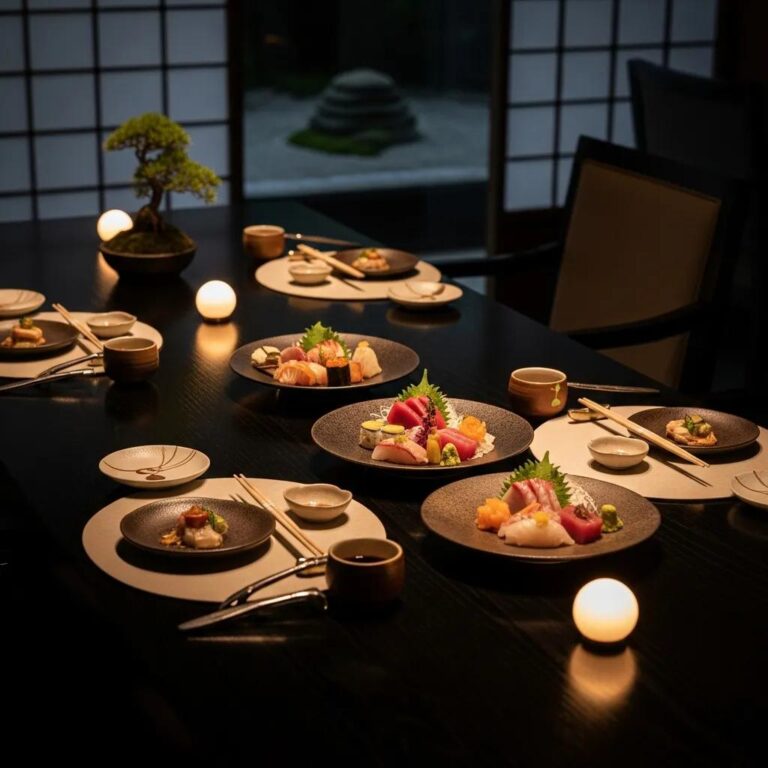
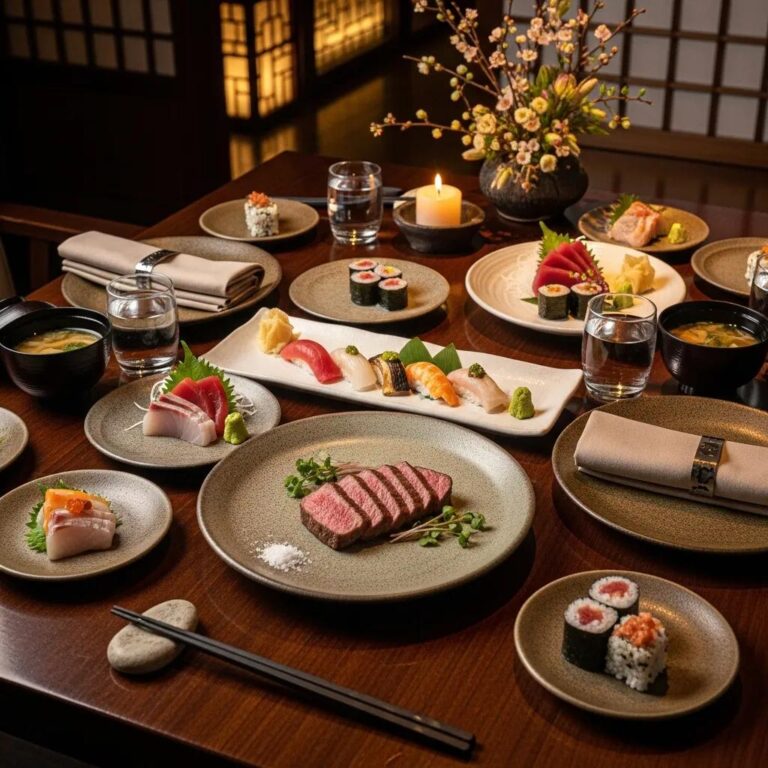
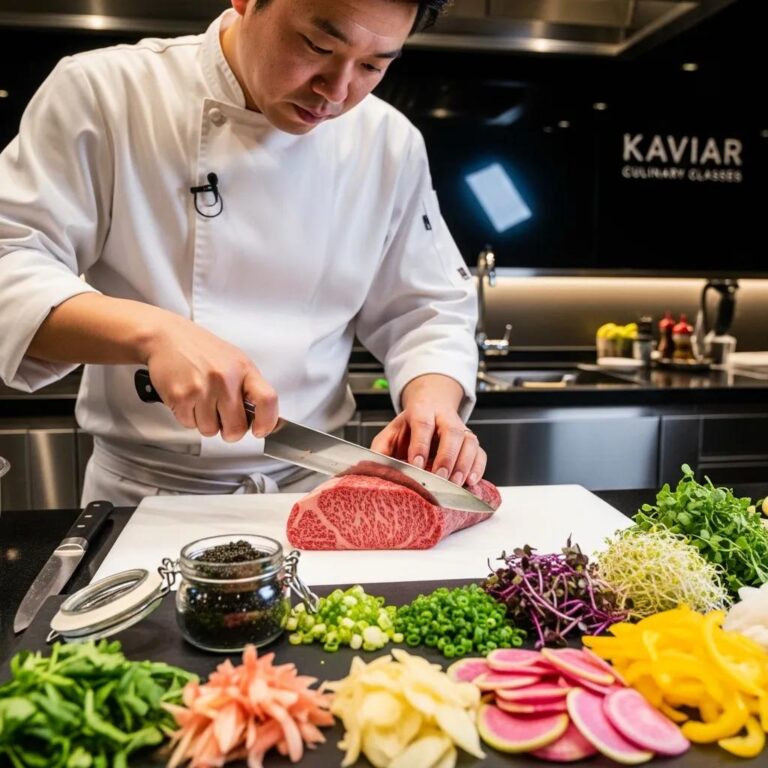
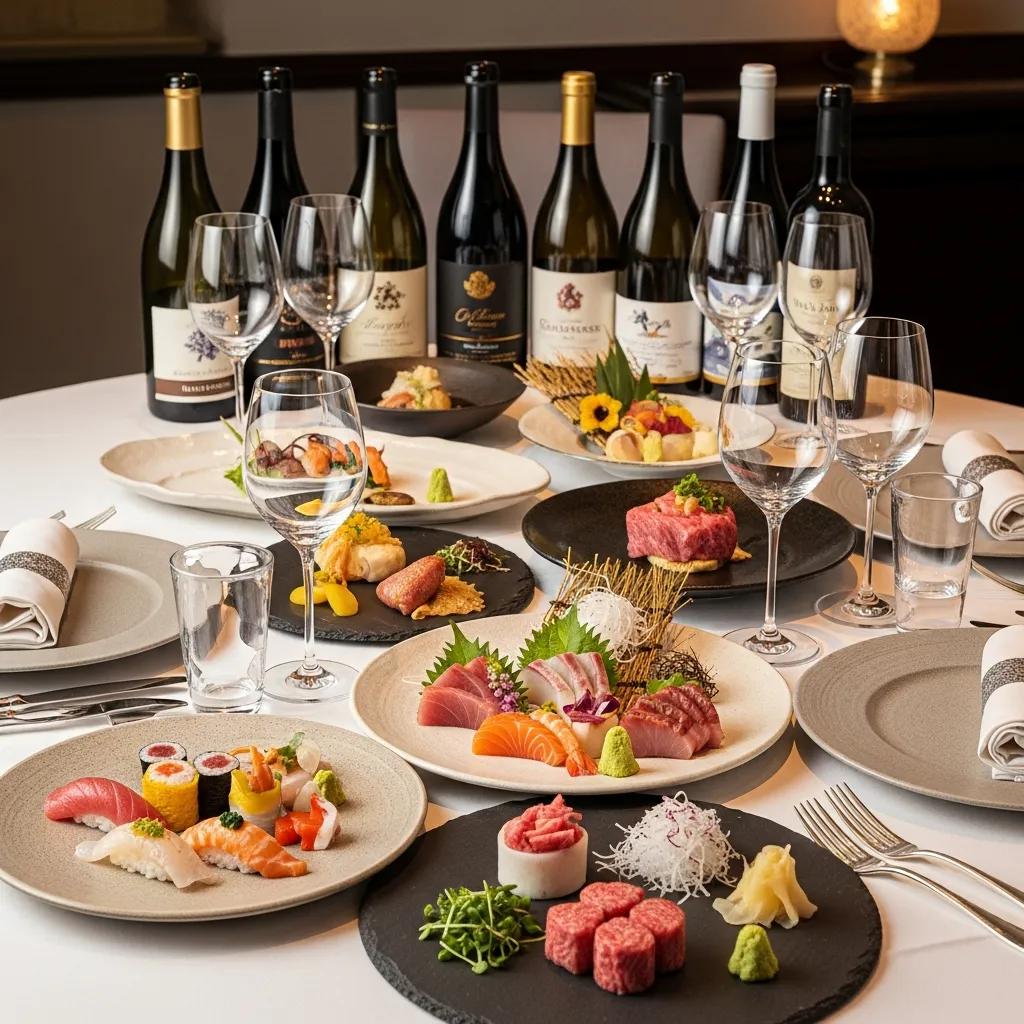
At Kaviar, our beverage program pairs thoughtful wine selections, handcrafted cocktails, premium Japanese spirits, and wellness-minded non‑alcoholic options to sharpen and elevate an upscale Japanese tasting. Read on to learn the pairing principles we use for omakase, A5 Wagyu, and caviar; how our sommelier and mixologist select and craft drinks; and the practical steps to reserve a beverage-forward tasting. Our goal is simple: balance umami, texture, and acidity so each sip either refreshes the palate or heightens a dish’s character. This guide outlines pairing rules, highlights our wine list—featuring organic and biodynamic choices—summarizes sake and spirit focuses, and explains how to book an elevated tasting alongside omakase and A5 Wagyu.
How does Kaviar’s beverage program enhance the Japanese fine dining experience?
We design drink pairings to work with the technical building blocks of Japanese cuisine—umami, texture and balance—so that each course reads clearer and feels more complete. Acidity lifts rich bites, carbonation cleanses fatty textures, and gentle tannins give structure to savory, protein-forward dishes. Service is collaborative: our sommelier and mixologist time pours and tweak matches during omakase and multi-course menus to keep a steady rhythm. These principles ensure omakase, A5 Wagyu and caviar present at their best and make a strong case for a beverage-led tasting.
Below are quick pairing examples and a concise table that connect signature dishes to recommended beverages, helping you picture practical combinations.
Typical dish-to-drink pairings we recommend:
- Omakase (delicate sushi): A light, high-acidity white or chilled daiginjo sake refreshes the palate between subtle fish courses.
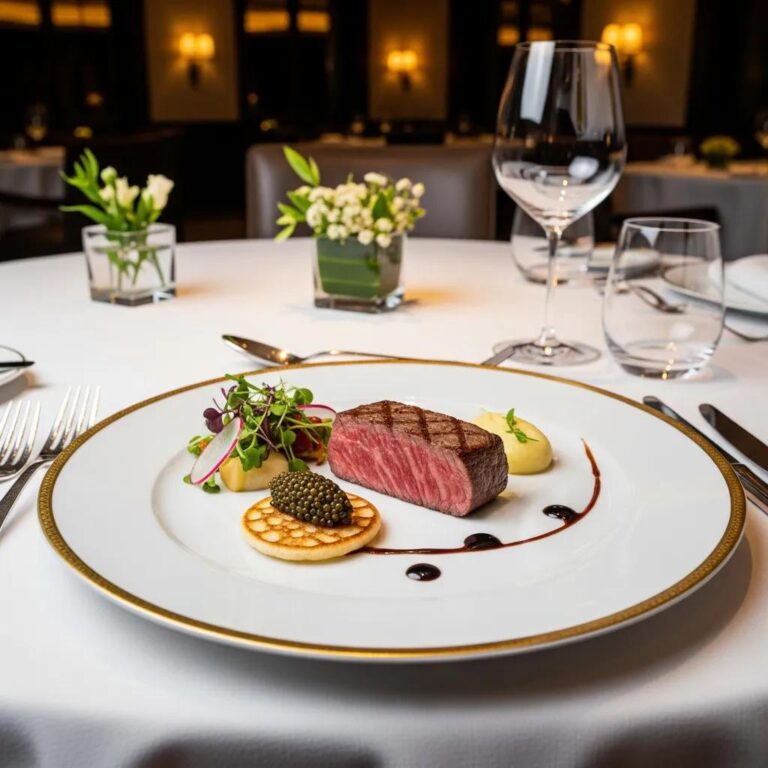
- A5 Wagyu (rich, fatty beef): A medium-bodied Pinot Noir or a low-tannin red provides structure without overwhelming the marbled texture.
- Caviar (salty, delicate pop): Sparkling wine or Champagne-style bubbles bring saline lift and cleansing effervescence.
These heuristics—match weight to texture, use acid for lift, and employ bubbles to reset the palate—lead into a more detailed dish-to-drink comparison below.
That table shows how targeted beverage choices support course progression and why guided service—timing, pour size, sequencing—matters for these pairings.
What are the best wine pairings for omakase and A5 Wagyu?
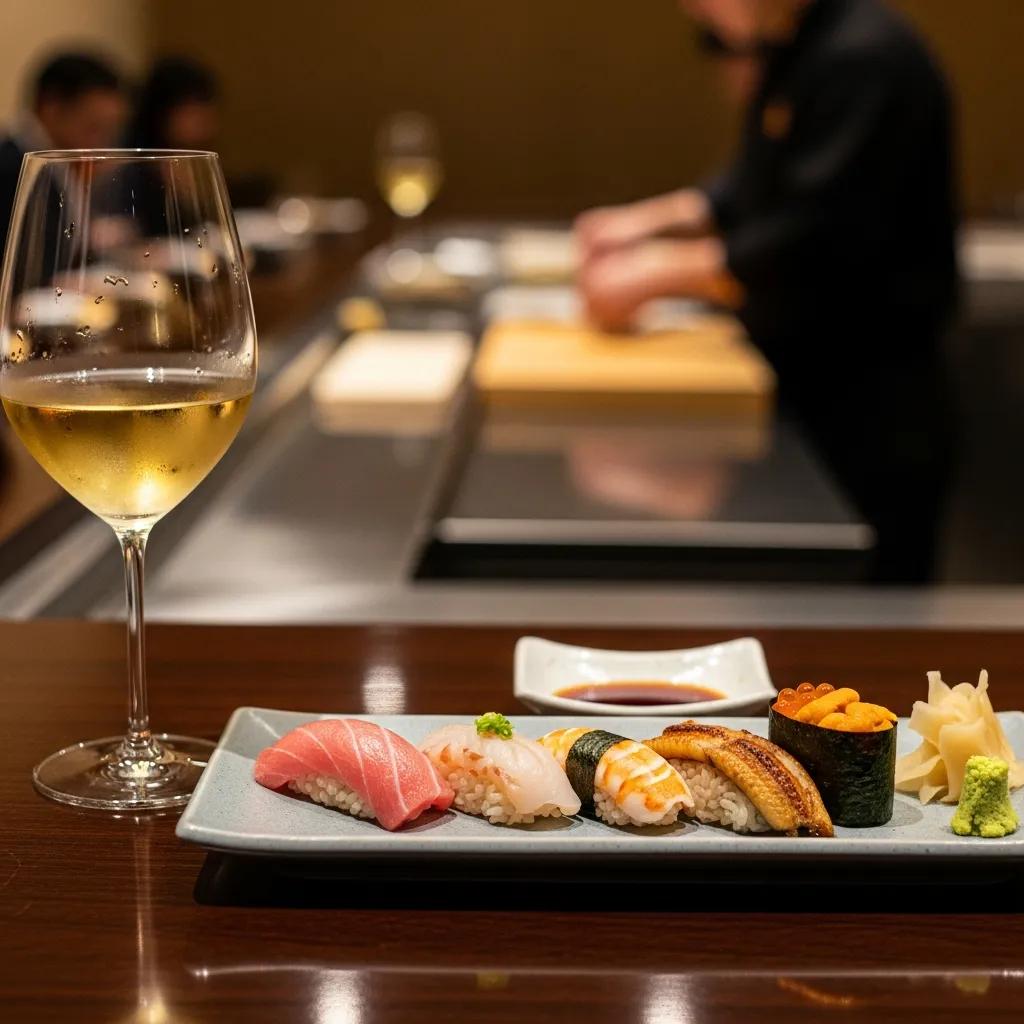
Start with one rule: align a wine’s body and acidity with a dish’s weight and texture so clarity is preserved. For delicate nigiri and sashimi we favor light-bodied whites with bright acidity—unoaked Riesling or a crisp Albariño—to showcase freshness and umami without flattening subtle flavors. Richer, fatty fish call for fuller whites with more texture, while A5 Wagyu benefits from medium-bodied reds with fine tannins and ripe acidity that cut fat but leave beef flavors intact. We often recommend organic or biodynamic bottles where purity and sourcing support the menu.
- Delicate sushi: Light, high-acidity white to preserve fish nuance.
- Fatty fish: Fuller white with texture to match richness.
- A5 Wagyu: Medium-bodied red with gentle tannins to balance marbling.
These selections work well with a structured omakase; we encourage guests to request sommelier guidance when reserving so bottles can be tailored to the evening’s menu.
Which cocktails complement Kaviar’s premium Japanese cuisine?
Our cocktails are built to respect umami-rich dishes: they favor balance—acidity for lift, bitterness for contrast, and low‑ABV options to avoid palate fatigue. Citrus-forward, herbaceous drinks using yuzu and shiso pair naturally with sashimi; smoky or barrel-aged modifiers suit grilled, umami-forward plates. Shochu- and Japanese whisky-based cocktails are handled with restraint—clarified mixers, saline accents—so they echo savory notes without overwhelming delicate seafood. The mixology approach is always to complement texture and flavor rather than compete with it.
- Yuzu-citrus spritzes: Bright acidity to cleanse between raw courses.
- Shiso-forward gimlets: Herbal lift that mirrors Japanese aromatics.
- Low-ABV bitter aperitifs: Provide contrast to rich small plates and reset the palate.
Our cocktail service is synchronized with the kitchen: the mixologist coordinates timing and style so each handcrafted drink supports the next course.
What makes Kaviar’s wine list unique among Pasadena Japanese restaurants?
Our wine list is sommelier-curated to highlight Japanese imports, organic and biodynamic producers, and a rotating by-the-glass selection that supports omakase and seasonal menus. We arrange sparklings, whites and reds to invite discovery—terroir-driven bottles sit alongside approachable by-the-glass options that work across courses. Prioritizing provenance and sustainable practices gives us wines that pair cleanly with umami-rich dishes, while rotating small-lot producers keeps the list fresh and aligned with the kitchen’s seasonality.
This layout shows how structure and sustainability guide our pairing choices—making the list both discovery-driven and technically compatible with Kaviar’s menu.
- Sommelier selection attributes: How the list is organized and why it matters.
Provenance-first sourcing: Focus on small producers with transparent practices.
Organic and biodynamic focus: Cleaner expressions that pair well with subtle seafood flavors.
By-the-glass rotation: Flexibility to match wines per course during omakase.
These attributes give diners clarity about our selection criteria and invite exploration during a beverage-led tasting.
Which organic and biodynamic wines are featured in our sommelier’s selection?
Our sommelier highlights organic and biodynamic wines for their purity and terroir expression—bottles chosen for bright acidity and the right texture to sit alongside Japanese ingredients. Expect Loire whites for minerality, Alsace-style Gewürztraminer or Riesling for aromatic lift, and grower sparklings for finesse with briny dishes like caviar. We favor low-intervention producers whose wines show clear structure and minimal oxidative notes, making them reliable partners for delicate seafood and vegetable-forward courses.
- Mineral-driven whites: Ideal for sashimi and lighter omakase courses.
- Aromatic whites: Complement richer fish without masking umami.
- Grower sparklings: Bring celebratory texture to caviar and shared starters.
These examples show why organic and biodynamic choices are both ethical and practical for our menu’s flavor architecture.
How does Kaviar curate Japanese and global wine varieties?
Curation combines seasonality, producer relationships, and rigorous tasting so wines align with menu intent: freshness for raw courses, body for grilled items, and finesse for special-occasion pairings. Our sommelier evaluates acidity, tannin structure and aromatic profile, then maps candidates to courses where wine mechanics—acid, body, tannin—either complement or contrast dish characteristics. Small-lot Japanese wines add cultural resonance; global selections supply stylistic range and substitution flexibility during service. This approach keeps by-the-glass pours in step with daily offerings.
- Curation steps:
Tasting and mapping: Evaluate bottles against dish archetypes.
Producer relationships: Prioritize small-lot, high-quality sources.
Rotation & seasonality: Refresh the list to reflect menu changes.
These rules maintain alignment between beverage choices and culinary technique so guests experience thoughtfully matched wines throughout a tasting menu.
What signature cocktails define Kaviar’s luxury beverage program?
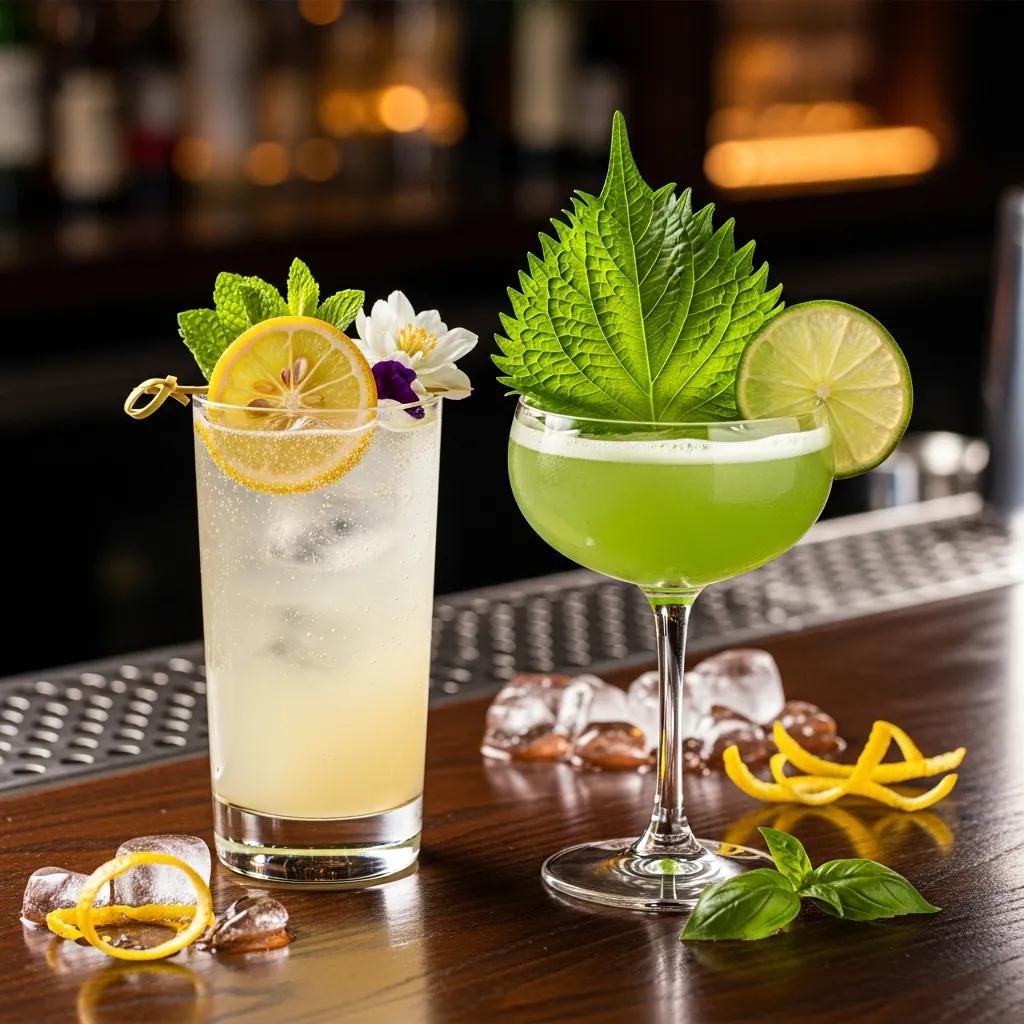
Our signature cocktails use Japanese ingredients and classic technique to create refined, service-friendly drinks that support course flow rather than overpower it. We lean on yuzu, shiso, ume and sake modifiers—often clarified or low-sugar—to keep the palate receptive. Presentation is minimalist: subtle aromatics, exact dilution, and precise balance so a cocktail reads as an extension of the kitchen’s intention. These drinks are available alongside omakase or as part of a paired sequence.
- Yuzu spritz: Light effervescence and citrus lift for raw seafood.
- Shiso gimlet: Herbal backbone that complements grilled fish and umami-forward bites.
- Sake-based low-ABV blend: Gentle sweetness and rice character for multi-course pacing.
These signature styles show how cocktails are adapted to service, offering structured options that harmonize with Kaviar’s menu.
Which ingredients and inspirations shape our handcrafted cocktails?
We center cocktails on Japanese botanicals and precise technique—yuzu for bright acidity, shiso for herbal lift, ume for soft tartness, and sake or shochu as native bases that echo the cuisine. Methods like clarification, light smoking and careful dilution refine texture and aromatics, while low-sugar formulas preserve the palate between courses. Ingredient sourcing favors seasonal produce and Japanese staples so cocktails feel contemporary, culturally coherent and balanced for a fine dining progression.
- Key ingredients:
Yuzu: Bright citrus with floral notes.
Shiso: Herbal, slightly mentholated lift.
Sake / shochu modifiers: Native spirits that echo rice-based flavors.
This ingredient philosophy supports cocktail-to-dish matching and keeps drinks aligned with the kitchen’s seasonal menu.
How do our cocktails pair with Japanese spirits and cuisine?
Pairing cocktails with Japanese spirits follows balance: use shochu’s neutral or earthy profile for gentle, low‑ABV cocktails with sashimi, and apply Japanese whisky sparingly—usually in barrel-aged or spirit-forward preparations—for grilled or richer courses. Cocktails act as palate bridges—lighter citrus or bitter-forward drinks before fatty dishes, richer, lightly smoky drinks with roasted items. The mixologist coordinates pours with the sommelier and chef so cocktails reset or complement as needed without overshadowing delicate flavors.
- Shochu-based spritz: Cleansing and neutral for raw courses.
- Whisky-based short drinks: Pair with richer, savory plates.
- Sake blends: Seamless integration with rice and umami-focused dishes.
These heuristics help guests choose cocktails that respect course sequencing and highlight each dish.
How does Kaviar showcase sake and Japanese spirits in its beverage collection?
We showcase sake and Japanese spirits with guest education on sake grades and service, clear shochu descriptions, and curated whisky flights suited to tasting menus and private events. Service details—temperature, glassware and flight formats—are chosen to reveal nuance: daiginjo and ginjo chilled for aromatics, junmai for fuller matches served at room temperature or gently warmed, and honjozo for approachable finishes with grilled flavors. Shochu is presented by base ingredient (barley, sweet potato) with suggested serving styles; Japanese whisky tastings are arranged to illustrate regional distillation and cask influence.
The table below summarizes spirit types, suggested service and pairing rationale for reference.
This outline explains why specific sake grades and shochu styles suit certain menu segments—and why service technique matters for revealing each spirit’s character.
Kaviar also offers tasting formats that integrate with private dining or omakase: our staff guide pour sizes and sequencing to preserve palate continuity. Clear service notes and pairing suggestions help guests choose the right spirit formats for the evening.
What premium sake and shochu selections are available?
Premium sake choices prioritize polishing ratio and style—daiginjo and ginjo for aromatic clarity that pairs with raw and refined courses, junmai and honjozo for more structured matches with heartier dishes. Our shochu list includes both barley and sweet potato bases: barley tends toward soft, cereal notes, while sweet potato brings smoky, savory depth that stands up to grilled items. Service suggestions: chilled glassware for aromatic sakes and room-temperature or gently warmed service for more robust junmai styles.
- Daiginjo / ginjo: Chilled and aromatic for sashimi.
- Junmai / honjozo: Versatile with richer or seasoned plates.
- Barley vs. sweet potato shochu: Selected by texture and pairing needs.
These curated options ensure sake and shochu serve as precise pairing tools, not generic choices.
Where can you find exclusive Japanese whisky tastings in Pasadena?
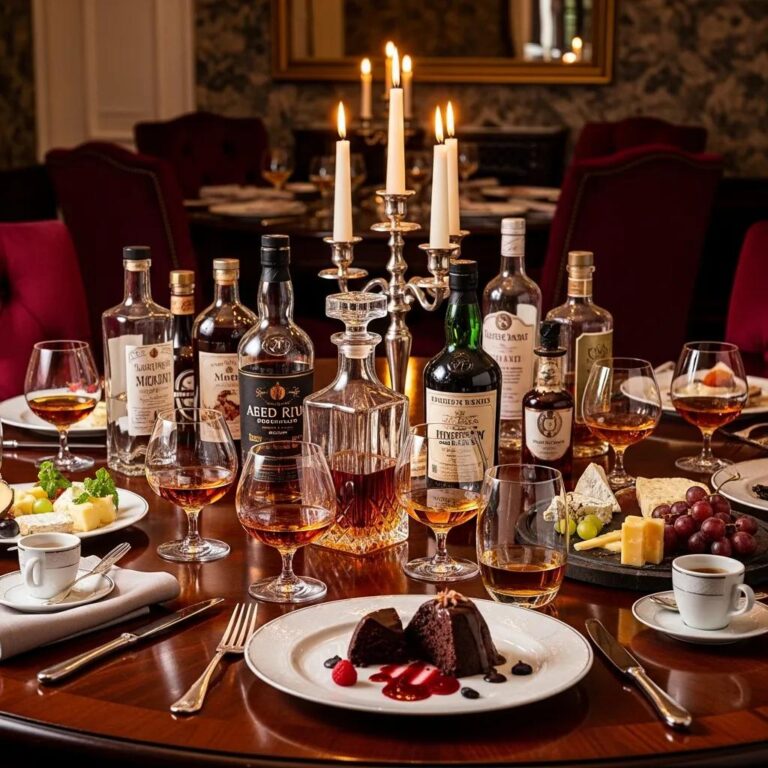
We offer curated Japanese whisky tastings as intimate, guided experiences available by request when booking for groups or private events. Typical formats are three-bottle comparative flights led by our beverage team, guided tasting notes for each pour, and pairing suggestions that integrate small plates or omakase courses. Guests who want an in-depth whisky exploration should request tastings at the time of reservation so we can source bottles and plan pacing appropriately.
- Tasting format examples:
Three-bottle guided flight: Compare age, cask or regional style.
Pairing flight: Whisky pours matched with small bites or curated pairings.
Private tasting: Tailored selection for special events.
As with other programs, advance notice helps secure specific bottles and an ideal tasting sequence.
What non-alcoholic and wellness drinks are offered in Kaviar’s beverage program?
Our beverage program includes refined non‑alcoholic choices and low‑ABV options that reflect wellness trends while preserving pairing intent. Using botanical tonics, light adaptogens and low‑sugar formulations, these drinks mirror the structural roles of alcoholic beverages—acidity for lift, carbonation to reset the palate, and herbs for aromatic continuity—so non‑drinking guests move through the menu with the same thoughtful progression. Craft mocktails and reduced‑ABV sake blends are designed to pair with specific courses and keep omakase pacing intact.
- Citrus- and herb-driven mocktails: Provide acidity and aromatic lift for raw courses.
- Botanical tonics with adaptogens: Low-sugar, functional blends to help sustain longer tastings.
- Low-ABV sake blends: Rice-forward, reduced-alcohol options that echo sake’s structure.
These alternatives show that wellness-forward choices can be fully integrated into a luxury tasting without compromising culinary intent.
Which craft mocktails and low-alcohol options complement fine dining?
Our mocktails follow the same pairing logic as cocktails—balance, texture and palate reset. Examples include a yuzu-ginger shrub with soda for bright acidity and cleansing, a shiso-cucumber cooler for herbal freshness, and a low-ABV rice blend that echoes sake’s umami and body. Each mocktail is matched to course types: clean, citrus-forward drinks for sashimi and lighter, herbal coolers for vegetable or grilled plates.
- Mocktail examples:
Yuzu-ginger shrub: Acidic and effervescent—ideal with raw seafood.
Shiso-cucumber cooler: Herbal and aromatic for grilled fish or vegetable plates.
Low-ABV sake blend: Rice character with minimal alcohol for multi-course pacing.
These options ensure guests who don’t drink alcohol still enjoy a thoughtfully composed beverage journey.
How does Kaviar incorporate wellness trends into its beverage menu?
Our wellness approach emphasizes low-sugar recipes, botanical tonics and selective use of adaptogens that provide subtle functional benefits without dominant flavors. We source natural tonics and minimally processed ingredients to preserve delicate aromatics, and menu notes clearly identify low‑ABV or functional items so guests can make informed choices. The beverage team balances innovation with restraint—adaptogens are used sparingly and only after sensory testing to ensure pairings remain food-forward.
- Low-sugar and low-ABV choices: Preserve the palate and limit after-effects.
- Botanical tonics: Add depth without excessive sweetness.
- Selective adaptogens: Applied when benefits align with subtle flavor profiles.
This approach aligns wellness trends with the technical needs of fine-dining pairing and guest comfort.
Who are the experts behind Kaviar’s curated beverage program?
Our beverage program is led by a collaborative sommelier-and-mixologist team who use formal tasting methodology, close producer relationships and kitchen coordination to create pairings that shape the dining arc. Their philosophy centers on balance, provenance and seasonality, applying clear heuristics—acidity, body and texture—to match drinks with courses. While individual biographies aren’t detailed here, the program’s rigor is evident in tasting-led curation, small-lot sourcing and active collaboration with the kitchen during omakase service.
This expert framework ensures beverages serve the menu’s intent and supports an elevated guest experience that encourages pairing-focused reservations.
What is the sommelier’s philosophy on wine pairings for Japanese cuisine?
Our sommelier follows three guiding rules: match weight to texture, use acidity to lift umami, and favor clarity over power so delicate flavors remain audible. Practically, that means lighter, aromatic wines for raw courses, medium-bodied selections for richer fish and meats, and conservative use of high-tannin reds only where structure won’t mask nuance. The objective is always to let the primary ingredient shine while using wine mechanics to enhance perception.
- Match weight to texture: Align the wine’s body with mouthfeel.
- Use acidity to manage umami: High acidity refreshes and highlights savory notes.
- Favor clarity for delicate dishes: Preserve subtlety in raw courses.
These principles shape the wine list and pairing options available during a beverage-led dining experience.
How does the mixologist craft signature cocktails for Kaviar’s guests?
The mixologist begins with seasonality and ingredient mapping: pick a primary Japanese element, test technique variations (clarification, light smoke, infusion), and dial dilution to fit course pacing. A concept might start with yuzu, move to a clarified low-sugar yuzu syrup, and finish as a spritz designed to refresh the palate before a rich course. Each cocktail is evaluated alongside menu items—does it reset the palate, echo a flavor, or offer tasteful contrast?—and refined through tasting sessions with the culinary team.
- Mixology workflow:
Source seasonal Japanese ingredients.
Develop technique (clarification, infusion, dilution).
Test pairings across courses with the kitchen.
This iterative, collaborative process ensures cocktails are purposeful, balanced and fully integrated into the tasting progression.
How can you reserve a table to experience Kaviar’s beverage program?
Booking a beverage-forward experience is straightforward: tell us you’re interested in pairings or private tastings when you reserve so we can plan pours and secure bottles. Indicate preferences—omakase with wine pairings, a sake-focused tasting, or a whisky flight—and give advance notice for special bottles and optimal pacing. Expect guided pours as pairing add-ons and advisory service from our beverage team to align selections with the evening’s menu. For reservations and inquiries, contact Kaviar Restaurant directly using the phone or email below.
To help you prepare, follow these steps when reserving a beverage-forward experience:
- Request pairing preferences at booking: Note wine pairings, sake, cocktails, or a whisky flight.
- Share dietary or tasting notes: Tell us about restrictions or flavor dislikes so we can tailor pairings.
- Ask about special bottles or events: Advance notice lets the team source bottles or set up tastings.
Following these steps helps our team create a tailored, seamless pairing experience that complements omakase or special menus.
What should guests expect when booking a luxury beverage experience?
Expect a guided format with smaller tasting pours, deliberate pacing, and optional pairing add-ons that may affect timing and cost. Service includes pairing explanations, timed pours aligned with courses, and staff recommendations to maximize your palate journey. Etiquette tips: communicate dietary restrictions and your preferred level of alcohol progression so we can adjust pours or suggest low‑ABV and non‑alcoholic alternatives. Advance notice is especially helpful for requests involving rare bottles or extended tasting formats.
This sets the stage for a curated evening where beverages are integral to the culinary narrative—plan accordingly when booking.
Where is Kaviar Restaurant located in Pasadena?
Kaviar Restaurant is at 70 N Raymond Avenue, Suite 250, Pasadena, CA. For inquiries or reservations call (626) 605-0330 or email info@kaviarrestaurants.com. Our GBP listing provides mapping and directions—please reference the address when planning transit or parking. We’re centrally located for intimate tastings and celebratory dinners, and our beverage program is tailored to support omakase, A5 Wagyu and caviar‑forward experiences.
For reservations, mention your interest in the beverage program and any pairing preferences so the team can prepare an ideal tasting sequence and secure desired bottles.
Frequently asked questions
What types of non-alcoholic beverages does Kaviar offer?
We offer sophisticated non‑alcoholic options designed to complement the tasting: craft mocktails that mirror the structure of alcoholic drinks (for example, yuzu‑ginger shrubs for acidity and palate cleansing, and shiso‑cucumber coolers for herbal freshness), plus low‑ABV rice blends that echo sake’s umami. These selections let guests who prefer not to drink still enjoy a thoughtfully composed beverage journey.
How does Kaviar ensure the quality of its beverage selections?
Quality comes from a careful curation process led by experienced sommeliers and mixologists. We taste and evaluate wines and spirits for acidity, body and flavor profile to ensure alignment with the menu’s culinary intent. We prioritize small, sustainable producers and emphasize organic and biodynamic options. Regular updates keep the beverage list dynamic and seasonally appropriate, so guests get the best possible pairings.
Can guests request specific pairings or tastings when making a reservation?
Absolutely. Guests are encouraged to specify pairing or tasting preferences at reservation—wine pairings, sake flights or cocktail recommendations. Advance notice lets the beverage team prepare selections and ensure a seamless experience. Share dietary restrictions or flavor dislikes to help us tailor the beverage journey to your tastes.
What is the role of the sommelier in Kaviar’s beverage program?
Our sommelier curates the beverage program with an eye for harmony between food and drink. They evaluate wines for acidity, body and flavor profile, then match selections to dishes. The sommelier also guides guests through tastings, explaining nuances and offering recommendations that balance the kitchen’s intentions and the guest’s preferences—helping create a cohesive, memorable experience.
Are there any special events or tastings that guests can participate in?
Yes—Kaviar hosts special events and tastings that showcase unique beverage offerings. Expect curated whisky tastings, sake flights and themed cocktail evenings that highlight specific ingredients or seasonal themes. Guests interested in these events should inquire when reserving to confirm availability and receive details about upcoming offerings.
How does Kaviar incorporate seasonal ingredients into its beverage offerings?
Seasonality is central to our beverage program. The mixologist sources local produce and Japanese botanicals to craft cocktails that reflect the season, keeping drinks vibrant and aligned with the kitchen’s menu. By rotating ingredients and formats throughout the year, we offer a dynamic beverage experience that evolves with the seasons.
Conclusion
Kaviar’s curated beverage program is designed to elevate the fine dining experience by pairing wines, cocktails and spirits thoughtfully with refined Japanese cuisine. Guests can expect a seamless, considered integration of flavors guided by our sommelier and mixologist. Reserve a table to enjoy a meticulously crafted tasting—experience the art of pairing and elevate your dining evening in Pasadena.