





Kaviar’s Signature Scallops Dish with Creamy Risotto: Experience Pasadena’s Premier Seafood Tasting
At Kaviar, our signature seared hotate with creamy Arborio risotto brings together the scallop’s delicate sweetness and a silky, savory base for a focused fine‑dining experience in Pasadena. This piece outlines why flawless scallops depend on precise sourcing and searing, how we build a risotto that complements texture rather than competes, which luxe finishes (truffle, caviar, aged Parmesan) lift the plate, and how wine and sake pairings sharpen the dish’s umami-cream balance. Diners often want both the how‑to—achieving a golden crust while keeping the center tender—and the where‑from—provenance that confirms quality and sustainability. Here you’ll find stepwise cooking cues, compact provenance tables, pairing suggestions, and a short guide to reserving a tasting at Kaviar. Keywords like seared hotate risotto Pasadena, perfectly cooked scallops, and gourmet scallops are woven naturally to help guests recognize and request this signature dish.
What Makes Kaviar’s Signature Scallops Dish Perfectly Seared and Irresistible?
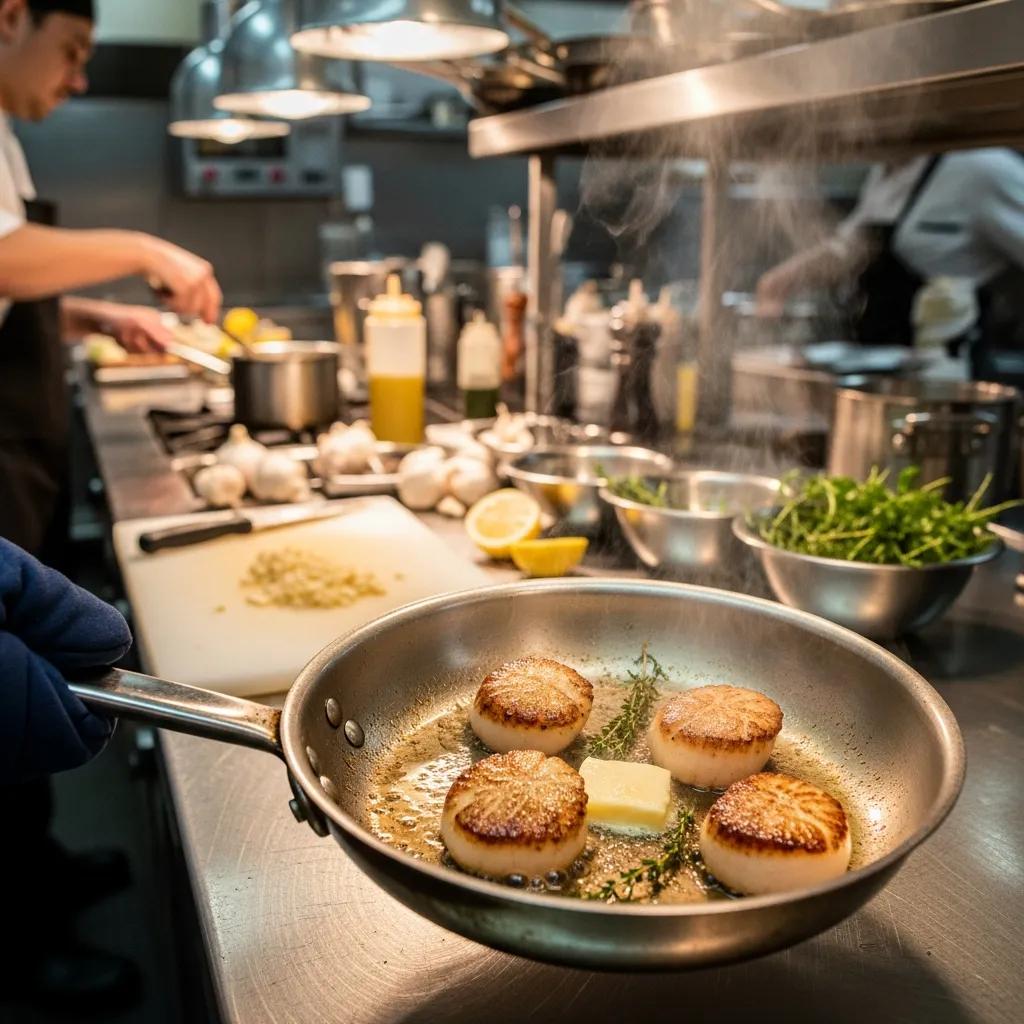
A perfect sear is defined by a deeply caramelized crust formed by the Maillard reaction while the scallop’s interior stays tender and slightly translucent. That contrast concentrates sweetness and elevates umami. The technique depends on a dry surface, very high initial heat, and short contact time so the exterior browns quickly as the center cooks gently. Success comes from choosing the right scallops, the right pan, a fat with a high smoke point, and precise timing—elements that together produce the signature texture and flavor of gourmet pan‑seared scallops. When executed cleanly, the adductor muscle’s natural sweetness remains the star, and finishing touches—reductions, aiolis, or a scatter of caviar—accentuate rather than hide it. Below is a concise technique reference highlighting the variables chefs and confident home cooks monitor when searing scallops.
This compact EAV table shows which technique variables most influence the sear and how small adjustments change the result. With these fundamentals in hand, selection and sourcing become the next determinants of baseline quality.
How Are Premium Scallops Sourced and Selected for Quality?
Choosing premium scallops starts with simple checks: the meat should be glossy and firm with a clean, briny aroma rather than fishy notes, and the adductor muscle should be consistently sized to ensure even cooking. Wild‑caught scallops from colder waters typically yield firmer texture and a more concentrated sweetness; size grade matters because large sea scallops sear differently than smaller bay varieties. Traceability and sustainability are also essential—provenance records and responsible harvest methods reduce variability and protect flavor consistency across service. For restaurants and discerning home cooks, prioritizing traceable wild‑caught sources with immediate refrigeration and minimal handling delivers the freshest results and the best chance of a slightly translucent center after searing.
What Is the Art of Achieving the Perfect Seared Scallops Texture and Flavor?
The artful sear follows a simple ritual: dry the scallop, season lightly with salt, preheat the pan until oil shimmers, space scallops so they don’t crowd, and resist moving them until a golden crust forms. For thicker sea scallops, 60–90 seconds per side usually yields a golden exterior and a delicate, medium center; finishing with a touch of butter and a squeeze of acid adds gloss and balance. Common mistakes—overcrowding (steaming instead of searing), under‑drying (no crust), and over‑flipping (breaking the crust)—dull the scallop’s natural sweetness. These micro‑techniques pair well with finishing reductions such as a shoyu white‑wine glaze to layer umami while keeping the scallop front and center.
The essential steps for a perfect sear:
- Dry and season each scallop; let them warm briefly to room temperature.
- Preheat pan and oil until the surface shimmers for immediate contact heat.
- Sear without movement until a deep golden crust develops, then flip once.
- Finish with butter and acid for gloss and bright balance.
- Rest briefly before plating to stabilize juices.
These steps form a reliable blueprint for consistent crust, texture, and flavor—allowing the scallops to pair confidently with a complementary risotto.
How Is the Creamy Risotto Crafted to Complement the Scallops?
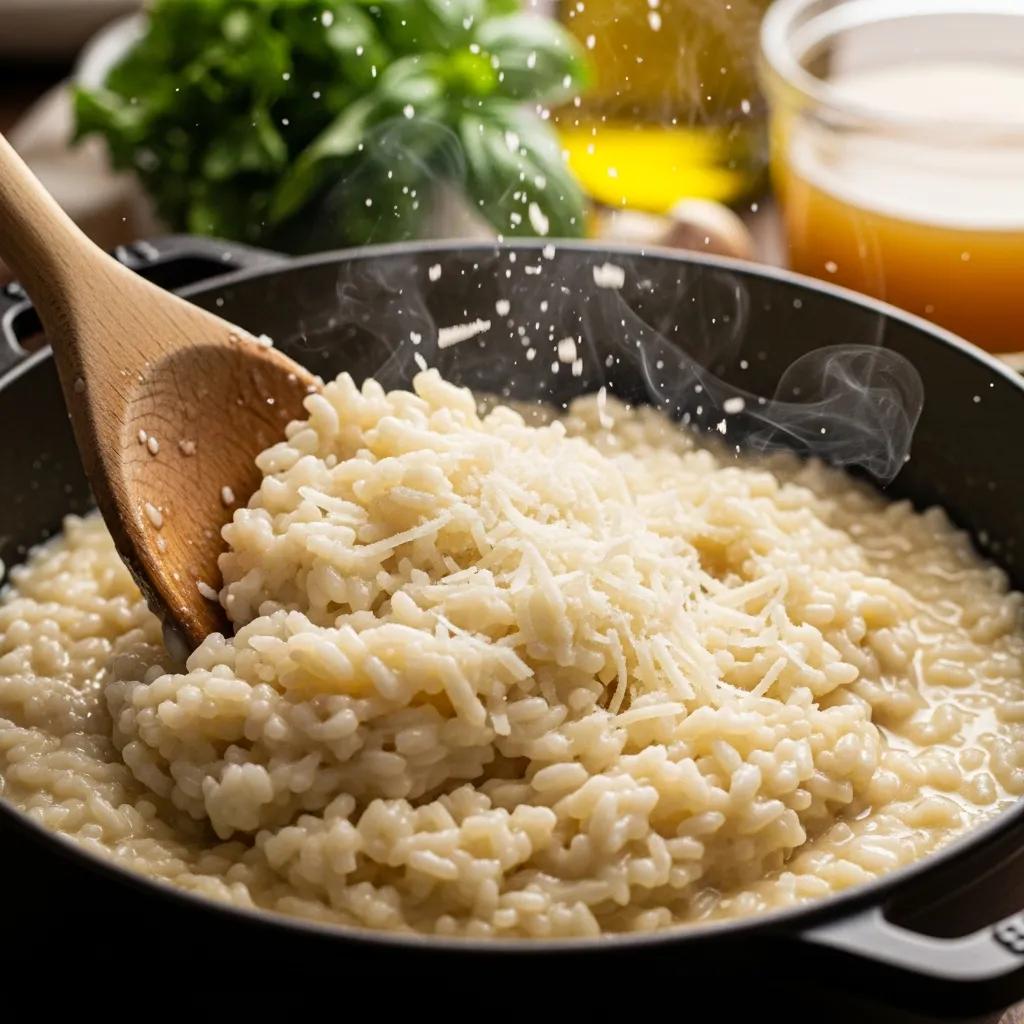
Creamy risotto should read as a glossy, cohesive starch matrix that surrounds individual al dente grains—silky enough to cradle scallops, textured enough to contrast the sear. That balance comes from controlled starch release from Arborio rice, incremental hot stock additions, and a restrained finish of fat and aged cheese so the dish stays rich without feeling heavy. Choose a light, umami‑forward stock and stop cooking slightly short so the rice remains toothsome next to quick‑seared shellfish. Timing is coordinated: finish the risotto just before plating so scallops rest on warm—not steaming—risotto, preserving the textural contrast that defines each bite.
What Ingredients Create the Rich and Velvety Risotto Base?
A classic velvety base relies on Arborio rice for its starch, a gentle soffritto for aromatic depth, and sequential ladles of hot stock to coax body without gumminess. A light seafood or clarified chicken stock adds layered umami while keeping the profile subtle so scallop sweetness can shine. Finishing with aged Parmesan and a knob of butter or a touch of cream brings silkiness and mouth‑coating texture. Each component plays a role: rice provides body, stock concentrates savory notes, and cheese/fat emulsify the mixture into a glossy, balanced consistency. High‑quality ingredients—top‑grade Arborio, well-made stock, and properly aged cheese—directly affect mouthfeel and how well the risotto supports the scallops.
How Does the Risotto Achieve Its Signature Creamy and Al Dente Texture?
That texture comes from steady, moderate stirring while adding hot stock a little at a time so grains cook evenly but keep a slight bite. Temperature control prevents overcooking and loss of structure: grains should look swollen with a thin halo of cream, and when pressed they should offer resistance without raw grit. Stirring rhythm and the stock’s temperature regulate starch release—too cold and the process stalls; too hot and grains soften too quickly—so chefs keep stock near a simmer and maintain a steady ladling cadence. A short rest off the heat lets the emulsion settle and the risotto cohere, ensuring it’s ready to receive scallops without losing al dente integrity.
Risotto cooking cues summary:
- Use hot stock and add in small ladles only when most liquid is absorbed.
- Maintain gentle stirring to release starch evenly without breaking grains.
- Test for bite by tasting for a slight core at the center of each grain.
- Finish off heat with cheese and fat, then rest briefly for cohesion.
Mastering these steps yields a risotto that harmonizes with seared scallops: silky, controlled, and supportive rather than overpowering.
Which Premium Ingredients Elevate the Signature Scallops Dish?
Selective garnishes—truffle, caviar, aged Parmesan, and seasonal vegetables—add aroma, saline pops, umami lift, and textural contrast that transform a solid scallop‑and‑risotto plate into a signature course. Each element works on a different sensory axis: truffle contributes volatile aromatics, caviar offers bright saline pearls, and aged Parmesan layers deep savory notes. Transparent sourcing—wild‑caught scallops, specified truffle varieties, and labeled caviar—upholds the dish’s premium positioning and allows chefs to portion judiciously so a small garnish makes a big impact. The table below summarizes core luxury ingredients, likely provenance, and their contributions to flavor and texture.
This quick provenance table explains why each component is chosen and how it shapes the finished plate. Below we describe how those luxury elements are used deliberately to balance richness.
What Role Do Truffle, Caviar, and Seasonal Vegetables Play in Flavor Balance?
Truffle acts as an aromatic amplifier—shaved sparingly it heightens savoriness without eclipsing the scallop’s sweetness. Caviar provides a textural and saline counterpoint: a spoonful of pearls gives bright pops that refresh the palate between creamy risotto and tender scallop. Seasonal vegetables contribute acidity, crunch, or herbaceous lift to prevent the plate from feeling one‑dimensional; a quick pickle or a scattering of microgreens adds necessary brightness and color. Portioning is key: small truffle shavings, a measured spoon of caviar, and modest vegetable accents keep richness in check and let the scallops remain the focal point.
Where Do Key Ingredients Like Wild-Caught Scallops and Parmesan Originate?
Provenance influences flavor—wild scallops from colder Atlantic waters typically offer firmer texture and sweeter notes, while long‑aged Parmesan develops concentrated umami through enzymatic aging. Chefs choose suppliers for traceability, consistent quality, and sustainable practices to reduce variability and enable reliable menu planning. For caviar and truffle, reputable purveyors ensure authenticity and predictable flavor; labels like Oscietra signal a particular texture and saline profile. Calling out provenance on menus or via servers reassures diners and aligns the dish with Kaviar’s commitment to premium, transparent ingredients.
Key sourcing takeaways:
- Colder-water wild scallops → firmer texture and sweeter profile.
- Aged Parmesan → concentrated umami that complements seafood.
- Certified caviar/truffle purveyors → authenticity and consistent flavor.
These sourcing principles let chefs assemble a plate where luxury accents support—not overpower—the scallops and risotto.
How Does the Chef’s Vision Shape the Presentation and Flavor Harmony?
The chef’s vision turns technique and provenance into a clear sensory story: plating, proportion, and sequence guide the guest from aroma to finish. Presentation emphasizes contrast—color, texture, and temperature—to prepare the palate for layered tasting. Flavor harmony is achieved through restraint: the scallop’s sweetness is the centerpiece, the risotto supplies a supportive creamy umami, and luxury garnishes add aromatic or saline punctuation at intended moments. This philosophy draws on Japanese fine‑dining principles—precision, seasonality, and respect for ingredients—applied alongside Western risotto technique to create a hybrid that feels elevated yet purposeful.
What Are the Visual and Flavor Elements That Define This Signature Dish?
Visually, we present a measured mound or a neat line of risotto topped with two or three seared scallops arranged for symmetry and easy tasting; finishing elements (microgreens, caviar, truffle shavings) are placed to offer aroma on approach and flavor contrast in each bite. Texture layering—crispy sear, creamy risotto, briny pearls, and crisp seasonal vegetables—keeps the tasting dynamic and prevents palate fatigue. Color contrasts (bright greens, dark truffle slivers, and a glossy reduction) shape first impressions and signal the plate’s flavor interplay. Plating order matters: risotto first, scallops placed intentionally, then finishing touches to optimize aroma, appearance, and temperature at service.
Visual and flavor elements list:
- Symmetry and negative space to draw focus to the scallops.
- Strategic garnish placement for aroma and burst flavors.
- Texture contrast to create a progressive tasting experience.
These compositional choices ensure every element supports the dish’s harmony and guides the diner’s journey through the plate.
How Does the Dish Reflect Kaviar’s Japanese Fine Dining Expertise?
Kaviar blends Japanese sensibilities—precision, seasonality, layered umami—with Western techniques like risotto and Parmesan to craft a signature that honors seafood’s purity. Components like a shoyu white‑wine reduction reflect a Japanese flavor foundation—shoyu brings savory depth while wine adds acidity and aromatic lift. The restrained use of luxury ingredients, focus on provenance, and attention to sequence and balance echo omakase principles where each element supports the next. The result is a dish that feels authentic within a Japanese fine‑dining context while remaining accessible to guests seeking a refined seafood entrée.
Cultural technique highlights:
- Umami layering via shoyu reduction and aged cheese.
- Seasonal sourcing in keeping with Japanese practice.
- Precision plating and portioning reflecting omakase discipline.
Tracing these elements from technique to presentation shows how chef intent shapes the guest’s sensory journey.
What Are the Best Wine and Sake Pairings to Enhance the Scallops and Risotto?
Pairings should balance acidity to cut richness, echo umami where appropriate, and match texture so the beverage’s mouthfeel complements the creamy risotto and delicate scallop. Bright, unoaked white wines—unoaked Chardonnay, Chablis—or a crisp Champagne refresh between bites and preserve seafood nuance; a light Pinot Noir works if the dish leans toward earthy truffle notes. Sake styles like Ginjo and Daiginjo offer floral, fruity aromatics that highlight scallop sweetness, while Junmai pairs well with an umami‑rich risotto. Our sommeliers and service team tailor recommendations to the plate’s exact proportions; we encourage guests to request pairing guidance when reserving so we can prepare ideal bottles or carafes.
Pairing recommendations to consider:
- Unoaked Chardonnay or Chablis: High acidity and mineral notes to cleanse the palate and highlight scallop sweetness.
- Champagne or sparkling wine: Fine bubbles and acidity that refresh between creamy bites.
- Light Pinot Noir: Soft tannins and bright fruit work if the dish features truffle or earthy elements.
- Ginjo/Daiginjo Sake: Aromatic, slightly fruity profiles that complement delicate seafood without overpowering it.
- Junmai Sake: Fuller-bodied sake that matches umami-rich risotto and Parmesan finish.
This concise pairing table clarifies temperature and profile considerations and reinforces the value of consulting staff for tailored guidance.
Which Wines Complement the Umami and Creaminess of the Dish?
Wines with bright acidity and a clean mineral backbone work best because they cut through richness without masking scallop sweetness. Unoaked Chardonnay and Chablis are classic choices for cream‑structure contrast and minerality that echoes the sea. Sparkling wines, especially Champagne, add effervescence that refreshes the palate and emphasizes the textural contrast between the seared crust and risotto silkiness. If the dish leans into earthy components like truffle, a light Pinot Noir brings complementary tertiary notes without heavy tannins. Serving wines slightly cooler and in the right glassware enhances aromatic clarity and acidity expression to support the dish’s nuance.
How Do Sake Options Elevate the Luxury Seafood Experience?
Sake pairs beautifully with seafood by aligning with natural umami and amplifying subtle sweetness through rice‑derived aromatics and amino‑acid depth. Daiginjo and Ginjo offer floral, fruity notes that harmonize with scallops, while Junmai supplies a rounder, umami‑forward backbone for a rich risotto finish. Temperature matters: chilled Daiginjo preserves delicate aroma; slightly warmer Junmai opens up umami and mouthfeel. The vessel—ceramic cup or stemmed glass—affects aroma delivery, so our sommeliers may suggest tasting small pours to find the best match. Guests can request sake pairing guidance when booking to ensure curated selections are available and timed with service.
Sake pairing guide in brief:
- Daiginjo/Ginjo → aromatic lift for delicate seafood.
- Junmai → umami match for creamy, savory risotto.
- Temperature control → adjust to emphasize aroma or mouthfeel.
For guests seeking an optimal pairing journey, note that our team can curate and time pours to align with the service flow when requested in advance.
How Can You Reserve a Table to Experience Kaviar’s Signature Scallops Dish in Pasadena?
To reserve a tasting at Kaviar and request our signature scallops with risotto or specific pairings, please use the restaurant’s standard booking channels and mention any pairing or ingredient requests so we can prepare accordingly. Reservations are recommended—this is a reservation‑driven, fine‑dining experience and seating as well as special ingredients can be limited on busy nights. Let us know if you’d like truffle or caviar on the dish, or if you’d like a pairing flight; advance notice helps the kitchen and service team deliver a tailored, well‑timed experience.
What Are the Reservation Options and Contact Details?
Kaviar accepts reservations online and by phone; callers may request the signature seared hotate with truffle, garlic aioli, caviar, and shoyu white‑wine reduction or ask about pairings when booking. We are located at 70 N Raymond Avenue, Suite 250, Pasadena, CA, and reservations may be made by calling (626) 605-0330—our staff can advise on availability, special requests, and private dining options. When reserving, please provide dietary restrictions or celebration notes so the team can accommodate and recommend the best pairings in advance.
Reservation tips:
- Book early for peak nights to secure preferred seating and ingredient requests.
- Mention pairing requests during booking to allow sommeliers to prepare.
- Note dietary restrictions so the kitchen can adapt components while preserving the dish’s balance.
These steps help ensure the kitchen can source any special ingredients and deliver the intended experience.
Why Book Early for This Exclusive Fine Dining Experience?
We recommend booking ahead because our fine‑dining service emphasizes curated seating and seasonal luxury ingredients whose availability can fluctuate. Early reservations let us coordinate truffle, caviar, and prime scallop allocations, prepare pairing recommendations, and time plating so risotto and scallops reach the table at optimal temperature and texture. For special occasions—private seating, pairing‑focused experiences, or menu adjustments—reserving several weeks in advance during peak periods increases the chance of securing preferred times and bespoke service.
Reasons to reserve early:
- Ingredient availability (truffle, caviar, wild-caught scallops).
- Limited fine-dining seating and curated service flow.
- Time for customization and pairing preparation.
Planning ahead helps realize the chef’s full intention and our service choreography at the table.
Rice Cooking Methods: Pilaf, Parboiled, and Risotto Techniques
The most common way of eating rice is as grain and its cooking can take place in different ways (in excess of water, pilaf method, parboiled rice orrisotto) to obtain the desired texture according to the recipe. Various technologies have been developed to encourage the consumption of rice but satisfying the current market demands (e.g., quick cooking rice and frozen rice).
Rice: a versatile food at the heart of the mediterranean diet, A Marti, 2021
Frequently Asked Questions
What are the health benefits of scallops?
Scallops are a lean, nutrient‑dense seafood: high in protein, low in calories, and a source of vitamin B12, omega‑3 fatty acids, and selenium. These nutrients support heart and brain health and aid muscle repair. Scallops are low in saturated fat, making them a good option for diners seeking a lighter, protein‑forward entrée without sacrificing flavor.
Can I customize my dish at Kaviar Restaurant?
Yes. We welcome sensible customizations to enhance your dining experience. Guests can request modifications for dietary restrictions—gluten‑free substitutions or ingredient changes—when making a reservation or at the table. Please note that some signature elements may be seasonal or limited; advance notice helps our kitchen accommodate requests while preserving the dish’s balance.
What is the best way to store leftover scallops and risotto?
Store leftovers in airtight containers and refrigerate promptly. Scallops are best eaten within 1–2 days for quality, while risotto can keep up to 3 days. Reheat gently—brief, low heat for scallops to avoid rubberiness; add a splash of broth to risotto while warming to restore creaminess. Always check freshness before consuming leftovers.
Are there vegetarian options available at Kaviar Restaurant?
While Kaviar specializes in seafood, we do offer vegetarian plates featuring seasonal vegetables, grains, and plant‑forward preparations. Ask about current vegetarian options when booking or on arrival so we can recommend satisfying alternatives that reflect our commitment to quality and flavor.
What is the significance of using seasonal ingredients in the dishes?
Seasonal ingredients offer peak flavor, freshness, and better nutritional value—allowing chefs to showcase vibrant, focused dishes. Sourcing seasonally also supports local farmers and more sustainable practices, aligning with Kaviar’s approach to ingredient quality and environmental responsibility. The result is a menu that reflects the best of each season.
How does Kaviar ensure the sustainability of its seafood?
We prioritize sustainability by sourcing seafood from responsible fisheries that practice sustainable harvesting. Where possible we choose traceable, wild‑caught scallops and partners who follow environmental stewardship standards. Traceability and supplier relationships help protect marine ecosystems and ensure consistent, high‑quality seafood for our guests.
What should I expect during my dining experience at Kaviar?
Expect a refined, attentive dining atmosphere where service is knowledgeable and dishes are crafted with precision. Our team can guide you through menu choices and pairings. Each course—especially the signature scallops with risotto—is plated and timed to highlight high‑quality ingredients and balanced flavors, creating an immersive, memorable meal.
Conclusion
Our signature seared scallops with creamy risotto showcases why precise technique and thoughtful sourcing matter. The dish balances sweetness, umami, and texture with restrained luxury touches to create a refined seafood experience. We invite you to reserve a table at Kaviar Restaurant and taste this harmony of ingredients and technique for yourself.