





Sous‑Vide at Home: A Chef’s Guide to Precision Cooking and Perfect Steak
Sous‑vide is a temperature‑controlled cooking method that uses a water bath and sealed bags to cook food evenly from edge to edge, delivering consistent, restaurant‑level texture and flavor. This guide shows home cooks how sous‑vide works, why it’s ideal for premium proteins like steak and delicate seafood, and how to reproduce chef‑worthy finishing and plating at home. Many home cooks struggle with uneven doneness, lost juices, or ruined marbling when tackling high‑end cuts; sous‑vide addresses those issues by separating time and temperature control from finishing technique. Inside you’ll find clear steps for choosing equipment, temperature and time targets for common proteins, chef‑level finishing methods for Maillard crust and plating, plus advanced techniques for infusions and meal prep. We also cover safety, troubleshooting, and include practical tables and checklists so you can plan cooks for A5 Wagyu, salmon, lobster, and vegetables with confidence. Technical terms like immersion circulator, vacuum sealing, and precision cooking are tied throughout to real, tasty outcomes.
What Is Sous Vide Cooking and Why Is It Ideal for Home Gourmet Chefs?
Sous‑vide is a low‑temperature, precision technique where food is vacuum‑sealed and submerged in a thermostatically controlled water bath so you can dial in exact doneness and texture. An immersion circulator holds the bath steady so heat moves slowly and evenly through the sealed package—this creates consistent protein coagulation and preserves moisture. For the home gourmet, sous‑vide makes restaurant‑quality results repeatable with less guesswork and a lower risk of overcooking. That precision is especially valuable for premium ingredients, where mouthfeel and texture define the experience. Learning the basics of heat transfer and bagging prepares you to choose the right gear and master the finishing steps that create the signature crust and presentation of a fine‑dining plate.
How Does Sous Vide Precision Cooking Work?
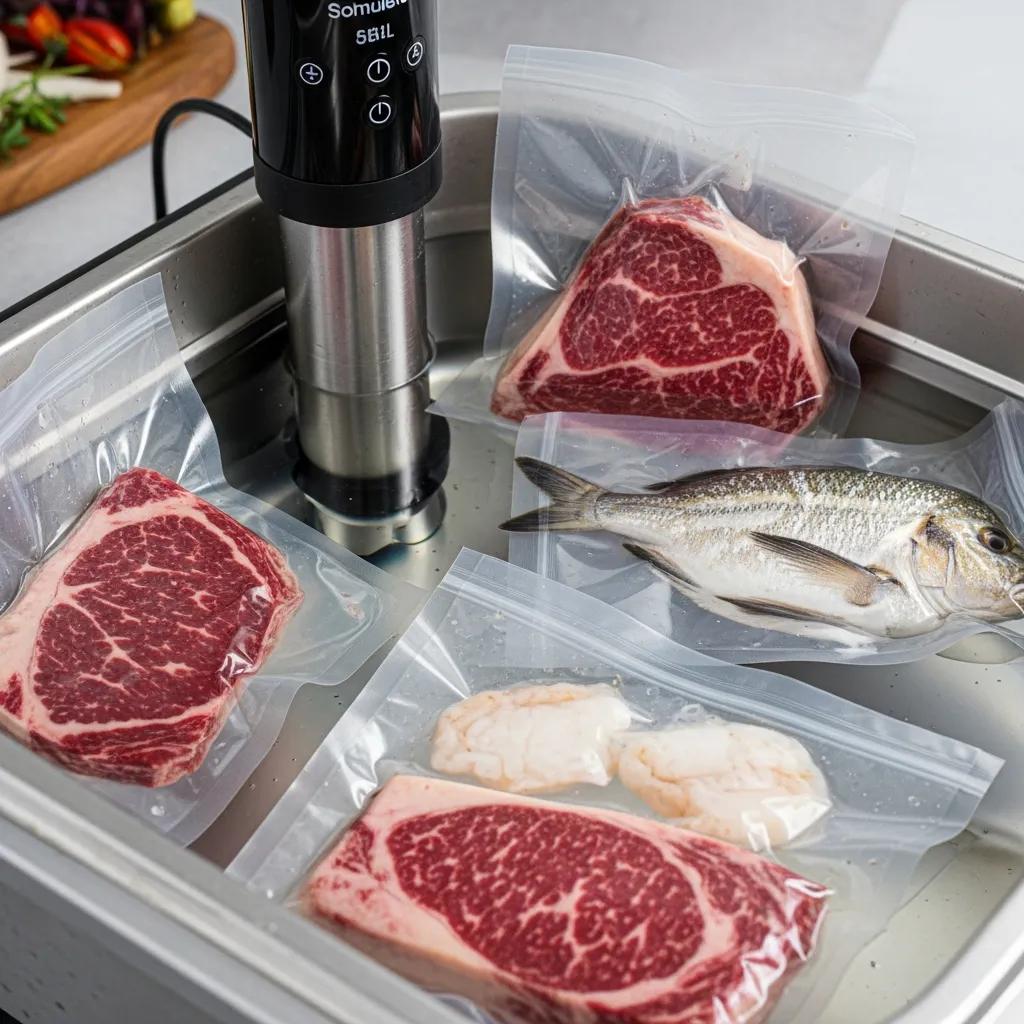
Precision sous‑vide depends on three linked elements: a regulated water bath driven by an immersion circulator, airtight packaging for consistent heat transfer, and time set to let proteins and connective tissue reach target temperatures. The circulator uses feedback control (PID or similar) to keep the bath within a narrow band, preventing overshoot so the food’s internal temperature equals the bath. Vacuum sealing—or the water‑displacement method—removes air that would insulate the food, improving conduction and allowing flavor infusions to penetrate. The result is uniform doneness across a cut and consistent texture between portions, which is why sous‑vide reliably scales from single plates to multi‑course service.
What Are the Key Benefits of Sous Vide for Gourmet Results?
Sous‑vide delivers practical advantages that matter in a gourmet kitchen: exact doneness for ideal texture, improved flavor retention in sealed bags, and predictable results that simplify plating and service. Because you control the temperature precisely, you can protect delicate fats—like the marbling in A5 Wagyu—from rendering too early while still breaking down connective tissue where needed. Low temperatures also preserve volatile aromatics and nutrients that high heat can drive off, and sealed bags serve as subtle infusers. Those benefits let you focus energy on finishing—searing, glazing, and plating—so the final dish feels layered, intentional, and refined.
Which Essential Equipment Do You Need for Sous Vide Cooking at Home?
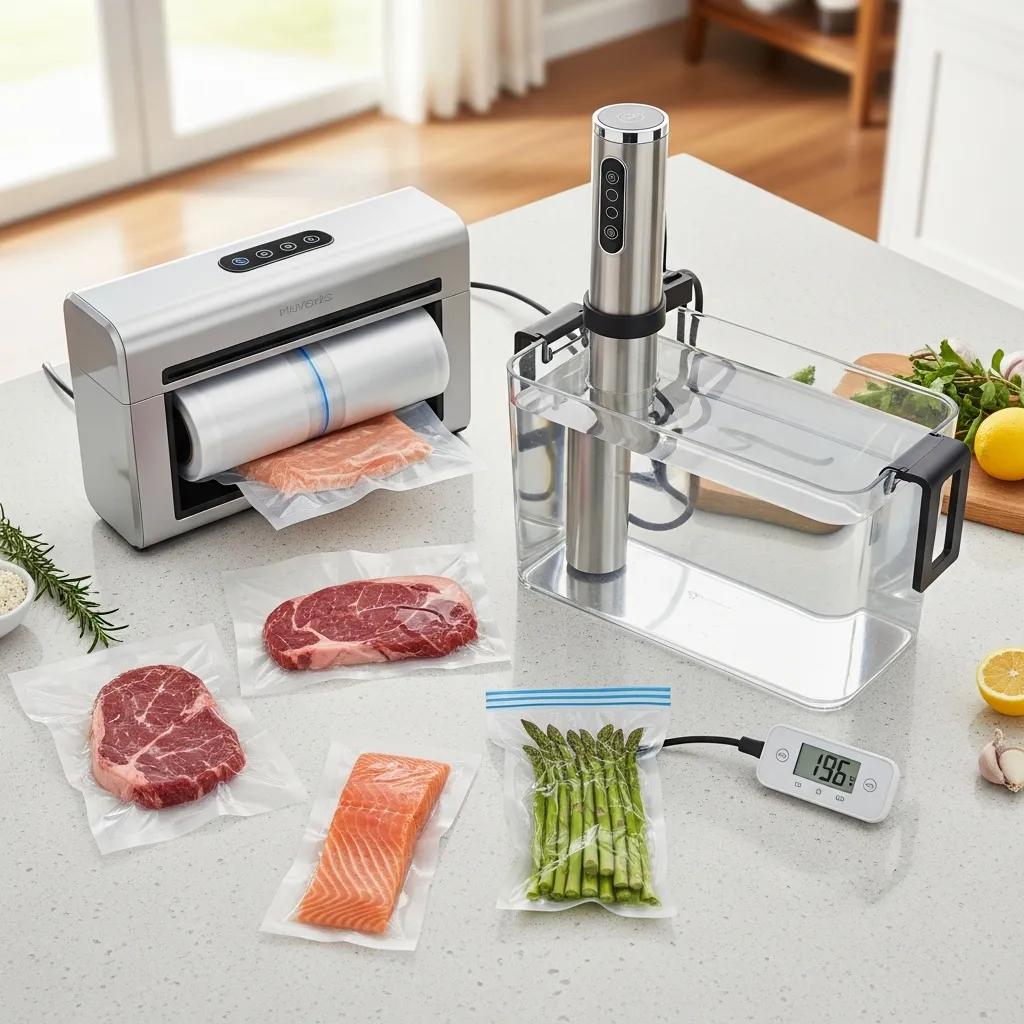
A dependable home sous‑vide setup includes an immersion circulator, a suitable water‑bath container, vacuum sealing or quality zip bags, and finishing tools—think heavy pan or culinary torch—for surface browning. The circulator is the precision core: its temperature accuracy, wattage, and controls determine how closely you hold targets. Containers and racks improve circulation and let multiple bags cook evenly, while bagging technique influences infusion and safety. Finishing tools turn the tender interior into a composed dish by producing Maillard crust and crisp textures. Knowing which features matter helps you match gear to your goals—weeknight convenience, batch prep, or restaurant‑style plating.
Introductory checklist for selecting equipment and how each item supports precision cooking:
- Immersion Circulator: Aim for ±0.1–0.3°C accuracy and enough wattage for your container so the bath stays stable during long cooks.
- Vacuum Sealer or High‑Quality Bags: Use a vacuum sealer for long cooks and heavily marbled cuts; the water‑displacement method works well for shorter, low‑fat items.
- Water Bath Container & Rack: Pick an open‑top container with a rack to keep bags separated and ensure consistent circulation.
These core pieces make a reliable home sous‑vide kit. Below we compare models and bagging methods so you can choose the combination that suits your kitchen workflow.
What Is an Immersion Circulator and How Does It Control Temperature?
An immersion circulator heats and circulates water in the sous‑vide bath, using sensors and control algorithms to hold a precise target temperature for hours. Many units use a PID‑style controller to measure bath temperature and modulate the heating element, minimizing fluctuations that affect texture. Circulation pumps move water to even out heat and prevent cold spots around crowded bags. When buying, prioritize temperature stability, adequate wattage for larger volumes, and programmability for multi‑stage cooks. The right circulator lets precision cooking scale from delicate seafood to dense, premium steaks.
Why Is a Vacuum Sealer Important for Sous Vide Success?
A vacuum sealer extracts air and compresses ingredients into a tight package that maximizes thermal contact and prevents floating—both critical for uniform cooking and effective flavor infusion. Vacuum sealing improves heat transfer compared with loosely sealed bags and reduces oxidation of fats and delicate seafood during long cooks. High‑quality resealable bags and the water‑displacement method work for many home cooks, but vacuum sealing is recommended for extended cooks, strong marinades, or expensive proteins where consistent results matter. Choose BPA‑free, sous‑vide‑rated bags and avoid reusing single‑use bags for raw proteins to protect both performance and safety.
How Do You Cook Perfect Sous Vide Steak and Other Premium Proteins?
Cooking premium proteins sous‑vide starts with choosing the right temperature and time to protect structure while achieving the doneness you want, then finishing quickly to build a crust and layered flavor. Set the bath to the desired final internal temperature and let the piece equilibrate for the appropriate time—being mindful that very long cooks can change texture in delicate cuts. For very marbled meats like A5 Wagyu, aim for lower temperatures and shorter equilibration windows to avoid excessive fat migration. After the bath, a fast, high‑heat sear, torch, or butter baste creates the Maillard crust that contrasts the silky interior.
Introductory table with recommended temperatures, times, and finishing notes for common premium proteins:
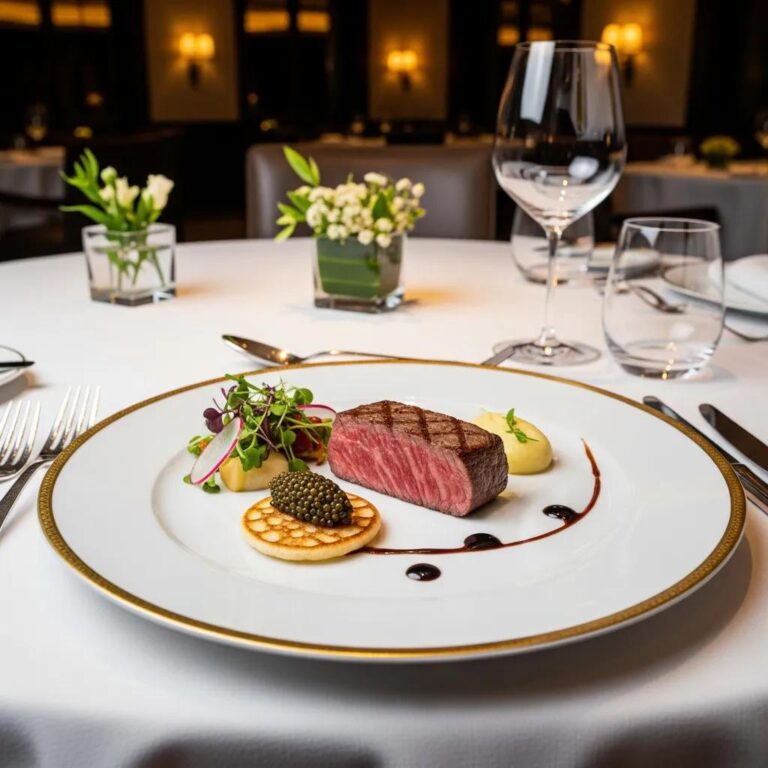
Once a piece has equilibrated in the bath, finishing is where texture and aroma come alive. A screaming‑hot cast‑iron pan, high‑BTU torch, or preheated griddle will caramelize the surface without overcooking the interior. With A5 Wagyu preserve marbling by keeping the finish brief—short torch passes or a preheated steel work well. Leaner cuts tolerate a slightly longer sear or butter baste to build flavor. Rest briefly and slice thinly across the grain to highlight the contrast between a uniform, tender interior and a bold crust.
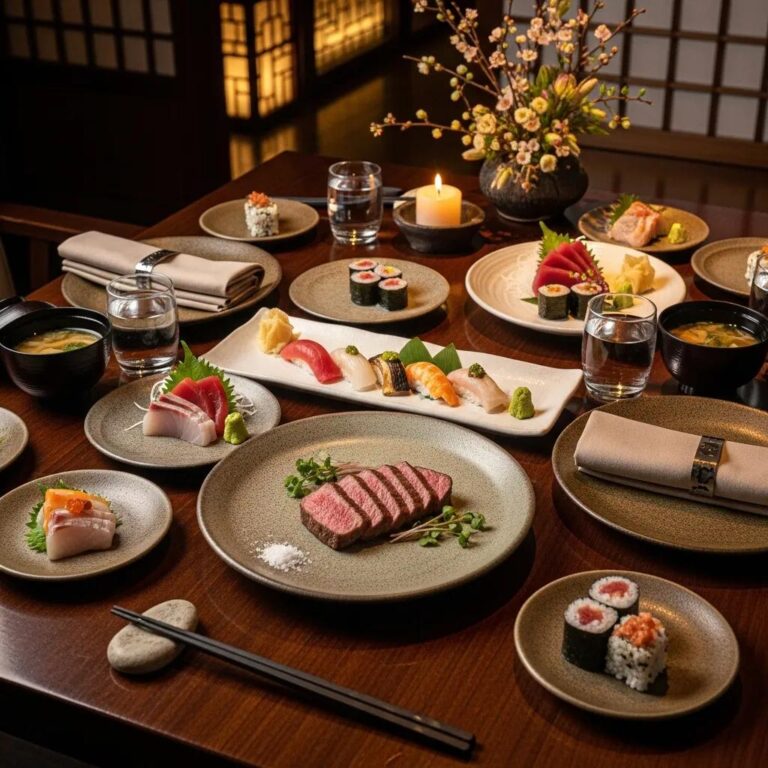
Kaviar Restaurant integration (brief): If you’d rather taste chef‑driven Wagyu finishes than attempt the highest‑tier A5 at home, Kaviar Restaurant in Pasadena presents signature Wagyu preparations that showcase deliberate finishing and plating—reservations are recommended for a direct comparison to home technique.
What Is the Ideal Temperature and Time for Sous Vide A5 Wagyu Steak?
A5 Wagyu shines at lower temperatures and conservative times to protect its prized intramuscular fat while delivering a silky mouthfeel. Many chefs aim for the low end of medium‑rare to avoid over‑rendering fat. Target roughly 49–52°C (120–126°F) and use the shortest time needed for even heating and safe service—commonly 45 minutes to 2 hours depending on thickness. Shorter cooks help preserve that luxurious texture; finish rapidly and serve immediately, sliced thinly to display the marbling.
Sous Vide Beef: Novel High Temperature‑Short Time vs. Low Temperature‑Long Time Cooking
1. Sous‑vide has seen renewed interest among chefs and caterers, but improper time/temperature combinations can produce suboptimal or unsafe outcomes. This study compared two treatments on beef semitendinosus: a low‑temperature/long‑time condition (36 h at 75 °C, SV75) and a high‑temperature/short‑time approach (2 h at 100 °C, SV100). Results compared to traditional boiling included pasteurization values, weight loss, texture, color, B‑group vitamin retention, and volatile profiles. The HT‑ST treatment achieved pasteurization levels sufficient to mitigate Clostridium perfringens risk, while LT‑LT may carry microbiological concerns if not managed properly. Total weight loss was lower with SV100; SV75 showed the lowest shear force and hardness and was less red than the other samples. Vitamin B3 retention was similar for both sous‑vide methods, while LT‑LT retained more B12. Both sous‑vide approaches preserved volatile compounds better than boiling and limited off‑flavor accumulation. The HT‑ST method in this study could be a viable alternative to LT‑LT, offering comparable or improved qualitative results except for B12 retention and certain textural differences.
A novel time/temperature approach to sous vide cooking of beef muscle, C Dall’Asta, 2014
How Do You Finish Sous Vide Steak with Searing for Gourmet Texture?
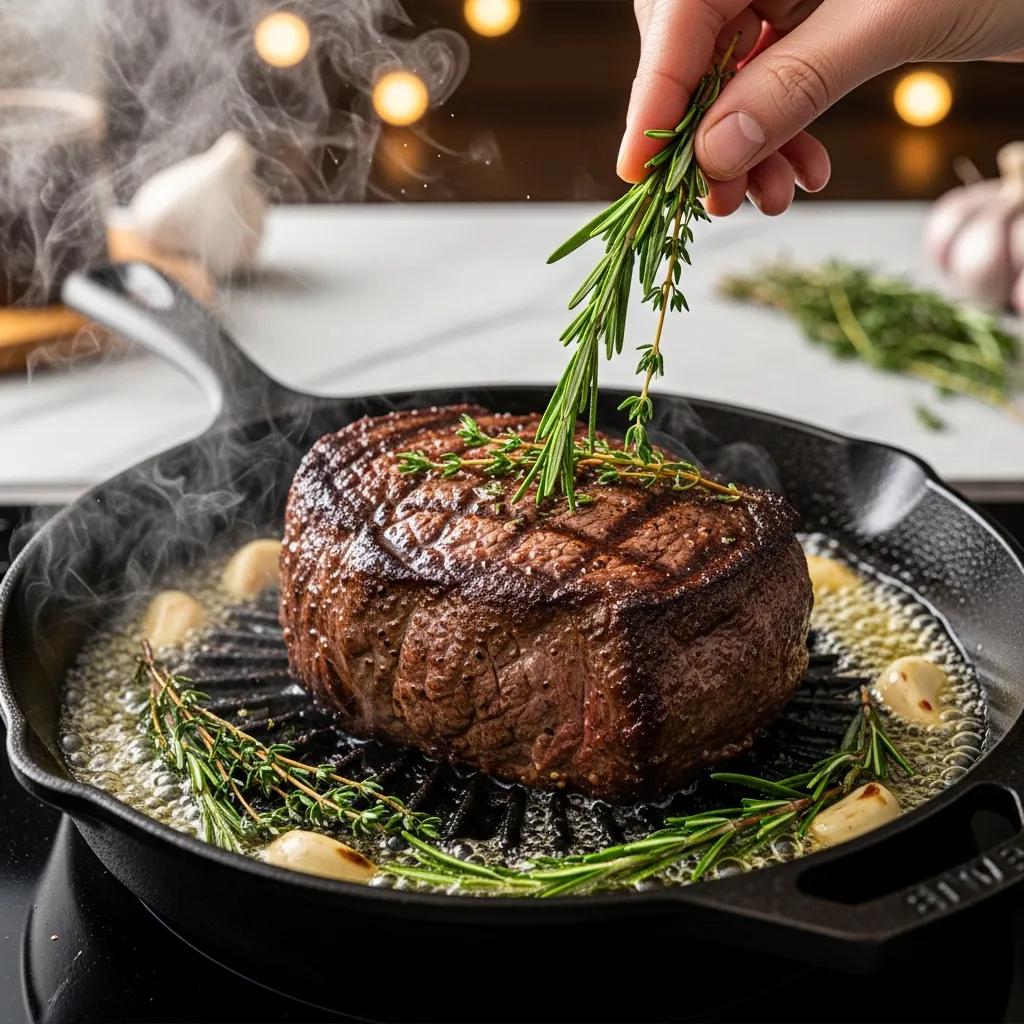
Finishing a sous‑vide steak is about creating a Maillard crust fast so the interior doesn’t climb past your target. That requires a very hot pan, preheated grill, or culinary torch and quick rest and slice. Use a high smoke‑point oil for the initial sear, then finish with a brief butter baste and aromatics for shine and flavor—without lingering too long. For thick or heavily marbled cuts, sear edges briefly to render fat selectively; rest the steak a minute before slicing across the grain into clean, succulent portions. If your crust looks pale, check that the pan is truly smoking‑hot and the steak surface is dry before it hits the pan.
What Are the Best Gourmet Sous Vide Recipes for Home Cooks?
Gourmet sous‑vide recipes translate restaurant techniques into approachable steps: simple prep, precise temperature targets, and a finishing move that elevates presentation. Recipes that pair premium proteins with restrained infusions and decisive sears yield the most restaurant‑like results at home. This section offers practical recipes for seafood and vegetables plus a chef‑inspired A5 Wagyu example to bridge home technique with a fine‑dining tasting. Clear mise en place, careful bagging, and planned finishing sequences are the pillars of success.
Before recipes, here are practical preparation principles to guide execution:
- Plan Timing: Account for bath heat‑up and equilibration—longer cooks need more planning.
- Dry Before Sear: Pat items dry after the bath so the finish forms an immediate crust.
- Simple Seasoning: Season lightly before bagging; finishing salt and sauces refine the final flavor.
How to Prepare Sous Vide Seafood for Delicate Flavor and Texture?
Seafood responds to lower temperatures and short, precise cooks that keep flesh silky and prevent flaking. Salmon, scallops, and lobster share the need for quick finishes. For salmon aim for about 50–52°C for a moist, sashimi‑like texture and remove promptly when time is up; scallops do well at 48–52°C for 20–30 minutes; lobster tail at 57–60°C for 20–30 minutes yields firm, juicy meat. Bag with minimal aromatics—citrus, a pat of butter, or delicate herbs—and finish with a fast sear or glaze for color. Simple garnishes let the seafood’s quality stand out.
How Can You Perfect Sous Vide Vegetables to Enhance Flavor and Texture?
Vegetables follow different thermal logic because cell walls and starches react differently than proteins; sous‑vide gives fine control to retain color, bite, and concentrated flavor. Root vegetables like carrots and beets often benefit from a pre‑blanch or a higher sous‑vide temperature (85–90°C) to fully tenderize, while asparagus and green beans do well at 83–85°C for short times to keep brightness. Finish with a quick sauté in butter or a high‑heat roast to add caramelization and presentation. Finish‑season with acid or herb oil to lift natural sugars and brighten the plate.
Chef‑inspired sous‑vide recipe (A5 Wagyu tasting step adapted for home):
- Ingredients & Prep: 200–250 g A5 Wagyu per portion, sea salt, a light grind of pepper, neutral oil, microgreens for garnish.
- Bag & Bath: Season lightly, vacuum‑seal, and set the bath to 50°C for 45–90 minutes depending on thickness.
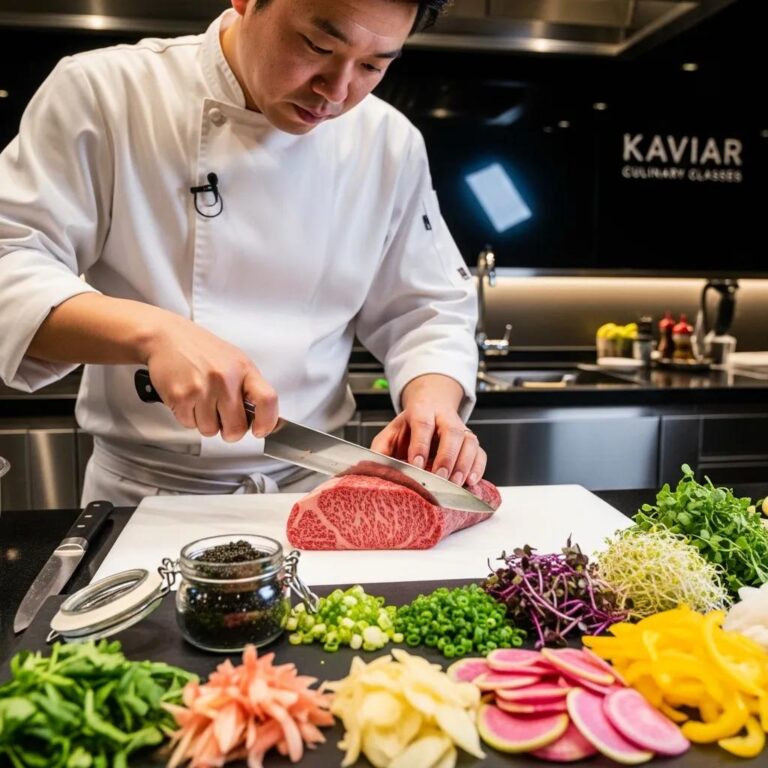
- Finish: Dry the steak quickly, torch lightly or sear 15–30 seconds per side on an extremely hot surface, rest briefly, and slice thinly.
If you want to compare your home results to professional technique, Kaviar Restaurant’s curated Wagyu preparations demonstrate finishing and plating contrasts—you can reserve a tasting to experience the chef’s interpretation firsthand.
What Advanced Sous Vide Techniques Can Elevate Your Home Cooking?
Advanced techniques expand sous‑vide beyond single proteins into flavor infusions, multi‑stage cooks, and hybrid methods that pair sous‑vide with smoke or high heat to create complexity. Infusing flavors in a sealed bag is powerful because oils, herbs, and aromatics bond with proteins at low temperatures without evaporation. Multi‑stage cooks—such as a gentle sous‑vide followed by a short high‑heat braise or quick smoke—let home chefs replicate aspects of traditional low‑and‑slow or barbecue methods while preserving an ideal interior. These approaches bring professional techniques into seasonal menus and batch service.
Introductory list of advanced techniques and their purpose:
- Infused Fats & Oils: Seal neutral oils or clarified butter with aromatics and proteins to carry fat‑soluble flavors into the flesh.
- Multi‑Stage Cooks: Combine sous‑vide with brief roasting, smoking, or pressure finishing to create layered textures.
- Regenerative Reheating: Cook, chill quickly, and reheat in a controlled bath before finishing to restore freshness for service.
How Do You Infuse Flavors Using Sous Vide Cooking?
Infusion works because sealed bags trap water‑soluble and fat‑soluble aromatics against the food, allowing slow diffusion without evaporation. Oils and butters are excellent carriers for lipophilic flavors; light citrus or brines add subtle acidity. For delicate proteins use short infusion times and mild aromatics to avoid overpowering; for stronger flavor profiles extend time or increase concentration. Balance infusion intensity with finishing so the main ingredient remains clear. Practical tips: test small batches, use restrained amounts of potent aromatics, and pair infusion choices with your finishing method to round the flavor profile.
How Can Sous Vide Be Used for Efficient Meal Prep Without Sacrificing Quality?
Sous‑vide is ideal for meal prep because it enables batch cooking with predictable hold windows and safe chilled storage, so you can prepare restaurant‑quality components ahead and finish quickly before serving. After cooking, chill rapidly in an ice bath, vacuum‑seal, and refrigerate or freeze for later regenerative reheating in a water bath at serving temperature, followed by a quick finish to restore crust and texture. Stagger cooks by thickness and temperature, and label portions with cook data to ensure consistent reheating. This workflow preserves quality across busy days without giving up the sensory character of a freshly finished plate.
What Are the Safety Tips and Best Practices for Sous Vide Cooking at Home?
Safe sous‑vide practice focuses on time and temperature control for pasteurization, appropriate packaging, and careful hygiene. Low‑temperature, long‑time cooking can achieve pasteurization when you use validated time/temperature combinations, but some proteins—especially poultry and ground meats—require specific minimums. Vacuum sealing reduces oxygen exposure and contamination risk, and rapid chilling after long cooks prevents bacterial growth during storage. Understanding these controls lets home cooks enjoy sous‑vide benefits without compromising safety.
Before the safety table, here are essential safety rules summarized:
- Always use food‑grade, sous‑vide‑safe bags and avoid reusing single‑use bags for raw proteins.
- Chill cooked products rapidly in an ice bath if you’re not serving immediately to move them out of the danger zone.
- Follow recommended time/temperature pasteurization combos for poultry and ground proteins to ensure safety.
How Do You Ensure Food Safety with Temperature Control and Vacuum Sealing?
Start by selecting validated time/temperature pairs for pasteurization—poultry, for example, needs higher temperatures or longer times than whole‑muscle beef for equivalent pathogen reduction. Use a reliable immersion circulator and a thermometer to confirm bath stability; vacuum sealing reduces air exposure and improves heat transfer for consistent pasteurization. After long cooks chill quickly if you’re not serving immediately to keep food out of the 4–60°C (40–140°F) danger zone, and reheat to appropriate serving temperatures when required. Together these steps form a HACCP‑minded approach suitable for advanced home kitchens.
What Are Common Mistakes to Avoid When Cooking Sous Vide?
Common errors include choosing the wrong temperature, poor sealing that lets bags float, and skipping a finishing step that restores texture and visual appeal—each mistake has an easy fix. Too high a temperature can over‑render fats and dry lean proteins; too low a temperature risks under‑pasteurization. Floating bags slow heat transfer—use weights or vacuum seals to eliminate air. And don’t skip a hot finish: it’s essential for color and texture. Start with small tests and record your times and temps to build a personal reference library of reliable settings.
Practical final reminder: test new combinations in small portions and keep notes—your records will become your most reliable recipe book.
Chef tips and reservation CTA (end‑of‑article business integration): If you love precision cooking but prefer chef‑executed finishes and curated pairings, Kaviar Restaurant in Pasadena applies these sous‑vide principles to elegant courses featuring premium ingredients like A5 Wagyu and refined seafood. To compare your home results with a professional tasting—or to reserve a seat for an expertly finished Wagyu course—consider making a reservation and experience the restaurant’s signature approach to luxury Japanese fine dining.
Final chef guidance—Tips from the Chef: Mastering sous‑vide is about disciplined temperature control, respectful handling of premium ingredients, and decisive finishing that balances texture and flavor. Keep records, taste often, and let the ingredient guide your infusion and finishing choices. With those habits you’ll produce consistently gourmet results at home—and better appreciate the artistry of professional preparations when you taste them.
Frequently Asked Questions
What types of food can be cooked using sous vide?
Sous‑vide is highly versatile: meats, seafood, vegetables, eggs, and even infused oils or spirits can be prepared this way. Premium proteins like steak, chicken, and fish benefit most because precise temperature control delivers consistent doneness. Vegetables gain concentrated flavor and consistent texture. Sous‑vide also lends itself to infusions and desserts, making it useful across savory and sweet dishes.
How do you clean and maintain sous vide equipment?
Regular cleaning keeps equipment safe and long‑lived. After each use detach the immersion circulator and rinse the exterior and intake under warm water to remove residue; wipe the housing with a damp cloth. Clean vacuum sealer components and removable parts per the manufacturer’s instructions and inspect bags and seals for wear. Routine maintenance ensures efficient, safe operation.
Can sous vide cooking be done without a vacuum sealer?
Yes. The water‑displacement method—placing food in a resealable bag, submerging to push air out, then sealing—works well for many cooks. Vacuum sealing is preferable for long cooks, aggressive marinades, or expensive proteins, but high‑quality heat‑resistant zip bags are a practical alternative for short or low‑fat items. Always ensure bag integrity for safety.
What are the best practices for seasoning food before sous vide cooking?
Keep seasoning simple and purposeful. Light salt and pepper before sealing lets flavors penetrate without overwhelming the primary ingredient. For more complex profiles add herbs, citrus, or a touch of fat in restrained amounts. Remember finishing salt, sauces, and garnishes will refine flavors and texture at service, so plan seasoning with the finish in mind.
How can sous vide cooking help with meal prep?
Sous‑vide is excellent for meal prep: cook multiple portions predictably, chill in an ice bath, vacuum‑seal, and refrigerate or freeze. When it’s time to eat, reheat sealed bags in a controlled water bath and finish quickly to restore crust and texture. This method saves time while preserving quality across the week.
What safety precautions should be taken when cooking sous vide?
Prioritize food‑grade bags, correct time/temperature pasteurization, and rapid chilling when not serving immediately. Avoid reusing single‑use bags for raw proteins, sanitize surfaces to prevent cross‑contamination, and follow established pasteurization charts for poultry and ground meats. These precautions let you enjoy sous‑vide safely at home.
Conclusion
Learning sous‑vide lets home chefs achieve gourmet results with precision and calm. By mastering the core techniques and equipment, you’ll deliver perfect doneness and layered flavors that impress. Embrace the method, use the recipes and tips here, and refine your approach—your cooking will become more reliable and more rewarding. Begin your sous‑vide journey and explore our full collection of resources for inspired, restaurant‑level results at home.