




New York City Fine Dining — Your Guide to Luxury Restaurants and Exclusive Culinary Experiences
In New York City, fine dining is where exceptional ingredients, deft technique, and meticulous service meet to form moments worth remembering. This guide lays out what truly defines luxury dining in NYC, how to evaluate Japanese fine dining and omakase counters, where to seek standout A5 Wagyu and caviar-led menus, and practical tactics for booking the most sought-after seats. Many guests struggle to tell genuine culinary craft from glossy presentation; by focusing on provenance, chef-led sequencing, and service choreography you’ll be able to choose with confidence and plan special-occasion meals that hit the right note. We walk through defining features, top Japanese and omakase experiences, caviar and premium-ingredient sourcing, ambiance and private dining formats, reservation strategies, and the trends shaping the city’s luxury scene. By the end, you’ll recognize the signals of true luxury dining, know where to find exceptional Wagyu and caviar service, and understand how to secure those once-in-a-lifetime seats.
What Defines Luxury Fine Dining in New York City?
Luxury fine dining in New York City rests on four interlocking pillars: superior ingredients, exacting culinary technique, attentive service, and a carefully curated atmosphere. Together they justify premium pricing and generate high reservation demand. Think of these elements as a system: provenance and technique lift flavor, service controls pacing and narrative, and the room frames the sensory experience. For many guests the evening is not just a meal but a deliberate sequence—a tasting menu or omakase—that unfolds from amuse-bouche to dessert. The H3 sections below unpack these features and explain how awards and reputation translate into practical booking and dining choices.
What Are the Key Features of NYC’s Top Fine Dining Restaurants?
The city’s best fine-dining rooms combine menu format, ingredient provenance, and staff choreography into a single, consistent guest experience that balances reliability with surprise. Tasting menus and chef’s sequences control the narrative and spotlight seasonal produce and technical skill, while à la carte options prioritize choice and shareability; both require disciplined pacing and an experienced floor team to keep rhythm. Ingredient provenance—imported A5 Wagyu, select uni, and curated caviar—signals a kitchen’s sourcing network and factors directly into price and perceived value. Service protocols, from sommelier pairings to counter-side explanations, turn plates into stories rather than isolated dishes; that story-driven approach also shapes expectations for table duration and booking flexibility.
How Do Michelin Stars and Awards Influence NYC Fine Dining Choices?
Michelin stars and other prestigious awards act as strong credibility signals: they increase visibility, lengthen lead times, and influence pricing. Still, they’re only one piece of the puzzle. Some outstanding venues avoid awards or fly under the radar while delivering comparable quality. Awards can push kitchens toward consistency and investment—but occasionally at the cost of experimental freedom. Knowing how awards affect availability and price helps you decide between celebrated tasting menus and quieter counters that may offer a more intimate, personalized experience.
Michelin Star Restaurants: Fine Dining Experience Design in NYC
This study compares the experience-design practices of Michelin-starred restaurants, showing how intentional design and service elevate dining beyond ordinary meals. By analyzing reviews and operational practices at selected venues, the research finds that well-executed experience design enhances customer service, atmosphere, and food-and-beverage delivery, while identifying areas for continued refinement. The paper concludes with recommendations for industry practice and future research into fine-dining experience design.
Secret Ingredients: A Comparative Analysis of Fine-Dining Experience Design for Selected Michelin Star Restaurants, 2020
Which Are the Best Japanese Fine Dining and Omakase Experiences in NYC?
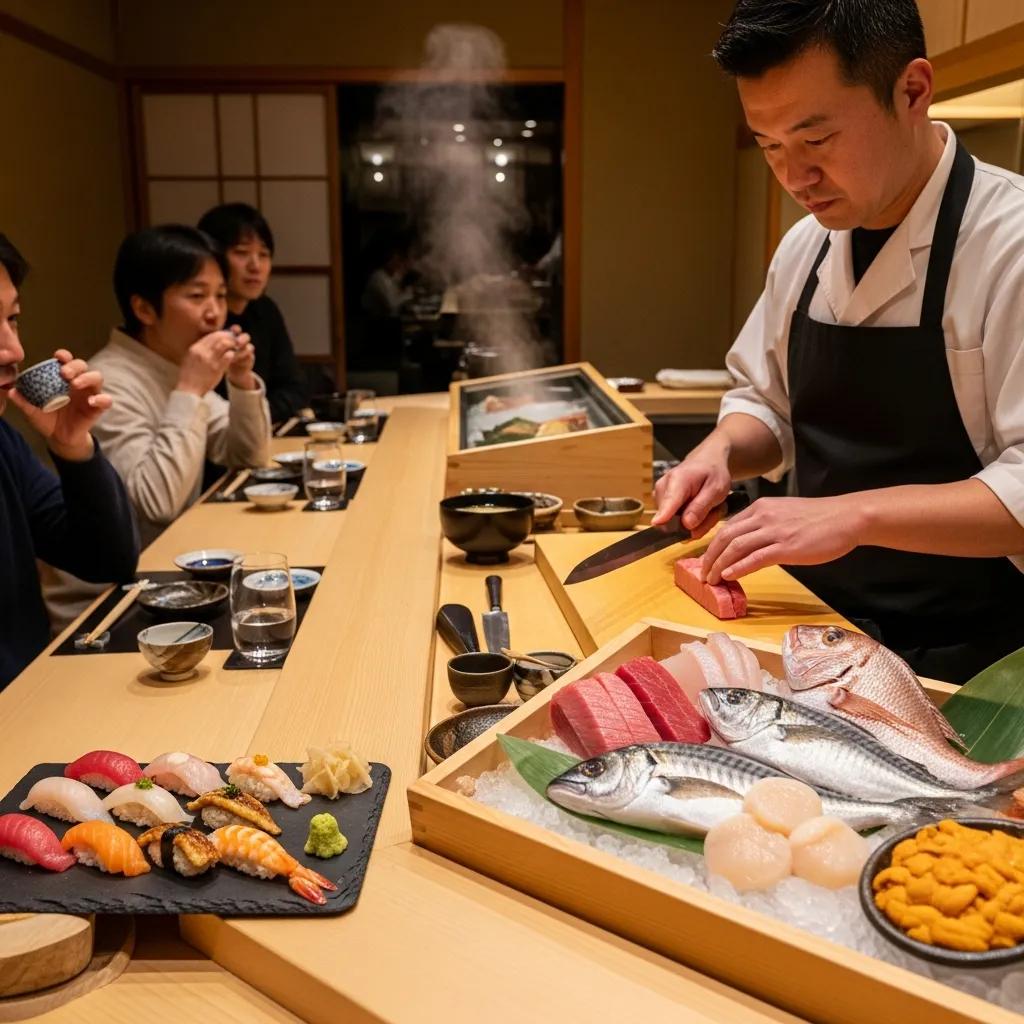
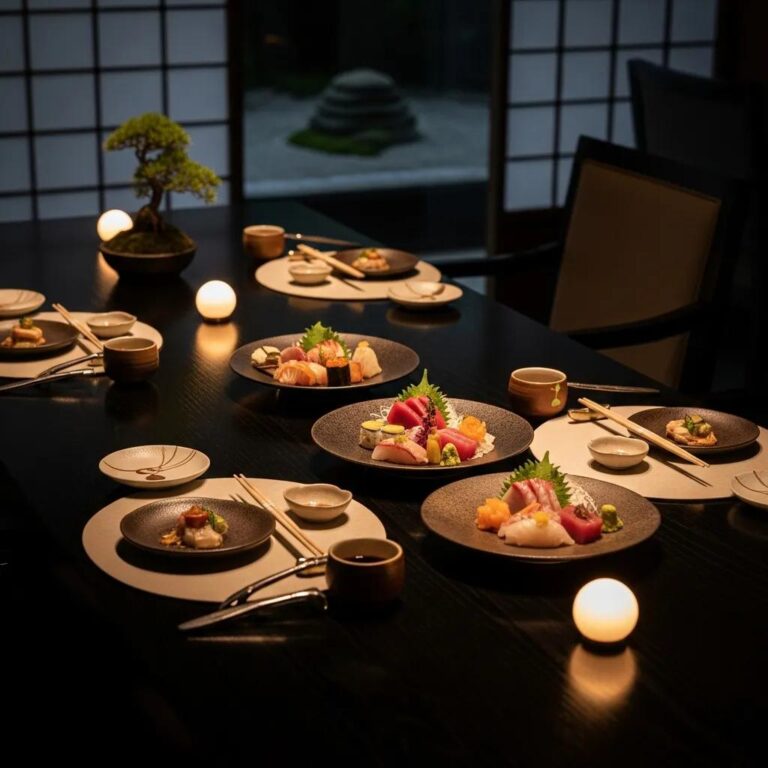
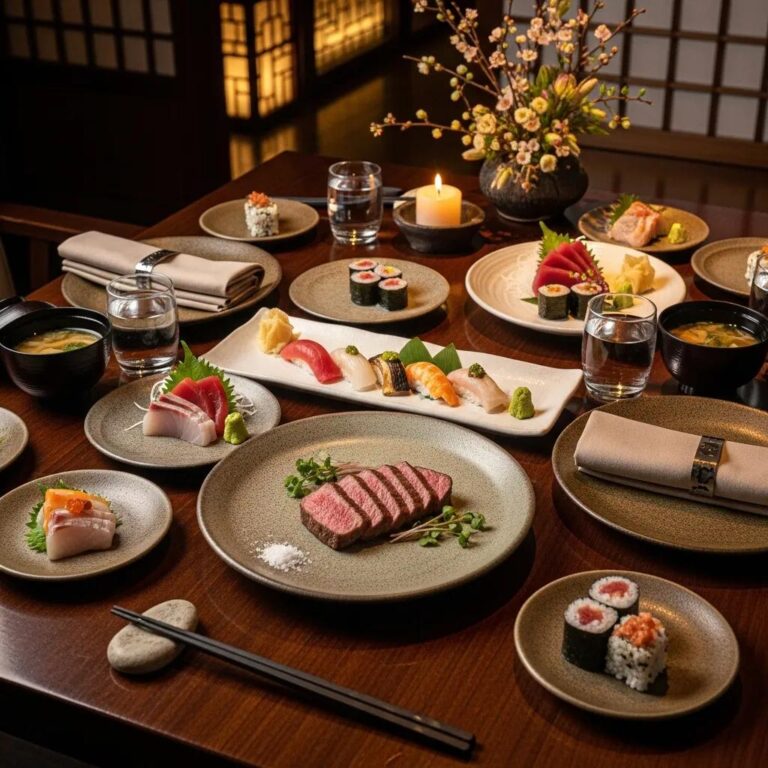
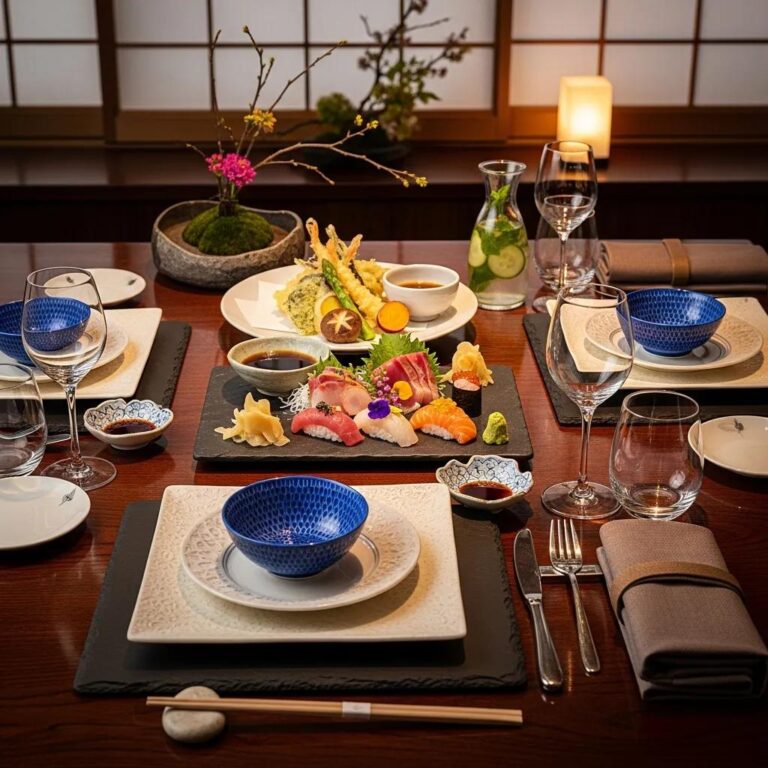
Japanese fine dining and omakase in NYC are defined by chef-led sequencing, seasonal ingredient selection, and concentrated counter experiences that prioritize technique, balance, and direct chef–guest interaction. Omakase—literally “I leave it up to you”—is a curated multi-course progression built around daily catches, premium sushi, and concentrated flavors; its strength lies in the chef choosing ingredients at peak freshness and adjusting pacing to the party’s rhythm.
When judging an omakase, look at the chef’s training and repertoire, the counter format and how close guests sit to preparation, and the kitchen’s sourcing of high-grade ingredients like Miyazaki A5 Wagyu or superior uni. The table below outlines representative omakase styles and price ranges to help you compare formats and expectations.
This table compares core omakase features across representative restaurant styles so you can evaluate counter experiences by course count, focus, and typical pricing.
This comparison clarifies how format and focus shape price and expectations, helping you choose between a sushi-counter narrative and a Wagyu-centered tasting that highlights beef provenance and technique.
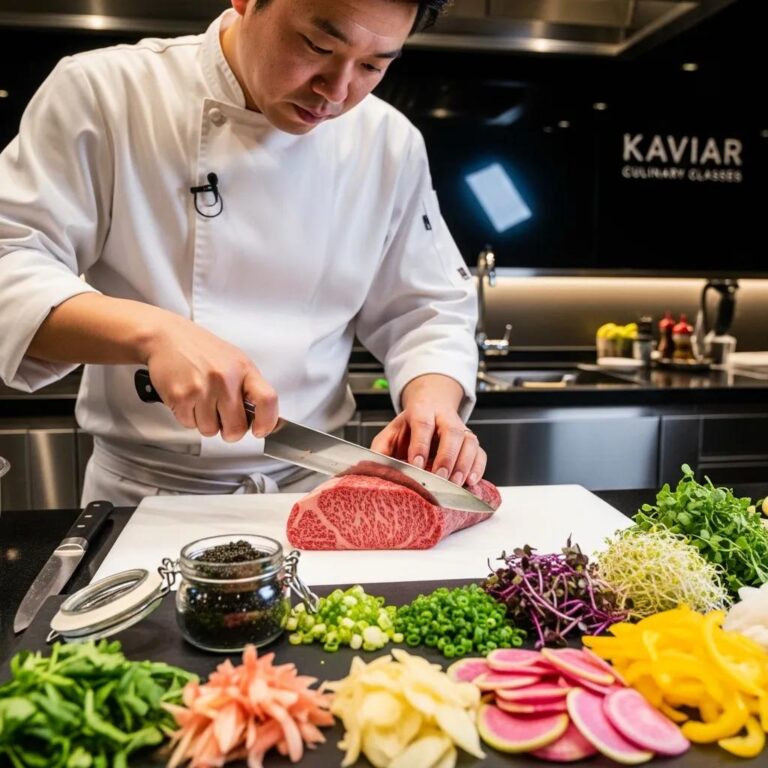
When exploring top omakase experiences, it’s useful to consider regional examples that translate the same principles outside NYC. For example, Kaviar Restaurant in Pasadena presents an upscale, Japanese-inspired omakase with a menu that highlights A5 Wagyu, Kaluga caviar, uni, and truffle under Executive Chef Tengis Itka. Kaviar offers a Chef’s Omakase option priced at approximately $109 per person and serves signature plates such as Toro Tartare topped with caviar and 24k gold, A5 Wagyu Tartare, and Uni Pasta; reservations are accepted by phone, Resy, and OpenTable. Regional case studies like this help show how omakase principles translate across markets and what to expect from a premium chef-led menu.
What Makes Omakase Dining Unique in New York City?
Omakase in New York blends Japanese tradition with locally available seasonal items, creating a conversation between provenance and technique that reflects the city’s diverse supply chains. The core of omakase is personalization: chefs adapt courses to market catches and guest preferences in real time, turning the meal into a bespoke tasting journey. Counter interaction gives transparency around technique and origin, while knowledgeable pacing—often guided by the chef or a senior floor lead—ensures each course lands as intended. For diners, that means arriving patient and curious: the best omakase rewards trust in the chef’s sequence rather than a rigid à la carte agenda.
Where to Find the Best A5 Wagyu and Premium Sushi in NYC?
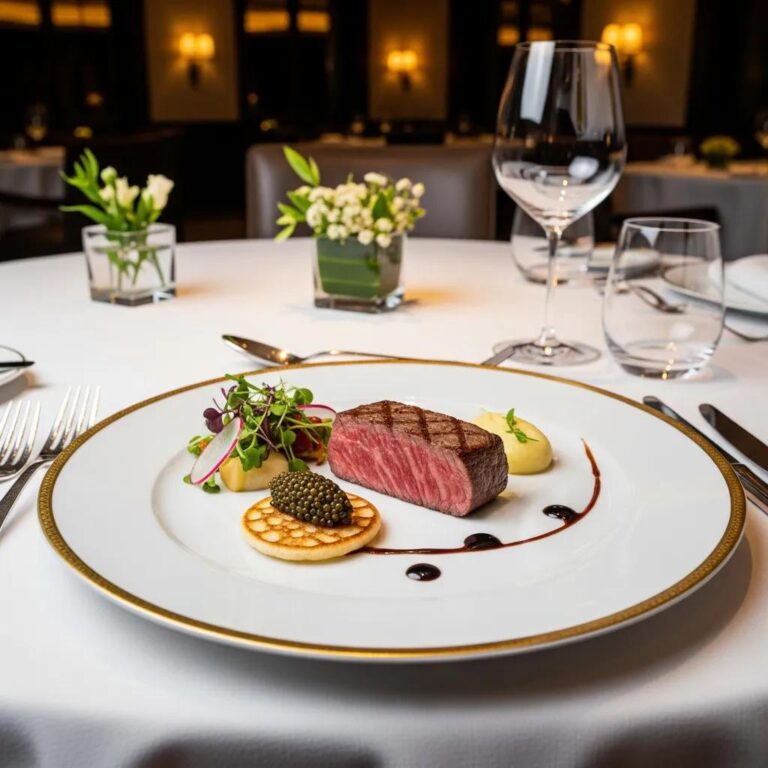
To find top-tier A5 Wagyu and premium sushi, seek restaurants that list grade, origin, and presentation technique—whether Miyazaki A5 presented as thinly seared slices, Wagyu tartare, or tableside-seared cuts. Menus that specify cut or origin are signaling authenticity and a robust supply chain. Expect A5 Wagyu as tartare, seared nigiri, or plated steaks; pairings such as mineral-driven sake or restrained white wines are common recommendations to balance Wagyu’s fat. Prioritize kitchens that are transparent about sourcing and portion size—clear communication is a practical sign of a restaurant prepared to showcase elite ingredients.
How to Discover the Top Caviar and Luxury Ingredient Dining in NYC?

Finding caviar-led and luxury-ingredient dining starts with spotting sourcing signals: explicit naming of caviar variety, portion sizes, and pairing notes—as well as the service formats where caviar appears, from blini service to tartare garnishes or dedicated caviar flights. Restaurants that prioritize caviar will usually note type (for example, Kaluga), portion (25g/50g), and accompaniments (blini, crème fraîche, chives), enabling you to compare texture and salinity across offerings. Knowing these service formats and typical accoutrements helps you set price expectations and choose an experience—whether a caviar-touched amuse-bouche or a formal tasting flight—that suits your occasion. The table below compares common caviar types to guide selection by flavor, size, and pairing ideas.
This table contrasts three premium caviar types by flavor profile, bead size, and typical pairings so you can choose the right service for your palate.
Kaluga’s larger beads and buttery profile pair especially well with delicate, creamy accoutrements—use that as a guide when ordering plated caviar service.
Restaurants that pair caviar with uni, truffle, or A5 Wagyu generally rely on specialist suppliers and strict cold-chain storage. Kaviar Restaurant, for example, offers a Kaluga presentation with considered accompaniments and suggested pairings to balance brininess and texture. That level of detail—precise plating combined with clear pairing guidance—shows how premium caviar can elevate a tasting menu or a private caviar-room experience for a special occasion.
What Are the Most Sought-After Caviar Dishes in NYC Fine Dining?
Popular caviar presentations include traditional blini service, caviar-topped tartares, and composed amuse-bouches where small amounts of caviar amplify texture and salinity. Portion size matters: luxury presentations commonly use 25g to 50g for sharing or as a highlighted course within a tasting menu. Classic accompaniments—lightly buttered blini, crème fraîche, chives, and simple toast points—are chosen to keep the caviar’s texture and salt profile central. Menu placement and pricing—whether caviar is an add-on or a standalone course—help you decide if a dish fits your occasion and budget.
How Do NYC Restaurants Source and Serve Premium Ingredients Like A5 Wagyu and Uni?
Top kitchens maintain direct relationships with specialty importers and label origin—Miyazaki for A5, for example—as a provenance marker that shapes both technique and price. Proper cold-chain logistics, import documentation, and careful in-house handling—gentle thawing, targeted searing, chilled plating for uni—are crucial to preserve texture and flavor. On menus, transparency builds trust: explicit origin notes, portion sizes, and suggested pairings (sake or restrained wines) communicate value and justify premium pricing. Knowing these supply-chain and handling practices lets you ask informed questions when booking and choose kitchens committed to ingredient integrity.
What Are the Most Exclusive Fine Dining Ambiances and Experiences in NYC?
Exclusive ambiance is crafted through material choices, spatial planning, lighting design, and service ratios that together create privacy, focus, and a touch of theater suited to luxury meals. Designers use tactile finishes, calibrated light levels, and varied seating formats—from intimate counters to secluded private rooms—to shape mood and acoustics, allowing for discreet conversation and culinary attention. Service choreography—timing courses, table-side explanations, and sommelier narratives—further composes the experience by controlling pace and highlighting signature moments. The H3 sections that follow outline concrete tactics for creating these ambiances and describe private dining formats for celebrations and high-value bookings.
How Do NYC Restaurants Create Luxury Ambiance and Impeccable Service?
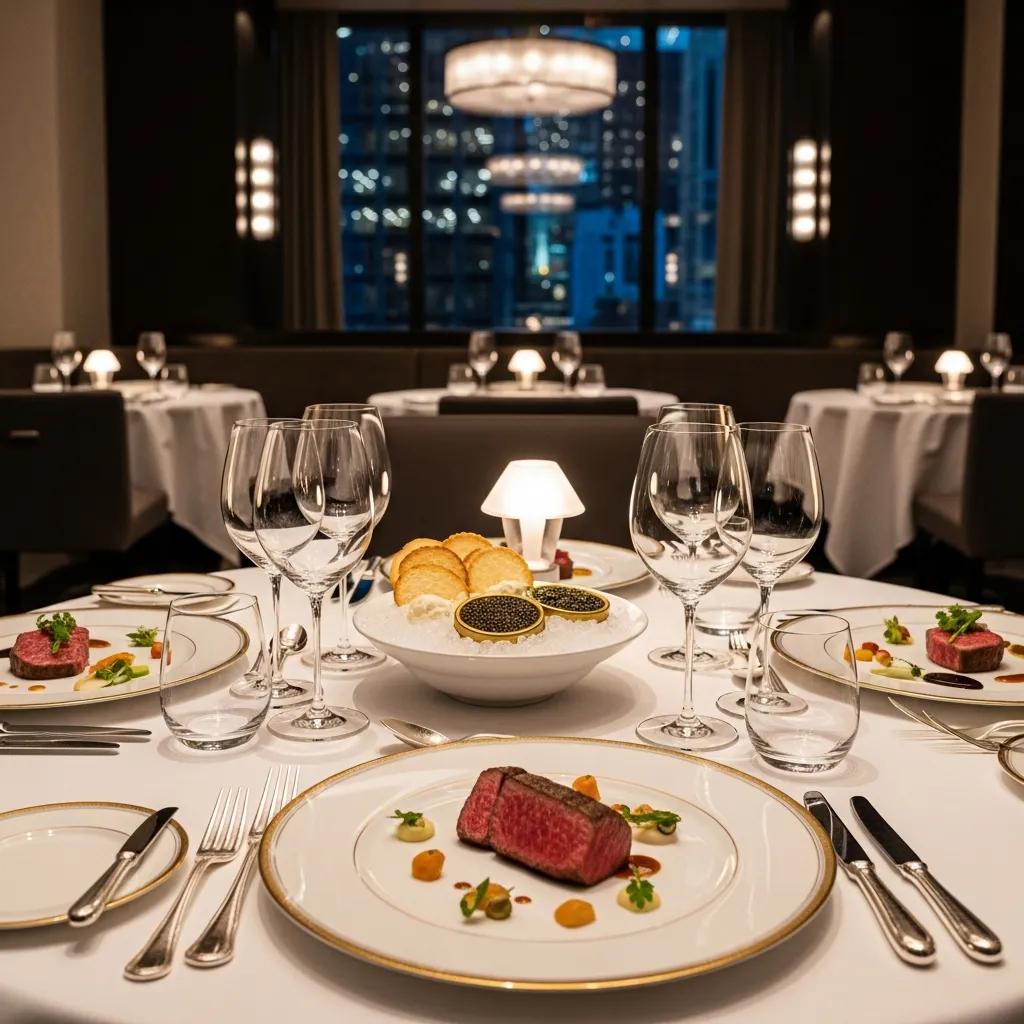
Restaurants build luxury ambiance with refined finishes, layered lighting, and carefully chosen tableware that direct focus to the plate while keeping the room intimate and considered. High staff-to-guest ratios, pre-shift rehearsals, and intentional service rituals—from precise water placement to thoughtful wine decanting—ensure smooth pacing and a sense of ceremony. Adding art, narrative elements, and chef interaction—an opening explanation at an omakase or a table-side finishing touch—creates memorable moments that justify premium pricing. These design and service choices set expectations for longer table durations and attentive communication about timing, and they naturally lead into private-dining options for groups seeking a singular experience.
What Private Dining and Event Options Are Available in NYC’s Fine Dining Scene?
Private dining in NYC ranges from chef’s-counter buyouts and dedicated caviar rooms to full-venue buyouts with bespoke tasting menus, offering varying levels of customization, capacity, and exclusivity. Typical private rooms seat 8–20 guests for an intimate tasting; larger buyouts accommodate milestone events but require longer lead times and deposit agreements. Menus can be fully tailored to include premium add-ons like A5 Wagyu or caviar flights. For planners, lead times, sample menus, and minimum-spend thresholds are essential negotiation points to clarify early. Drawing on real-world examples, venues like Pasadena’s Kaviar Restaurant offer private caviar-room experiences and curated steak and omakase options that show how focused private spaces spotlight premium ingredients with tailored service standards.
How Can Diners Plan and Secure Reservations at NYC’s Best Fine Dining Restaurants?
Booking top NYC tables takes strategy: use multiple booking platforms, plan ahead, and be ready to adapt—join waitlists, monitor cancellations, or request counter seats. Resy and OpenTable are primary channels; direct phone calls can sometimes surface last-minute openings, and concierge services or cancellation alerts can reveal hard-to-get slots. Understand cancellation policies and deposit rules: many tasting-menu venues expect firm commitments and may charge no-show fees, which impacts when and how you finalize plans. The table below compares common booking channels and reservation traits to help shape your booking approach.
This table compares reservation channels by lead time, cancellation norms, and best-use scenarios so you can choose the right approach for high-demand dining.
This comparison clarifies the trade-offs between convenience and flexibility across channels—mix notifications, waitlists, and calls to improve your odds for in-demand seats.
When planning high-intent reservations, build in contingency and personalization strategies: remain date-flexible, enable notifications, and specify seating preferences early. For private events or chef experiences, contact the restaurant directly to discuss menu customization and logistics—many kitchens offer private tasting menus with premium add-ons that require advance notice and deposits. For a practical example, Kaviar Restaurant accepts reservations by phone, Resy, and OpenTable and lists private-dining and curated omakase options; a phone call can surface private-room availability and special menus featuring Kaluga caviar or A5 Wagyu presentations.
What Are the Best Platforms and Tips for Booking NYC Fine Dining Tables?
Choose your booking platform based on urgency, group size, and the seating you want—counter seats versus table service—and combine tools to improve outcomes. Use Resy and OpenTable for standard bookings, enable cancellation notifications, and call directly for high-touch requests. Waitlist tactics include offering multiple time windows, targeting midweek slots, and using concierge services when available; these moves increase your chances for coveted counter or omakase seats. For last-minute plans, check late-cancellation windows and restaurant social feeds for same-day openings. Clear communication—flagging dietary needs or celebration notes at booking—helps the team personalize your experience and can sometimes influence seat allocation.
How Do Price Ranges and Menu Options Vary Among NYC Luxury Restaurants?
Price structures differ: tasting menus deliver an all-in curated experience with many courses plus optional pairing programs, while à la carte allows selective indulgence and add-ons like caviar or Wagyu. Expect top-tier tasting menus to command premium prices that reflect ingredient sourcing and intensive technique, and pairings—wine or sake—can add substantially to the bill. Add-ons such as Kaluga caviar, premium uni, or A5 Wagyu are usually priced separately and can materially raise the final check; understanding where these items sit on a menu helps you plan both culinary and financial expectations. Comparing formats and add-on policies across venues clarifies whether a celebration calls for a tasting menu or an à la carte evening with targeted premium items.
What Are the Latest Trends and Future Directions in New York City Fine Dining?
Today’s NYC fine dining emphasizes coherent narratives, ingredient transparency, and a fusion of traditional technique with contemporary presentation—responses to diners who value memorable moments and traceable provenance. Experiential dining—immersive storytelling and direct chef interaction—remains a driver of premium pricing because guests invest in crafted memories as much as they do in taste. The growth of Japanese fine dining, elevated beef programs, and curated caviar offerings reflects ongoing demand for high-grade items like A5 Wagyu and Kaluga caviar, while social platforms continue to shape discoverability and booking behavior. The H3 sections below look at experiential formats and the role of visual content in today’s dining landscape.
How Is Experiential Dining Shaping NYC’s Luxury Restaurant Scene?
Experiential dining prioritizes narrative cohesion—courses that build a thematic arc, theatrical service moments, and multi-sensory elements that turn a meal into an event worth sharing. That approach lets chefs command premium pricing because guests receive an orchestrated sequence of taste, story, and atmosphere rather than isolated dishes. Operationally, experiential concepts demand tight coordination between kitchen and front of house and often require rehearsal, specialized staff, and longer table durations to preserve the intended effect. For diners, an experiential tasting is a commitment: you’re buying the chef’s curation as much as the food.
What Role Do Social Media and Visual Content Play in NYC Fine Dining Popularity?
Social media and strong visual content amplify discoverability by turning shareable moments—uni pasta finished tableside, a caviar flight, a seared A5 Wagyu course—into referral drivers that increase demand and influence menu design. Restaurateurs balance “Instagrammable” moments with culinary integrity to ensure visuals match substance; when looks outpace taste, reputation can suffer. Short-form video and photography let restaurants showcase provenance, chef technique, and service rituals that matter to discerning diners, and smart operators use visual storytelling to set accurate expectations around pacing and price. As visuals continue to influence dining choices, venues that combine culinary excellence with honest storytelling will keep both visibility and credibility.
- Key takeaway: Prioritize provenance, chef-driven sequencing, and smart booking strategies when pursuing luxury dining in NYC.
- Planning tip: Use multiple platforms and direct contact to secure seats, and confirm add-ons like caviar and A5 Wagyu before your visit.
- Experience tip: For immersive, high-value meals, choose venues that clearly describe ingredient origins and service format so the evening matches your occasion.
Frequently Asked Questions
What should I expect in terms of pricing at NYC fine dining restaurants?
Pricing varies by format and ingredients. Tasting menus commonly start around $150 and can exceed $500 per person at the city’s most celebrated rooms, especially when premium items like A5 Wagyu or caviar are included. À la carte lets you pick and choose, with individual dishes typically ranging from $30 to $200 or more. Review menus in advance and factor in add-ons and pairings to estimate the total cost.
How can I enhance my fine dining experience in NYC?
Arrive curious and open to the chef’s guidance. Engage the team, ask about the menu, and share dietary needs in advance. Opting for suggested wine or sake pairings can deepen flavors. If you want more interaction, request counter seating or an omakase; for a quieter evening, consider off-peak hours when service and chef access tend to be more intimate.
Are there any dress codes for fine dining in NYC?
Dress codes differ by venue. Some restaurants expect formal wear—suits and elegant dresses—while others sit comfortably in smart casual. Check the restaurant’s site or call ahead to confirm. Dressing appropriately respects the house and often enhances the overall experience.
What are some tips for securing last-minute reservations at popular restaurants?
Last-minute bookings are possible with persistence. Monitor Resy and OpenTable for cancellations, call the restaurant directly, and consider flexible dining times (early or late seatings). Being open to bar or counter seating opens more spontaneous opportunities for memorable meals.
How do I choose between different fine dining experiences?
Consider cuisine, ambiance, and menu structure. Research whether a spot focuses on omakase, caviar, or a regional cuisine; read reviews and look at photos to gauge atmosphere and service style. Match the restaurant to your occasion—celebrations often suit tasting menus, while more casual upscale nights may be better for à la carte exploration.
What are the benefits of dining at Michelin-starred restaurants?
Michelin-starred restaurants offer a high degree of assurance around ingredient quality, technical skill, and consistency. Guests can expect inventive dishes that showcase a chef’s vision and a carefully curated environment. Be prepared for higher prices and longer booking windows, but also for a dining experience that’s been judged against rigorous standards.
Conclusion
New York City’s fine dining landscape is where ingredient provenance, culinary craft, and thoughtful service come together to create unforgettable evenings. By learning the signals of true luxury—from omakase counters to elevated caviar service—you can choose venues that align with your tastes and expectations. Ready to take the next step? Reserve a table, lean into the chef’s sequence, and let the city’s best tables elevate your next special occasion.