




Old World vs New World Wines: A Practical Guide to Their Differences and How to Pair Them with Fine Dining
Where a wine comes from shapes its flavor, structure and pairing potential more than many diners realize. This guide clarifies what insiders mean by “Old World” and “New World,” outlines the sensory and technical reasons they taste different, and gives clear tasting cues to tell them apart. You’ll learn how terroir, common cellar techniques, and elements like acidity, tannin and oak affect food compatibility. We also translate those differences into concrete pairing advice for Japanese fine dining—practical recommendations for omakase, A5 Wagyu and caviar courses. Finish with short tasting exercises and varietal comparisons so you can spot Old vs New World expression on any wine list. Keywords such as old world wines, new world wines, wine pairing Japanese food and A5 Wagyu wine pairing are embedded throughout as useful search signals, while the guidance stays straightforward and restaurant-ready.
What Defines Old World Wines and Their Key Characteristics?
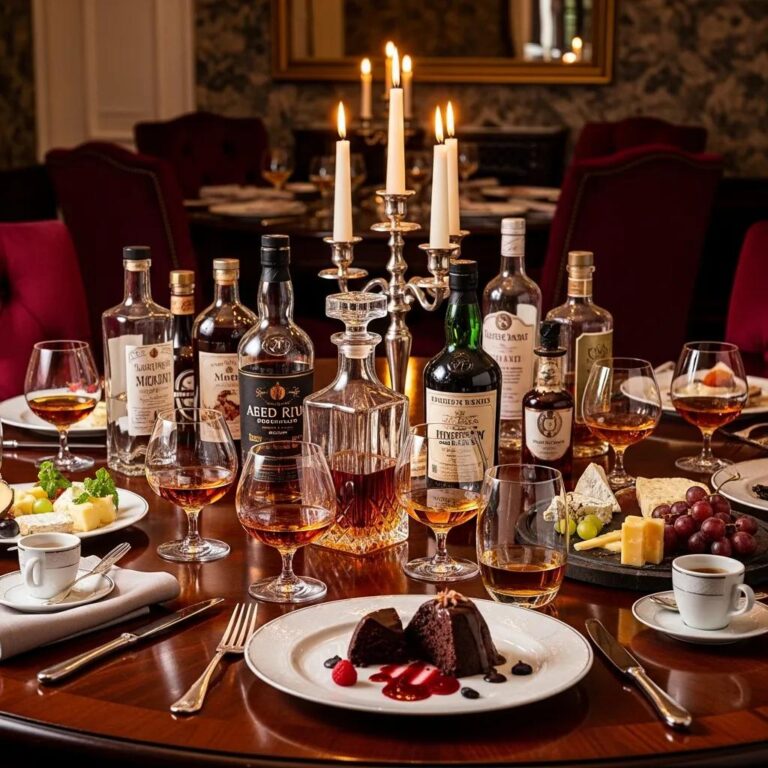
Old World wines come from long-established European regions where terroir, generations of practice and strict appellation systems favor a sense of place over bold varietal showmanship. These bottles often highlight soil-driven character, measured fruit, higher natural acidity and subtle savory or mineral notes. Traditional practices—moderate oak use, careful canopy work and rules tied to appellations—produce wines focused on balance and food harmony. Recognizing these traits helps sommeliers and guests choose wines that elevate delicate dishes and complement umami-rich flavors. Below is a concise summary of Old World hallmarks and a table linking major regions to signature grapes and tasting cues.
Old World wines commonly share:
- Terroir-first expression: soil, microclimate and regional identity take priority.
- Noticeable acidity and generally lower perceived alcohol than many New World counterparts.
- Savory, earthy or mineral-driven profiles that develop with age.
- Appellation- and tradition-led winemaking that prizes restraint and balance.
Those regional priorities lead directly into how history and terroir shape specific Old World styles.
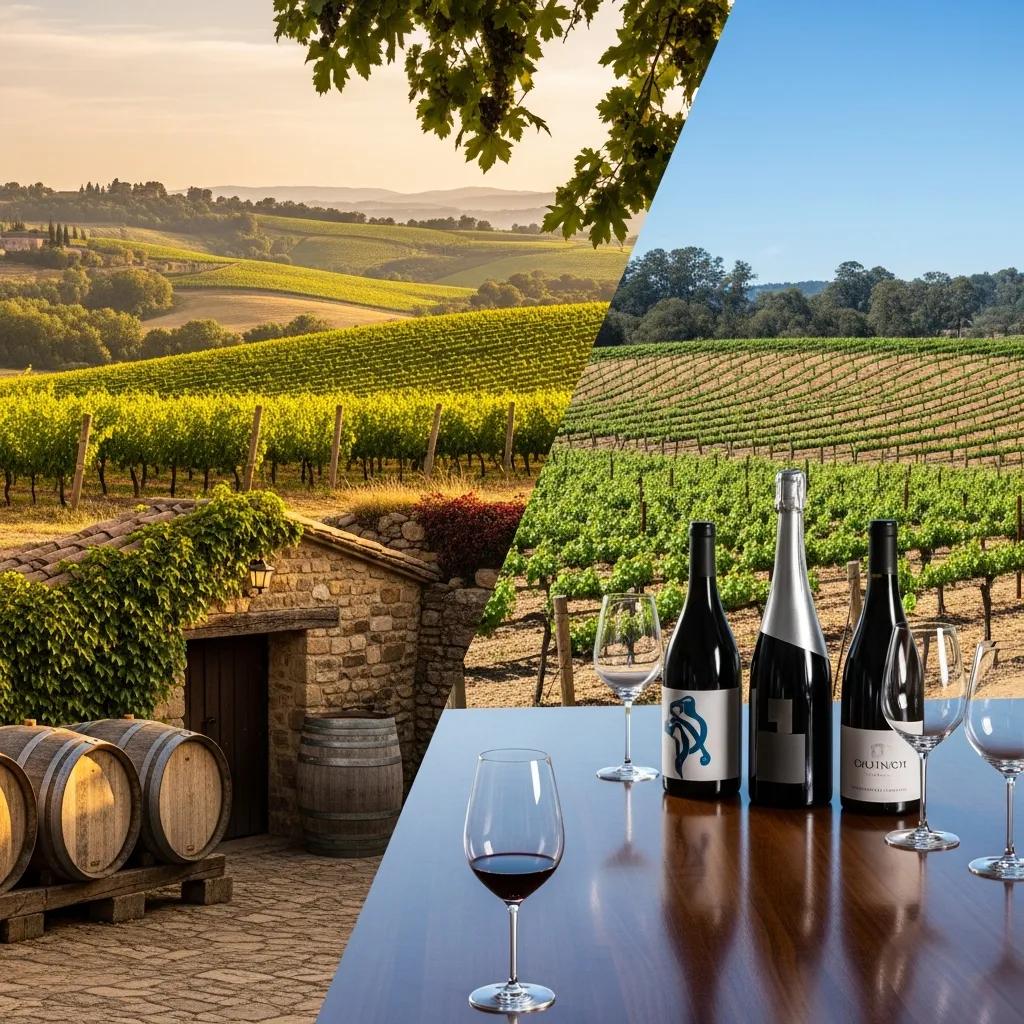
In wine terminology, “Old World” refers to long-established European wine regions, while “New World” denotes the newer producing countries outside Europe.
Defining Old World and New World Wine Regions
“‘Old World’ refers to European countries such as France, Italy and Spain that have long-standing wine traditions. ‘New World’ describes nations like the United States, Australia, Chile, Argentina, South Africa, New Zealand and Canada, which developed wine industries more recently.”
How Do History and Terroir Shape Old World Wine Styles?
In Old World regions, terroir—soil, slope, microclimate and long-held viticultural practice—creates wines that speak of place rather than simply the grape. Appellation rules, permitted varieties and aging traditions reinforce regional identity and encourage techniques that highlight subtlety—think the minerality of Chablis or the savory layers of a Bordeaux blend. Soil types (chalk, limestone, clay) combined with climate (maritime or continental) influence ripeness, acidity and aromatic lift, producing wines that often reward cellaring. Those terroir-led bottles pair beautifully with texture-rich, umami-forward dishes because their acidity and mineral backbone lift savory flavors without overwhelming them.
Which Are the Major Old World Wine Regions and Signature Grapes?
Below is a compact table that links prominent Old World regions with their hallmark grapes and typical tasting attributes—useful for predicting how a bottle will behave at the table and for planning pairings and aging.
This quick reference helps buyers and sommeliers anticipate how a bottle will interact with food and sets up the contrast with New World styles.
What Are New World Wines and Their Distinctive Features?
New World wines come from regions outside Europe—California, Australia, Chile, Argentina and others—where warmer sites, modern cellar tools and varietal labeling often yield riper, fruit-driven wines with more visible oak and higher perceived alcohol. New World producers frequently experiment with oak regimens, yeasts and extraction to create bold, approachable wines that emphasize fruit intensity and texture. These wines are prized for immediacy and expressive aromas, and they make intuitive choices when diners want pronounced fruit or when a dish needs a more powerful partner. Below are hallmark New World traits and a table summarizing leading regions and their flavor signatures.
New World wines typically show:
- Fruit-forward aromatics and a fuller palate presence.
- Warmer-climate ripeness, often yielding higher alcohol and plush tannins.
- More frequent use of new oak and modern extraction for texture and spice.
- Varietal labeling that highlights grape identity and makes selection straightforward.
The next section explains how climate and innovation shape these stylistic tendencies.
Differences between Old and New World wines are often traced to contrasting winemaking approaches and consumer preferences.
Old World vs. New World Wine: Defining the Dichotomy
“The distinction between Old and New World wines reflects differing traditions and production methods—how wines are made, labeled and enjoyed varies across these regions.”
How Do Innovation and Climate Influence New World Wine Profiles?
Warmer ripening in many New World regions increases sugar and phenolic ripeness, producing riper fruit flavors, fuller body and often higher alcohol. Contemporary winemaking—controlled-temperature fermentation, selective new-oak use and tannin-softening techniques—lets producers shape sleek, approachable wines. Vineyard practices like canopy management and irrigation improve consistency and concentration. Together, these factors favor wines that are immediate and expressive—well suited to rich or boldly seasoned dishes but requiring careful pairing alongside delicate, umami-rich cuisine.
Which New World Wine Regions and Grapes Are Most Prominent?
The table below maps leading New World regions to their signature grapes and typical tasting signatures—handy when you want to anticipate fruit-forward or oak-driven styles on a wine list.
These mappings explain why New World bottles often read as more overtly fruity and textured—a contrast that informs tasting and pairing choices.
What Are the Core Differences Between Old World and New World Wines?
At their core, the two traditions differ in emphasis—Old World prioritizes place and structure, New World prioritizes fruit and varietal clarity—alongside distinct cellar practices and labeling systems. Old World wines tend to show higher acidity, mineral character and restrained oak, while New World bottles lean to riper fruit, oak influence and varietal upfrontness. Appellation-based labels signal place and typicity; varietal labels highlight grape identity and stylistic intent. Spotting these cues helps diners pick bottles that either harmonize with a dish or provide a deliberate contrast.
In practical terms, consider this concise comparison:
- Terroir vs Fruit: Old World emphasizes place; New World emphasizes varietal fruit expression.
- Winemaking: Old World favors restraint and tradition; New World often uses modern extraction and oak.
- Labeling: Appellation-driven labels (Old World) versus varietal-focused labels (New World).
- Structure: Old World usually favors higher acidity and subtle tannin; New World often shows fuller body and riper tannins.
With these contrasts in mind, sommeliers and diners can choose Old World bottles for delicate seafood and sushi, and New World selections for richer, oak-friendly dishes.
How Do Terroir and Fruit-Driven Flavors Distinguish These Wines?
Terroir-led wines tend to show restrained primary fruit, pronounced acidity and savory or mineral notes that unfold with time. Fruit-driven wines present immediate ripe aromas, a broader mid-palate and clearer oak-derived spice or vanilla. Tasting cues include separating primary fruit from earthy or mineral aromatics, judging acidity and tannin grip on the palate, and noting oak signs like toast or vanilla. Try a side-by-side of Burgundy and California Pinot Noir: the Old World example will highlight site and finesse, the New World bottle the riper fruit and oak influence. Those sensory markers guide pairing by matching wine structure to a dish’s texture and flavor weight.
What Are the Differences in Winemaking Techniques and Labeling Systems?
Technically and regulatorily, Old World regions often use appellation rules that limit yields, define permitted varieties and support age-worthy styles. New World producers have more flexibility—controlled fermentations, oak manipulation and stylistic blending—to craft approachable wines. Labels reflect that: Old World bottles prioritize region and implied standards; New World labels often state varietal and stylistic cues. For consumers, these signals are practical shortcuts: an appellation label suggests regional typicity and food friendliness, while a varietal label sets expectations for fruit-driven character.
Terroir—the site-specific combination of soil, climate and place—matters to winemakers in both Old and New Worlds and leaves measurable traces in grapes and must.
Terroir in Old World vs. New World Wine Production
“This study looks at how winemakers in both traditions understand terroir similarly, and how those site-driven differences show up in grape and must chemistry and, ultimately, in the finished wine.”
How Do Acidity, Tannin, and Oak Influence Taste Profiles?
Acidity brings freshness and a cleansing mouthfeel—ideal with seafood and bright sauces. Tannin adds structure and binds with protein, which matters when pairing reds with rich proteins like A5 Wagyu. Oak contributes spice, vanilla and texture that complement roasted or caramelized flavors but can overwhelm delicate seafood if overapplied. Good pairings balance these elements: pick wine with enough acidity to cut fat, moderate tannin to avoid textural clash, and oak that supports rather than smothers umami. These considerations are central when choosing bottles for Kaviar’s premium menu.
How Do Old World and New World Wines Pair with Japanese Fine Dining at Kaviar Restaurant?
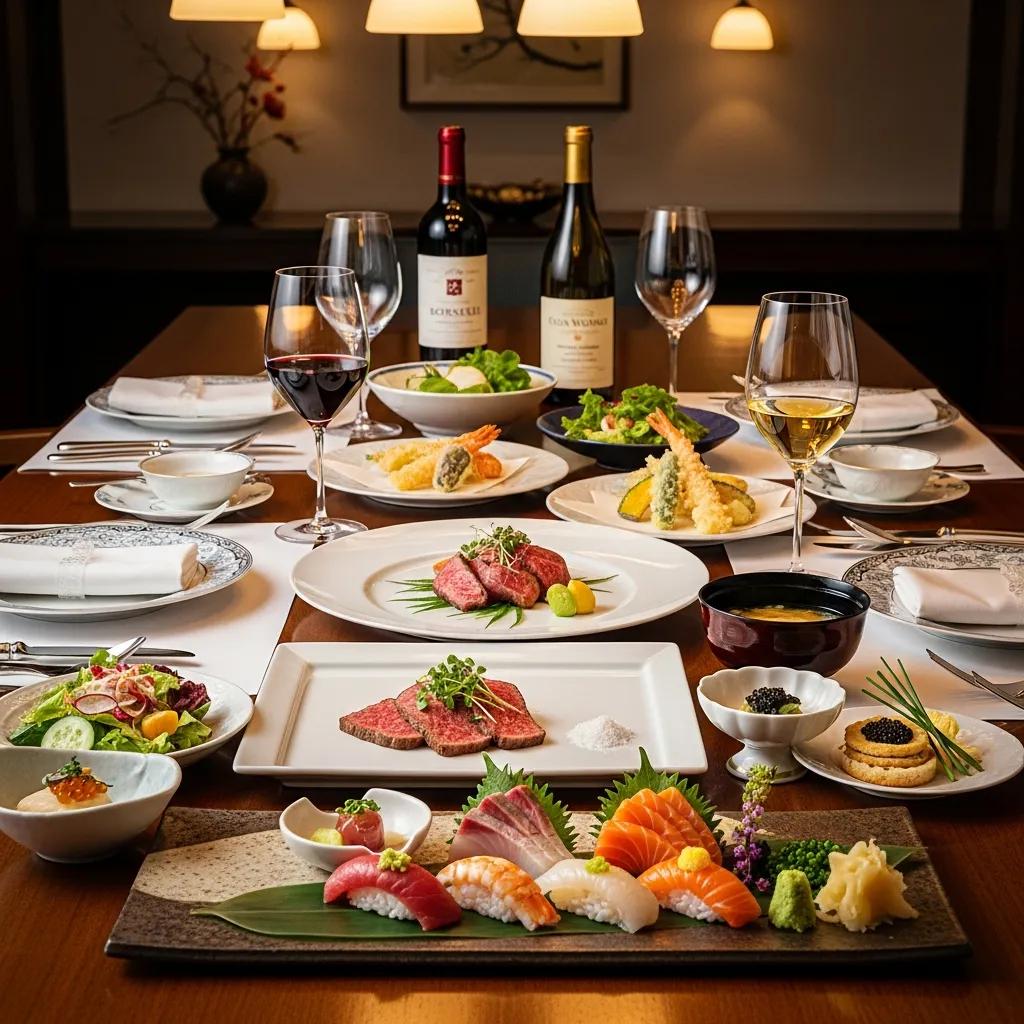
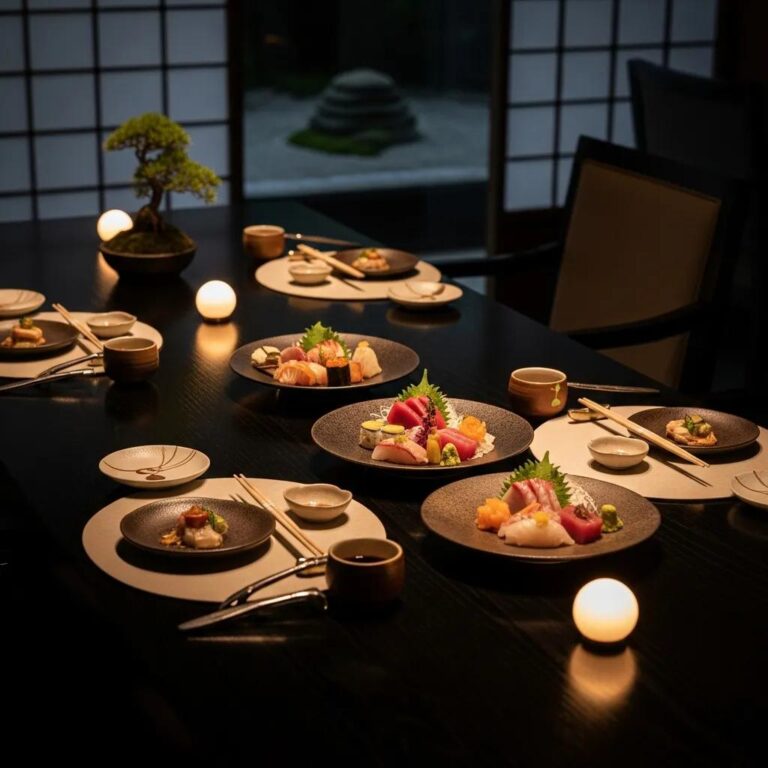
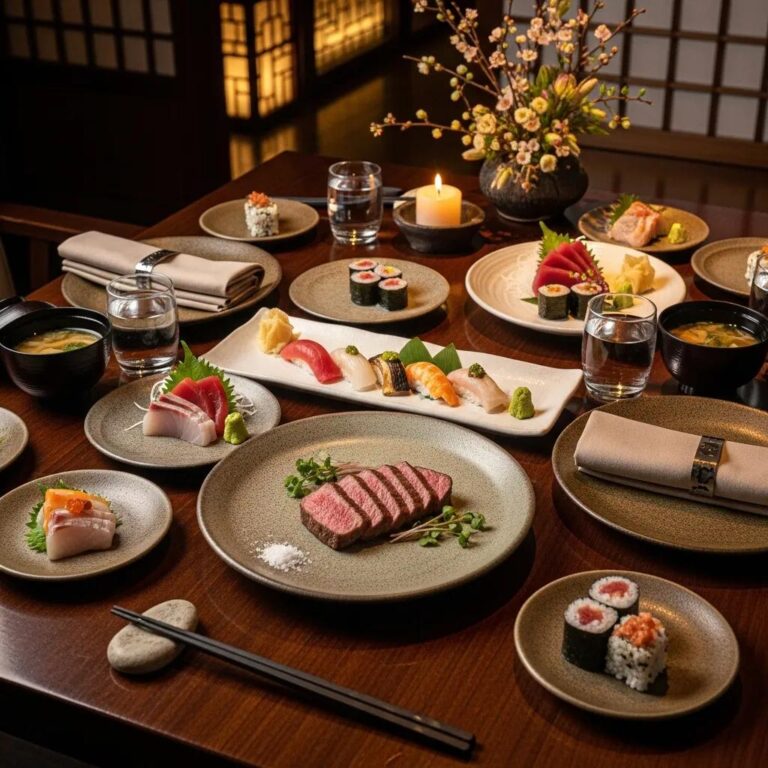
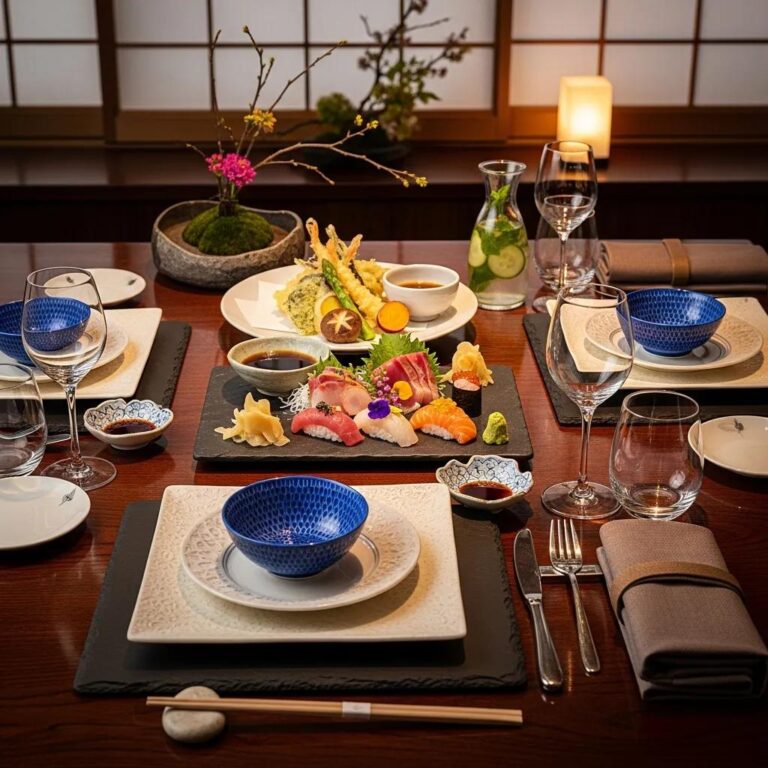
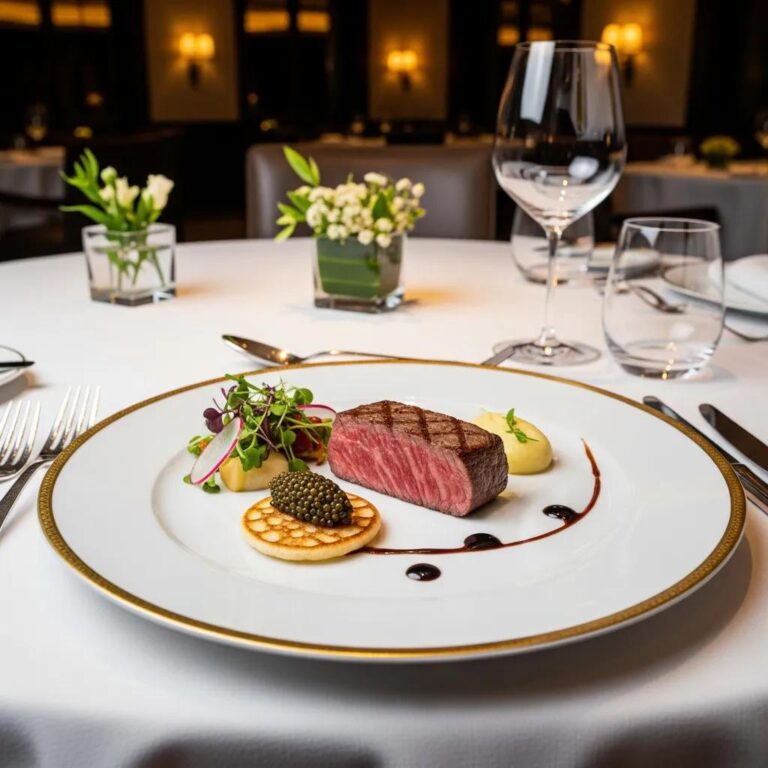
Applying these style principles to the dining room helps guests navigate Kaviar Restaurant’s menu, where precise technique, umami and premium ingredients demand complementary wine choices. Kaviar’s wine program features both Old and New World selections chosen to match an omakase progression, A5 Wagyu and caviar courses. For lighter omakase pieces, Old World whites and delicate reds with bright acidity are ideal; for richer A5 Wagyu preparations, choose reds with balanced tannin or New World bottles with concentrated, controlled ripeness. The table below links signature dishes to recommended Old and New World styles to help you select bottles or opt for paired tasting menus.
This map shows why Kaviar’s list includes both traditions and why our sommeliers may alternate provenance through a tasting sequence. If you’re booking, choosing a tasting menu with suggested pairings ensures the wine progression follows the meal’s textures and flavors.
Which Old World Wines Complement Kaviar’s Signature Dishes Like A5 Wagyu and Omakase?
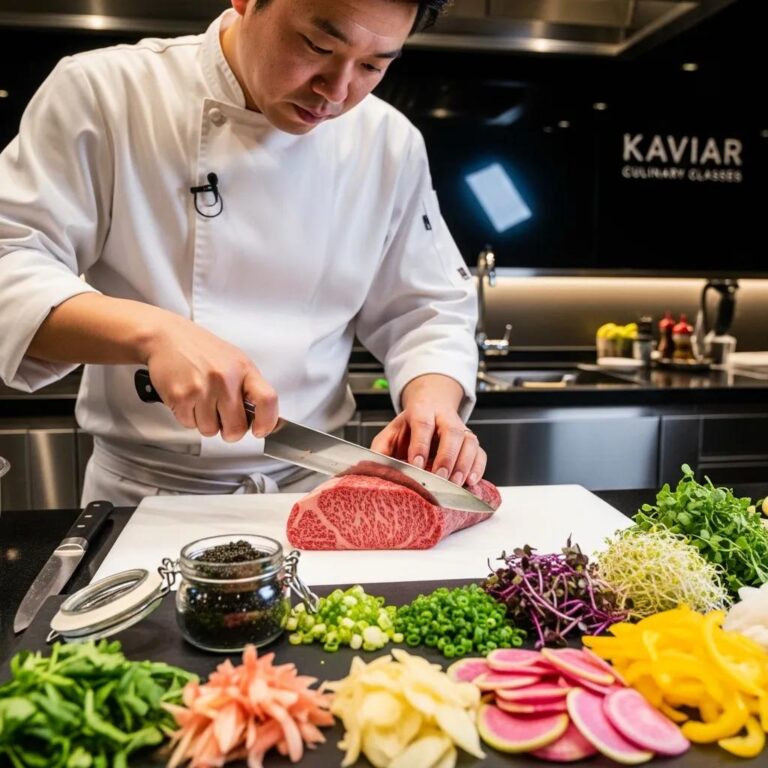
Old World bottles excel at amplifying umami without stealing the show. For omakase, Chablis or delicate Rieslings add mineral lift and cleansing acidity between bites. A light-to-medium Pinot Noir from Burgundy copes with lightly seared or fatty seafood without heavy tannic weight. For A5 Wagyu, older Bordeaux or gracefully aged Burgundy with refined tannins will meld with the protein and highlight savory depth. These selections are valuable in a multi-course meal where nuance and progression matter.
What New World Wine Selections Enhance Kaviar’s Premium Menu Offerings?
New World wines pair well with richer dishes thanks to ripe fruit intensity and plush texture. A restrained New World Cabernet—chosen for balance rather than excessive ripeness—works with seared Wagyu where tannin and oak are present but controlled. For uni or creamy pasta, an unoaked or lightly oaked New World Chardonnay brings roundness and complementary stone- or tropical-fruit notes. When selecting New World bottles, favor examples with balanced acidity so delicate seafood courses remain expressive rather than masked.
How Does Caviar Pair with Select Old and New World Wines?
Caviar favors high acidity, fine bubbles and a clean palate: classic Old World options like Champagne or dry mineral-driven sparklings provide delicate mousse and lift the caviar’s salinity. New World sparkling wines and high-acid whites—crisp Rieslings or unoaked Chardonnays—can work similarly if they retain fine mousse and bright acid. The goal is textural contrast: bubbles and acidity refresh the palate between bites while avoiding heavy oak or sweetness that would obscure nuance.
What Are the Most Popular Grape Varietals Across Old and New World Wines?
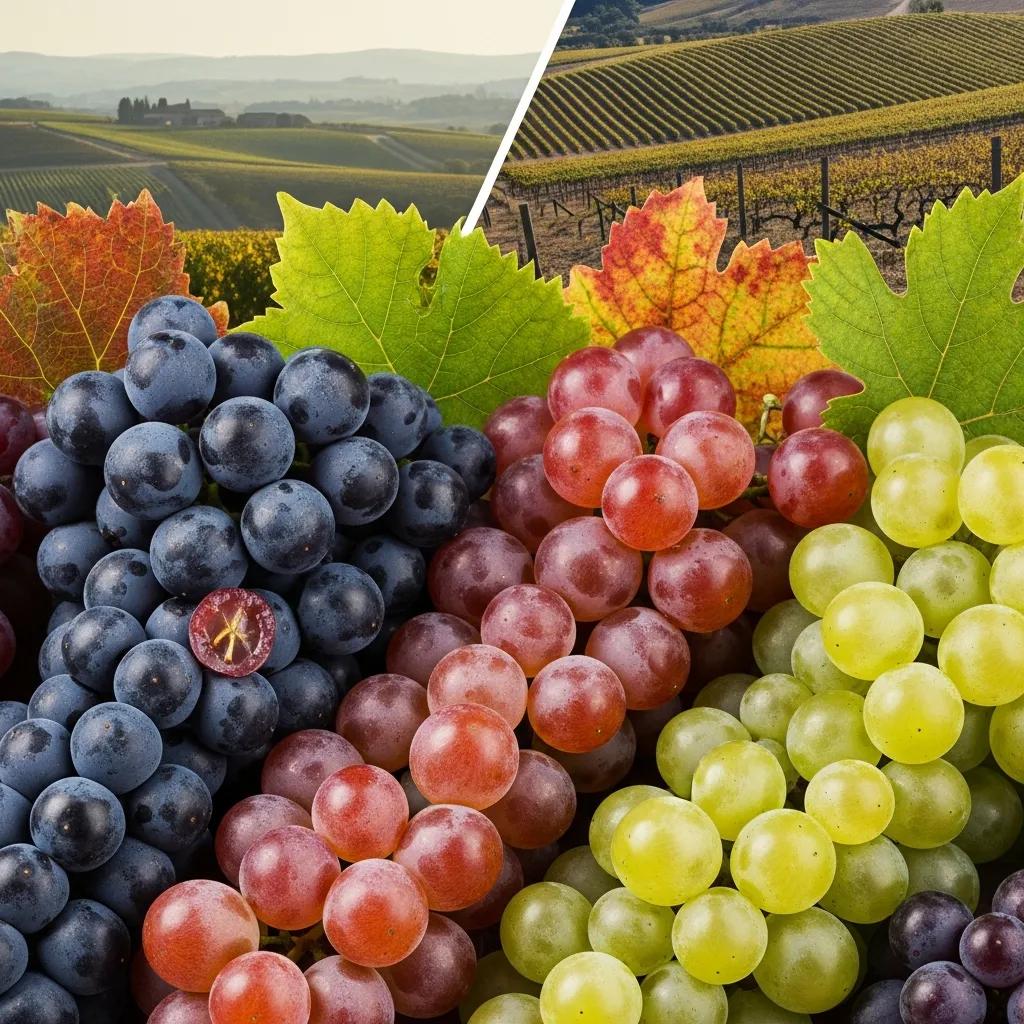
Staples like Cabernet Sauvignon, Pinot Noir and Chardonnay show distinct regional personalities that affect tasting expectations and pairing choices. Cabernet in Bordeaux tends toward structure, earth and cedar; in Napa it shows riper black fruit and warmer tannins. Pinot Noir is site-driven in Burgundy and often riper and broader in California. Chardonnay ranges from steely, mineral Chablis to richer, oak-tinged New World styles. The table below compares these varietals across regions to clarify how expression changes and how that alters dish matching and cellar plans.
How Do Cabernet Sauvignon, Pinot Noir, and Chardonnay Differ by Region?
Bordeaux Cabernet emphasizes aging, tobacco and earthy tones that pair with slow-cooked sauces and grilled proteins; Napa Cabernet shows upfront concentration and oak spice to match richer preparations. Burgundy Pinot Noir centers on red-fruit precision, floral nuance and acidity that complements delicate fish; California Pinot often carries riper cherry and a fuller palate that suits richer seafood or mushroom-forward dishes. Chablis-style Chardonnay brings minerality and saline lift for shellfish, while New World Chardonnays with creamier textures play well with lobster or buttery uni. These regional contrasts guide intentional bottle selection in restaurants.
What Lesser-Known Grapes Are Gaining Popularity in Both Worlds?
Grapes like Albariño, Grenache and Carmenère offer fresh pairing alternatives: Albariño brings bright acidity and saline lift for seafood; Grenache gives red fruit and soft tannins for grilled or soy-glazed dishes; Carmenère contributes herbal spice and plush tannins that suit richly seasoned wagyu. These varietals are increasingly featured on curated lists, giving sommeliers more options to match provenance to a course’s texture and seasoning.
How Can Wine Enthusiasts Identify and Taste the Differences Between Old and New World Wines?
A few practical tasting techniques help you distinguish Old from New World styles by checking appearance, nose, palate and finish for terroir, ripeness, oak influence and structural balance. Use a simple checklist: note color and rim, sniff for primary fruit versus mineral or savory notes, assess mid-palate weight and acidity, and observe finish length and oak-derived spice. Repeating side‑by‑side tastings of the same grape from different regions sharpens recognition and informs pairing choices—especially useful when selecting bottles to follow an omakase progression at Kaviar.
Use this concise tasting checklist during paired tastings or when scanning a wine list:
- Appearance: Note clarity, color depth and rim hue to infer age and extraction.
- Nose: Separate primary fruit from tertiary earth, mineral or oak-derived spice.
- Palate: Judge acidity, tannin texture, body and alcohol balance.
- Finish: Watch how long flavors linger and whether savory/mineral or fruit/oak notes persist.
Trying a Burgundy Pinot and a California Pinot side-by-side quickly trains your eye and palate to recognize terroir versus fruit-driven cues and sharpens pairing instincts for multi-course meals.
What Are the Key Tasting Notes to Recognize in Each Style?
Old World cues include restrained primary fruit, evident acidity, savory or mineral aromatics and structural subtlety that often rewards aeration or age. New World cues highlight ripe primary fruit, fuller body, pronounced oak-derived spice or vanilla and a rounder mid-palate. Focused smelling for earth versus fruit intensity, tasting acid and tannin grain, and following flavor development through the finish will help you choose wines that enhance dishes rather than compete with them.
How Does Terroir Affect Flavor and Aroma in Practical Terms?
Terroir shows up through soil minerality (flint, slate), coastal influence (saline lift and freshness), elevation (slower ripening and higher acidity) and slope/aspect (which affects heat accumulation and ripeness). A practical test: taste the same grape from a cool maritime site and a warm inland site to hear how acidity, fruit concentration and aromatic profile shift. Coastal or higher-elevation sites usually yield brighter, more aromatic wines that suit delicate seafood; warmer inland sites deliver fuller-bodied wines that pair with richer, savory proteins.
With this practical roadmap you should be able to read a label, taste for Old vs New World signals and select bottles that match the texture and umami profile of a high-end Japanese meal. For a special evening, Kaviar’s curated pairings—mixing Old and New World selections across an omakase, A5 Wagyu and caviar sequence—offer a clear path to reserve a memorable dining experience: reserve your table.
Frequently Asked Questions
What are the best wine pairing strategies for Japanese cuisine?
Match the wine’s structure to the dish’s intensity. For light sashimi or nigiri, favor high-acid Old World whites—Chablis or a dry Riesling—to lift umami and refresh the palate. For richer dishes like A5 Wagyu, choose reds with balanced tannin and concentration—either an Old World bottle with refined structure or a restrained New World Cabernet. The goal is harmony: the wine should support texture and flavor without overpowering delicate elements.
How can I identify the quality of a wine based on its label?
Labels offer practical clues. A known region or appellation often signals regulated standards and regional typicity. Varietal labels tell you which grape to expect. Vintage gives context—great vintages often yield more complex wines—and the producer’s name can indicate consistency and style. Use these signals alongside price and tasting notes to make an informed choice.
What role does aging play in the flavor development of wines?
Aging changes a wine’s profile: tannins soften, primary fruit evolves and secondary notes—earth, leather, dried fruit or minerality—emerge. Old World wines frequently benefit from age to reveal their nuance; New World wines can also age well but often retain more fruit-forward character, particularly when aged in new oak. Consider aging as a way to gain complexity and integration.
Are there specific wine styles that are better for beginners?
Beginners often find fruit-forward, approachable wines easiest to enjoy. Many New World styles—California Chardonnay or Australian Shiraz, for example—offer ripe fruit and softer tannins that are immediately pleasing. Lower-acid, minimal-oak examples are also welcoming. Tastings across styles will help newcomers refine their preferences quickly.
How do I properly taste and evaluate a wine?
Taste methodically: observe appearance, swirl to open aromas, inhale to identify fruit, floral or savory notes, and take a measured sip. Let the wine coat your palate and assess acidity, tannin and body, then note how long and how the flavors finish. This structured approach improves your ability to discern style and pairing potential.
What are some lesser-known wine varietals worth trying?
Try Albariño for bright acidity and saline lift with seafood, Grenache for soft tannins and red-fruit versatility with grilled or soy-glazed dishes, and Carmenère for herbal spice and plush texture alongside richly seasoned meats. These varietals expand pairing options beyond familiar choices like Cabernet or Chardonnay.
Conclusion
Knowing the difference between Old World and New World wines helps you choose bottles that elevate a meal—especially in a fine dining setting. By recognizing each style’s strengths and pairing logic, you can enhance dishes from omakase to A5 Wagyu. Explore Kaviar’s curated wine list to find the right match for your next visit. Reserve your table today for a thoughtfully paired, memorable evening.