





Accessible Dining in Pasadena: Kaviar’s Guide to Comfortable, Inclusive Fine Dining
This guide explains what accessibility looks like in a fine‑dining setting and how inclusive design, trained staff, and flexible menus combine to welcome every guest. You’ll find practical details about physical access, restroom accommodations, seating layouts, arrival logistics, dietary and sensory options, how to reserve accessible seating, and the standards we use to keep improving. The focus is on accessibility and inclusive dining in Pasadena, with Kaviar’s approach to accessible luxury as the center of the discussion. Many diners search for wheelchair‑friendly Japanese restaurants or ADA‑compliant options in Pasadena before booking—this guide answers those priority questions clearly and with actionable steps. What follows covers specific accessibility features, seating and table spacing, parking and valet procedures, dietary and sensory accommodations, reservation workflows for accessible dining, and why Kaviar is known as an inclusive fine‑dining destination.
What Accessible Features Does Kaviar Restaurant Offer for Wheelchair Friendly Dining in Pasadena?
Accessibility features shape the guest experience by removing physical and service barriers so visitors can navigate and dine with dignity and independence.
Physical accessibility connects entryways, circulation paths, seating, and restrooms so mobility devices and companions can move comfortably and safely. Below we list core features to look for and explain how each reduces friction at arrival and during the meal. Use this concise checklist to understand the most important elements that make wheelchair‑friendly fine dining possible in Pasadena.
Kaviar pairs a commitment to refined Japanese cuisine with practical access measures so guests seeking omakase, A5 Wagyu, or caviar-forward experiences can book with confidence. Letting us know about accessibility needs when you reserve helps our team prepare seating and service adjustments in advance for a seamless, elevated visit.
The accessibility summary table below highlights common physical features and how they support guest navigation and independence. It’s intended to clarify what to expect when prioritizing accessible dining at a fine‑dining venue.
This table summarizes the tangible elements that support wheelchair‑friendly dining and shows how physical components improve the guest experience. The next subsection outlines entrance and pathway details so you can anticipate arrival and indoor circulation.
How Is the Wheelchair Accessible Entrance and Interior Pathways Designed at Kaviar?
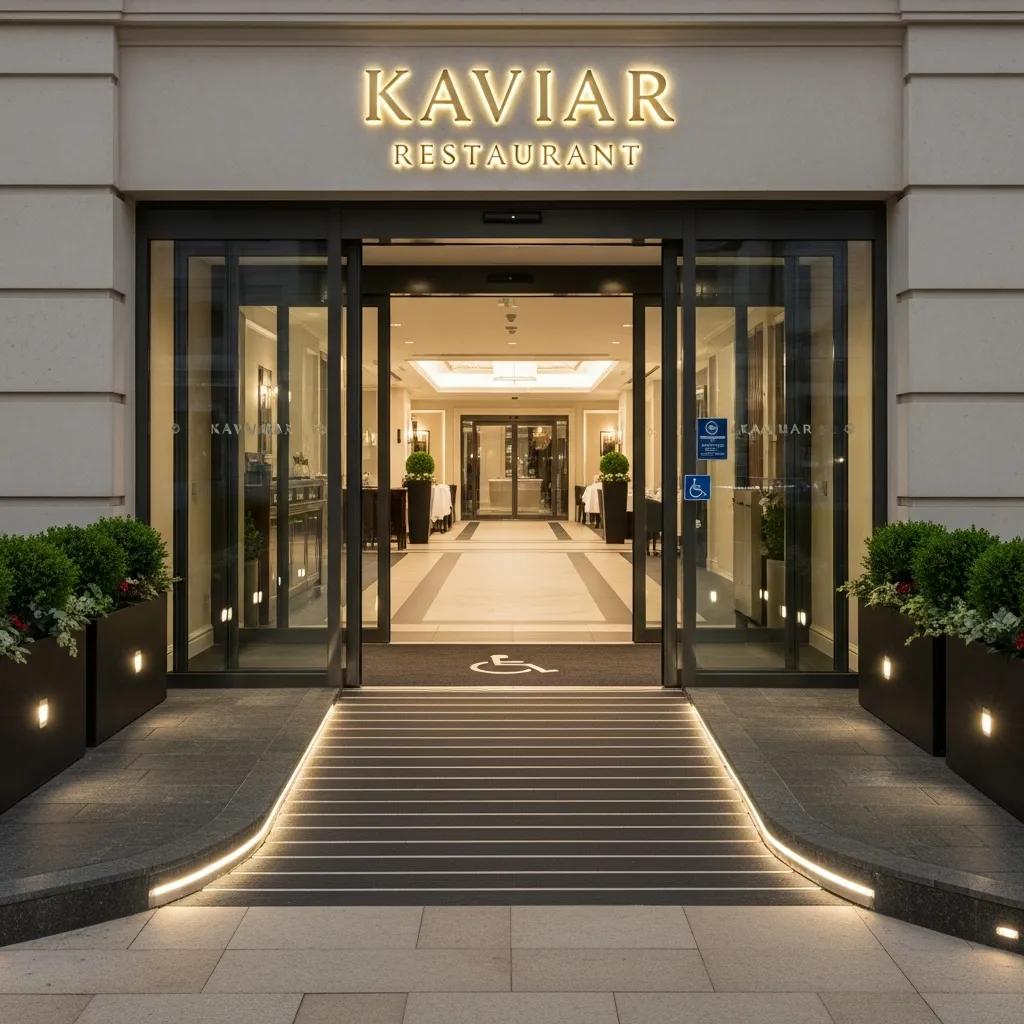
An accessible entrance reduces barriers with a level approach or ramp, wide door clearances, and low thresholds that allow independent entry for wheelchair users. These design choices remove abrupt level changes and provide a continuous accessible route from arrival to the dining room—supporting autonomy and comfort.
Inside, circulation works best when aisles stay free of obstructions, furniture placement allows comfortable turning radii, and staff maintain clear routes during busy periods. Telling us the type of mobility device when you book helps our team reserve seating that preserves adjacent circulation and access.
Good communication about arrival needs complements the physical layout; advance notice lets staff stage entry support and ensure accessible routes are ready. The following subsection details restroom features and how they support dignity and independence during a visit.
What Accessible Restroom Facilities Are Available at Kaviar Restaurant?
Accessible restrooms focus on privacy, transfer space, and supportive fixtures—grab bars, reachable sink heights, and sufficient turning room to accommodate various mobility needs. These elements provide the space and fixtures necessary for independent transfers and safer use.
If you prefer a single‑stall or family restroom for privacy and transfer room, let us know when booking so we can confirm availability and reduce wait time. If additional assistance is needed during your visit, our staff are prepared to help discreetly while preserving your independence.
Restroom accessibility also includes visual contrast and non‑slip flooring to lower fall risk and boost confidence—important details in a fine‑dining environment where comfort and safety are equally valued. Next, we’ll describe how seating and table arrangements further enhance an inclusive dining experience.
Kaviar Restaurant offers accessible reservations—call us at (626) 605-0330 to request seating accommodations or discuss specific access needs before arrival.
How Does Kaviar Ensure Inclusive Dining Pasadena with Accessible Seating and Spacious Table Arrangements?
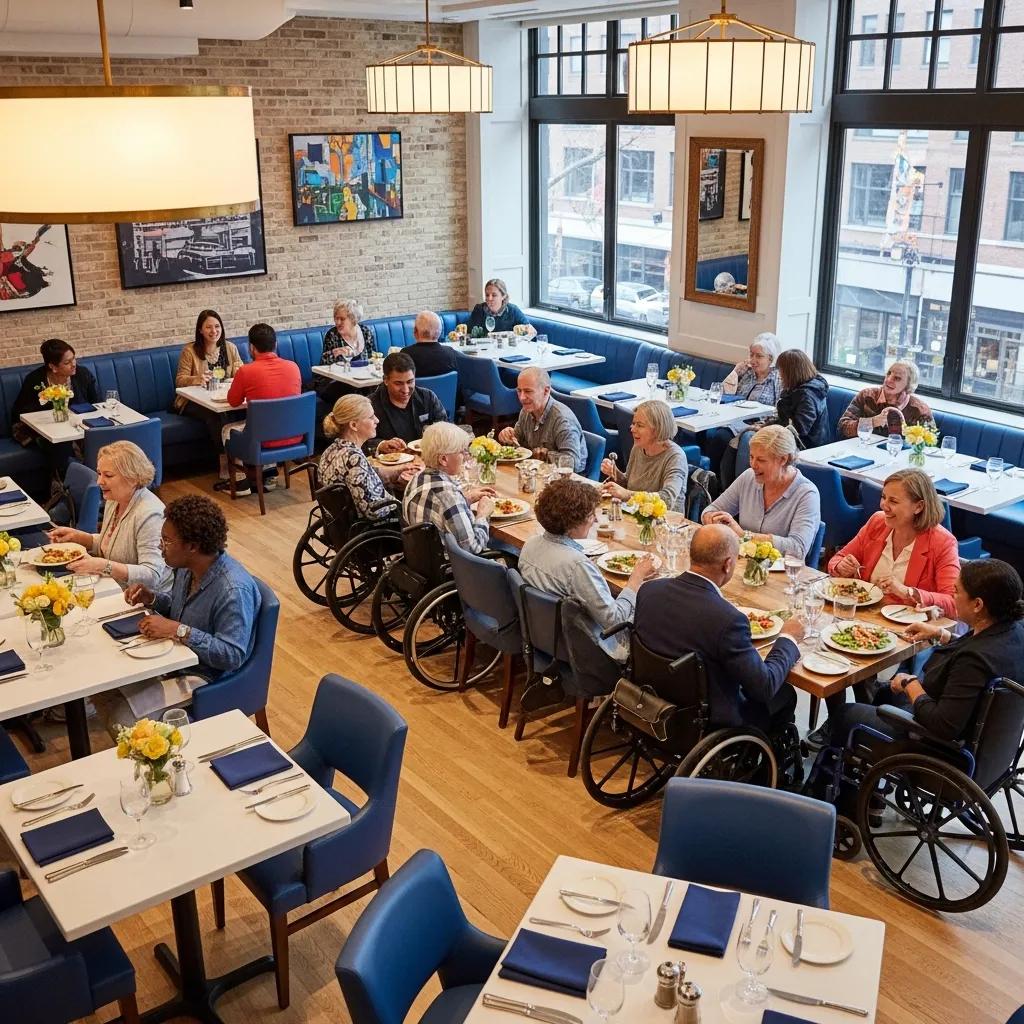
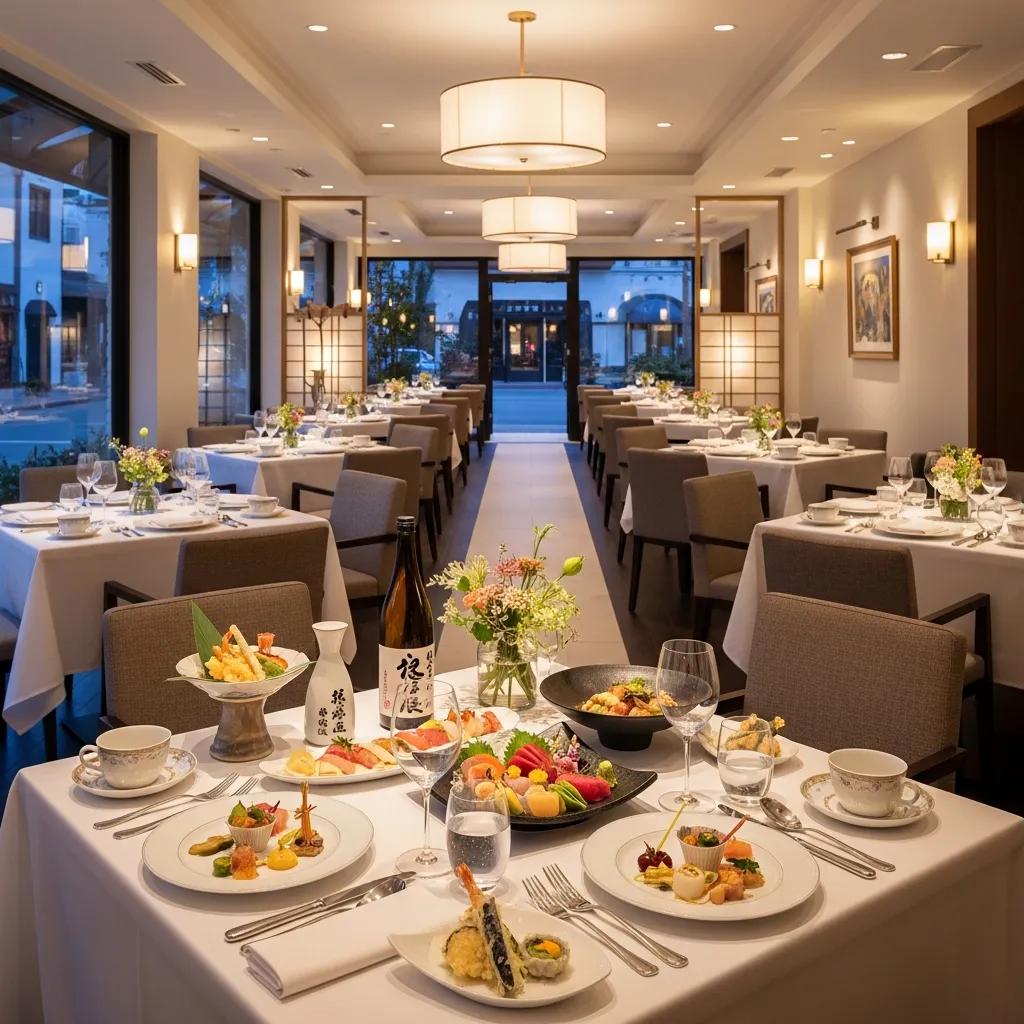
Thoughtful seating and generous table spacing are central to inclusive dining—allowing guests who use mobility devices to dine beside companions without feeling isolated. Fine‑dining solutions often include movable chairs, tables with adequate knee clearance, and options for private or low‑sensory seating when needed.
Proper spacing also helps staff move safely and serve without blocking circulation. Below is a short list of common seating accommodations that support inclusive dining.
- Removable Chairs: Lets a wheelchair fit at the table while keeping companions nearby.
- Adjustable Table Heights: Provides knee clearance and comfortable reach across the table.
- Private or Corner Tables: Creates quieter, less trafficked spots for sensory comfort.
These practical options allow restaurants to support accessibility while preserving fine‑dining aesthetics and service standards. The next subsection outlines specific seating specifications you can ask about when reserving.
What Are the Specifications of Wheelchair Accessible Seating at Kaviar?
Accessible seating focuses on table knee clearance, appropriate table height, and the ability to remove or reposition chairs to make room for a mobility device. In practice, this means tables with clear space underneath for knees and feet and chairs staff can remove quickly without disrupting service.
Including mobility device type and companion count in your reservation note helps our hosts reserve the most suitable table and coordinate service for a comfortable visit. Expect staff confirmation before arrival so arrangements are in place.
Delivering accessible seating also requires training servers to move furniture respectfully and assist when needed without compromising privacy—an approach we apply across our front‑of‑house team. The next subsection discusses how table spacing and circulation support accessibility.
How Does Table Spacing Enhance Accessibility and Comfort for Disabled Guests?
Table spacing affects ease of movement, turning radii, and staff ability to serve without blocking passageways—generous spacing supports guest autonomy and efficient service. Clear aisle policies, unobstructed exits, and plans for busy periods help keep paths clear during peak times.
Staff protocols that prioritize open aisles and quickly reconfigure layouts reduce situations where mobility devices must navigate narrow corridors. Guests benefit from pre‑assigned seating in core dining areas so last‑minute shuffling doesn’t create access barriers.
Good spacing also keeps groups together so companions can share the social and celebratory aspects of fine dining. Next we’ll cover arrival logistics, parking, and valet options.
What Parking and Valet Services Support Disabled Access Fine Dining at Kaviar Restaurant?
Arrival logistics shape first impressions of accessibility—how easily a guest reaches the entrance from parking or a drop‑off point. Designated accessible parking, clear drop‑off zones, and valet assistance that prioritizes proximity to the accessible route reduce physical strain and speed arrival for guests with mobility needs.
Thoughtful arrival design coordinates curb cuts, signage, and staff readiness for door opening or luggage assistance. The list below outlines common arrival options to consider when planning an accessible visit.
- Designated Accessible Parking: Parking close to the entrance to minimize walking distance.
- Valet Drop‑off: Short walk from entry with attendant assistance as needed.
- Curbside Pickup/Drop‑off: Staff‑guided transfer points for smooth arrivals.
This list helps you choose the arrival option that best fits mobility needs and plan accordingly. The table below compares typical arrival options and attributes so you know what to expect for an accessible fine‑dining arrival.
The table offers a compact comparison of arrival methods and clarifies how each supports a safe, dignified entry. The next subsection explains where accessible parking is located and how to request closer accommodations.
Where Are the Designated Accessible Parking Spaces Located?
Designated accessible spaces are ideally positioned near the main entrance to shorten the route along the accessible path; they are signed and surfaced to allow safe maneuvering. When spaces are limited, valet or staff‑assisted drop‑off points provide an alternative that reduces walking distance and simplifies transfers.
If you need the closest possible access, giving us advance notice at booking helps staff hold or direct a space to support your arrival needs. Clear communication at reservation time is the best way to secure the most convenient arrangement.
Knowing the proximity of parking to the accessible route helps you plan transfers and baggage handling. The next subsection explains how valet procedures can further ease arrival and departure.
How Does Valet Assistance Facilitate an Accessible Arrival Experience?
Valet assistance eases arrivals by offering door‑to‑door service, retrieving vehicles promptly, and staging cars to minimize transfer distance when you leave. Effective valet protocols include training attendants to assist respectfully, positioning vehicles so guests exit onto accessible routes, and coordinating with hosts so someone meets the guest at the door if needed.
Please indicate mobility or assistance needs in your reservation so the valet team can plan staffing and vehicle positioning. When requested in advance, valets can also prioritize quick retrieval to reduce wait time after dining.
Valet and parking protocols are part of a wider service continuum that includes reservation systems and staff training—topics we address next in our section on dietary and sensory accommodations.
How Does Kaviar Restaurant Accommodate Dietary Restrictions and Sensory Needs for Inclusive Dining?
Inclusive dining goes beyond physical access: it includes dietary flexibility, allergy management, and sensory‑friendly options to reduce overstimulation for neurodiverse guests. The ability to manage allergies, adapt omakase or à la carte elements, and offer quieter seating or adjustable lighting ensures equitable access to the culinary experience.
The kitchen’s procedures for substitutions and cross‑contact mitigation are central to allergy safety, while front‑of‑house communication makes sure sensory preferences are honored at the table. The table below summarizes common accommodations and how to request them.
This table clarifies practical steps for dietary and sensory accommodations and emphasizes the benefit of advance notice. The following subsection outlines kitchen procedures and how to prepare when booking.
Our culinary team is committed to inclusive hospitality and can work with guests to tailor omakase sequences and signature preparations; mentioning dietary needs when reserving allows the kitchen to plan A5 Wagyu or caviar‑centered courses while avoiding allergens or restricted ingredients.
What Dietary Accommodations Are Available for Guests with Allergies or Restrictions?
Dietary accommodations depend on kitchen processes that identify allergens, substitute ingredients safely, and reduce cross‑contact through separate prep when necessary. Guests with severe allergies should provide specific allergen details at booking so staff can coordinate with the chef and determine which dishes are safe or which substitutions work best.
Documenting requests in the reservation system creates a clear record for front‑ and back‑of‑house teams, improving reliability and safety. For guests booking omakase or signature tastings, advance notice lets the chef craft an equivalent sequence that honors dietary needs while preserving the meal’s narrative.
Open dialogue between guests and staff builds trust and enables us to deliver both safety and a luxurious culinary experience. The next subsection explains sensory‑friendly dining measures and how to secure quieter seating.
How Are Sensory-Friendly Dining Options and Quiet Zones Implemented at Kaviar?
Sensory‑friendly options create calmer environments through seating away from high‑traffic areas, reduced background music, and adjustable lighting that minimizes glare and sudden changes. Typically, this means reserving a low‑traffic table, scheduling during quieter service windows, and cueing servers to moderate clatter and volume.
Guests who request sensory accommodations at booking benefit from advance planning that aligns staffing and table placement with those needs. Offering sensory‑friendly options is a service commitment that preserves the quality of a fine‑dining experience while reducing sensory barriers.
Combined with menu flexibility, these operational measures let guests with mobility and sensory needs enjoy the full range of our culinary offerings. Next we explain the exact steps to make reservations that secure these accommodations.
How Can Guests Make Reservations for Accessible Dining at Kaviar Restaurant?
Including accessibility requests when you reserve lets our team prepare seating, service, and kitchen accommodations before arrival. A clear reservation process reduces uncertainty and increases the chance your requests are honored. Follow this straightforward reservation guide to secure accessible dining arrangements.
- Contact the restaurant: Provide party size, date, time, and a brief note about accessibility needs.
- Specify mobility or dietary details: Tell us the mobility device type, transfer needs, or any allergens.
- Request sensory preferences: Ask for low‑traffic seating, lighting adjustments, or quieter zones.
- Confirm reservation: Request a confirmation that records your accessibility requests.
This checklist helps ensure accessibility needs are recorded and acted upon; use it when booking to make sure your requests are clear. We encourage guests seeking omakase, A5 Wagyu, or caviar experiences to note those preferences so our culinary and service teams can plan an accessible luxury meal. Reserve by phone at (626) 605-0330 and mention accessibility needs to align arrangements with your dining plan.
What Is the Process to Request Accessible Seating When Booking?
When requesting accessible seating, tell us the type of mobility device, whether transfer space is needed, companion seating requirements, and any timing constraints. These details create a reservation note that hosts and managers use during table planning.
After logging the request, we’ll confirm by phone or message to verify accommodations and advise on the arrival route and any valet or parking options. Clear, specific reservation notes reduce the chance of last‑minute changes and support a smooth arrival.
Recording accessible seating requests also triggers checklists for servers and kitchen staff so service pacing and menu sequencing account for guest needs. The next subsection describes how our staff assist with accessibility requests during reservations and arrival.
How Does Kaviar Staff Assist Guests with Accessibility Needs During Reservations?
Our staff begin with training and a reservation notes system that flags accessibility needs and escalates them to managers and service leads when appropriate. Reservation staff record details and share them with hosts, servers, and the kitchen so everyone understands the required accommodations and pacing.
On arrival, staff check reservation notes, greet guests where helpful, and offer door‑to‑table assistance as requested while respecting privacy and independence. A brief confirmation before seating ensures arrangements are correct and any last‑minute needs can be handled promptly.
These protocols turn reservation details into consistent service outcomes and create a predictable, dignified experience for guests with mobility or sensory needs. The next section explains how Kaviar’s approach aligns with ADA compliance and a cycle of continuous improvement.
Why Is Kaviar Restaurant Recognized as an ADA Compliant and Inclusive Fine Dining Destination in Pasadena?
Recognition as ADA compliant and inclusive comes from a mix of physical standards, clear policies, staff training, and ongoing improvements informed by guest feedback. Compliance meets baseline legal requirements; inclusive hospitality adds voluntary measures like clearer signage, disability‑awareness training, and proactive reservation protocols.
Using structured properties such as schema.org AccessibilityFeature and keeping accurate accessibility details on business profiles helps guests find and evaluate wheelchair‑friendly Japanese restaurants in Pasadena. The list below highlights the standards and voluntary features that help a restaurant stand out for accessibility.
- Physical accessibility elements: Entrances, restrooms, and paths designed for mobility.
- Service‑level protocols: Reservation notes, staff training, and arrival assistance.
- Information and discovery: Clear accessibility statements and accurate profile attributes.
These pillars show how restaurants can be both compliant and welcoming. The final subsections summarize the standards Kaviar follows and how guest feedback shapes ongoing improvements.
What Accessibility Standards and Features Make Kaviar Stand Out?
Features that elevate accessibility include continuous accessible routes, adapted restroom facilities, seating policies that allow reconfiguration, and staff training focused on respectful assistance. Physical elements enable movement; service protocols ensure those elements work in practice.
Accurately documenting accessibility attributes and using structured data to communicate features helps guests find and evaluate the restaurant before booking. Voluntary enhancements—sensory‑friendly seating or proactive dietary planning—reflect a philosophy of inclusive luxury that goes beyond minimum legal compliance.
Reliable, visible features combined with trained staff create an experience where accessibility is integrated into our standard of service. The next subsection explains how continuous improvement operates in practice.
How Does Kaviar Continuously Improve Accessibility Based on Guest Feedback?
Continuous improvement starts with clear feedback channels—reservation notes, post‑dining comments, and direct outreach—that feed regular accessibility reviews and staff training updates. When guests report barriers or request changes, those reports are logged and prioritized for remediation, whether that means adjusting layouts, updating signage, or strengthening kitchen cross‑contact procedures.
Periodic audits and staff refreshers ensure policy changes reach the dining room and service flow. Encouraging guests to share accessibility feedback—and acting on it—demonstrates a genuine commitment to evolving service that meets fine‑dining expectations.
- Share accessibility needs at booking: Guests can call (626) 605-0330 to provide details.
- Confirm arrangements on arrival: Hosts will verify seating and service notes are in place.
- Provide feedback after dining: Guest comments guide future improvements and staff training.
These steps close the loop between guest needs, operational response, and continuous improvement—helping ensure an accessible fine‑dining experience for all guests.
Frequently Asked Questions
What types of dietary accommodations can guests request at Kaviar Restaurant?
We offer a range of dietary accommodations so every guest can enjoy their meal. Tell us about specific allergens when booking and our kitchen will adapt courses or suggest safe alternatives. We’re flexible with substitutions and can often modify dishes to meet restrictions. For sensory sensitivities, we can also arrange quieter seating and adjust lighting to create a more comfortable environment.
How does Kaviar handle sensory-friendly dining for neurodiverse guests?
Kaviar aims to create a calmer dining experience for neurodiverse guests by offering seating away from high‑traffic zones, lowering background noise when requested, and adjusting lighting to reduce glare. Please request these accommodations when booking so we can prepare the right table and service approach. Our goal is to ensure every guest dines comfortably and without unnecessary stimuli.
What should guests do if they require additional assistance during their visit?
If you need extra assistance during your visit, let any team member know—we’re trained to offer discreet, respectful support, whether that means help with seating, navigating the space, or other needs. Mentioning requirements when you reserve also helps us prepare in advance so assistance is seamless on arrival.
Are there specific times when Kaviar offers quieter dining experiences?
Yes. Off‑peak hours are generally quieter and easier to accommodate sensory‑friendly requests. If a tranquil atmosphere matters to you, we recommend booking during those times and noting your preference so we can reserve an appropriate table and staffing level.
How can guests provide feedback about their accessibility experience at Kaviar?
We welcome feedback—tell us directly after dining, leave a comment card, or contact the restaurant by phone or email. Your observations help us prioritize improvements, update training, and refine procedures so future visits are better for everyone.
What training do Kaviar staff receive regarding accessibility and guest assistance?
Our team receives ongoing training in accessibility and guest assistance, covering mobility and sensory needs, respectful interaction, and the restaurant’s accessibility features and protocols. This training ensures staff can respond thoughtfully and consistently to guest requests, maintaining a high standard of service for all visitors.
Conclusion
Choosing Kaviar means choosing a thoughtful approach to accessibility and inclusivity—so every guest can enjoy fine Japanese cuisine without unnecessary barriers. With wheelchair‑friendly seating, sensory accommodations, and dedicated staff training, Kaviar is proud to be a welcoming fine‑dining option in Pasadena. Plan your visit and tell us your needs in advance for a seamless, elevated experience. Make your reservation today and discover the accessible dining experience awaiting you at Kaviar.
**