




Saffron — The Golden Thread: Its History, Culinary Uses, and Luxurious Appeal
Saffron—the dried red stigmas of Crocus sativus—is prized for its luminous color, layered aroma, and concentrated flavor that signals luxury across kitchens and cultures. This guide traces saffron from ancient Persia to modern fine dining, explains the chemistry chefs rely on (crocin, picrocrocin, safranal), and offers practical technique for using threads and infusions. You’ll find chef-tested pairing ideas for seafood and premium proteins, a clear summary of evidence around health effects, and a close look at the factors that make saffron among the world’s costliest spices. Whether you’re a home cook, a professional chef, or a curious diner, our aim is to give you both the science and the sensory guidance to use saffron with confidence and restraint. After covering botanical and historical context, we explore culinary applications — including ways saffron can be woven into Japanese fine dining — medicinal notes summarized in an EAV table, cultivation and grading compared by region, and a cost-focused comparison to other luxury ingredients like caviar and A5 Wagyu.
What Is Saffron? Origins, Properties, and Unique Characteristics
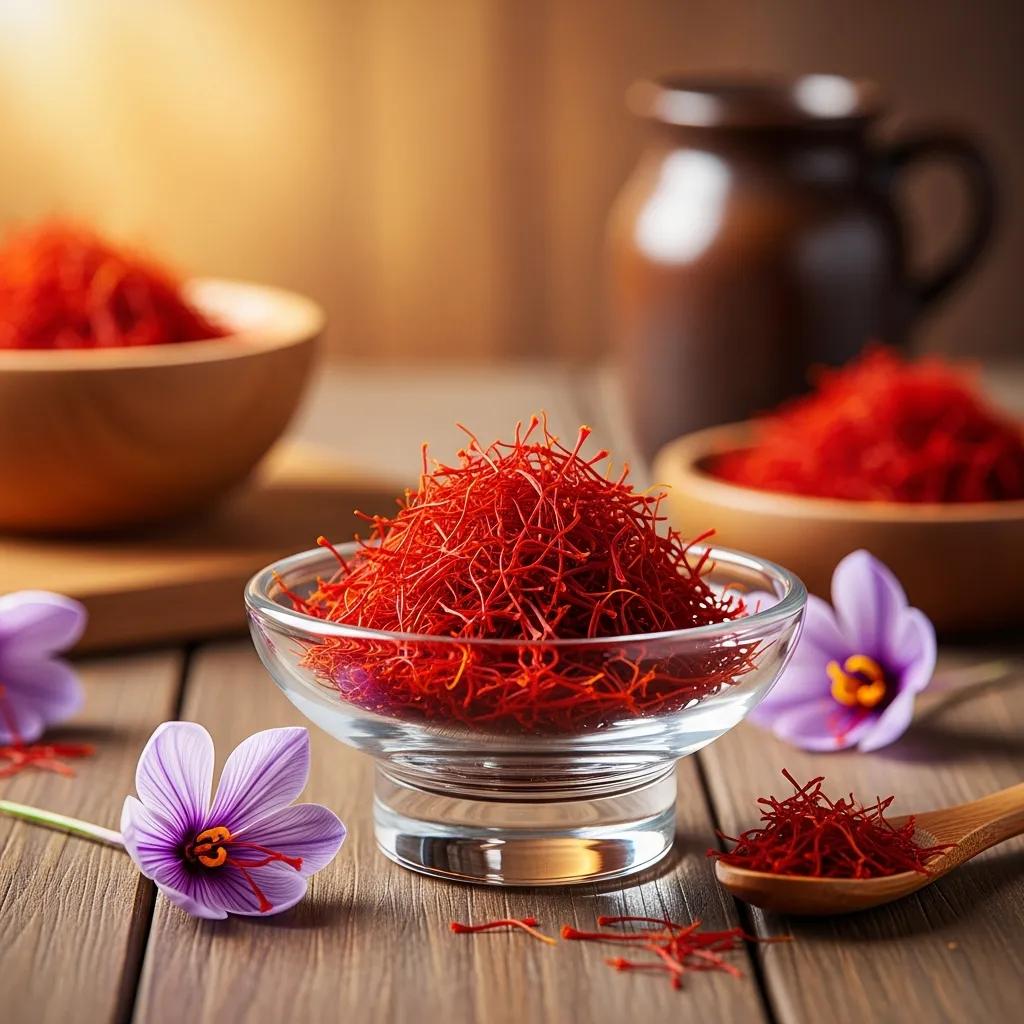
Saffron is a specialty spice made from the hand-picked stigmas of the Crocus sativus flower. Its rarity comes from the plant’s biology and the intense manual labor required at harvest. Saffron functions as a natural colorant and flavoring: crocin gives the bright golden-orange hue, picrocrocin provides the bitter‑sweet backbone of taste, and safranal delivers the floral, hay-like aroma. That trio explains why a few threads, properly steeped, can transform a dish. The short sections that follow unpack where saffron comes from and how its chemistry shapes technique, so you can match a particular saffron to the right recipe.
What is saffron and where does it come from?
Saffron comes from Crocus sativus, a sterile triploid bulb cultivated for millennia in climates with dry summers and cold winters. Historically important producers include Iran, Spain, and Kashmir; today production remains concentrated, which affects supply chains and price. Iran supplies the majority of global saffron, while Spain and Kashmir are known for regional profiles chefs prize. Harvesting is entirely manual: each flower yields just three red stigmas, picked during a brief autumn window—this low yield per acre and labor intensity explain much of saffron’s cost. Knowing provenance helps chefs and buyers set flavor expectations and spot authentication signals.
Saffron: A Valuable Spice with Culinary, Medicinal, and Cosmetic Uses
Saffron ranks among the oldest and most valuable spices, used in food production as a coloring, flavoring, and aroma agent. Historically it has appeared in medicine, folk remedies, cosmetics, and cloth dyeing. Quality depends on post-harvest handling, storage, purity, and constituent profile. When saffron is intended for consumption, safety checks—including allergen awareness—are important. Today saffron appears across celebratory dishes, everyday recipes, confectionery, and beverages. This review surveys saffron’s many roles as a food product.
Saffron (Crocus sativus L.) as a valuable spice and food product: A narrative review, 2022
What are the key properties and aroma of saffron?
Saffron’s sensory signature is driven by three bioactive compounds: crocin (the intense pigment and color carrier), picrocrocin (the bitter‑sweet flavor base), and safranal (the volatile note that reads as hay, honey, or delicate floral). Cooked carefully, saffron brings warm, honeyed bitterness and lasting golden color to both savory and sweet dishes. Because crocin is water‑soluble but heat‑sensitive, gentle steeping or brief infusions preserve color while timing and temperature protect safranal’s volatile aroma. Those chemistry points guide whether to toast threads lightly, bloom them in warm liquid, or make an emulsified infusion for even distribution.
What Is the History and Origin of Saffron?
Saffron’s story stretches back thousands of years, when it served as dye, perfume, medicine, and ceremonial spice—roles that tied it early on to prestige and ritual. Archaeobotanical finds and classical texts place its use in ancient Persia and the Mediterranean; trade routes that later evolved into the Silk Road carried saffron bulbs and threads into South Asia and Europe. Over centuries saffron accumulated myth and prestige: royal baths, perfumes, and garments kept its association with luxury alive. Those cultural threads shaped demand and helped cement saffron’s status in modern haute cuisine.
How did saffron spread through ancient civilizations?
Saffron moved out of localized cultivation in Persia and the Aegean along merchant routes linking Mediterranean, Middle Eastern, and South Asian hubs. As growers and traders exchanged practices, saffron bulbs adapted to new climates and regional cultivars emerged. Beyond its culinary uses, saffron’s vivid dye and fragrance made it valuable in ritual and medicine, increasing demand and integrating it into long‑distance trade. That pattern of exchange laid the groundwork for saffron’s later role in global fine dining.
What myths and historical figures are associated with saffron?
Saffron appears throughout myth and history as a symbol of luxury and beauty—emperors and rulers used saffron‑scented baths, perfumes, and robes to display status. Greek and Roman writers recorded medicinal and perfumery uses, while legends around monarchs and queens reinforced saffron’s image as an elite commodity. Those anecdotes helped fix saffron in cultural imagination as a high‑impact finishing ingredient rather than an everyday seasoning.
How Is Saffron Used in Culinary Traditions and Fine Dining?
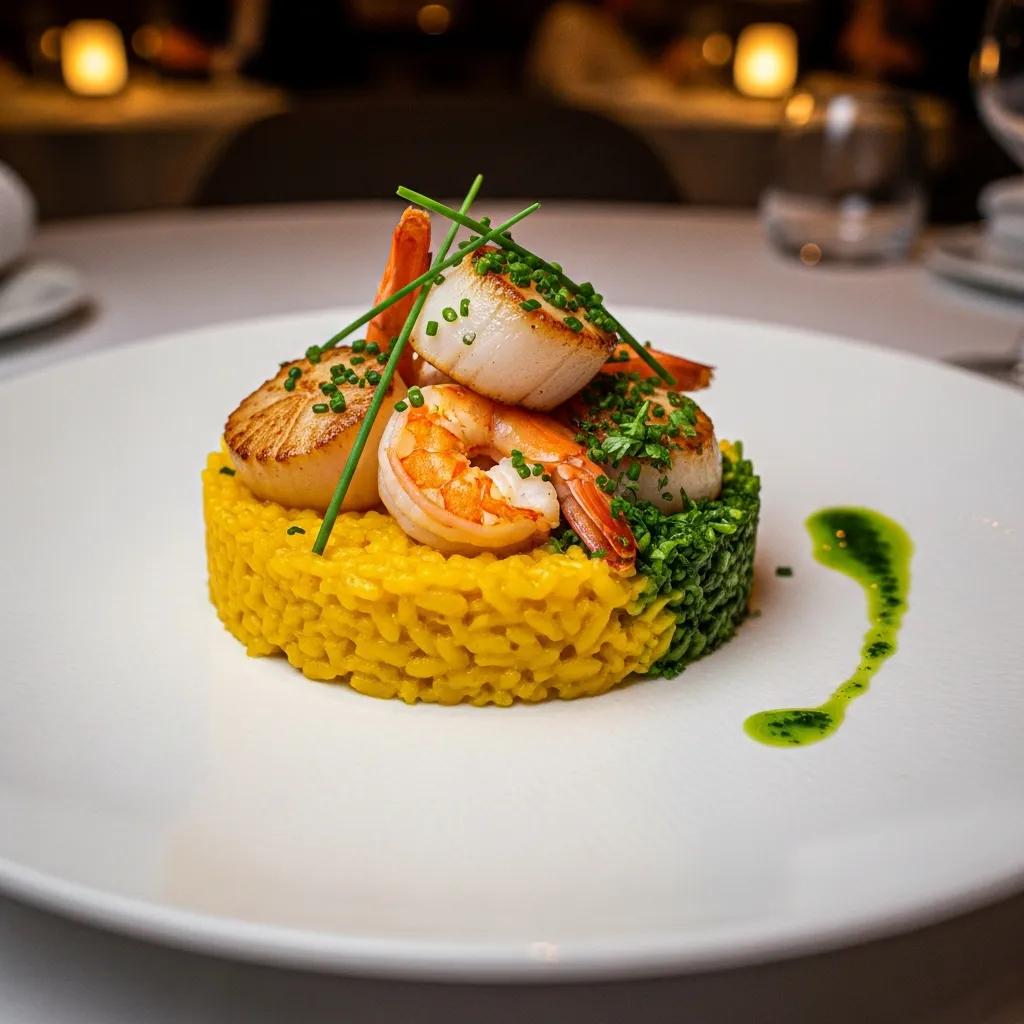
Saffron appears across rice dishes, seafood stews, custards, and drinks where its color, aroma, and faint bitter‑sweetness pair naturally with fats, starches, and umami. Chefs get the most from saffron by blooming threads in warm water, stock, or cream and using short infusions or emulsions to disperse crocin while preserving safranal. Because a little goes a long way, the focus is technique—timing and dispersion—not quantity. Pairing saffron with shellfish and high‑quality proteins amplifies both its floral notes and the savory richness of the protein, making it ideal for luxury preparations. Below we list classic dishes and suggest ways saffron can subtly elevate Japanese fine dining through restrained infusions and thoughtful pairing.
Saffron features prominently in these classic dishes and preparations:
- Paella: saffron supplies the defining color and aromatic backbone for Spanish rice and seafood stews.
- Risotto alla Milanese: threads bloom into butter and stock to color and season the rice.
- Biryani: saffron‑steeped milk or oil perfumes layered rice with floral, sweet‑bitter notes.
- Desserts and beverages: saffron flavors custards, ice creams, and milky infusions, where it complements sugar and cream.
These examples show saffron’s triple role as colorant, flavoring, and aromatic flourish; chefs exploit that versatility in both rustic and refined settings.
What are the traditional and global culinary uses of saffron?
Across the world, saffron colors and flavors rice dishes, braised seafood, broths, and rich desserts—each cuisine leaning on a different facet of its chemistry. In the Mediterranean and Spain it anchors paella; in Italy it seasons risotto; in South Asia it perfumes biryanis, sweets, and milk‑based drinks where its floral notes stand up to rich fats and spices. Saffron also appears in North African tagines and Middle Eastern desserts as a visual and aromatic signature. Understanding these regional techniques helps cooks choose the right carrier—oil, milk, or stock—and adjust infusion times for consistent results.
Saffron: A Valuable Spice with Culinary, Medicinal, and Cosmetic Uses
Saffron is one of the oldest and most expensive spices, used as a colorant, flavoring, and aroma agent. Historically, it has also served in medicinal, cosmetic, and dyeing contexts. Quality depends on post‑harvest processing, storage, purity, and constituent profile. Safety considerations—such as possible allergic reactions—should be kept in mind when saffron is consumed. Today saffron appears in celebratory dishes, daily recipes, confectionery, and saffron‑based beverages. This review article covers saffron’s many uses as a food product.
Saffron (Crocus sativus L.) as a valuable spice and food product: A narrative review, 2022
How can saffron elevate Japanese fine dining and luxury dishes?
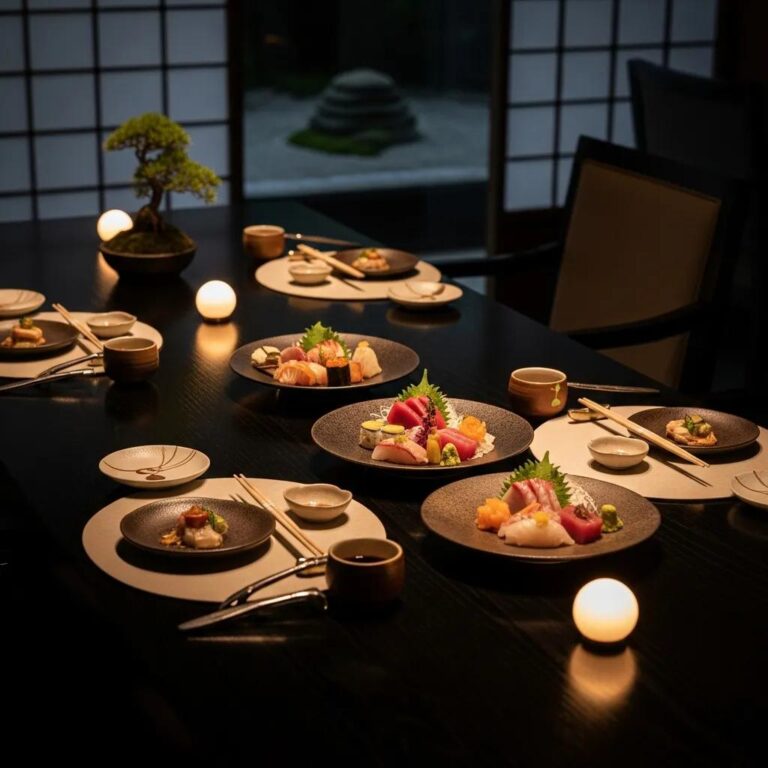
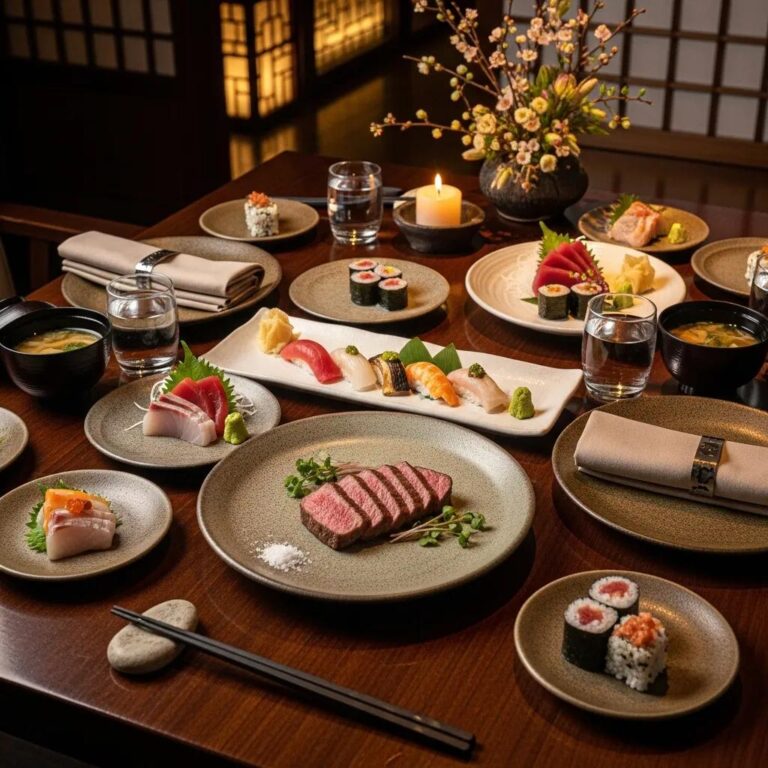
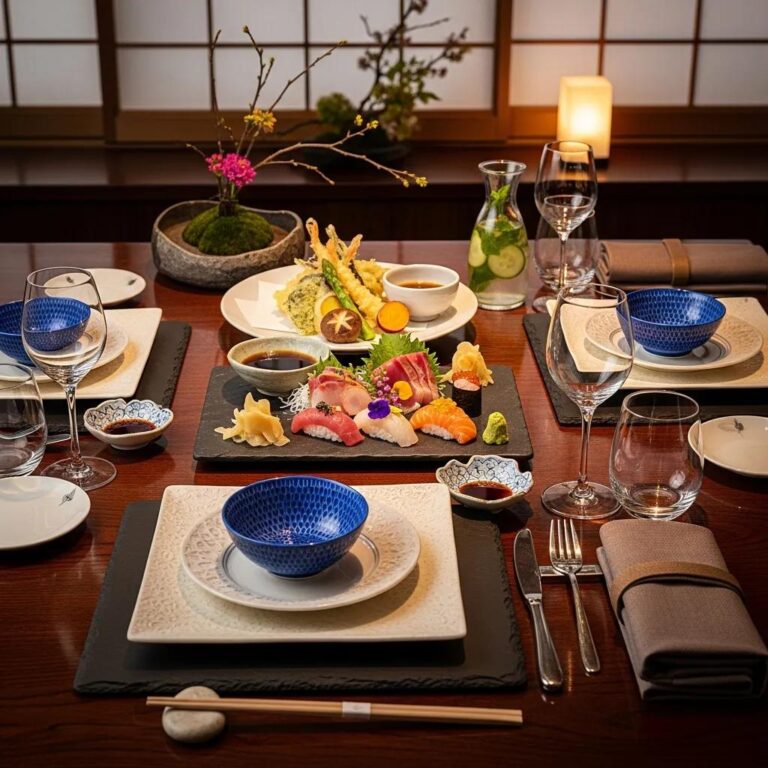
In an omakase or refined Japanese setting, saffron is most effective when it complements—not competes with—umami‑rich elements like uni, delicate sashimi, or premium beef. Techniques we recommend include saffron‑infused dashi, a whisper of saffron oil finished over grilled uni, or a light saffron foam as a finishing aroma that won’t interfere with texture. Pairing saffron with seafood emphasizes its marine‑friendly bridge of flavor; with A5 Wagyu, restraint is key—use saffron as an accent in broths or sauces where fat carries color and scent. Thoughtful staging across a tasting progression keeps balance and highlights both Japanese precision and saffron’s quiet luxury. In Pasadena, Kaviar Restaurant uses premium ingredients such as caviar, uni, and A5 Wagyu in a curated omakase that shares saffron’s ethic: subtlety, balance, and impact—guests interested in these pairings can make reservations to experience them firsthand.
What Are the Health Benefits and Medicinal Uses of Saffron?
Saffron contains bioactive compounds with antioxidant and neuroactive properties; current research suggests possible mood‑enhancing and cognitive‑supportive effects linked to crocin and safranal. Crocin shows antioxidant activity that may lower oxidative stress markers, while safranal and related constituents appear to interact with neurotransmitter systems involved in mood regulation. Clinical trials report modest benefits for mild‑to‑moderate depressive symptoms with standardized extracts. Safety and dosing matter—research contexts typically use 30–200 mg of saffron extract daily—and anyone considering therapeutic use should consult a healthcare professional. The EAV table below summarizes main compounds, mechanisms, and the level of evidence for a concise scientific snapshot.
This EAV‑style summary clarifies which saffron constituents drive reported benefits and the current strength of evidence; interpret findings cautiously and seek professional guidance for therapeutic use.
What antioxidant and mood-enhancing properties does saffron have?
Much of saffron’s antioxidant activity is attributed to crocin, which scavenges free radicals and lowers oxidative stress markers in preclinical studies, while safranal seems to affect monoaminergic neurotransmission associated with mood. Several randomized controlled trials report that standardized saffron extract can improve symptoms of mild‑to‑moderate depression versus placebo, suggesting a meaningful short‑term effect in some populations. Study heterogeneity, dose differences, and limited long‑term safety data mean results should be read with care; clinicians generally recommend medical consultation before therapeutic use. These nuances help you balance culinary enjoyment with any supplemental considerations.
Antioxidant Activities of Saffron Bioactive Compounds for Food and Medicine
Saffron (Crocus sativus L. stigma) is a highly valued medicinal food product in the Iridaceae family and has been widely used as a coloring and flavoring agent. Its properties relate to crocins, picrocrocin, and safranal, which demonstrate health‑promoting activity. This review highlights the phytochemical constituents (phenolic, flavonoid compounds, degraded carotenoids like crocins and crocetin) important for saffron’s antioxidant effects. The synergistic presence of these bioactive components gives saffron a significant antioxidant profile comparable to carotenoid‑rich vegetables. The study offers an updated overview focused on saffron’s antioxidant activity for food, medical, and cosmetic applications.
Evaluation of antioxidant activities of bioactive compounds and various extracts obtained from saffron (Crocus sativus L.): a review, S Rahaiee, 2015
How does saffron support cognitive function and wellness?
Mechanistic research suggests saffron may support cognition through antioxidant protection, anti‑inflammatory effects, and modulation of neurotransmitters involved in memory and attention, with crocin implicated in neuroprotective signaling. Human trials are limited but show encouraging short‑term results for older adults and people with mild cognitive complaints; larger, longer studies are still needed. For practical wellness use, culinary inclusion—small amounts for flavor and aroma—is typically preferred over high‑dose supplement regimens. Always consider quality, dose, and possible interactions with medications.
How Is Saffron Cultivated and What Determines Its Quality?
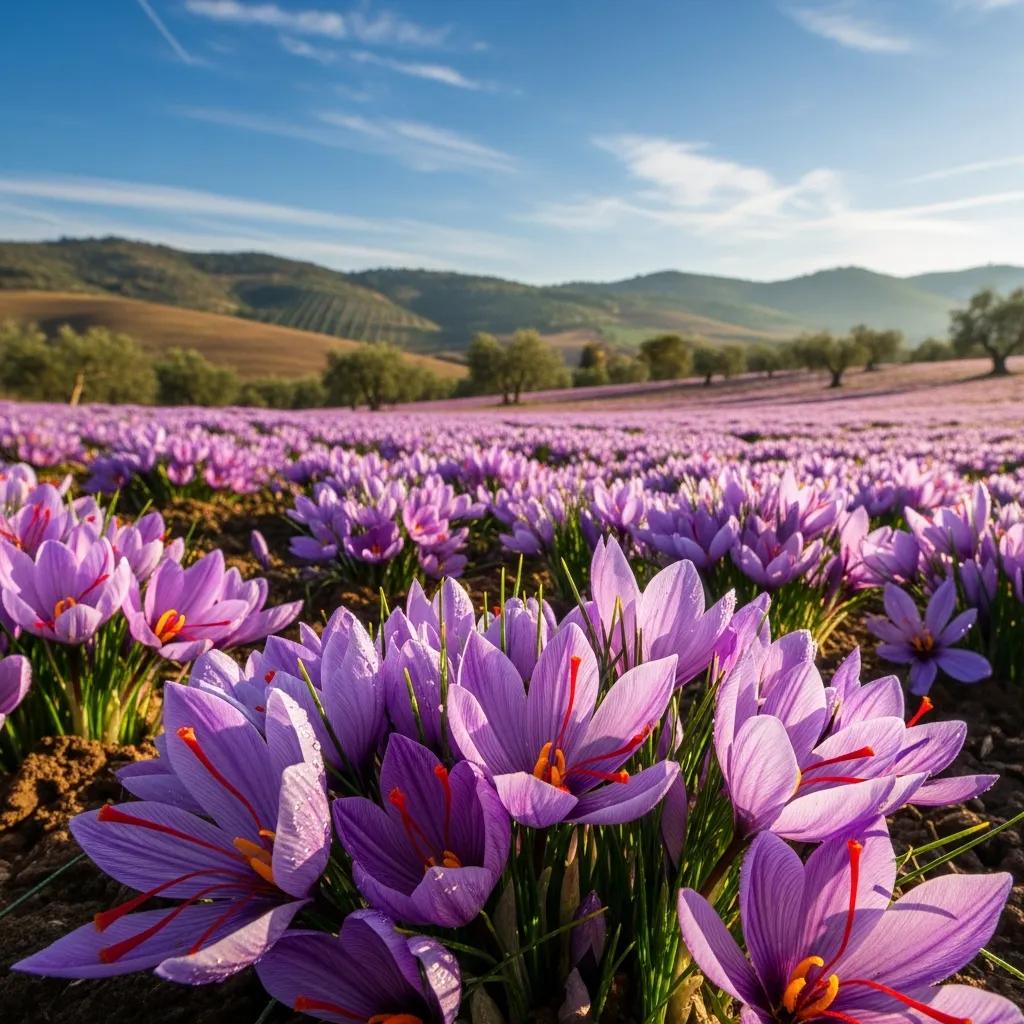
Saffron cultivation is intensely seasonal and labor‑heavy: corms are planted in well‑drained soils, flowers appear in autumn, and harvest concentrates over a short period when stigmas must be hand‑picked. Quality hinges on the proportion of pure red stigmas, thread length, color intensity (crocin), aroma (safranal), and freedom from contamination or adulteration. Post‑harvest drying and storage are critical to preserve volatile compounds. Regional practices—harvest timing, drying methods, and climate—create distinctive profiles for Iran, Spain, and Kashmir; those differences affect grading and market value. The table below compares producing regions by quality markers and typical notes to help buyers and chefs evaluate saffron sources.
Bear in mind these regional attributes influence both sensory character and price; the table is a quick comparative guide.
What is the saffron cultivation process and main producing regions?
Growers plant corms in late summer and harvest flowers in autumn; each crocus yields only three stigmas that must be picked by hand, usually early in the day to preserve aroma. Careful drying and controlled storage protect crocin and safranal—over‑drying or excessive heat degrades color and volatile compounds and reduces quality. Iran remains the top producer by volume, while Spain and Kashmir produce regionally distinctive saffron prized by chefs. Small producers often emphasize traditional drying to retain aroma. Knowing these steps and regional differences helps chefs choose saffron suited to a specific dish.
Quality Traits of Italian Saffron: Geographical Effects and Best Practices
Saffron (Crocus sativus L.) is one of the world’s most expensive spices and is used in food, cosmetic, and dyeing industries. With production increasing on medium‑small Italian farms and limited data about quality, this study investigated Italian saffron following ISO 3632 guidelines, analyzing 484 samples (2015–2018). Moisture, aroma strength (safranal), coloring strength (crocin), and flavor strength (picrocrocin) were assessed. Results showed a majority (84–93%) of samples fell into the top quality category, regardless of year of production.
Quality traits of saffron produced in Italy: Geographical area effect and good practices, 2019
How is saffron quality graded and authenticated?
Quality grading uses objective metrics—color strength (measured spectrophotometrically for crocin), aroma intensity (safranal), and taste (picrocrocin)—alongside visual checks for uniform red stigmas and lack of foreign material. ISO standards and laboratory tests (UV‑Vis absorption for crocin, chromatographic profiles for adulterants) help authenticate saffron and detect common frauds such as dyed safflower or synthetic dyes. Practical buyer tips: buy from reputable suppliers, request grading certificates, and inspect thread uniformity—these steps reduce fraud risk and ensure predictable culinary performance.
Why Is Saffron So Expensive and How Does It Compare to Other Luxury Ingredients?
Saffron’s price reflects several linked realities: extreme labor intensity, low flower‑to‑stigma yield, narrow harvest windows, and concentrated production that leaves supply sensitive to weather and political shifts. Those supply constraints, paired with steady global demand for a small but symbolically important commodity, create a high price‑per‑gram that places saffron among luxury ingredients. Compared to caviar and A5 Wagyu, saffron shares the same culinary logic: small amounts produce a strong sensory impression, and each ingredient fills a distinct role on the plate. The table below compares labor, scarcity, and culinary use across these luxury products to clarify how chefs justify their presence on tasting menus.
What factors contribute to saffron’s high price?
Several factors converge to raise saffron’s cost: each flower yields three stigmas picked by hand, harvests are confined to a brief seasonal window, and careful post‑harvest drying is required to preserve chemical integrity. Market concentration in a few producing regions increases price volatility—weather, labor availability, and geopolitical events can sharply affect supply. Grading and authentication add further cost, since certified high‑crocin saffron commands a premium. Understanding these drivers helps consumers and chefs decide when saffron should be the star of a dish and when it should serve as a finishing accent.
How does saffron’s luxury status align with ingredients like caviar and A5 Wagyu?
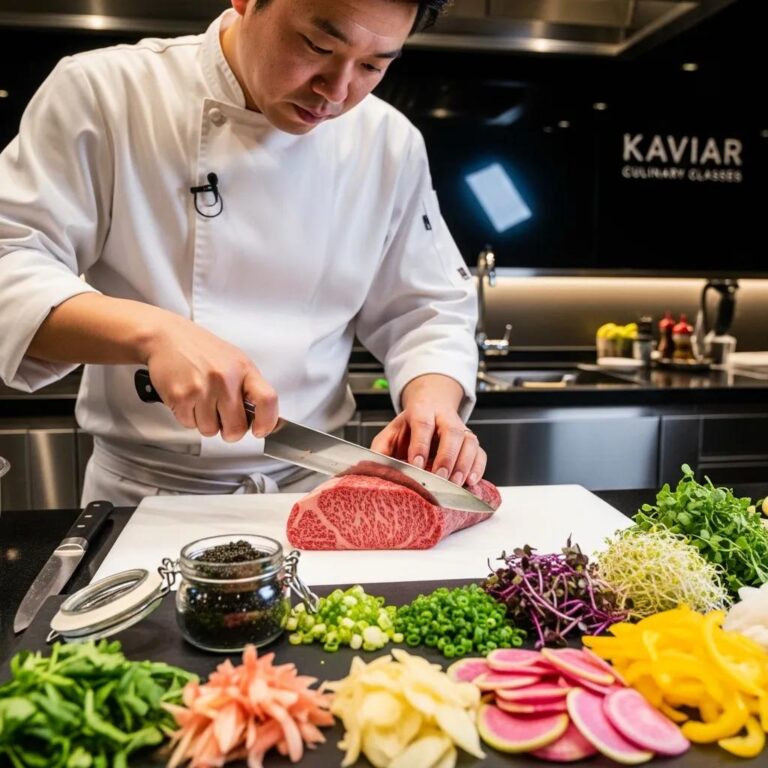
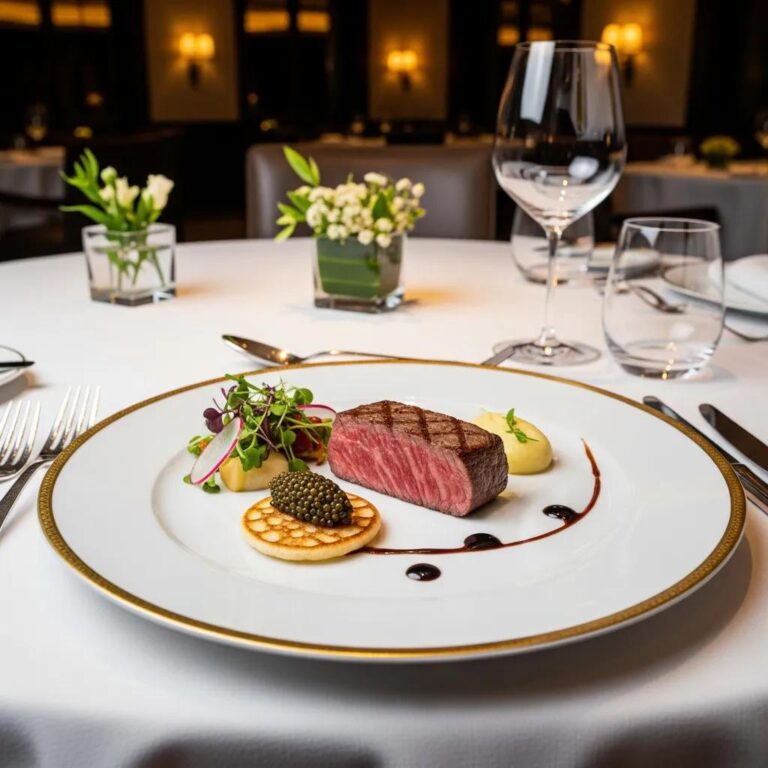
Saffron, caviar, and A5 Wagyu share a luxury logic: scarcity and intense sensory profiles let chefs create high‑value moments with small portions, each element leaving a distinct impression. Saffron contributes color and aromatic depth, caviar delivers briny pop and texture, and A5 Wagyu brings rich marbling and umami. When used thoughtfully—balanced for restraint—these ingredients can layer into memorable courses within an omakase or tasting menu. At Kaviar Restaurant, our chefs highlight caviar, uni, sushi and sashimi, and A5 Wagyu to craft composed dishes that prioritize balance; introducing saffron conceptually into select pairings can add aroma and visual drama without overwhelming delicate seafood or prized beef.
Frequently Asked Questions
What are the best ways to store saffron to maintain its quality?
Store saffron in an airtight container away from light, heat, and moisture—dark glass jars or sealed metal tins work well. Keep it in a cool, dry place like a pantry or cupboard to preserve potency and aroma. We don’t recommend refrigerating saffron, since humidity can degrade threads. Stored correctly, saffron retains its character for many months.
Can saffron be used in beverages, and if so, how?
Absolutely. Saffron brightens teas, lattes, and cocktails. Steep a few threads in hot water or milk to extract color and aroma, then add that infusion to your drink. Saffron‑infused milk is classic in Indian preparations like saffron milk or lassi; its floral notes also pair well with honey, citrus, and cream in modern mixology.
What are some common misconceptions about saffron?
One misconception is that all saffron is the same—quality varies widely by origin, harvest, and processing. Another is that saffron is only a coloring agent; its flavor and aromatic complexity are equally important. Finally, while saffron is among the costlier spices, prices vary by grade and source. Learning these distinctions helps you buy and use saffron more effectively.
How can I identify high-quality saffron when purchasing?
Look for deep red threads with slight orange tips—those indicate good crocin content. High‑quality saffron has a strong, nuanced scent reminiscent of hay or honey. Avoid dull threads or mixes with many yellow or white parts, which lower quality or suggest adulteration. Buying from reputable suppliers and asking for grading certificates are reliable safeguards.
Are there any potential side effects or allergies associated with saffron?
In culinary amounts, saffron is generally safe for most people. Some individuals may experience nausea, dizziness, or allergic reactions at higher doses. Pregnant people should be cautious—excessive saffron intake can be problematic. If you plan to use saffron therapeutically or in larger amounts, consult a healthcare professional, especially if you have medical conditions or take medications.
How does saffron compare nutritionally to other spices?
Nutritionally, saffron is low in calories and rich in bioactive compounds like crocin and safranal, which contribute to its antioxidant and neuroactive properties. While spices such as turmeric and ginger also offer health benefits, saffron is distinctive for its mood‑related effects in clinical studies and for the way its flavor and aroma elevate a dish. Its culinary versatility complements its nutritional profile.
Conclusion
Saffron brings instant visual drama and a complex aromatic signature that can elevate both everyday recipes and tasting‑menu moments. Understanding its history, chemistry, and culinary technique empowers home cooks and professional chefs to use saffron with intention and restraint. If you’re curious to explore saffron in your cooking, try sourcing a small, high‑quality sample from trusted sellers or experimenting with curated selections we recommend. Discover how this golden thread can transform a plate—one restrained, thoughtful thread at a time.