




The Sommelier’s Guide to Wine Pairing at Kaviar — Thoughtful Matches for Japanese Fine Dining in Pasadena
Introduction
This sommelier-led guide shows how intentional wine pairing can turn a meal into a lasting memory. We focus on wines that elevate Japanese technique and rare ingredients—think Kaluga caviar and A5 Wagyu—while offering clear rules, concrete bottle suggestions, and a step-by-step approach for an omakase tasting. You’ll find the core pairing principles—acidity, minerality, tannin control, and weight matching—explained in plain terms, plus practical recommendations by course and preparation. Use this as a reference when ordering bottles, asking for a sommelier pairing, or planning a special reservation in Pasadena.
What Are the Best Wine Pairings for Kaviar’s Signature Caviar Service?
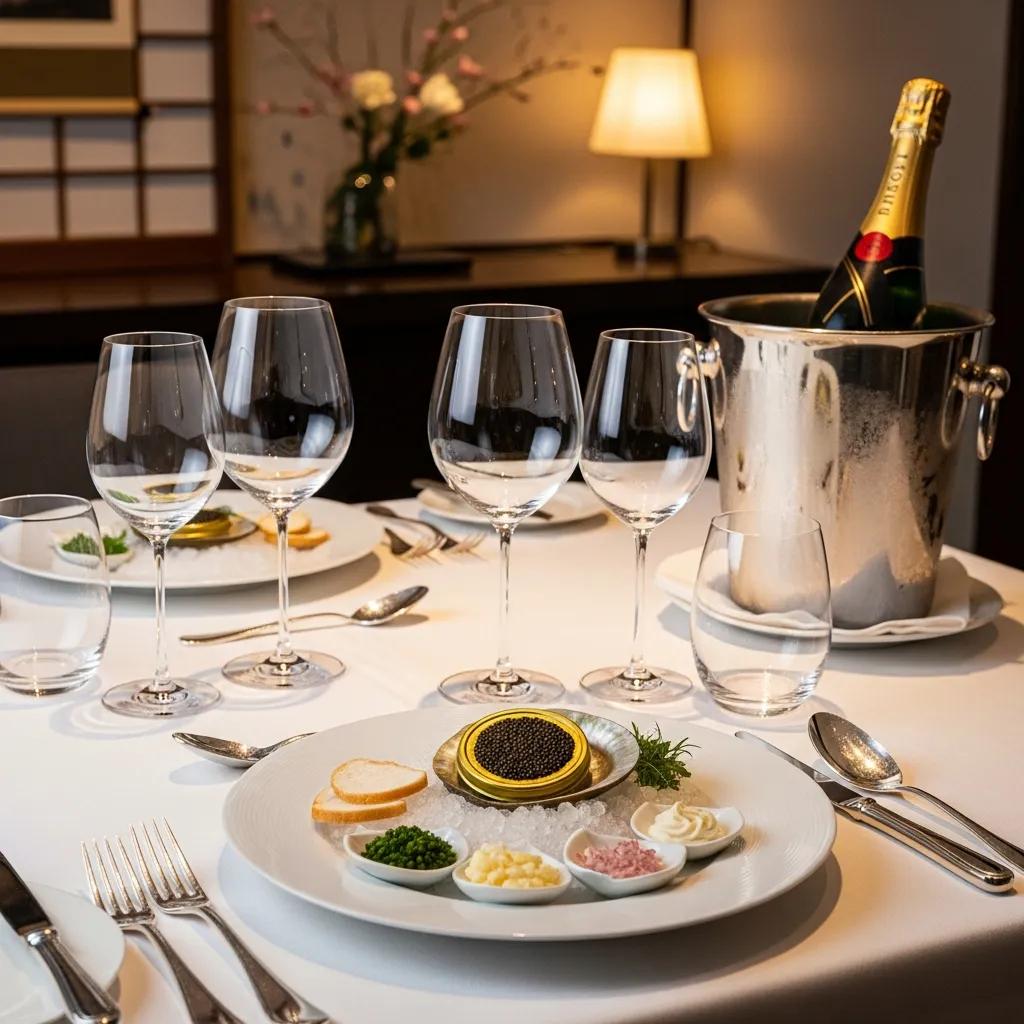
Pairing with Kaluga caviar favors acidity, minerality, and bubbles: these qualities cut through richness and echo the caviar’s saline notes for a cleaner, more focused bite. Acidity sharpens subtle flavors, effervescence lifts texture and refreshes the mouth, and mineral-driven whites reinforce the oceanic character of the roe. The result: clearer flavors, a lighter finish, and a pairing that lets both caviar and wine shine. These principles explain why Champagne and certain Old World whites are classic sommelier choices for caviar.
Which Sparkling and White Wines Complement Kaluga Caviar Best?
Champagne Brut and Blanc de Blancs are first picks for caviar — fine mousse, bright acidity, and gentle autolytic notes enhance creaminess without overpowering it. Chablis and mineral-forward Chardonnay give flinty, saline-driven lift for diners who prefer still wines. Cool-climate dry Riesling brings incisive acidity and restrained stone-fruit aromatics that refresh between bites without adding sweetness. Serve sparklings very cold and still whites slightly cooler than cellar temperature to preserve sparkle and clarity.
Before the comparison table below, note that all of these selections emphasize freshness and restraint to protect the caviar’s oyster-like finish and balance.
Different sparklings and mineral whites work by balancing acidity, effervescence, and minerality against caviar’s richness.
This table underscores that effervescence and minerality are the primary levers for pairing with Kaluga caviar, so the selections favor freshness and subtlety.
Why Do Champagne and Mineral-Driven Wines Enhance Caviar’s Flavor?
Champagne and mineral whites interact with caviar through three sensory effects: acidity, effervescence, and minerality. Acidity reduces the sensation of fat and makes briny flavors pop. Effervescence physically refreshes the palate, displacing oil and revealing finer details. Minerality provides a saline backbone that resonates with the roe’s oceanic profile. Together these qualities reveal caviar’s nuance rather than masking it. Practically, start with brut sparklings, progress to mineral whites, and use restrained, low-sugar aromatics as bridge options when dishes grow bolder.
If you’re planning a focused tasting, Kaviar offers a Kaluga caviar service with sommelier recommendations and a reservation option to secure a guided pairing; book a dedicated caviar pairing to allow the sommelier to match each service precisely.
How Should You Pair Wine with Kaviar’s Premium A5 Wagyu Dishes?
Pairing with A5 Wagyu is about managing fat and preserving texture so tannins never create a drying or bitter finish. The key is tannin management: high tannin can clash with umami-rich fat and bite into bitterness, while lower-tannin, higher-acid or finely structured reds lift marbling and reveal savory notes. The goal is a seamless mouthfeel where wine accentuates aroma and the beef’s fat carries flavor rather than obscuring it. Below we outline options for seared striploin and raw or gently seasoned tartare, and explain why certain grapes and regions work well with A5 Wagyu.
What Red Wines Best Match A5 Wagyu Striploin and Tartare?
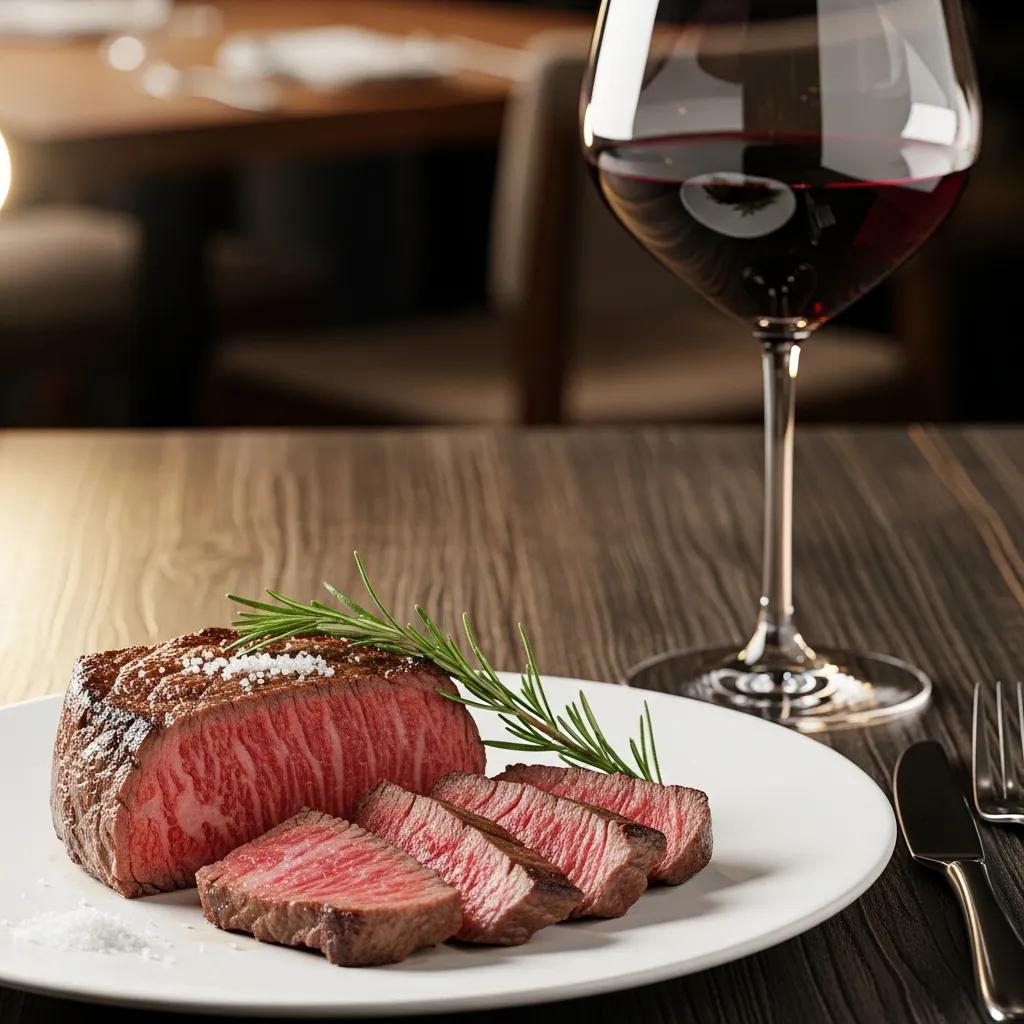
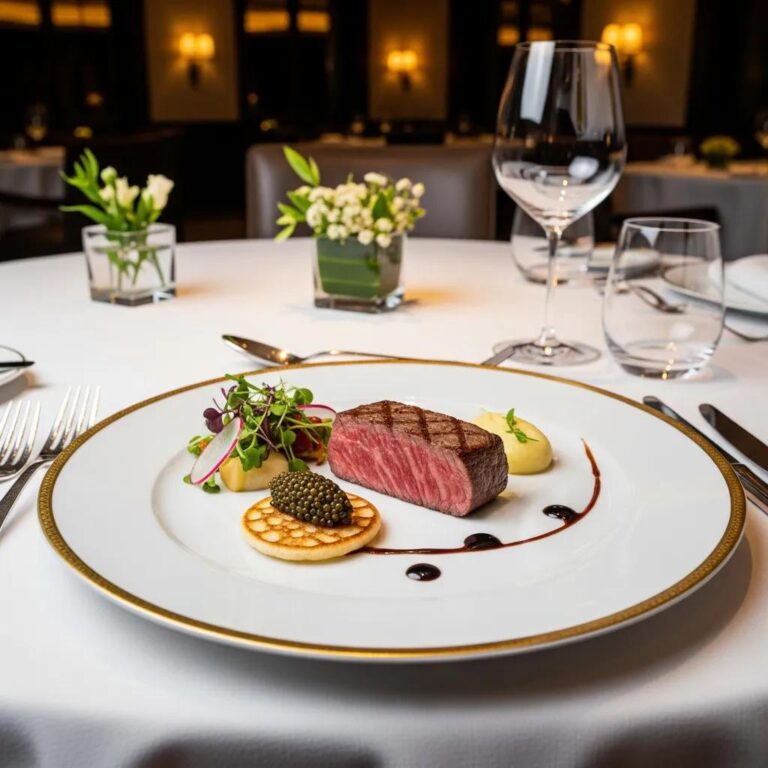
For seared A5 Wagyu striploin, medium-bodied Pinot Noir or an older Red Burgundy brings soft tannins, bright acidity, and red-fruit aromatics that complement marbling without overwhelming it. Tartare calls for even lighter, low-tannin reds or chilled Pinots since raw preparations rely on texture and seasoning; wines with subtle earth and clear acid support the meat’s umami. When the dish carries bold reductions or char, structured options—mature Nebbiolo or an elegant Syrah—can work, but they should be well-aged to avoid harsh tannins.
In practice, choose wines with refined tannin and clean acidity so Wagyu’s texture remains the focal point.
Below is a concise comparison showing how cooking method changes the wine attributes you want.
This table shows that preparation dictates wine choice: tartare needs greater restraint than cooked preparations to honor texture and flavor.
How Do Pinot Noir and Burgundy Wines Complement Wagyu’s Texture?
Pinot Noir and Red Burgundy work with Wagyu because they offer low-to-medium tannin, lively acidity, and layered earthiness that lift marbled beef without creating astringency. Soft tannins coat rather than strip the palate, allowing fat to remain silky while acidity refreshes between bites. Red-fruit and savory “forest-floor” notes in Pinot echo beefy umami and terroir-driven nuance, creating harmony rather than contrast. For service, slightly cooler cellaring and minimal decanting preserve Pinot’s freshness; older Burgundies benefit from gentle breathing to show tertiary complexity.
Next we shift to sushi and sashimi, where weight and aromatic subtlety are the primary pairing concerns.
Which Wines Are Ideal for Pairing with Kaviar’s Sushi and Sashimi Selection?
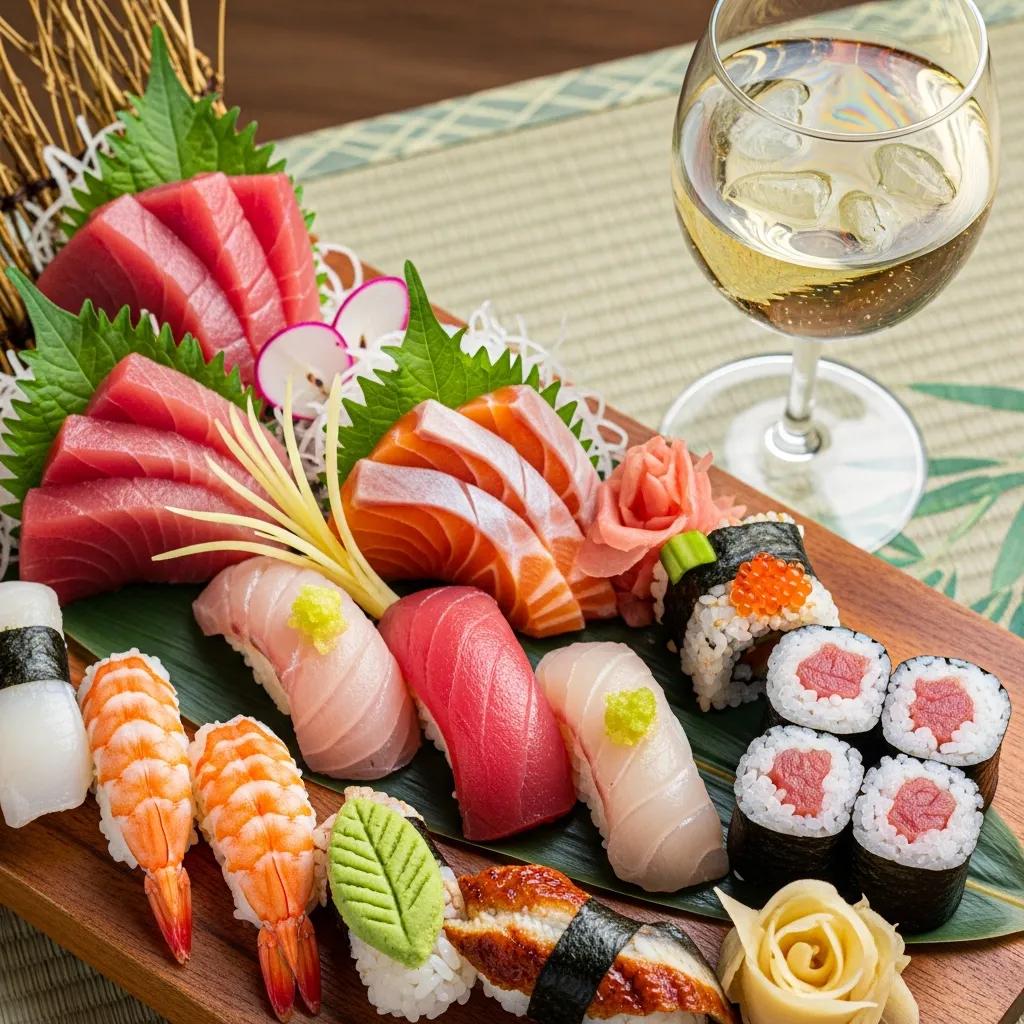
Good wine matches for sushi and sashimi align with the fish’s fat level and aromatic profile so the wine cleanses and frames texture rather than competing. The guiding idea is weight matching: lean white fish do best with high-acid, low-body wines, while fattier fish like salmon handle fuller whites or delicate reds. The benefit is preserved nuance—clean, acidic wines emphasize salinity and mouthfeel, while fuller wines balance oilier cuts. Below are specific picks for common sashimi types and a quick-reference table.
What White Wines Enhance the Flavors of Tuna, Salmon, and Sashimi?
Tuna—especially maguro and toro—pairs well with fuller-bodied whites or chilled light reds like Pinot Noir because the meatier texture needs more structure and red-fruit lift. Salmon suits richer Chardonnays or a dry rosé that mirror its oiliness with fruit and acidity. Lean white fish such as halibut or snapper shine with high-acid wines—Chablis or Albariño—that add mineral lift and cleanse the palate. Match wine body to fish fat and keep aromatics aligned with the fish’s natural profile to let the chef’s seasoning succeed.
Different sashimi types require distinct pairing strategies based on fat and texture; the table below summarizes practical choices.
How Does Dry Riesling Cleanse the Palate for Sushi Dishes?
Dry Riesling combines brisk acidity, mineral clarity, and restrained residual sugar to refresh the mouth without clashing with delicate fish. Its sharp acid lifts oils and oceanic notes, while precise aromatics—subtle stone fruit or petrol—complement sushi without overwhelming. The result is sustained clarity across multiple bites, making Riesling a reliable partner for nigiri and sashimi flights. Choose cooler-climate, dry examples with brisk acid and low sugar to balance soy, citrus, and wasabi elements.
With sushi strategies in place, the next section explains how to sequence wines across an omakase so the meal unfolds naturally from light to rich.
What Wine Pairings Elevate Kaviar’s Omakase and Signature Japanese Dishes?
An elevated omakase relies on sequencing wines from delicate to richer so each pairing highlights the chef’s story without resetting the palate. The idea is progressive build: begin with high-acid, low-body wines for delicate starters, move to textured whites or rosés for mid-courses, and finish with nuanced reds or mature whites for richer signature plates. The benefit is cumulative discovery—each course reveals new facets while the wine flight ties the tasting together. Below are practical sequencing steps and specific matches for signature dishes like miso-glazed black cod, uni pasta, and truffle-accented plates.
How to Experience a Progressive Wine Pairing Journey with Omakase?
Start the omakase pairing with sparkling or lightweight whites to set a bright baseline and highlight freshness. Progress to medium-bodied whites or subtle rosés for shellfish and sauced mid-courses, then introduce lighter reds or complex aged whites as dishes grow richer and umami-forward. Maintain consistent palate weight and avoid abrupt jumps; small sip sizes and timed transitions preserve clarity. Ask the sommelier to design a flight that mirrors the omakase pacing for the most cohesive experience.
The next subsection offers dish-level wine suggestions to put this progression into practice.
Which Wines Pair Best with Miso Glazed Black Cod, Uni Pasta, and Truffle Dishes?
Miso-glazed black cod benefits from slightly oxidative whites or richer Chardonnays with caramelized fruit and gentle oak to echo the sweet-salty glaze and buttery texture. Uni pasta pairs beautifully with saline, textural whites—Blanc de Blancs or an aged dry Riesling—that lift umami and add mineral contrast to the creaminess. Truffle-accented plates favor earthy Pinot Noir or an elegant Nebbiolo whose forest-floor and savory notes resonate with truffle without masking delicate Japanese seasoning. These matches balance umami intensity with complementary aromatics and appropriate weight.
To experience these sommelier-curated progressions, Kaviar offers curated wine flights alongside its omakase and signature menus; reservations are recommended to secure a guided tasting.
What Are the Key Principles of Wine Pairing for Japanese Fine Dining at Kaviar?
Our pairing principles focus on umami sensitivity, acidity as palate cleanser, careful tannin management, and weight/texture matching. Sensory interactions drive these rules: umami can exaggerate bitterness, acidity cuts fat, and tannins change mouthfeel by binding with proteins and oils. Understanding those relationships helps you select wines that support—rather than overpower—delicate cuisine. The result is balanced, memorable pairings that lift both dish and bottle. Below we unpack how umami, acidity, and texture shape choices, and recommend regions that frequently align with Japanese flavors.
How Do Umami, Acidity, and Texture Influence Wine Choices?
Umami-rich dishes can make wines taste harsher because glutamates heighten certain receptors; for that reason, low-tannin wines or wines with balancing acidity are usually preferable. Acidity is the primary palate cleanser, cutting through fat and refreshing the mouth between bites so flavors remain distinct. Texture and body matching ensure a wine’s weight neither overwhelms delicate sushi nor is overwhelmed by richly sauced plates. Practical rules: choose low-tannin reds with umami dishes, favor sparkling or high-acid whites for oily courses, and avoid heavy, high-extraction reds with subtle seafood.
Which Regional Wines Best Complement Japanese Cuisine’s Unique Profiles?
Old World whites—Burgundy and Champagne—offer minerality and restrained fruit that pair well with saline and subtly sweet Japanese flavors. German and Austrian whites—dry Riesling and Grüner Veltliner—deliver crisp acidity and aromatic precision suited to sashimi and vinegar-forward dishes. Cooler-climate New World Pinots (e.g., Sonoma Coast) can partner well with richer fish and Wagyu when a slightly fruitier profile is wanted, but restraint and minerality remain the guiding principles. Choosing by region helps sommeliers assemble consistent, reliable pairing programs.
Here are three practical pairing rules to keep in mind:
- Prioritize acidity: choose wines that refresh the palate between bites.
- Manage tannin: avoid high-extraction reds with umami-heavy dishes.
- Match weight: align wine body with the dish’s fat and texture.
How Can You Enhance Your Dining Experience with Kaviar’s Sommelier Wine Pairing Guide?
This final section explains how to use sommelier recommendations when booking, requesting curated flights, or selecting sustainable bottles at Kaviar in Pasadena. The practical step is communication: let us know preferences and dietary notes when you reserve so the sommelier can plan a progressive flight that complements your omakase or special menu. The benefit is a tailored tasting where wine and food move together to maximize the luxury experience. Below are concrete steps for booking, requesting pairings, and exploring organic or low-intervention options.
How to Use the Wine Pairing Guide to Plan Your Reservation at Kaviar?
When you reserve, note interest in a sommelier-led pairing or a wine flight so we can prepare appropriate bottles and pacing; early booking increases the chance of securing special wines on omakase nights. If you want a focused tasting—caviar service or A5 Wagyu—mention that so service, sequencing, and wine allocation align. Tell us dietary restrictions or strong dislikes so pairings can be adapted without interrupting the flow. Sharing preferred styles (for example: sparkling-first or low-tannin reds) helps the sommelier curate faster and more precisely.
A short checklist to ensure a smooth sommelier pairing experience:
- Reserve early and request a sommelier pairing in the reservation notes.
- Specify special experiences (caviar service, Wagyu, omakase).
- Share dietary restrictions and preferred wine styles.
What Sustainable and Organic Wine Options Does Kaviar Recommend?
Our sommelier program often highlights organic, biodynamic, and low-intervention sparklings and whites that deliver purity and minerality suited to Japanese flavors; availability depends on the bottle list and season. These selections typically emphasize terroir-driven clarity—minimal intervention yields fresher minerality and focused aromatics that pair well with delicate seafood and umami-forward dishes. Ask the sommelier for current sustainable recommendations; rotating picks let us match peak freshness and responsible sourcing with the menu. Choosing these options supports flavor integrity and responsible practices without compromising a luxury experience.
If you’re ready to book an omakase, caviar tasting, or A5 Wagyu dinner with sommelier guidance, Kaviar Restaurant in Pasadena recommends reserving ahead to secure a curated flight tailored to your party.
Practical Wine-Pairing Reminders
- Start light and progress heavier: Sparkling → whites → rosé → light reds.
- Prefer high acidity for seafood: Lean fish benefit most from mineral-driven whites.
- Limit tannin with umami: Choose low-tannin reds for soy- and miso-forward dishes.
Use these heuristics as a quick guide when discussing pairings with the sommelier or planning your reservation.
Entity Notes and Key Pairing Relationships
- Champagne → provides → effervescence and acidity, which lift caviar texture.
- Dry Riesling → supplies → high acidity and aromatic clarity, which cleanse the palate for sushi.
- Pinot Noir → complements → Wagyu marbling by offering low tannin and bright acidity.
These succinct relationships sum up the core pairing logic and make it easy to communicate with the sommelier.
This guide has offered sommelier-driven recommendations for Kaluga caviar, A5 Wagyu, sushi and sashimi, and omakase sequencing, along with practical advice for reservations and sustainable wine choices to enhance a luxury Japanese dining experience in Pasadena.
Frequently Asked Questions
What is the significance of acidity in wine pairings for Japanese cuisine?
Acidity is central to pairing with Japanese cuisine because it refreshes the palate between bites. High-acid wines brighten delicate flavors in sushi and sashimi and help counterbalance umami-rich ingredients so the wine doesn’t taste flat or bitter. In short: bright acidity keeps dishes tasting lively and balanced.
How can I choose the right wine for a specific type of sushi?
Match the wine’s body and acidity to the fish’s fat and texture. Lean fish like halibut work best with high-acid whites such as Chablis or Albariño to enhance salinity. Richer fish like salmon can pair with fuller whites or dry rosés. Knowing a fish’s fat level and flavor intensity helps you pick a wine that supports, rather than competes with, the dish.
What are some common mistakes to avoid when pairing wine with Japanese dishes?
Common errors include choosing high-tannin reds for umami-heavy dishes, which can create bitterness, and using overly heavy wines that overpower delicate flavors. Also, overlook preparation: raw dishes like tartare need lighter, low-tannin wines, while grilled items can handle more structure. Being mindful of tannin, weight, and preparation prevents mismatches.
How does the cooking method of a dish influence wine selection?
Cooking changes texture and intensity, which affects wine choice. Seared A5 Wagyu benefits from medium-bodied wines with soft tannins, while raw tartare calls for low-tannin, high-acid wines to cleanse the palate. Understanding how a dish is prepared helps you select a wine that complements its texture and flavor.
What role does minerality play in wine pairings for Japanese cuisine?
Minerality is valuable with Japanese food because it mirrors seafood’s saline qualities and sharpens flavor. Wines with pronounced minerality—Chablis or select Rieslings—can elevate sushi and sashimi by reinforcing oceanic notes and adding focus to the pairing.
How can I ensure a successful wine pairing experience at Kaviar Restaurant?
To ensure success, communicate preferences and dietary needs when you reserve. Request sommelier-led pairings or specific flights so the team can prepare. Arriving with a sense of preferred styles helps the sommelier tailor selections, and engaging with them during the meal will refine pairings as courses progress.
Conclusion
Thoughtful wine pairing amplifies the flavors and craftsmanship of Japanese fine dining at Kaviar. By focusing on acidity, tannin management, and weight matching, diners can choose wines that enhance prized ingredients like Kaluga caviar and A5 Wagyu. Working with our sommelier ensures a personalized, memorable tasting journey. Reserve your table to discover the curated wine pairings waiting for you at Kaviar Restaurant.