






Sourcing Premium Japanese Ingredients for Kaviar’s Gourmet Dishes: Ensuring Quality and Luxury in Fine Dining
At Kaviar, sourcing is a craft: we choose ingredients for their origin, their culinary fit, and the way they arrive on the plate. From Miyazaki A5 Wagyu and Kaluga caviar to line‑caught tuna and seasonal local produce, each selection is made to deliver precise texture, layered flavor, and an elevated omakase rhythm. This piece walks through how we verify authenticity, why marbling and pearl size matter, and how sustainability and seasonality shape menu decisions. Many guests who seek Japanese fine dining value transparency—knowing where an ingredient comes from makes choosing an omakase or a signature course easier and more informed. Below, we outline Kaviar’s sourcing philosophy, a focused look at A5 Wagyu and Kaluga caviar, our seafood sustainability standards, the role of seasonal produce and local partnerships, and how those elements build the omakase sequence. Key terms such as ingredient sourcing, A5 Wagyu, Kaluga caviar, sustainable seafood, and omakase Pasadena appear throughout to clarify provenance and taste impact.
What Is Kaviar’s Philosophy on Sourcing Premium Ingredients?
For us, quality sits where provenance, freshness, and culinary suitability meet — guided always by ethical sourcing. That framework ensures each ingredient brings a distinct texture and flavor while meeting traceability standards chefs need when composing multi‑course menus. Traceable inputs produce reliable sensory outcomes, letting the kitchen design confident progressions across sushi, sashimi, and tasting courses. This philosophy shapes how we vet suppliers and how we share origin details with guests, creating a fine dining experience grounded in ingredient integrity. The sections that follow explain our provenance checks and selection steps, and why items like A5 Wagyu and Kaluga caviar are prioritized.
How Does Kaviar Ensure Provenance and Authenticity of Ingredients?
We verify provenance through documented supplier relationships, required paperwork, and on‑site checks when possible. Suppliers furnish certificates of origin, catch documents, and invoices that trace tuna, caviar and other items back to farms, fisheries, or processors. Chefs pair those documents with sensory inspection — aroma, color, texture — to confirm that the shipment matches its paperwork. Our traceability systems map each ingredient from supplier to storage, and concise menu notes give diners clear origin information without overwhelming technical detail. Keeping this chain of custody intact supports kitchen planning and builds guest trust, and it sets the standard for our acceptance criteria described next.
What Rigorous Selection Processes Define Our Ingredient Quality?
Inspection starts the moment a delivery arrives. We follow a consistent checklist: temperature verification, visual assessment, and chef‑led tastings to determine how an item will perform. Cold‑chain integrity is logged and packaging is examined; seafood is evaluated for clarity and scent, produce for firmness, color and ripeness. The chef then conducts a focused tasting and texture test to decide whether an ingredient will be served as sashimi, seared, or as a subtle accent. Accepted items are portioned, labeled, and stored under strict conditions until service. This mix of objective checks and expert sensory judgment keeps only the best ingredients reaching the dining room — and naturally leads us to spotlight showpieces like Miyazaki A5 Wagyu.
Why Is A5 Wagyu Central to Kaviar’s Fine Dining Experience?
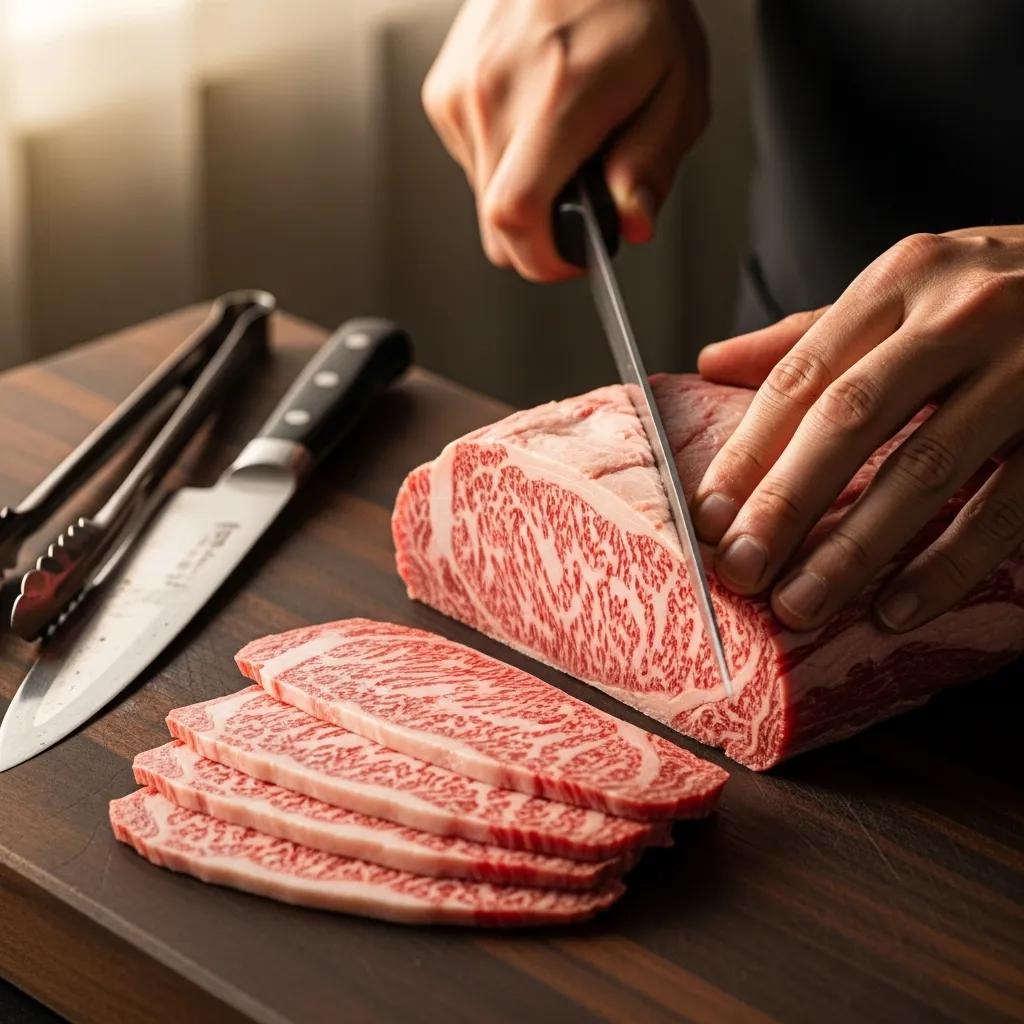
A5 Wagyu anchors our menus because its dense intramuscular marbling creates a singular mouthfeel: buttery, rich, and capable of carrying subtle seasoning. The Japanese grading scale captures yield and quality — A5 denotes the highest category and the densest marbling (high BMS). That fat renders gently at low temperatures, amplifying umami and tactile richness. For our chefs, A5 is versatile: delicate seared bites, velvet‑soft tartare, or paper‑thin slices that pair with restrained condiments. Explaining what A5 signifies helps diners appreciate portioning and texture; below we outline grading logic and the sourcing and preparation practices we use to present Miyazaki A5 thoughtfully.
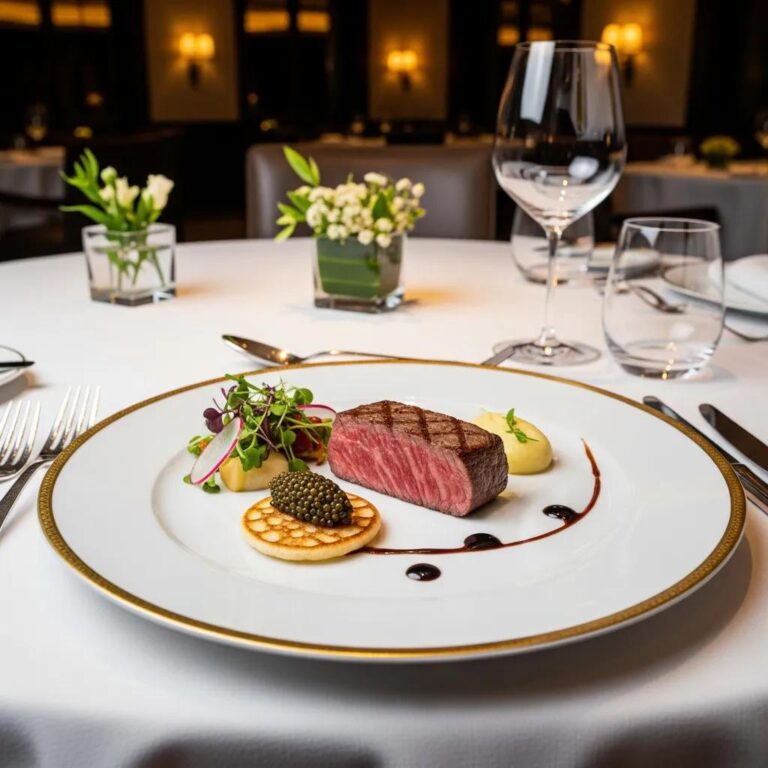
Kaviar Restaurant note: Miyazaki A5 Wagyu appears on specialty items such as A5 Wagyu Tartare. These signature preparations are designed to showcase provenance and texture. Guests interested in these dishes are encouraged to reserve in advance so we can present them as intended.
What Makes A5 Wagyu the Pinnacle of Japanese Beef?
A5 Wagyu is defined by Japan’s grading system: “A” for yield and “5” for top quality. Marbling is measured with the Beef Marbling Score (BMS), which runs roughly from 3 to 12; higher scores mean more intramuscular fat, producing that melt‑in‑the‑mouth sensation and intensified savory notes as fat gently renders. Careful breeding and feeding create consistent marbling and a fine muscle texture. In the kitchen, that translates to lower‑temperature searing to preserve tenderness and minimal seasoning so intrinsic beef flavor remains the star. These factors explain why A5 behaves differently from lower grades in sashimi or tartare applications and why strict procurement matters.
- Key Wagyu attributes that chefs evaluate:Grade and BMS: indicate marbling and expected mouthfeel.
Prefecture of origin: signals lineage and regional reputation.
Recommended preparation: informs searing, slicing, or raw service.
These criteria guide kitchen technique and procurement, which we outline next.
How Is Miyazaki A5 Wagyu Sourced and Prepared for Kaviar’s Menu?
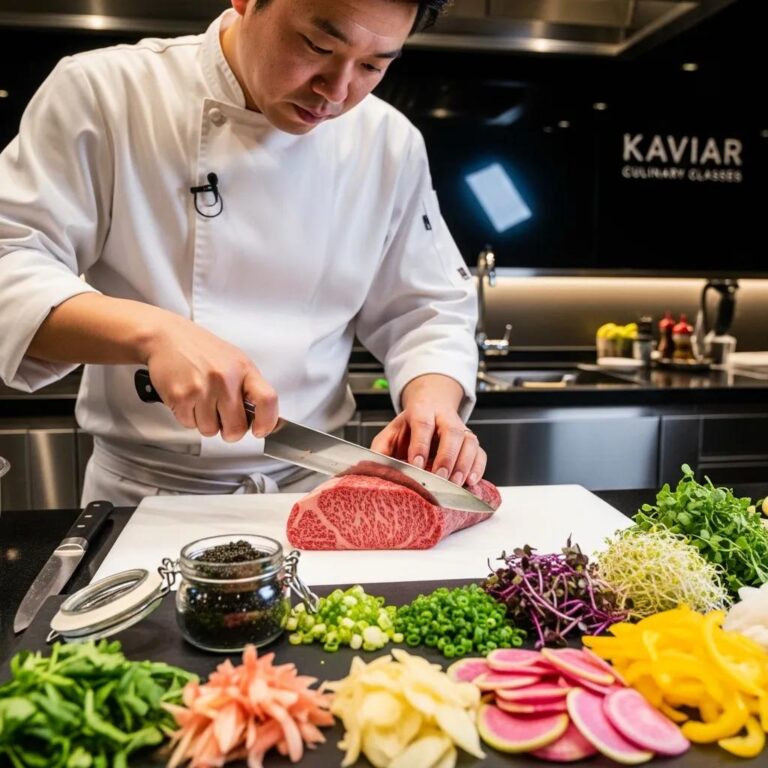
We source Miyazaki A5 from certified suppliers who document prefecture origin and grade. On arrival, whole pieces are inspected, rested or aged as appropriate, and portioned with precise butchery to preserve marbling. Preparation emphasizes restraint: thin slicing to reveal texture, quick light sears at controlled temperatures to render fat without overcooking, and tartare preparations that let raw fat coat the palate. Pairings are subtle — select salts, restrained acids, or uni — chosen to complement rather than compete. Those sourcing and handling steps ensure each Wagyu course supports the omakase progression and guest expectations for luxury beef.
This table links grade, marbling, and origin to specific culinary choices and shows why transparency matters for execution.
How Does Kaviar Select and Serve Gourmet Caviar for an Elevated Experience?
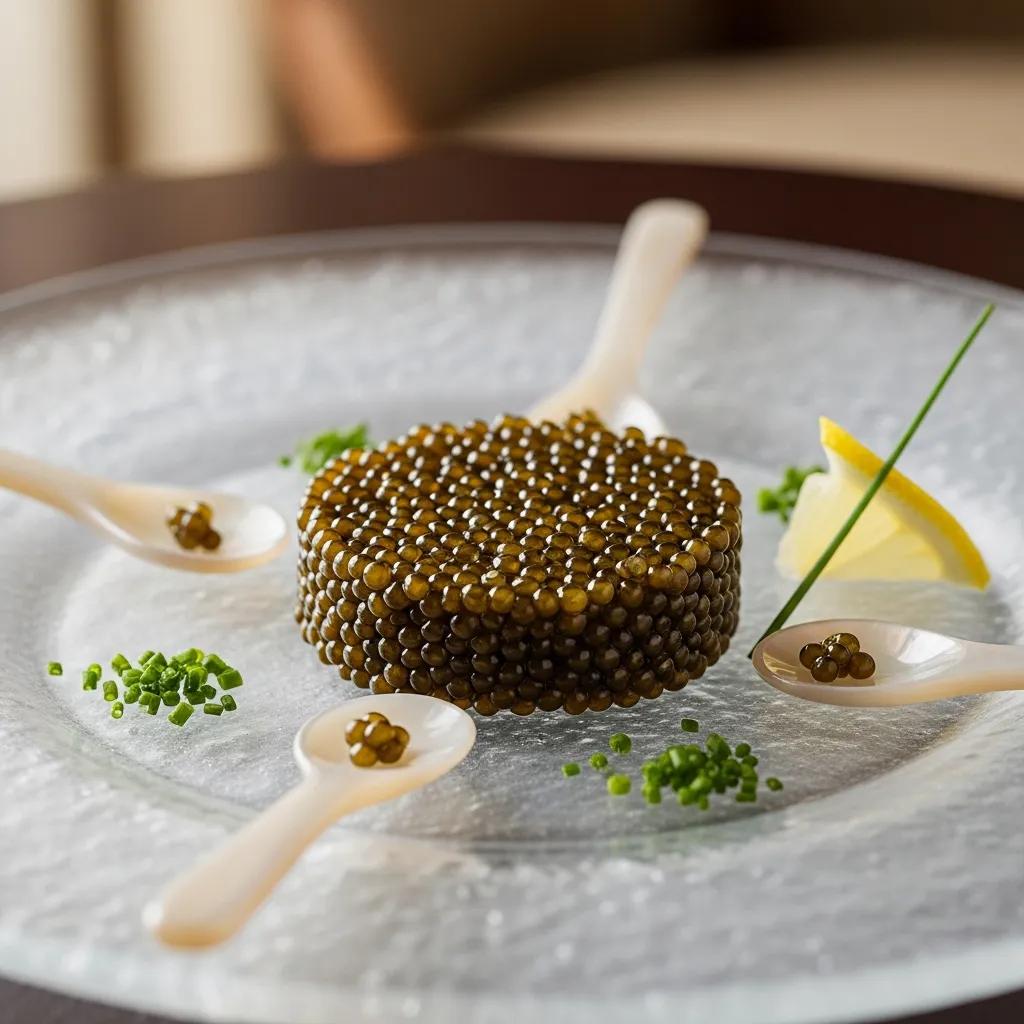
Choosing and serving caviar is about species, pearl size, flavor and careful handling. We highlight Kaluga for its medium‑to‑large pearls, buttery, rounded flavor and creamy pop — qualities that suit minimalist plating and subtle accompaniments. Selection depends on supplier transparency about farm origin and processing, and service protects texture via strict cold‑chain storage and neutral utensils like mother‑of‑pearl spoons. In service we pair caviar with delicate carriers — blini, lightly toasted bread, or a small quenelle of crème fraîche — and keep garnishes modest to preserve the caviar’s saline‑sweet balance. The following sections describe Kaluga’s attributes and our sourcing and service methods, and include reservation guidance for signature caviar offerings.
What Are the Characteristics of Kaluga Caviar Served at Kaviar?
Kaluga offers medium‑to‑large, glossy pearls with a dark‑to‑amber sheen and a rounded, buttery flavor that finishes clean and slightly sweet. Its texture is creamy with a delicate pop that releases layered umami and saline notes, making it adaptable for standalone tastings or as a finishing accent. Serve very cold to preserve pearl firmness; pair simply with blini, neutral crackers, or lightly acidulated crème fraîche to create contrast. Visual presentation is spare and elegant, letting pearl color and luster take center stage — a fitting approach for omakase or tasting menus.
- Kaluga sensory highlights:Pearl size: medium to largeFlavor: buttery, rounded, clean finishTexture: creamy with a gentle pop
These points explain why we choose Kaluga for premium presentations and lead into sourcing and handling practices.
Where Does Kaviar Source Its Premium Caviar and How Is It Served?
We prioritize farms that document husbandry and processing methods designed to preserve pearl integrity; suppliers provide handling records and cold‑chain assurances. Kaluga sturgeon caviar is frequently farmed in freshwater systems, commonly in China and Russia, at operations that emphasize water quality and humane practices. On receipt, tins are stored at recommended temperatures and plated with neutral utensils to avoid metallic notes. Service follows a measured approach: chilled presentation, minimal garnishes, and concise pairings that let the caviar’s flavor lead. Guests interested in specialty caviar offerings should reserve a tasting or a signature caviar course to ensure availability and the intended pacing within an omakase. These standards protect the caviar’s sensory profile and deliver a memorable course.
Assessing caviar quality relies on structured sensory analysis to describe and compare its appearance, aroma, flavor and texture.
Evaluating Caviar Quality: A Sensory Approach to Describing and Comparing Properties
Researchers used quantitative and descriptive sensory methods to profile caviar from both farmed and wild sturgeon. A trained panel identified the most discriminating descriptors for appearance, odor, flavor and texture so producers and buyers can evaluate caviar consistently. Sharing a common vocabulary and evaluation procedure improves quality control and helps compare varieties objectively.
This table offers a concise comparison of caviar characteristics and serving suggestions to guide selection and plating choices.
How Does Kaviar Commit to Sustainable and Ethical Seafood Sourcing?
Kaviar’s commitment to sustainable seafood centers on traceability, selective harvest methods, and responsible farm practices when aquaculture is used. We balance seasonal wild‑capture—favoring line‑caught and other lower‑impact methods—with responsible aquaculture purchases when wild stocks are constrained. Supplier vetting requires documentation of harvest method and origin, and we maintain ongoing communication so harvest windows align with best practices and minimize ecological strain. In the kitchen, menu sequencing reflects seasonal availability and we use thoughtful substitutions that preserve a dish’s intent while respecting sustainability. The sections below list specific practices and explain how seasonality shapes menu rotation and guest communication.
What Sustainable Practices Guide Our Fresh Seafood Selection?
Our sustainable priorities include sourcing from fishers and farms that provide traceability, favoring low‑impact harvest methods, and choosing certified suppliers when available. We prefer line‑caught or selectively harvested fish to reduce bycatch and habitat damage, and procurement teams review documentation to confirm catch methods and dates. Traceability systems let us map each item back to its source, helping avoid vulnerable species and offering informed alternatives. In service, careful portioning and preservation minimize waste so the freshest seafood reaches the plate. These practices both protect ecosystems and safeguard menu reliability.
- Sustainable selection priorities:Traceability documentation for each seafood item.
Preference for low‑impact harvest methods (e.g., line‑caught).
Storage and portioning practices that reduce waste.
How Does Seasonality Influence Our Seafood and Menu Offerings?
Seasonality determines availability windows and shapes the omakase sequence, requiring the kitchen to rotate species and highlight items at their peak. Our menu framework is intentionally flexible: if a fish is out of season, chefs substitute a comparable species or use preserved techniques that respect the dish’s balance. We communicate those choices to diners via menu notes and server descriptions to highlight freshness and intent. Seasonal rotations might spotlight spring uni or summer line‑caught tuna, while winter menus lean toward oilier, heartier fish from colder waters. This adaptability ensures consistent dining quality and aligns menu planning with sustainability goals.
This table clarifies how sustainability and seasonality inform sourcing decisions and menu planning.
What Role Do Seasonal Produce and Local Partnerships Play in Kaviar’s Ingredient Sourcing?
Seasonal produce and local partnerships supply the herbs, vegetables and garnishes that finish delicate Japanese preparations, bringing brightness, texture and regional character to each course. Nearby farms and artisans deliver items at peak ripeness, which lets the kitchen use minimal manipulation while achieving maximum flavor. Partnerships also enable collaborative development of specialty items — microgreens, rare herbs or single‑harvest vegetables — that align with the kitchen’s flavor language. The following sections list commonly featured seasonal ingredients and explain how we support local producers while respecting confidentiality agreements when required.
Which Seasonal Ingredients Are Featured in Kaviar’s Gourmet Dishes?
We highlight seasonal vegetables, citrus and herbs that complement seafood and delicate proteins: spring shoots and tender herbs for brightness, summer stone‑fruit relishes or shiso for acidity, autumn root vegetables for earthy balance, and winter citrus or preserved elements to cut through richness. Each ingredient is chosen at peak flavor so chefs can rely on minimal intervention and full taste. Pairings include spring asparagus with seared scallop and winter citrus segments alongside richer courses to balance fat. This seasonally driven approach keeps our menu evolving with the calendar.
- Seasonal examples and pairings:Spring: young shoots with light sashimi preparations.
Summer: ripe fruit relishes to accompany nigiri.
Autumn/Winter: roasted roots or citrus to balance richer proteins.
How Does Kaviar Support Local Farms and Artisans in Pasadena?
We support local farms and artisans through regular purchasing, seasonal menu spotlights, and collaborative product development, while honoring supplier confidentiality when requested. Sourcing nearby reduces time from harvest to plate, enhancing flavor and traceability and supporting the regional food economy. Menu notes and server narratives will often highlight these partnerships without naming producers unless authorized, so diners still appreciate the local connection. Seasonal features and events strengthen those relationships and ensure a dependable supply of specialty items. This approach nurtures culinary creativity and community resilience, and it ties directly into our omakase philosophy.
How Does Kaviar’s Omakase Ingredient Philosophy Enhance the Luxury Dining Experience?
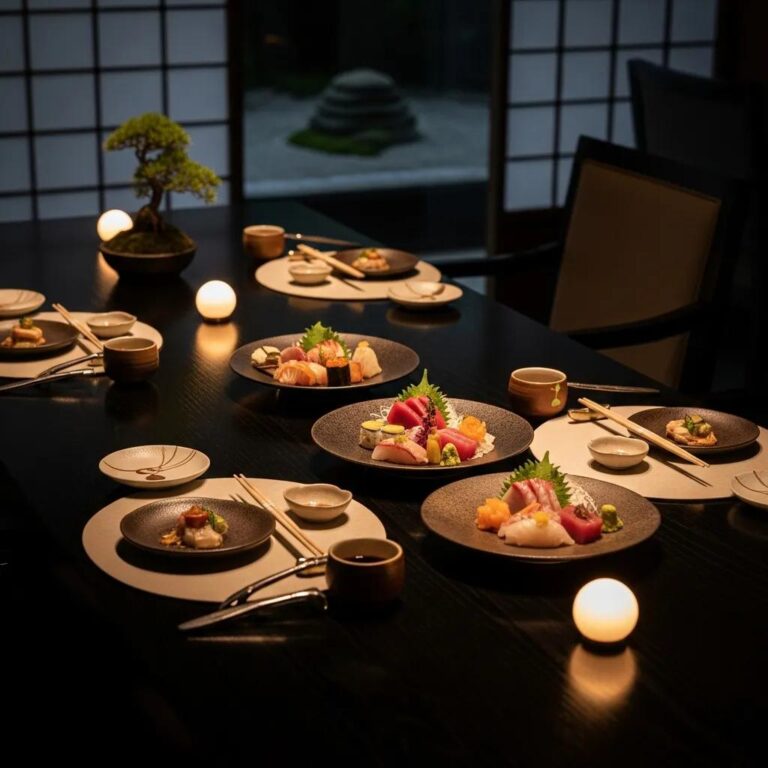
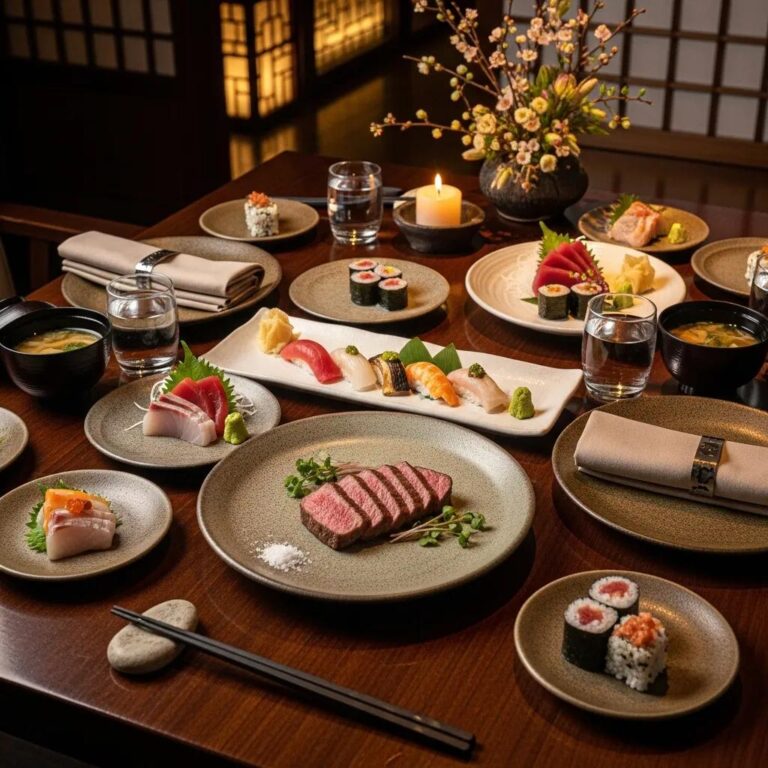
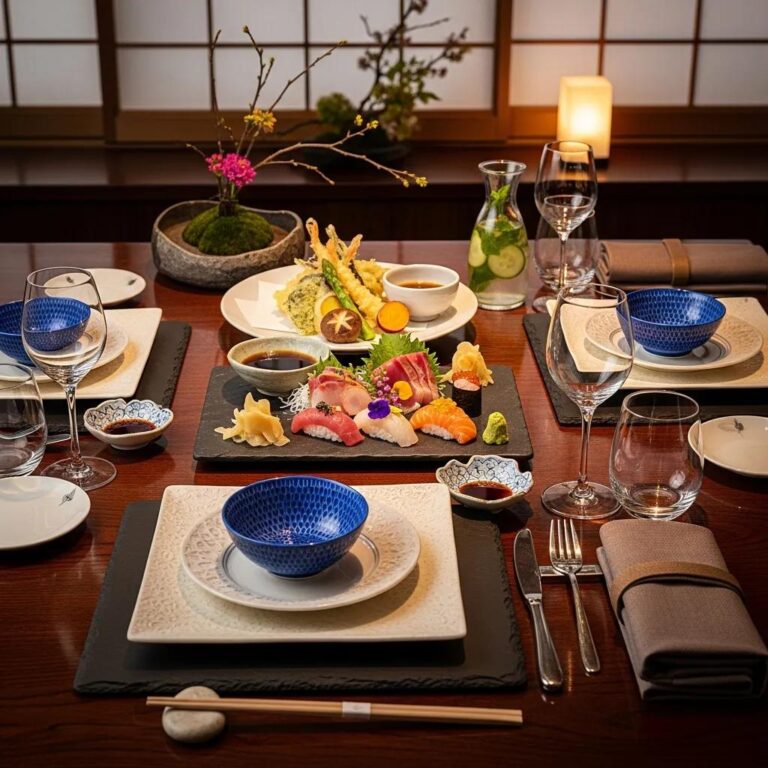
Our omakase philosophy treats sourcing as the narrative spine of a tasting service. Omakase — the chef’s selection — relies on intimate knowledge of provenance and seasonal peaks to shape a progression where each course prepares the palate for the next. Premium elements like Miyazaki A5 Wagyu, Kaluga caviar, line‑caught tuna and seasonal produce become the pillars that create contrast, texture and memorable moments. The sections below describe the chef’s selection process and show how premium components elevate the guest experience through sensory detail and storytelling, culminating in a cohesive tasting journey.
What Is the Chef’s Selection Process for Omakase Ingredients?
Our selection process blends market scouting, supplier dialogue, and in‑kitchen tastings to assemble a coherent omakase sequence. Market visits and supplier briefings flag peak harvests or fresh catches, while kitchen tastings confirm texture, flavor and suitability for each course. Sequencing prioritizes balance — delicate raw courses lead into richer, cooked items — with room for real‑time adjustments when an exceptional ingredient arrives. Chefs also account for guest preferences and dietary needs, tailoring progressions when necessary. This deliberate yet adaptive process ensures every omakase feels curated, responsive and rooted in the best available ingredients.
- Key selection steps:Scout markets and review supplier offerings.
Conduct sensory tastings in kitchen.
Sequence courses for balance and progression.
How Do Premium Ingredients Elevate the Omakase Experience at Kaviar?
Premium ingredients elevate omakase by introducing distinct textures, concentrated flavors and provenance stories that engage both palate and curiosity. A course featuring Miyazaki A5 Wagyu or Kaluga caviar becomes a memorable focal point — the contrast in mouthfeel and flavor anchors the tasting sequence. Sharing an ingredient’s origin or harvest method adds context and deepens appreciation, while restrained plating and minimal seasoning let the ingredient speak. Guests who want a fully realized omakase centered on these premium items should reserve by phone or online to secure availability and the intended pacing. The chef’s curation transforms top‑quality inputs into a cohesive, luxurious tasting experience that marries provenance to plate.
- How premium items enhance omakase:Create memorable taste and texture focal points.
Build narrative continuity through provenance storytelling.
Allow dynamic pacing and contrast between courses.
- Ingredient sourcing practices summarized:
Provenance verification: documented supplier relationships and traceability.Quality control: temperature checks, sensory inspection, and chef tasting.Sustainability: preference for low‑impact harvest methods and seasonal planning. - Why guests should care:
Traceable ingredients create predictable sensory outcomes.Premium items like A5 Wagyu and Kaluga caviar deliver distinctive textures and flavors.Seasonal and local partnerships enhance freshness and connect the menu to the community. - Reservation note:
For signature courses and omakase sequences featuring premium ingredients, guests are encouraged to reserve in advance to ensure availability and optimal service.
This close reiterates the link between sourcing rigor and the luxury dining experience at Kaviar Restaurant in Pasadena, CA, and completes our guided look at ingredient provenance, selection and service.
Frequently Asked Questions
What is the significance of sourcing seasonal produce in fine dining?
Seasonal produce matters because it arrives at peak flavor and texture. Using items in season lets chefs rely on natural sweetness, acidity and structure, which reduces the need for heavy manipulation. Beyond taste, seasonal sourcing supports local growers and reduces environmental impact, allowing menus to reflect the calendar and offer a changing, authentic experience throughout the year.
How does Kaviar ensure the sustainability of its seafood sourcing?
We prioritize suppliers who document harvest methods and origin, favor low‑impact techniques like line‑catching, and use certified sources where appropriate. Our procurement team reviews supplier practices regularly and adapts the menu based on seasonal availability so the seafood we serve is both fresh and responsibly sourced.
What role do local partnerships play in Kaviar’s ingredient sourcing?
Local partnerships provide peak‑fresh produce and specialty items that elevate dishes. By working with nearby farms and artisans, we shorten harvest‑to‑plate time and support the regional food economy. These relationships also enable limited‑run or single‑harvest items that add distinct local character to our menu.
How does Kaviar communicate ingredient sourcing to diners?
We share provenance through clear menu notes and server narratives that highlight key origins and practices without overwhelming technical detail. That transparency helps guests connect with the food and deepens appreciation for the care behind each dish.
What is the impact of marbling in A5 Wagyu on the dining experience?
Marbling in A5 Wagyu creates a buttery mouthfeel and concentrates umami as the fat renders at low temperatures. That texture and flavor profile allow for delicate preparations — from brief sears to raw tartare — and explain why A5 commands specific handling and portioning to showcase its luxury.
Why is it important for diners to understand the sourcing of their food?
Knowing where food comes from builds a deeper connection to the meal and supports informed choices. Awareness of provenance and sustainable practices also encourages diners to support restaurants that prioritize ethical sourcing, which benefits ecosystems and local communities. Transparency enriches the dining experience.
How does Kaviar’s omakase philosophy enhance the overall dining experience?
Omakase at Kaviar is a chef‑driven narrative: the selection and sequencing of courses emphasize seasonality, texture and contrast so each course prepares the next. With premium ingredients and careful storytelling, the tasting becomes a memorable and cohesive culinary journey that balances surprise with intention.
Conclusion
By prioritizing premium Japanese ingredients like A5 Wagyu and Kaluga caviar, Kaviar delivers a fine dining experience that pairs meticulous sourcing with thoughtful preparation and sustainability. Understanding our sourcing and handling deepens appreciation for each dish and for the choices behind the menu. We invite you to explore our full offerings and to reserve in advance for signature courses or an omakase experience centered on these exceptional ingredients. Elevate your meal at Kaviar by reserving a curated tasting that highlights provenance, seasonality and craft.