





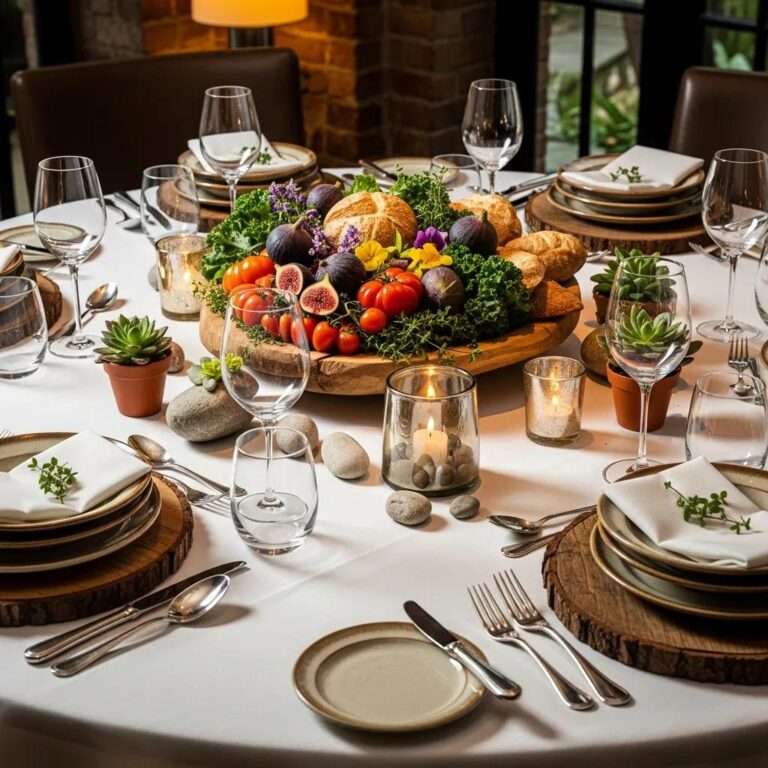
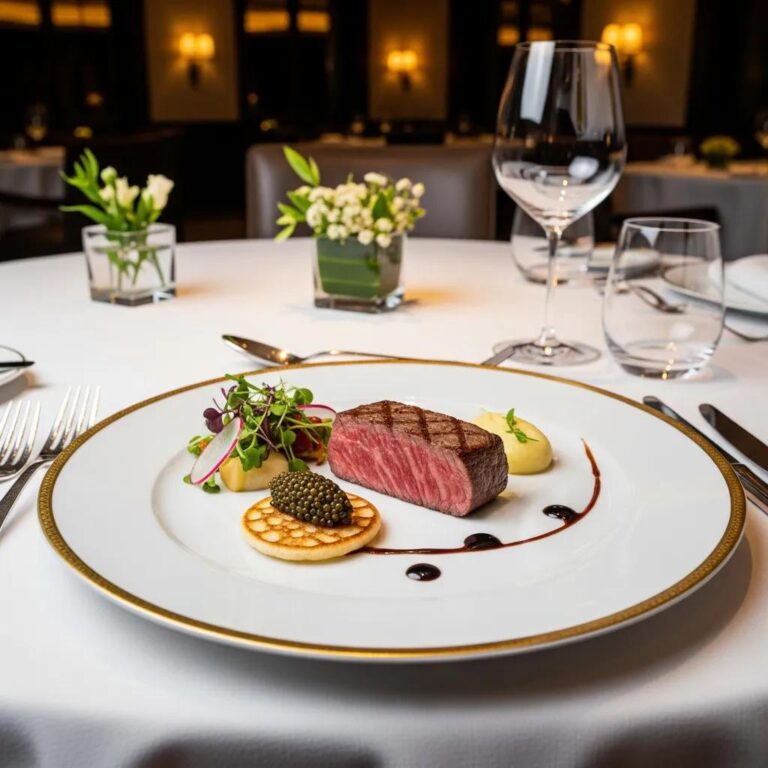

Sustainable Fine Dining Practices Shaping the Future of Eco-Conscious Luxury Restaurants
Sustainable fine dining blends precise technique with clear environmental and social responsibility to create memorable, low-impact luxury meals. This piece defines sustainable fine dining, shows how green gastronomy and zero-waste methods spark culinary invention, and explains why ethical sourcing for premium items matters for flavor, provenance, and longevity. High-end kitchens today must reduce waste, shrink energy and water footprints, and prove supplier transparency without losing the care and exclusivity diners expect. Consider this a practical guide: clear definitions, operational checklists, and menu-level storytelling strategies that kitchens can start using now to lower impact while keeping taste and service uncompromised. We cover the core criteria for sustainable fine dining, zero-waste techniques that inspire creativity, sourcing considerations for A5 Wagyu and caviar, operational measures for refined kitchens, Japanese traditions that naturally support sustainability, and sample menu highlights that show how provenance and seasonality can be shared with guests. Throughout, terms like green gastronomy, sustainable fine dining, ethical sourcing A5 Wagyu, and omakase sustainability are woven in to support discovery and practical adoption.
What Defines Sustainable Fine Dining in Today’s Luxury Restaurant Scene?
Sustainable fine dining is a hospitality approach that prioritizes ingredient origin, reduces waste, and aligns daily operations with measurable environmental goals—while maintaining the highest culinary standards. It pairs ethical sourcing, seasonal menu design, and operational efficiency to deliver better flavor, clearer traceability, and stronger guest trust. In practice, sustainable fine dining balances exclusivity with responsibility: provenance-driven storytelling raises perceived value and resonates with diners who care about where their food comes from. Below we unpack how sourcing elevates taste and traceability, and why green gastronomy sits at the heart of contemporary luxury hospitality.
At the core of sustainable fine dining is ethical sourcing that connects chefs and guests to place. Traceability builds trust by linking flavor to specific farms, fisheries, and producers; it also gives chefs the material to tell richer stories on tasting menus. That provenance focus leads to the practical question of how sourcing choices translate into the plate—something we explore in the sections that follow.
True sustainable luxury also relies on a guiding philosophy—green gastronomy—that informs menu structure and back‑of‑house decisions. Green gastronomy emphasizes seasonality, regenerative procurement, and techniques that coax the maximum flavor from each ingredient while minimizing environmental harm. Seen this way, a tasting menu can be both exquisitely crafted and responsibly sourced—a theme that carries through our discussion of zero‑waste techniques.
Sustainable fine dining answers modern diners’ desire for transparency and authenticity by combining craftsmanship with measurable sustainability. That alignment strengthens reputation, invites repeat visits, and fosters resilient relationships with local suppliers. Next, we show zero‑waste practices that turn these principles into creative dishes and real cost savings.
Sustainable fine dining is commonly judged by a few clear criteria:
- Ethical sourcing with verifiable traceability and animal welfare that deepen flavor and trust.
- Seasonal, local ingredients that cut transport emissions and retain peak freshness.
- Waste reduction through nose‑to‑tail and root‑to‑stem use that increase yield and creativity.
- Responsible operations that reduce energy and water use while increasing resilience.
Use these criteria as a simple checklist to evaluate sustainability efforts and to shape how you communicate value to guests. The next section translates these principles into zero‑waste techniques that spark culinary innovation.
How Does Ethical Sourcing Elevate Fine Dining Experiences?
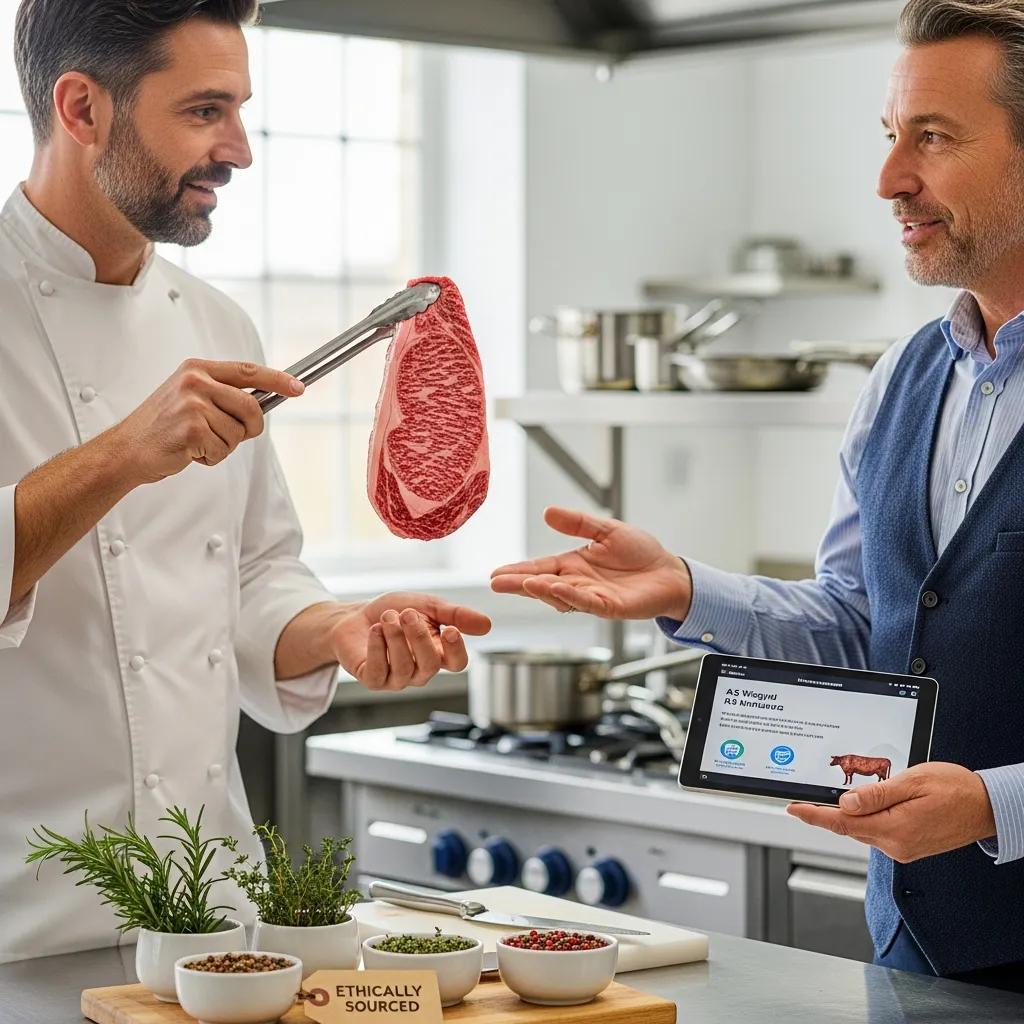
Ethical sourcing lifts fine dining by securing provenance, stabilizing flavor quality, and giving chefs a real story to tell. Traceability tools—farm agreements, batch tags, and supplier audits—let kitchens explain why a particular piece of A5 Wagyu or a tin of caviar tastes as it does, and that context increases perceived value. Transparency also meets growing expectations for responsible supply chains, strengthens partnerships with producers, and supports consistent quality over time. Understanding how sourcing choices shape the guest narrative naturally leads into how green gastronomy frames those decisions within a broader culinary ethos.
Why Is Green Gastronomy Essential for Modern Luxury Restaurants?
Green gastronomy reframes culinary excellence as the product of environmental stewardship, cultural authenticity, and inventive technique. By prioritizing seasonality and regenerative suppliers, chefs can compose tasting menus that highlight peak‑flavor ingredients while shrinking carbon and waste footprints. The approach encourages thoughtful experimentation—plant‑forward kaiseki, fermentation, and preservation—that honors tradition and advances sustainability goals. Embracing green gastronomy helps restaurants deliver exclusivity that feels responsible and meaningful to today’s diners.
How Are Zero-Waste Fine Dining Trends Transforming Culinary Innovation?
Zero‑waste fine dining turns what might be considered refuse into deliberate, flavor-rich elements—raising yield and adding texture and depth to tasting menus. The method relies on whole‑animal butchery, root‑to‑stem vegetable use, and repurposing trimmings into stocks, sauces, and garnishes. As a result, chefs discover new layers of flavor and diners enjoy inventive courses that tell a sustainability story. Below we list practical zero‑waste techniques and then connect seasonality and local sourcing to waste reduction and freshness.
Zero‑waste techniques are repeatable kitchen practices that unlock taste while cutting waste.
- Nose‑to‑tail butchery—using offal and bones for stocks and charcuterie to boost yield and depth.
- Root‑to‑stem vegetable work—turning peels and stems into purees, crisps, and sauces to preserve nutrients.
- Repurposing trims—concentrating trimmings into dashi, sauces, and oils that amplify courses.
- Composting unavoidable organics—returning nutrients to nearby farms and closing the local food loop.
These practices show how waste reduction becomes a creative advantage, and they set the groundwork for systems like inventory controls and composting that keep execution consistent.
Zero‑waste also fuels menu invention by encouraging chefs to experiment with secondary ingredients and preservation methods. Fermentation and pickling extend shelf life while adding umami and acidity that complement seasonal produce. Chefs who formalize reuse workflows reduce spoilage, stabilize plate quality, and improve purchasing forecasts. The next subsection connects seasonality and local sourcing directly to reduced waste and fresher outcomes.
What Zero-Waste Techniques Are Used in Fine Dining Kitchens?

Fine dining kitchens typically adopt several zero‑waste methods that pair culinary skill with systems thinking to cut waste and add flavor.
- Nose‑to‑tail butchery: Using every edible part—organs, bones, fat—for stocks, terrines, and charcuterie to enrich taste and yield.
- Root‑to‑stem vegetable use: Transforming peels and stems into sauces, crisps, and purees to preserve nutrients and reduce discards.
- Repurposing trims: Converting trimmings into concentrated stocks, flavored oils, and garnishes that elevate dishes.
- Composting and anaerobic digestion: Diverting organics from landfill to support soil health and local circularity.
Each technique offers both culinary opportunity and measurable waste reduction, making them natural additions to standard prep and service routines.
How Do Seasonal and Local Ingredients Support Waste Reduction?
Seasonal, local sourcing reduces waste by syncing demand with predictable harvest windows and minimizing spoilage in transit. Working closely with nearby farms lets chefs design menus around crop cycles, avoiding over‑ordering and long cold‑storage that often leads to loss. Local partnerships also enable smaller, more frequent deliveries that match inventory to service needs and reduce spoilage. Emphasizing seasonality thus creates a menu rhythm that supports freshness and operational waste minimization.
Why Is Ethical Sourcing Critical in Sustainable Gastronomy?
Ethical sourcing matters because premium ingredients—A5 Wagyu, caviar, specialty seafood—often carry significant environmental and social footprints that shape sustainability claims. Procurement choices (certified suppliers, clear provenance, welfare practices) link directly to outcomes like lower overfishing risk, better animal welfare, and stronger local economies. For guests, ethical sourcing adds credibility to taste and gives chefs a defensible story that supports premium pricing. Below is a concise comparison to help purchasing teams and front‑of‑house craft honest provenance narratives.
The table below compares premium ingredients by sourcing attribute and sustainability value to support procurement decisions and guest-facing storytelling.
Use this comparison to prioritize suppliers and shape accurate provenance messaging that resonates with eco‑aware diners.
To put these ideas into practice, ask suppliers for traceability documentation and favor partners who demonstrate measurable stewardship. Transparent supply chains let chefs verify region, method, and welfare so menu notes remain truthful and compelling. The next two subsections offer practical cues for sourcing A5 Wagyu and caviar.
How Is A5 Wagyu Responsibly Sourced for Fine Dining?
Responsible A5 Wagyu sourcing focuses on provenance, animal welfare, and transparent supplier relationships that confirm breed, region, and husbandry. Chefs should work with suppliers who provide clear traceability and who can speak to feed, rearing environment, and grading—details that affect both flavor and ethics. Responsible Wagyu often comes from specialized farms with welfare protocols and third‑party checks that can be referenced in menu notes. Framing these sourcing attributes builds guest trust and links exceptional taste to careful procurement.
What Are the Sustainability Practices Behind Premium Caviar?
Sustainable caviar depends on distinguishing wild harvest from well‑managed aquaculture, alongside traceability and certification that protect wild sturgeon populations. Thoughtful aquaculture—emphasizing habitat restoration, careful broodstock management, and transparent stocking—can produce premium caviar with lower ecological risk than unmanaged wild harvest. Chefs should choose suppliers who can explain farming practices, stocking densities, and any certifications so the restaurant can make honest claims. Sharing those details with guests aligns luxury dining with conservation-minded sourcing.
What Eco-Conscious Operations Define the Future of Green Michelin Star Restaurants?
Eco‑conscious operations in refined restaurants pair energy and water efficiency, waste tracking, and sustainable procurement to lower impact without compromising service. Practical upgrades—efficient equipment, LED lighting, low‑flow fittings—combined with process changes—inventory control, recycling—produce measurable reductions in utilities and waste. Over time these investments lower operating costs and enable credible sustainability stories that discerning guests expect. Below are specific operational steps and a compact table that links practices to typical impacts.
Operational upgrades create measurable resource savings while signaling a serious commitment to sustainability.
- Energy‑efficient kitchen equipment reduces gas and electricity use and improves temperature control for reliable service.
- Low‑flow fixtures and optimized dishwashing protocols cut water use while preserving sanitation standards.
- Waste tracking and diversion programs (composting, recycling) quantify progress and guide continuous improvement.
- Sustainable procurement—reusable serviceware and bulk purchases—reduces upstream packaging waste.
These systems form the infrastructure that sustains green gastronomy and feed into reporting and guest communication.
The table below outlines operational areas, specific practices, and their typical impacts to help restaurants prioritize investments.
How Do Energy and Water Efficiency Impact Fine Dining Sustainability?
Energy and water efficiency cut a restaurant’s carbon footprint and operating costs while improving reliability in busy kitchens. Technologies like induction ranges, efficient refrigeration, and heat‑recovery systems reduce demand and are straightforward to quantify for reporting. Water‑saving fixtures and smarter dishwashing cycles lower consumption and build resilience in areas with tight water supplies. Documenting these savings helps justify capital investments and strengthens guest confidence in a restaurant’s sustainability claims.
What Waste Management Strategies Are Adopted Beyond Food Waste?
Waste management beyond produce and proteins focuses on packaging reduction, robust recycling streams, and supplier take‑back programs. Restaurants can negotiate returns with vendors, adopt reusable storage and service systems, and implement clear recycling protocols for glass, metal, and paper. Tracking waste—by weight or diversion rate—creates transparency and highlights opportunities for improvement. These measures complement kitchen zero‑waste work and support a comprehensive sustainability story for guests and stakeholders.
How Does Japanese Culinary Tradition Influence Sustainable Fine Dining?
Japanese culinary practice informs sustainable fine dining through a deep respect for seasonality, careful handling of ingredients, and preservation techniques that mirror green gastronomy goals. Traditions like washoku’s seasonal menus and meticulous preparation reduce waste and heighten ingredient appreciation, delivering both environmental and sensory benefits. Integrating these practices lets chefs craft tasting sequences that emphasize provenance, restraint, and resourcefulness. The subsections that follow explain specific traditional techniques and modern adaptations that marry heritage with sustainability.
Japanese traditions focus on respect for ingredients and preservation—practices that reduce waste and intensify flavor.
- Seasonal menu cycles (shun) encourage peak‑harvest eating that minimizes storage and spoilage.
- Preservation—pickling, curing, fermenting—extends ingredient life and creates distinct flavor elements.
- Minimalist preparation prizes quality over quantity, cutting overproduction and excess.
These cultural practices translate naturally to contemporary sustainability priorities and apply across cuisines.
What Traditional Japanese Practices Align with Modern Sustainability?
Traditional Japanese practices—seasonal menu design (shun), exact portioning, and preservation methods like tsukemono and curing—support modern sustainability by reducing overproduction and extending ingredient utility. They encourage local sourcing since seasonality often reflects regional harvest cycles, which lowers transport emissions and supports small farms. The cultural reverence for ingredients discourages waste and elevates modest components into essential flavors chefs can highlight on low‑impact tasting menus. Adapting these time‑tested methods helps restaurants meet present‑day environmental goals while honoring culinary heritage.
How Is Innovation Blending with Tradition in Sustainable Japanese Cuisine?
Innovation and tradition combine in sustainable Japanese cuisine through plant‑forward kaiseki, modern fermentation projects, and thoughtful swaps of high‑impact proteins for local or regenerative alternatives. Chefs rework classic sequences to reduce reliance on scarce ingredients while preserving balance and ritual. New techniques—controlled fermentation, precision aging, and creative reuse of byproducts—keep the spirit of tradition alive while delivering measurable sustainability gains. These hybrid approaches let restaurants honor cultural roots while meeting contemporary environmental and ethical expectations.
Which Sustainable Menu Highlights Showcase Kaviar’s Commitment to Responsible Luxury Dining?
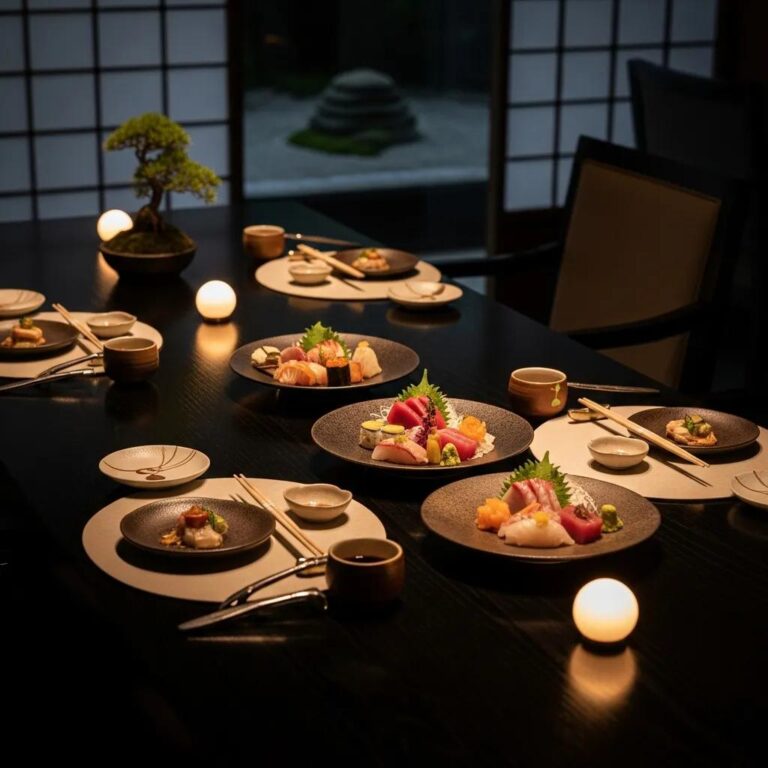
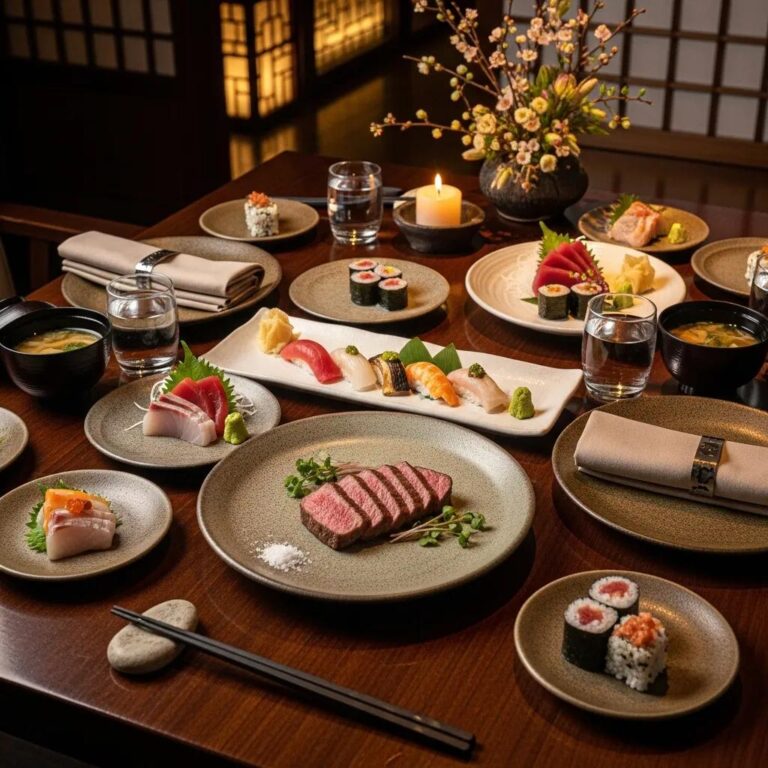
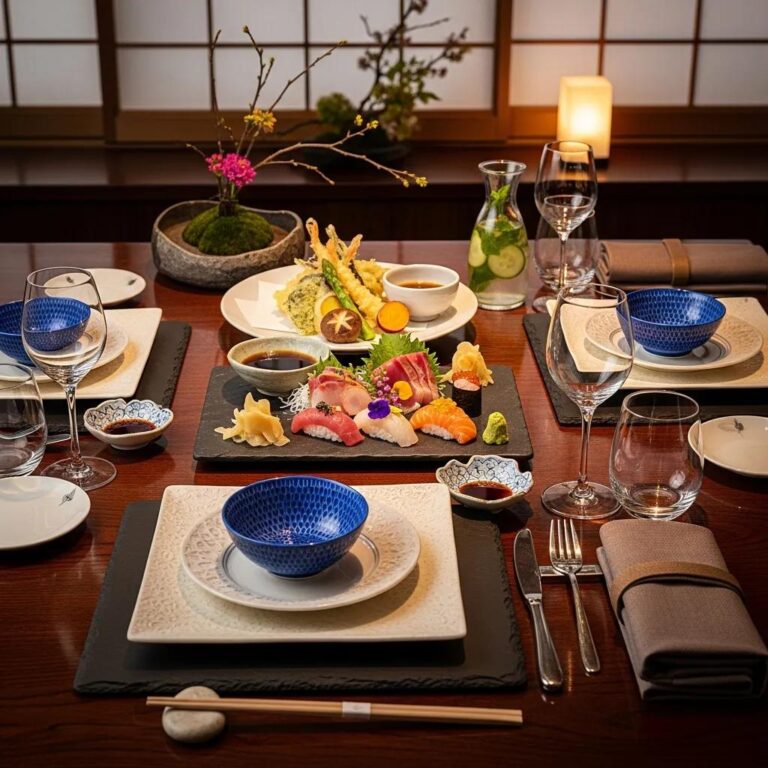
Here we map signature dishes and their narratives to sustainability themes, showing how a luxury Japanese restaurant can present responsible dining without losing refinement. The table and examples below connect dish ideas to sustainable ingredients and guest benefits, and describe how concise storytelling—by servers and on the menu—deepens appreciation and drives bookings. Kaviar, rooted in Pasadena, highlights omakase, A5 Wagyu, and caviar service in reservation‑driven experiences that can weave sustainability into every course for guests who seek intention behind their meal.
Below is a compact table linking representative dishes to sustainable ingredients and the guest benefit—useful for menu planning and front‑of‑house messaging.
This mapping shows how a tasting menu can communicate sustainability through ingredient choices and guest‑facing stories—supporting both culinary appeal and responsible claims.
Kaviar’s menu approach highlights provenance and technique to enhance perceived value and justify premium pricing. Well‑trained servers and succinct menu notes that state origin and method help guests connect taste to stewardship. That narrative converts curiosity into reservations and return visits by creating an emotional and intellectual bond with the food.
The signature menu elements below illustrate how responsible luxury can read on the plate.
- Seasonal Omakase: A curated sequence that celebrates local harvests for peak freshness and lower transport impact.
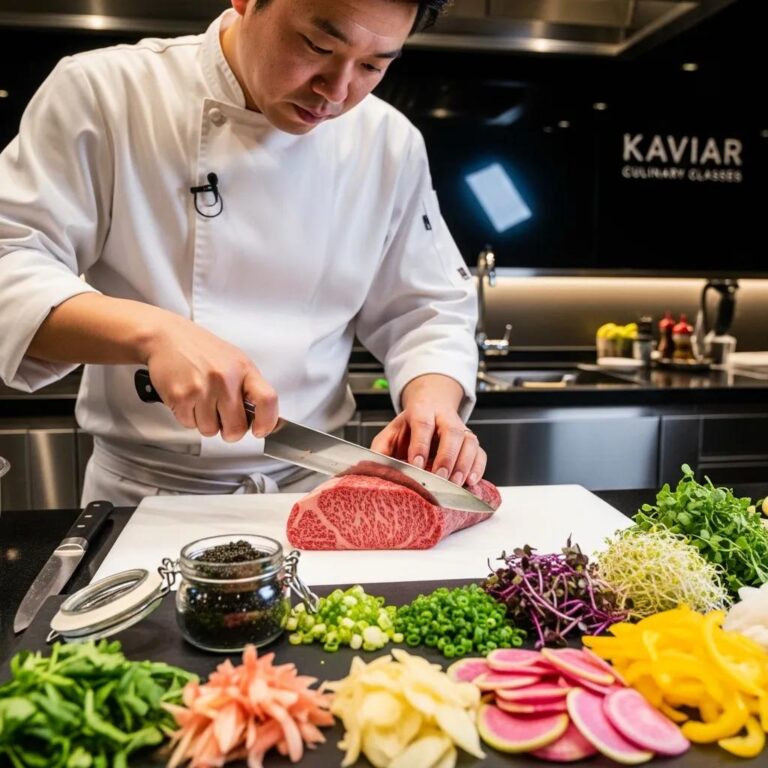
- A5 Wagyu Tasting: A focused course pairing precise technique with provenance notes to emphasize quality and traceability.
- Caviar Service: A refined presentation that explains aquaculture choices and conservation‑minded sourcing.
What Signature Dishes Exemplify Sustainable Ingredient Use?
Signature dishes that put sustainable ingredients center‑stage pair deliberate technique with transparent provenance to create memorable flavors. A seasonal omakase built around local produce shows how freshness and gentle handling intensify taste while lowering footprint. An A5 Wagyu tasting that cites supplier provenance helps diners appreciate the relationship between husbandry and marbling. A caviar service presented with clear sourcing information demonstrates that luxury ingredients can align with conservation goals. Together, these dishes prove that sustainability can be woven into the fabric of luxury dining.
How Does Storytelling Enhance the Sustainable Dining Experience?
Storytelling turns procurement details into sensory and emotional context that deepens guest appreciation. When servers and menu notes share provenance, seasonality, and technique in brief, compelling language, guests value the meal more and are more open to sustainable substitutions or plant‑forward choices. Good storytelling also increases willingness to pay and drives reservations by framing each course as part of an intentional narrative. Training staff to deliver consistent provenance messages and writing concise, evocative menu copy are practical steps to make sustainability a defining part of the luxury experience.
Frequently Asked Questions
What are the benefits of implementing zero-waste techniques in fine dining?
Zero‑waste techniques deliver several clear benefits: richer flavor profiles, lower food costs, and stronger sustainability credentials. Using more of each ingredient—through nose‑to‑tail butchery or root‑to‑stem vegetable work—unlocks new textures and tastes that surprise diners and broaden a kitchen’s toolkit. At the same time, reducing waste cuts disposal fees and signals genuine commitment to eco‑conscious dining, which appeals to increasingly informed customers.
How can luxury restaurants effectively communicate their sustainability efforts to guests?
Luxury restaurants communicate sustainability best by weaving it into the guest experience. Use concise menu copy to note origin and method, train servers to tell short provenance stories, and display visual cues—like sourcing maps or certifications—where appropriate. These elements, delivered with care and specificity, build trust and deepen guest connection without overwhelming the dining experience.
What role does seasonality play in sustainable fine dining?
Seasonality is central: it ensures ingredients are at peak flavor while lowering environmental impact. Sourcing in season reduces transport emissions and supports local farmers, and it makes menus feel dynamic and rooted in place. Seasonal menus also simplify inventory planning and reduce spoilage, supporting both taste and sustainability.
How do eco-conscious operational practices impact a restaurant’s bottom line?
Eco‑conscious operations can improve the bottom line over time. Energy‑efficient equipment and water‑saving fixtures reduce utility bills; waste diversion and composting cut disposal costs. Moreover, a documented sustainability stance attracts eco‑minded diners willing to pay for responsible experiences, which can increase revenue and strengthen loyalty.
What challenges do luxury restaurants face when adopting sustainable practices?
Adopting sustainable practices can present challenges: premium, ethical ingredients may cost more; supplier transparency isn’t always available; and operational changes require investment and staff training. Balancing sustainability with guest expectations for exclusivity and flawless service requires careful planning but yields long‑term benefits for brand reputation and resilience.
How can chefs innovate while adhering to sustainable practices?
Chefs innovate within sustainability by reimagining ingredients and methods—fermentation, pickling, and creative use of under‑utilized cuts or seasonal plants expand flavor while lowering impact. Collaborations with local farmers and foragers spark new dishes that reflect the region, enabling memorable, responsible menus that honor both taste and place.
Conclusion
Adopting sustainable fine dining practices elevates the culinary experience while strengthening environmental and social stewardship. By centering ethical sourcing, seasonal ingredients, and zero‑waste techniques, luxury restaurants can create dishes that satisfy discerning palates and align with guest values. This commitment deepens guest loyalty and builds trust—proof that responsible choices and exceptional dining belong together. Explore how mindful dining can become your next signature by discovering our curated approach to sustainable luxury.