





The Finest Luxury Hotel Dining Around the World: Michelin Stars, Gourmet Hotel Tables, and Where to Reserve Them
Luxury hotel dining pairs exceptional ingredients with meticulous service and intentional design to create meals worth travelling for. This guide clarifies what makes a hotel restaurant truly luxurious, spotlights Michelin‑starred hotel venues that lead the field, and points you to the destinations and tactics that make reservations possible. You’ll learn the key pillars—ingredient provenance, service choreography, and experiential concepts—that set hotel restaurants apart, how awards shape demand, and practical steps to secure the best tables. We also compare hotel operations to independent fine‑dining, with a focused look at Japanese omakase and premium products like A5 Wagyu and caviar. By the end, you’ll have clear booking strategies and on‑the‑ground tips to turn research into memorable meals.
What Defines the Best Luxury Hotel Dining Experiences Worldwide?
The best hotel restaurants deliver a consistent union of rare ingredients, bespoke service, considered atmosphere, and a clear culinary narrative. They source with care so flavors feel singular; service teams and sommeliers work in concert to pace courses and recommend pairings; and design—lighting, acoustics, layout—supports the meal’s intent. Together, these elements transform dining into a cohesive experience that leaves guests with both pleasure and insight. Knowing these fundamentals helps you compare options and set the right expectations before you book; the section below breaks those elements into concrete attributes to watch for.
Which Elements Make a Hotel Restaurant Truly Luxurious?
A hotel restaurant feels luxurious when tangible quality and intangible refinement align. Seasonal or rare ingredients meet precise technique; sommeliers and servers offer discreet, informed service; and the dining room’s acoustics, lighting, and private options reinforce comfort and exclusivity. Menus that tell a story—chef’s tastings or curated pairings—give the meal coherence and purpose. Together, these components turn a sequence of dishes into an intentionally crafted narrative for discerning guests.
Luxury hotel dining consistently rests on a few reliable attributes:
- Careful ingredient provenance and rarity that shape unmistakable flavors.
- Highly trained service teams who anticipate needs and manage multi‑course pacing.
- Thoughtful ambience and design that protect privacy, control sound, and enhance presentation.
- Culinary storytelling through tasting menus, chef interaction, and curated pairings.
Use these markers as a quick checklist when you evaluate hotel restaurants before booking.
How Do Michelin Stars Influence Luxury Hotel Dining Reputation?
Michelin stars act as a global shorthand for technical excellence and consistency, increasing visibility and often changing a restaurant’s economics. Stars raise demand and justify premium pricing; they also prompt operational shifts—longer lead times, elevated sourcing standards, and expanded beverage programs. For diners, Michelin recognition reliably flags quality, but it’s one factor among ambience, menu fit, and service style when choosing the right experience for you.
Michelin Star Restaurants: Operational Insights from Chef-Owned Establishments
A targeted look at how Michelin‑ranked chefs manage their operations, staffing, and service cadence to meet the guide’s standards.
Which Are the Top Michelin Star Hotel Restaurants Globally?
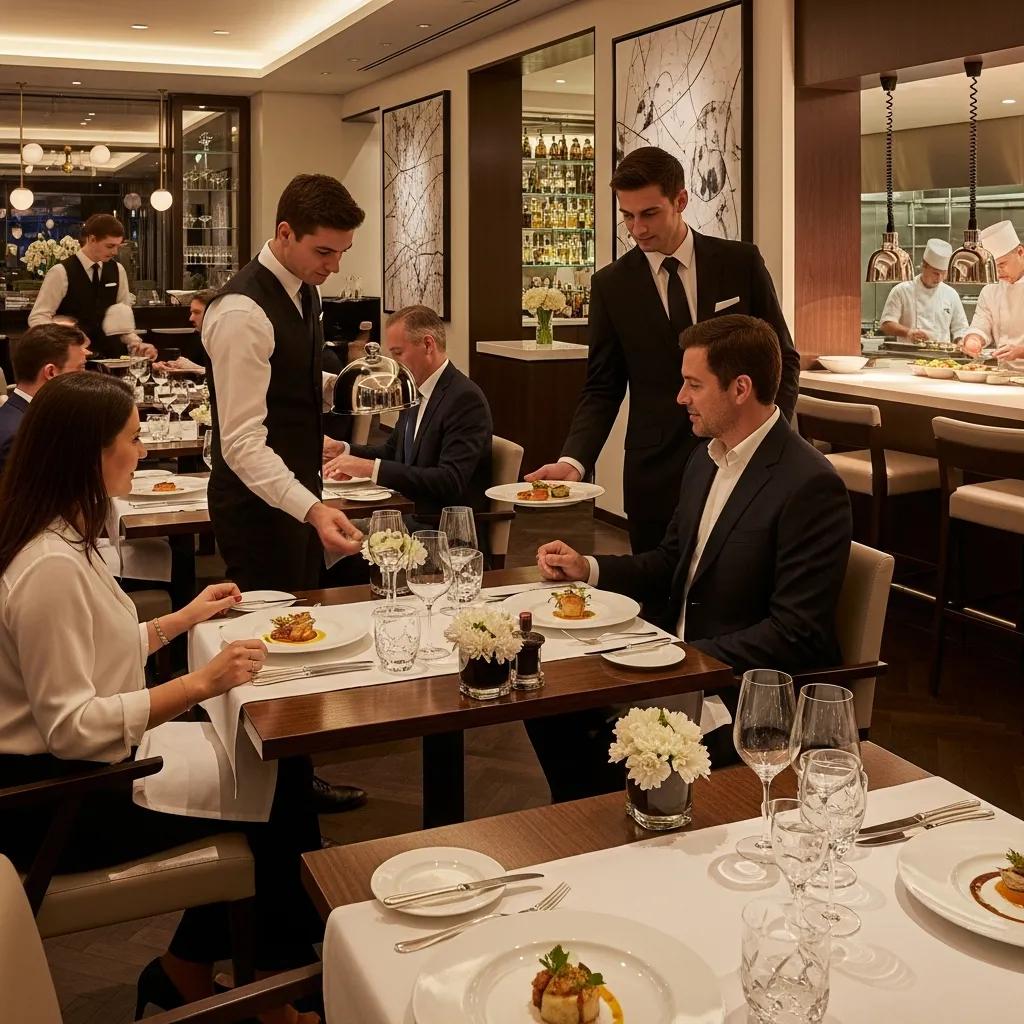
Leading Michelin‑star hotel restaurants pair destination chefs with the logistics and procurement power of luxury hotels to produce world‑class dining. These venues often anchor a property’s identity, drawing both overnight guests and diners who travel just to eat. Across regions you’ll find different expressions—precise Japanese kaiseki in city hotels, contemporary tasting menus in European palaces—each demonstrating how hotels leverage chefs and setting to secure culinary prestige. Below are typical profiles that represent the top tier.
Representative Michelin‑starred hotel restaurant profiles and why they matter:
- A city flagship with a chef‑led tasting menu that elevates local ingredients for an international audience.
- A historic luxury property offering classical haute cuisine in preserved dining rooms with formal service.
- A modern hotel concept centered on an intimate counter omakase or chef’s table that foregrounds ingredients.
What Are the Most Renowned Michelin Star Hotels for Fine Dining?
The most celebrated Michelin hotels combine a strong culinary director or resident chef with infrastructure that supports sourcing, a deep wine program, and guest logistics. Many host several dining concepts—formal rooms, casual bars, and private counters—each held to the same standard. A hotel’s reputation attracts talent and lets kitchens experiment, from seasonal tasting sequences to exclusive private events. For travelers, choosing a hotel with a respected culinary program offers convenience and a high likelihood of exceptional dining—especially with proper advance planning.
Michelin Star Restaurants Boost Profitability: Impact of Star Status on Financial Performance
Evidence that Michelin recognition correlates with improved financial outcomes, reflecting higher demand and pricing power.
How Do Award-Winning Chefs Shape Gourmet Hotel Culinary Experiences?
Award‑winning chefs leave a clear imprint on hotel dining: they design menu architecture, build sourcing networks, and set service rituals. Their choices—ingredient selection, plating language, and sommelier collaborations—become training benchmarks across outlets. Signature dishes or tasting sequences often define a property’s identity, attracting culinary travelers and press. The chef’s role extends beyond the kitchen into storytelling, guest engagement at chef’s tables, and ongoing innovation that keeps the restaurant culturally relevant.
How Do Gourmet Hotel Culinary Experiences Elevate Fine Dining?
Gourmet hotel restaurants elevate fine dining through deliberate investment in rare ingredients, multisensory service design, and distinctive concepts. Hotels can leverage purchasing scale to secure graded meats, rare seafood, and prime produce, while synchronized service—dedicated sommeliers, timed courses, and sensory cues—creates a seamless guest journey. Private dining rooms, chef counters, and immersive tasting formats amplify exclusivity and memorability. Below we examine the premium ingredients that frequently define luxury hotel menus and compare their origin, flavor, presentation, and rarity.
What Premium Ingredients Define Luxury Hotel Menus Worldwide?
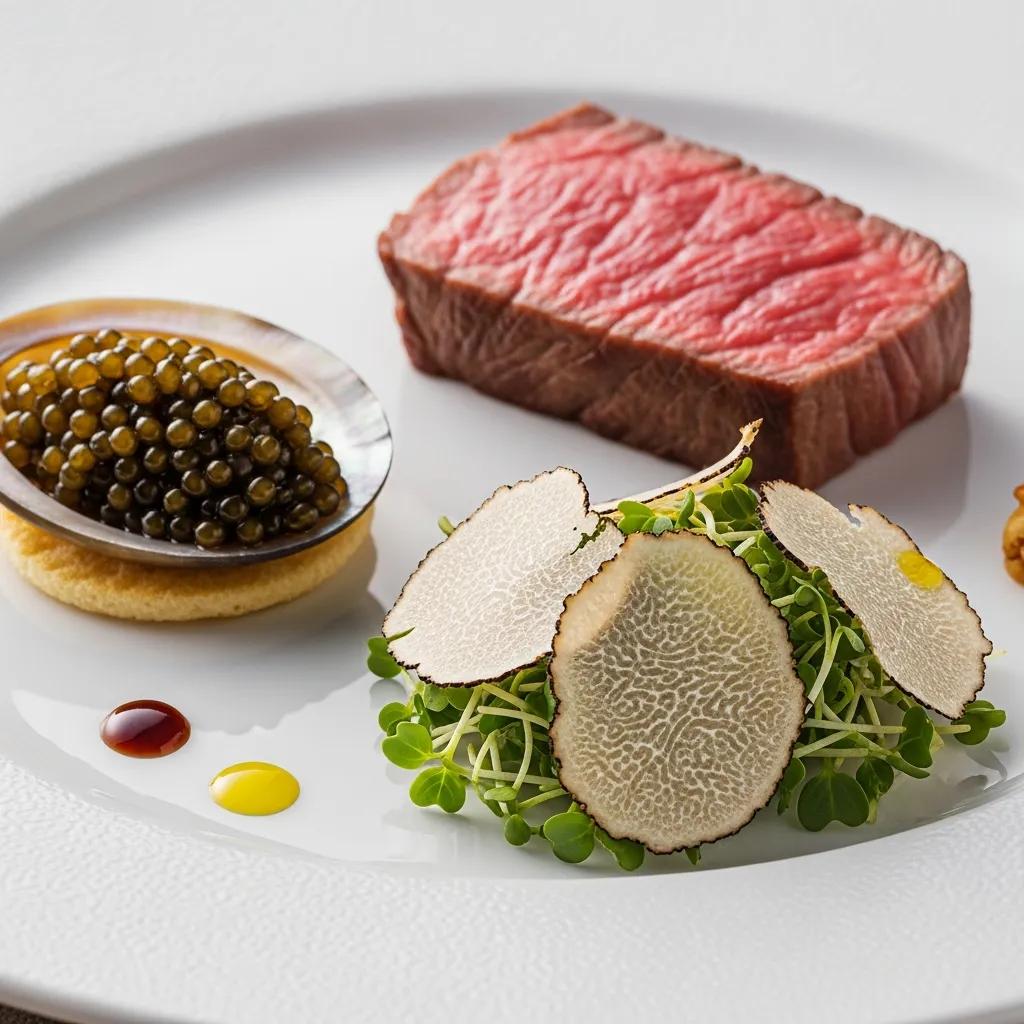
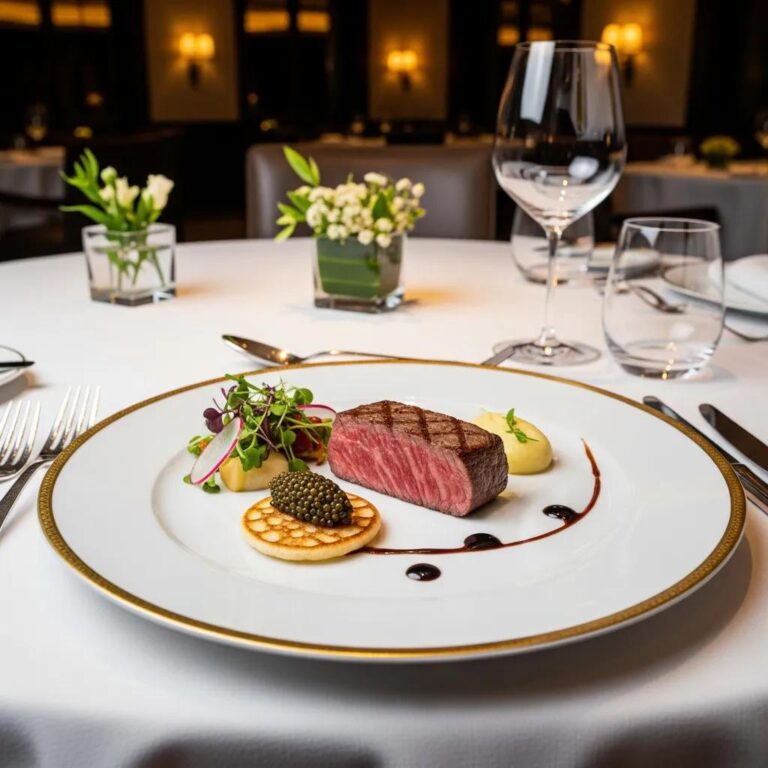
Signature luxury ingredients—A5 Wagyu, top‑grade caviar, and select truffles—serve as both taste highlights and signals of value. A5 Wagyu is prized for intense marbling and a buttery mouthfeel, typically shown as precisely seared slices or a brief‑grill course; Kaluga and similar caviars offer saline, nutty complexity best enjoyed chilled with minimal accoutrements; white truffles lend fleeting aromatic intensity when shaved over warm dishes. These items are chosen for flavor and their provenance story—grading and rarity become part of the menu narrative that justifies price and booking demand. If you seek these experiences, reserve early and expect concise presentations that let the ingredient speak.
The table below compares common premium hotel ingredients by origin, flavor profile, presentation, and rarity to clarify what sets each apart.
Knowing these attributes helps you read menus and set expectations for flavor intensity and course structure. The next section looks at how distinct dining concepts turn premium ingredients into full experiences.
How Do Unique Dining Concepts Enhance Hotel Restaurant Appeal?
Unique formats—rooftop tasting rooms, private chef’s tables, and chef‑counter omakase—turn premium ingredients into narrative experiences that attract both guests and traveling diners. Controlling context—lighting, music, pacing—lets a kitchen highlight aroma and texture; intimacy through chef interaction and limited seats increases perceived exclusivity. These concepts demand tight cross‑team coordination, but they deliver stronger PR and higher average checks. Independents can borrow elements of these formats, while hotels use them to create destination dining that complements stays and events.
Sensory Marketing in Fine Dining: How Taste and Ambience Create Luxury Experiences
An exploration of how taste, atmosphere, and sensory cues combine to shape lasting impressions in high‑end dining.
Where Are the Best Luxury Hotel Fine Dining Destinations by Region?
Luxury hotel dining concentrates in global cities where talent, supply chains, and affluent travel converge: think Tokyo, Paris, New York, London, and Hong Kong. Each place filters luxury through local culture—Tokyo prizes seasonal precision and omakase formality; Paris foregrounds classical technique and cellar depth; New York celebrates innovation and chef‑driven concepts. Knowing regional strengths helps you prioritize visits and match formats—omakase counter, formal dining room, or experimental tasting menu—to your culinary goals. The quick guide below summarizes notable cities, typical hotel signatures, and why they matter.
What Luxury Hotel Dining Experiences Are Must-Visits in Tokyo, Paris, and New York?
Target formats that showcase each city’s strengths. In Tokyo, seek kaiseki and counter omakase for seasonality and knife craft; in Paris, historic hotels pair haute cuisine with deep cellars and formal service; in New York, luxury hotels often host chef‑driven tasting menus that blend global technique with local sourcing. Choosing the right format—omakase counter, classic formal dining, or experimental tasting—helps you book the table that best matches your priorities. The table below offers quick planning examples.
These regional snapshots help you identify where to find the styles and ingredients you value most. Next we examine how local culture shapes luxury hotel dining in each region.
How Does Local Culture Influence Luxury Hotel Dining Worldwide?
Local culture shapes ingredient priorities, service norms, and meal rhythm, so luxury hotel dining reflects regional hospitality alongside global standards. In some places, ceremony and formality center pacing and protocol; in others, conversational service and chef interaction dominate. Coastal regions emphasize seafood; inland traditions favor preserved techniques and robust flavors. Understanding these cultural patterns helps you choose hotels and restaurants that match your desired mix of authenticity and upscale comfort.
How Can Independent Luxury Restaurants Rival Hotel Dining Experiences?
Independent fine‑dining venues can equal or surpass hotel restaurants by leaning into personalization, focused technical mastery, and rapid menu agility. Smaller seatings and chef interaction let independents offer bespoke menus and real‑time adjustments. Specialization—omakase counters or single‑ingredient showcases like A5 Wagyu and caviar flights—concentrates skill and consistency. With nimble operations, independents can deliver experiences that feel as curated and consequential as those in top hotels. Below are practical ways independents bridge the gap.
Independent restaurants achieve parity with hotel dining through several strategic advantages:
- Personalization: Limited seating and direct chef contact enable bespoke menus and on‑the‑spot adjustments.
- Technical Focus: Specialization (omakase, single‑ingredient mastery) concentrates expertise and consistency.
- Operational Agility: Flexible menus and rapid concept shifts keep offerings fresh and seasonally relevant.
These approaches show how independents can create experiences that feel as intentional and memorable as those in premier hotels. The next section highlights Japanese omakase as a model of luxury dining.
What Makes Japanese Fine Dining and Omakase Unique in the Luxury Segment?
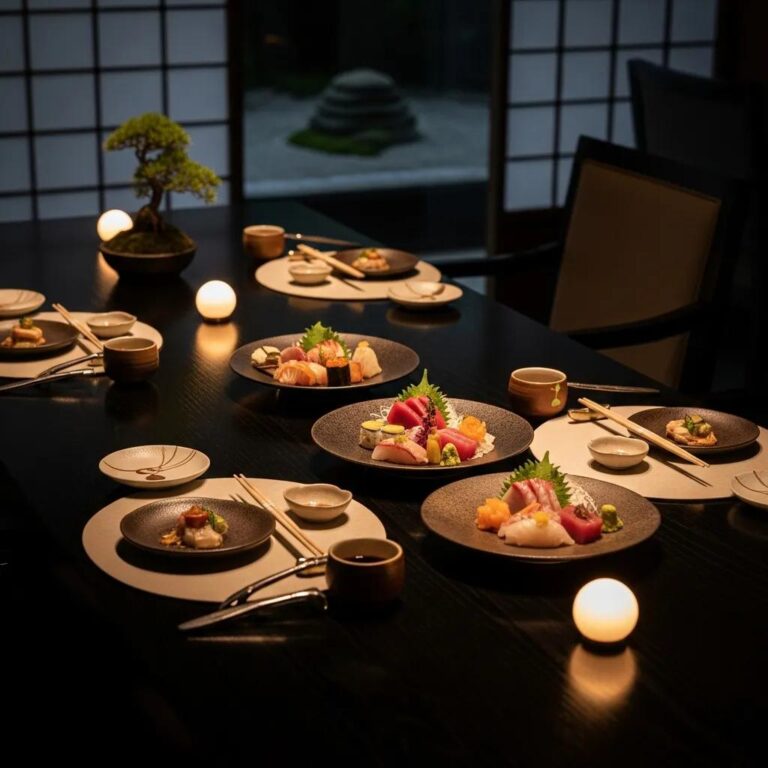
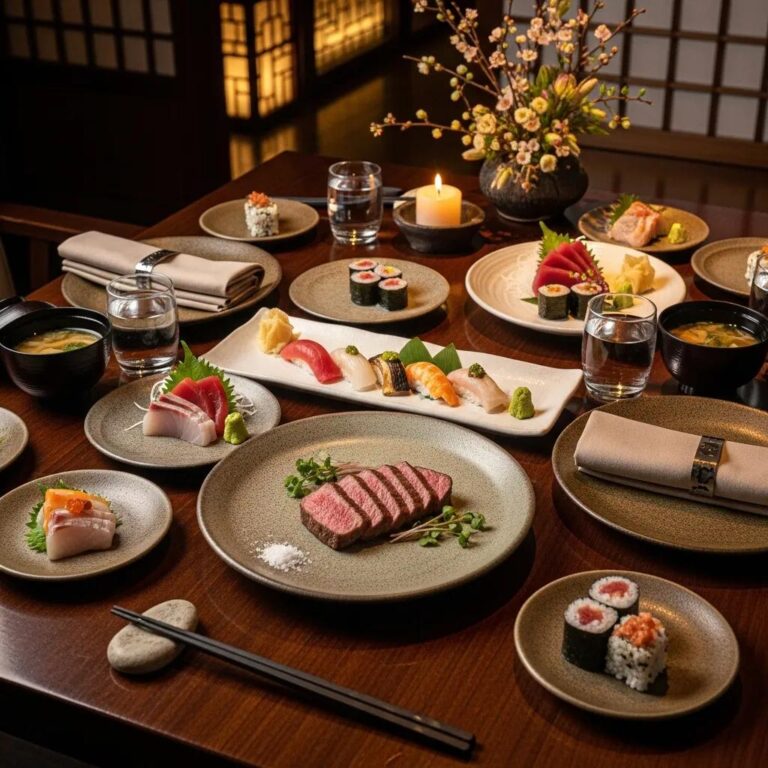
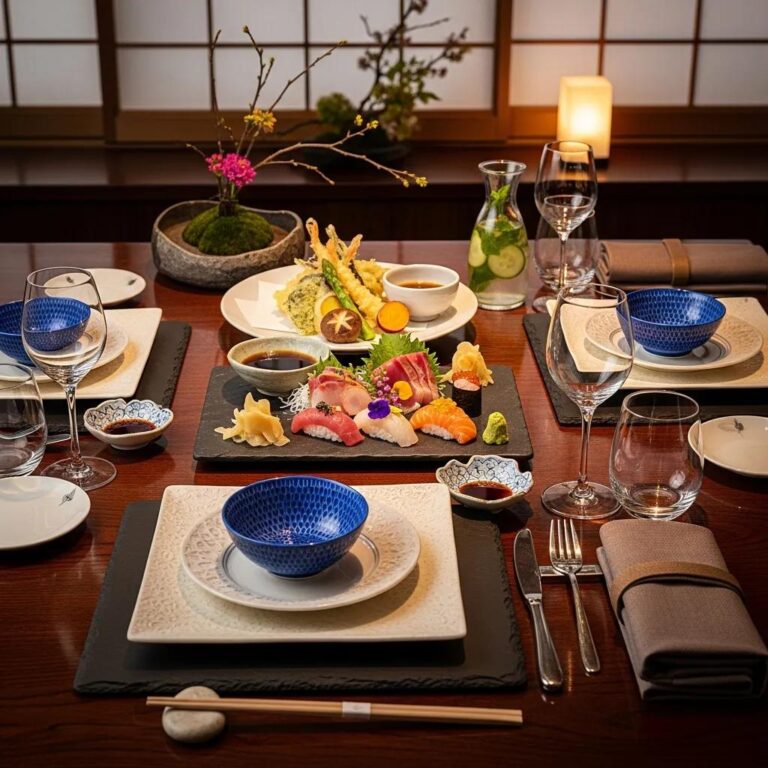
Japanese fine dining—and omakase in particular—relies on the chef’s authority to select and sequence dishes according to season and availability, producing a tightly narrated service rooted in freshness and restraint. The omakase rhythm—precise pacing, minimal garnishes, and direct chef dialogue—creates intimacy and trust; the menu becomes a live conversation about provenance and technique. Seasonal principles (shun) ensure each item arrives at peak flavor, and sushi’s economy of seasoning highlights texture, temperature, and subtle balance over heavy sauces. That discipline makes omakase a powerful luxury format focused on craft rather than spectacle.
How Do A5 Wagyu and Caviar Elevate Independent Luxury Dining?
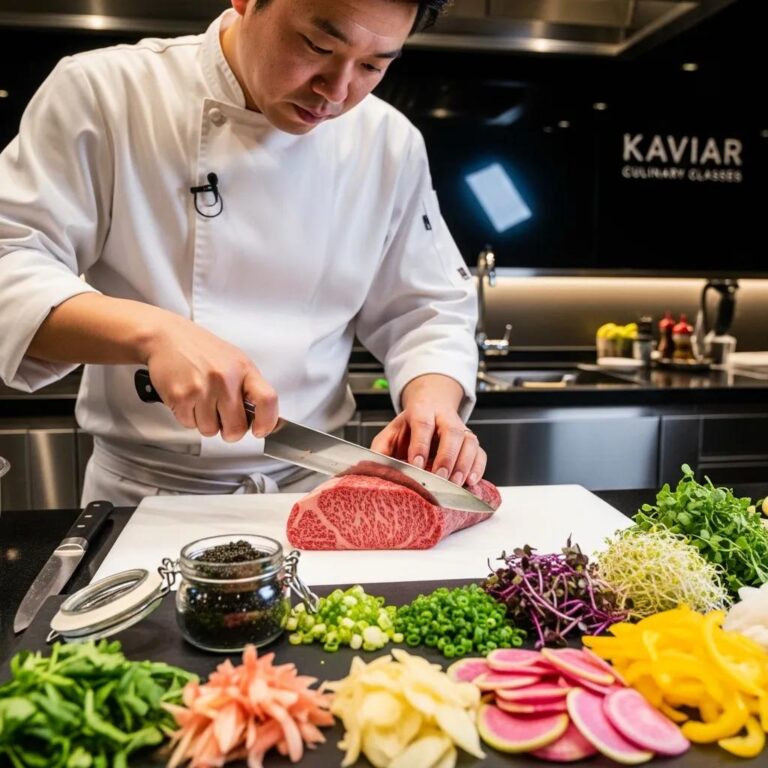
A5 Wagyu and premium caviar act as both sensory anchors and status markers on independent menus when handled with restraint and precision. A5 Wagyu’s intense marbling gives a velvety texture and deep umami; chefs typically serve it as thin seared slices or a brief‑grill to preserve fat nuance. Caviar—Kaluga and similar varieties—brings saline, nutty notes best served chilled with simple accompaniments so the texture and flavor remain central. These ingredients drive reservation demand, support higher price‑per‑seat economics, and pair naturally with concise tasting menus that emphasize origin and technique.
Below is a concise EAV table comparing A5 Wagyu and caviar attributes to clarify their culinary roles.
For diners seeking hotel‑level luxury outside a hotel, independents that specialize in omakase, A5 Wagyu, or caviar tastings can offer highly focused and unforgettable meals.
To see these principles in a local setting, consider Kaviar Restaurant in Pasadena. Kaviar presents elevated Japanese dining centered on omakase, A5 Wagyu, and select caviars like Kaluga, with sushi and sashimi served in chef‑curated tasting menus within a refined, intimate atmosphere. For Pasadena diners, Kaviar is an example of how specialist technique and premium ingredients can deliver hotel‑caliber dining outside a hotel.
How to Book and Experience the Best Luxury Hotel Dining Worldwide?
Securing and enjoying top hotel restaurants takes planning: allow lead time, understand deposit and cancellation policies, and prepare for the service format so you can fully engage with the menu. Michelin‑level venues often require reservations weeks or months ahead; concierge services and booking platforms can help access peak times. Noting dietary needs, arrival timing, and pairing preferences in advance lets the team tailor the experience. The next section outlines practical reservation strategies and compares common booking channels.
What Are the Best Practices for Reserving Tables at Top Hotel Restaurants?
To land sought‑after tables, follow a simple playbook: fix your preferred dates and times early, monitor platform availability, and use the hotel concierge for hard‑to‑reach bookings. Be prepared to provide deposits or credit card guarantees when requested. Staying at the hotel or joining loyalty programs can improve access; midweek or earlier seatings are often easier to secure. When booking by phone or platform, confirm cancellation policies and any deposit rules; share dietary notes and arrival details in advance to enhance the experience. For local fine‑dining like Kaviar Restaurant, reservations can be made by phone or via Resy and OpenTable—calling directly at `(626) 605-0330` will clarify deposits and special requests for omakase or A5 Wagyu courses.
Use this table to compare common reservation channels and pick the best route for your plans.
How Do Luxury Hotels Ensure an Immersive Culinary Journey?
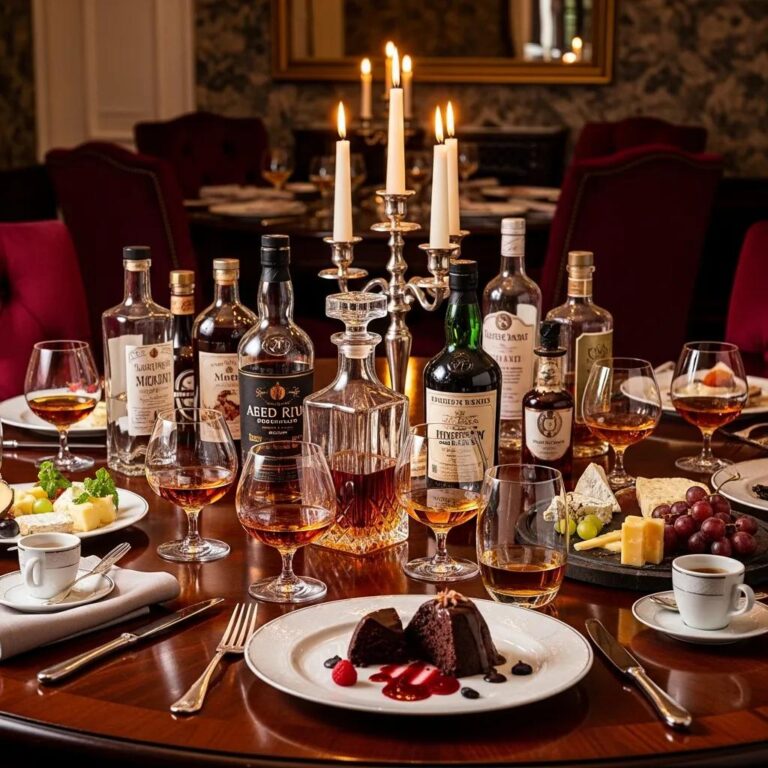
Luxury hotels craft immersion by aligning multi‑sensory details—timed courses, curated music, lighting, and plated storytelling—so each course builds on the last and reinforces the menu’s narrative. Service choreography times staff movement to preserve dish temperature and presentation, while sommelier pairings shape flavor progression. Post‑dining touches—digestifs, parting notes, or small keepsakes—extend the memory of the meal. As a guest, asking thoughtful questions and trusting the pacing helps you engage fully with the experience.
For local visitors seeking the same orchestration, Kaviar Restaurant in Pasadena offers chef‑curated tasting menus and an attentive ambiance that mirrors the ingredient focus and service choreography found in many hotel restaurants. Reservations and special requests for omakase, A5 Wagyu, or caviar preparations are accepted by phone and common platforms; calling `(626) 605-0330` will connect you to seating and menu guidance.
Frequently Asked Questions
What should I consider when choosing a luxury hotel restaurant?
Look at the restaurant’s culinary style, the chef’s reputation, and the dining format—tasting menu, omakase counter, or formal dining room. Check for premium ingredients and unique concepts, plus awards like Michelin stars as indicators of quality. Also consider location, accessibility, and whether the restaurant can accommodate dietary needs so your experience is seamless.
How can I enhance my dining experience at a luxury hotel restaurant?
Engage with the staff—ask about sourcing and the chef’s intentions. Choose a tasting menu to see the kitchen’s range, and accept sommelier recommendations to deepen the meal. Arrive open to new flavors and take your time; curiosity and a relaxed pace often reveal the meal’s best moments.
What are the typical price ranges for dining at Michelin-star hotel restaurants?
Prices vary widely, typically ranging from about $100 to well over $500 per person depending on prestige, location, and menu. Tasting menus and extensive pairings usually command the higher end of that spectrum. Check a restaurant’s website or contact them directly for current pricing and any additional fees.
Are there any dress codes for luxury hotel dining?
Many luxury hotel restaurants encourage smart casual to formal attire to maintain an elevated atmosphere. Specific requirements vary by venue and time of day—check the restaurant’s website or call ahead if you’re unsure, especially for evening service or special events.
How do I find out about seasonal menus or special events at hotel restaurants?
Subscribe to newsletters and follow restaurants on social media for announcements about seasonal menus, chef collaborations, and special tastings. Websites often list upcoming events, and staff can share insider details during a visit or over the phone.
What are some common mistakes to avoid when dining at luxury hotel restaurants?
Avoid waiting until the last minute to book, and be sure to communicate dietary restrictions ahead of time. Don’t rush the meal—savor pacing and course progression—and be mindful of the service style so you can engage appropriately with the team and the food.
Conclusion
Luxury hotel dining blends exceptional ingredients, precise service, and purposeful design to turn a meal into a lasting memory. By recognizing the core elements that define these experiences, you can choose restaurants that match your tastes and expectations. Whether you’re planning a special trip or searching locally for elevated dining, exploring top hotel restaurants and specialist independents opens the door to unforgettable meals. Begin your culinary journey by exploring our curated selections of the world’s best luxury hotel dining experiences.