




The Craft of Tasting Menus: Inside Kaviar’s Omakase and Luxury Dining in Pasadena
A tasting menu distills a chef’s technique, seasonality, and story into a sequence of small, deliberate courses that emphasize texture, aroma and balance. Omakase amplifies that idea by entrusting the menu’s selection and pacing entirely to the chef. This article clarifies what a tasting menu is, how omakase contrasts with à la carte service, and why tasting menus create a single, coherent sensory journey for guests seeking elevated Japanese dining in Pasadena. You’ll find typical course structures, what to expect from premium ingredients like Miyazaki A5 Wagyu and caviar, plus practical pairing suggestions for sake, wine, and non‑alcoholic alternatives. We also explain how a curated omakase is composed, dive into luxury ingredients, and offer tips for reserving and preparing for your tasting at Kaviar. Along the way, clear lists and comparison notes help you decide quickly and confidently.
What Is a Tasting Menu and How Does Omakase Shape the Culinary Journey?
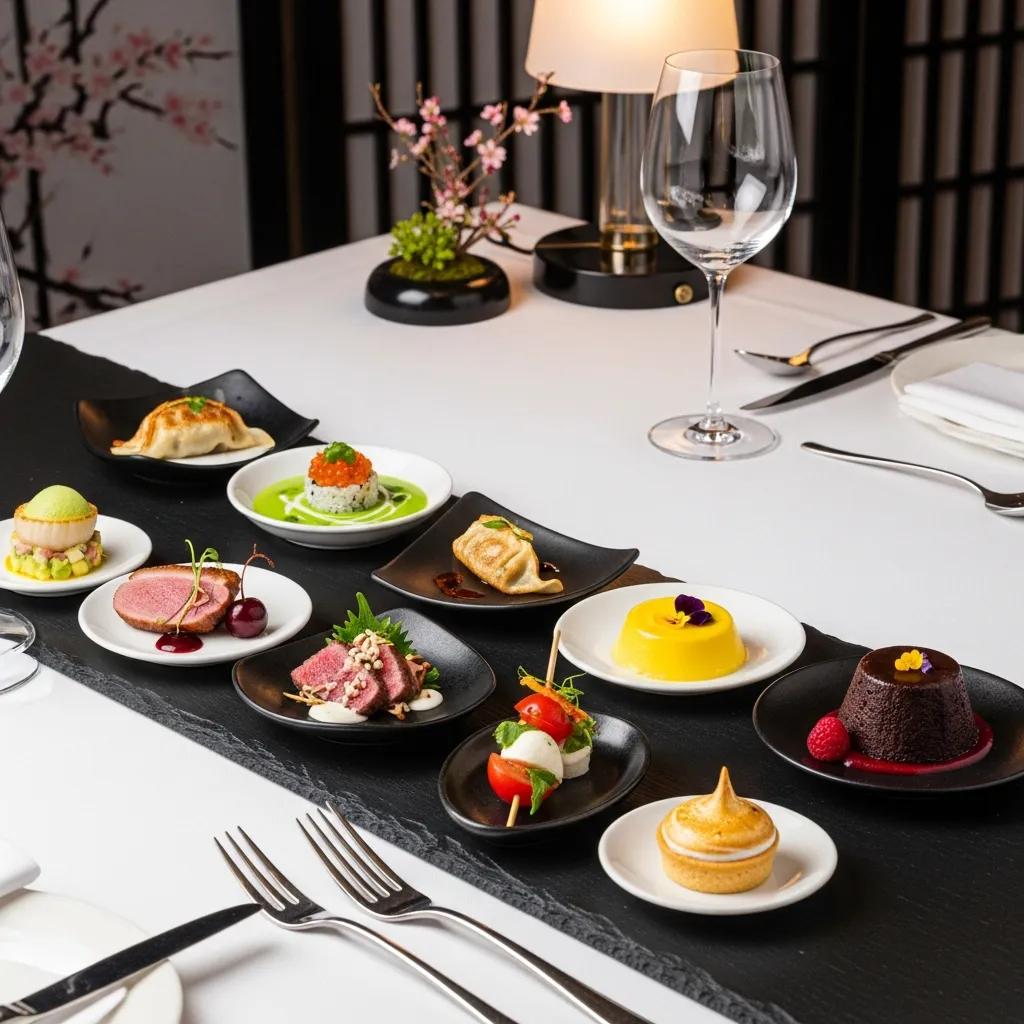
A tasting menu is a carefully arranged multi-course meal that tells a chef’s culinary narrative through sequenced portions—each one chosen to balance contrast and progression so flavor and texture unfold across the whole experience. Omakase—literally “I leave it to you”—is the chef‑directed version of that format. The chef controls selection, pacing and occasional improvisation based on seasonality and expertise, creating a conversation between kitchen and guest. This method prioritizes freshness, order and portion control so each course prepares the palate for what follows.
Recognizing these mechanics helps diners appreciate why tasting menus feel deliberate and unified, rather than a set of disconnected dishes.
Tasting menus generally move from subtle to more robust flavors. That progression informs course counts and pacing; the next section contrasts this chef‑led model with conventional à la carte choices and shows how sequencing shapes the dining rhythm.
What Makes Omakase Different from À La Carte and Traditional Menus?
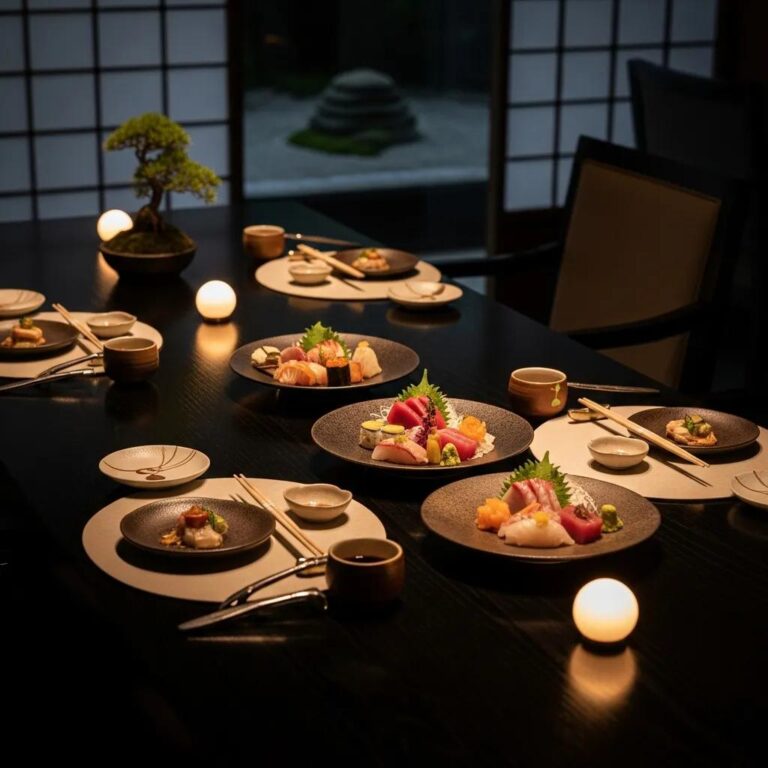
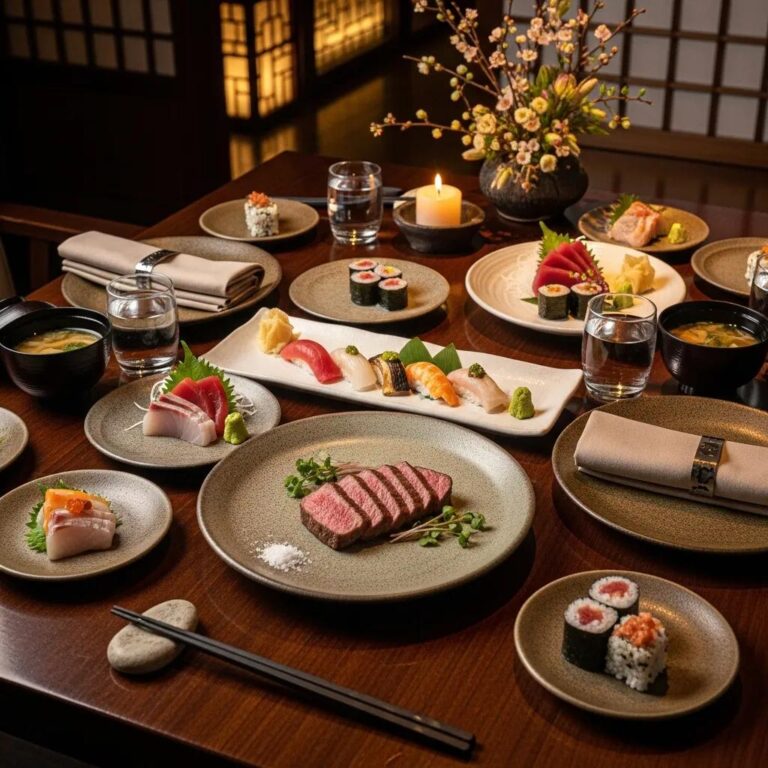
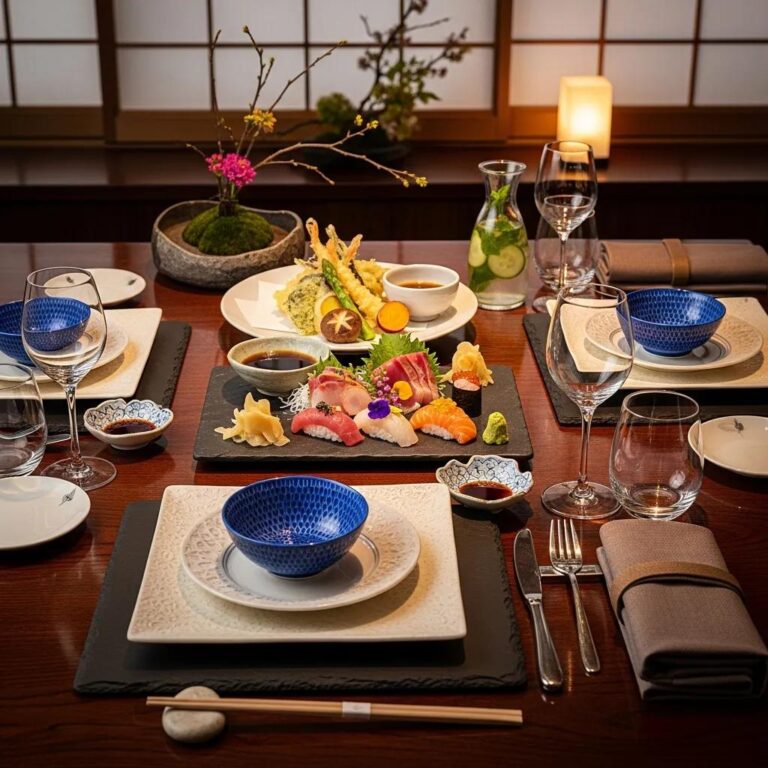
Omakase hands curatorial authority to the chef. Instead of choosing dishes from a menu, diners receive a composed sequence driven by seasonal availability, ingredient quality and the tempo of service. An omakase typically opens with delicate, chilled bites, progresses through sashimi and sushi, and arrives at a richer protein course—each step designed to create intentional contrasts and cumulative development. Service under omakase is measured: bite‑sized portions, thoughtful timing, and often direct interaction with the chef or specialized serviceware. That hands‑on curation builds a sense of discovery and trust that differs from the more transactional, consumer‑driven à la carte experience.
Because omakase depends on seasonality and spontaneity, course counts and specific elements can vary from one service to the next; the following section outlines typical course ranges and how portioning shapes perception.
How Many Courses Are Typical in a Japanese Fine Dining Tasting Menu?
Japanese fine dining tasting menus commonly span roughly eight to sixteen courses, with variations based on occasion, seasonality and how much chef interaction guests want. Shorter menus (8–10 courses) keep a tight narrative—often appetizer, sashimi, sushi, one or two cooked items, and dessert—while extended omakase (12–16 courses) adds palate cleansers, seasonal interludes and extra sushi pieces to build complexity. Course count depends on ingredient availability, portion sizes and whether a dedicated wagyu or caviar course is included; careful pacing and portion control ensure the meal feels balanced and leaves room for every highlight. Knowing these norms helps you choose the right menu for appetite and expectations.
How Does Kaviar Restaurant Craft Its Signature Omakase Experience in Pasadena?
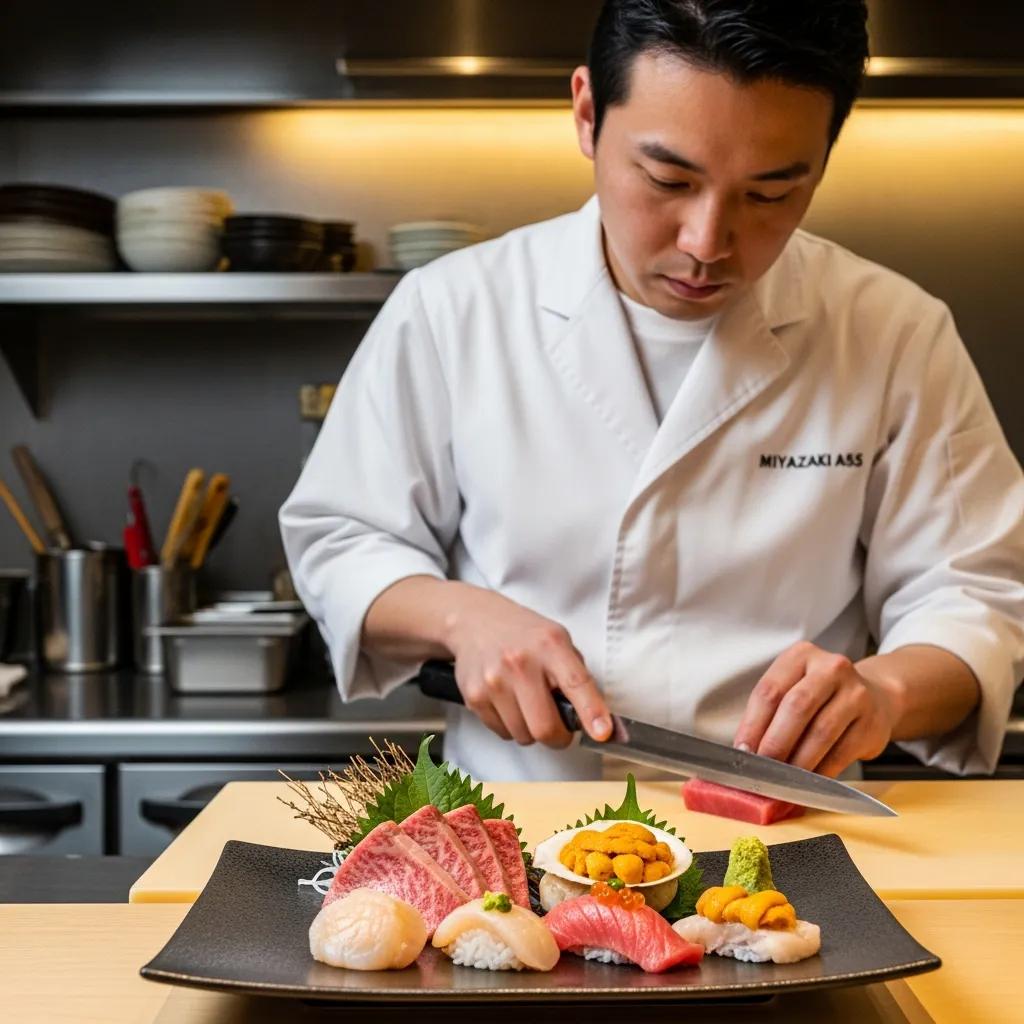
At Kaviar, our omakase centers on seasonal sourcing, precise presentation and a chef‑led sequence that blends Japanese technique with luxury ingredients. We place premium components—like Miyazaki A5 Wagyu and a considered caviar service—within an intentionally paced tasting that balances raw seafood, cooked items and a signature protein course to reach a satisfying crescendo. Service choreography emphasizes timing and sensory contrast so textures and temperatures reveal themselves progressively, deepening the tasting and highlighting each ingredient’s provenance.
Kaviar’s omakase is best experienced by reservation, since the format relies on planned sourcing and a set service flow; guests may reserve or preview the menu through our reservation and menu channels to confirm availability. If you’re planning a visit, the next subsection outlines the chef’s role and culinary philosophy behind this sequence.
Who Is the Omakase Chef Behind Kaviar’s Culinary Journey?
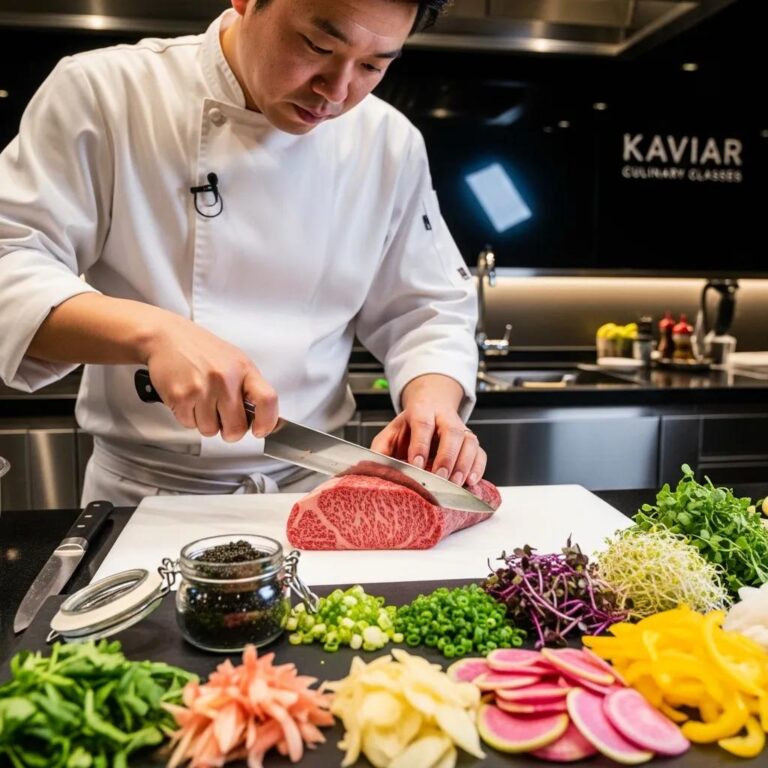
Our omakase chef curates the tasting by choosing seasonal fish, mapping course order and adjusting technique to bring each ingredient to its peak. Rooted in Japanese discipline and refined plating, the chef’s approach blends Edomae respect for seafood with selective luxury inclusions so every dish contributes to a cohesive sensory story. Classical training informs knife work, rice seasoning and doneness, allowing us to introduce wagyu or caviar thoughtfully without disrupting the sequence. The chef’s choices for temperature, texture and seasoning ensure each course primes the palate for the next.
This chef‑driven narrative depends on seasonal sourcing—details covered in the next subsection and useful when booking an omakase.
What Seasonal Ingredients Define Kaviar’s Omakase Menu?
Kaviar’s omakase rotates around seasonal seafood—sashimi‑grade fish, uni when available and other market selections—paired with seasonal produce and carefully chosen premium proteins like Miyazaki A5 Wagyu and curated caviar services. Seasonality shapes not only flavor but technique: lighter, briny items appear early to awaken the palate, while richer proteins and warm courses close the main sequence. We balance local and imported sourcing to preserve authenticity and ensure consistent access to top ingredients; the chef adjusts progression to showcase peak‑season items while keeping the arc coherent.
This seasonal rotation keeps each omakase dynamic and encourages repeat visits to discover new variations.
Why Is A5 Wagyu Central to the Luxury Tasting Menu at Kaviar?
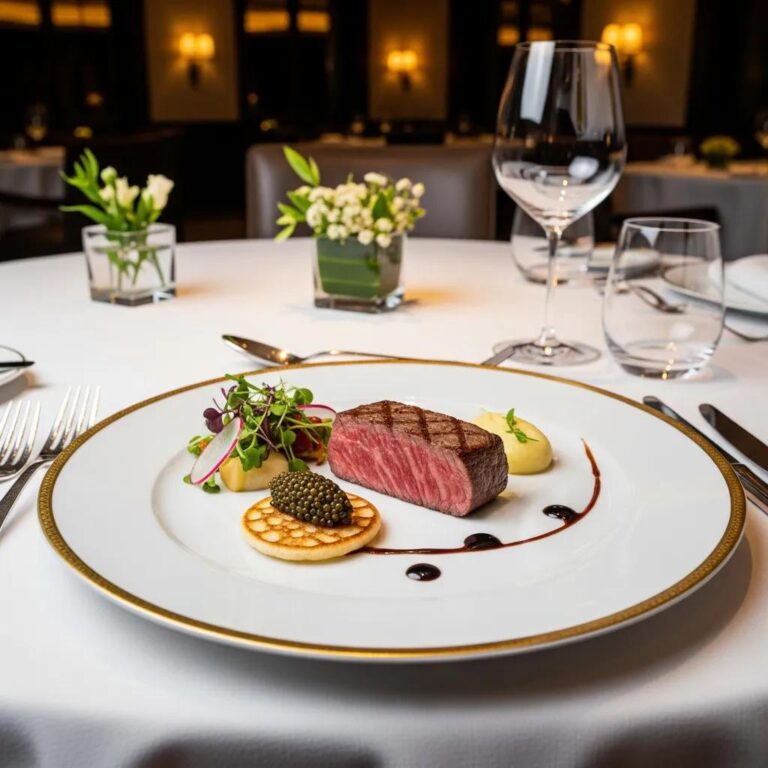
A5 Wagyu plays a pivotal role in luxury tasting menus because its intense marbling, deep umami and melt‑in‑the‑mouth texture create a memorable counterpoint to earlier, lighter courses and provide a rich, savory climax that showcases technique and provenance. The A5 grade indicates the highest quality under Japanese standards—pronounced marbling and a buttery mouthfeel—so featuring Miyazaki A5 Wagyu elevates the perceived luxury and marks a distinct flavor arrival within the sequence.
Preparing A5 Wagyu for a tasting requires restraint and precision so the fat renders properly and the texture remains central; pairing decisions then lean toward acidity or minerality to cleanse the palate and restore balance.
Below is a concise comparison to help guests understand common Miyazaki A5 presentations and suggested pairings when encountering such courses in a tasting menu.
This simple comparison shows why Miyazaki A5 often anchors a tasting menu: its texture and fat content create a luxurious contrast that completes the tasting arc and invites deliberate pairings. The next subsection lists signature dish formats and pairing principles commonly used for wagyu courses.
Where Does Kaviar Source Its Miyazaki A5 Wagyu and What Makes It Special?
Kaviar features Miyazaki A5 Wagyu as a provenance‑forward ingredient prized for exceptional marbling and savory depth, sourcing this beef to ensure a standout course in our tasting. Miyazaki A5’s rearing methods and grading produce unmatched fat distribution that melts at low temperatures, giving a velvety texture and concentrated umami that withstands minimal seasoning. Our chef treats the Wagyu with care—short sears or chilled preparations preserve the fat’s delicate melt and let natural flavors shine.
Because this ingredient functions as an experiential centerpiece, we typically schedule it later in the tasting to create a true sense of arrival.
The following subsection outlines signature presentations and beverage or condiment pairings that best complement its profile.
What Are the Signature A5 Wagyu Dishes and How Should They Be Paired?
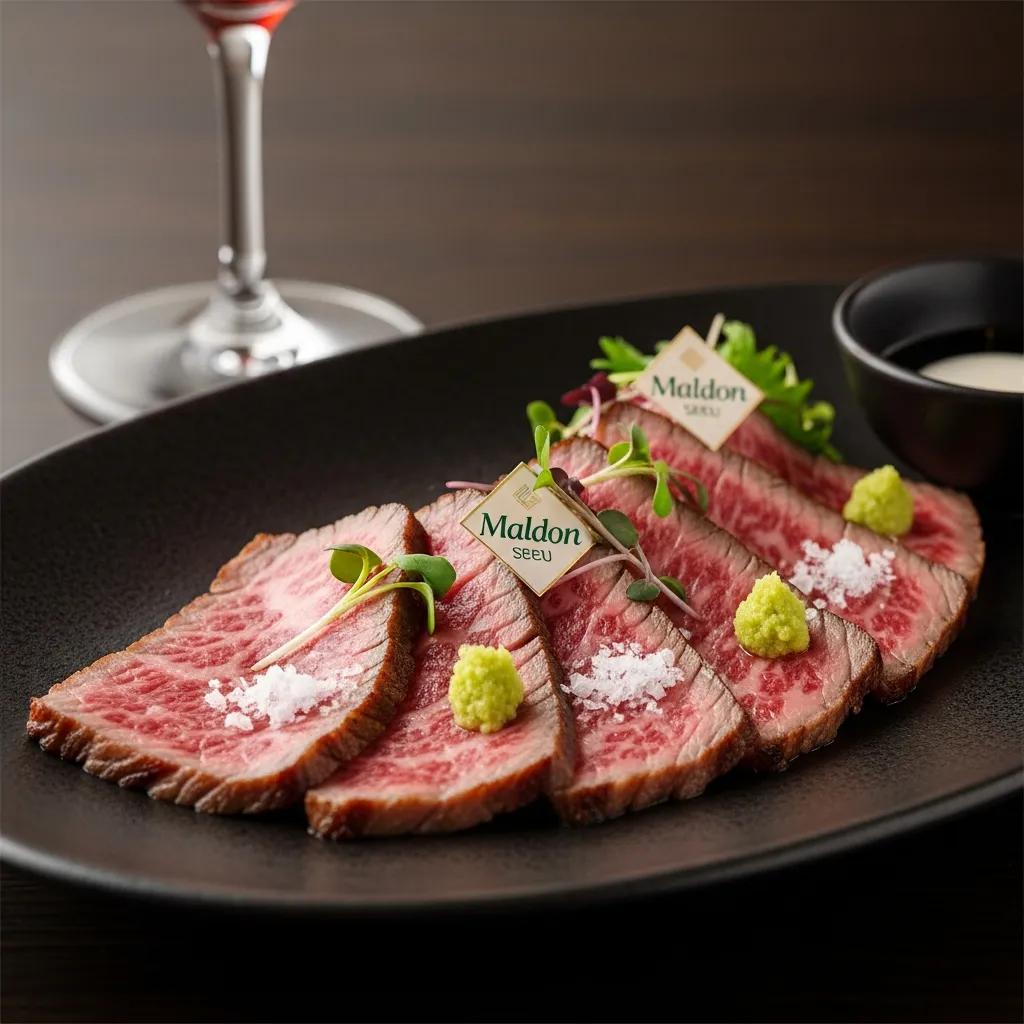
Signature A5 Wagyu preparations at Kaviar include thinly seared slices, delicate tataki with citrus highlights, and restrained tartare that lets fat and umami speak for themselves. Serving notes stress temperature control and precise portions—small, exact pieces offer richness without overwhelming the palate—while a light sprinkling of sea salt, yuzu kosho, or a minimal soy glaze enhances rather than conceals the beef’s character. Pairings favor acidity and effervescence to balance fat: a clean junmai sake, a light red with lively acidity, or a quality sparkling wine are excellent choices. For non‑alcoholic options, a bright, lightly acidic tea or a citrus‑forward mocktail refreshes the palate between courses.
- Thin‑seared slices: Serve warm with a subtle citrus finishing sauce.
- Tataki: Flash‑seared, chilled and accented with kosho or ponzu.
- Tartare: Finely minced with restrained seasoning to emphasize texture.
These formats show how precise technique and small portions allow Miyazaki A5 to provide a dramatic, refined peak in a tasting menu. The next major section turns to caviar and how we integrate it as an accent.
How Is Caviar Served and Celebrated in Kaviar’s Fine Dining Experience?
Caviar holds a special place in luxury tasting menus as a textural and saline accent that adds glossy umami. At Kaviar, our caviar service uses restrained accompaniments—think blini, a touch of crème fraîche, or simple chilled vesicles—that highlight the roe’s brininess and delicate pop. We serve it simply so the flavor and texture remain the focus, and we consider pairing elements that support rather than compete with the roe.
Frequently Asked Questions
What Should I Expect During an Omakase Experience at Kaviar Restaurant?
Expect a thoughtfully curated sequence of dishes that highlights seasonality and the chef’s craft. Each course is meant to build on the last, creating a cohesive narrative of flavor, texture and presentation. The chef will often introduce dishes and explain their inspiration and techniques, making the meal both interactive and educational. Overall, omakase at Kaviar is designed to reveal new flavors in an intimate, refined setting.
How Can I Prepare for My Visit to Kaviar Restaurant?
Reserve in advance—our omakase services fill quickly. Let us know any dietary restrictions or preferences when you book so we can tailor the tasting. Arrive on time: the meal’s pacing is orchestrated and timing matters. Come ready to try new combinations—the omakase format rewards openness to seasonal ingredients and thoughtful technique.
Are There Vegetarian or Vegan Options Available in Omakase?
While traditional omakase centers on seafood and meat, we can prepare vegetarian or vegan tasting menus upon request. Tell us your dietary needs when you reserve and our chef will design a seasonal, plant‑forward sequence that honors the omakase spirit—creativity, balance and peak ingredients. Please confirm availability in advance.
What Beverages Pair Well with a Tasting Menu?
Beverage pairings enhance the tasting. At Kaviar, sake is a natural match—ranging from crisp junmai to more complex aged varieties depending on the course. Light, acidic wines also pair well, and sparkling options help cut fat. For non‑alcoholic choices, herbal or lightly acidic teas and citrus‑forward mocktails refresh the palate between courses. We’re happy to recommend pairings when you reserve.
How Often Does Kaviar Change Its Omakase Menu?
We update our omakase frequently to reflect seasonal availability and market quality. This keeps the experience fresh—regular guests will often find new dishes on return visits. Our commitment to peak ingredients means the menu evolves whenever the season or market suggests a better option.
Is There a Dress Code for Dining at Kaviar Restaurant?
We suggest smart casual attire—elegant but comfortable. There’s no strict formal requirement, but avoid overly casual items like shorts or flip‑flops. Dressing thoughtfully complements the dining experience and the restaurant’s refined atmosphere. When in doubt, business casual is a good choice.
Conclusion
A curated omakase at Kaviar offers a measured journey through seasonal ingredients and skilled technique, designed to leave a lasting impression. Each tasting menu highlights the chef’s craft and the provenance of premium ingredients—like Miyazaki A5 Wagyu and select caviar—within a cohesive progression of flavors. Reserve your seat to experience this layered, sensory meal and discover how thoughtful pacing, pairing and presentation elevate every bite. Explore our full offerings and plan your next dining experience with us.