




Gin & Tonic: Origins, Evolution, and Cultural Legacy
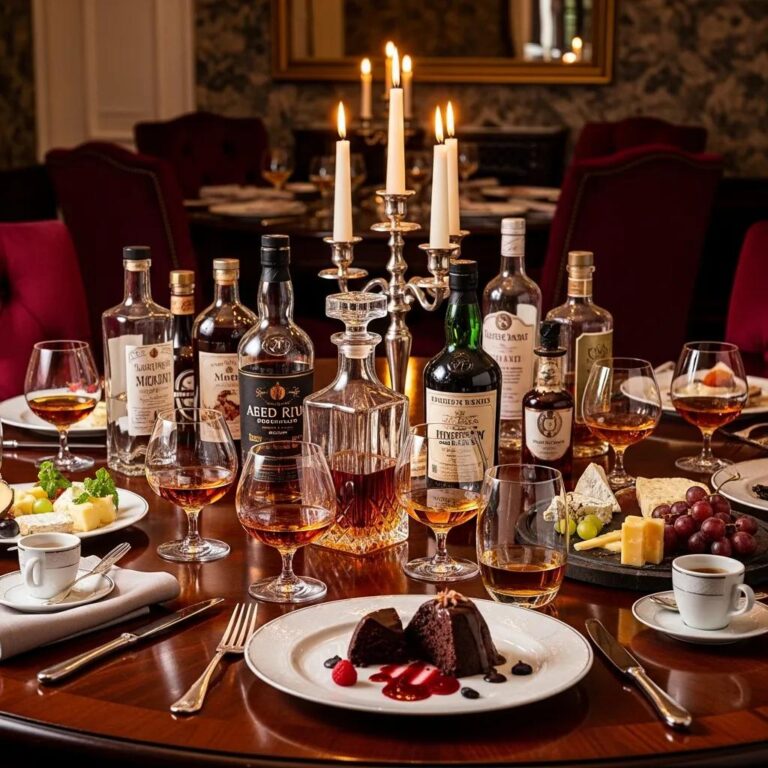
At first sip the gin and tonic seems effortless: juniper-led spirit meeting quinine‑tinted soda. Behind that simplicity lies a rich story — tonic water’s medicinal roots, gin’s descent from Dutch jenever, and colonial practices that turned a bitter anti‑malarial into an international refreshment. This piece traces that arc, explains why serving styles like Spain’s Gin Tónica matter, and shows how today’s craft gins and artisanal tonics shape modern pairing. Along the way we highlight why this classic matters for fine dining and how you can taste thoughtfully paired gins and tonics in Pasadena at Kaviar Restaurant.
What Are the Medicinal Origins of Gin and Its Early Uses?
Gin began not as a cocktail but as a juniper‑flavored distilled spirit with claims of health benefits. Early distillers and apothecaries blended juniper and other botanicals into spirits promoted for digestion and minor ailments. Juniper berries were prized for antiseptic and diuretic properties, and jenever — a malt‑based spirit from the Low Countries — functioned as both remedy and drink. As distillation improved, clearer, higher‑proof spirits moved from the apothecary counter into taverns, a shift that helped trigger social phenomena such as the English Gin Craze and later regulatory responses.
How Did Jenever Influence the Birth of Gin?
Jenever — the malt‑wine spirit of the Netherlands and Belgium — is the direct ancestor of modern gin and established the practice of centering juniper in distilled drinks. Distillers started with a malt base, macerated juniper and other botanicals, and refined pot‑distillation techniques that English producers later adapted. Those adaptations led to styles we now recognize, from London Dry to Old Tom. Tracing jenever’s methods clarifies why juniper remains gin’s defining note and how botanical choices trace back to medicinal origins.
What Was the Gin Craze and Its Impact on English Society?
The Gin Craze of the 18th century saw cheap spirits flood English cities, dramatically raising consumption and provoking social alarm. Urban growth and loose regulation let low‑cost gin displace traditional beverages, contributing to public‑health and social problems that prompted a succession of Gin Acts and tax measures. Historians view the Craze as pivotal: it reframed distilled spirits from a medicinal commodity to a social challenge, and the regulatory aftermath helped shape production standards and marketing practices for higher‑quality spirits.
That historical backdrop leads naturally into how quinine and tonic water became part of colonial medicine.
How Did Quinine and Tonic Water Develop as a Malaria Remedy?
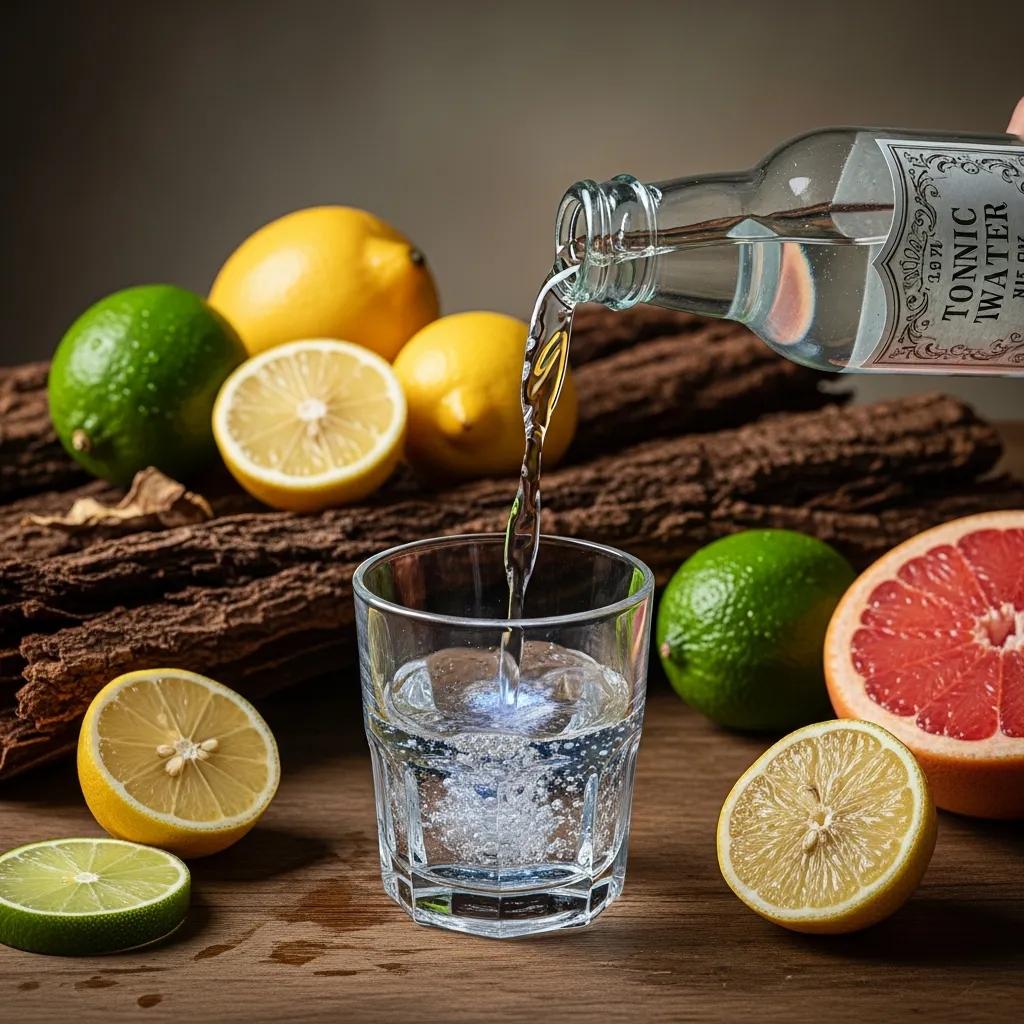
Quinine, the active alkaloid from Cinchona bark, became a key tool against malaria in colonial regions. In raw form it’s intensely bitter, so caregivers mixed quinine into carbonated water with sugar and citrus to make doses tolerable. That practical fix — quinine plus soda plus sweetener — created tonic water’s sensory template and helped the medicine cross from field hospitals into social settings carried by travelers and military officers.
Quinine — history, medical use, and the origins of tonic water
A concise overview of how quinine’s discovery and application led to tonic water as a palatable anti‑malarial — a chapter tracing the compound’s medical importance and cultural afterlife.
Quinine, O Kayser, 2024
What Is Quinine and How Is It Derived from the Cinchona Tree?
Quinine is an alkaloid extracted from the bark of Cinchona trees native to South America and later cultivated in colonial plantations. It works against malaria by disrupting the parasite’s digestion of hemoglobin. Historically, bark was macerated and processed to isolate the active compound, producing a bitter powder used in pills or dissolved forms. That botanical origin explains why tonic water retained a medicinal label long after it moved into everyday drinking.
How Was Tonic Water Used to Combat Malaria in British India?
In British India, soldiers and medical officers dissolved quinine in soda water with sugar and often added citrus to mask bitterness and supply vitamin C. The recipe — carbonation, sweetener, and citrus — was both functional and refreshing in a hot climate, and it became routine among troops and expatriates. Portable and shelf‑stable preparations spread back to Britain, where tonic began to appear as a mixer rather than solely a medicine.
This list outlines the simple components historically used to make quinine palatable.
- Carbonation: Soda water diluted quinine and created a thirst‑quenching base.
- Sweetener: Sugar or syrups softened bitterness for regular use.
- Citrus: Lime or lemon added acidity and improved flavor.
How Was the Gin and Tonic Cocktail Invented in British Colonial India?
British officers mixed quinine‑containing tonic water with gin, sugar, and lime to make anti‑malarial doses more palatable — and in the process turned a daily health measure into a convivial ritual. Nineteenth‑century military accounts record these mixed preparations, which moved from barracks into drawing rooms as returning officers and travelers carried the practice home. Over time the combination standardized into recipes and drinking conventions that spread across the empire and beyond.
How Did British Officers Make Quinine More Palatable with Gin and Lime?
Officers typically dissolved quinine powder or used early tonic syrups in soda water, added a measure of gin, a touch of sugar, and a wedge of lime. The spirit’s juniper and citrus aromatics helped bridge the tonic’s bitterness while the lime’s acidity smoothed the mouthfeel, creating a balanced, refreshing drink suitable for tropical climates. That simple sensory logic — sweetness and acid to suppress bitterness, aromatics to lift flavor — explains the combination’s lasting appeal.
When Was the First Recorded Mention of the Gin and Tonic?
References to mixed gin and tonic practices appear in 19th‑century colonial periodicals and manuals, with several mid‑1800s mentions tied to British India. Early descriptions frame the drink as both preventive and convivial, and as language shifted from clinical to culinary, the gin and tonic became a normalized social beverage in Britain and across the empire.
That invention story leads into how personalities and serving styles reshaped the drink’s cultural meaning.
How Has the Gin and Tonic Evolved from Medicine to a Global Classic?
The gin and tonic moved from pragmatic anti‑malarial to symbol of leisure and refinement as distillation improved, commercial tonics standardized flavor, and presentation evolved. Regional trends — notably Spain’s Gin Tónica with its large copa glasses, oversized ice, and elaborate garnishes — emphasized aromatics and slow sipping. Today the G&T is a platform for craft distillers and bartenders to highlight provenance, botanical nuance, and visual drama, mirroring broader premiumization in beverage culture.
What Role Did Winston Churchill Play in Popularizing the Gin and Tonic?
Winston Churchill’s public image and known taste for spirits added to the cultural cachet of British drinking traditions, though it’s an oversimplification to credit any single figure with creating a trend. Churchill’s example helped associate gin with a cosmopolitan, resilient persona, but the gin and tonic’s rise reflects broader social and production changes rather than the influence of one person alone.
What Is the Spanish ‘Gin Tonica’ Style and Its Influence on Modern Trends?
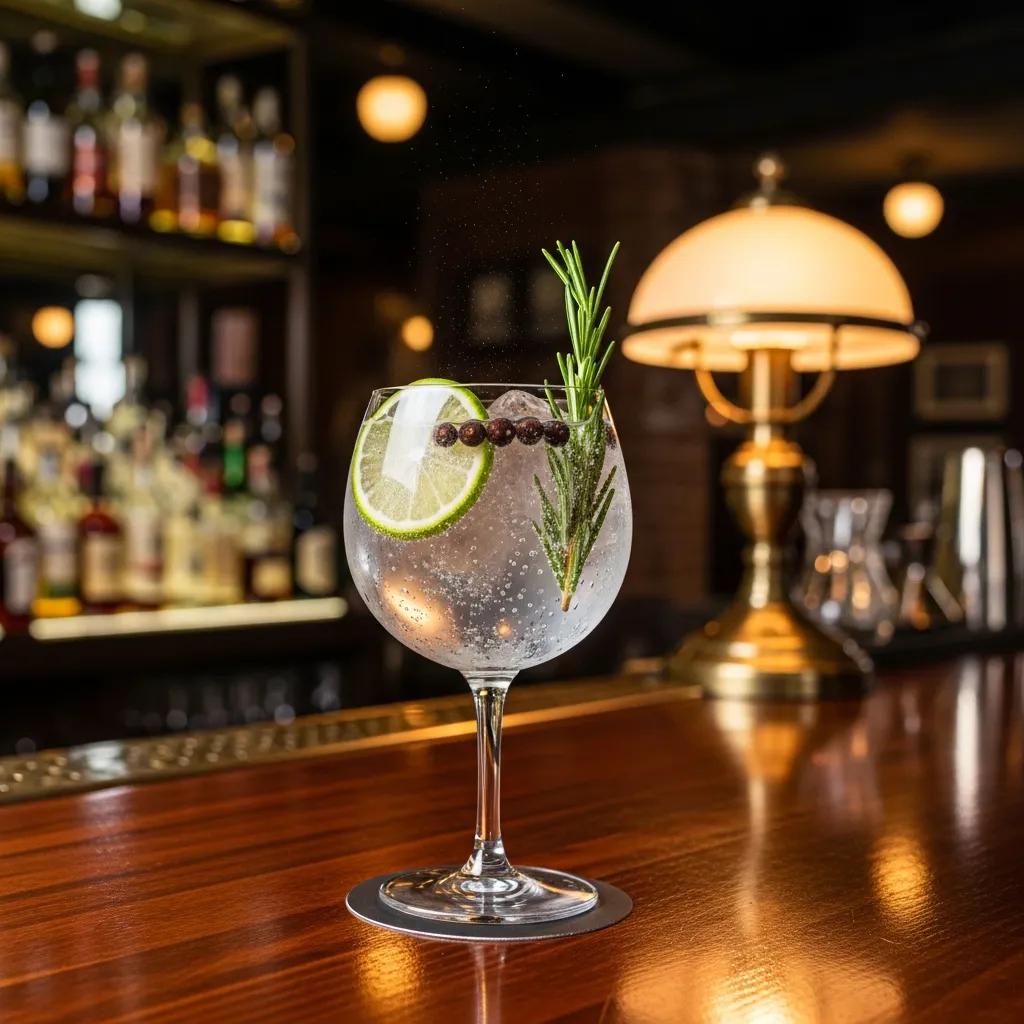
Spain’s Gin Tónica reframed the drink as a sensory experience: served in large copa de balón glasses with plenty of ice and imaginative garnishes — herbs, citrus peels, seasonal fruit — to release botanical aromas. This format encourages slow sipping and highlights distillers’ botanical choices, inspiring bartenders worldwide to treat the gin and tonic as a tasting opportunity rather than a simple mixer.
What Are the Contemporary Trends in Craft Gin and Artisanal Tonic Waters?
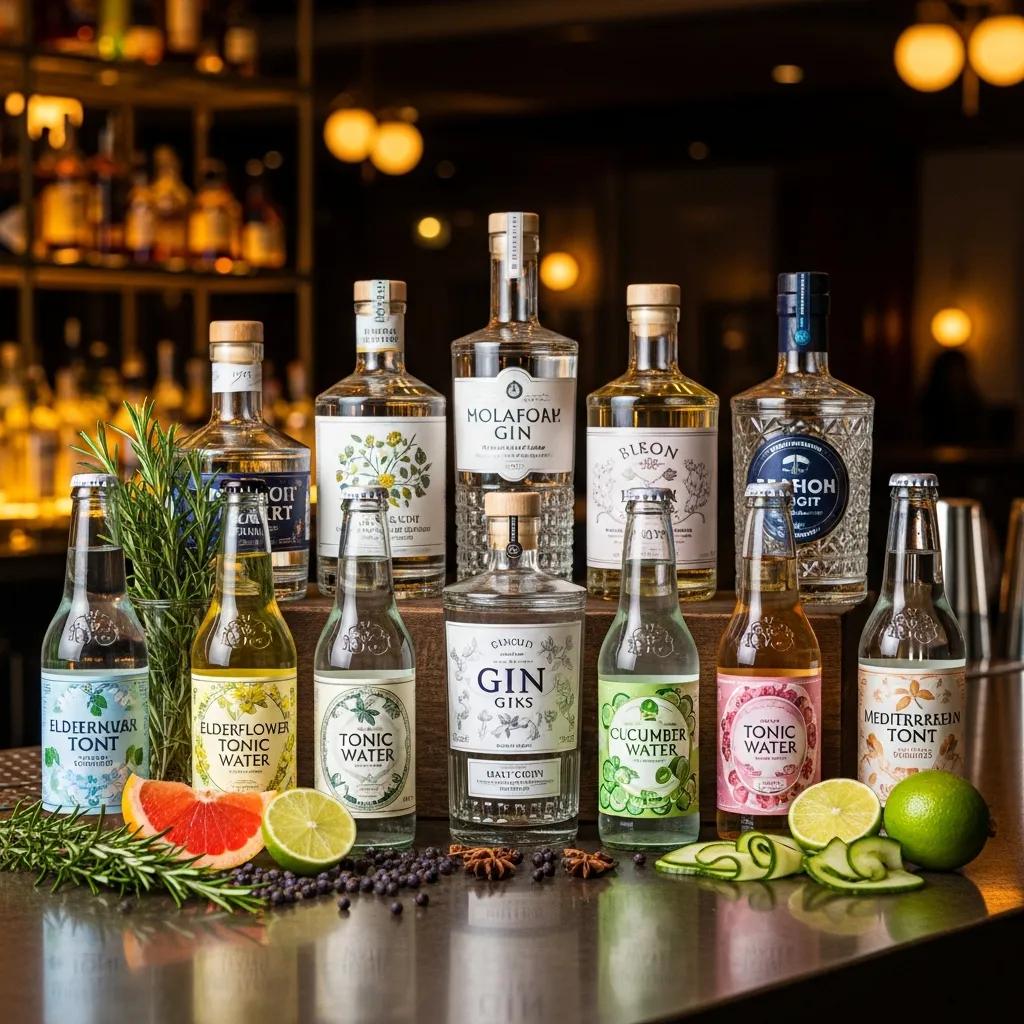
Today’s trends emphasize botanical variety, provenance storytelling, and tonics designed with lower sugar or tailored quinine levels for a cleaner, more balanced palate. Distillers highlight local and exotic botanicals — citrus, florals, regional spices — while tonic makers offer floral, citrus, and bitter‑balanced formulas that pair with specific gin profiles. This premium approach encourages restaurants and bars to curate pairings that enhance both cocktail and cuisine.
How Do Premium Botanicals and Tonic Varieties Enhance the Gin and Tonic Experience?
Botanicals such as citrus peel, coriander, and floral essences define a gin’s character and guide tonic and garnish choices for balanced pairings. Floral gins suit delicate fare, citrus gins cut through richer textures, and spice‑forward gins stand up to umami and fatty dishes. Artisanal tonics can amplify or soften these traits depending on quinine, sweetness, and added botanicals. Thinking botanically helps match a gin and tonic to nuanced cuisine — especially in a Japanese fine‑dining context.
The list below summarizes current craft and tonic trends relevant to pairing and presentation.
- Botanical provenance: Distillers emphasize origin stories and single‑estate or local botanicals.
- Tonic diversification: Makers offer floral, citrusy, and low‑quinine options to suit different gins.
- Sustainable sourcing: Small producers highlight local ingredients and eco‑minded practices.
Before pairing examples, a compact comparison of botanical focuses and tasting outcomes is useful.
Introductory note: The table compares common craft gin botanical focuses and their typical flavor outcomes for pairing guidance.
How Can You Experience the Legacy of Gin and Tonic at Kaviar Restaurant?
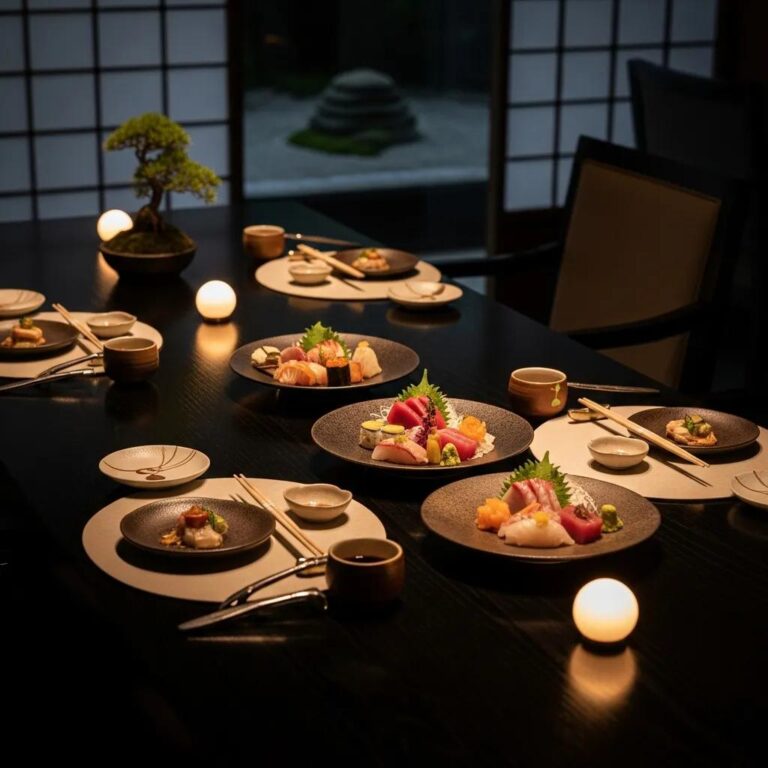
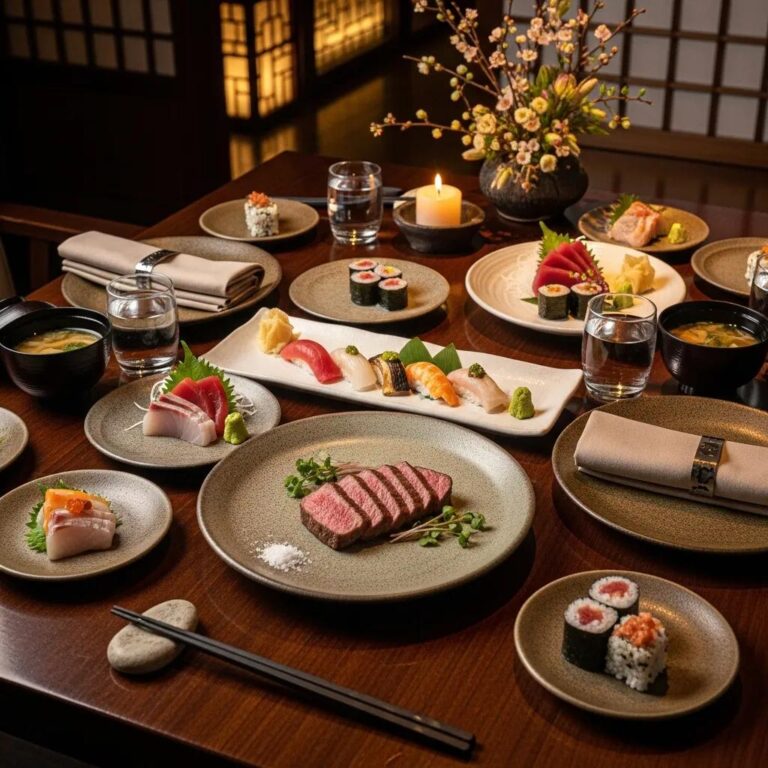
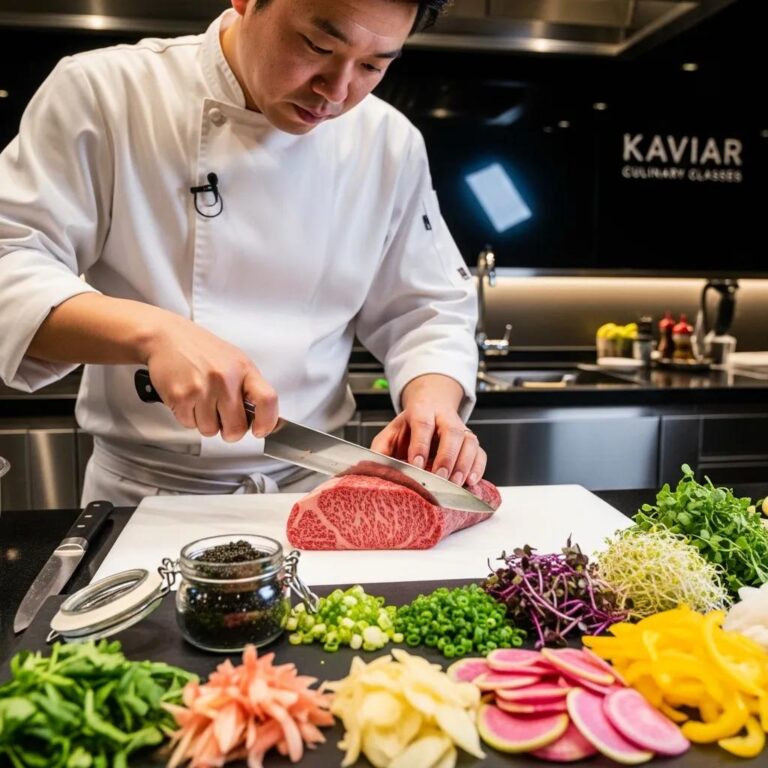
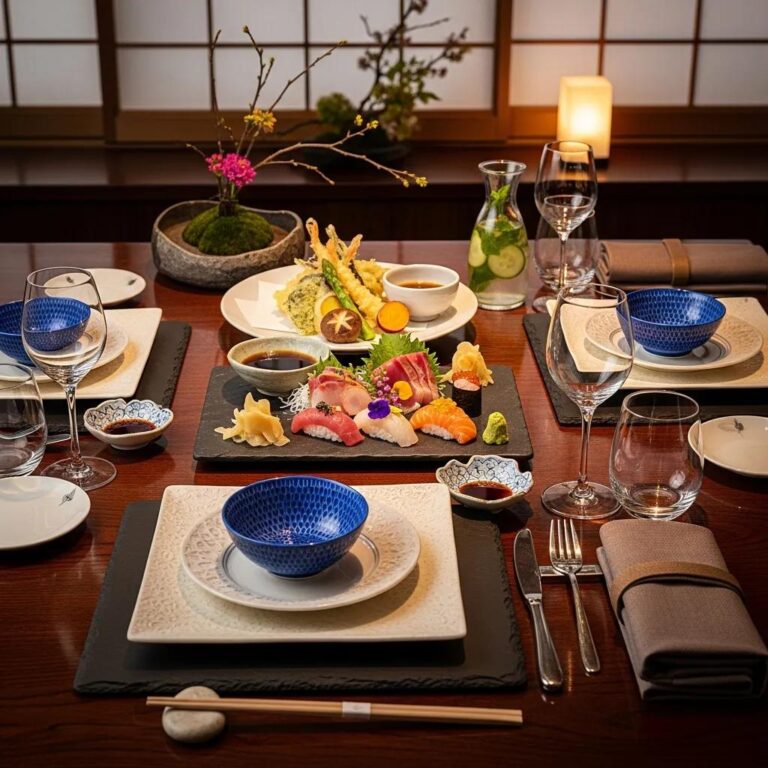
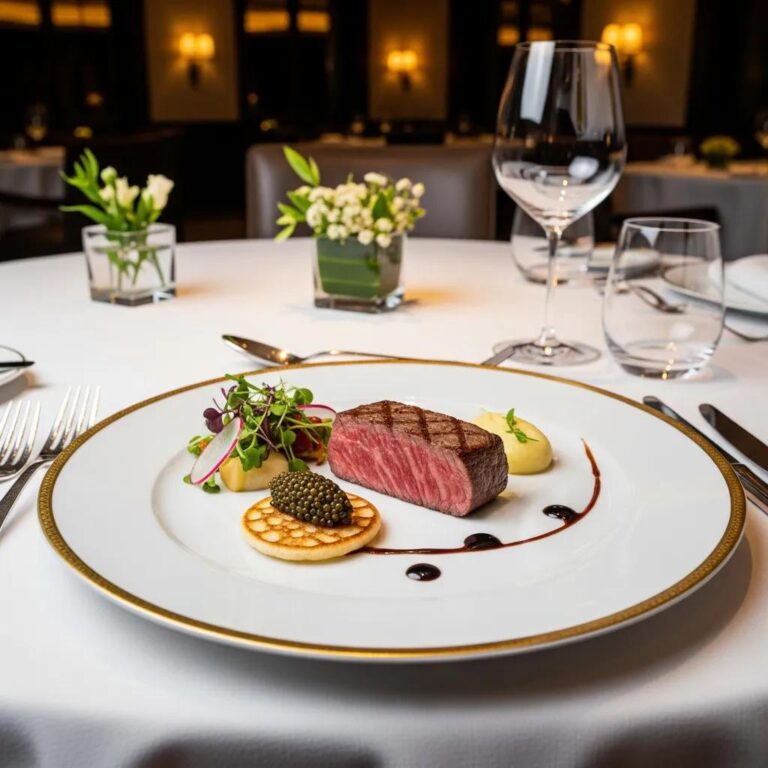
At Kaviar Restaurant in Pasadena we bring curated gin and tonic pairings into an upscale Japanese dining context, where precision and ingredient quality guide every choice. Our beverage philosophy values provenance and botanical balance: craft gins paired with artisanal tonics to complement omakase sequences, A5 Wagyu richness, and delicate caviar service. Guests seeking a tailored tasting can view our Drink Menu and reserve a seat on the Reservation page to secure a curated pairing experience.
What Premium Gins and Tonics Does Kaviar Curate for Guests?
Kaviar’s selection favors small‑batch gins that showcase citrus, floral, or spice profiles alongside tonics chosen to balance quinine and sweetness. We match lighter, floral gins with fresh sashimi and opt for more robust, spice‑accented gins for richer, umami‑forward courses. Guests are invited to consult the Drink Menu for current bottlings and tonic styles, which rotate seasonally to reflect pairing opportunities.
How Does Kaviar Pair Gin and Tonic with Japanese Fine Dining?
Our pairing approach follows three clear principles: match weight and intensity, align dominant aromatics, and use acidity and effervescence to cleanse the palate between courses. A floral gin with a subtle floral tonic echoes the aromatics of thinly sliced sashimi without overwhelming texture; a citrus‑forward gin with a crisp tonic refreshes the palate against fatty Wagyu. Garnishes — microherbs, citrus twists, delicate peppercorns — are chosen to echo a dish’s seasoning and release complementary volatiles at service. Guests can request a curated pairing sequence when booking to tailor the experience to an omakase or à la carte meal.
Summary of pairing principles applied at Kaviar:
- Weight matching: Pair lighter gins with delicate dishes and fuller gins with richer courses.
- Aromatic alignment: Match gin botanicals to complementary flavors on the plate.
- Palate preparation: Use tonic effervescence and acidity to refresh between courses.
Frequently Asked Questions
What are the key differences between craft gin and traditional gin?
Craft gin emphasizes small batches, experimental botanical blends, and artisanal methods that highlight distinct flavors. Traditional gin typically follows longstanding recipes and larger‑scale production, with juniper as the clear focal point. In practice, craft gins tend to offer more pronounced, unique notes that appeal to curious palates, while traditional gins provide a familiar, classic backbone.
How has the gin and tonic influenced modern cocktail culture?
The gin and tonic helped popularize spirit‑plus‑mixer formats and encouraged attention to ingredient quality and presentation. Its journey from a medicinal remedy to a social staple inspired bartenders to explore botanicals, tonics, and garnishes — a movement that fed into today’s craft cocktail scene and revived appreciation for thoughtful, ingredient‑led mixing.
What are some popular garnishes for enhancing a gin and tonic?
Popular garnishes include lime, lemon, or grapefruit slices for brightness; fresh herbs like rosemary, basil, or thyme for aromatic depth; and pink peppercorns, cardamom, or edible flowers for visual and flavor interest. The right garnish echoes the gin’s botanicals and elevates both aroma and presentation.
What are the health considerations associated with consuming gin and tonic?
Enjoyed in moderation, a gin and tonic can be part of a balanced lifestyle, but alcohol carries health risks when consumed excessively. Tonic waters often contain added sugars, so choosing low‑sugar or lighter tonic options reduces calorie intake. Responsible consumption and awareness of alcohol’s effects remain important.
How do different tonic waters affect the flavor of gin?
Tonic choice has a major impact: traditional, sweeter tonics can broaden and soften a gin’s profile, while artisanal tonics with lower sugar and added botanicals allow subtler gin notes to shine. Experimenting with tonic varieties is an effective way to discover complementary pairings.
What are some historical milestones in the evolution of gin and tonic?
Milestones include gin’s roots in jenever, the 18th‑century Gin Craze and its regulatory responses, the 19th‑century adoption of quinine in colonial India, and the later reinvention of the gin and tonic through regional serving styles and the modern craft movement. Each phase shifted the drink’s role from medicine to a refined social classic.
Conclusion
The gin and tonic has moved from a pragmatic medicinal mixture to a beloved, versatile classic — a drink that invites both history and experimentation. Understanding its origins and contemporary trends deepens appreciation for botanical pairings and service. To taste a curated expression of this legacy, explore Kaviar’s Drink Menu and reserve a tasting at our Pasadena dining room.