






The Future of Fine Dining: How Technology, Sustainability, and Experience Will Redefine Luxury
Fine dining is changing. Advances in culinary technology, new approaches to sustainability, and a renewed focus on guest experience are reshaping what guests expect from luxury restaurants and how chefs use premium ingredients. This article defines what “the future of fine dining” looks like, explains why responsible sourcing and emerging tools matter for both flavor and profitability, and shows how experiential formats like omakase will evolve to create richer, more memorable journeys. You’ll find practical predictions and concrete examples across six areas: culinary technology, sustainable luxury, experiential dining, premium-ingredient innovation, personalization, and business-model shifts. We balance strategic perspective with hands-on advice for upscale Japanese fine dining—covering omakase sequencing, A5 Wagyu and Kaluga caviar service, and reservation flows that turn intent into bookings. Expect clear definitions, practical examples, and takeaways chefs and restaurateurs can use as they plan for 2026 and beyond.
What Are the Key Culinary Technology Trends Shaping Fine Dining?
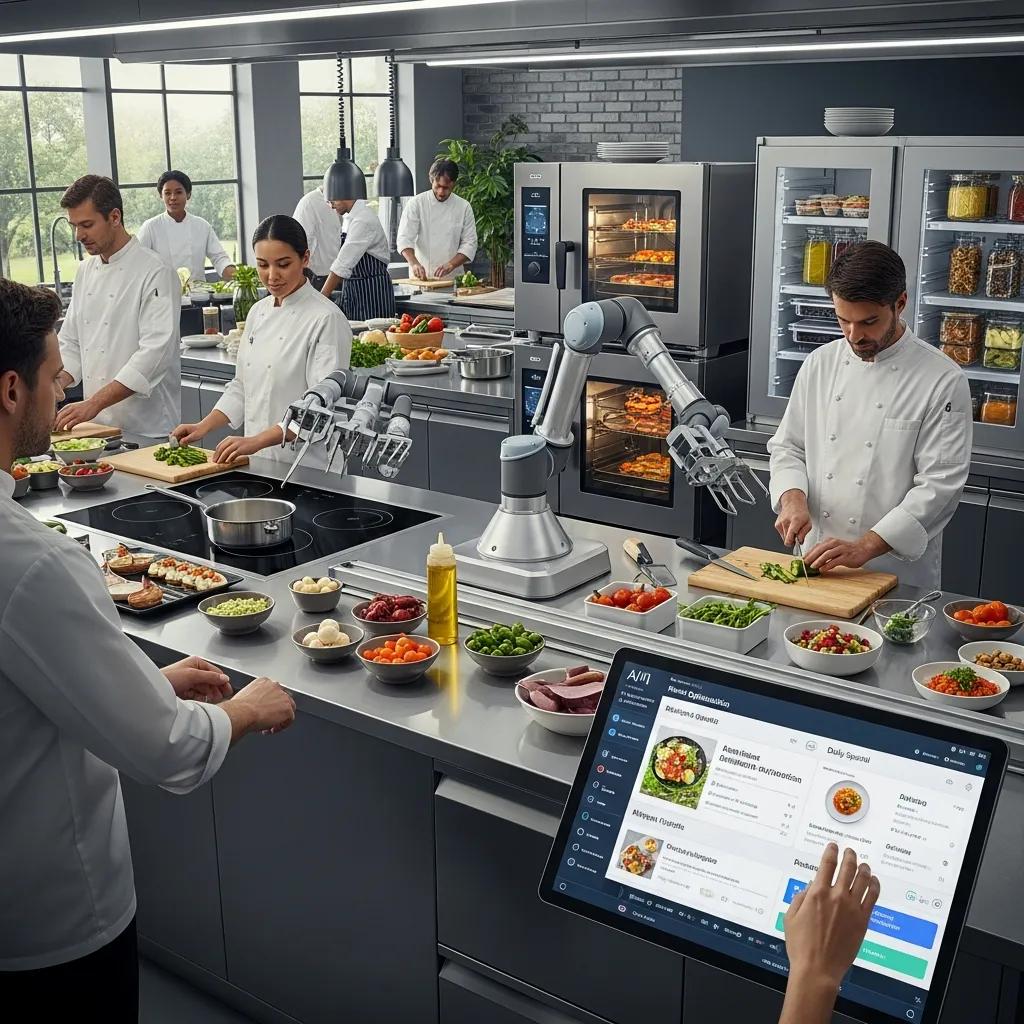
Culinary technology — AI, assistive robotics, and connected kitchens — is becoming a discreet partner in fine dining. These tools help restaurants sharpen menus, streamline service, and protect craftsmanship while improving margins. By analyzing data, automating repetitive tasks, and linking kitchen systems, technology frees chefs to focus on creativity and gives guests consistently elevated, personalized experiences. The net effect: cleaner service, less waste, and tasting sequences that feel intentional and luxurious. Below we summarize the main trends and how they translate into tangible benefits for upscale restaurants and their diners.
Contemporary fine dining is adopting several technology trends that change how menus are built, how kitchens run, and how guests are engaged.
- AI-driven menu optimization uses guest signals and inventory data to recommend dishes that lift satisfaction and reduce waste.
- Assistive robotics take on repetitive prep, freeing skilled cooks for finishing, plating, and technique-driven work.
- Smart-kitchen IoT links equipment and stock levels to cut downtime and ensure precise temperature and timing control.
Together these trends improve efficiency, consistency, and personalization — and set the stage for how AI specifically transforms menu development and guest-facing experiences.
How Is AI Transforming Menu Development and Personalized Dining?
AI connects guest preferences, ingredient availability, and historical performance to recommend course sequences that balance flavor, cost, and novelty. Recommendation engines learn from reservation history, plate-level feedback, and seasonal supply, enabling predictive menu engineering that increases repeat visits and minimizes waste through smarter portioning. For omakase sequencing, AI can suggest an order of courses optimized for palate progression and inventory constraints while leaving the chef’s artistic control intact. Restaurants using these methods report higher guest satisfaction, better yield on premium items, and fewer last-minute substitutions — benefits that protect both culinary quality and operational resilience.
AI runs on data pipelines that capture preferences, inventory status, and outcome metrics, creating a closed-loop that improves recommendations over time. Chefs remain the final arbiters — they accept, adapt, or override suggestions — which preserves craft while adding data-informed clarity. That human–machine collaboration naturally leads to the next layer of operations: robotics and smart kitchens.
What Role Do Robotics and Smart Kitchens Play in Gourmet Restaurants?
Robotics and smart kitchens remove variability from predictable tasks and surface real-time information so chefs can focus on high-touch work that defines fine dining. Prep robots, sous‑vide arrays with precise control, and automated dispensers reduce inconsistency and labor strain, while IoT sensors monitor equipment and ingredient conditions to prevent service interruptions. These systems improve safety and allow reliable delivery of complex dishes — think precisely portioned A5 Wagyu or temperature-sensitive sushi. The technology augments rather than replaces chef skill, enabling teams to scale exceptional experiences with confidence.
Smart kitchens also enable predictive maintenance and inventory forecasting that lower operating cost and shrink food waste through timely reordering and usage recommendations. That technical backbone feeds guest personalization and ties into reservation systems, improving pre-arrival communication and custom sequencing for omakase diners.
- Begin by capturing data at reservation and POS.
- Pilot AI recommendations on less-sensitive menu elements.
- Introduce assistive robotics for prep tasks and expand after validation.
These pragmatic steps lead into hands-on examples for local operators: a Pasadena-based Japanese fine-dining venue focused on omakase, A5 Wagyu, and Kaluga caviar can use reservation notes to capture allergies and preferences, then layer AI suggestions to optimize course order and ingredient allocation. Using reservation platforms also streamlines pre-arrival personalization and helps convert high-intent searches into seated services.
How Is Sustainable Fine Dining Evolving for the Future?
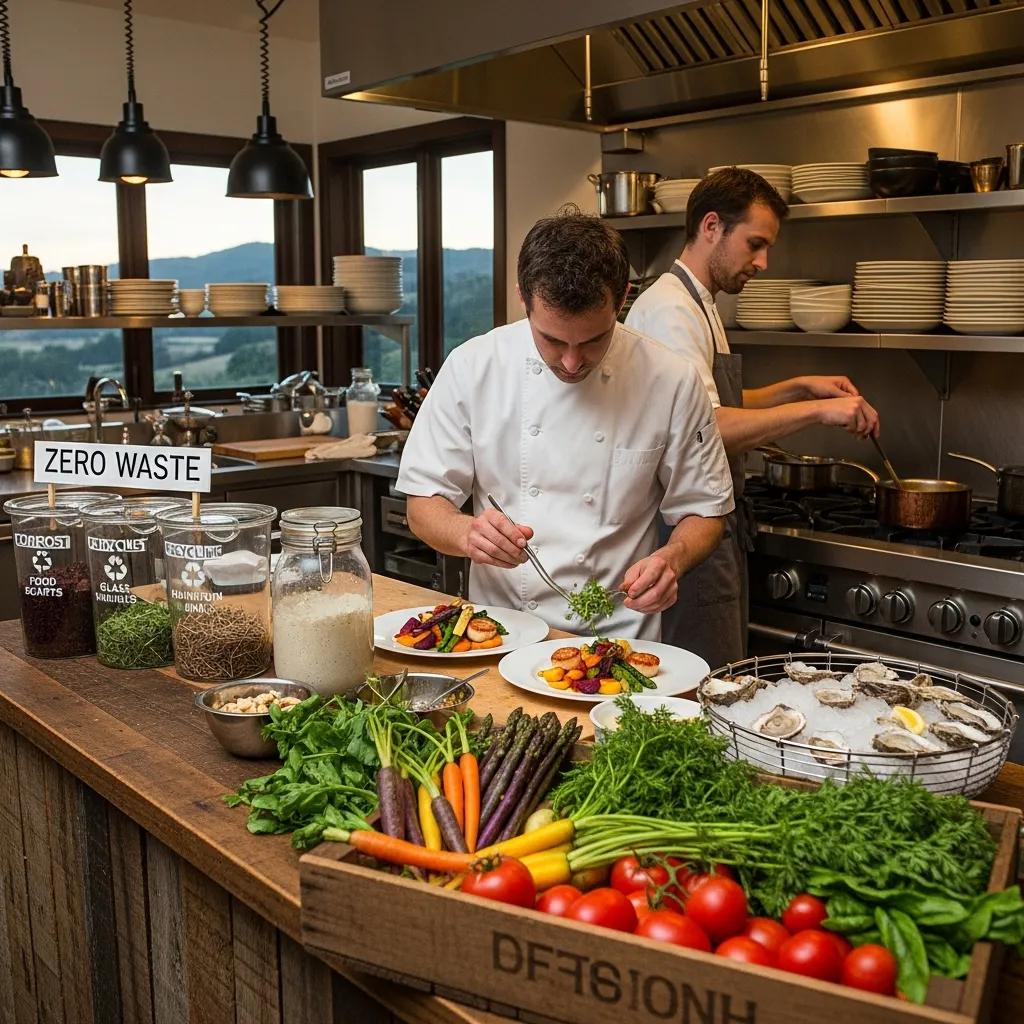
Sustainable fine dining embeds ethical sourcing, traceability, and waste-minimizing practices into the luxury proposition so premium experiences align with diners’ expectations around provenance and stewardship. This approach prioritizes supplier relationships, seasonal cycles, and full‑use kitchen processes that preserve value across the supply chain while signaling authenticity to discerning guests. The outcome is a resilient sourcing model that deepens flavor narratives and justifies premium pricing through verifiable care. Below are practical tactics and examples that show sustainable luxury in action.
Sustainability in fine dining takes several forms — responsible seafood sourcing, full-animal butchery, and seasonal local partnerships are primary levers that reduce footprint while enriching culinary storytelling.
- Ethical sourcing ensures suppliers provide traceability and responsible harvest standards, building guest trust and securing quality supply.
- Zero-waste kitchen practices reuse trimmings, render fats, and repurpose stocks to extract full value from ingredients and lower costs.
- Local and seasonal partnerships shorten supply chains and deliver fresher produce that amplifies tasting-menu narratives.
These tactics turn provenance into a sensory element of the meal. Below is a practical comparison of sourcing choices and their guest-facing impact.
This comparison shows how operational choices affect both sustainability metrics and the guest narrative, and it sets up practical kitchen changes restaurants can make.
What Are Ethical Sourcing and Zero-Waste Practices in Fine Dining?
Ethical sourcing and zero‑waste practices depend on traceability systems and creative kitchen workflows that make every ingredient component useful. Traceability platforms and close supplier relationships verify species and origin — information guests and regulators increasingly expect. Zero‑waste techniques — using bones and trimmings for broths, rendering fats for sauces, and repurposing vegetable scraps into garnishes — reduce disposal costs and create distinctive flavor elements that can become menu signatures. Over time, these practices improve margins and reinforce a story of responsible luxury that resonates with modern diners and encourages return visits.
Implementing these strategies requires training, flexible menus, and supplier agreements that favor long-term partnerships. As kitchens adopt these methods, they can communicate provenance clearly through menu notes and staff storytelling, deepening the guest connection to each course.
How Do Local and Seasonal Ingredients Influence Sustainable Luxury?
Local and seasonal ingredients let chefs design tasting menus that follow harvest cycles and regional terroir while cutting transport emissions and variability. Seasonal sourcing tightens supply predictability, boosts freshness, and lets chefs highlight micro-seasons and hyper-local purveyors as part of multi-sensory narratives. When omakase uses seasonal seafood and produce, it creates scarcity-driven desirability that supports premium pricing and repeat visits. Framing menu notes and on-service storytelling around a local purveyor or tide strengthens guest appreciation for provenance and links sustainability to luxury.
Practically, seasonal menus require flexible procurement and inventive menu engineering to keep consistency across service periods. Clear communication about provenance and seasonality becomes part of the guest journey — a bridge to premium offerings like A5 Wagyu and caviar discussed below.
Restaurants with a strong provenance strategy can connect premium items to sourcing narratives. For example, a Pasadena Japanese fine-dining destination featuring A5 Wagyu and curated seafood can highlight origins on the menu and through staff storytelling, reinforcing ethical choices and supporting premium positioning.
What Defines Experiential Dining Trends in the Future of Fine Dining?
Experiential dining is deliberate, multi-sensory design: the pacing, course progression, and narrative that turn a meal into a curated memory rather than a series of plates. By integrating sensory cues — sound, scent, texture, and storytelling — into menu structure and service ritual, restaurants raise emotional engagement alongside gustatory pleasure. The result is deeper loyalty, stronger word-of-mouth, and a defensible price point for inventive omakase and chef’s‑table formats. Below are core multi-sensory and interactive techniques high-end restaurants are increasingly using.
- Multi-sensory pairings use subtle soundscapes, olfactory accents, and tactile contrasts to support flavor progression.
- Storytelling through course sequencing frames ingredients and ritual, creating an arc guests remember.
- Interactive chef’s tables invite participation and direct dialogue, strengthening emotional connection and perceived exclusivity.
These approaches make meals memorable and point to specific tactics chefs can adopt to elevate omakase and bespoke experiences.
How Are Multi-Sensory and Storytelling Techniques Enhancing Omakase?
Multi-sensory elements enhance omakase by aligning timing, sound, scent, and visual choreography with the story of an ingredient or technique. A coastal seafood course might be paired with a faint sea-scented accent or a short story about the fisher, deepening context and sharpening flavor perception. Thoughtful pacing and textural contrast manage palate fatigue and heighten perceived complexity without adding calories. These sensory layers help guests remember the sequence and the reasoning behind each bite, lifting satisfaction and encouraging recommendations for premium tasting menus.
Bringing multi-sensory design to life requires coordination between front and back of house and staff trained to deliver timing and narrative cues that match the chef’s intent. That coordination also strengthens the link between sustainability storytelling and experiential design.
What Is the Impact of Interactive Chef’s Tables and Bespoke Menus?
Interactive chef’s tables and bespoke menus deepen engagement by creating intimate settings where chefs can explain technique, source stories, and tailor courses in real time. Guests accept higher price points for direct dialogue, customization, and exclusivity, and these formats act as a marketing showcase for technique and premium ingredients. Operationally, chef’s tables need dedicated space and staff, but they typically return higher margins and build direct relationships with regulars and culinary tourists. Designing a micro-menu for a chef’s table — limited seats, extended pacing, curated beverage pairings — creates scarcity and a premium perception that strengthens brand positioning.
When scaled thoughtfully, bespoke offerings become a signature channel to showcase premium ingredients and craft deeper loyalty.
How Are Premium Ingredients Innovating the Future of Fine Dining?
Premium ingredients like A5 Wagyu and Kaluga caviar are pushing chefs to rethink portioning, preparation, and presentation so each bite delivers maximum sensory impact while addressing sustainability and cost. Innovation comes in service formats — shared tasting bites, caviar flights, micro‑portions of Wagyu — and in pairing provenance storytelling with precise technique to lift perceived value. Consumer demand for these items remains strong, and chefs are adapting presentations so premium items can sit comfortably inside tasting menus. Below we compare key premium ingredients and how their treatment shapes guest expectation.
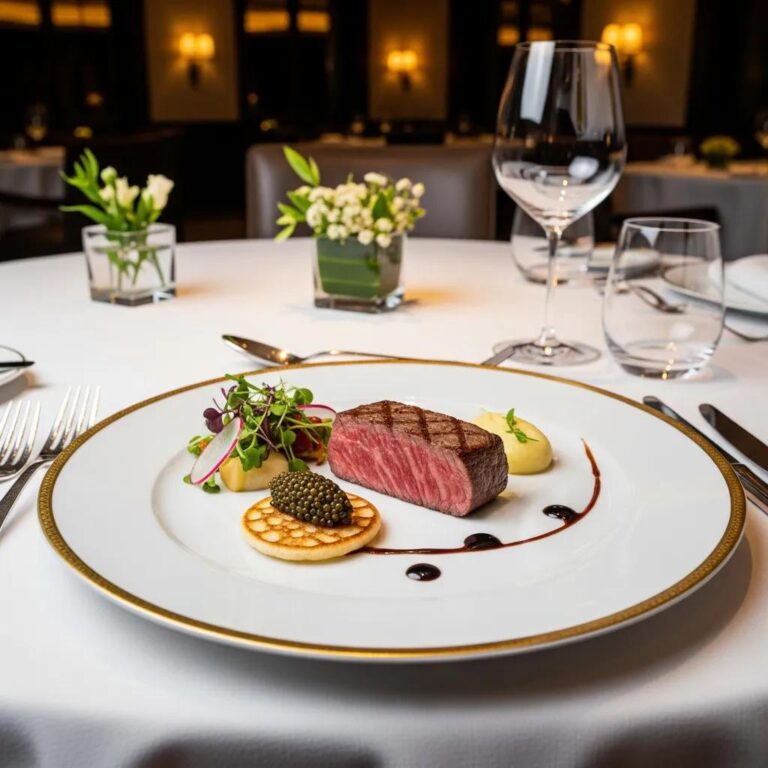
- A5 Wagyu works best in small, intensely flavored portions — tartare, a shime-style sear, or paper-thin slices that showcase marbling and mouthfeel.
- Kaluga caviar shines as a focused service with simple accompaniments that spotlight texture and saline complexity.
- Presentation innovations — flights, paired sake, or single-bite formats — let restaurants feature premium items without inflating cost-per-guest.
These approaches preserve a sense of luxury while giving chefs flexibility and room for experiential creativity. See the table below for a practical comparison.
The table shows how chefs can deploy premium items strategically to balance cost, sensation, and storytelling.
What Is the Future of A5 Wagyu and Its Role in Fine Dining?
A5 Wagyu’s future is about smaller, more deliberate portions that emphasize texture and marbling while exploring traceable sourcing and lower-impact pairings. Chefs are moving away from large steak presentations toward concentrated preparations — tartare, lightly seared slices, or single-bite moments — to deliver maximum sensory effect with minimal waste. Conversations about ethical sourcing encourage traceable supply chains and menu design that balances Wagyu with lower-impact accompaniments. As presentation evolves, Wagyu becomes a crafted moment of decadence within an experiential omakase rather than a volume-driven centerpiece.
Teams can enhance perceived value by educating guests about grading, cut choice, and preparation techniques that reveal different flavor notes in Wagyu — improving both taste appreciation and stewardship messaging.
How Is Caviar Service Evolving in Luxury Japanese Cuisine?
Caviar service is moving from large, ceremonial servings to curated micro-services that integrate with sushi and tasting menus while spotlighting texture and pairing nuance. Kaluga caviar — prized for its glossy, substantial pearls and balanced salinity — is now often paired in small portions with single-bite sushi, chilled sake, or restrained blinis to punctuate a course. Modern service favors restraint: tiny pearls on neutral bases or minimal garnish so the mouthfeel and brine take center stage. This subtle, integrated approach lets caviar sit comfortably inside a narrative-driven omakase while keeping price-per-guest manageable.
When caviar is woven into tasting menus, careful pairing and clear provenance notes help guests appreciate its rarity and texture without overpowering adjacent flavors.
In practice, restaurants that feature A5 Wagyu and Kaluga caviar can use menu notes and staff training to communicate origin and technique — an approach that protects price integrity and deepens guest appreciation for premium items.
How Will Personalized Dining Shape the Future of Fine Dining Experiences?
Personalized dining tailors menus, pacing, and service details to individual guests using captured preferences and bespoke culinary workflows that increase loyalty and lifetime value. It starts with collecting preference signals at reservation and during service, storing them in a simple CRM, and using that intelligence to shape future menus and pre-arrival communications. The payoff is higher repeat visitation, better-aligned menu choices for dietary needs, and guest experiences that justify premium pricing. Below we outline bespoke menu creation and how preference tracking supports consistent luxury service.
Personalization draws on reservation data, guest conversations, and observed choices to assemble tasting sequences that reflect a guest’s tastes and needs.
- Bespoke menus are crafted through pre-service consultation, selective ingredient choices, and dynamic sequencing that respect guest constraints and moments of celebration.
- Guest preference tracking records allergies, favorites, and past feedback to inform future visits and surprise-and-delight gestures.
- CRM-linked notes and reservation-platform fields enable effortless pre-arrival customization that feels personal for the guest.
These systems make personalization operationally feasible and commercially valuable — and they lead to practical steps for rolling out bespoke menus.
What Are Bespoke Menus and Custom Experiences in Fine Dining?
Bespoke menus are curated tasting sequences shaped by guest input, seasonality, and chef vision that prioritize sensory balance and personal relevance. Building a bespoke menu often begins with a short conversation or pre-arrival questionnaire capturing dietary needs, favored flavors, and special occasions, followed by a tailored tasting sequence from the chef. Pricing reflects exclusivity and ingredient cost, with optional add-ons for items like A5 Wagyu or caviar flights. The bespoke process raises perceived value and builds loyalty because guests feel seen and well cared for through intentional customization.
Operationalizing bespoke offerings requires staff training, inventory buffers for special requests, and flexible kitchen staging so unique sequences can be delivered without disrupting standard service.
How Does Guest Preference Tracking Enhance Luxury Service?
Guest preference tracking gives restaurants a reliable memory of individual likes, dislikes, and anniversaries that staff can use to personalize future visits and create memorable moments. Simple data points — favorite courses, beverage inclinations, allergies, and celebratory notes — stored in reservation systems or a light CRM let servers and chefs anticipate needs and deliver consistent personalization. This continuity drives repeat bookings and turns occasional diners into loyal patrons, especially when combined with experiential formats like chef’s tables. Integrating reservation notes into kitchen workflows links pre-arrival information with prep and service choreography.
The right blend of technology and human care ensures personalization feels natural, not mechanical, as the restaurant scales bespoke experiences for more high-value guests.
What Are the Predictions for Luxury Dining Business Models and Guest Engagement?
Luxury dining business models are shifting toward integrated reservation technology, membership and subscription offerings, and partnerships with culinary tourism to create steadier revenue and deeper guest engagement. These models turn one-time guests into recurring patrons through pre‑paid experiences and curated itineraries that stabilize demand and sharpen procurement planning. The result is a more resilient revenue stream and stronger brand loyalty, which helps justify investment in premium ingredients and experiential programming. Below are key business-model innovations and practical ways local restaurants can adapt.
The business-model landscape includes reservation platform evolution, membership dining, and culinary tourism partnerships that expand reach and predictability.
- Dynamic reservation systems capture deposits and preferences and optimize waitlists to protect revenue and cut no-shows.
- Subscription dining or membership clubs create recurring revenue and can be tiered to include exclusive chef’s‑table nights or seasonal caviar services.
- Culinary tourism partnerships bundle high-end meals with local travel experiences to draw destination diners and raise profile.
These innovations convert local demand into more stable income and connect premium culinary offerings with broader hospitality strategies.
How Are Digital Reservation Systems and Technology Enhancing Guest Experience?
Modern reservation systems improve pre-arrival personalization, waitlist handling, and guest communications by capturing notes, dietary needs, and occasion details that populate guest profiles. Features like deposit handling, dynamic pricing for peak periods, and two-way messaging reduce no-shows and provide clarity for both guests and operators. Restaurants using these systems can better coordinate kitchen prep and seating flows, ensuring bespoke menus and premium-ingredient services arrive as intended. For Pasadena-based fine-dining venues, leveraging reservation platforms makes it easier to capture high-intent diners and convert them into confirmed bookings across familiar channels.
When reservation notes are integrated with back-of-house prep, restaurants gain operational certainty and can deliver predictable, higher-value services to discerning guests.
What Are Emerging Trends in Subscription Dining and Culinary Tourism?
Subscription dining and culinary tourism are growing through tiered membership models that offer priority reservations, exclusive seating, and seasonal tasting calendars that generate predictable revenue and deepen guest ties. Culinary tourism packages combine local lodging, curated tastings, and behind‑the‑scenes kitchen access to attract destination diners and amplify marketing reach. For local restaurants, piloting small membership programs or partnering with regional tourism organizations can stabilize demand while showcasing items like A5 Wagyu and Kaluga caviar in curated experiences. These models let chefs plan procurement more confidently and design exclusive menus that reward committed patrons.
Piloting a subscription with limited seats and clear benefits tests demand while protecting operational quality and exclusivity.
In practice, fine-dining venues in Pasadena can use reservation platforms and membership pilots to attract culinary tourists and local, high-intent diners; reservations through popular platforms and direct phone lines remain effective ways to convert interest into bookings and to capture preference data at the point of reservation.
List of Business Actions to Pilot:
- Create a small, tiered membership that offers priority bookings and exclusive chef’s-table nights.
- Integrate reservation notes into kitchen prep so bespoke menus are executed reliably.
- Partner with local tourism providers to include exclusive tasting meals in visitor itineraries.
These steps help local luxury restaurants stabilize revenue and build deeper guest loyalty.
This closing section ties strategic forecasts to practical implementation, showing how technology, sustainability, experiential design, and careful stewardship of premium ingredients will together shape the future of fine dining.
Frequently Asked Questions
What are the benefits of using AI in fine dining?
AI helps restaurants operate smarter: it optimizes menus from real guest signals and inventory data, recommends dishes that boost satisfaction, and helps reduce waste. That frees chefs to focus on creativity while delivering more personalized experiences. AI can also surface trends and practical suggestions that help restaurants adapt quickly, improving guest loyalty and overall service quality.
How can restaurants implement zero-waste practices effectively?
Start by training staff on creative workflows that use every part of an ingredient: vegetable scraps for garnishes, bones for broths, and trimmings repurposed into new dishes. Pair those practices with reliable supplier relationships and menu flexibility to make the system work. Over time, zero‑waste techniques lower costs and enhance brand appeal to diners who value ethical, thoughtful hospitality.
What role does storytelling play in experiential dining?
Storytelling turns food into memory. Sharing an ingredient’s origin, a chef’s inspiration, or a technique’s cultural context brings emotional meaning to each course. That narrative approach deepens guest connection, encourages word‑of‑mouth, and elevates the entire dining experience beyond simply tasting food.
How do local and seasonal ingredients impact menu pricing?
Local and seasonal sourcing improves freshness and flavor while shortening supply chains — both of which support premium pricing. Seasonal menus create urgency and exclusivity, encouraging guests to try limited offerings. This approach supports local producers and aligns with sustainability values, appealing to diners who will pay more for ethically sourced, fresh dishes.
What are the challenges of implementing personalized dining experiences?
Personalization requires reliable data capture, disciplined records, and staff trained to act on guest preferences. Restaurants must invest in technology and create flexible kitchen workflows to deliver bespoke menus consistently. Balancing customization with operational efficiency is the main challenge, but doing so pays off in stronger loyalty and higher lifetime guest value.
How can restaurants leverage technology for better guest engagement?
Use advanced reservation tools to capture preferences and dietary needs, then connect those notes to a light CRM so teams can personalize communications and service. Two-way messaging, deposits, and integrated guest profiles reduce no-shows and enable thoughtful pre-arrival touches. When technology is paired with attentive staff, guest engagement becomes seamless and deeply personal.
Conclusion
The future of fine dining will be defined by practical innovations in technology, purposeful sustainability, and richly conceived experiences that together raise guest satisfaction and operational resilience. Restaurants that combine careful sourcing, thoughtful design, and selective technology will create memorable meals that resonate with discerning diners and justify premium pricing. As you consider these strategies, think about which tactics fit your kitchen and how to pilot them thoughtfully. Explore more ways to elevate your dining experience on our website.