





The Health Benefits of Fermented Foods in Modern Cuisine: Probiotics, Gut Health, and Culinary Uses
Fermented ingredients turn vegetables, grains and proteins into layered, savory components through controlled microbial action—yielding probiotics, enzymes and bioactive compounds that support digestion and immune function. Below we explain how fermentation works, how probiotic foods and classic Japanese ingredients support gut health, and how chefs use umami-forward fermentation in contemporary kitchens. You’ll find which fermented foods carry the strongest evidence for digestive and immune benefits, how staples like miso and pickled vegetables add both taste and function, and how fine-dining teams integrate these elements without compromising presentation. We also summarize 2024–2025 fermentation trends in high-end restaurants and give practical tips for tasting fermented-forward menus in Pasadena. Throughout, targeted phrases such as fermented food benefits, probiotic foods, gut health, miso health benefits, and umami fermentation connect the science to culinary practice and local dining intent.
What Are Fermented Foods and How Do They Benefit Health?
Fermented foods begin when microbes—lactic acid bacteria, yeasts or acetic bacteria—transform sugars into acids, alcohols and other bioactive molecules. That microbial work preserves food, concentrates flavor and often increases nutrient availability. Fermentation can deliver live cultures and metabolites such as short-chain fatty acids, B‑vitamins and peptides, all of which can support digestion and influence immune signaling. Regularly including probiotic foods may help maintain gut barrier integrity, briefly increase microbial diversity and improve digestion and metabolic communication. The sections that follow outline core fermentation types and the physiological pathways by which fermented foods support gut health, then offer a practical comparison of commonly enjoyed fermented items.
What Is Fermentation and Which Foods Are Commonly Fermented?
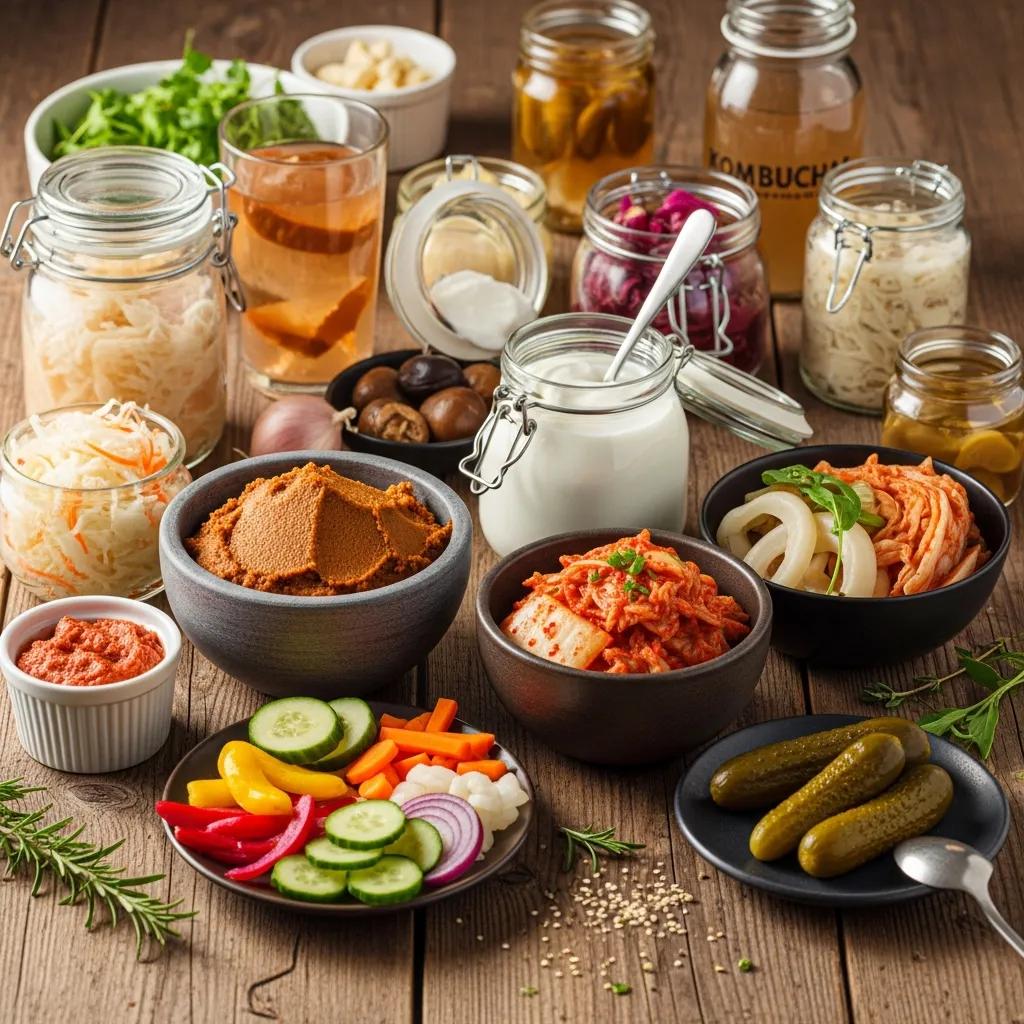
Fermentation is a metabolic process where microorganisms convert sugars and other substrates into acids, gases or alcohol, producing stable foods with new flavors and textures. Lactic acid fermentation—used for pickles, sauerkraut and kimchi—creates acidity that preserves vegetables and supports lactic bacteria. Alcoholic fermentation—used in sake and beer—relies on yeast to produce ethanol and aromatic compounds. Acetic fermentation turns alcohol into acetic acid for vinegars and souring agents. Common fermented foods include miso, soy sauce, pickled daikon, natto, yogurt, kefir, kimchi and kombucha; each follows distinct microbial pathways that determine probiotic potential and sensory profile. Knowing these types helps chefs and diners decide which items are likely to deliver live cultures and which are prized mainly for fermentation‑derived flavor.
Fermentation ranges from quick lactic pickles to extended koji aging. Understanding the process clarifies which products retain live microbes and which offer fermentation‑created metabolites only—an important distinction for how these foods affect gut ecology and immune signaling.
Mechanisms of Health Benefits from Fermented Foods and Microorganisms
Fermentation likely began as a preservation method, but many fermented foods and their components are now recognized for potential benefits to human health—especially gastrointestinal health. The evidence comes from in vitro, ex vivo and in vivo studies that reveal how fermentation enriches bioactive components (for example, peptides and exopolysaccharides), removes or reduces unwanted compounds (like phytic acid or lactose), and introduces live or inactivated microorganisms that may interact with the gut. Together, these findings help explain pathways through which fermented foods and their microbes can support digestion and immune function, and they point to opportunities to optimize traditional and modern fermented products for gut health.
Fermented foods and gastrointestinal health: underlying mechanisms, A Mukherjee, 2024
How Do Fermented Foods Support Gut Health and Immunity?
Fermented foods support gut health in several ways: live microbes can transiently populate the intestine; metabolites such as short‑chain fatty acids feed colon cells; and enzymatic activity improves nutrient breakdown and absorption. Probiotic strains can compete with pathogens, modulate mucosal immune responses and produce signaling molecules that influence systemic markers and the gut‑brain axis. Recent studies through 2024–2025 show that consistent intake of certain fermented foods is associated with better digestion, less bloating and modest immune improvements in controlled settings—though effects vary by food and processing (raw versus pasteurized). For practical benefit, aim for varied, regular servings rather than relying on a single item to maximize microbial and metabolite diversity.
To turn these mechanisms into menu choices, the table below compares common fermented foods by dominant microbial types and primary health attributes.
Different fermented foods deliver different microbial profiles and health effects; the table helps compare items diners commonly encounter in modern cuisine.
Some fermented items deliver live probiotics while others mainly provide fermentation‑derived nutrients and flavor. A balanced selection captures both live‑culture benefits and enhanced nutrient availability—important context before we examine Japanese cuisine’s use of fermented ingredients.
Which Fermented Ingredients Are Key in Modern Japanese Cuisine?
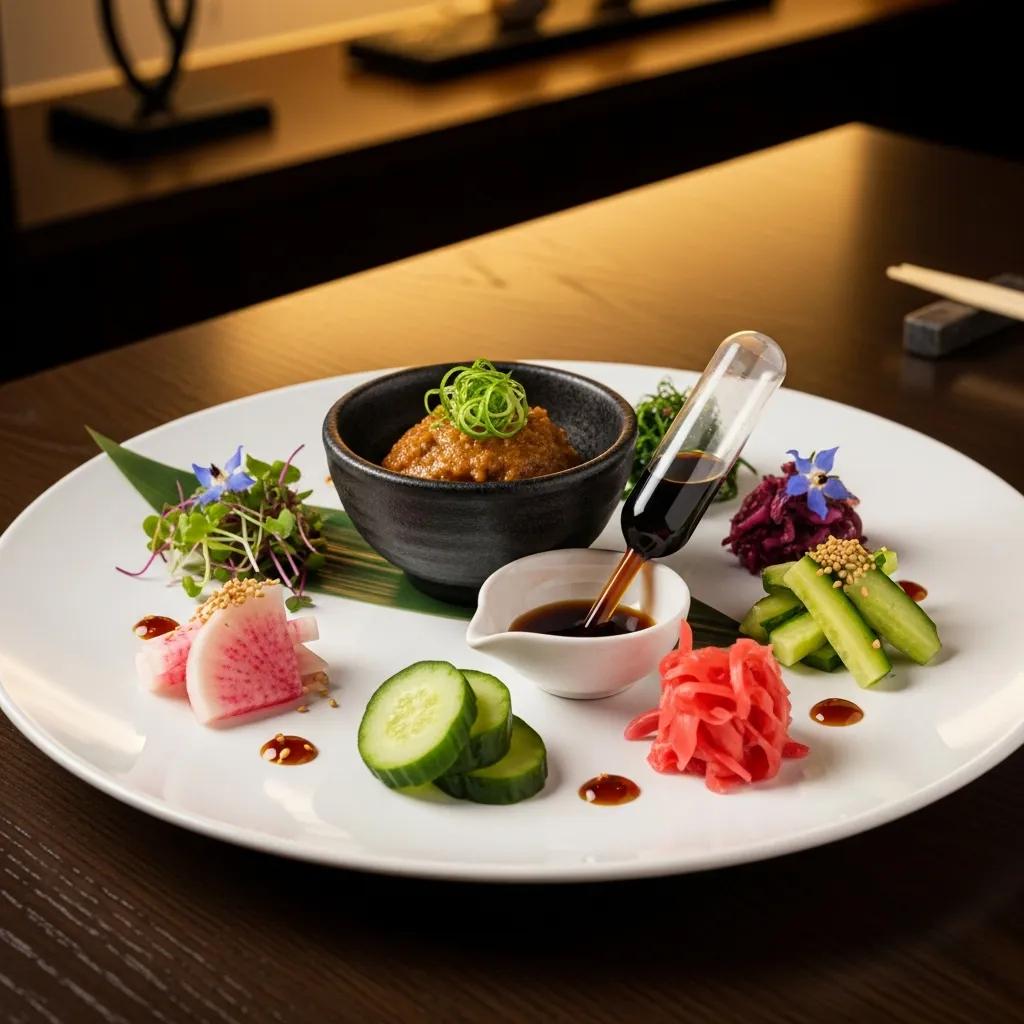
Contemporary Japanese cooking relies on rice‑koji products, aged pastes and preserved vegetables to add depth and functional benefits. Core ingredients include miso (koji‑fermented soybean paste), soy sauce (aged koji in brine), mirin and other rice‑fermented items, pickled daikon used in sunomono, and distinctive products like natto. Each plays a culinary role—umami boost, bright acidity or textural contrast—and their probiotic integrity depends on heat treatment and aging. Chefs in upscale kitchens use these components to layer savory notes while deciding when live cultures are desired versus when fermentation‑derived metabolites are the goal.
What Are the Probiotic Benefits of Miso, Soy Sauce, and Pickled Vegetables?
Miso supplies enzymes and, when unpasteurized, can contain viable koji‑related microbes that aid digestion and release free amino acids; fermentation also raises levels of certain vitamins and peptides. Soy sauce contributes glutamates and nucleotides that heighten savoriness but is often pasteurized, so its live probiotic content may be limited while its metabolites remain valuable. Naturally fermented pickles offer lactic acid bacteria that support digestion and help regulate gut pH, though their sodium content is worth noting for frequent consumption. For diners and chefs aiming for live cultures, choose lightly treated or post‑fermentation raw garnishes and balance salty components with fresh elements to preserve both health attributes and flavor.
Probiotic Benefits of Miso: Bioactive Molecules and Lactic Acid Bacteria
Studies have highlighted bioactive molecules in miso and the presence of lactic acid bacteria (for example, Lactobacillus species) in traditional preparations, suggesting probiotic and enzyme‑mediated benefits in some forms of miso.
Miso, the traditional fermented soybean paste of Japan, AK Rai, 2017
How Does Fermentation Enhance Umami and Flavor in Japanese Fine Dining?
Fermentation releases free amino acids—particularly glutamate—and nucleotides like inosinate and guanylate, which combine to intensify umami and savory perception. Koji‑driven proteolysis frees peptides and amino acids that deepen broths and glazes, and gentle Maillard reactions during cooking further enrich aroma. In fine dining, chefs layer fermented umami—miso glazes, aged soy reductions and pickled intermezzos—to balance and elevate premium ingredients such as A5 Wagyu or delicate seafood. The approach is restrained: small amounts of concentrated fermented components amplify natural flavors, finished with raw or lightly fermented garnishes to add freshness and, when appropriate, live cultures.
These culinary mechanisms explain how upscale kitchens incorporate fermented elements into modern menus with attention to both wellness and sensory refinement.
How Are Fermented Foods Integrated into Fine Dining Menus Like Kaviar’s?
In fine dining, fermented ingredients are used with intention: as marinades, glazes, pickled accents and aging agents that deepen flavor while respecting premium proteins and elegant presentation. Short lactic pickles cut fat with clean acidity, miso glazes add sheen and umami to fish, and koji applications can tenderize or introduce savory notes to aged cuts. Kitchens decide case‑by‑case whether to preserve live cultures (for example, chilled fermented garnishes) or to use pasteurized or aged components for safety and consistency. For guests who value both taste and subtle health benefits, transparency matters—clarifying which elements are raw‑fermented versus cooked helps set expectations for flavor and function.
Below we present SEO‑focused content that highlights Kaviar’s fine‑dining experience, signature dishes, premium ingredients and reservation intent—designed to attract diners searching for Japanese fine dining, omakase, A5 Wagyu, caviar dishes and luxury dining in Pasadena.
Next, we list the restaurant’s signature dishes that feature fermented ingredients and explain how the kitchen preserves those benefits, followed by presentation strategies that maintain both probiotic integrity and haute cuisine aesthetics.
Which Signature Dishes at Kaviar Feature Fermented Ingredients?
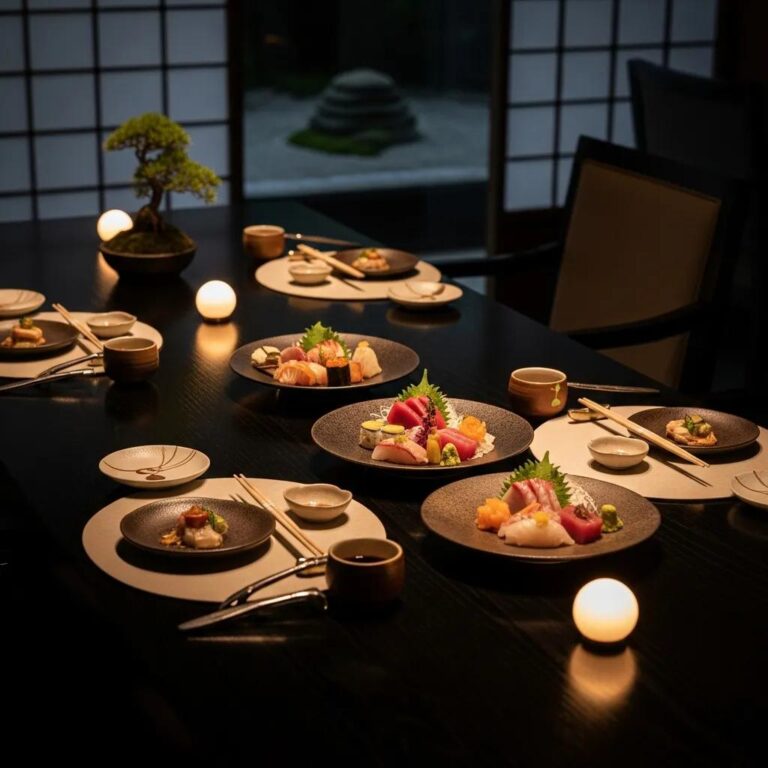
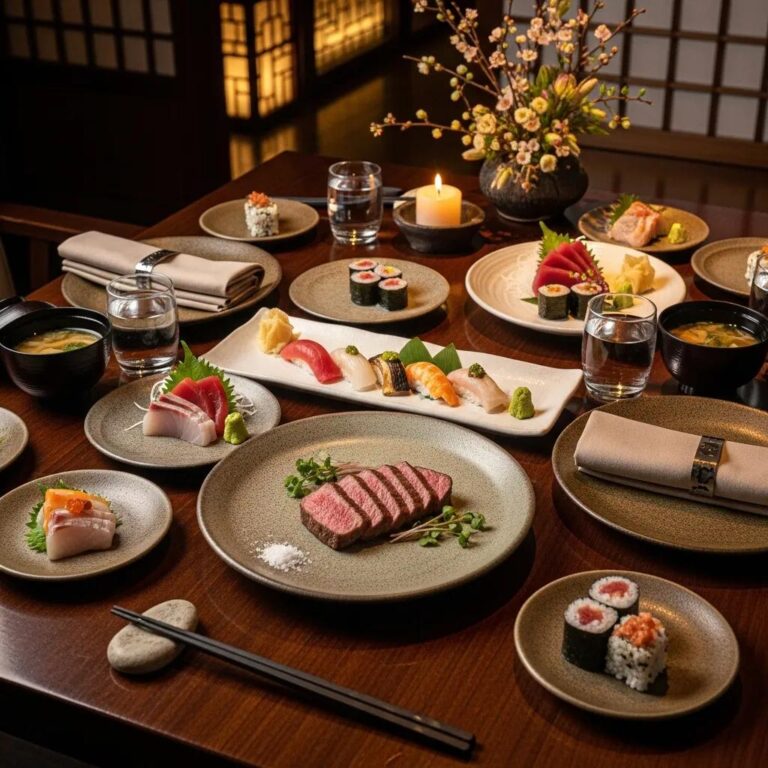
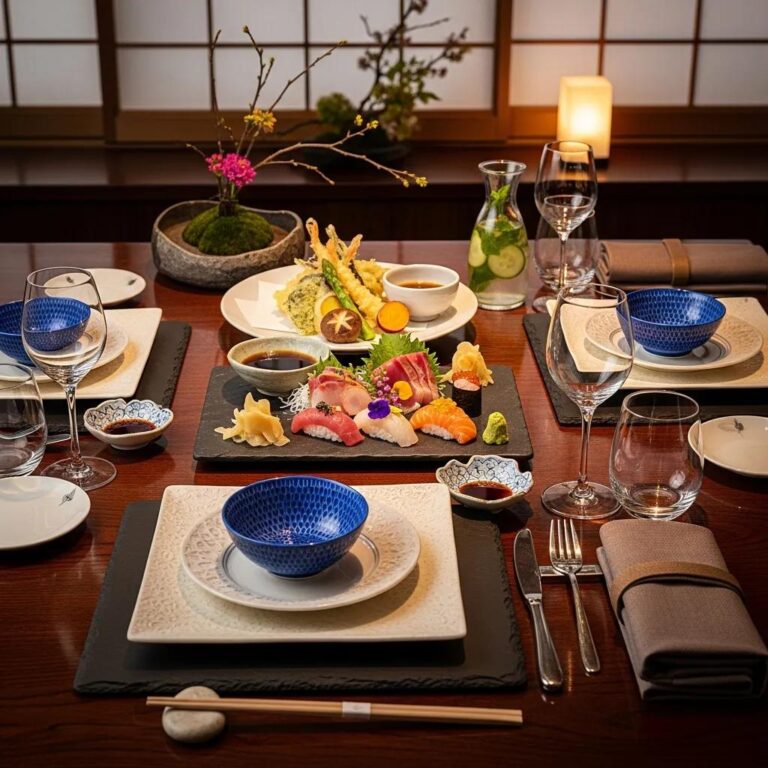
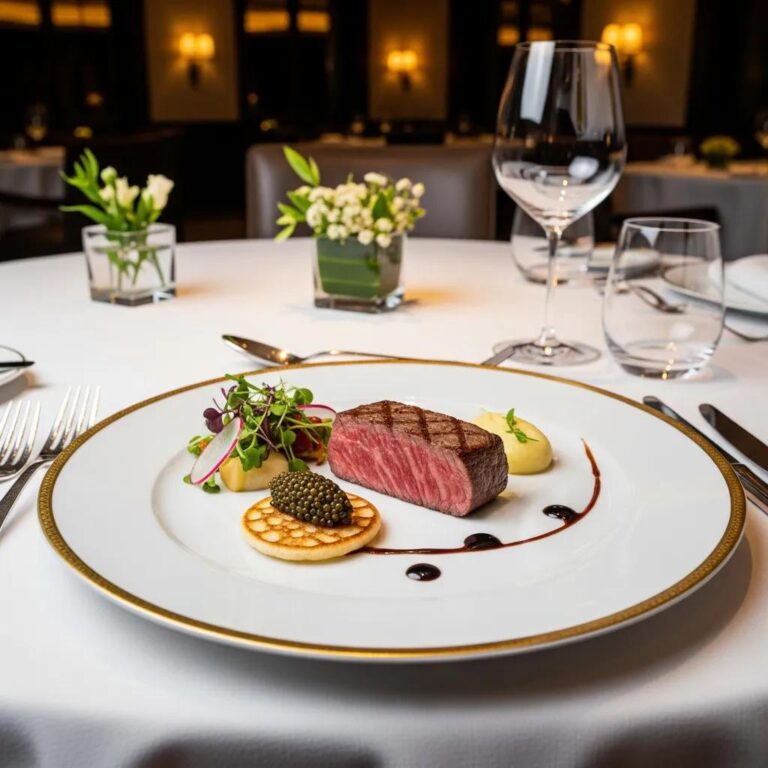
Kaviar Restaurant’s menu showcases refined Japanese plates where fermented accents supply umami and balance—think a miso‑glazed black cod–style preparation and a sunomono with pickled daikon to refresh the palate. Fermented elements are paired with premium ingredients like Kaluga caviar and A5 Wagyu, chosen to enhance rather than overshadow. Typically these components act as seasoning layers or intermezzos: a miso glaze adds savory gloss to a delicate fish course, while a light vinegar pickle restores brightness between richer courses. Guests seeking fermented‑forward tasting experiences should preview the menu and note preferences when reserving so the kitchen can spotlight fermented components.
These examples show how a luxury restaurant can weave health‑aware messaging into an elevated culinary story—without compromising the dining experience.
How Does Kaviar Balance Health Benefits with Gourmet Presentation?
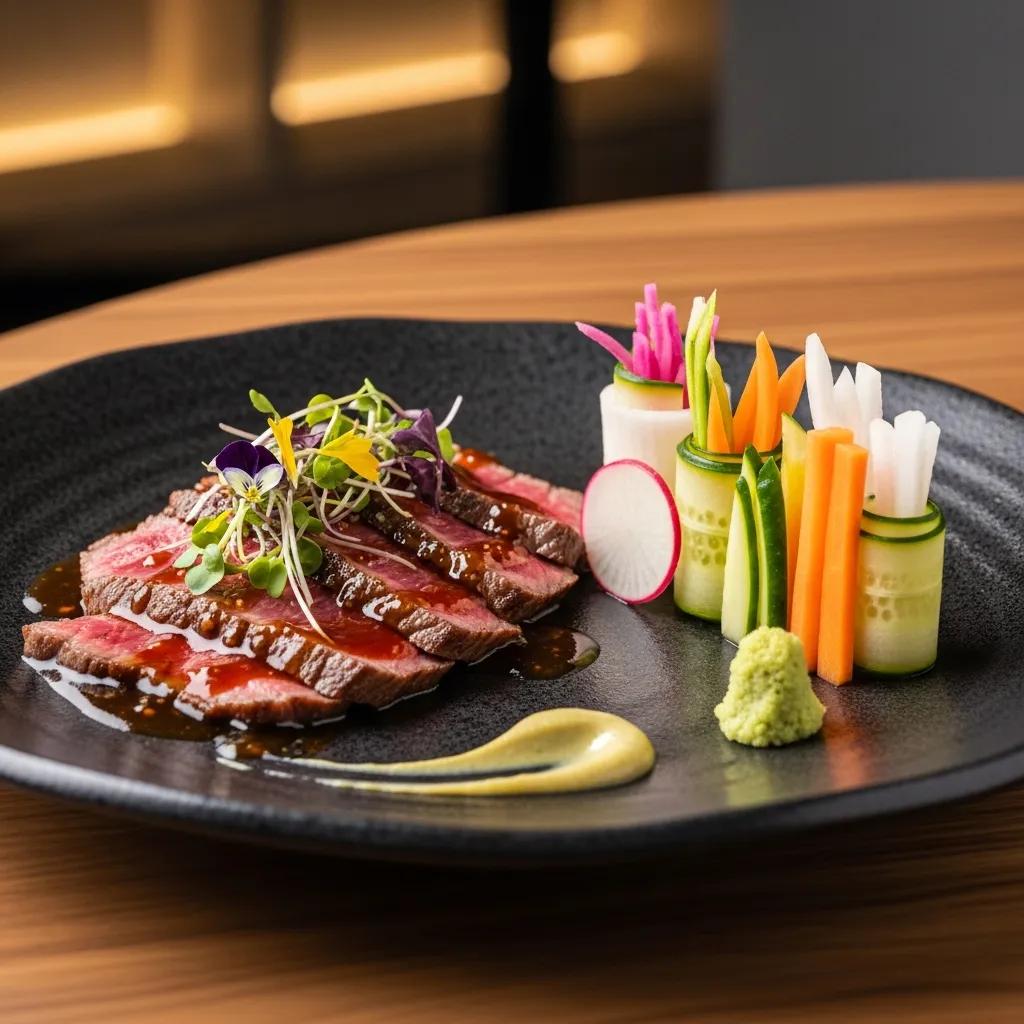
Balancing functional benefits with refined plating means choosing when live cultures are desirable and when fermentation‑derived metabolites are enough, then executing with restraint. Techniques include finishing plates with chilled fermented garnishes to preserve viable microbes, using concentrated miso or aged reductions sparingly to amplify umami, and presenting pickled items as elegant palate cleansers. Communication is understated: menu descriptions may note fermented components without making medical claims, and staff can explain probiotic‑rich choices or suggest lower‑sodium alternatives on request. This approach keeps the experience luxurious while letting diners enjoy both taste and potential digestive benefits—without turning the meal into a clinical consultation.
With those practices in place, we now examine which fermented foods have the strongest evidence for gut‑health support.
What Are the Top Healthiest Fermented Foods and Their Probiotic Benefits?
Certain fermented foods have stronger clinical backing because they use defined probiotic strains and consistent processing. Yogurt and kefir—rich in Lactobacillus and Bifidobacterium—have robust evidence for improving lactose digestion and reducing some gastrointestinal symptoms. Natto contains Bacillus subtilis and vitamin K2 and appears in observational studies linked to metabolic and bone‑health markers. Traditionally fermented vegetables like kimchi and sauerkraut provide diverse lactic bacteria plus fiber that supports SCFA production, while miso contributes enzymes and fermentation‑derived peptides though its live microbe profile depends on processing. The concise ranking below summarizes probiotic support tiers and evidence notes.
This table ranks commonly eaten fermented foods by probiotic support strength and evidence level to guide informed dietary choices.
The table highlights which items have the strongest controlled‑trial support and which mainly contribute fermentation‑derived metabolites. Combining these foods offers broader functional coverage—see the next section on mechanisms.
Which Fermented Foods Offer the Strongest Gut Health Support?
Foods with well‑characterized probiotic strains and standardized processing—such as commercial yogurts and kefir—produce the most consistent gut‑health outcomes in randomized trials. These products supply strains that can survive gastric transit and briefly colonize the gut, improving symptoms such as bloating and aiding lactose digestion. Fermented vegetables and traditional items like kimchi show promise for modulating inflammation and microbial diversity, but results depend on preparation and serving frequency. For probiotic delivery, favor regular servings (several times a week) of varied fermented foods and choose raw or minimally heated options when possible.
How Do Probiotics from Fermented Foods Improve Digestion and Immunity?
Probiotics support digestion by contributing enzymes that aid macronutrient breakdown, competing with pathogens for mucosal niches, and producing short‑chain fatty acids that nourish epithelial cells and modulate local immunity. These metabolites help strengthen the gut barrier, lower low‑grade inflammation and influence systemic immune signaling through interactions with mucosal immune cells. While live probiotics often create transient shifts in the microbiome, repeated dietary exposure helps sustain functional effects. Pair fermented foods with prebiotic‑rich fibers and a balanced diet to support longer‑term microbiome resilience.
What Are the Latest Trends in Fermentation for Modern Cuisine and Fine Dining?
Across 2024–2025, chefs are broadening koji applications, introducing short, controlled lactic ferments for delicate garnishes and using fermentation to reduce waste and extract flavor from underused cuts. Trend highlights include nose‑to‑tail fermentation (koji marination and aging of trims), long‑form barrel or vat fermentations for sauce depth and cross‑cultural pairings that blend Japanese techniques with global ingredients. Fermented beverages are evolving too: aged sakes, low‑ABV kombucha‑style intermezzos and fermented‑tea pairings appear on tasting menus to cleanse the palate and complement umami courses. These directions treat fermentation as a strategic tool for flavor, sustainability and texture—rather than a passing fad.
Below are practical chef techniques gaining traction in luxury kitchens and the sensory outcomes they create.
- Koji application for umami amplification and tenderization, adding savory depth with less salt.
- Controlled lactic pickling for delicate garnishes that retain texture and, when chilled, live cultures.
- Barrel or vat aging of sauces to develop layered aromatic complexity for glazes and reductions.
These methods expand flavor range while supporting sustainability and refined presentation. Next, we cover beverage pairings that complement fermented Japanese dishes.
How Are Chefs Using Fermentation Techniques to Innovate Luxury Menus?
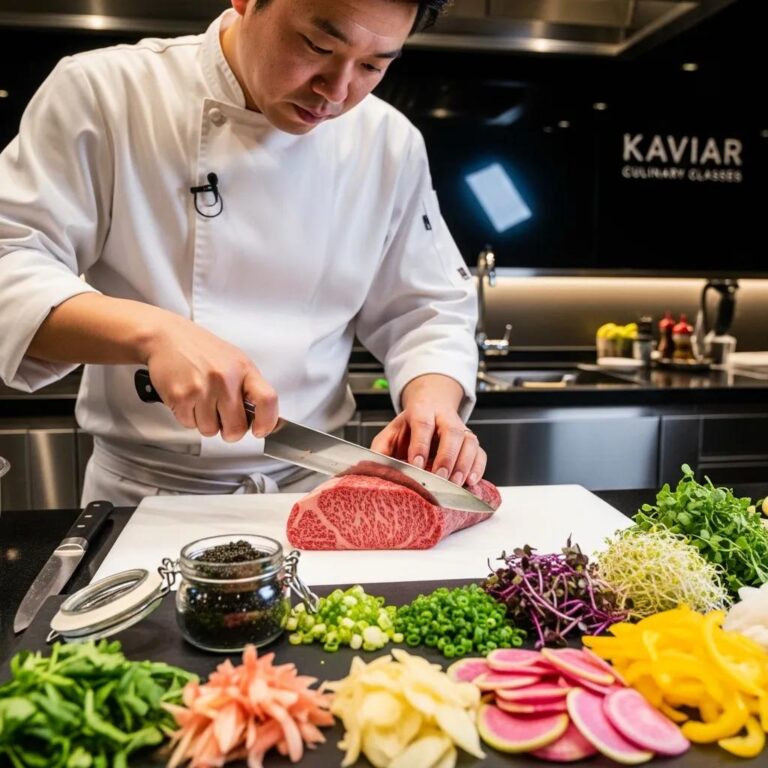
Chefs apply koji to deepen savory notes, use short lactic ferments for crisp acidic garnishes and rely on controlled aging or oxidation to build sauce complexity. Examples include koji‑cured fish that requires minimal cooking to show texture, and micro‑fermented pickles served as subtle palate cleansers between courses. The result is layered umami, restrained acidity and thoughtful textural contrast that elevate premium proteins like A5 Wagyu without masking them. These methods are increasingly guided by scientific controls—temperature, salt and time—to ensure consistency and food safety on fine‑dining menus.
These kitchen innovations naturally inform beverage strategies, which are essential for balancing umami‑rich courses.
What Fermented Beverages Pair Best with Japanese Fine Dining?
Beverage pairings aim to balance umami with acidity, effervescence and body: lighter junmai or ginjo sakes suit delicate fish, while fuller or aged sakes match richer, umami‑dense courses. Kombucha or low‑ABV fermented intermezzos provide palate‑cleansing acidity and gentle bubbles between courses without heavy sweetness. Pairing principles favor contrast and complement—acidity to cut fat, bubbles to refresh and umami echoes to harmonize—so intentional beverage choices enhance both flavor and digestive comfort through a multi‑course menu.
How Can Diners Experience the Health Benefits of Fermented Foods at Kaviar Restaurant?
Choosing a restaurant that thoughtfully uses fermented ingredients yields a tasting that balances flavor, presentation and subtle functional benefits. Kaviar Restaurant specializes in refined Japanese fine dining, showcasing premium elements such as Kaluga caviar and A5 Wagyu alongside carefully considered fermented components. If you’re interested in fermented‑forward dining, look for menu notes that indicate unpasteurized or lightly cured garnishes, ask your server about fermented elements in the tasting sequence and request adjustments to emphasize probiotic or low‑sodium options when possible. Reservations are recommended for curated tasting sequences that spotlight seasonal fermented items and paired beverages; you can call the restaurant directly to discuss preferences or book through the reservation channels.
Why Choose Kaviar for a Luxury Fermented Food Dining Experience?
Kaviar pairs premium ingredients with precise technique and selective use of fermented elements to enhance flavor and potential health attributes. Concentrated fermented components—miso glazes, delicate pickled intermezzos—are matched with top‑quality proteins and refined plating so fermentation supports rather than competes with the main ingredient. Guests who care about both presentation and digestive comfort will find Kaviar’s tasting narratives thoughtful and adaptable; the team can accommodate fermented‑focused preferences at booking.
How to Reserve a Table to Enjoy Fermented Dishes at Kaviar?
To enjoy a fermented‑forward tasting at Kaviar, reserve in advance and note any dietary preferences or a wish to emphasize probiotic or lightly fermented components. The restaurant accepts reservations via its standard booking channels and can take special requests by phone at (626) 605-0330 to tailor tasting menus or clarify fermented elements. Guests should mention allergies or sodium concerns so the kitchen can recommend suitable courses and pairings; the menu and staff guidance are designed to deliver a balanced, luxurious experience aligned with your wellness priorities.
Communicating preferences when you reserve increases the chances of a curated fermented experience.
- Review the menu: Look for items that note fermented components or ask staff for details.
- Call ahead: Use the phone number to request fermented‑focused accommodations or clarifications.
- Mention dietary needs: Note allergies or low‑sodium requests so the kitchen can adapt dishes.
These simple steps help translate the science and culinary knowledge in this article into a memorable, high‑end tasting at Kaviar.
- Diverse selection: Rotate multiple fermented foods across meals to broaden microbial and metabolite exposure.
- Prefer minimal heat treatment: Choose raw or chilled fermented garnishes when probiotic benefits are sought.
- Combine with fiber: Pair fermented items with prebiotic‑rich vegetables to support SCFA production.
These practical recommendations translate current evidence into dining choices that support digestion and enjoyment.
Bringing these insights together helps diners choose fermented dishes with intention and savor both their sensory and gut‑health contributions when dining out.
- Try a tasting menu: Experience how fermented elements are layered across multiple courses.
- Ask for guidance: Our servers can explain which components are fermented and how they influence flavor and digestion.
- Reserve with intentions: Noting probiotic preferences at booking increases the chance of a curated fermented experience.
Frequently Asked Questions
What is the difference between live cultures and fermentation-derived metabolites in fermented foods?
Live cultures are the viable microorganisms in fermented foods—probiotics that may temporarily colonize the gut and exert direct effects. Fermentation‑derived metabolites are compounds produced during fermentation, such as short‑chain fatty acids and bioactive peptides, that improve nutrient absorption and support gut health. Both contribute to the value of fermented foods: live cultures for direct probiotic action, and metabolites for broader nutritional benefits.
How can I incorporate more fermented foods into my diet?
Adding fermented foods is easy and delicious. Start with yogurt, kefir, sauerkraut or kimchi, and try fermented beverages like kombucha. Use miso in dressings and marinades, and explore local markets for seasonal fermented products. Aim for variety to broaden microbial exposure and increase intake gradually so your gut can adapt.
Are there any risks associated with consuming fermented foods?
Fermented foods are safe for most people but there are considerations. Those with histamine intolerance or certain gastrointestinal conditions may react to some products. High sodium in items like pickles and soy sauce can be a concern for blood‑pressure management. If you have specific health conditions, consult a healthcare professional before significantly increasing fermented food intake.
How do I know if a fermented food is beneficial for gut health?
Look for products labeled with live and active cultures—unpasteurized and minimally processed options typically retain more probiotics. Consider the strains present; well‑researched genera such as Lactobacillus and Bifidobacterium are commonly associated with benefits. Reviewing scientific literature or product documentation can also clarify potential gut‑health effects.
Can fermented foods help with lactose intolerance?
Yes. Yogurt and kefir contain live bacteria that help break down lactose, often making these foods easier to digest for people with lactose intolerance. Fermentation reduces lactose content, but individual tolerance varies—start with small portions and observe your response. For personalized guidance, consult a healthcare provider.
What are some popular fermented foods from different cultures?
Fermented foods are global staples: kimchi from Korea, sauerkraut from Germany and miso from Japan are well known. Others include kefir from the Caucasus, tempeh from Indonesia and a wide variety of pickles across cultures. Each offers unique flavors and potential health benefits tied to their probiotic and nutritional profiles. Exploring them broadens both your palate and gut microbiome diversity.
Conclusion
Adding fermented foods to your diet can support gut health and overall well‑being through probiotics and fermentation‑derived bioactives. Understanding how ingredients like miso, kimchi and yogurt work helps diners make informed choices that align with personal goals. For a refined, fermented‑forward experience, consider the thoughtfully crafted dishes at Kaviar Restaurant—reserve your table to enjoy a luxurious tasting that celebrates the art and benefits of fermentation.