




Japanese Fine Dining in Pasadena: Parisian Standards, Michelin-Level Experiences
Parisian fine dining set the global benchmark for culinary craft: exacting technique, rare ingredients, and ceremonial service that together create memorable meals. This guide takes those Parisian standards and shows how they translate to contemporary Japanese fine dining in Pasadena. If you’re looking for omakase Pasadena or an A5 Wagyu tasting that carries Paris-level rigor without an international flight, read on. You’ll learn what defines Michelin-level cooking, how chef-driven Japanese tasting menus achieve the same discipline, why A5 Wagyu and caviar matter, and how atmosphere and service tie it all together. We also walk through what to expect during an omakase at a leading local restaurant and offer practical tips for booking those limited seats.
What Defines the Iconic Paris Fine Dining Scene and Its Michelin Star Legacy?
Parisian fine dining is built on disciplined technique, the finest ingredients, precise service, and an atmosphere designed for ritual and focus. The Michelin Guide has long formalized these ideas—rewarding consistency, a chef’s distinct voice, technical mastery, and sourcing integrity—and in doing so shaped expectations around the world. Top Paris restaurants balance taste and presentation while treating pacing and table choreography as essential parts of a meal. Knowing these pillars helps both chefs who want to emulate Parisian standards and diners who want to evaluate restaurants by craft, sourcing, service, and setting instead of marketing alone.
How Do Michelin Stars Elevate Culinary Excellence Worldwide?
Michelin stars are a clear signal: they mark kitchens that show exceptional technique, steady execution, and a strong culinary identity. Inspectors weigh five core criteria—product quality, mastery of flavors and techniques, the chef’s personality expressed through the food, value, and consistency across visits—which pushes restaurants to invest in staff training, supplier relationships, and repeated tasting practice. Worldwide, that pressure raises the bar for fine dining; restaurants aiming for this level mirror the Guide’s emphasis on repetition, provenance, and a distinctive culinary point of view to meet discerning guests’ expectations.
What Are the Key Elements of Paris’s Luxury Dining Ambiance?
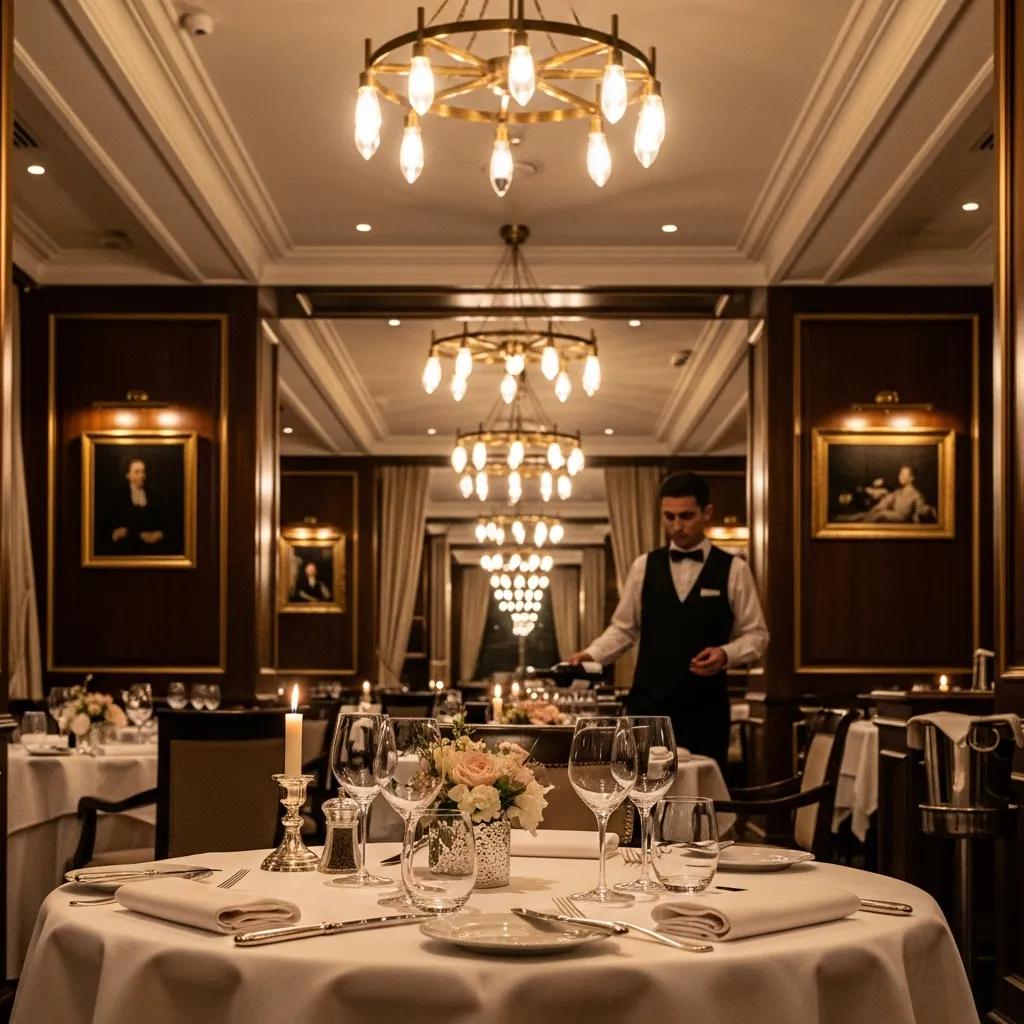
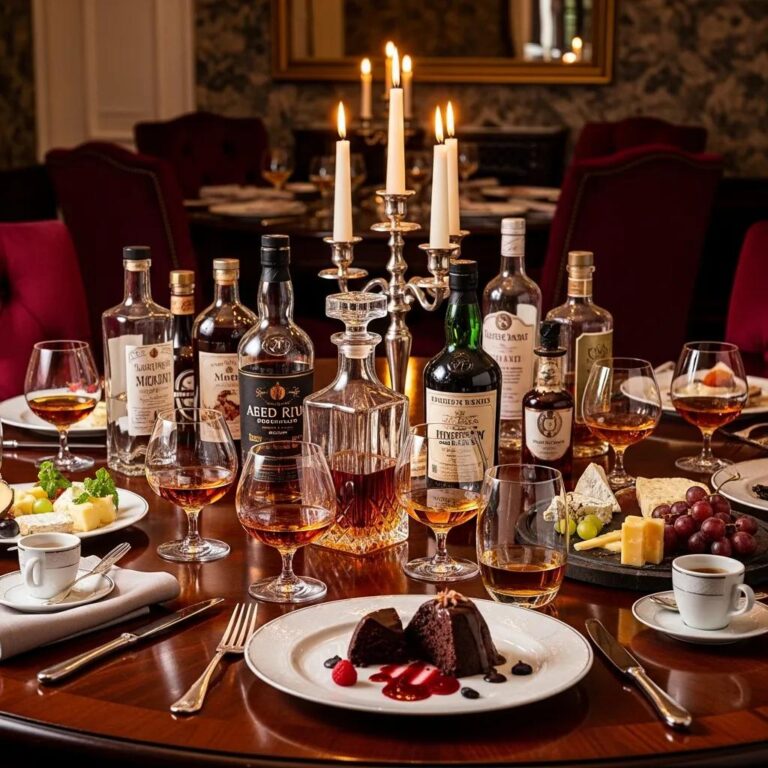
Luxury dining in Paris is as much about choreography as it is about flavor: understated, deliberate design; tableware that supports both function and small theatrical moments; and service rituals—greeting, course narration, coordinated pours, discreet clearing—that create a sense of occasion. Lighting, acoustics, and fabrics are tuned so flavors register clearly and pacing lets each course breathe. Recognizing these elements helps diners judge local restaurants by observing staff training, the rhythm of service, and how well the environment supports the food—key signals of Michelin-level intent.
Sensory Marketing in Fine Dining: How Taste and Ambience Create Luxury Experiences
Fine dining is a multisensory narrative: taste is central, but ambience—sight, sound, touch—shapes how the meal is felt and remembered. This study examines how chefs and designers combine flavor, texture, presentation, and environment to build cohesive dining stories. Examples range from Japanese omakase to farm-to-table tasting menus, showing how deliberate sensory choices deepen satisfaction, create emotional connection, and justify premium pricing.
How Taste and Ambience Shape Consumer Perceptions—Sensory Marketing in Fine Dining, 2024
How Does Japanese Fine Dining in Pasadena Reflect Michelin Star Quality?
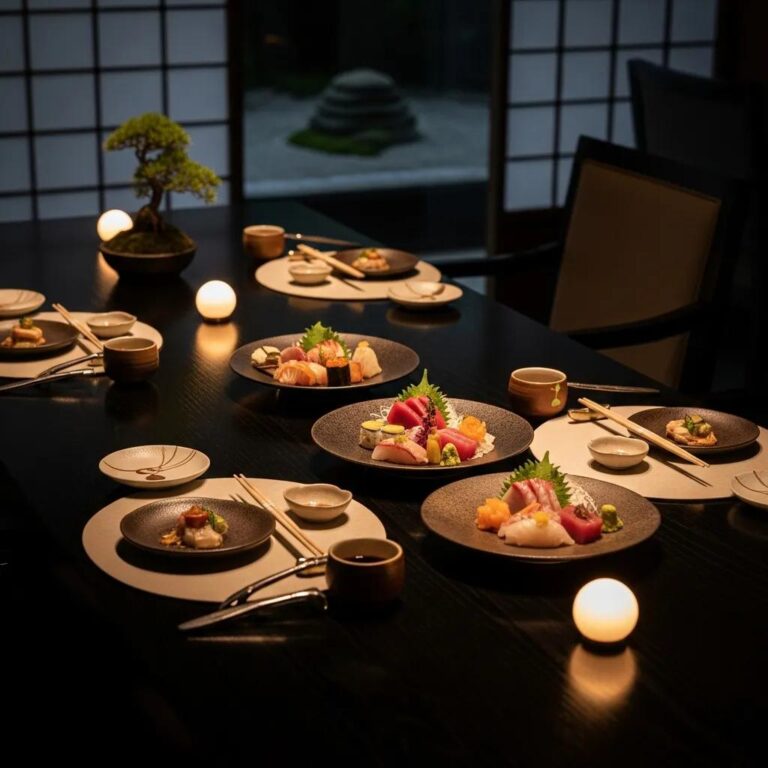
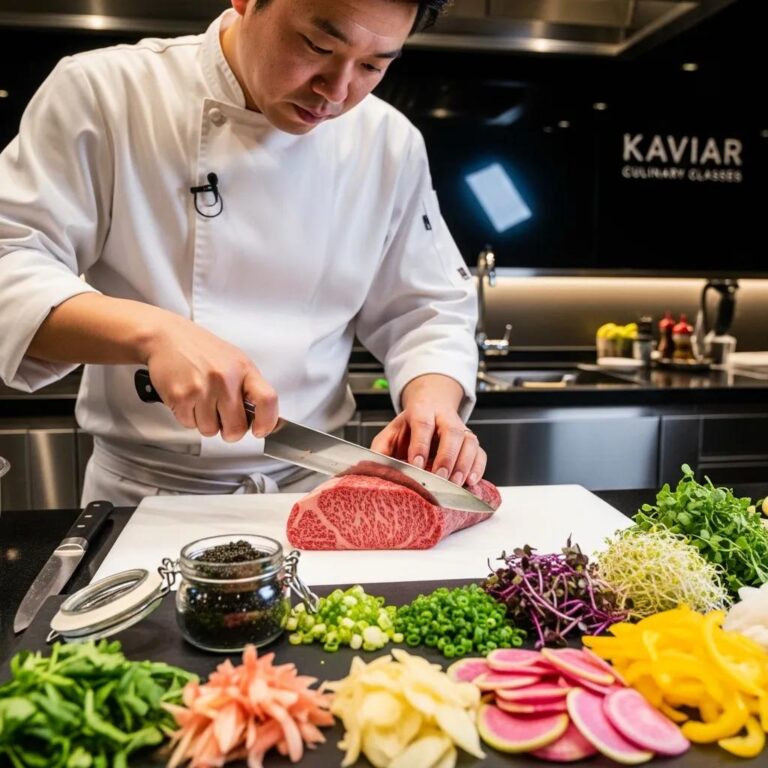
In Pasadena, Japanese fine dining channels Michelin-level standards through disciplined technique, careful sourcing, and chef-led tasting narratives that prioritize balance and refinement. Local omakase experiences focus on seasonal seafood, precision in sashimi, and the restraint that defines top-tier kitchens—while using local supply chains to ensure peak freshness. Chefs demonstrate craft—knife skills, rice control, and subtle seasoning—to deliver consistent plates that stand alongside Michelin-inspired benchmarks. These practices show how the Guide’s criteria for product quality, technique, personality, and consistency translate into Pasadena’s Japanese cuisine.
What Makes Kaviar Restaurant Pasadena’s Premier Japanese Fine Dining Destination?
Kaviar is dedicated to delivering an intimate, chef-led Japanese fine dining experience in Pasadena. Our menu spotlights premium ingredients—A5 Wagyu and Kaluga caviar among them—alongside precise sushi and seasonal sashimi. The restaurant’s chef-curated omakase sequences emphasize provenance and texture, presented in a refined dining room designed for focus and ceremony. Visit the menu to see how each course demonstrates our commitment to quality and narrative tasting, and learn why guests searching for Michelin-quality Japanese dining in Pasadena choose Kaviar.
How Does Omakase Offer a Michelin-Level Tasting Experience in Pasadena?

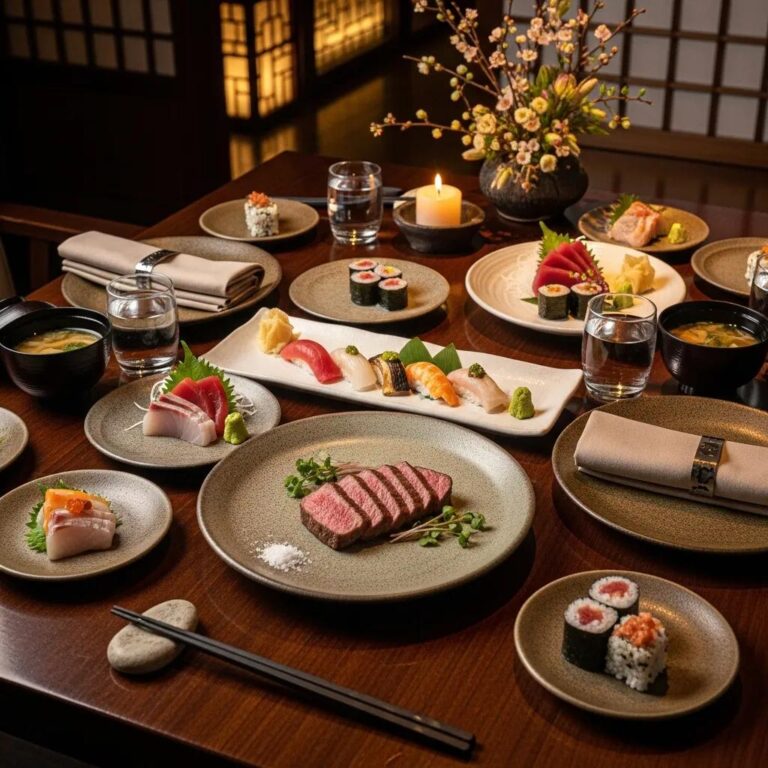
Omakase mirrors a Michelin-style tasting by centering the chef’s narrative, strict seasonal sourcing, and tightly controlled execution across sequenced courses. At an omakase counter in Pasadena, each plate builds on the last—playing with texture contrasts and provenance the way a chef’s tasting menu would in Paris. The format enforces small, repeatable presentations refined nightly, and it creates space for exact pacing and tailored seasoning that reflect Michelin expectations. For diners, omakase offers transparency into technique, sequence, and sourcing—making it one of the best ways to experience Michelin-caliber Japanese cuisine locally.
Why Are A5 Wagyu and Caviar Essential to Luxury Dining Experiences?
A5 Wagyu and quality caviar are luxury signifiers because they demand careful sourcing, precise handling, and skilled execution. A5 Wagyu’s high marbling gives a buttery mouthfeel and layered umami that reward minimal seasoning and exact heat control, while Kaluga and other premium caviars offer a briny pop and aromatic nuance that can elevate simple carriers like blini or sushi. Both ingredients expose a kitchen’s sourcing relationships and technical discipline: overcook the beef or mishandle the roe and their value is lost. Their rarity and cost also shape menu design, portioning, and pairing expectations.
Key reasons premium ingredients matter in tasting menus:
- They signal trusted suppliers and traceable provenance.
- Their textures and flavors create memorable focal points in a sequence.
- Correct handling highlights a kitchen’s technical mastery and attention to detail.
Restaurants that master A5 Wagyu and caviar handling typically show the same precision in timing and staff coordination found at Michelin-level operations.
What Is the Significance of A5 Wagyu Grading in Fine Dining?
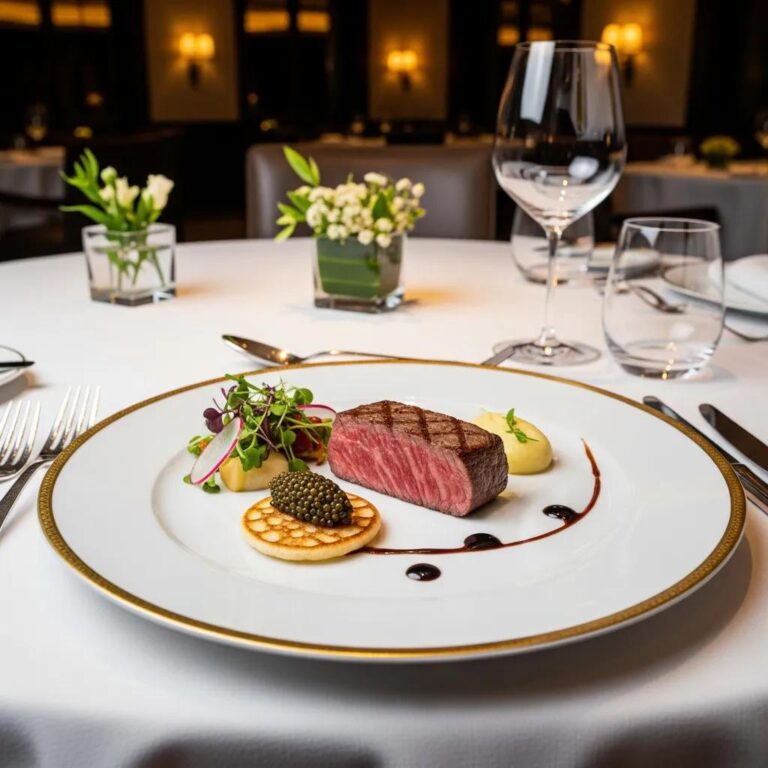
A5 identifies the top grade for Wagyu—maximum marbling, extreme tenderness, and a distinctive buttery texture that yields concentrated umami when treated correctly. Grading looks at yield and marbling scores, and chefs adjust portion size, searing, and resting time to showcase the fat’s melting profile without overwhelming the palate. In fine dining, A5 Wagyu needs restrained seasoning and minimal cooking so its fat and muscle texture can speak—an exacting test of a kitchen’s heat control and plating restraint. Knowing these handling principles helps diners judge whether a restaurant can turn grade into an elevated eating experience.
Before the table, consider how grades compare and which pairings will support them.
How Do Caviar Varieties Enhance the Luxury Dining Experience?
Caviar varieties bring distinct salinity, texture, and aroma that chefs use to punctuate dishes or add contrast. Kaluga caviar, for example, offers a buttery, slightly smoky pop that pairs beautifully with chilled sake or Champagne, while other sturgeon roe ranges from delicate to more saline—each suited to different applications like sushi, blini, or crème fraîche. Proper service emphasizes neutral carriers and cold presentation so the roe’s bead and flavor remain central, requiring strict temperature control and gentle handling. Pairings often favor light bubbles or mineral-forward sakes to lift the roe without masking its subtleties.
Classic caviar pairings to consider:
- Light Champagne or sparkling wine for acidity and effervescence.
- Dry, mineral-forward sake to complement umami and texture.
- Neutral bases—blini or chilled sushi rice—to showcase brine and bead.
These principles help chefs weave caviar into tasting sequences while keeping balance and clarity.
How Does the Luxury Restaurant Experience in Pasadena Compare to Parisian Standards?
Top Pasadena restaurants reflect Parisian norms by adopting rigorous service protocols, deliberate interior choices, and pacing that protects tasting continuity. Service choreography—pre-service briefings, synchronized plating, and quiet table-side rituals—mirrors the ritual you’d find in gourmet Paris houses. Ambiance choices like lighting, sound control, and table appointments focus attention on flavor and presentation, while reservation and seating strategies manage guest flow to preserve consistency. Observing these operational decisions gives diners a practical way to compare local experiences against Michelin-inspired standards from Paris.
What Role Does Ambiance Play in Creating a Michelin-Star-Level Dining Atmosphere?
Ambiance directly shapes perception: controlled lighting clarifies color and texture, good acoustics let conversation flow without intrusion, and curated tableware supports portion scale and plating. Staff etiquette—timely clearing, paced course delivery, and informed beverage guidance—completes the sensory framework so dishes register as intended. Sightlines to the kitchen or sushi bar can enhance storytelling and transparency, connecting guests to technique and sourcing. Noticing these elements helps diners judge whether a restaurant has invested in the nonculinary details that sustain Michelin-level dining.
How Do Reservation and Service Practices Reflect Fine Dining Excellence?
Reservation policies and service procedures communicate professionalism and respect for the tasting format through defined time windows, deposit policies, private seating options, and dietary coordination. High-end restaurants control booking cadence so kitchens can prepare and staff effectively—supporting consistency across multiple covers. For diners, clear communication about timing, special requests, and cancellation terms signals operational maturity. These practices matter because a well-managed service rhythm affects course pacing, temperature control, and overall satisfaction—key components of Michelin-style experiences.
Reservation best practices used by fine dining establishments:
- Controlled booking windows to protect omakase and tasting availability.
- Clear deposit and guest-count policies to reduce no-shows.
- Advance notice for dietary restrictions so the kitchen can make safe adjustments.
Such policies create a predictable environment where kitchen and service teams can maintain the quality guests expect.
What Are the Unique Features of the Omakase Journey at Kaviar Restaurant?
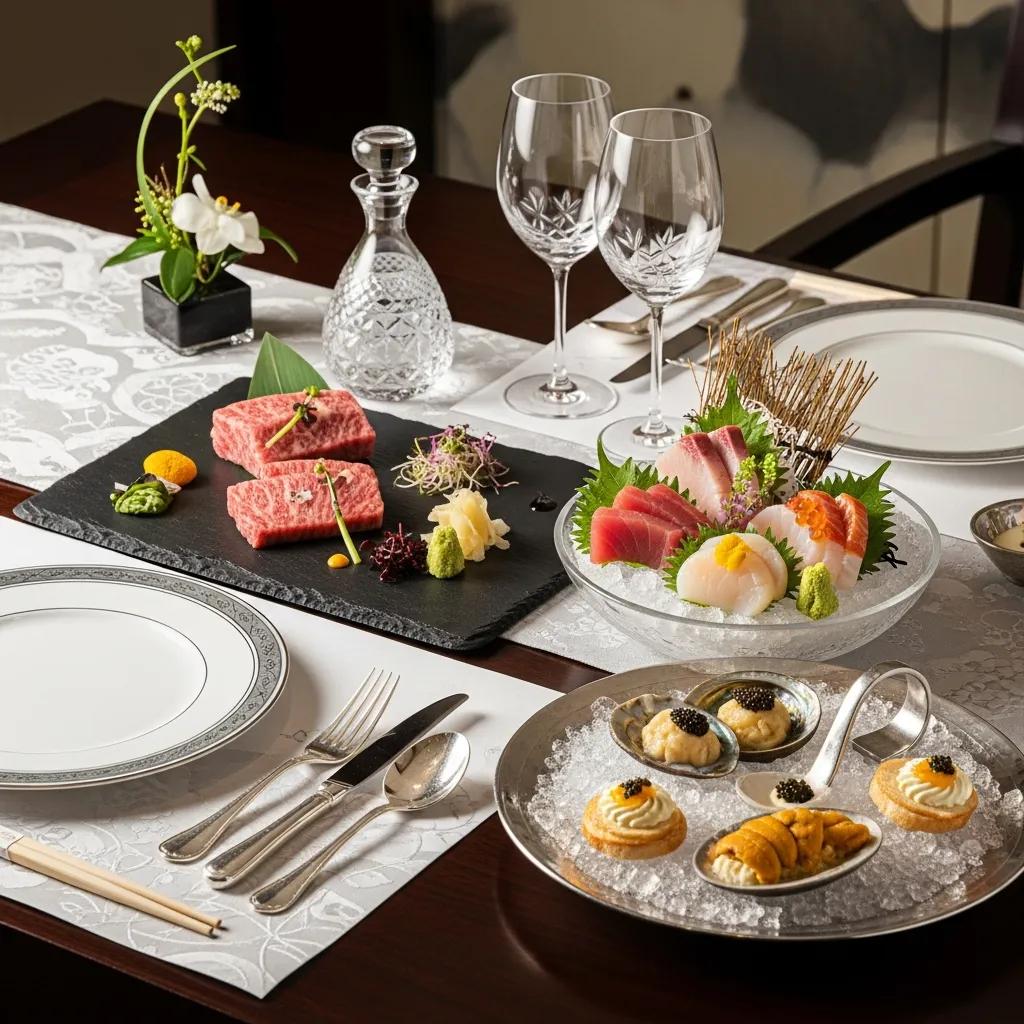
Kaviar’s omakase is an intimate, seasonally driven tasting that highlights provenance and precise execution. Our chef-led sequence opens with pristine sashimi and moves through thoughtful interludes—often featuring focused A5 Wagyu preparations or caviar accents—designed to emphasize textural contrast and subtle temperature changes. Each plate is calibrated so the next one can follow naturally, creating a coherent sensory narrative that reveals both ingredient quality and culinary intent.
How Is the Seasonal Omakase Menu Curated for Culinary Perfection?
At Kaviar, menu curation starts with seasonal seafood and select premium proteins chosen for peak freshness and compatibility across the sequence. Raw preparations—sushi and sashimi—highlight traceability and texture, while richer interludes are timed so they don’t overwhelm more delicate courses. The chef sequences dishes to move from subtle to more intense sensations, allowing the team to fine-tune timing and portion sizes for an optimal tasting flow.
Before exploring sensory presentation, consider how each course element maps to expected notes.
What Sensory Experiences Define Kaviar’s Omakase Presentation?
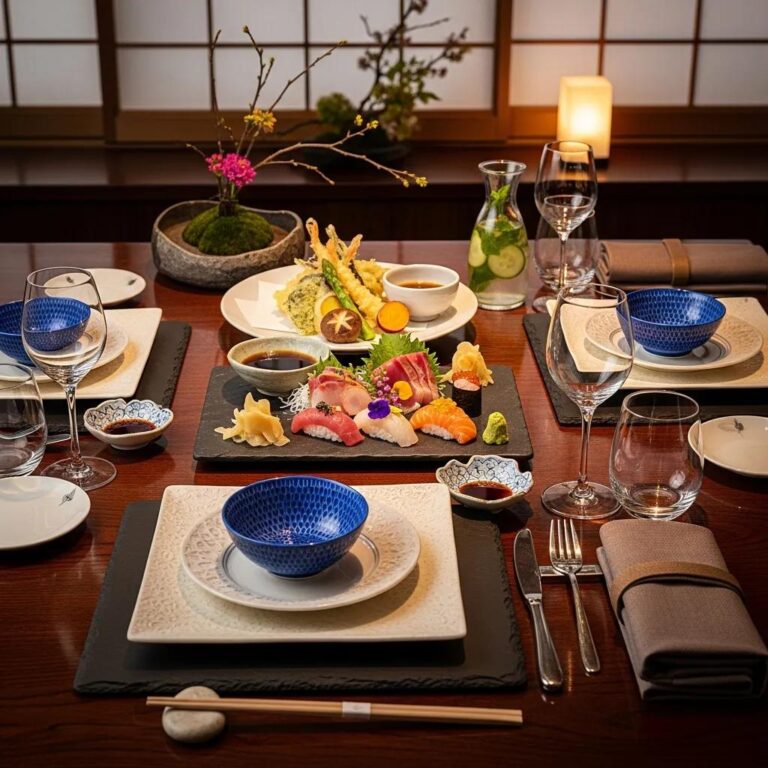
Kaviar’s omakase emphasizes visual restraint, layered textures, and subtle aroma layering that reveal provenance and technique. We pair cool, pristine sashimi with warm, lightly seared Wagyu to create temperature and mouthfeel contrasts that honor each ingredient. Aroma elements—delicate broths, torched oils, or citrus clean notes—guide perception without masking the main flavors. These strategies keep each course clear and purposeful while building toward a satisfying overall arc.
How Can Diners Plan and Book Their Michelin Star Quality Japanese Dining Experience in Pasadena?
Good planning starts with understanding booking channels, lead times, and the expectations of chef‑led tasting formats so you arrive ready for a focused sensory experience. Reserving omakase in Pasadena usually requires advance notice to secure limited counter seats and to let the kitchen source seasonal items—especially when A5 Wagyu or specific caviar varieties are requested. Tell us dietary restrictions and confirm party size ahead of time so the team can maintain consistent pacing and portioning. These steps increase the chance of a truly elevated meal.
What Are the Best Practices for Booking a Luxury Dining Reservation at Kaviar?
To book Kaviar, use our reservation platforms or call directly to secure omakase counter seats—especially for peak evenings when availability is limited. Plan several weeks ahead for weekend bookings, and share dietary needs or celebration details at the time of reservation so we can prepare accordingly. For private groups or exclusive tastings, ask about group seating or private options when you book. These preparations minimize surprises and let the kitchen deliver a calm, chef-driven service.
Booking checklist for diners:
- Reserve early—high-demand seats often fill weeks in advance.
- Specify dietary restrictions and final guest count with your booking.
- Confirm via phone or third‑party platform to secure your reservation.
- Ask about private seating or omakase counter availability if you want an exclusive experience.
Where Is Kaviar Restaurant Located and What Are Its Visiting Hours?
Kaviar Restaurant provides the logistical details you need to plan your visit: our address is 70 N Raymond Avenue, Suite 250, Pasadena, CA, and our phone number is (626) 605-0330. Hours and menus may change with seasonal tastings and special events, so please check our official profile or business listing for the latest information. When preparing for an omakase or an A5 Wagyu tasting, confirm any timing or seating details at booking so the kitchen can accommodate your preferences—good planning preserves the ceremonial quality of the evening.
Frequently Asked Questions
What is the difference between omakase and traditional dining experiences?
Omakase is a chef‑driven tasting where you entrust the meal to the chef’s seasonal vision. Instead of selecting dishes from a menu, you receive a sequenced, curated progression that highlights the best available ingredients. The result is a personalized narrative—each course builds on the last and is adjusted to the moment.
How can I ensure a great experience at a fine dining restaurant?
Book early, share dietary restrictions or celebration notes when you reserve, and arrive on time so the service rhythm stays intact. Be open to the chef’s recommendations—embracing the tasting format lets you experience the full breadth of the kitchen’s skill and creativity.
What should I expect in terms of service at a Michelin-level restaurant?
Expect attentive, professional service that is informed but unobtrusive: timely course delivery, thoughtful explanations of dishes, and knowledgeable guidance on pairings. The room will be managed to enhance the meal—your needs met discreetly so the food remains the focus.
Are there specific etiquette rules to follow in fine dining?
Dress appropriately for the setting and wait for the host to begin before you eat. Use utensils from the outside in, keep elbows off the table, and avoid using your phone at the table to preserve the atmosphere. Politeness toward staff and fellow guests helps maintain a relaxed, respectful experience.
How do I choose the right wine to pair with my meal?
Match the wine’s weight to the food’s weight: lighter wines with delicate dishes, fuller-bodied wines with richer courses. If you’re unsure, ask the sommelier—they’ll recommend pairings that complement the chef’s intended flavors and textures.
What are the benefits of dining at a Michelin-starred restaurant?
Dining at a Michelin-starred restaurant offers precise culinary craftsmanship, exceptional ingredients, and elevated service that together create a memorable occasion. These restaurants focus on detail—from preparation to presentation to pacing—so guests experience innovative dishes and polished hospitality in a refined setting.
Conclusion
Michelin-quality Japanese fine dining in Pasadena combines culinary artistry, premium ingredients, and attentive service to deliver meals that stand alongside Parisian standards. By understanding omakase’s structure and the role of ingredients like A5 Wagyu and caviar, you can approach local tastings with clearer expectations. Explore restaurants that prioritize provenance, technique, and thoughtful service—and when you’re ready, book a reservation at Kaviar to enjoy a carefully curated, luxurious dining experience.