




Why Texture and Mouthfeel Matter: Designing the Sensory Journey at Kaviar
Texture and mouthfeel shape every bite: they control how flavors emerge, how satisfaction builds, and how a meal lingers in memory. This piece defines those terms, explains their role in sensory science and craft, and shows how deliberate textural design raises dining quality. At Kaviar, texture sits at the heart of our Chef’s Omakase and signature plates—guiding tempo and building contrast from the delicate pop of caviar to the buttery collapse of A5 Wagyu. Below we clarify core concepts, summarize the oral-processing science, connect texture to flavor perception, highlight Japanese techniques with examples from Kaviar’s menu, and give clear tasting and reservation tips for guests who want a texture-forward experience in Pasadena.
What Do We Mean by Food Texture and Mouthfeel?
Food texture describes the measurable physical qualities of an ingredient—structure, firmness, viscosity, resistance—while mouthfeel is the lived, moment-by-moment sensation those qualities create as you chew and swallow. Together they govern a dish’s behavior from first contact to finish: when aromas arrive, how fats coat the tongue, and how a bite resolves. For chefs, precise definitions help choose ingredients and methods; for diners, they explain why certain pairings feel satisfying or out of balance. The sections that follow separate objective properties from subjective experience and list the texture categories chefs use to shape contrast.
How Do Texture and Mouthfeel Differ—and How Do They Work Together?
Texture is rooted in material traits—microstructure, marbling, water content, rheology—that determine whether a bite snaps, stretches, or flows. Mouthfeel is the brain’s synthesis of those tactile cues with temperature and chemical sensations. Mechanically, texture comes from things like meat marbling or plant cell walls; perceptually, mouthfeel blends those signals with saliva’s lubrication and trigeminal inputs such as cooling or astringency. A caviar “pop,” for example, begins with membrane rupture, but its creamy follow-through depends on lipid content and how oils spread in the mouth. Understanding this interplay lets chefs sequence contrasts—crisp to creamy, firm to silky—to keep a tasting interesting and to shape flavor release.
Common Texture Categories and the Sensations They Produce
Having a shared vocabulary helps both chefs and guests. Typical textural sensations include crispness, crunch, creaminess, silkiness, chewiness, tenderness, gel-like body, and airiness—each tied to specific techniques and ingredients: tempura for crisp; toasted seeds for crunch; uni emulsions for creamy; thin sashimi for silky; grilled muscle for chew; slow-cooked Wagyu for tender; jellied consommé for gelatinous; whipped mousses for airy. These categories predict how a bite will sound, resist, and lubricate the mouth, shaping expectations about freshness and technique. They also prepare us to explore texture’s influence on flavor and enjoyment.
Quick texture examples:
- Crisp — A tempura shell that fractures on contact.
- Crunchy — Toasted seeds or fried shallots for snap and contrast.
- Creamy — Uni-infused sauces that coat the palate.
- Silky — Paper-thin sashimi that melts on the tongue.
- Chewy — Nakaochi or grilled scallop muscle with pleasant resistance.
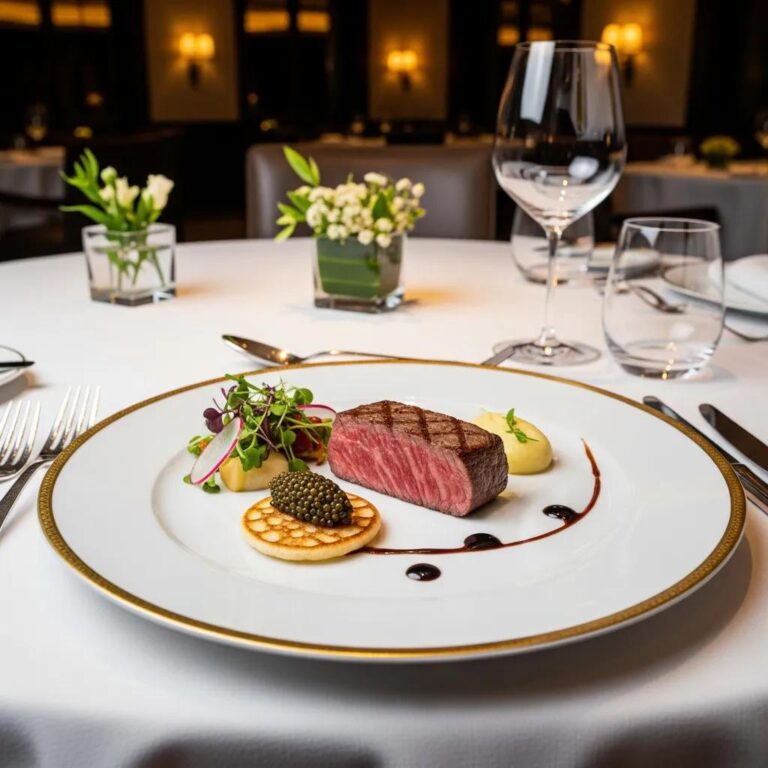
- Tender — A5 Wagyu that yields and dissolves after a gentle sear.
These fundamentals set the stage for the science linking texture to flavor perception.
How Texture Shapes Flavor Perception and Dining Satisfaction
Texture alters flavor by changing how and when taste compounds are released, by affecting saliva mixing, and by triggering sensory expectations that can heighten or soften perceived taste. Oral processing controls how long aromatics linger, whether fat-soluble umami compounds persist, and how a contrast resets the palate between bites. Because texture affects both the timing and persistence of flavor, it directly changes perceived freshness, richness, and overall satisfaction. The next sections outline the sensory mechanisms and the behavioral reasons mouthfeel strongly influences guest preference and return visits.
The Science of Texture Perception in the Mouth
Perceiving texture relies on oral mechanoreceptors, thermoreceptors, and chemical sensors that transform physical contact into neural signals, which are then integrated with smell. Rheology—the study of flow and deformation—helps quantify viscosity and lubrication properties that predict mouthfeel, while saliva dynamically alters bolus viscosity and releases flavor molecules over time. Research shows the timing of mechanical breakdown and saliva mixing determines how quickly umami and aroma compounds reach receptors, shaping perceived intensity and pleasure. Chefs who understand these mechanisms can design a targeted sensory arc.
Why Mouthfeel Drives Guest Preference
Mouthfeel is a primary cue of quality: diners often judge freshness and technique by how food feels, sometimes even more than by seasoning. Texture mismatches—rubbery fish, pasty sauces, soggy crusts—can spoil an otherwise well-seasoned dish because they violate tactile expectations. As multi-sensory dining grows, guests are willing to pay more for carefully crafted mouthfeel journeys that blend contrast, novelty, and comfort. Chefs who prioritize mouthfeel raise perceived value, encourage loyalty, and create memorable moments that guests share with others.
How texture influences dining outcomes:
- First impressions — tactile quality signals freshness and skill.
- Flavor timing — texture governs when and how taste and aroma appear.
- Memorability — unusual or perfectly balanced textures leave lasting impressions.
These effects explain why meticulous attention to mouthfeel is essential in an omakase sequence.
Sensory Marketing in Fine Dining: Texture, Taste, and Ambiance
Taste extends beyond seasoning to include texture, presentation, and storytelling, while atmosphere quietly amplifies the meal through sight, sound, and touch. This interplay—seen in omakase and farm-to-table examples—creates cohesive narratives that elevate dining into a sensory experience.
How Taste and Ambience Shape Consumer Perceptions—Sensory Marketing in Fine Dining, 2024
How Japanese Cuisine—and Kaviar—Elevate Texture in Fine Dining
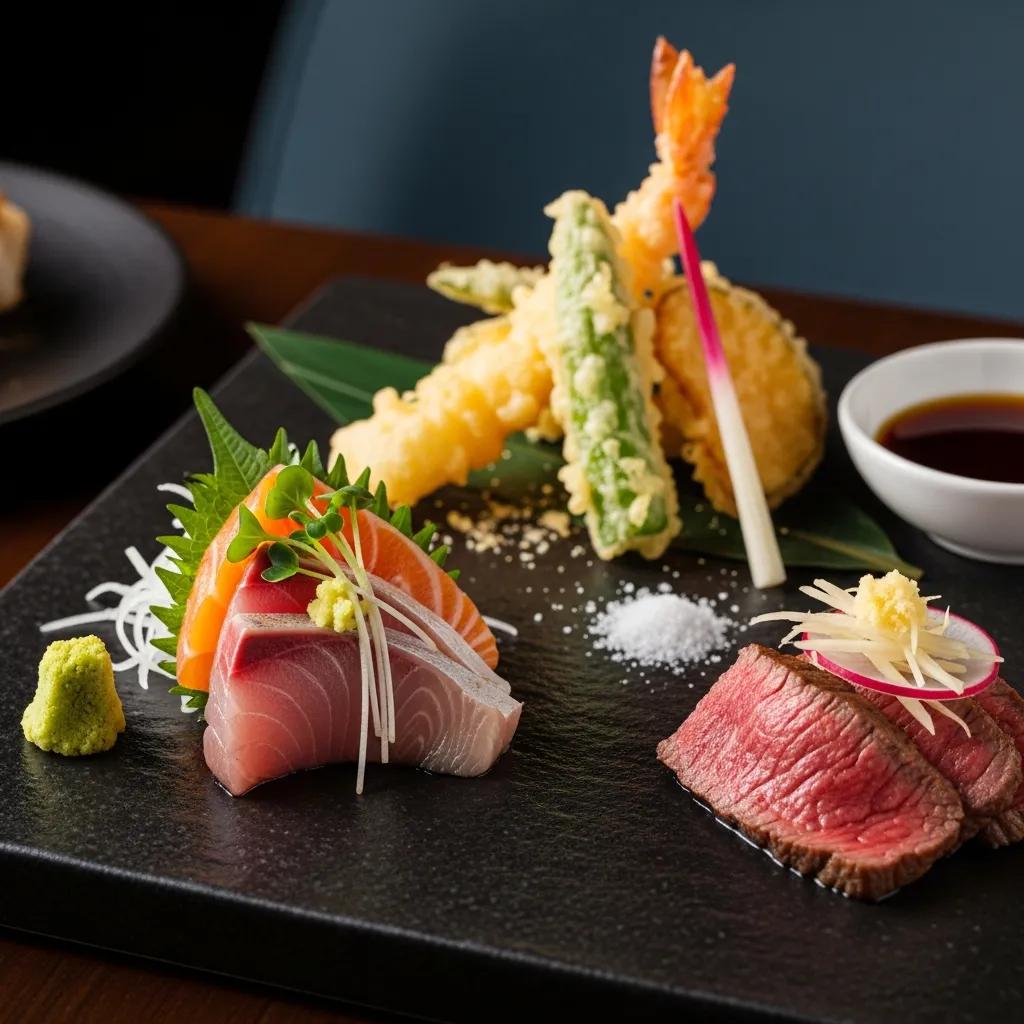
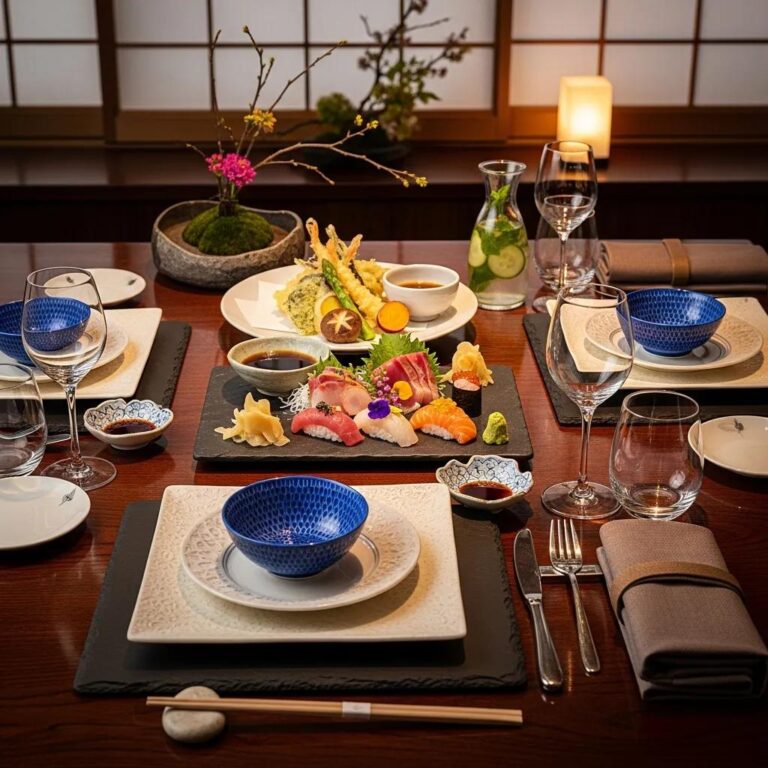
Japanese culinary tradition treats texture as a core dimension of taste, favoring seasonal precision, restraint, and techniques that reveal an ingredient’s natural mouthfeel. At Kaviar, that philosophy guides our omakase: thoughtful sequencing and exacting technique balance delicate sashimi, fragile tempura, and the unctuousness of A5 Wagyu so texture becomes narrative. Executive Chef John Hans Yeo blends contemporary plating with classical pairings to stage texture-driven flavor release, using timing and finishing touches to create a steadily evolving mouthfeel across the tasting menu. This blend of respect for tradition and modern artistry defines Kaviar’s sensory approach.
Signature Textural Elements in Omakase and A5 Wagyu
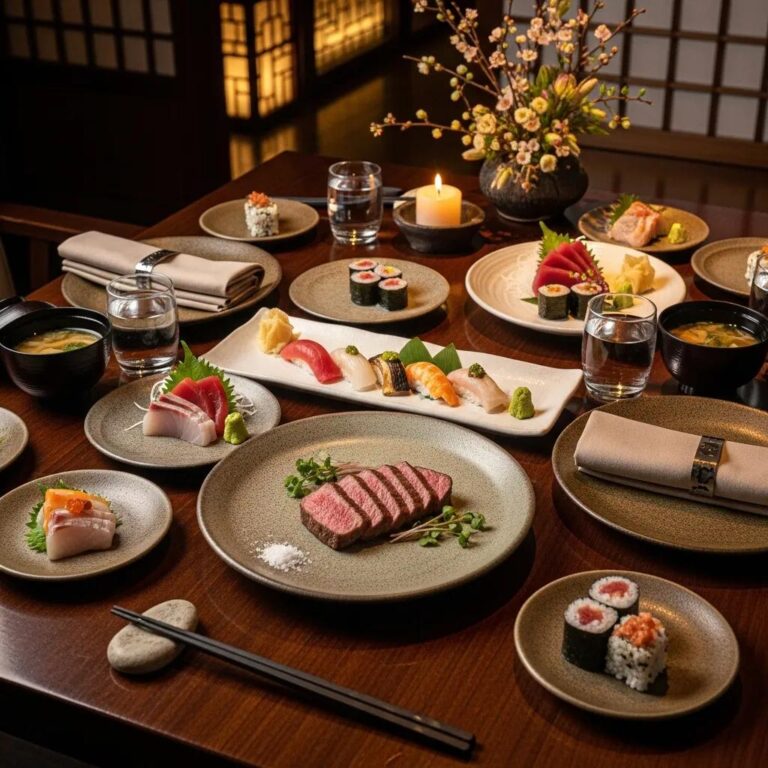
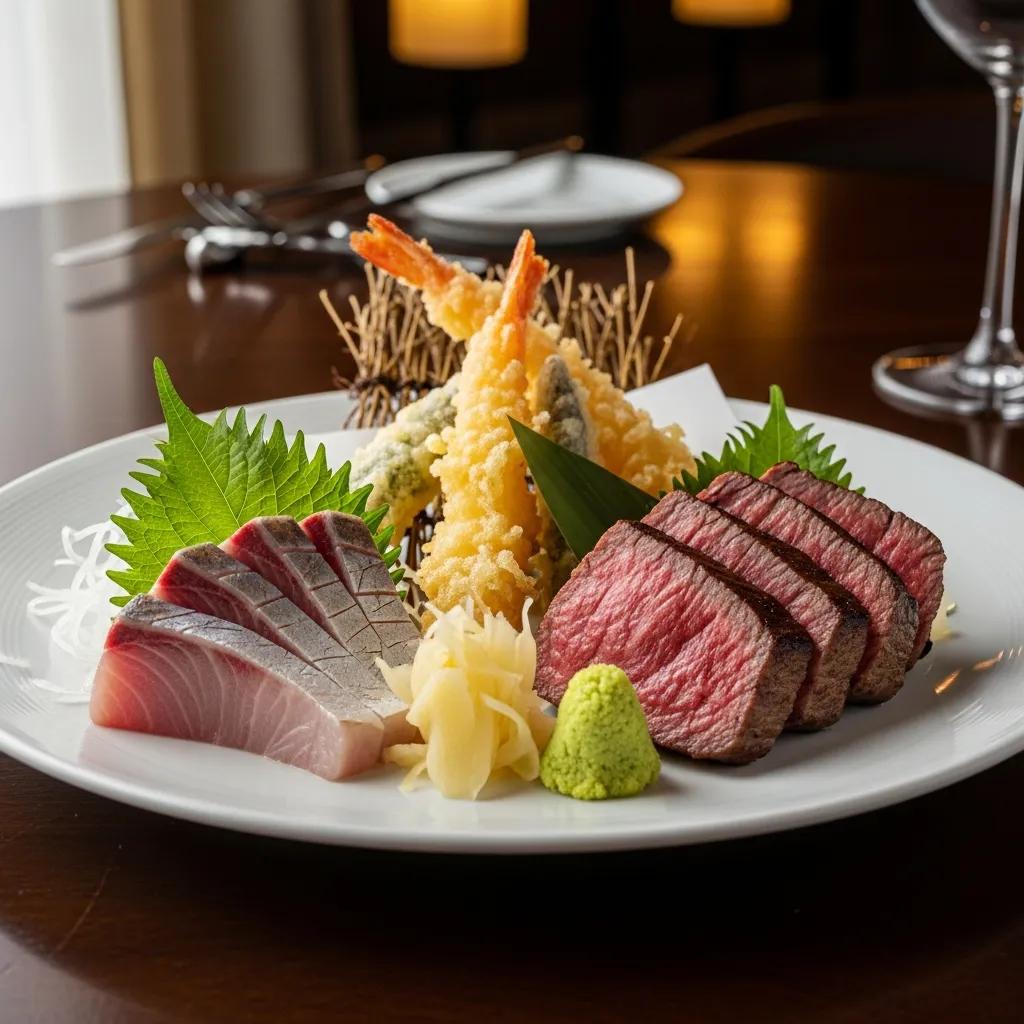
Key Japanese textures include sashimi’s silken slide, the gentle chew of vinegared rice, tempura’s transient crunch, and A5 Wagyu’s slow, buttery melt. In an omakase these elements are deliberately ordered so each course enhances the next: a pristine sashimi prepares the palate for richer, creamier pieces; a crisp bite clears the palate between fatty courses. Kaviar’s menu is arranged to maximize these contrasts—delicate seafood, robust beef, and bright garnishes—to sustain interest and clarity throughout the meal.
How Chef John Hans Yeo Builds Layered Mouthfeel
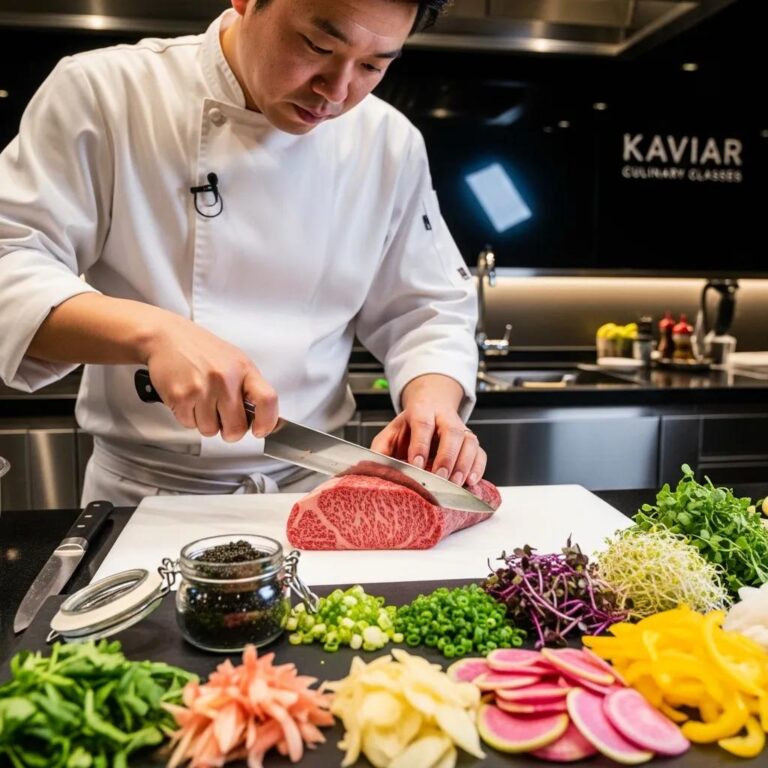
Chef Yeo composes texture by combining methods—curing, gentle searing, emulsifying, and precise garnishing—to create dynamic shifts within a single bite. He might pair a silky uni cream with a fragile caviar pop and a pinpoint crisp so the diner feels an immediate burst, a creamy mid-palate, and a long savory finish. Plating and service timing preserve those contrasts: hot components arrive to keep crispness, chilled items are served to retain structure, and delicate toppings are applied just before service. That choreography ensures each mouthfeel unfolds exactly as intended.
How Kaviar sequences texture in tasting menus:
- Start with delicate, clean textures to prime the palate.
- Introduce a refreshing contrast—crisp or acidic—to reset perception.
- Advance to unctuous, fatty textures for depth and concentrated umami.
These stages form a chef-directed sensory arc that uses texture to highlight flavor and sustain engagement.
What Mouthfeel Qualities Define Kaviar’s Signature Ingredients?
Premium ingredients bring distinct textural signatures chefs use to layer mouthfeel: Kaluga caviar’s membrane pop and oily finish, A5 Wagyu’s low-melting intramuscular fat, uni’s dense creaminess, and expertly handled rice that balances bite with stickiness. Knowing properties like roe membrane elasticity, fat melting points, and rice glycogen explains why each ingredient behaves in the mouth and how combinations boost umami and aroma. Below is a concise comparison of these signature elements and the dining effects they produce.
The following table compares select signature ingredients and their primary textural attributes and dining effects.
What Creates Kaluga Caviar’s Pop and Creamy Finish?
Kaluga caviar’s pop comes from thin, resilient roe membranes that rupture under gentle pressure, releasing concentrated brine and lipid-rich oils. That quick tactile burst delivers aroma and salinity, while the oils coat oral surfaces to prolong umami and smooth the mid-palate. Pairing the pop with a creamy base—uni or a yolk, for example—accentuates the contrast between burst and finish and deepens savoriness. Proper temperature and careful handling preserve membrane integrity so the intended pop and finish arrive intact at the table.
Why A5 Wagyu Melts and Intensifies Umami
A5 Wagyu melts because fine intramuscular fat has a low melting point; a brief, high-heat sear releases oils that coat the tongue and carry flavor volatiles. As the fat liquefies it concentrates umami compounds while tender muscle fibers yield just enough structure before giving way—creating a buttery sensation and prolonged savory aftertaste. Gentle handling—short sear followed by rest—protects the marbling and prevents proteins from tightening. Presented in small, focused portions, A5 Wagyu acts as a textural and flavorful crescendo in the omakase.
How Textural Contrasts in Sushi and Sashimi Amplify the Meal
Sushi and sashimi use micro-contrasts—rice firmness against fish silkiness, crunchy garnish against soft roe—to build layered sensation in one bite. A crisp element refreshes the palate between rich pieces; a creamy topper extends umami while a clean sashimi slice offers a cooling counterpoint. At Kaviar, combinations like crispy rice topped with uni or finished with caviar produce temporal layering: an upfront crunch or pop, a creamy middle, and a long umami finish. These engineered contrasts help guests taste each ingredient clearly and remember the sequence long after the meal.
How Chefs Shape Texture with Culinary Techniques
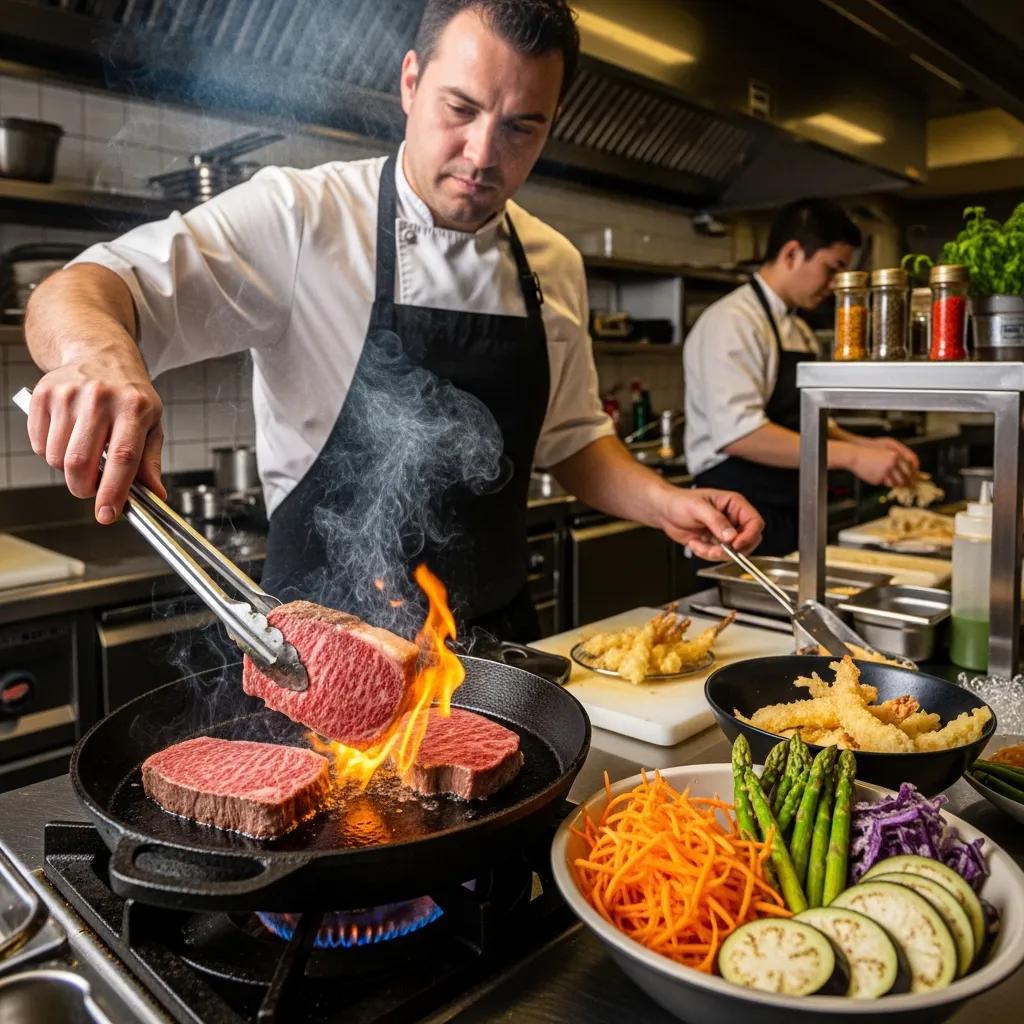
Chefs control texture through searing, frying, emulsification, curing, and precise temperature management—methods that predictably alter structure and mouthfeel. Balancing moisture, heat, and structural change lets cooks create contrasts both inside a single bite and across courses. Thoughtful technique supports a tasting narrative that guides oral processing and flavor release. Below we map common techniques to expected textural outcomes and offer practical examples, followed by targeted methods for achieving crispness, creaminess, and melt.
The following table links common culinary techniques to their textural outcomes and practical applications.
How Chefs Create and Balance Textural Contrasts
Balanced contrasts pair structure with lubrication—a crisp shell around a creamy center, or a hot-fried garnish atop a silky base—and use temperature and moisture to stagger flavor release. Effective tactics include seared exteriors with soft interiors, fried garnishes for a top note of crunch, and emulsions to lengthen coating and savoriness. Timing is critical: fragile elements are finished last, and plates for sharing are synchronized so contrasts arrive as planned. These techniques produce reliable sensory arcs from first contact to the finish.
Practical methods for textural goals:
- Crispness — Use a light batter or quick, high-heat frying to create a delicate fracture.
- Creaminess — Emulsify fats and liquids to form a stable, coating texture.
- Melt — Use low melting-point fats and short, intense searing to liquefy intramuscular fat.
A careful mix of these tactics yields nuanced mouthfeel experiences that elevate flavor.
How Multi-Sensory Design Supports Texture and Mouthfeel
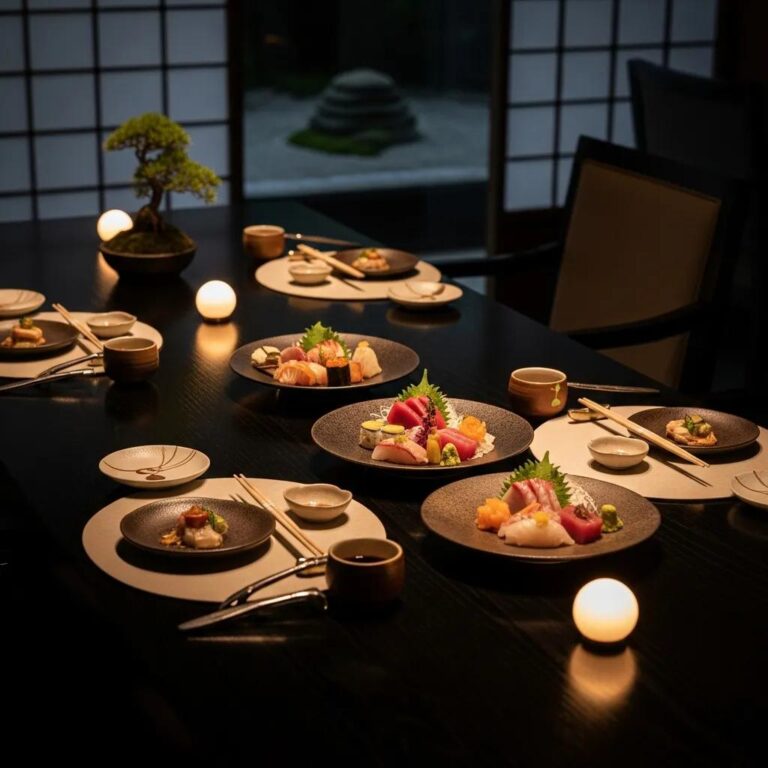
Multi-sensory design strengthens tactile perception by aligning visual cues, sound, and service timing with the intended texture. A crisp dish benefits from plating that signals crunch; subtle acoustic choices can amplify perceived crispness. Lighting and plate selection set expectations and prime the trigeminal system, making the palate more receptive. Service pacing ensures fragile textures arrive at the optimal moment and with supporting aromatics, so flavor and mouthfeel unfold as designed. When senses are in sync, textures register more vividly and the dining narrative feels complete.
Multi-sensory tactics to highlight texture:
- Visual cues — Plate contrasts that visually suggest crisp or creamy elements.
- Acoustic cues — Preserve crunch by minimizing background noise and serving immediately.
- Temporal cues — Pace courses to allow palate reset and protect textural integrity.
These approaches make textural details more pronounced and rewarding for guests.
How Guests Can Notice and Enjoy Texture at Kaviar
You can sharpen your appreciation by tasting with intention: note the initial tactile impression, watch how flavors evolve in the mid-palate, and reflect on the finish. Kaviar’s omakase is arranged to reveal contrasts gradually; diners who follow tasting cues—pause between bites, notice temperature shifts, and breathe gently—will detect deeper nuance. We recommend reserving the Chef’s Omakase so service timing and sequence are preserved; Kaviar offers easy reservation options via phone, Resy, and OpenTable and asks guests to request omakase when booking. Below are steps to help you get the most from a texture-forward tasting.
What to Expect from Kaviar’s Sensory Tasting
Expect a carefully ordered tasting that moves from light, clean textures to richer, more unctuous courses, with palate-refreshing contrasts interspersed to keep clarity and interest. Service is choreographed to protect fragile textures—delicate garnishes are finished at the table and hot and cold courses arrive at optimal temperatures—so each mouthfeel unfolds as intended. Highlights may include Kaluga caviar’s delicate pop over silky uni, a seared scallop paired with a crisp micro-green, and a small A5 Wagyu course delivering a buttery, lingering close. Thoughtful plating and pacing guide oral processing and accentuate flavor throughout the sequence.
How to Reserve a Table for a Textural Tasting
To experience the full sensory omakase, reserve in advance and note that you’d like the Chef’s Omakase—include any dietary preferences so the kitchen can adjust textures as needed. Kaviar accepts bookings by phone, Resy, and OpenTable; when you book, feel free to request seating preferences or mention celebrations and textural sensitivities. For the best experience, arrive ready to engage: avoid strong perfumes, keep conversation measured, and consider beverage pairings that complement textural contrasts. These simple preparations help ensure the mouthfeel arc lands as intended.
Quick prep for a textured omakase:
- Reserve the Chef’s Omakase in advance and share dietary notes.
- Arrive with a neutral palate—skip a heavy meal and strong fragrances beforehand.
- Follow service cues and taste mindfully: notice initial texture, mid-palate, and finish.
This article has defined texture and mouthfeel, outlined the science connecting texture to flavor and satisfaction, shown how Japanese tradition and Kaviar emphasize texture in omakase and A5 Wagyu, compared signature ingredients, described chef techniques, and offered practical guidance for guests seeking a sensory-rich meal. When chefs and diners attend to textural elements across time and technique, meals become more intentional—and more memorable.
Frequently Asked Questions
How can chefs effectively balance different textures in a dish?
Chefs find balance by pairing contrasting elements—think a crisp component with a creamy base—and by managing temperature and moisture to preserve each texture. Techniques such as searing, frying, and emulsification create distinct layers within a bite. Thoughtful finishing and timing ensure that contrasts remain distinct on the plate and in the mouth, producing a more engaging sensory experience.
What are some common mistakes chefs make regarding food texture?
Common missteps include overlooking contrast and failing to consider sequence: serving several soft items in a row can yield a flat meal, and overcooking can turn proteins rubbery. Another frequent error is adding fragile elements too early, which lets them degrade before service. Good texture design anticipates these pitfalls and times finishing steps to maintain integrity.
How does the choice of ingredients impact food texture?
Ingredients bring inherent physical properties that shape mouthfeel—high-fat cuts give a rich, buttery texture while fibrous vegetables provide bite. Preparation (raw, cured, cooked, emulsified) further changes texture. Selecting complementary ingredients and processing them appropriately is how chefs achieve the contrasts and cohesiveness a dish needs.
What sensory cues should diners pay attention to when tasting food?
Pay attention to presentation, aroma, and texture. Visual cues set expectations; aroma primes flavor; and during tasting, notice the initial mouthfeel, how the texture evolves while chewing, and the finish. Engaging these cues makes each bite more revealing and rewarding.
How can diners enhance their appreciation of food texture at home?
Experiment with techniques—roasting, frying, searing, steaming—to see how they change texture, and taste mindfully. Hosting small tasting sessions and discussing sensations with friends or family sharpens awareness. Simple exercises, like comparing a seared versus steamed vegetable, make subtle differences more obvious.
What role does plating play in the perception of food texture?
Plating frames expectation: a dish that visually signals contrast prepares the diner for the intended mouthfeel. Arranging a crispy element atop a creamy base or using color and shape to emphasize layers helps guests predict and then appreciate textural shifts. Good plating not only looks beautiful but also reinforces the sensory story.
Conclusion
Paying attention to texture and mouthfeel transforms how you taste and remember a meal. When chefs design with texture in mind—and when diners taste with intention—meals become richer, clearer, and more memorable. To explore these textural journeys firsthand, reserve the Chef’s Omakase at Kaviar and experience how thoughtful sequencing, technique, and service shape a truly sensory tasting.