




The Importance of Quality Ingredients in Fine Dining: Elevating the Japanese Omakase Experience in Pasadena
Great ingredients are the difference between a meal you remember and one you quickly forget — this is especially true in Japanese omakase, where every choice begins with the ingredient itself. In the sections that follow we explain why freshness, provenance, and careful handling matter for flavor, texture, and presentation, and how those factors shape a chef-led tasting menu that feels intimate and purposeful. You’ll get a clear look at the techniques behind ingredient-forward cooking — how seasonality lifts umami, how marbling shapes mouthfeel, and how traceability underpins sustainability — so diners understand what to expect and why premium pricing reflects real value. We also offer practical notes on omakase sequencing, responsible sourcing in today’s kitchens, and the sensory rewards of premium items. Finally, we map these ideas to Kaviar’s Pasadena setting, showing how Miyazaki A5 Wagyu and Kaluga caviar are presented in our omakase and how to reserve a curated seat. Throughout, terms like quality ingredients, omakase Pasadena, A5 Wagyu Pasadena, and caviar dishes Pasadena are woven into a clear, educational narrative for diners ready to book.
Why Are Quality Ingredients Essential in Fine Dining?
Quality ingredients shape everything: flavor clarity, subtle texture, and visual presence — the building blocks chefs rely on to deliver precise technique and elevated plating. When primary components are fresh and well-sourced, gentle treatments and minimal seasoning reveal, rather than hide, their best qualities. That transparency creates balanced dishes that reward attention. High-grade ingredients also enable consistency, so chefs can design contrasts and progressions that form a cohesive tasting menu and a meaningful narrative for guests. Finally, provenance and sustainable practices shape perception and justify premium pricing by giving diners confidence in what they’re served.
How Do Freshness and Seasonality Impact Flavor and Presentation?
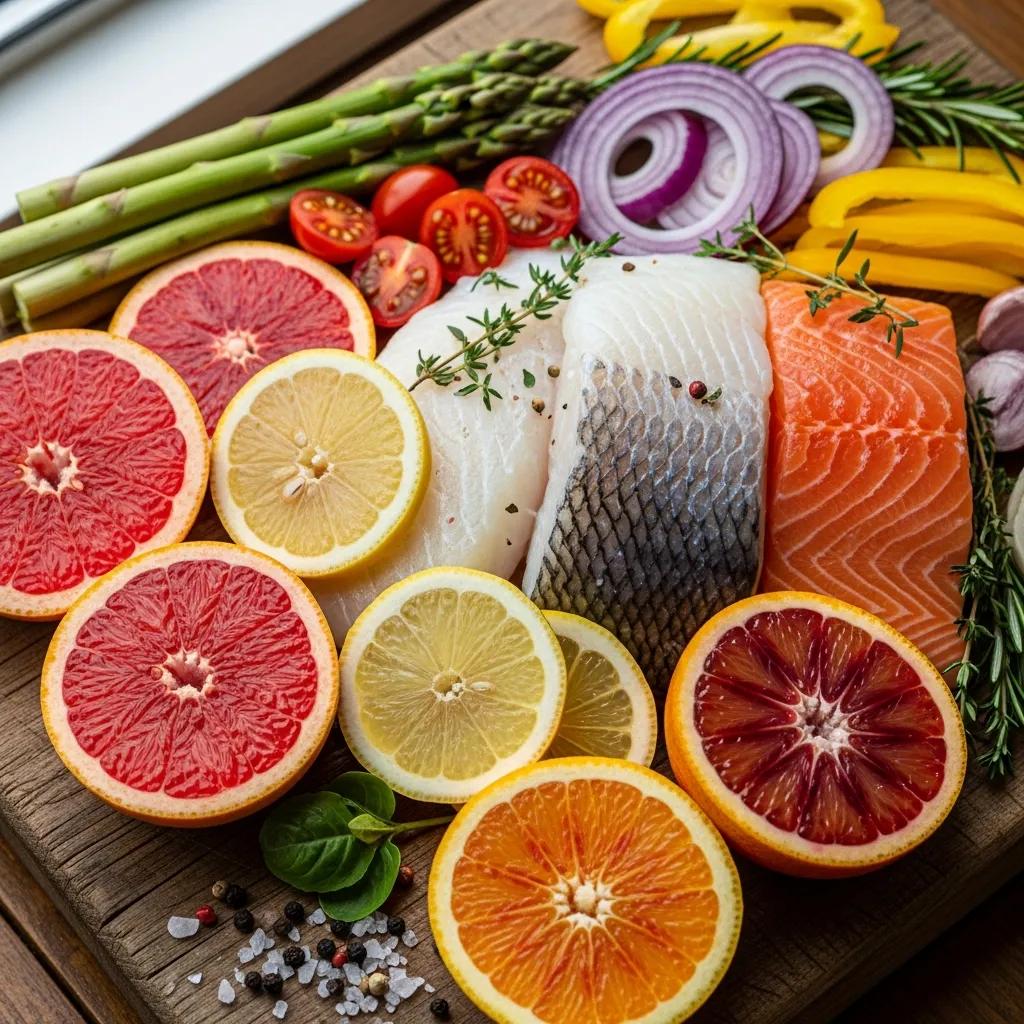
Freshness and seasonality determine intensity and the structural integrity of an ingredient — think of the clean ocean sweetness of sashimi or the bright lift of truly ripe citrus. Fresh fish keeps its delicate texture and subtle fats, allowing sashimi and nigiri to sing; seasonal produce brings aroma and color that lift a plate and sharpen contrasts. The moment of harvest or catch changes biochemical traits — enzyme activity, sugar levels, oil composition — traits chefs learn to harness for precise mouthfeel and aroma. That’s why omakase evolves with the seasons and why diners notice a real difference between peak-season plates and off-season substitutes.
What Role Does Ethical and Sustainable Sourcing Play in Fine Dining?
Ethical, sustainable sourcing protects ecosystems while preserving the quality chefs depend on. Responsible harvest methods and traceable supply chains prioritize animal welfare and environmental stewardship, giving kitchens confidence in consistency and safety. Traceability also makes seasonal planning possible and supports the stories diners increasingly want to hear about the food on their plate.
Restaurants that commit to verified sourcing lower long-term risk of depletion and build lasting relationships with purveyors who deliver peak-quality produce and seafood — and that reliability shows at the table. When sustainability and quality align, perceived value rises: guests are more comfortable paying premium prices when they understand the care behind their meal.
What Makes Kaviar Restaurant’s Premium Ingredients Stand Out?
Our ingredients stand out because we combine top-tier Japanese imports with the best seasonal seafood to showcase distinct sensory signatures — the deep marbling of specialty beef, the clean brine of premium caviar — while letting technique amplify, not mask, those qualities. At Kaviar, the kitchen favors minimal intervention: a precise sear, an exact slice, or a temperature contrast to reveal texture and aroma. Miyazaki A5 Wagyu and Kaluga caviar anchor our omakase, illustrating how origin and grade shape mouthfeel and presentation. Below is a focused comparison that explains origin, flavor profile, preparation, and serving suggestions for these signature items alongside seasonal seafood commonly featured in Japanese fine dining.
This breakdown shows how each premium element contributes a distinct sensory role that chefs amplify through simple, exacting preparations. By honoring origin and technique, Kaviar centers the guest experience on taste and texture.
Why Is Miyazaki A5 Wagyu Considered the Pinnacle of Japanese Beef?
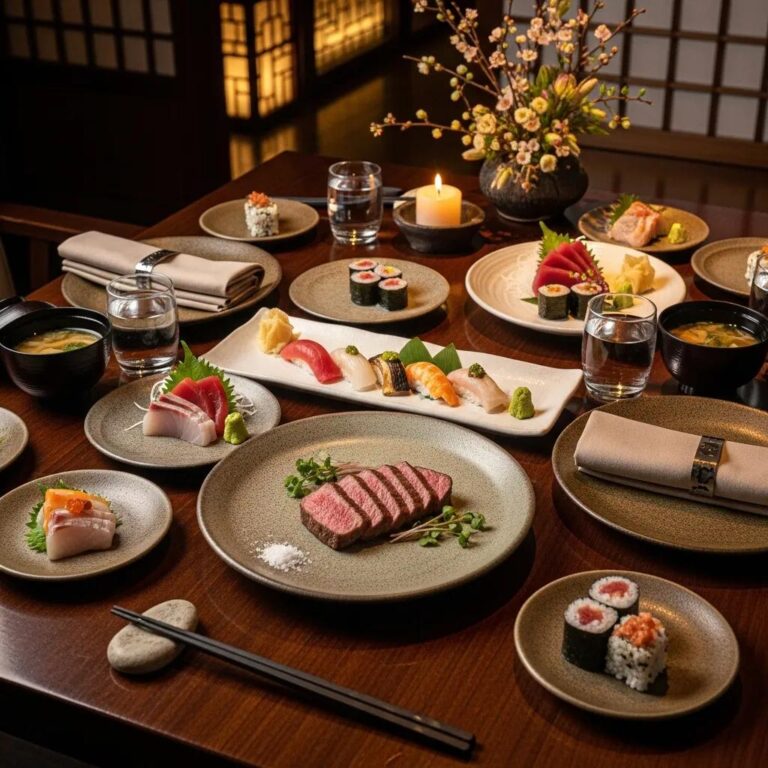
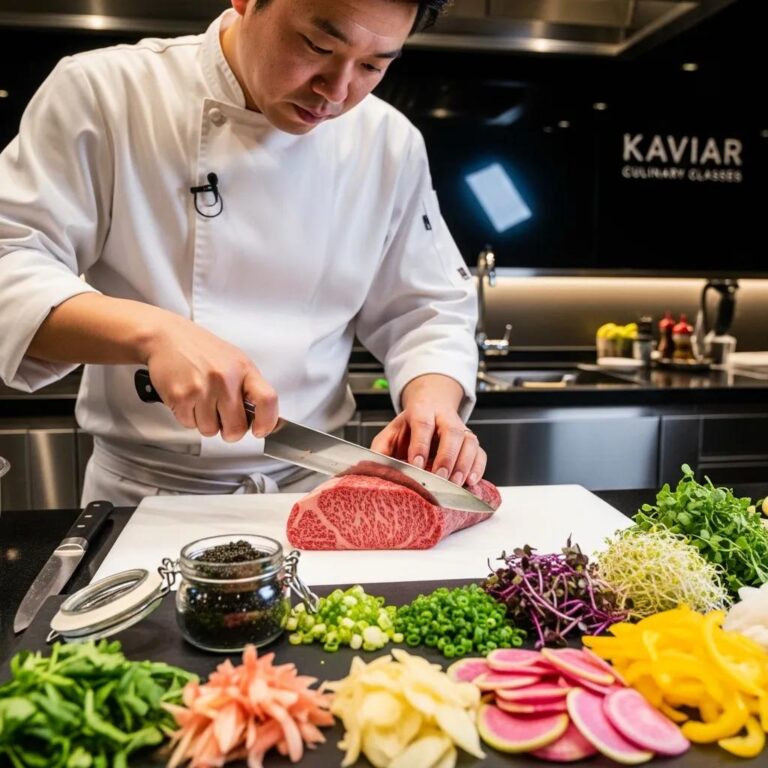
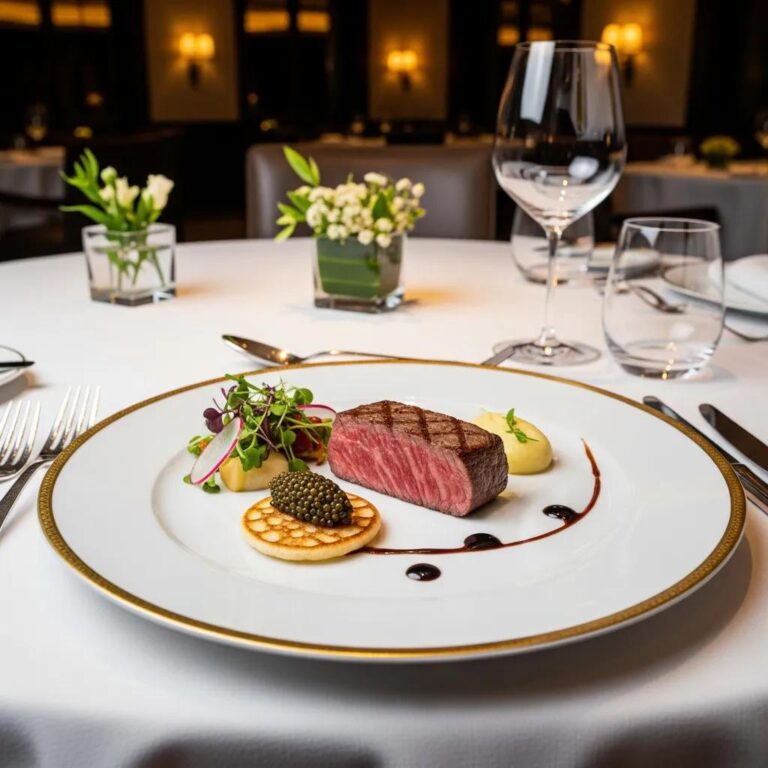
Miyazaki A5 Wagyu earns its reputation because A5 marks the highest combination of marbling, meat quality, and yield. That dense marbling becomes a buttery mouthfeel and a slow, savory umami that pairs best with light treatment. Chefs commonly use rapid searing, thin slicing, or a brief torch to render fat while keeping the marbled structure intact, creating a warm, melting contrast against a tender interior. For diners, the result is an immediate, tactile luxury — rich, refined, and unforgettable — which is why A5 Wagyu often appears as a highlight in high-end omakase.
How Does Kaluga Caviar Enhance the Luxury Dining Experience?
Kaluga caviar elevates a tasting through its pearl size and texture: a delicate pop followed by a creamy, saline finish with buttery undertones. Its visual sheen and subtle finish create ceremonial moments in a sequence and serve as a focused indulgence when paired with restrained carriers like blini or plain crackers. Presentation matters: chill the caviar, keep accoutrements minimal, and portion precisely to preserve temperature and texture. In a multi-course omakase, a thoughtful caviar service punctuates the meal with tactile contrast and refined intensity.
How Does the Omakase Experience Showcase Quality Ingredients at Kaviar?
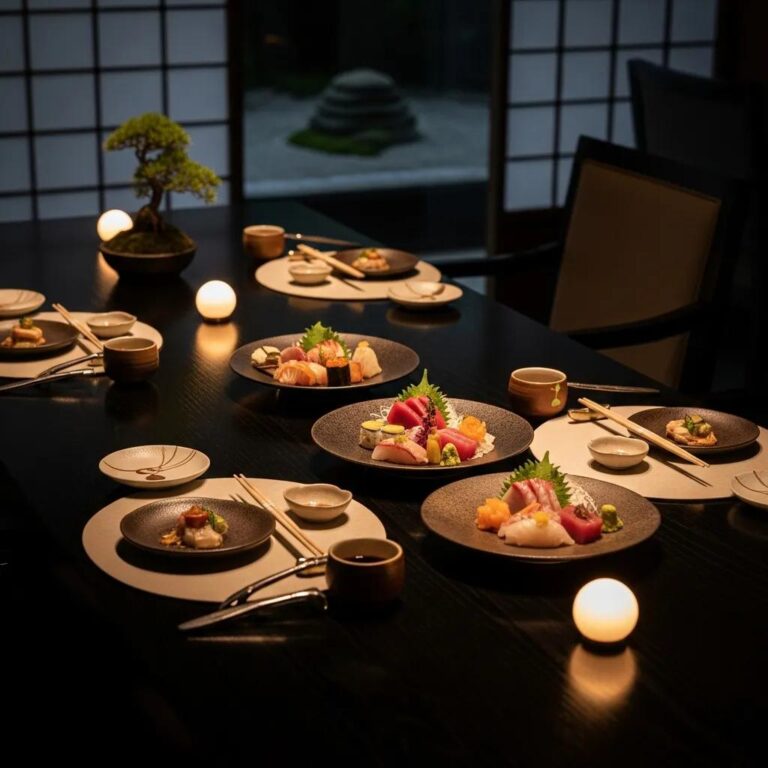
Omakase puts the chef’s selections and seasonal highlights at the center of service sequencing so each plate can show an ingredient at its peak and tell a culinary story from start to finish. The chef controls pace, portion, and contrast — moving between raw, seared, and warm courses in a deliberate flow — so texture, temperature, and flavor build to a satisfying whole. Ingredient-first sequencing brings the freshest seafood when its sweetness and texture are brightest, while richer items like A5 Wagyu provide contrast and a savory close. Personal adjustments for preferences or dietary notes further make the format an individualized sensory journey.
Kaviar’s omakase under Chef John Hans Yeo embodies this approach, weaving Miyazaki A5 Wagyu and Kaluga caviar into a sequence that accentuates their best attributes. The Chef’s Omakase ($109 per person) demonstrates how provenance and technique translate to clear value: each course connects origin to palate effect, inviting reservations from diners who want an ingredient-driven evening. The sections that follow describe the chef’s selection criteria and the hands-on techniques used to highlight ingredient excellence.
What Is the Chef’s Philosophy Behind Curating Seasonal and Premium Dishes?
The chef’s philosophy is simple: honor each ingredient’s peak qualities — seasonal timing, texture, and provenance — while composing courses that balance contrast, tempo, and visual restraint. Selection prioritizes traceability and freshness, assessing how an item responds to minimal seasoning and precise interventions. Course design maps temperature shifts, textural contrasts, and aromatic progression so each dish prepares the palate for the next. This curator’s approach turns sourcing into storytelling, revealing the link between where an ingredient comes from and how it tastes at the table.
The careful orchestration of taste and atmosphere is essential in fine dining; sensory elements combine to create lasting impressions.
Sensory Marketing in Fine Dining: Taste, Ambience, and Omakase
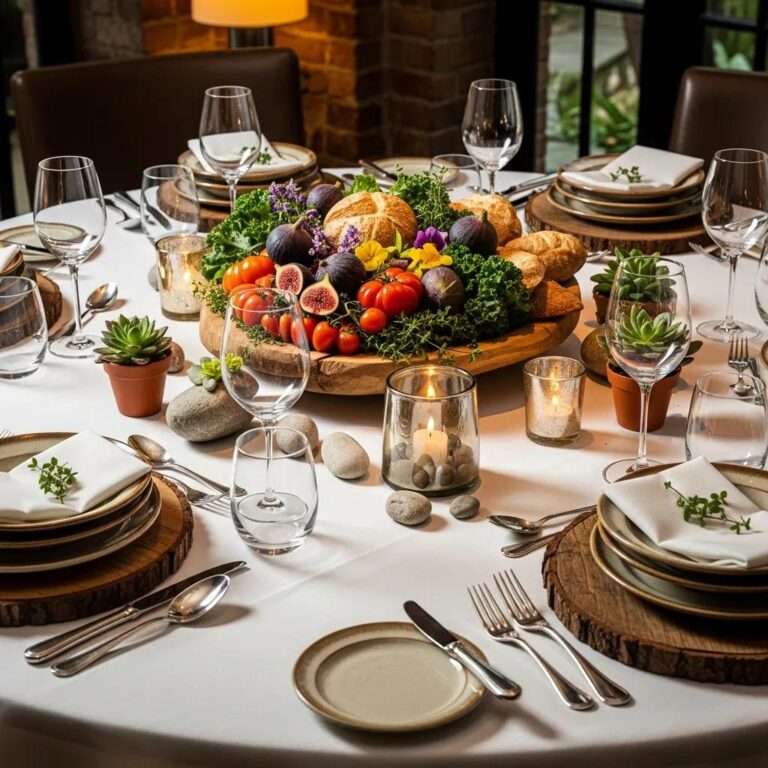
Taste sits at the heart of culinary craft but extends beyond pure flavor to include texture, presentation, and narrative, while ambience quietly shapes how we feel and remember a meal. Examining examples like Japanese omakase and farm-to-table kitchens shows how taste and setting work together to create cohesive, memorable dining stories.
How Taste and Ambience Shape Consumer Perceptions—Sensory Marketing in Fine Dining, 2024
How Are Signature Dishes Crafted to Highlight Ingredient Excellence?
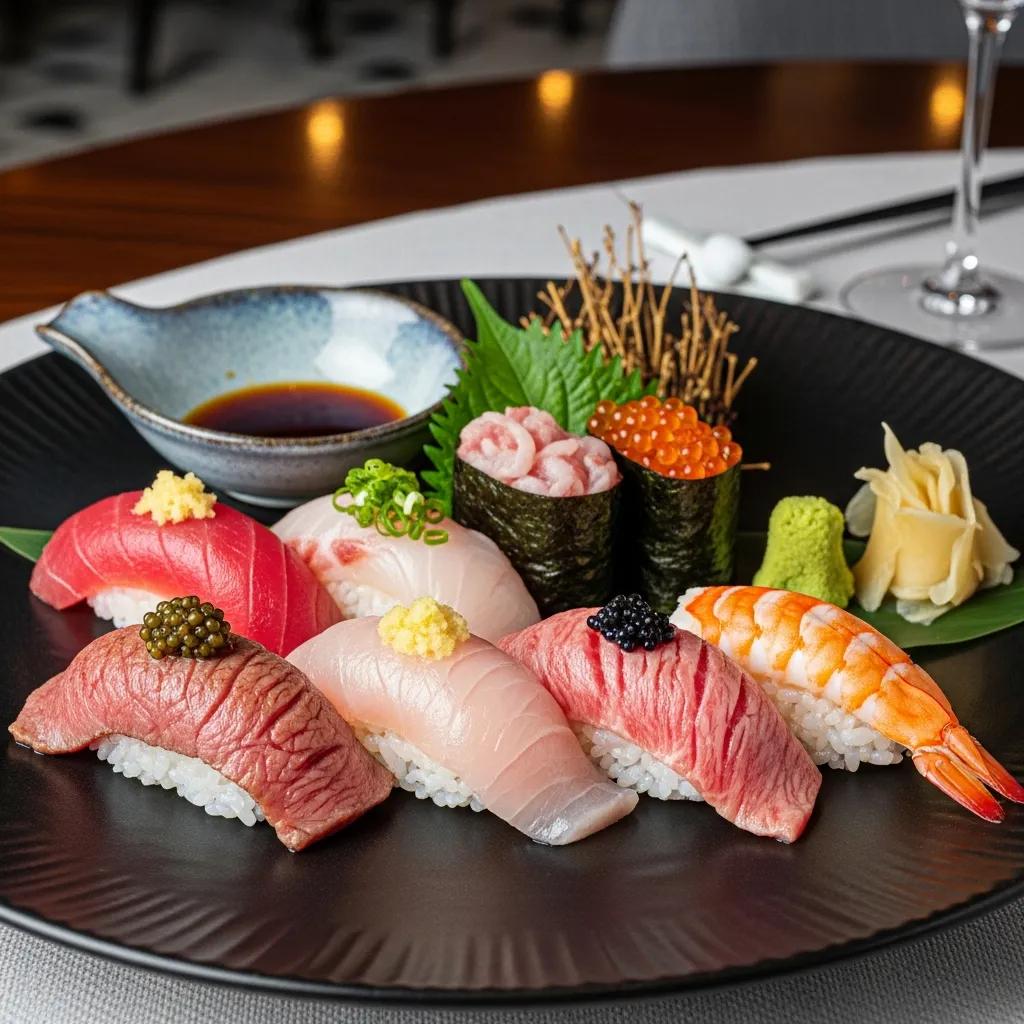
Signature dishes start with restraint: minimal seasoning, calibrated heat, and finishing touches that enhance rather than cover the primary ingredient. Techniques such as delicate shavings, thin nigiri, or a quick charcoal sear render fat and release aromatics while preserving structure. Contrasts — a chilled sashimi followed by a warm, lightly sauced course — reset the palate and sharpen subsequent flavors. Plating, portioning, and single-note accoutrements are intentionally restrained so the ingredient stands in focus, increasing memorability and perceived value.
How Does Kaviar Ensure Responsible Sourcing and Ingredient Authenticity?
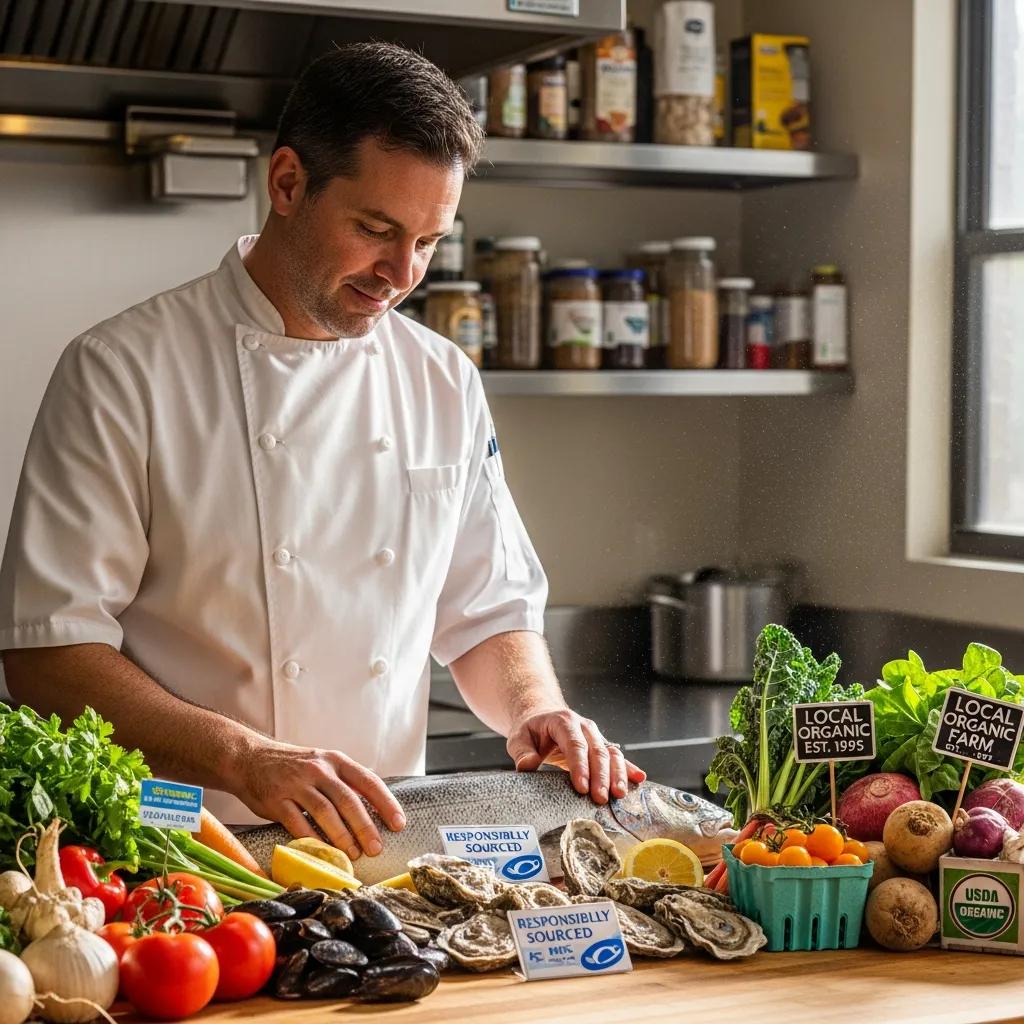
Kaviar verifies sourcing and authenticity through documented supplier vetting, seasonal purchasing rhythms, and ongoing quality checks that prioritize traceability and ethical harvest practices. We balance specialty imports for signature items with local seasonal buys to keep freshness high and supply risk low, and internal checks confirm origin and handling before an item reaches the pass.
The table below outlines sourcing focuses and the verification practices that support authenticity in a high-end Japanese dining context.
These practices create a framework for consistent ingredient quality and transparent guest communication, reinforcing trust and long-term supplier relationships while reducing the chance of mislabeling or quality slips.
Which Global and Local Partnerships Support Sustainable Ingredient Supply?
Our partners range from specialty importers of premium Japanese beef and caviar to responsible fisheries and nearby farms that supply artisan produce and garnishes. Every partnership emphasizes verification — origin documentation, handling protocols, and agreed seasonal windows — so the kitchen receives ingredients at optimal quality and traceability. Those relationships bring predictability to menu planning and let us adapt quickly when the seasons change.
The result is a sourcing network that balances luxury imports with local freshness while maintaining sustainability and consistency for guests.
How Is Seasonality Integrated Into Kaviar’s Menu Planning?
Seasonality guides our menu cycles: harvest and catch calendars inform rotating dishes and ingredient swaps as availability shifts. The kitchen runs weekly or biweekly ingredient reviews to adjust the omakase, ensuring dishes highlight peak flavor and texture while substitutions preserve intended contrasts. We also communicate seasonal highlights through menu notes and server descriptions so diners understand why items appear or rotate out.
This dynamic approach keeps the menu exciting and fresh while preserving the integrity of the tasting progression.
What Are the Benefits of Premium Ingredients for the Fine Dining Guest?
Premium ingredients give guests clearer flavors, richer textures, and stronger emotional resonance — the elements that make a meal memorable and justify higher price points. Concentrated produce lets simpler preparations shine and allows chefs to build multi-course sequences that feel cohesive and impactful. Visible quality cues (marbling, pearl luster, vibrant produce) and transparent provenance increase trust and willingness to pay, while ethical sourcing adds intangible value by aligning the meal with guest values.
Below we map common premium ingredients to sensory outcomes and the guest benefits that explain why diners prioritize quality.
This mapping shows how ingredient qualities translate directly into guest-perceived value, validating premium pricing and encouraging reservations from diners seeking definitive dining moments.
Why Do 76% of Consumers Prioritize Fresh Ingredients When Dining Out?
That 76% figure reflects a broad preference for dishes with clear flavor profiles, safety assurances, and visible quality markers that influence purchase decisions. Freshness signals careful sourcing and handling, easing concerns about quality and supporting the price point of fine dining. For restaurants, meeting this expectation requires investment in supplier relationships and kitchen practices that preserve peak attributes — investments that drive repeat visits and positive word-of-mouth. This consumer priority helps explain the continued appeal of omakase and ingredient-forward menus.
How Do Quality Ingredients Contribute to a Memorable Multi-Sensory Dining Experience?
Quality ingredients anchor multi-sensory memories by combining distinct tastes, tactile textures, visual presentation, and aroma cues that register more vividly and last longer. A plate that pairs silky Wagyu with a bright pickled garnish creates contrasting mouthfeels a diner remembers; the gleam of caviar pearls or the crisp sound of tempura further enhance sensory encoding. When the chef shares provenance or technique, that storytelling ties impressions together into a coherent memory. These elements create emotional resonance that turns a meal into a lasting experience and builds loyalty among discerning guests.
How Can Guests Experience Kaviar’s Commitment to Quality Ingredients?
Guests can experience our commitment by choosing the Chef’s Omakase or ordering signature items that feature Miyazaki A5 Wagyu and Kaluga caviar — and by reserving in advance to secure a curated seat where seasonal attention and plating detail matter most.
The omakase places premium items at carefully chosen moments in the sequence, offering tasting-sized presentations — A5 Wagyu nigiri or a focused caviar service — that embody our sourcing and technique. Reservations are recommended so the kitchen can prepare seasonal stocks and accommodate dietary requests; below you’ll find contact details for planning a visit to our Pasadena restaurant.
Guests who want to reserve an experience should follow these simple steps:
- Check availability for the Chef’s Omakase and choose preferred dates; note that seasonal menus rotate.
- Specify guest preferences or dietary restrictions when booking so the chef can plan substitutions and sequence adjustments.
- Confirm party size and any special requests for celebrations or pairing suggestions so the kitchen can prepare accordingly.
What Signature Dishes Feature A5 Wagyu and Caviar in Pasadena?
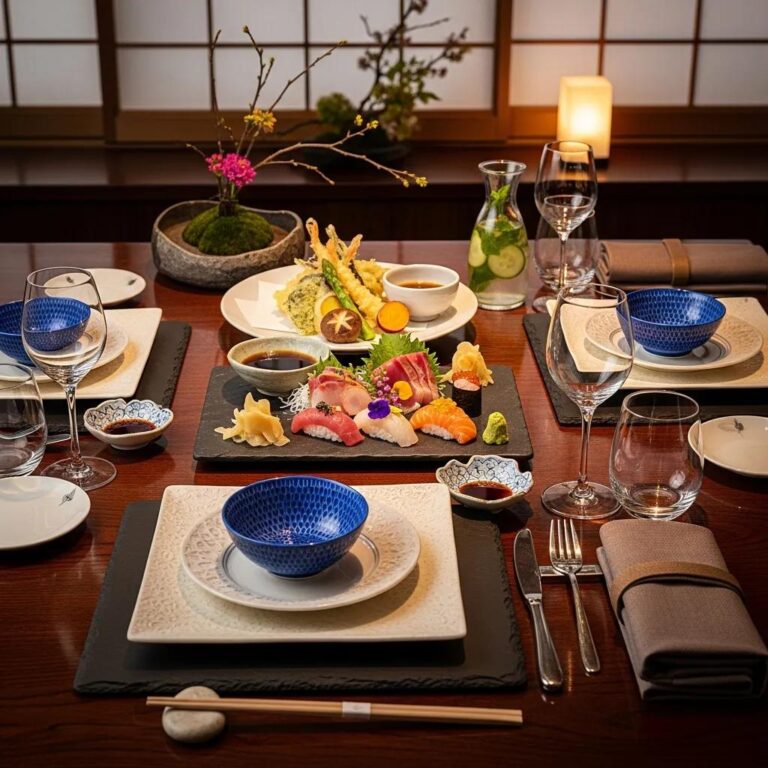
Signature dishes that highlight A5 Wagyu and caviar are typically concise and focused — A5 nigiri or lightly seared Wagyu slices, and a dedicated caviar service with minimal accompaniments to preserve texture and temperature. These preparations emphasize marbling, delicate fat rendering, and pearl integrity so each ingredient reads clearly on the palate. Within an omakase, such courses are paired with palate cleansers — light vinegars, crisp vegetables, or subtle citrus — to balance richness and ready the diner for the next course. Pairings favor clean, understated flavors that let the main ingredient remain the star.
How to Book an Exclusive Omakase Experience at Kaviar Restaurant?
To book an exclusive omakase at Kaviar Restaurant, follow these steps to secure a tailored, ingredient-driven evening:
- Select desired date and party size and check availability for the Chef’s Omakase, keeping in mind seasonal items affect menu composition.
- Communicate dietary restrictions or special occasions so the kitchen can plan appropriate substitutions and highlight celebratory moments.
- Confirm reservation details and arrival time to allow the team to stage courses and maintain timing for optimal ingredient delivery.
Kaviar Restaurant: 70 N Raymond Avenue, Suite 250, Pasadena, CA
Phone: (626) 605-0330
- Signature dishes and tasting formats at Kaviar highlight Miyazaki A5 Wagyu, Kaluga caviar, seasonal uni, and artisan produce across sushi, sashimi, and curated warm courses.
- Reservations for the Chef’s Omakase ($109 per person) are recommended to secure seasonal allocations and personalize the sequence.
- Communicating preferences early helps the kitchen tailor the experience so each premium ingredient is shown at its sensory peak.
This guidance connects the article’s educational focus with practical next steps, so diners can experience quality ingredients firsthand through a carefully staged, reservation-based omakase in Pasadena.
Frequently Asked Questions
What is the significance of omakase in Japanese dining culture?
Omakase — literally, “I leave it up to you” — is a chef-led dining format where the kitchen crafts a multi-course meal around seasonal finds and personal expertise. It gives chefs the freedom to showcase the freshest ingredients and creative techniques, while diners receive a tailored sequence that highlights the flavors and textures of each item. Omakase is a culinary journey that reflects the chef’s sensibility and the seasons’ best offerings.
How can diners ensure they are getting the best quality ingredients at a restaurant?
Diners can look for transparency: ask about sourcing, check whether the menu emphasizes seasonality and local partnerships, and read reviews for consistency. Restaurants that highlight premium items like A5 Wagyu or specialty seafood and that speak candidly about provenance are often good indicators of ingredient commitment. Certifications and clear staff answers about origin and handling also help confirm quality.
What are some common misconceptions about fine dining and ingredient quality?
One misconception is that fine dining is only about high prices and theatrical plating. In truth, a core focus is ingredient integrity — quality that justifies the cost. Another is that all high-end kitchens use the same ingredients; many prioritize local and seasonal sourcing to enhance flavor and sustainability. Recognizing that fine dining centers on craft and story often changes how people view its value.
How does the presentation of dishes impact the dining experience?
Presentation sets the stage for taste. Thoughtful plating increases anticipation and can shape perceptions of flavor and care. Color contrast, composition, and thoughtful garnishing all highlight freshness and technique. A well-presented dish engages sight and touch as well as taste, making the meal feel considered and memorable.
What should guests expect during a typical omakase experience at Kaviar?
At Kaviar, expect a carefully paced sequence that showcases seasonal ingredients. Each course is designed to highlight particular textures and flavors, often featuring premium items like Miyazaki A5 Wagyu and Kaluga caviar. The chef or service team will explain sourcing and preparation along the way, creating an intimate, informative, and artful experience.
How can diners enhance their omakase experience at Kaviar?
Reserve in advance and share any dietary restrictions or preferences — that lets the chef tailor the menu. Come with an openness to new textures and pairings, ask questions at the counter, and trust the pacing: omakase is about discovery as much as flavor. Engaging with the team deepens appreciation for the craftsmanship on the plate.
Conclusion
Quality ingredients are the foundation of an exceptional fine dining experience, especially within Japanese omakase. By focusing on freshness, provenance, and ethical sourcing, diners can better appreciate the craft behind each dish and the value it delivers. For a hands-on taste of these principles, reserve a seat at Kaviar Restaurant and experience Miyazaki A5 Wagyu, Kaluga caviar, and a thoughtfully curated omakase that elevates every ingredient.