




The Kaviar Story: Our Promise to Thoughtful Japanese Fine Dining
At Kaviar, we approach Japanese fine dining with a clear purpose: chef-led curation, exceptional ingredients, and service that honors the tasting. This piece outlines our culinary philosophy, how we source and present signature items like A5 Wagyu and caviar, the arc of our omakase, and practical details for planning a visit to Pasadena. Many guests want straightforward answers about provenance, technique, and what to expect from a multi-course tasting—here we offer direct explanations and planning tips. You’ll see how our values show up on the plate, how ingredient choices shape texture and flavor, what guides a chef-curated omakase progression, and how to reserve or host a private experience. By the end, you’ll have a clear sense of why provenance, skill, and ritual matter to Kaviar’s table.
What Shapes Kaviar’s Culinary Philosophy and Values?
Our culinary approach rests on three interwoven principles that guide menu design, plating, and the guest journey: passion, precision, and purity. Passion drives our seasonal storytelling and ongoing refinement of tasting sequences—each dish is chosen to communicate intention. Precision governs technique: exact timing, deliberate knife work, temperature control, and careful plating so every course arrives with the intended texture and impact. Purity favors ingredient-first clarity—thoughtful sourcing and light-handed treatment let natural flavors lead instead of conceal them. Together, these principles create a predictable benefit for guests: a purposeful tasting that highlights provenance and technique while keeping tempo and contrast balanced.
We put these values into practice daily through menu curation, service ritual, and ingredient choices. If you’d like to experience them in person, reserve a seat via our reservation page or call us. Below we illustrate each principle with concrete examples that show how they inform the tasting.
How Do Passion, Precision, and Purity Come to Life at Kaviar?
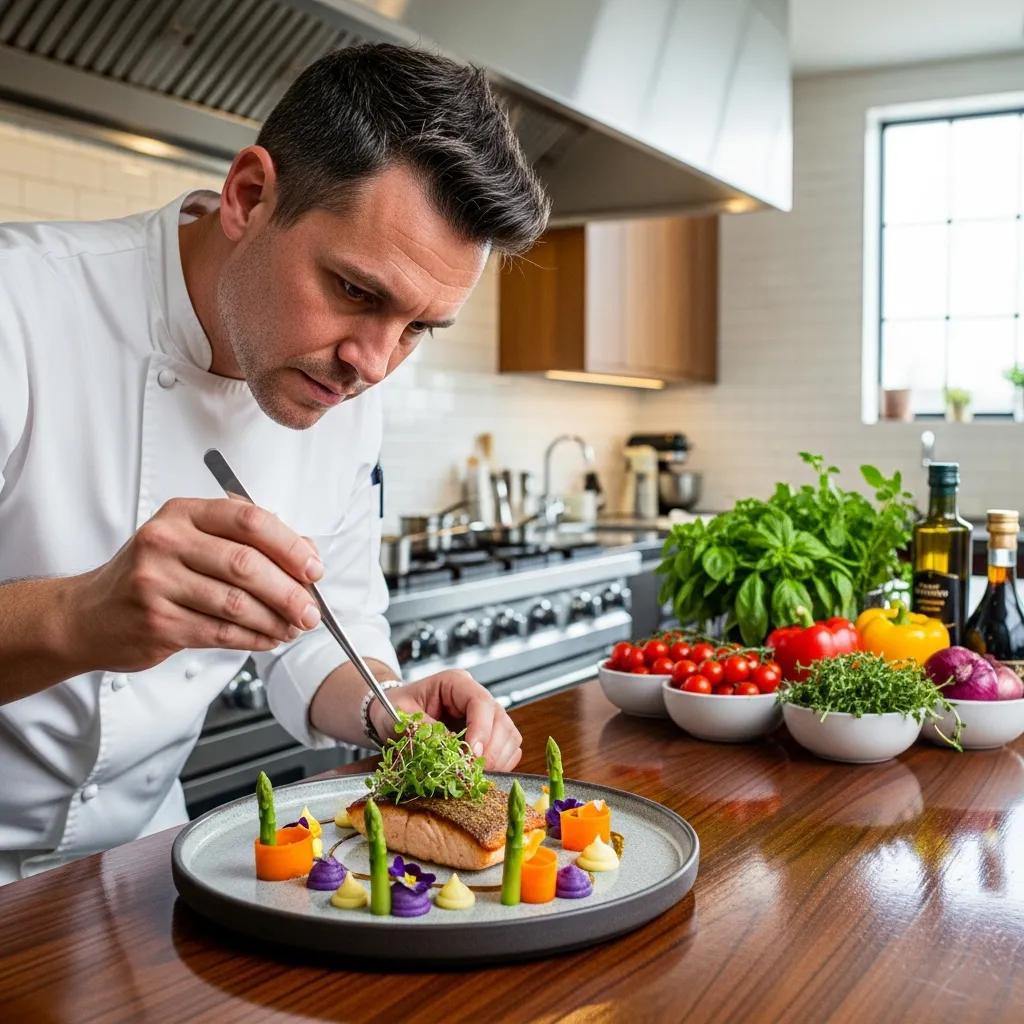
Passion is visible in our seasonal cycles and how courses are sequenced to showcase the freshest seafood and produce. Our chefs experiment within those seasons—evolving preparations while keeping a coherent narrative across the tasting. Precision shows up in technical details: the exact temperature for seafood, calibrated doneness for premium beef, and timing plate assembly so contrasts remain vivid. Purity comes through in ingredient selection and minimal intervention—sauces and heavy garnishes are used only when they sharpen the ingredient’s voice. Together, these practices deliver clearer flavors, stronger contrasts between courses, and a unified tasting story focused on quality.
Who Leads the Kitchen at Kaviar?
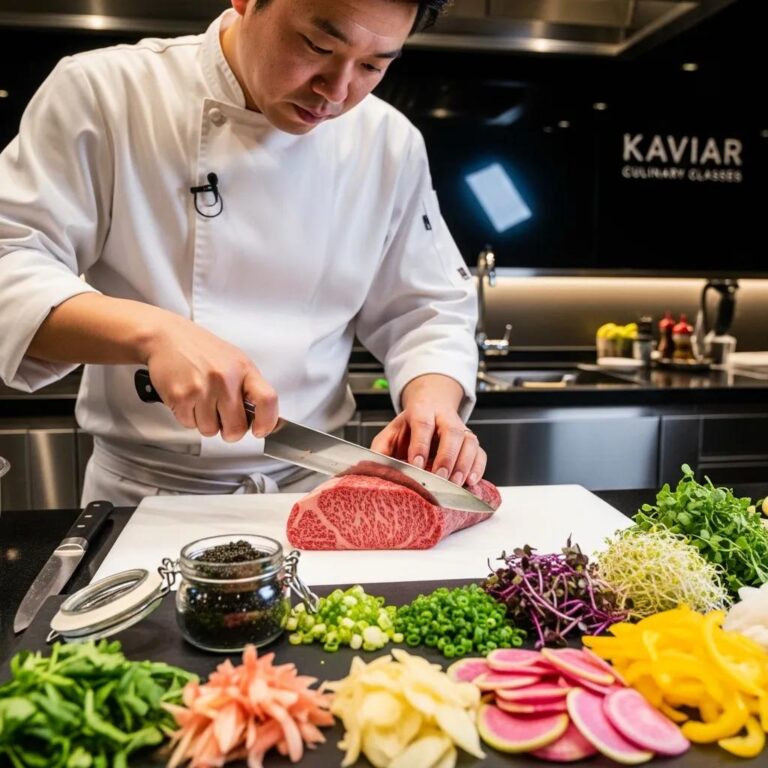
Our chef wears multiple hats—curator, technician, and steward. Trained in classical Japanese technique and fluent in contemporary fine-dining choreography, they oversee seafood handling, precise doneness for premium beef, and composed plating that balances restraint with visual impact. The chef also manages supplier relationships, adjusts the tasting order, and coordinates with service to pace pairings. That leadership ensures each guest encounter reflects our standards and delivers a memorable, elevated sequence.
How We Source and Present A5 Wagyu, Caviar, and Other Premium Ingredients
We source premium components with transparency and long-term supplier partnerships. For high-grade meats and cured roe, we prioritize marbling, texture, and consistency; in service we attend to temperature control, portioning, and simple accoutrements so the ingredient’s qualities remain front and center. A5 Wagyu and caviar are treated as centerpiece experiences—minimal, thoughtful accompaniments accentuate mouthfeel and aroma rather than overpower them. The table below offers a clear comparison of how A5 Wagyu and select caviars differ in character and typical presentation so guests can better choose what suits their tasting.
Seeing these differences helps guests choose items that complement the broader tasting progression.
We feature these premium items across our curated tastings and select à la carte offerings. For current availability and pairing options, please consult our menu page or contact reservations. The sections that follow describe how we prepare A5 Wagyu and select caviars to preserve texture and flavor clarity.
Why A5 Wagyu at Kaviar Stands Out
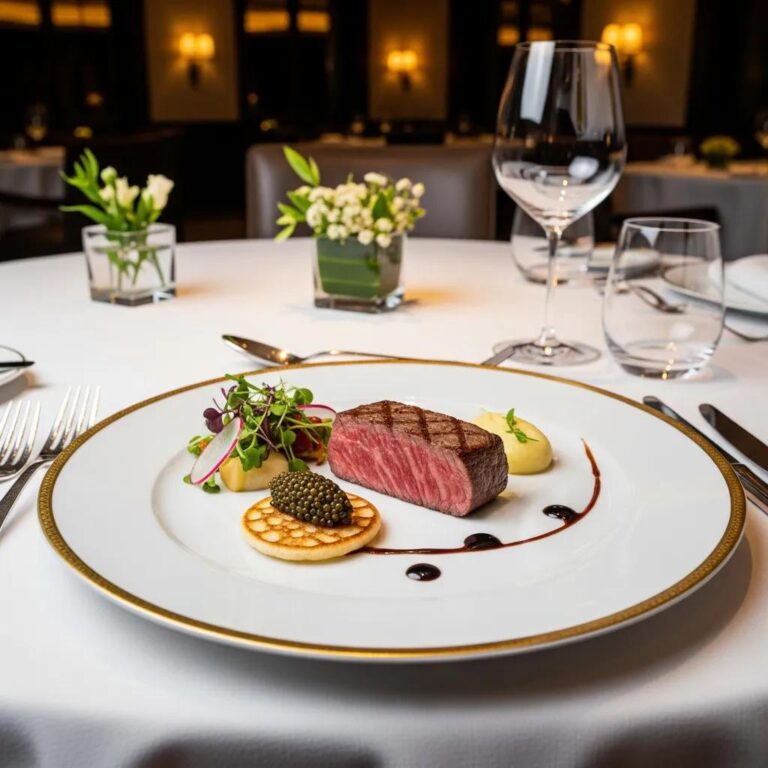
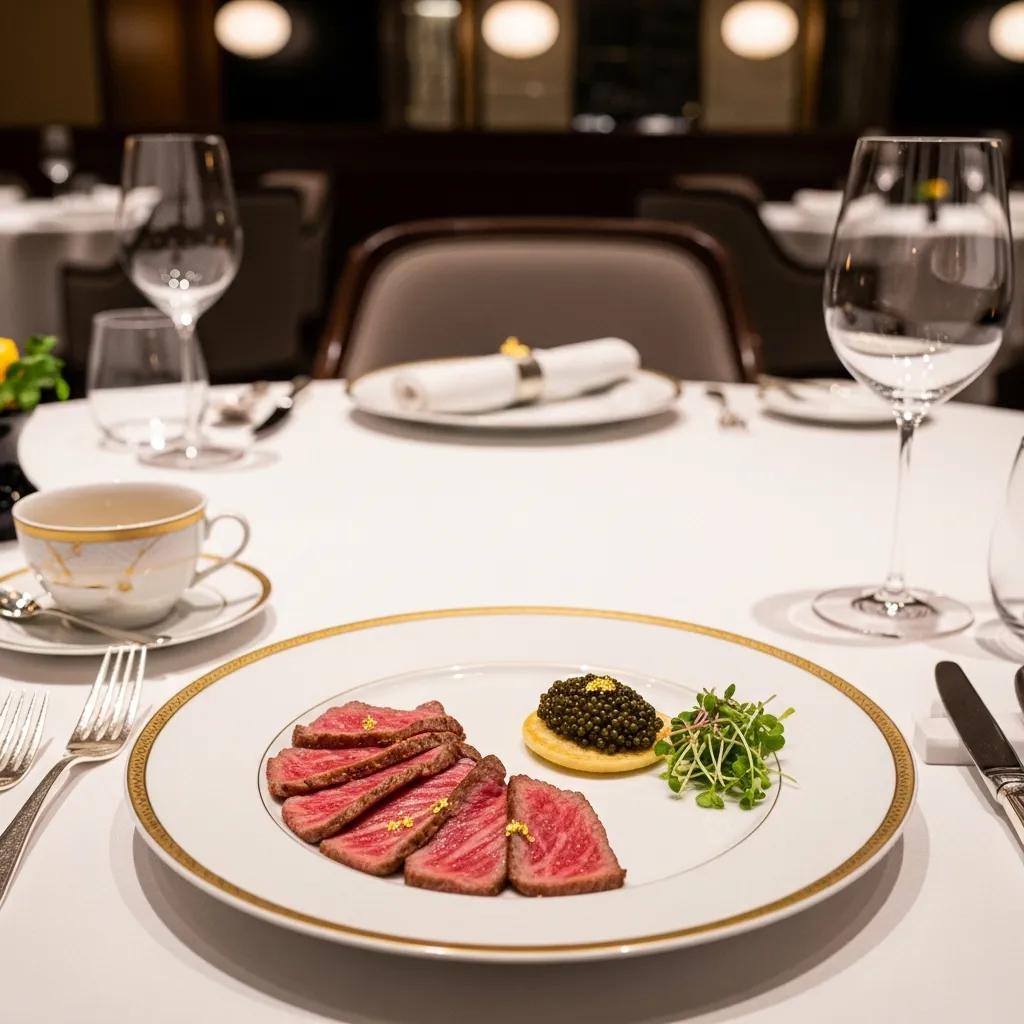
A5 Wagyu is prized for its intense marbling, which yields a tender, buttery texture and concentrated savory depth when handled with restraint. In the kitchen we protect these qualities with short, high-heat sears or controlled low-and-slow techniques that render fat while keeping muscle texture intact. Portions are sliced to balance surface area and fat so each bite lands immediately as intended. We season sparingly and use light accompaniments so the meat’s umami and silkiness remain central. Pairings tend to introduce subtle acidity or restrained condiments to cut richness without masking the beef’s natural character—creating a resonant savoring moment.
Wagyu’s distinctive fat composition and breeding history play a major role in its status as a premium ingredient.
Japanese Wagyu Beef: Breeds, Fat Composition, and Global Presence
In Japan, Wagyu cattle include four Japanese breeds; Black, Brown, Shorthorn, and Polled. Today, the renowned brand name Wagyu includes not only cattle produced in Japan, but also cattle produced in countries such as Australia and the United States. In recent years, the intramuscular fat percentage in beef (longissimus muscle) from Japanese Black cattle has increased to be greater than 30%. The Japanese Black breed is genetically predisposed to producing carcass lipids containing higher concentrations of monounsaturated fatty acids than other breeds.
How We Select and Serve Caviar for a Luxury Moment
Our caviar selection prioritizes pearl integrity, nuanced flavor, and consistent salting. We choose varieties that complement the tasting progression rather than overpower it. Service rituals—chilling to the right temperature, portion control, and classic accoutrements—are designed to foreground brininess and texture. Presentation is deliberate: restrained plating, the right spoon, and measured garnishes guide the diner through texture contrasts and palate resets. We often suggest subtle dairy or neutral starch pairings to balance saline intensity while preserving the caviar’s delicate finish.
What to Expect from the Omakase Experience at Kaviar in Pasadena
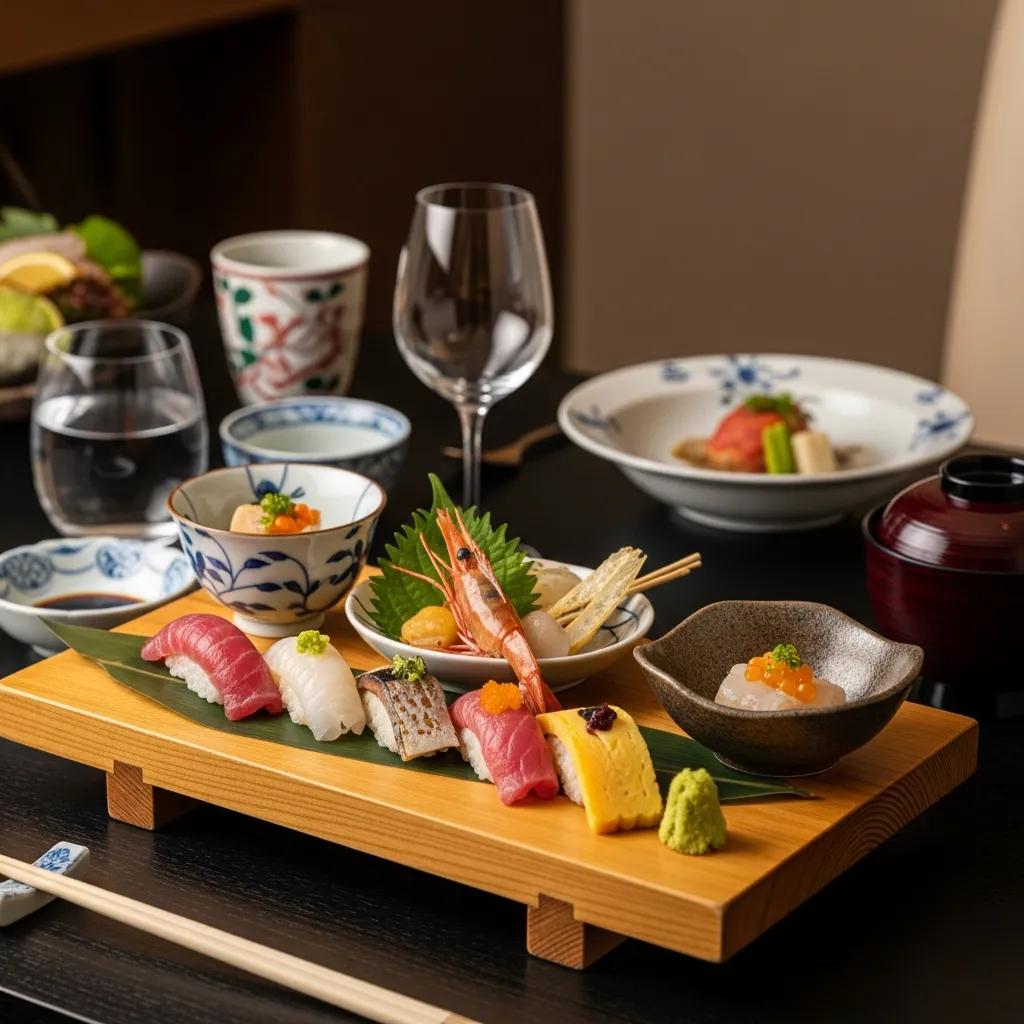
Omakase at Kaviar is a chef-directed tasting that combines seasonal sourcing, careful sequencing, and attentive service to tell a culinary story. The chef curates a sequence that typically moves from lighter, seafood-led plates toward richer moments like premium beef and caviar, preserving textural and flavor contrast throughout. The format highlights the link between provenance and technique, and our pacing gives you time to appreciate each course. The outline below shows a typical omakase architecture and the guest values we aim to deliver at each stage.
This structure clarifies how stages map to guest goals and illustrates the sculpted progression of our omakase. The following sections explain how the chef chooses ingredients and which signature categories usually shape the menu.
Kaiseki’s careful balance of seasonality and visual harmony offers a useful parallel to the curation and sensory arc of our omakase.
The Aesthetics of Kaiseki: Cultural Significance in Japanese Fine Dining
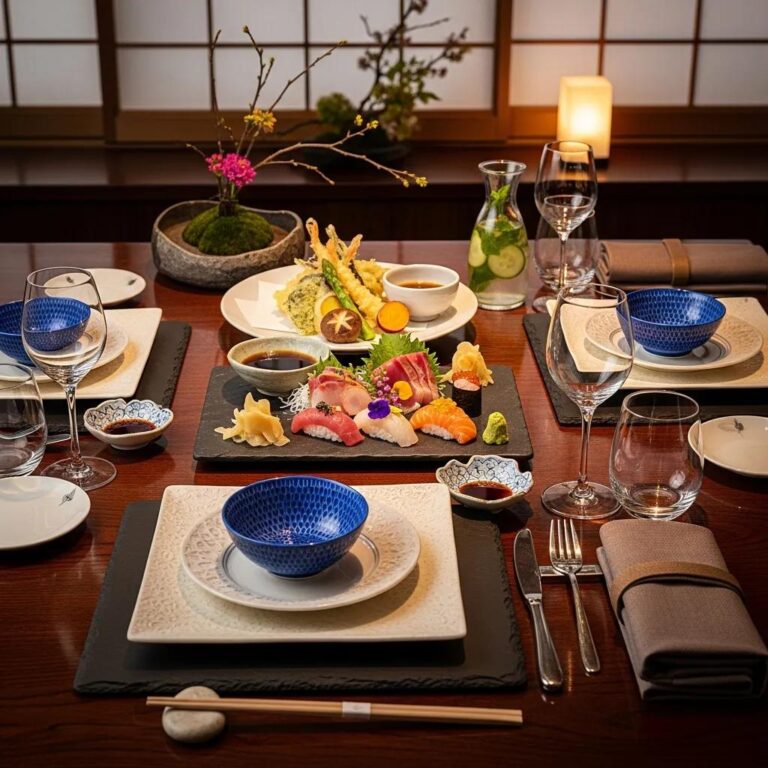
Kaiseki, a traditional multi-course Japanese meal, represents one of the most refined forms of culinary art, deeply rooted in cultural and philosophical principles. This study explores the evolution of Kaiseki from its origins in the Japanese tea ceremony to its establishment as a sophisticated fine dining experience. It delves into the key aesthetic principles of seasonality and visual balance, examining how these elements reflect the broader Japanese worldview. The philosophical foundations of Kaiseki, particularly its embrace of wabi-sabi and Zen mindfulness, highlight its role as a meditative and sensory journey. Furthermore, the study investigates the techniques and tools used in Kaiseki plating, emphasizing the importance of tableware and naturalistic presentation. Finally, the paper addresses contemporary adaptations and Kaiseki’s significant influence on global fine dining, showcasing how this centuries-old tradition continues to evolve and inspire.
How the Chef Crafts a Seasonal Omakase
Curation starts with what’s at its peak—seasonal seafood, produce, and proteins sourced through trusted suppliers. The chef then designs a sequence that alternates textures (raw, simmered, seared) and temperatures while balancing salt, acid, and fat to create rises and falls in intensity. Pacing matters: smaller, delicate plates open the tasting while more substantial pieces arrive later to preserve appetite and spotlight climactic moments like an A5 Wagyu course or caviar service. Servers provide context throughout, explaining intent and suggesting pairings so diners stay connected to the narrative.
Which Signature Dishes Define Our Omakase?
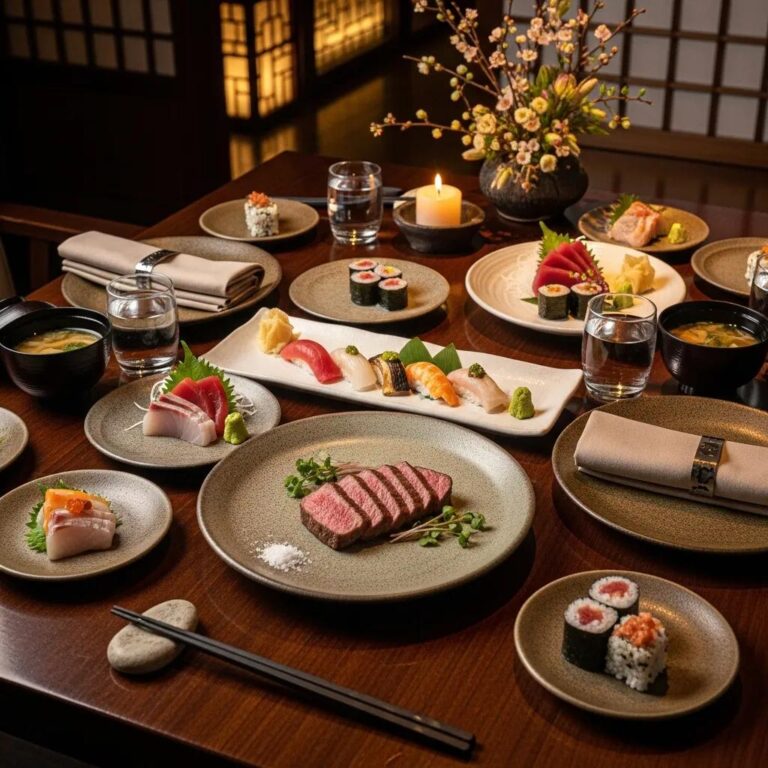
Our signature offerings usually include seasonal sushi or raw seafood courses, a premium beef course built around A5 Wagyu, and a dedicated caviar service as a highlight. Each category pairs provenance with technique and measured presentation: raw seafood emphasizes freshness and precision slicing, beef showcases controlled doneness and fat rendering, and caviar demonstrates portioning and subtle accompaniments. These dishes reflect our core values—passion, precision, and purity—by letting ingredients lead and technique clarify their character. For current compositions and to experience these moments in sequence, please check our menu and reserve a tasting.
How We Shape a Quiet, Luxurious Dining Atmosphere
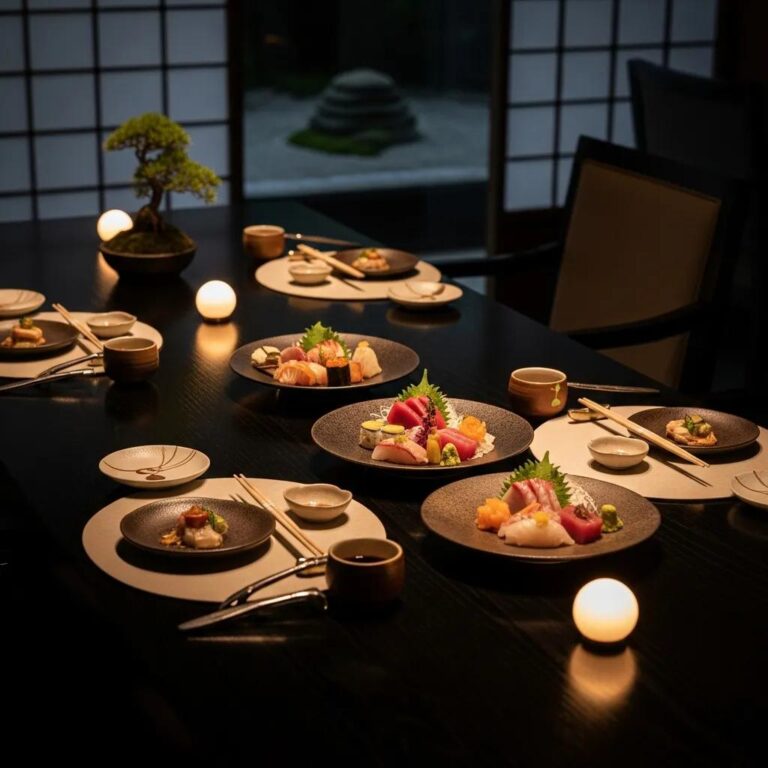
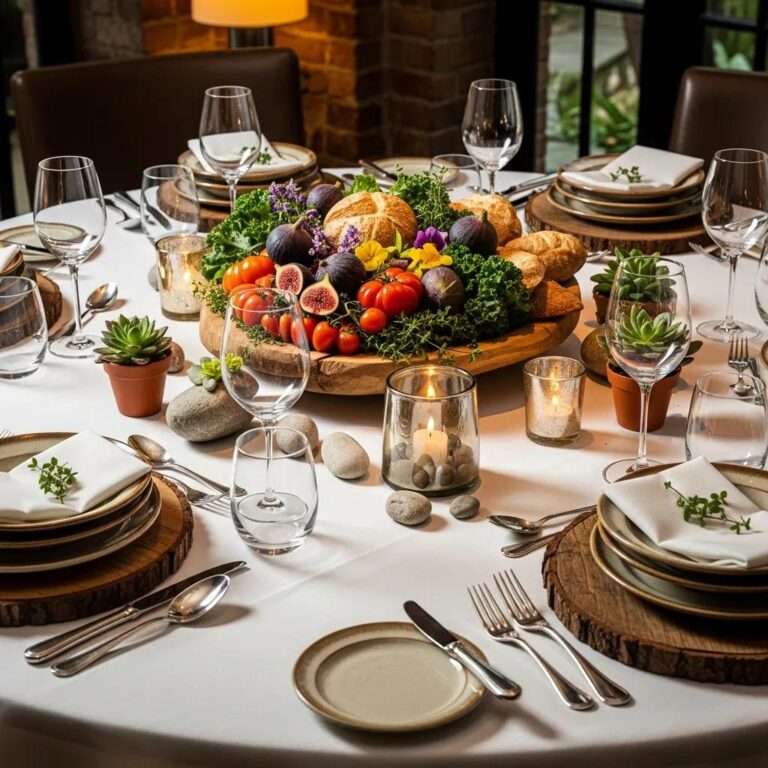
We create ambiance with intentional design, layered lighting, considered table settings, and service choreography that favors intimacy and focus on the food. Seating supports sightlines to service, lighting flatters each plate without glare, and tableware is chosen for tactile balance with dish scale. Our service rhythm—timed pacing, concise explanations, and thoughtful pairings—reinforces the physical setting. Small details—signature plating gestures, precise temperature control, and attention to dietary needs—add cumulative value, distinguishing a curated tasting from a typical dinner. Below we outline the specific elements and service practices that keep the guest experience consistently elevated.
What Makes Our Space Feel Elegant and Welcoming?
Design choices at Kaviar aim for elevated warmth: sightlines that connect guests to service, acoustics tuned for conversation, and lighting that highlights plating. Utensils and tableware are selected for feel and scale so each plate reads as a composed moment. Minimal visual clutter and curated materials let the food remain the focal point while contributing to an intimate atmosphere. Combined with deliberate pacing and attentive staff, these elements help guests feel both cared for and centered on the tasting.
How We Deliver Impeccable Service
Our service standards emphasize training, consistency, and clearly defined roles among front-of-house staff so the reservation-to-table journey and tasting tempo run smoothly. Reservation timing is managed to preserve intended intervals, while servers act as concise guides—explaining dishes and recommending pairings. We accommodate dietary preferences and special requests through pre-service notes and in-kitchen adjustments so the tasting’s integrity remains intact without slowing the flow. This practiced choreography—built on clear communication and timing—supports the chef’s culinary narrative at every seat.
How to Book and Prepare for Your Visit to Kaviar in Pasadena
A chef-led tasting benefits from a bit of advance planning: reserve early for peak nights, note dietary restrictions, and flag special occasions so we can advise on pacing or private options. Reservations are the primary way to secure an omakase seat or a private experience; use our reservation page or call the restaurant directly. When booking, tell us about allergies, celebratory details, or accessibility needs so the kitchen and service team can prepare. The simple checklist below makes booking straightforward and helps ensure a smooth arrival and tasting flow.
- Check availability: Look for open seating on your preferred dates and times.
- Reserve a tasting: Book through our reservation page or by phone to confirm your spot.
- Provide details: Share dietary restrictions, guest count, and any special requests at reservation.
Following these steps helps us tailor pacing and menu structure to your party. For private dining or larger events, contact reservations to discuss group formats and customization—our team will advise on lead times and menu options based on size and objectives.
How Do I Make a Reservation at Kaviar?
To reserve, secure a tasting slot via our online reservation channel or by phone; omakase slots can fill quickly, so we recommend booking ahead. Please provide party size and any dietary restrictions so the kitchen can prepare. You may also request accommodations for celebrations or preferences. Confirmations include arrival instructions and timing guidance to honor the multi-course pacing. These steps let our team craft a timed sequence and pairing suggestions that match your expectations.
Do You Offer Private Dining or Special Event Options?
Yes—our private dining options scale the chef-led omakase for groups with menu customization and pairing adjustments available by request. Typical considerations include group size, desired customization level, and pairing preferences; reservations will walk you through logistics. Menus and pacing can be tailored to event goals—intimate gatherings may feature interactive service while larger groups receive a structured progression for consistency. Contact reservations to discuss needs and receive a tailored proposal.
Why Kaviar Is Recognized for Culinary Excellence in Pasadena
Our reputation comes from combining ingredient quality, chef-driven curation, and consistent service choreography to produce repeatable, memorable tastings. What sets us apart are transparent sourcing, technical precision in execution, and a hospitality rhythm that prioritizes detail. Guest feedback often highlights these elements—cohesive narratives and clear, defined flavors across courses. Below are common takeaways guests share after dining with us.
- Attentive service: Careful pacing and clear explanations enhance appreciation.
- Ingredient focus: High-quality components and minimal intervention let provenance and texture shine.
- Memorable progressions: Thoughtful sequencing and signature climax moments leave a lasting impression.
Those themes show how our values translate into tangible guest benefits and why discerning diners choose Kaviar. Ready to experience it in person? Make a reservation through our booking channel or call us at (626) 605-0330.
Frequently Asked Questions
What is the significance of the omakase experience at Kaviar?
Omakase at Kaviar is the chef’s narrative—an ordered tasting that highlights seasonal ingredients and culinary intent. Courses are curated to move from lighter seafood to richer flavors like premium beef and caviar, allowing you to experience the chef’s technique and creativity in sequence. The pacing and ordering are designed to enhance the sensory journey and create a unified, memorable evening.
How does Kaviar accommodate dietary restrictions and preferences?
We strive to welcome all guests. When you book, please tell us about allergies, dietary needs, or preferences. Our kitchen will work to accommodate those needs while preserving the integrity of the tasting. This collaborative approach ensures everyone can enjoy the menu safely and thoughtfully.
What beverages pair well with Kaviar’s omakase?
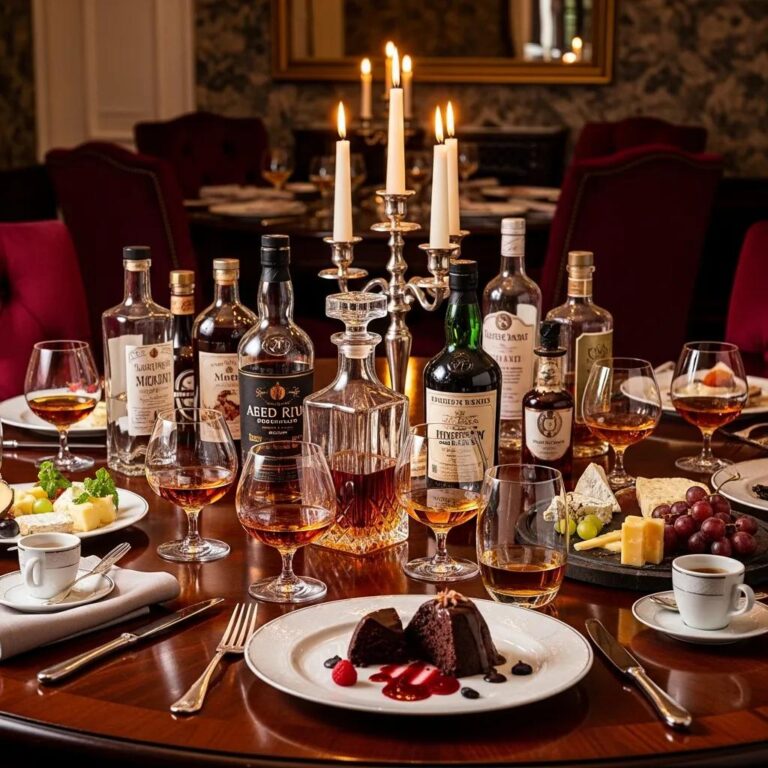
Sake is a natural pairing, with many styles complementing delicate seafood and richer bites alike. Crisp white wines—think Sauvignon Blanc or a dry Riesling—work well as alternatives. For non-alcoholic options, artisanal teas and lightly infused waters serve as refreshing palate cleansers. Our team can recommend pairings to suit the menu and your tastes.
How long does the omakase experience usually take?
Expect two to three hours for a full omakase, depending on course count and pacing. That window gives you time to savor each dish and engage with the culinary narrative without rushing. We encourage guests to relax and enjoy the rhythm of the tasting.
Can guests request specific dishes or ingredients during an omakase?
Omakase is primarily chef-curated, but we welcome preferences and requests at booking. If a request aligns with seasonal availability, we’ll do our best to accommodate it. Keep in mind that part of the omakase experience is trusting the chef’s sequence—embracing that element often yields the most rewarding surprises.
What sets Kaviar’s ambiance apart from other fine dining restaurants?
Our ambiance is intentionally quiet and refined to spotlight the food. Thoughtful seating, flattering lighting, and minimal decor keep attention on each plate. Service is planned to be attentive but unobtrusive so you can fully engage with the tasting. Together, these elements create a warm, focused environment for a refined culinary experience.
Conclusion
Dining at Kaviar is a considered experience built on passion, precision, and purity. Our omakase showcases the chef’s craft and invites you to appreciate the care behind each course. To join us for a tasting, reserve online or call the restaurant—let us introduce you to the essence of contemporary Japanese fine dining and elevate your next meal into a memorable occasion.