




Japanese Whisky at Kaviar — A Luxury Tasting Experience in Pasadena
Once a regional craft, Japanese whisky today commands global attention for its precision, balance, and thoughtful use of casks. Below we explain what defines Japanese whisky, why collectors and chefs prize it, and how its production — from Mizunara oak finishing to the difference between single malt and blended expressions — informs pairing choices in a fine-dining setting. You’ll find practical tasting guidance: signature brands and flavor archetypes, pairing ideas for dishes like A5 Wagyu and caviar, and what to expect from one of our curated tasting events. If you’re ready to taste, learn how to reserve a tasting or book a private pairing. Throughout, we use clear terms so both whisky enthusiasts and diners planning a special night in Pasadena can make confident choices.
What Is Japanese Whisky — and Why Has It Earned Worldwide Praise?
Japanese whisky is defined by meticulous distillation, a blending-first approach, and diverse cask work that together create layered, balanced spirits. Its reputation grew from mastering techniques inspired by Scotch and then refining them with innovations like Mizunara oak and precise blending. Producers range from those crafting delicate, floral single malts to makers of richer, sherried blends, giving the category wide appeal. The result: whiskies prized for elegance, nuance, and aromatic depth that suit both sipping and serious food pairing.
How Does Japanese Whisky Stand Apart from Other Spirits?
What sets Japanese whisky apart is a craft-forward blending philosophy and deliberate cask choices — Mizunara oak, sherry butts, and former bourbon barrels — that contribute distinct, layered flavors. Compared with many Scotch expressions, Japanese bottles often emphasize subtlety over overt smoke, favoring fruit, honey, and spice with restrained peat when present. Expect notes like orchard fruit on the nose, silky malt on the palate, and a long, refined finish shaped by oak tannin. Those stylistic differences help when matching a bottle to a dish or an occasion.
How Have History and Culture Shaped Japanese Whisky’s Rise?
Japanese whisky’s story begins in the early 20th century and accelerated after World War II, as distillers adopted foreign techniques, refined them, and placed a premium on consistency and craftsmanship. A cultural focus on quality, attention to raw materials, and continuous improvement led to thoughtful experiments in casks and blends, producing both dependable staples and sought-after limited releases. International awards and growing interest in provenance have further elevated demand, making Japanese whisky both collectible and eminently drinkable.
Which Premium Japanese Whisky Brands Does Kaviar Feature?
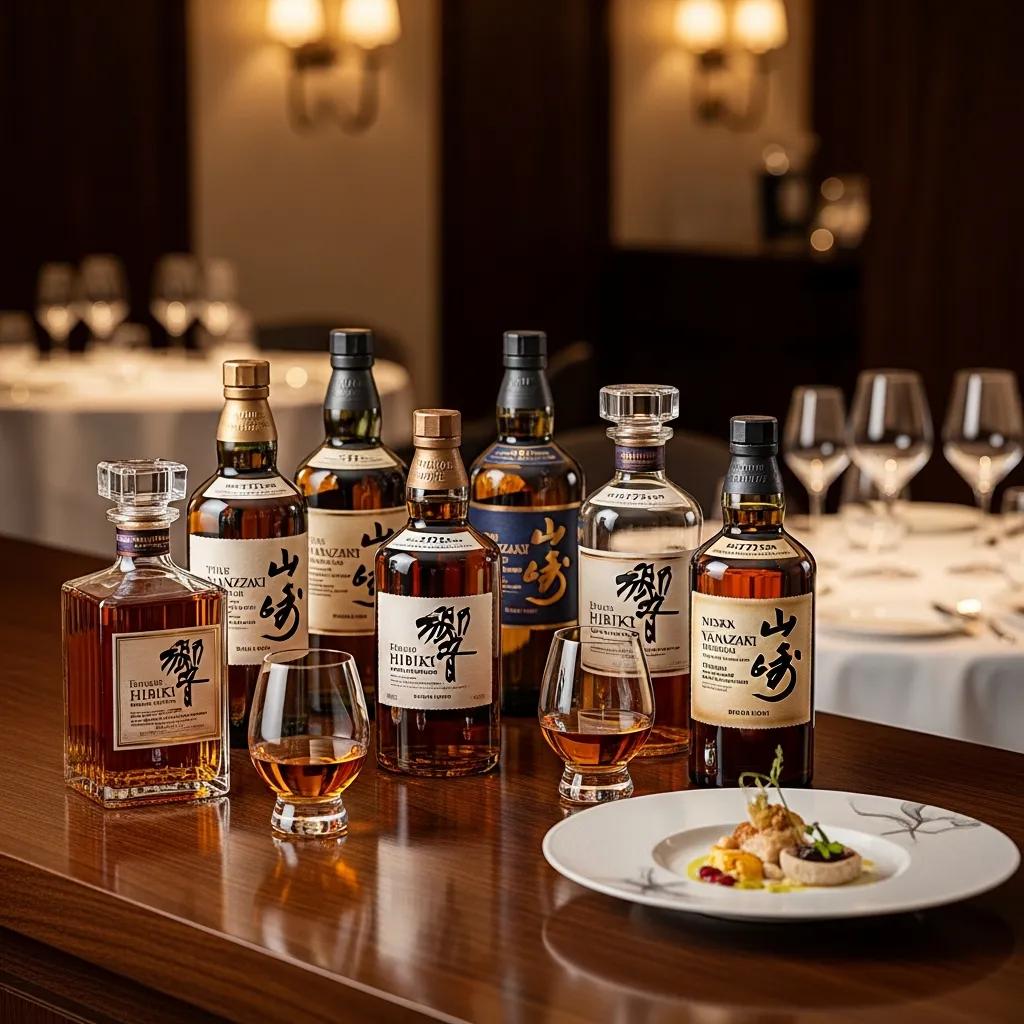
Our beverage program highlights Japanese whiskies chosen for provenance, stylistic range, and how well they pair with elevated dishes. We aim to show archetypes — elegant single malts, refined blends, and Mizunara-finished bottlings — so guests can taste the category’s breadth and see how each style performs at the table.
Intro: The table below compares representative expressions by archetype, age/statement, ABV, and primary flavor cues to help you match bottles to dishes or tasting moods.
Summary: These representative entries illustrate how single malts and blends supply different aroma and flavor building blocks you can use when choosing a bottle for a pairing or tasting sequence.
Which Signature Japanese Whisky Brands Do We Serve?
We showcase brands that represent the main flavor archetypes—fruity, floral blends; smoky coastal malts; and oak-forward, spiced expressions—so guests can explore contrast and continuity within a single tasting. Our choices are driven by stylistic fit and pairing potential rather than rarity alone; we select bottles whose distillery techniques — whether Mizunara finishing or light peat — translate well to the menu and the table.
What Do the Tasting Notes for Kaviar’s Selection Look Like?
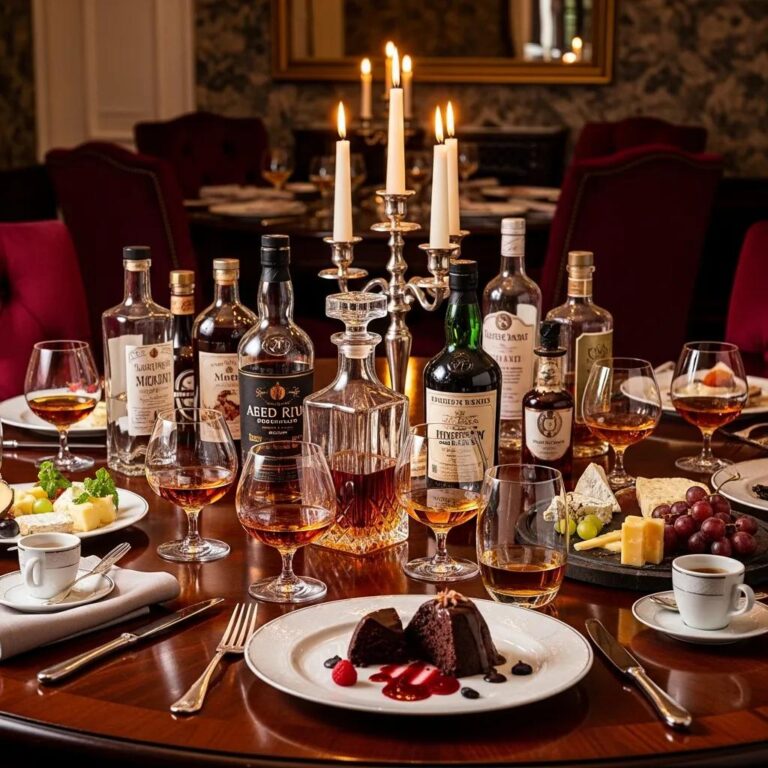
Our tasting notes translate sensory cues into pairing recommendations: nose, palate, finish, and suggested service (neat, a few drops of water, or a narrow tasting glass). Expect lighter single malts to show orchard fruit and citrus zest; blended expressions to offer honeyed layers and soft oak; and maritime-style bottlings to bring smoke or tobacco. We recommend serving lighter whiskies earlier to protect delicate aromatics and reserving fuller, sherried, or Mizunara-aged bottles for later courses. Glassware and temperature also shape perceived texture and aromatic lift.
How Does Kaviar Pair Japanese Whisky with Its Fine Japanese Cuisine?
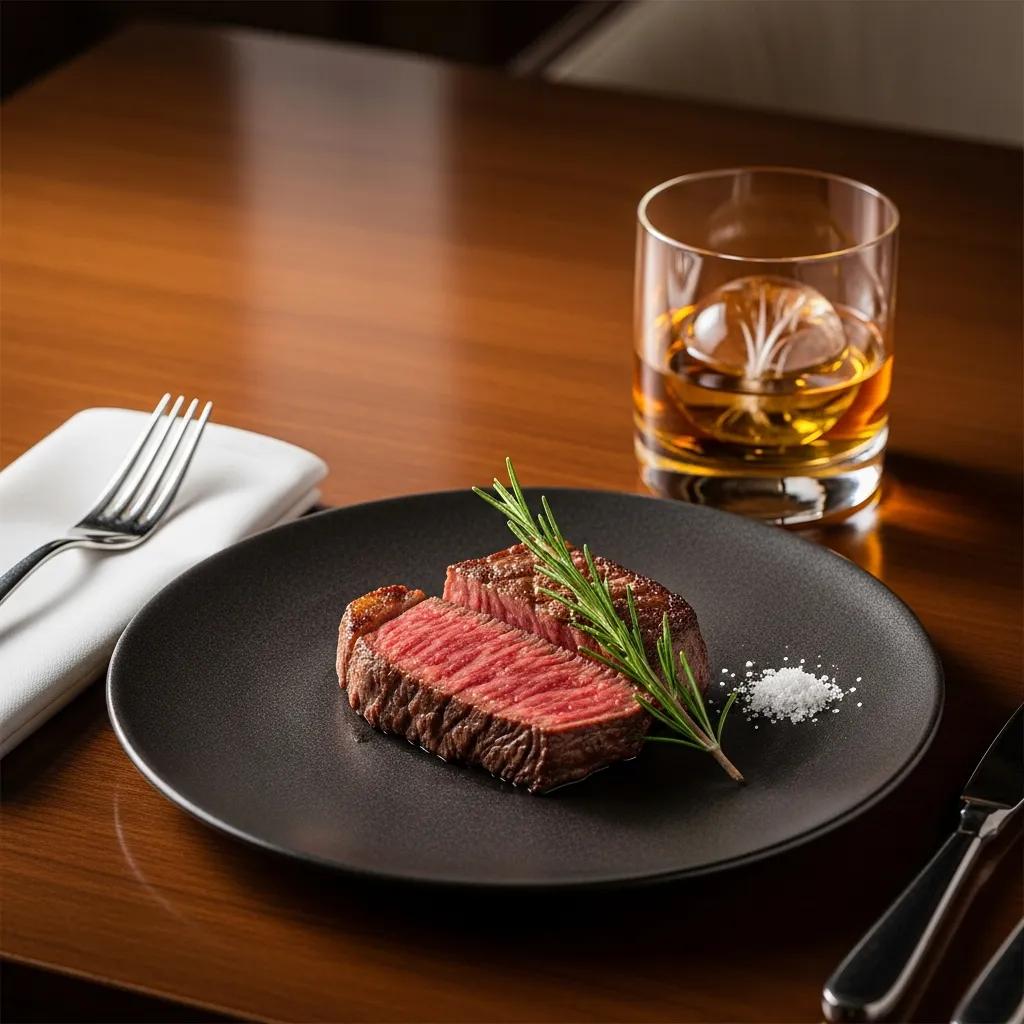
Pairing whisky and Japanese cuisine is about balance: matching weight, oak influence, and dominant flavors so food and spirit enhance one another. The core rule is simple — align the whisky’s body and oak character with the dish’s fat and umami — using lighter whiskies for delicate seafood and richer, oaked or sherried bottlings for heartier proteins. Below is a practical matrix and tips to help you plan a multi-course tasting that highlights both food and whisky.
Intro: This table maps signature dishes to recommended whisky archetypes and a short “why it works” note to streamline pairing choices for a multi-course tasting.
Summary: Matching dish weight and dominant flavors to a whisky’s body, oak influence, and aromatics creates pairings that complement and elevate each course.
Which Dishes at Kaviar Best Complement Japanese Whisky?
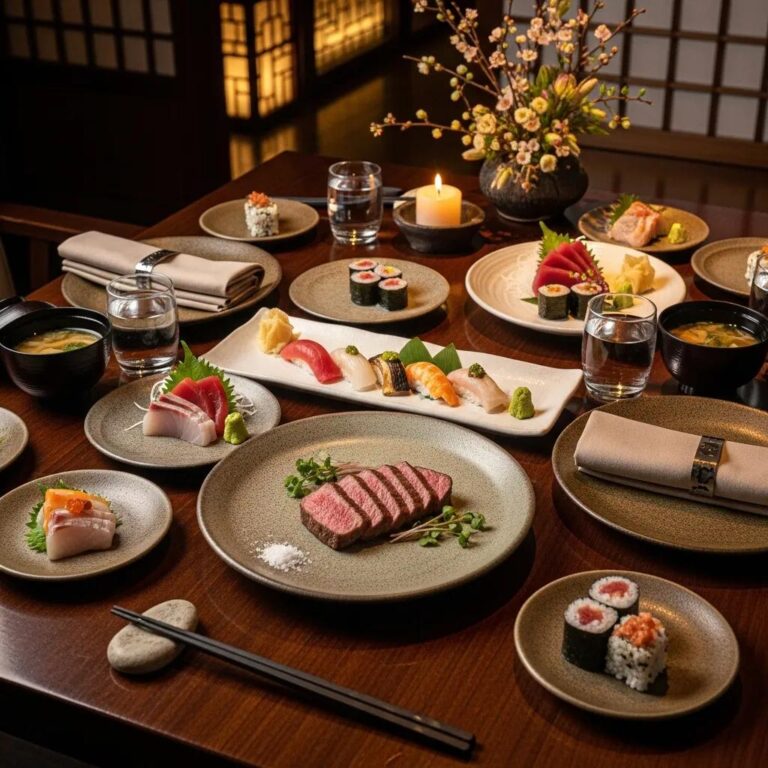
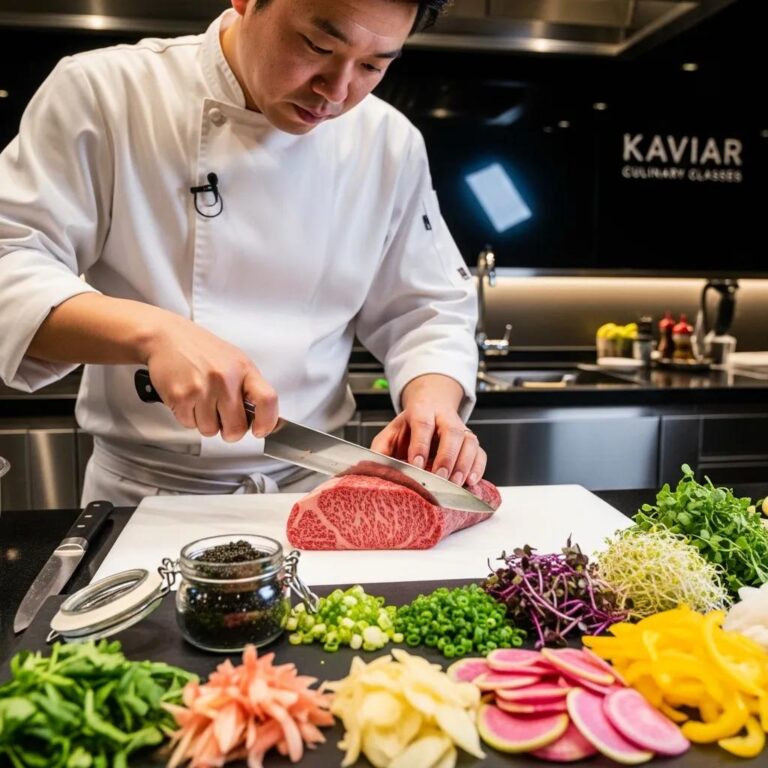
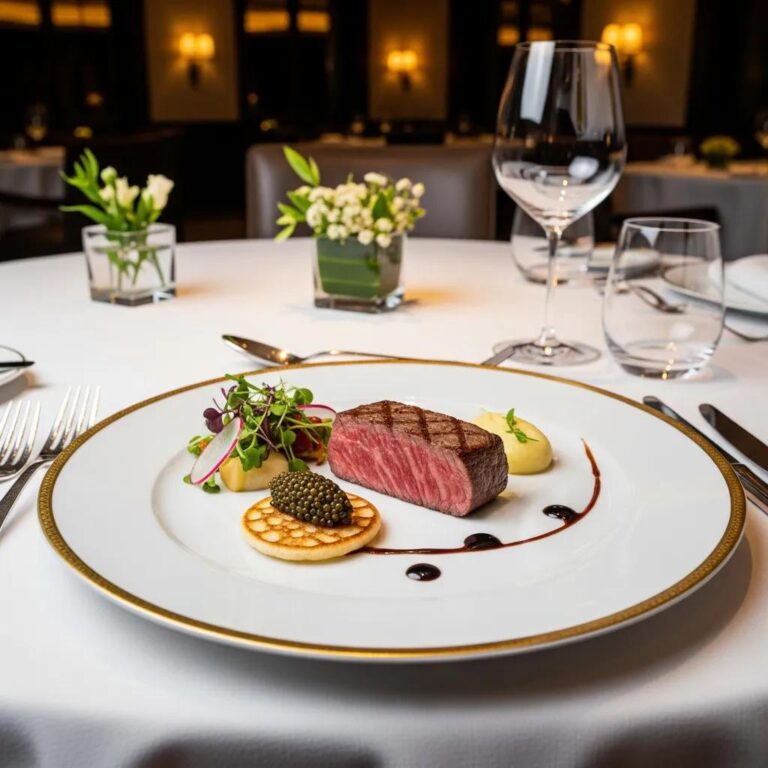
Signature items — A5 Wagyu tartare, curated caviar service, toro tartare, miso-glazed black cod, and omakase sushi — make ideal pairing canvases because they span a wide range of umami and textures. Fatty dishes work well with fuller, oak-forward whiskies that can stand up to richness, while delicate sashimi benefits from lighter, floral expressions that accentuate freshness without overpowering. By aligning a whisky’s aromatic focus — fruit, smoke, or oak — with a dish’s dominant element — salt, fat, or acid — our sommeliers create balanced, memorable moments across a tasting sequence.
What Pairing Rules Do Our Experts Follow?
Our team relies on a few repeatable rules to build coherent pairings:
- Sequence from light to heavy to protect delicate aromatics.
- Match whisky body to dish weight for textural harmony.
- Use oak and smoke intentionally so they complement rather than mask umami.
Summary: These simple guidelines form a clear framework for pairings that enhance both the food and the spirit, and they help our chefs and sommeliers collaborate effectively.
How Can Guests Experience Japanese Whisky Tastings at Kaviar in Pasadena?
We offer several tasting formats: curated three- or five-bottle flights that trace a stylistic progression, sommelier-guided pairing dinners, and private bookings tailored to group preferences. Each format emphasizes education — distillery provenance, cask choices such as Mizunara oak, and tasting technique — so guests leave with a deeper appreciation and practical tasting skills.
What Special Japanese Whisky Events and Tastings Do We Host?
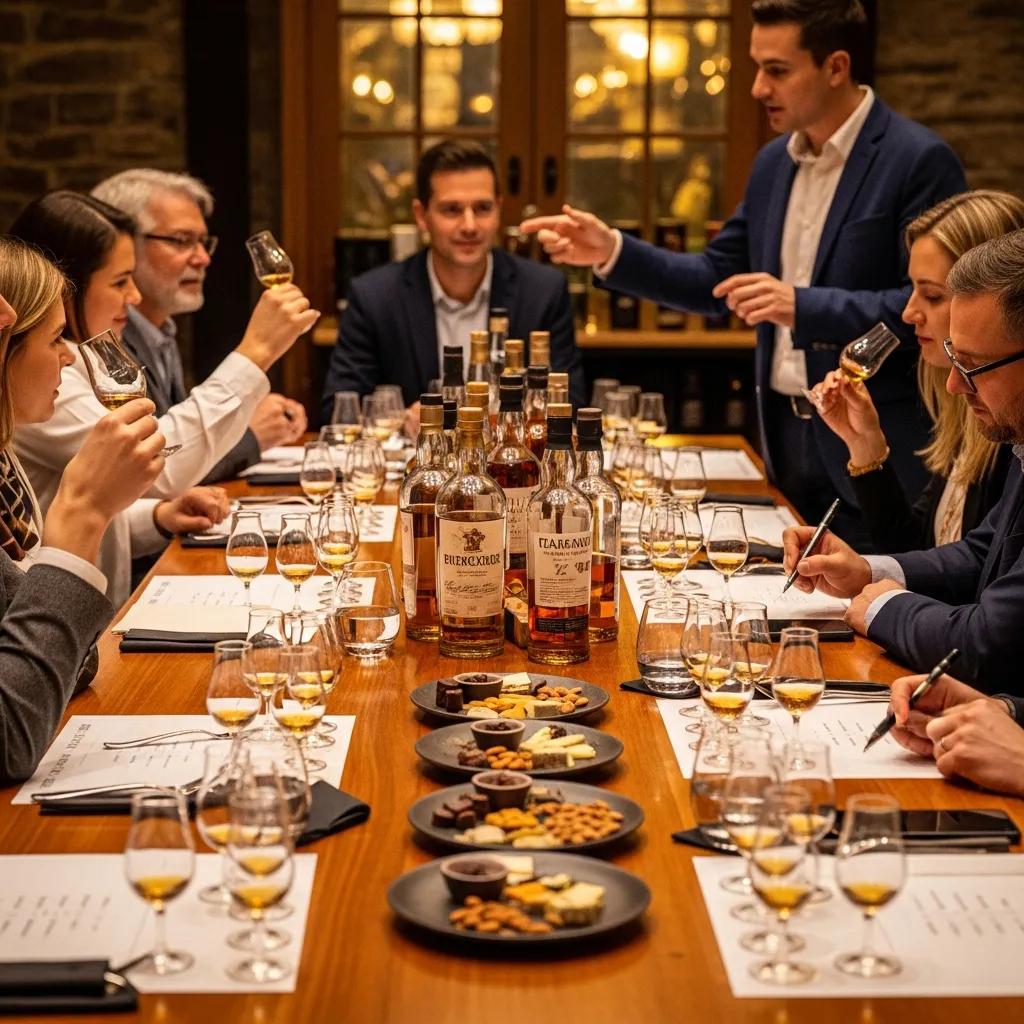
Our guided tastings are led by our beverage director or guest whisky educators and pair selected bottlings with signature dishes. We also run themed dinners centered on a single distillery or cask type. Events typically include a tasting narrative — history, production notes, and cask influence — followed by guided tastings that contextualize each bottle at the table. These formats suit guests who want both sensory pleasure and a clearer sense of provenance.
How Do You Reserve a Luxury Japanese Whisky Experience at Kaviar?
To book a whisky tasting or private pairing, call our reservation line or use the reservation page on our site. Please note your interest in a tasting and the preferred format when you book so we can advise on availability and design an appropriate sequence tied to the menu. For private events or bespoke tastings, we recommend booking early to allow time for curation and coordination between our culinary and beverage teams. Our Pasadena location and refined dining room make these formats easy to stage with care.
- Call the restaurant to request a Japanese whisky tasting or private pairing.
- Specify preferred format (flight, guided dinner, private booking) and party size.
- Confirm reservation details and any dietary or pairing preferences.
Summary: Clear reservation steps and advance coordination ensure tasting experiences align with our culinary program and deliver a thoughtful, educational evening.
Why Is Kaviar the Premier Destination for Luxury Japanese Whisky in Pasadena?
Kaviar combines a thoughtful whisky program with a luxury dining environment that prioritizes premium ingredients, intentional presentation, and attentive service. Our signature dishes — A5 Wagyu tartare, toro and tuna tartares, miso-glazed black cod, and curated caviar service — naturally lend themselves to whisky pairing. Service rituals, careful glassware selection, and knowledgeable staff ensure whisky sits at the heart of the tasting sequence, not off to the side. That hospitality framework helps guests appreciate provenance and stylistic nuance while enjoying a cohesive culinary narrative.
What Defines Kaviar’s Ambiance and Service for Whisky Lovers?
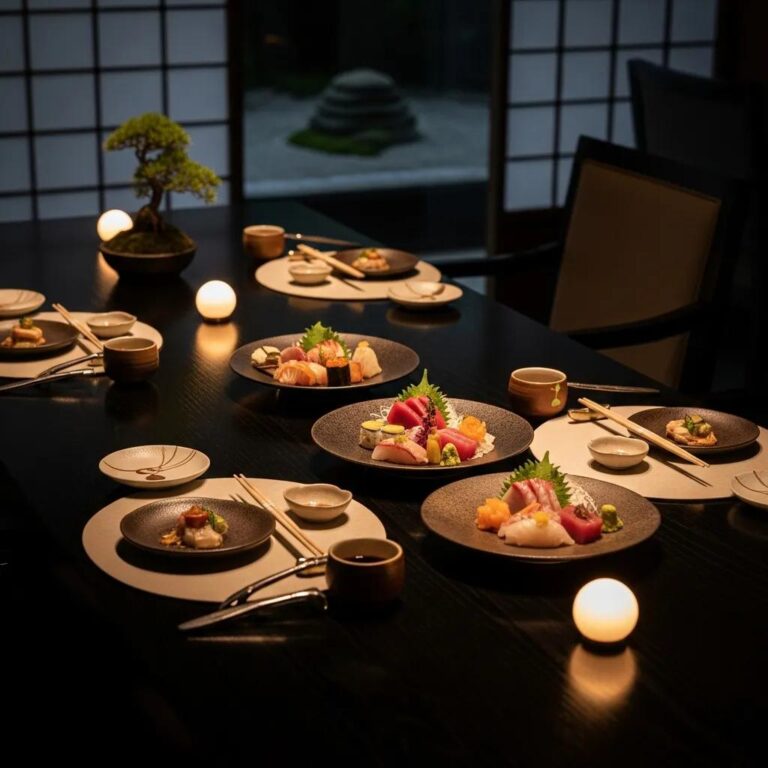
Our whisky experience is shaped by soft, controlled lighting, refined plating, sommelier-led presentations, and a dining tempo that allows for thoughtful tasting. Bottle presentation, tasting pours, and suggested sip sequences influence how diners perceive texture and aromatic lift. Staff are trained in distillery regions, cask types like Mizunara oak, and pairing rationales so recommendations are informative and context-rich. The aim is an environment where newcomers feel welcome and connoisseurs find depth.
What Do Guests Say About Their Japanese Whisky Experience at Kaviar?
Guests consistently praise our expert-led pairings and how premium ingredients and whisky selections amplify one another. Patrons note moments such as a balanced blend that heightens caviar’s salinity or a sherried malt that complements miso-glazed fish — pairings that feel intentional and curated. This feedback highlights the value of a coherent beverage program matched to a menu built on high-quality ingredients and service rituals. To ensure a tailored experience, we recommend making a reservation so we can prepare a custom tasting sequence.
- Pairings that reveal new dimensions in both food and spirit.
- Service that informs without interrupting the dining flow.
- Attention to presentation and glassware that sharpens tasting clarity.
Summary: Curated whisky choices, premium menu pairings, and knowledgeable service make Kaviar a refined place to explore Japanese whisky in Pasadena.
What Trends Are Driving Japanese Whisky’s Global Rise?
Several trends explain Japanese whisky’s growing prominence: rising consumer demand and auction-driven collectibility, a stronger focus on provenance and sustainable sourcing, and ongoing cask experimentation that expands flavor possibilities. Export growth, media attention, and collector interest have accelerated premiumization and encouraged restaurants to craft intentional whisky programs. At the same time, sustainability and traceability increasingly shape buyer decisions, influencing how tasting events are presented and marketed.
Intro: The table below summarizes major trends, their drivers, and implications for restaurants and collectors.
Summary: Scarcity and provenance add narrative value while cask innovation broadens pairing choices — both reasons Japanese whisky figures prominently in fine dining.
How Is Global Demand for Premium Japanese Whisky Growing?
Demand has risen through critical acclaim, auction market pressure, and wider export channels that moved Japanese whisky from niche to premium status. That demand puts pressure on availability, so many restaurants favor curated selections and tasting events over exhaustive inventories. Hospitality teams now balance desirability and accessibility by offering representative bottles that demonstrate stylistic breadth while managing cost and supply through flights and limited pours. The outcome is more intentional, story-driven beverage programs in upscale venues.
Why Do Sustainability and Provenance Matter in Whisky Selection?
Provenance signals — distillery, cask type, and aging environment — are important markers that guests and collectors use to judge authenticity and value. Sustainability practices, including responsible wood sourcing and transparent cask procurement, matter increasingly to consumers who expect traceability in premium products. For restaurants, highlighting provenance and stewardship in menu copy and tasting narratives not only meets expectations but also differentiates the program and supports educational experiences. Clear origin stories strengthen perceived value and guest trust.
- Traceable cask and distillery information increases guest confidence.
- Sustainable sourcing aligns whisky narratives with modern values.
- Restaurants that communicate provenance clearly can justify premium pricing.
Summary: Emphasizing provenance and sustainability enhances the guest experience and strengthens a restaurant’s position in the premium dining market.
Frequently Asked Questions
How should I enjoy Japanese whisky at home?
Start with a bottle that matches your taste — single malt or blend — and use a tulip-shaped glass or Glencairn to capture aromas. Try it neat first, then experiment with a few drops of water or an ice cube to open different flavors. Pair simply: dark chocolate, nuts, or sushi work well. Take your time with each sip so the aromas and finish can reveal themselves.
How can I identify a Japanese whisky’s flavor profile?
Pay attention to aroma, palate, and finish. Swirl gently, smell for fruit, floral, spice, or smoke, then taste for sweetness, texture, and balance. Common notes include stone fruit, honey, and oak; the finish may reveal spice or smoke. Distillery tasting notes are a helpful guide as you build your own impressions.
What should I look for when choosing a whisky for a tasting event?
Choose a range of styles to showcase variety: include single malts and blends, and select bottles finished in different casks like Mizunara or sherry. Look for distinct flavor profiles that can pair with multiple dishes and consider ABV so the flight feels balanced. A bit of producer background helps tell the story during the tasting.
Which food pairings best enhance Japanese whisky?
Rich dishes such as A5 Wagyu pair well with fuller single malts that cut through fat. Lighter whiskies work with sashimi and delicate seafood, while umami-rich dishes like miso-glazed cod or caviar pair beautifully with complex blends. The key is balancing the whisky’s body with the weight and dominant flavors of the dish.
What are the benefits of attending a guided tasting?
A guided tasting provides expert context on production, cask influence, and flavor, helping you understand each bottle more fully. Hosts curate selections that show range and help develop your palate. Whether you’re new to whisky or expanding your knowledge, guided tastings accelerate learning and enjoyment.
How can I learn more about Japanese whisky’s history and culture?
Read books and articles from whisky writers, watch documentaries, take online courses, or visit distilleries when possible. Attending tastings and engaging with whisky communities — online or in person — also deepens understanding and connects you with fellow enthusiasts.
Conclusion
Japanese whisky brings craftsmanship, nuance, and storytelling to the table — qualities that lift a fine dining experience. At Kaviar in Pasadena, we pair these whiskies thoughtfully with our menu so guests can taste how spirit and food interact. Book a tasting to explore these pairings firsthand and leave with a clearer sense of provenance, technique, and flavor. Discover how Japanese whisky can transform a dinner into a memorable experience at Kaviar.