





Plant-Based Fine Dining: The Rise of Vegan Gourmet Cuisine and Luxury Tasting Experiences
Plant‑based fine dining reframes luxury by applying chef‑led technique, seasonal sourcing, and narrative tasting menus to vegetables, fungi, seaweeds and fermented elements. This piece explains how plant‑forward omakase differs from casual vegan fare, which culinary methods build layered umami and refined textures, and why health and sustainability are driving interest among high‑end diners. We also place the movement in contemporary dining culture and note Kaviar Restaurant — an elevated Japanese dining room in Pasadena known for A5 Wagyu and caviar — as a local kitchen exploring plant‑forward innovation. Many guests now expect plant‑based options that match the sensory richness of traditional omakase; below we show how chefs deliver that through umami development, texture engineering, and careful course architecture. You’ll learn what plant‑based fine dining is and why it’s growing, how Japanese techniques translate to vegan omakase, the wellness and environmental benefits, practical ways Kaviar could introduce a plant‑based tasting menu, and how to reserve and experience these offerings. These elements help both diners and restaurateurs see where luxury and sustainability converge in modern gastronomy.
What is plant‑based fine dining, and why is it gaining traction?
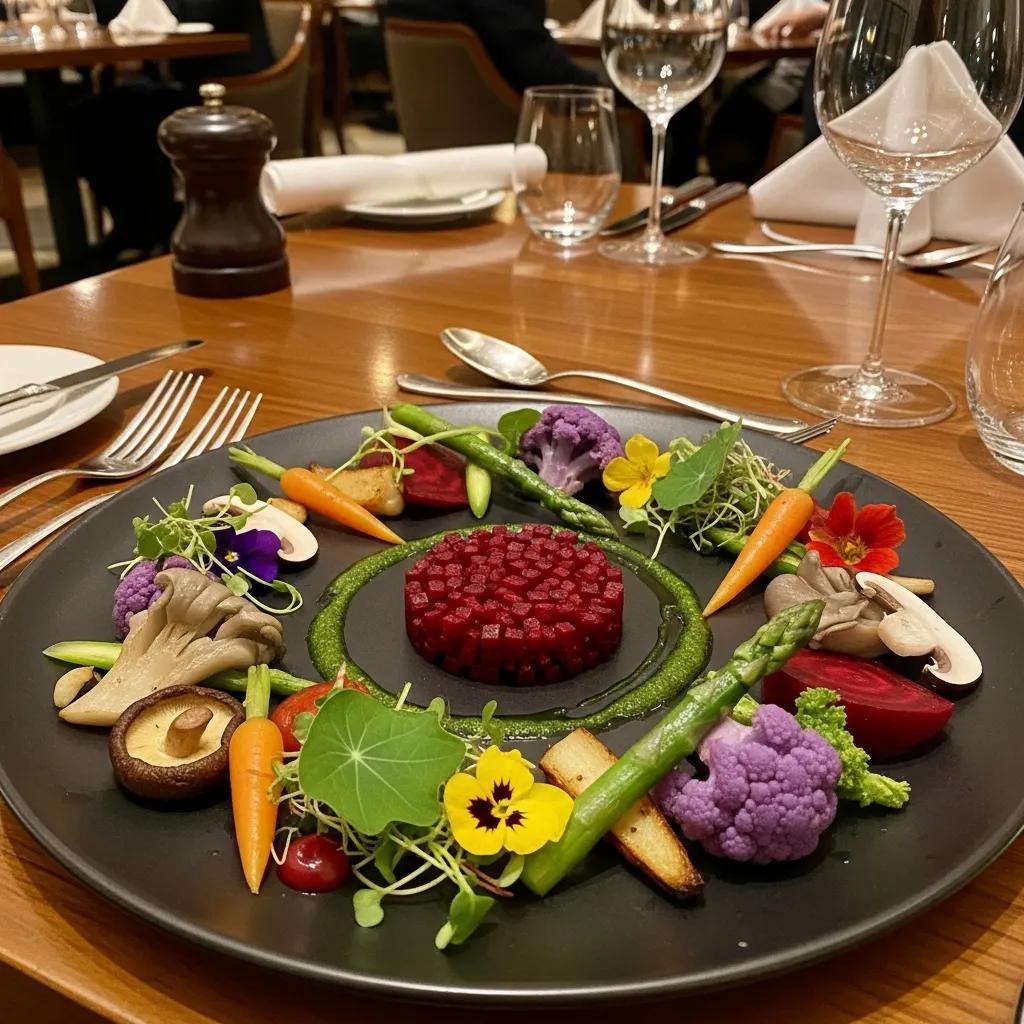
Plant‑based fine dining elevates vegetables, fungi, seaweeds and fermented ingredients into multi‑course tasting menus using classical haute‑cuisine techniques to achieve complexity and polish. What makes it compelling is methodical umami extraction, texture engineering and exacting plating — the same tools chefs use to create depth with animal proteins. The outcome is a sensory narrative that pairs visual refinement with robust flavor while aligning with health and environmental priorities. Market signals and consumer sentiment show growing demand for plant‑forward tasting menus among affluent diners and culinary professionals, prompting chefs to reimagine omakase and kaiseki through a plant‑based lens. Far from a limitation, this shift becomes a creative framework for highlighting terroir, fermentation and ingredient mastery.
How does plant‑based gourmet cuisine elevate traditional dining?
Plant‑based gourmet cuisine borrows classical fine‑dining techniques — sous‑vide control, precise charring, long‑form fermentation and concentrated vegetable stocks — to intensify flavor without animal inputs. Chefs pull umami from sources such as miso, kombu dashi, dried shiitake and aged vinegars to achieve the savory backbone luxury menus demand. Texture work employs konjac, pressed tofu, yuba and layered vegetable constructions to recreate the mouthfeel contrasts diners expect, while thoughtful plating and course sequencing preserve the omakase arc. This technique‑first approach lets plant‑based dishes stand as menu centerpieces rather than afterthoughts, which naturally leads to the market and cultural drivers behind the luxury shift.
A thoughtful balance of umami and kokumi compounds is central to the satisfying depth of plant‑based preparations.
Umami and Kokumi: Enhancing Sensory Appeal in Plant‑Based Foods
Umami and kokumi compounds play complementary roles in how we perceive flavor and mouthfeel. Umami — often linked to free amino acids and nucleotides found in soy sauce, aged cheeses and dried mushrooms — provides savory depth. Kokumi compounds, such as certain γ‑glutamyl peptides present in fermented soy products, enhance continuity and richness without adding a distinct new taste. Together they amplify flavor intensity and texture, making plant‑based dishes feel more rounded and memorable. As the food sector pursues natural, clean‑label ways to boost sensory appeal, research into these compounds and their practical applications in sauces, broths and plant‑based formulations is accelerating.
What drives the rise of luxury vegan restaurants?
Plant‑based fine dining is expanding because consumer values, environmental urgency and culinary creativity are converging within luxury markets. Health‑minded and eco‑conscious diners are increasingly willing to pay for chef‑driven tasting menus that deliver provenance, narrative and sensory sophistication. Recognition from critics and awards further legitimizes plant‑based gastronomy as a prestige offering and draws talent to refine techniques. Economic and regulatory pressures around sustainability also nudge supply chains toward lower‑impact ingredients, making premium produce and producer partnerships both responsible and differentiating. Together, these forces create fertile ground for plant‑based omakase to mature into an accepted luxury option.
How are chefs innovating with plant‑based ingredients in fine dining?
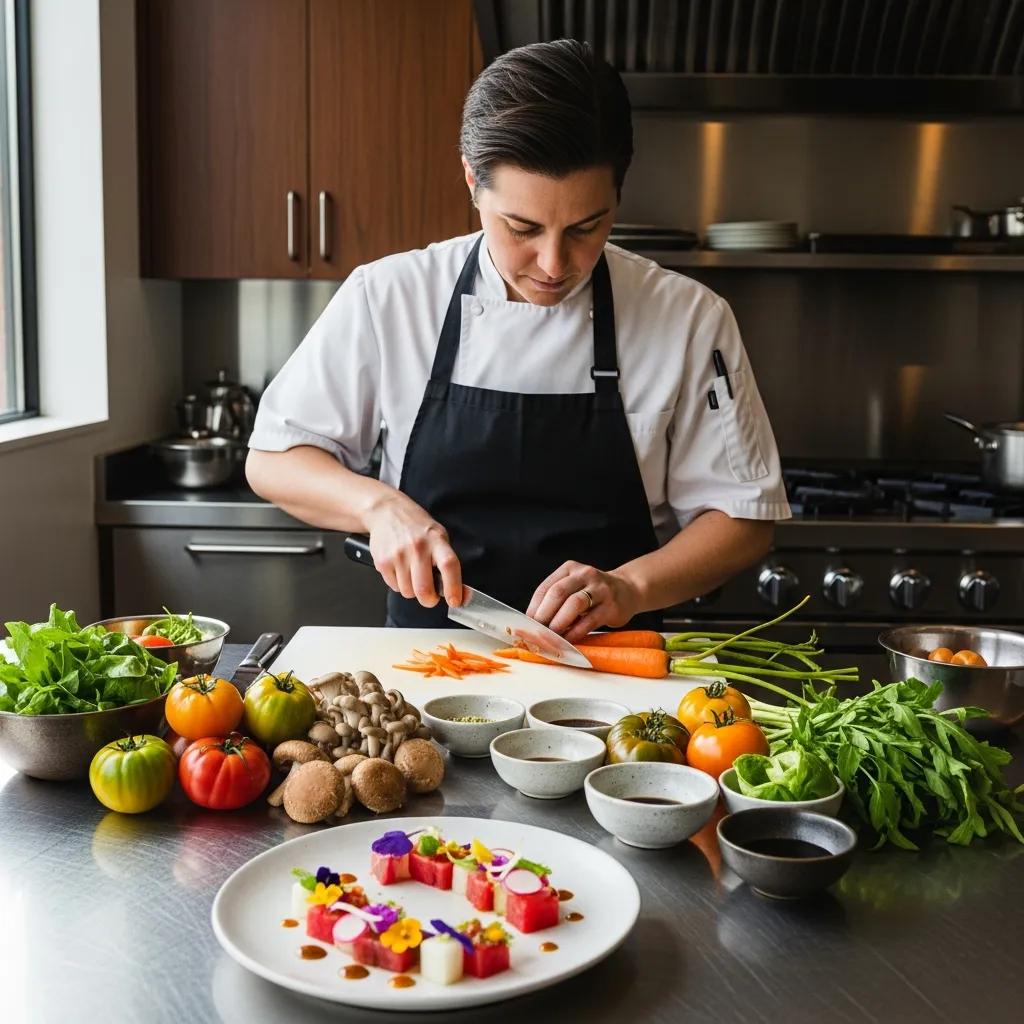
Chefs translate Japanese fine‑dining methods — fermentation, dashi craft and nigiri construction — into plant‑based expressions that honor cultural technique while prioritizing sustainability. The process is deliberate: extract concentrated umami from seaweeds, aged vegetables and fungi; shape textures through controlled hydration and natural binders; and arrange courses to create tension and release. The result is tasting menus that feel cohesive and surprising, each course contributing to a layered narrative reminiscent of classic omakase. Contemporary kitchens also partner with local growers and small producers for heirloom vegetables and specialty seaweeds, turning ingredient diversity into a clear signature. The next section breaks down the specific techniques that define plant‑based omakase and vegan tasting menus.
Which techniques define plant‑based omakase and vegan tasting menus?
Plant‑based omakase depends on a concise set of repeatable techniques: fermentation for depth, concentrated kombu‑ and shiitake‑based dashi for savory structure, and deliberate texture engineering for satisfying mouthfeel. Course sequencing follows omakase logic — light, umami‑forward openings; textural centerpiece courses that echo nigiri or sashimi using king oyster or konjac; and richer, sauce‑driven plates that read like a main. Palate cleansers and interludes — seasonal fruit, vinegars or clear broths — reset the palate between denser courses. These procedural choices ensure a tasting menu reads as a narrative, with each technique serving an explicit culinary purpose and informing sourcing decisions discussed below.
Chefs repeatedly rely on fermentation, reduced dashi and exacting knife work to render plant ingredients into familiar fine‑dining formats, preparing diners for the premium elements that shape menus.
Which sustainable, premium ingredients are shaping plant‑based menus?
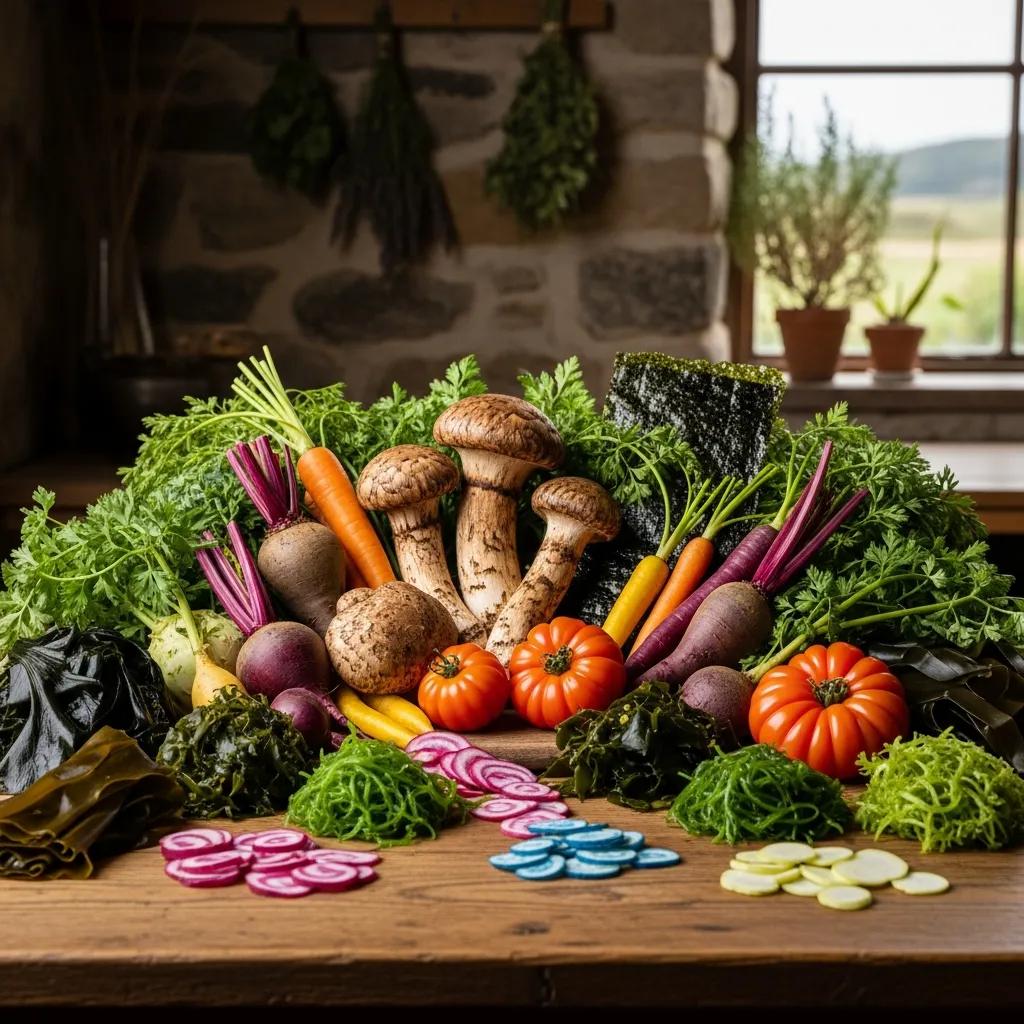
A core roster of premium plants and fungi — matsutake, maitake, king oyster, kombu, yuba and heirloom vegetables — forms the backbone of elevated plant‑based menus, offering distinct textures and concentrated flavors. Sustainable sourcing emphasizes nearby farms, vertical urban growers and specialty coastal harvests for seaweeds, shortening supply chains and increasing seasonality. Aged kombu and sun‑dried shiitake act as luxury equivalents to aged proteins: their concentrated umami becomes a complex backbone when brewed into broths or reduced into glazes. Artisanal fermented elements — miso, koji and pickles — add nuance and extend harvests, delivering both flavor depth and sustainability gains. Recognizing these premium components clarifies the link between technique and the health and environmental benefits discussed next.
What are the health, ethical and environmental benefits of plant‑based fine dining?
Plant‑based fine dining can deliver tangible health, ethical and environmental benefits by centering nutrient‑dense plants and lower‑impact production practices. Menus emphasize antioxidant‑rich produce and fiber, while sourcing and supply chains shift away from the higher greenhouse‑gas and resource demands of animal agriculture. The result is dining that aligns personal wellness goals with broader ecological outcomes without compromising sensory luxury. To make these trade‑offs clear for chefs and diners, the table below maps common dish types to their principal health and environmental impacts to aid menu design.
Different plant‑based preparations carry distinct health and environmental profiles that should inform menu planning and guest communication.
How does plant‑based cuisine support wellness and nutrition?
Plant‑based fine dining supports wellness by prioritizing nutrient density, fiber and a diversity of phytonutrients that contribute to antioxidant intake and metabolic health. Chefs design tasting menus for balanced macronutrients — pairing legumes or concentrated plant proteins with lipid‑rich dressings and mineral‑rich seaweed — to address common nutritional concerns. Menu engineering also leverages fermentation and strategic pairings to improve iron and mineral bioavailability, while clear menu notes can advise guests about options like B12 supplementation when appropriate. Framing dishes around both flavor and nutrition allows restaurants to present plant‑based menus as indulgent yet thoughtfully health‑forward.
Below is a concise comparison to help with menu planning and guest education, showing common plant‑based dishes alongside their nutritional and environmental values.
Why is sustainability central to modern fine‑dining trends?
Sustainability matters because discerning diners increasingly factor environmental credentials into their dining choices, and because resilient supply chains depend on lower‑impact sourcing and waste reduction. Operational practices — local procurement, seasonal menus, regenerative partnerships and zero‑waste tactics — shrink a restaurant’s footprint and become part of its story, enhancing perceived value. In fine dining, where price often signals quality, demonstrable sustainability can justify premium pricing while resonating with guests’ ethical preferences. Tying sustainability claims to specific menu items and clear provenance narratives builds trust and paves the way for restaurants like Kaviar to translate these principles into a plant‑based omakase.
How is Kaviar Restaurant approaching plant‑based fine dining in Pasadena?
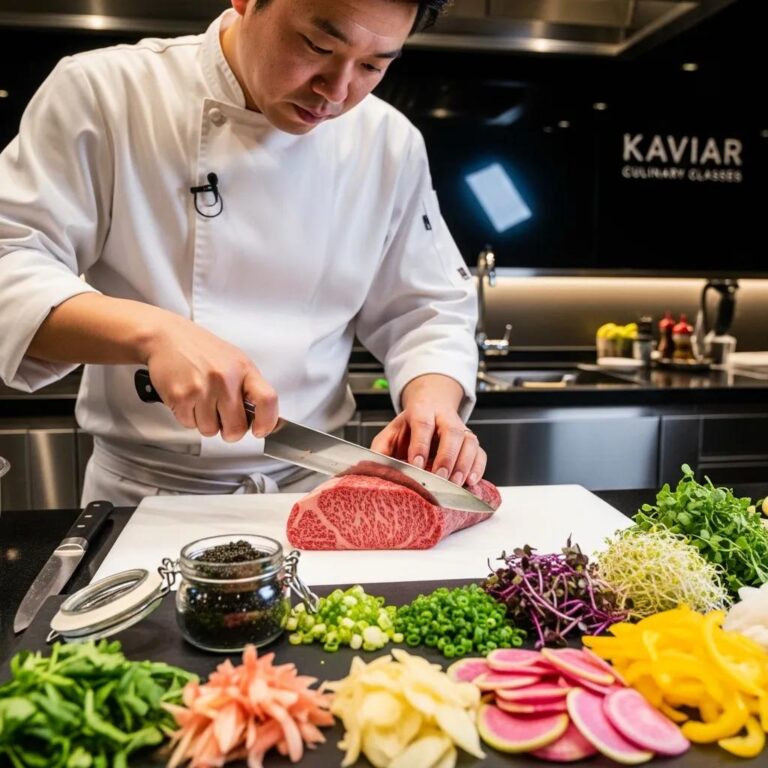
Kaviar Restaurant, an acclaimed Japanese fine‑dining venue in Pasadena known for signature dishes featuring A5 Wagyu and caviar, does not currently offer a dedicated plant‑based tasting menu but is well placed to introduce one without diluting its luxury standards. The natural approach would apply Kaviar’s chef‑driven techniques — precise seasoning, thoughtful dashi composition and artful plating — to a plant‑based omakase or seasonal vegan tasting experience focused on premium produce, specialty mushrooms and seaweeds. Sourcing would emphasize local growers and select coastal harvests that meet our sustainability criteria while maintaining the restaurant’s commitment to exceptional ingredients and service. A limited‑seat vegan omakase would let the team test guest response and refine courses while keeping the Kaviar identity intact. The short table below outlines a proposed offering and what guests should expect when reserving.
The table below pairs proposed offerings with sourcing notes and guest expectations to make reservation decisions clear.
Frequently Asked Questions
What are the main differences between plant‑based fine dining and traditional vegan cuisine?
Plant‑based fine dining differs from traditional vegan cooking by privileging haute‑cuisine technique, multi‑course tasting structures and a focus on layered sensory storytelling. Where everyday vegan dishes often emphasize convenience, health or ethics, fine dining elevates plant ingredients through advanced methods, meticulous presentation and compositional thinking so vegetables and fungi read as refined, intentional courses rather than side options.
How can diners identify high‑quality plant‑based fine‑dining restaurants?
Look for seasonal, locally sourced ingredients; transparent supplier relationships; and inventive technique. A carefully composed tasting menu that showcases a range of textures and clear flavor progression is a strong indicator. Professional reviews, culinary awards and visible stewardship of sustainability — explained on the menu or by staff — also speak to a restaurant’s seriousness about plant‑based fine dining.
What role does fermentation play in plant‑based fine dining?
Fermentation is central: it builds umami, improves nutrient availability and extends ingredient life. Fermented elements — miso, pickles, koji preparations — add savory depth and complexity, allowing chefs to craft layered flavors that read as mature and memorable rather than simply acidic or salty.
Are there specific dietary considerations for plant‑based fine dining?
Yes. Menus can be designed to cover common nutritional concerns such as protein, iron and B12 through thoughtful ingredient choices and preparations: legumes, concentrated plant proteins, mineral‑rich seaweeds and fermentation. Restaurants should also offer clear allergy and intolerance guidance and be prepared to adapt courses for individual needs.
How do chefs ensure plant‑based dishes feel indulgent and satisfying?
Chefs rely on umami‑rich components, layered textures and bold finishing sauces to create indulgence. Techniques like roasting, grilling and slow reduction intensify natural sugars and savory notes; careful seasoning and rich emulsions provide the mouthfeel and depth associated with luxury dishes. The aim is a balanced plate that delivers both comfort and refinement.
What trends are emerging in the plant‑based fine‑dining scene?
Key trends include hyper‑local sourcing and foraging partnerships, greater experimentation with global plant traditions, and stronger commitments to zero‑waste and regenerative sourcing. Technology and ingredient innovation — from artisanal fermentation to lab‑assisted components — are also appearing, but most kitchens emphasize provenance and seasonality as primary differentiators.
Conclusion
Plant‑based fine dining proves that luxury and sustainability can coexist without compromise. By combining refined technique, premium ingredients and clear provenance, chefs create menus that satisfy the palate and conscience. As interest grows, restaurants like Kaviar are in a strong position to introduce plant‑forward tasting experiences that honor our culinary standards. To learn more or to reserve a seat at a future plant‑based tasting, check our reservation page and join us as we explore this thoughtful evolution in fine dining.