




The Science of Flavor Pairing in Fine Dining: How Culinary Theory and Umami Shape Modern Japanese Cuisine
Flavor pairing is the deliberate practice of combining ingredients so their chemical and sensory qualities lift one another—at fine‑dining scale this practice becomes a careful craft that produces memorable courses. This piece outlines the mechanisms behind pairing—from the five basic tastes and aroma chemistry to texture and temperature—and shows how those principles guide contemporary Japanese fine dining and omakase. You’ll find clear explanations of taste interactions, how aroma and mouthfeel reshape perception, and why umami‑rich elements like A5 Wagyu, uni, and caviar act as powerful anchors. We review chef techniques for layering and balancing flavors, present dish‑level case studies, and explain why premium ingredients alter pairing chemistry. Practical sections look beyond taste and answer common questions so diners and curious cooks can apply the theory in a luxury setting. Keywords such as flavor pairing, umami, A5 Wagyu pairings, uni pasta flavor pairing, and Japanese fine dining are woven throughout to connect scientific concepts with culinary practice.
What Are the Fundamental Principles of Flavor Pairing Science in Fine Dining?
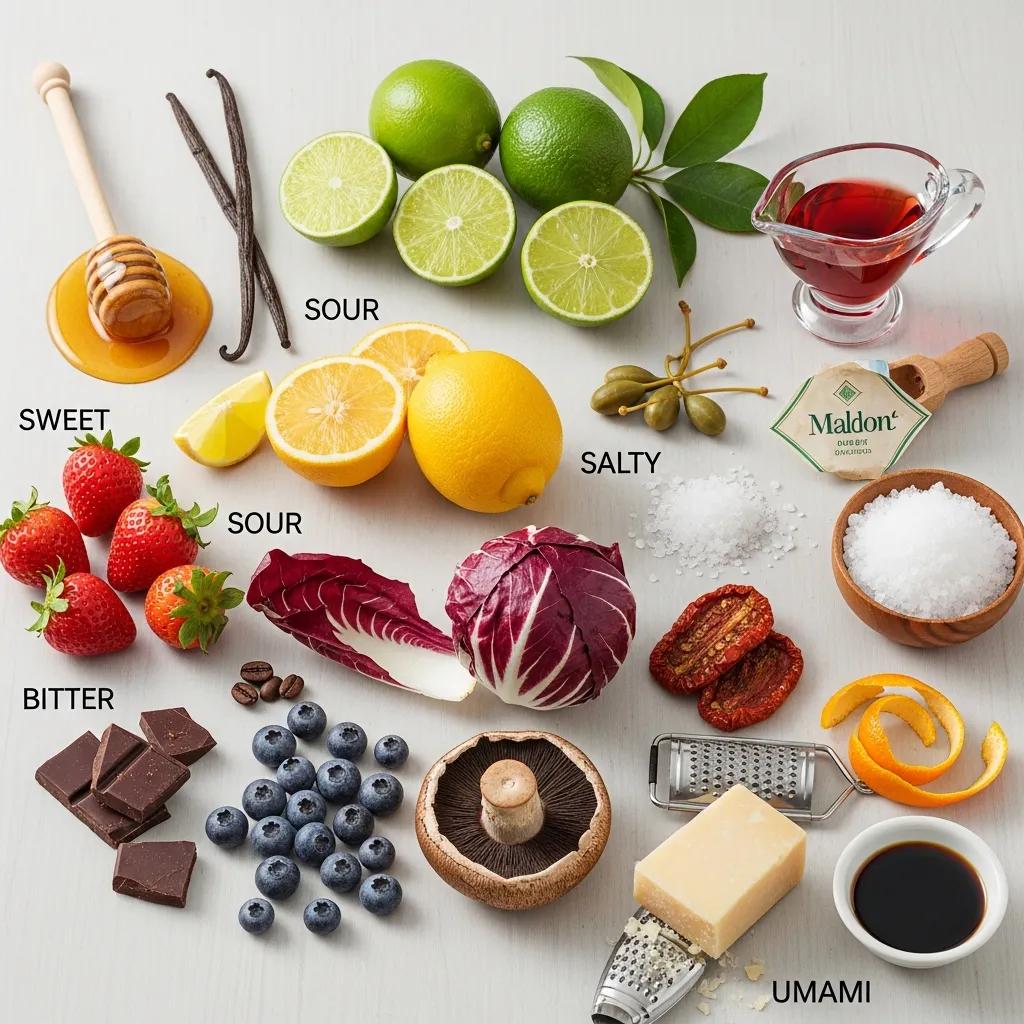
Flavor pairing science examines how taste, aroma and texture interact to create harmony or intentional contrast on the palate. Chefs use these insights to design balanced dishes by combining chemical compounds (volatile aromatics, glutamates, nucleotides) with structural elements (fat, acid, salt, bitter notes). The goal is predictable sensory results: greater perceived depth, a cleaner finish and heightened enjoyment. With these fundamentals, chefs choose ingredients that either share key volatiles or provide counterpoint through acidity, bitterness or crunch. The table below summarizes each basic taste and typical pairing tendencies so these principles become actionable for menu design and tasting progressions.
Note: “Kinzan” is an uncommon term here; in practice chefs more often use bitter greens like shungiku or other seasonal bitter elements.
This table shows how each taste works as a lever for balance: chefs either align similar sensations to reinforce notes or introduce contrast to sharpen the overall dish. Knowing these tendencies helps craft tasting progressions that build intensity while keeping the diner engaged.
What Are the Five Basic Tastes and Their Role in Flavor Pairing?
The five basic tastes—sweet, sour, salty, bitter and umami—are the primary axes chefs manipulate to create balance, each operating through distinct receptor mechanisms that shape perceived harmony. Sweetness rounds edges and pairs with caramelized or aged components to soften perception; acidity slices through fat and brightens a dish. Salt increases aroma release and can suppress bitterness; bitterness provides structural backbone and a palate‑resetting function that prepares the next bite. Umami, driven by glutamates and nucleotides, binds flavors and prolongs savory persistence—combining umami sources often produces synergy that must be balanced. These roles underpin pairing choices in Japanese cuisine, where dashi, soy and aged proteins form the foundation for layered savory experiences.
The principles of flavor pairing in Japanese cuisine rest on careful attention to ingredient character and the ways those ingredients interact.
Culinary Success Factors for Japanese Chefs in Fine Dining: Flavor, Umami, and Pairings
We identified ten critical success factors: (1) using the main ingredient’s texture, (2) using the main ingredient’s flavor, (3) leveraging the main ingredient’s umami, (4) spotlighting the featured ingredient, (5) creating strong complements between main and secondary elements, (6) avoiding excessive richness, (7) achieving good balance, (8) retaining a distinctly Japanese style, (9) maintaining elegance, and (10) delivering surprise. A DEMATEL diagram illustrated chefs’ decision patterns: emphasizing the main ingredient’s flavor was the most influential factor and was itself shaped by a more Japanese stylistic approach. In short, when chefs prioritize the ingredient’s flavor within a Japanese framework, the resulting dishes are perceived as more valuable.
Cognitive structures based on culinary success factors in the development of new dishes by Japanese chefs at fine dining restaurants, H Kawasaki, 2015
How Do Aroma and Texture Influence Taste Perception in Gourmet Cuisine?
Aroma and texture are essential modifiers of flavor: retronasal olfaction contributes much of what we call taste, while structural attributes change how compounds are released in the mouth. Aroma compounds—volatile molecules released at particular temperatures—define perceived identity (floral, marine, roasted) and interact with taste receptors to form complex impressions. Texture and mouthfeel—from uni’s creaminess to the silk of A5 Wagyu fat—alter release rates and duration, shifting perceived intensity and satisfaction. Chefs control temperature, emulsions and surface crisping to manage aroma volatility and textural contrast, deciding precisely when and how flavors arrive on the palate. Recognizing these interactions allows dishes to unfold deliberately during a tasting sequence.
How Does Kaviar Restaurant Apply Flavor Pairing Science to Japanese Fine Dining?
Kaviar applies flavor‑pairing principles by marrying traditional Japanese umami sources with modern technique, ensuring each omakase course progresses in a considered way. Our method is chef‑driven layering: dashi or aged fish provides a base umami layer, and finishing accents—a splash of acid, a saline note, or a fat binder—shift perception toward contrast or reinforcement. The result is a cohesive tasting where each course prepares the palate for the next and ingredients like A5 Wagyu and caviar can fully express themselves. Using the omakase structure, we sequence flavors from subtle to bold so diners perceive nuance and escalation across the meal. To experience these techniques firsthand, Kaviar accepts bookings by phone, Resy and OpenTable; our tasting menus and à la carte offerings are designed to showcase this pairing philosophy.
The omakase format—built on surprise and a curated progression of flavors—is a clear example of how fine dining engages multiple senses by design.
Omakase Feasts: Unexpected Flavor and Ingredient Pairings in Fine Dining
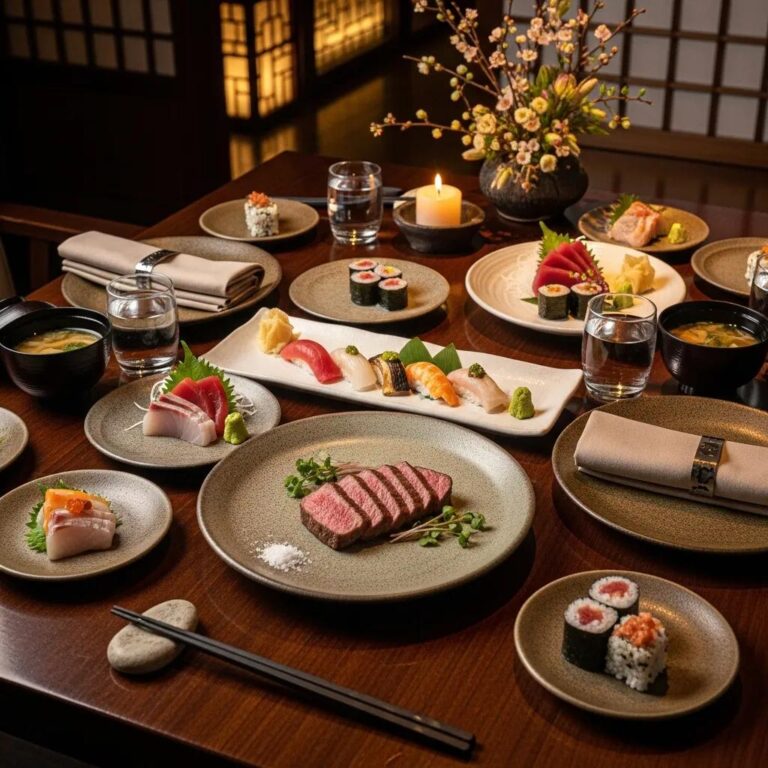
A search for this year’s finest omakase feasts uncovered a lively mix of unexpected ingredient combinations. Thoughtful drink pairings—sake, cider and more—often accompany these menus, underscoring how chefs assemble flavor and beverage into a cohesive experience.
Adam Platt’s Where to Eat 2016; our game plan for dining (and drinking) exceptionally well, starting tonight., 2016
What Traditional and Modern Culinary Techniques Enhance Flavor Harmony at Kaviar?
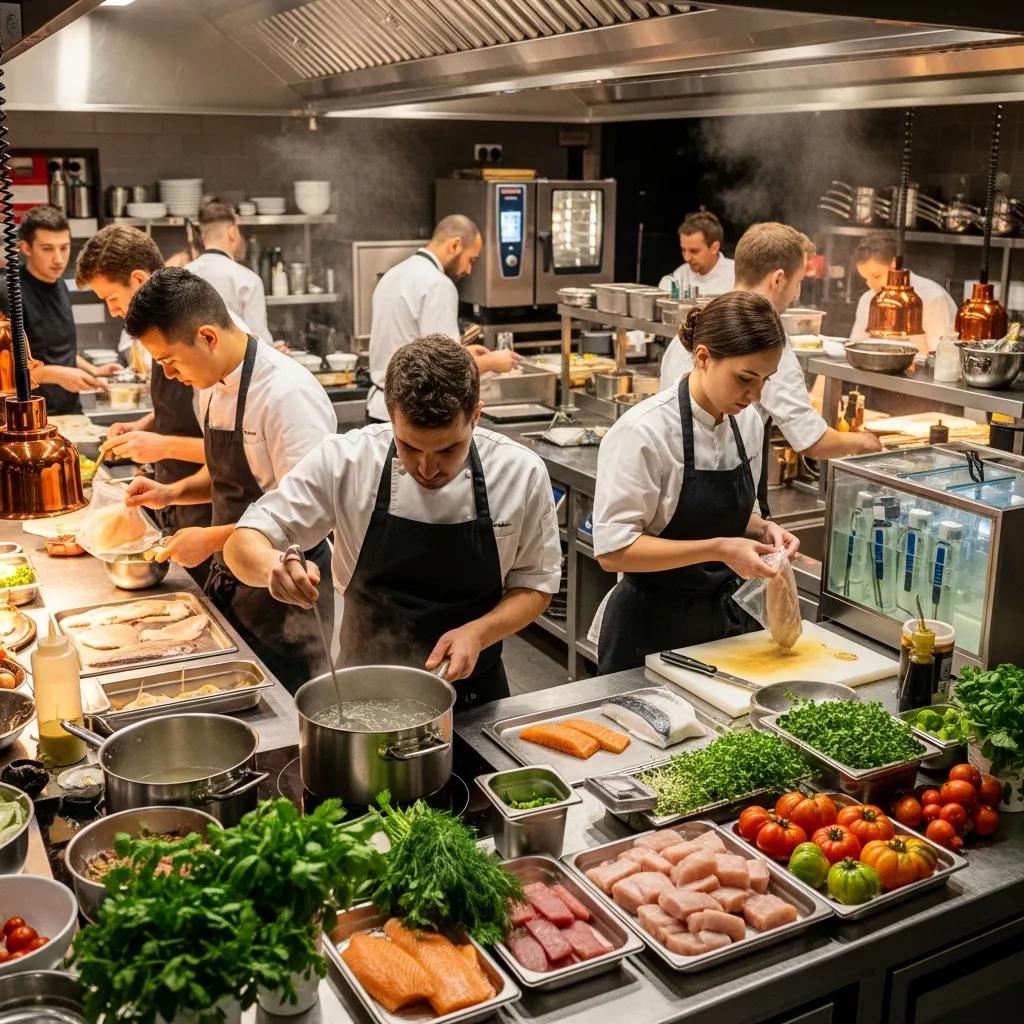
Kaviar blends time‑honored Japanese methods—dashi extraction, fermentation and precise curing—with modern controls like temperature‑stabilized aging and sous‑vide to draw targeted flavors and textures. Each technique shifts chemistry: slow dashi extraction releases soluble glutamates, fermentation builds complex volatiles, and controlled searing creates Maillard aromatics. Contemporary tools let chefs hold delicate proteins at exact temperatures so fats render predictably and emulsions form with reliable mouthfeel. Together these approaches let us layer umami and contrast without flattening subtlety—forming a practical toolkit for plates that balance tradition and culinary science. Understanding our technique set clarifies why Kaviar’s dishes deliver depth and refinement.
How Does Kaviar Use Umami to Elevate Its Signature Dishes?
At Kaviar we layer umami—pairing ingredients with complementary glutamate and nucleotide profiles—to deepen flavor without over‑salting or adding unnecessary fat. An aged fish might supply inosinate while a soy element contributes glutamates, producing a savory synergy that enhances persistence and satisfaction. We then add micro‑contrasts—a kiss of citrus or a crisp garnish—to keep the sequence lively and avoid monotony. This careful layering raises perceived complexity and makes the tasting feel progressive, with each course revealing a new dimension. Controlled umami use is central to Kaviar’s culinary identity and underpins many signature plates.
What Are Kaviar’s Signature Flavor Pairings Featuring Premium Ingredients?
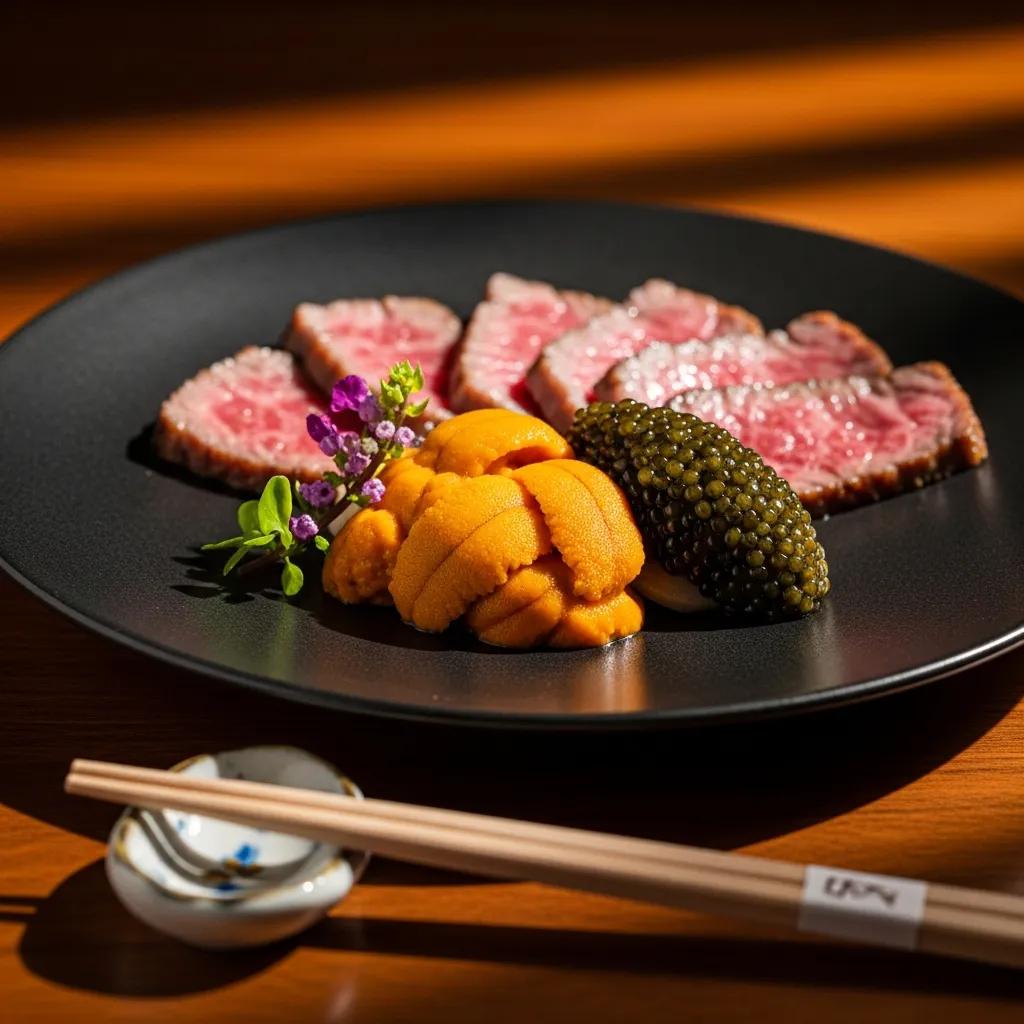
Kaviar’s signature dishes put flavor science into practice: components, seasoning and finishing elements are selected for specific chemical and sensory interactions. The throughline is ingredient synergy—A5 Wagyu’s fat, uni’s oceanic richness and caviar’s saline burst act as base notes that we accent with acid, heat or aromatics to shape perception. The benefit to diners is dishes that feel both luxurious and precisely balanced—richness is cut by acidity, saline notes are softened by fat, and texture adds excitement. The table below compares signature plates and explains each ingredient’s role so curious diners can see menu‑level pairing logic.
This comparison shows how each element performs a defined role—carrier, accent or contrast—so complex dishes reach harmony through predictable chemical and sensory interactions. Every plating choice supports balance and progression across the tasting.
How Does the A5 Wagyu Tartare Showcase Ingredient Synergy and Flavor Balance?
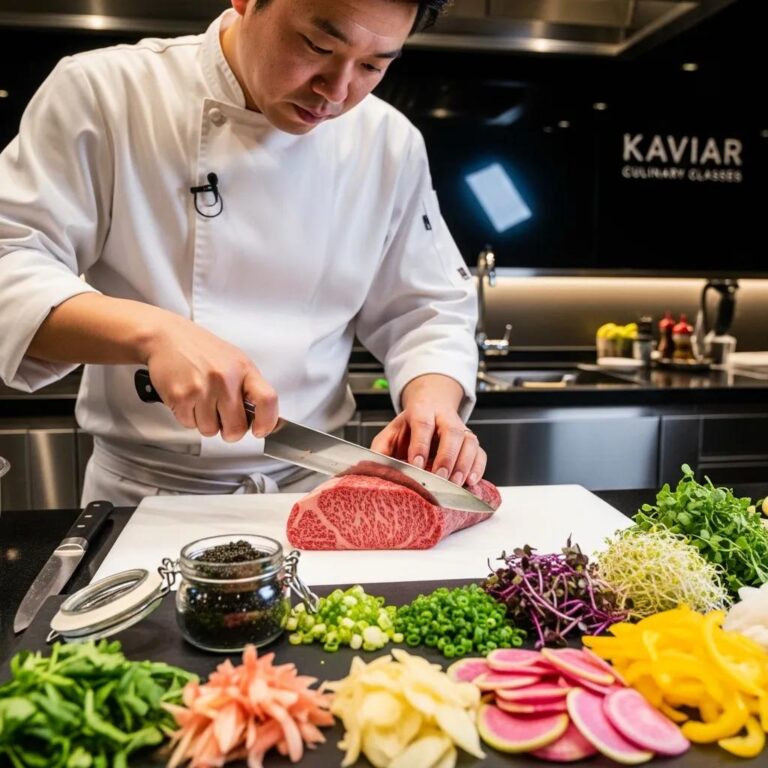
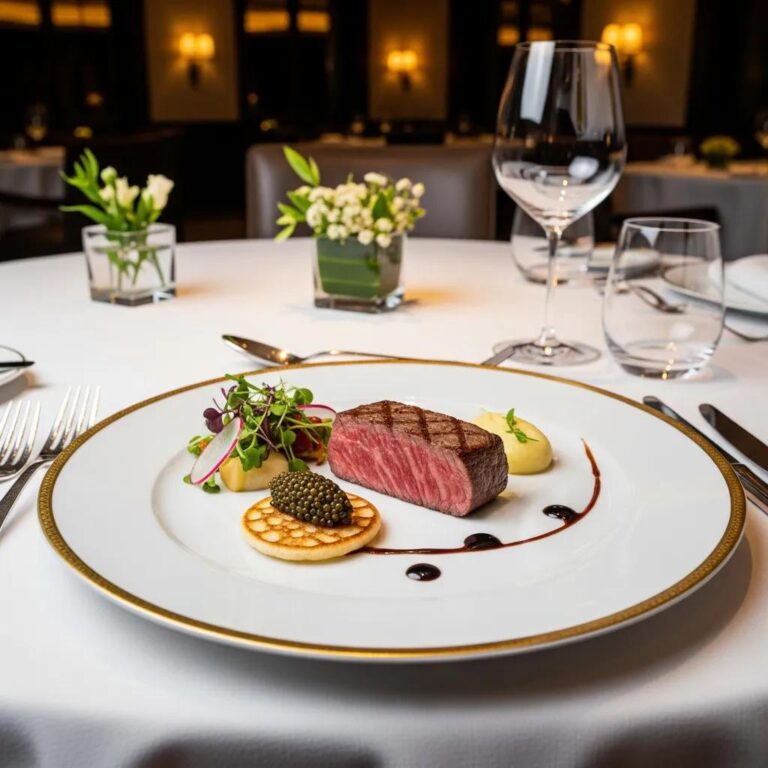
The A5 Wagyu Tartare shows how intramuscular fat acts as a flavor reservoir, releasing lipid‑soluble aromatics and smoothing sharper notes for a luscious mouthfeel. Pairing Wagyu with saline accents—small amounts of caviar or a quail yolk—adds concentrated umami and salt that lift the beef’s savory character without masking it. Micro‑contrasts like togarashi or citrus zest introduce aromatics and a touch of bitterness to refresh the palate between bites, while careful temperature control and minimal handling preserve the fat’s texture. These choices create a dish where richness, salt, acid and spice coexist in calibrated balance.
What Makes the Toro Tartare and Uni Pasta Unique in Their Flavor Combinations?
Toro Tartare uses fattiness as a platform for aromatic and acidic lifts—truffle or citrus brightens the oily mouthfeel and microherbs supply volatile contrast so the richness never feels flat. Uni Pasta concentrates oceanic umami in a butter or cream emulsion, where fat amplifies sea‑notes while breadcrumbs or herbs add texture and aromatic complexity. Both dishes depend on finishing touches—acid to cut, salt to amplify, aromatics to define—and caviar as an optional accent provides discrete saline pops that play against creamy textures. Together they illustrate two approaches: toro as aromatic‑rich indulgence, and uni pasta as concentrated sea‑sourced umami tempered by texture.
How Is the Classic Caviar Service Paired for Optimal Taste Experience?
The Classic Caviar Service is built around temperature, texture and fat to moderate salinity and release aroma: chilled caviar with warm blini and cool crème fraîche balances mouthfeel while tempering salt intensity. Each component has a sensory job—crème fraîche smooths salinity and carries aroma, blini provide a tender starch to anchor the bite, and chives or onion add aromatic lift. Timing matters: serving caviar cold preserves the pop and brine while slightly warm blini open volatile aromatics for retronasal perception. Paired with a thoughtful beverage, these elements combine into an elegant course that highlights caviar’s delicate umami and textural contrast.
Why Are Premium Ingredients Like A5 Wagyu and Caviar Essential to Fine Dining Flavor Science?
Premium ingredients matter because their intrinsic sensory and chemical properties—fat composition, volatile profiles, salinity and texture—create pairing possibilities that lesser items cannot reproduce. The mechanism is ingredient chemistry: A5 Wagyu’s extreme marbling yields fats with low melting points that carry fat‑soluble aromatics, while caviar supplies concentrated brine and umami nucleotides that interact strongly with proteins and fats. For chefs, this expands the palette of subtle interactions and allows more precise control of flavor intensity and mouthfeel. Top‑quality sourcing also reduces the need for heavy seasoning: when an ingredient brings complex internal notes, the final dish retains clarity. The table below outlines each ingredient’s sensory profile and its direct impact on a dish.
This table explains why chefs prioritize premium inputs: their chemistry enables refined pairing strategies that deliver depth, complexity and sustained sensory impact without heavy‑handed techniques.
What Qualities Define A5 Wagyu and Its Impact on Flavor Profiles?
A5 Wagyu is defined by exceptional marbling and a fat composition that melts at low temperature, producing an unctuous mouthfeel and efficient aroma release during chewing. Chemically, fat‑soluble volatiles dissolve and travel retronasally, intensifying perceived richness. Because fat dominates the profile, pairing rules favor acids and bitter greens to cut through richness or saline/umami accents to harmonize rather than overwhelm. Temperature control is critical—served too warm the texture can feel greasy, too cool and aromatics stay muted—so chefs choose finishing temperatures and acidic modifiers to optimize balance. These qualities make A5 Wagyu a distinctive anchor for pairing strategies.
How Does Caviar Complement and Enhance Japanese Culinary Flavors?
Caviar complements Japanese flavors through concentrated brine, a subtle pop and an umami‑rich profile, functioning as a micro‑ingredient that amplifies delicate seafood and rich proteins. Its salt and nucleotide content heighten savory perception in adjacent elements, while the bead‑like texture contrasts creamy or fatty carriers. Typical pairings include mild starches, soft eggs and delicately seasoned proteins where caviar’s salt and umami register without overwhelming. Chefs use caviar as a restrained accent to elevate oceanic or savory notes—small amounts can shift a bite’s entire flavor balance.
How Does the Sensory Experience Beyond Taste Shape Fine Dining at Kaviar?
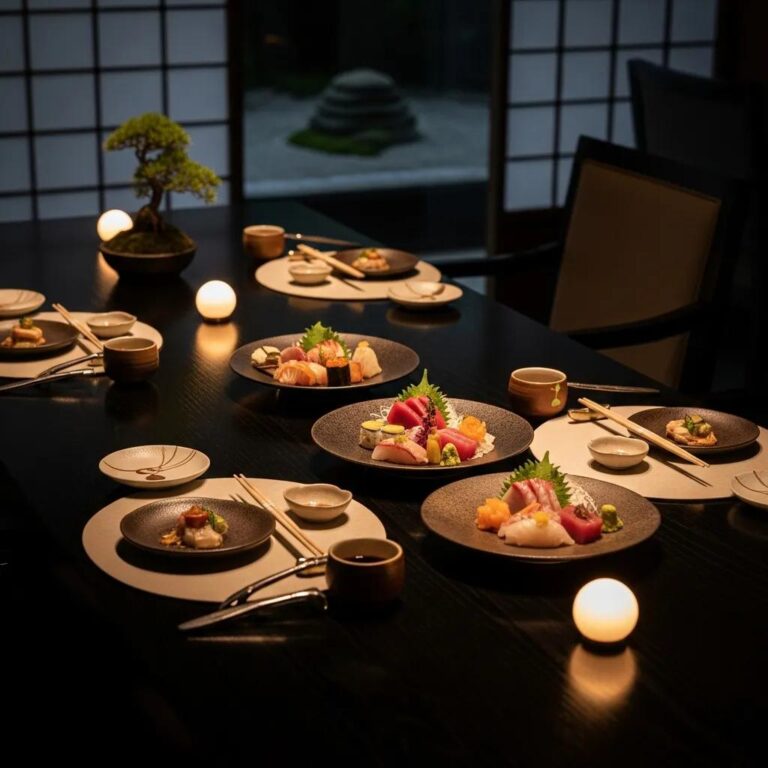
Non‑taste sensory elements—ambience, plating, service choreography, music and pacing—shape flavor perception by altering focus, expectation and physiological state, which in turn modulate olfactory and gustatory sensitivity. Practically, controlled lighting and low noise levels let diners notice subtle aromatics, while precise plating concentrates where aromas evolve and how color frames expectation. The benefit is an orchestrated experience where environmental cues prime the palate to receive flavors as intended, making the meal more immersive and memorable. Kaviar uses these factors so each course lands with maximum impact, revealing layers in a deliberate sequence.
The dining environment plays a vital role in how we perceive and value flavors, turning a meal into a cohesive sensory journey.
Taste and Ambience: Sensory Marketing in Fine Dining Experiences
Fine dining is a multisensory journey where taste and ambience work together to form lasting impressions and define perceptions of luxury. This study examines how taste—beyond simple flavor to include texture, presentation and storytelling—and ambience—sight, sound and touch—combine to heighten emotional and sensory impact. Examples such as Japanese omakase show how a cohesive narrative can elevate the experience; the research explores sensory marketing principles that justify premium pricing by deepening satisfaction and emotional connection.
How Taste and Ambience Shape Consumer Perceptions—Sensory Marketing in Fine Dining, 2024
What Role Does Ambiance Play in Enhancing Flavor Perception?
Ambiance sets expectation and focus; sensory psychology shows that lighting, acoustics and decor can change perceived taste intensity and enjoyment. A quieter, elegantly lit room often yields higher reported flavor clarity. For example, warm low lighting can make a dish feel more luxurious, while softer acoustics let diners tune into aroma and texture. These environmental elements, combined with intentional plating, direct attention to aromatic hotspots and color contrasts that shape flavor perception. Kaviar’s dining room is designed to support this sensory economy, creating a calm backdrop that amplifies the food’s nuances. In that way, ambiance multiplies the kitchen’s flavor intentions.
How Does Presentation and Service Contribute to Culinary Harmony?
Presentation and service choreography control when and how flavors are released—from the exact temperature a course arrives at the table to the moment an aromatic element is unveiled. Visual design primes the palate—color and arrangement cue expectations for sweetness, acidity or richness—while service gestures (tableside finishing, a final citrus spritz) trigger immediate aroma release. Utensil selection and portion size also change bite mechanics, altering how texture and volatiles are experienced. Kaviar’s service sequences are engineered to manage these levers so every intervention supports the dish’s intended balance and the diner’s perception evolves as designed.
What Are Common Questions About Flavor Pairing Science in Fine Dining?
This FAQ answers core questions to clarify the science behind pairing and how diners can spot chef intent during a luxury meal. Each response focuses on the chemical or perceptual mechanism and gives practical examples so readers can identify pairing logic in restaurants or at home. The section ends with what to expect when booking a tasting at a Japanese fine‑dining venue and how to secure a reservation. Answers are written to be clear and ready for quick reference.
What Is the Science Behind Food Pairing in Gourmet Cuisine?
Food‑pairing science studies how volatile compounds, basic tastes and textural elements interact to create perceptual harmony; chefs use compound compatibility and contrast heuristics to design dishes. The mechanism involves identifying shared aromatic families between ingredients or deliberately contrasting taste axes (fat vs. acid, salt vs. bitter) to sharpen perception. Practically, chefs pair items that either share volatiles or provide a balancing counterpoint so the overall profile feels integrated. For example, pairing aged fish (inosinates) with soy (glutamates) produces synergistic umami that elevates both components without heavy seasoning. Understanding these principles helps explain why certain combinations feel especially satisfying.
How Do Chefs Use Molecular Gastronomy to Innovate Flavor Combinations?
Chefs use molecular gastronomy techniques—spherification, advanced emulsification and controlled encapsulation—to concentrate aromas, alter texture and time flavor release, creating novel pairings grounded in sensory logic. These methods let chefs deliver volatile compounds at precise moments or transform textures so contrasts become more pronounced, strengthening perceived complementarity. Crucially, modern techniques serve the flavor—not as gimmicks—so the goal remains balance and deeper sensory engagement. When applied thoughtfully, these innovations expand the chef’s toolkit for turning chemical compatibility into memorable mouthfuls.
What Are the Key Elements of a Luxury Dining Experience at Kaviar?
A luxury meal at Kaviar rests on four pillars: exceptional ingredients, meticulous culinary technique, considerate presentation and service choreography, and an ambiance crafted to heighten perception. Together these elements ensure premium inputs like A5 Wagyu, uni and caviar are shown with precision, that courses reveal layered flavors and that service timing maximizes aroma and texture release. For guests seeking this experience, Kaviar takes reservations by phone, Resy and OpenTable; our omakase format is designed to highlight our flavor‑pairing expertise. We recommend booking in advance to secure a seat for tasting menus that exemplify these principles.
- Exceptional Ingredients: Sourcing top‑quality proteins and seafood builds the foundation for subtle pairing strategies.
- Meticulous Technique: Traditional and modern methods are used deliberately to extract and layer flavors throughout the meal.
- Thoughtful Service: Presentation and timing are choreographed to control aroma and temperature, enhancing each course.
Frequently Asked Questions
What is the significance of umami in flavor pairing?
Umami—the fifth taste—provides savory depth and is central to pairing because it enhances and unifies flavors. It stems from amino acids like glutamate, found in A5 Wagyu, aged fish and soy. When umami‑rich ingredients combine they produce a synergistic effect that intensifies the overall profile, enabling chefs to build dishes that feel layered and satisfying. In Japanese cuisine, umami is a foundational tool for crafting complexity without excessive seasoning.
How do chefs balance flavors in a dish?
Chefs balance flavors by adjusting the five basic tastes—sweet, sour, salty, bitter and umami—along with aroma and texture. They choose ingredients that complement or contrast one another: a rich umami base may be offset with a bright acid to cut fat, while sweetness can soften bitterness. The orchestration ensures no single element overwhelms, allowing flavors to evolve across a bite and through the meal.
What role does temperature play in flavor perception?
Temperature affects flavor by changing aroma volatility and texture. Warm dishes release more volatile compounds and often read as more aromatic; cold preparations can feel cleaner and offer refreshing contrast. For example, chilled caviar with warm blini creates a temperature interplay that enhances both taste and mouthfeel. Chefs consider serving temperature carefully to optimize each component’s expression.
How can diners identify flavor pairing techniques in a meal?
Diners can spot pairing techniques by noting balance and contrast: does a dish pair a savory base with a bright acidic element? Are textures arranged to create contrast—creamy versus crunchy? Watching how flavors progress across courses also reveals the chef’s intent. Noticing these elements deepens appreciation for the craft behind fine dining.
What are some common mistakes in flavor pairing to avoid?
Common mistakes include overcrowding a dish with too many strong flavors, neglecting balance, and overlooking texture or temperature. Stacking multiple umami‑heavy elements without contrast can result in a flat, heavy profile. To avoid these errors, focus on harmony: let primary ingredients sing, introduce thoughtful counters (acid, bitterness, crunch), and keep interventions proportionate.
How does the dining environment affect flavor experience?
The dining environment shapes flavor by influencing mood, focus and sensory sensitivity. Lighting, acoustics and decor can either enhance or distract from subtle aromas and textures. A calm, dimly lit room often heightens perceived flavor clarity, while loud noise can blunt awareness. Restaurants like Kaviar design ambiance to complement the cuisine so every element—from food to surroundings—works together to create a memorable meal.
Conclusion
Understanding the science of flavor pairing deepens appreciation for how ingredients interact to create memorable dishes. By mastering taste, aroma and texture, chefs turn meals into journeys of discovery. If you want to experience these dynamics firsthand, consider reserving a table at Kaviar—where every bite is composed with intention and care.