





The Ultimate Cocktail & Food Pairing Guide — Japanese Pairings for Kaviar’s Fine Dining
Welcome
This guide is a practical road map for pairing cocktails with Japanese fine dining so every bite and sip feels intentional. You’ll find core pairing principles, a course‑by‑course approach for omakase, and specific matches for flagship ingredients like A5 Wagyu and Kaluga or Osetra caviar. Many guests wrestle with pairing umami‑rich plates or delicate raw fish with drinks that either overpower or disappear — here are repeatable rules, concrete cocktail suggestions, and etiquette tips to fix that. We cover foundational pairing techniques, an omakase pairing matrix, targeted advice for Wagyu and caviar, sushi‑and‑sashimi matches driven by yuzu and shiso, and practical steps to plan a paired experience. A brief note explains how this thinking ties to Kaviar’s approach: we focus on elevated Japanese dining — including omakase and signature dishes spotlighting premium ingredients such as A5 Wagyu and Kaluga or Osetra caviar — and we build cocktails to enhance each course. Read on for clear, actionable pairings you can use at home or when you visit.
Key Principles of Japanese Cocktail–Food Pairing
Pairing in this tradition rests on a few reliable principles: balance, seasonality, and respect for umami. At the simplest level ask three questions about a dish — how intense is it, what textures will interact, and which flavor axis (acid, sweet, bitter, savory) will best echo or contrast the plate. The right cocktail will either echo delicate seafood or cut through fatty richness while keeping the food front and center. With these principles you can confidently choose a sake cocktail, a shiso‑infused gimlet, or a light yuzu spritz that supports the cuisine. The sections that follow unpack umami’s role and give a short, practical ruleset to use at the bar or during omakase.
Umami and Japanese Flavors: How They Shape Pairings
Umami amplifies perceived richness and can heighten alcohol’s presence, so drinks paired with umami‑forward components must manage weight and aromatic interaction. Savory elements — think miso, dashi, soy, uni — build a round, savory backbone that benefits from cleansing acidity or herbal brightness. Consider a miso‑citrus sour that lifts roasted notes or a shiso‑gin that balances soy‑seasoned seafood. By prioritizing acidity, saline balance, and restrained sweetness, mixologists craft cocktails that complement umami rather than clash, keeping the palate ready for the next course.
The Five Practical Rules of Food and Cocktail Pairing
Use this short checklist to make pairing decisions in a Japanese dining context, whether at the bar or during omakase service.
- Match intensity: pair delicate sashimi with light, low‑proof drinks and rich Wagyu with fuller spirits.
- Complement or contrast: mirror flavors for harmony, or use contrast (acid vs. fat) to refresh the palate.
- Honor regional ingredients: lean on yuzu, shiso, and sake to keep pairings coherent with the cuisine.
- Think texture and mouthfeel: oily or buttery dishes respond well to high‑acid or tannic elements in a drink.
- Respect temperature and finish: chilled cocktails suit raw fish; warmed spirits work with cooked, hearty dishes.
These five rules act as a quick diagnostic — apply them in the next section to map pairings across an omakase sequence.
How Omakase Shapes Cocktail Pairings at Kaviar
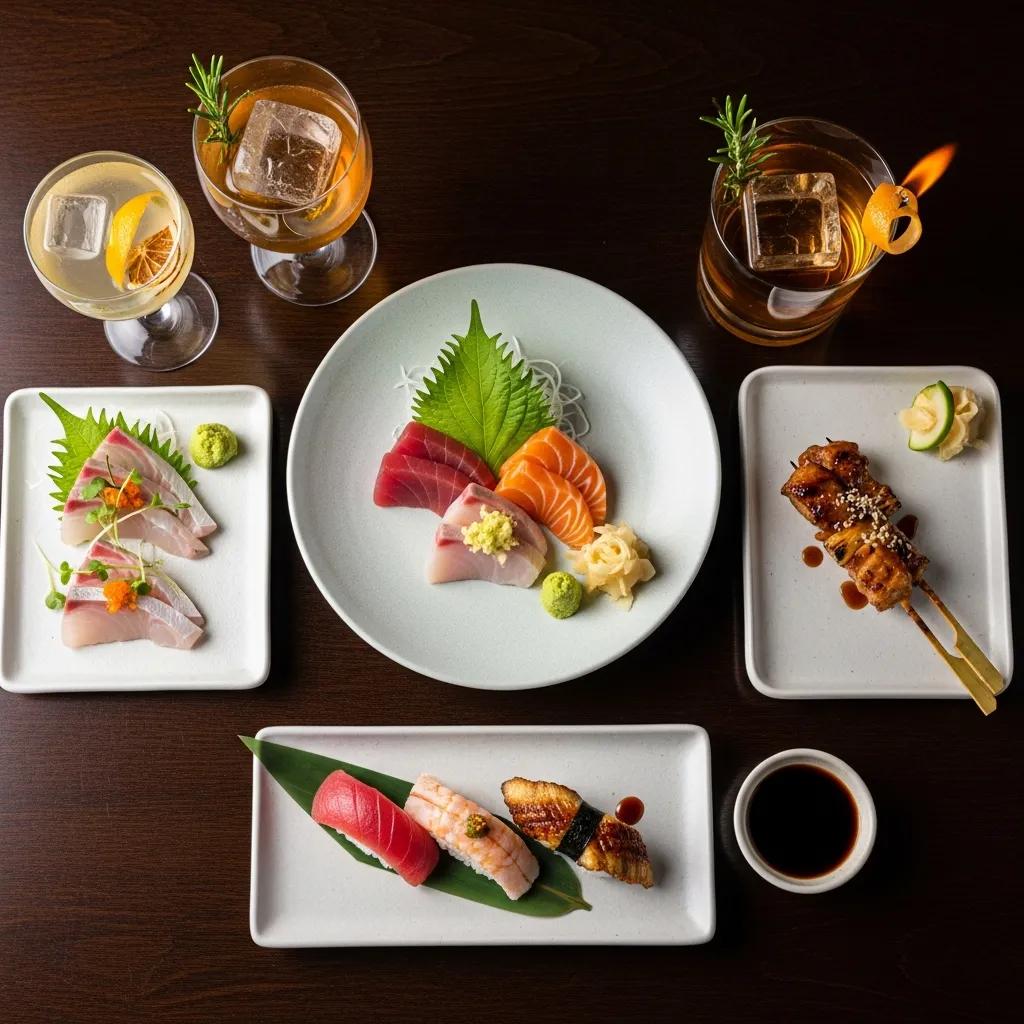
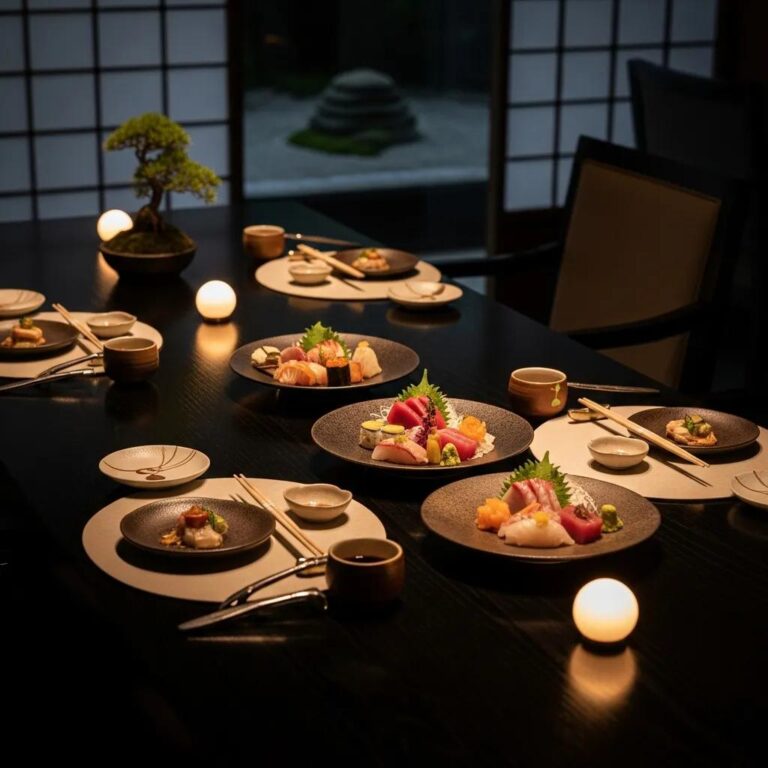
Omakase is a carefully ordered progression from subtle to bold, and cocktails should follow that same arc so the meal reads as a single story. Early courses favor light acidity and clear aromatics; middle courses can introduce herbal or umami‑driven drinks; later courses — notably cooked items and Wagyu — welcome richer whiskey or sake blends. At Kaviar the chef and mixologist work together to time pours, manage texture, and provide palate resets. The table below is a concise course‑by‑course pairing matrix you can use for pacing and quick reference.
Introductory table: Course | Cocktail Type | Recommended Pairing / Rationale
At Kaviar we design omakase and mixology to appeal to guests seeking refined Japanese dining, omakase, A5 Wagyu, caviar service, and luxury restaurant experiences in Pasadena.
Our mixology philosophy centers on seasonality, ingredient‑driven technique, and timing that supports the chef’s sequence; the next section explains that craft in more detail.
Cocktails That Complement Each Stage of an Omakase
Pairing by course means calibrating weight, aromatics, and alcohol so each drink advances the sequence rather than interrupting it. For delicate starters choose yuzu highballs or light sake cocktails for citrus lift and low ABV. As nigiri intensifies, herbal gin or light sherry cocktails add savory complexity without upstaging the fish. Cooked dishes respond well to fortified or oak‑influenced spirits that echo caramelized notes; Wagyu pairs beautifully with measured whiskey or sake hybrids that harmonize with fat. Low‑ABV and nonalcoholic palate cleansers — yuzu soda or shiso‑infused tonic — work well between richer courses to maintain clarity across the tasting.
Kaviar’s Mixology Philosophy and the Omakase Collaboration
Our mixology practice values ingredient integrity, seasonality, and a chef‑led pairing workflow rooted in Japanese ideas of balance and restraint. We source Japanese citrus and herbs, use techniques such as shiso infusion and clarified yuzu foam, and time beverages to complement each plate rather than compete with it. The result: cocktails that feel like natural extensions of the menu — subtle, precise, and tuned to the meal’s progression — which sets the stage for targeted matches with premium items like A5 Wagyu and caviar.
Best Cocktail Pairings for A5 Wagyu at Kaviar
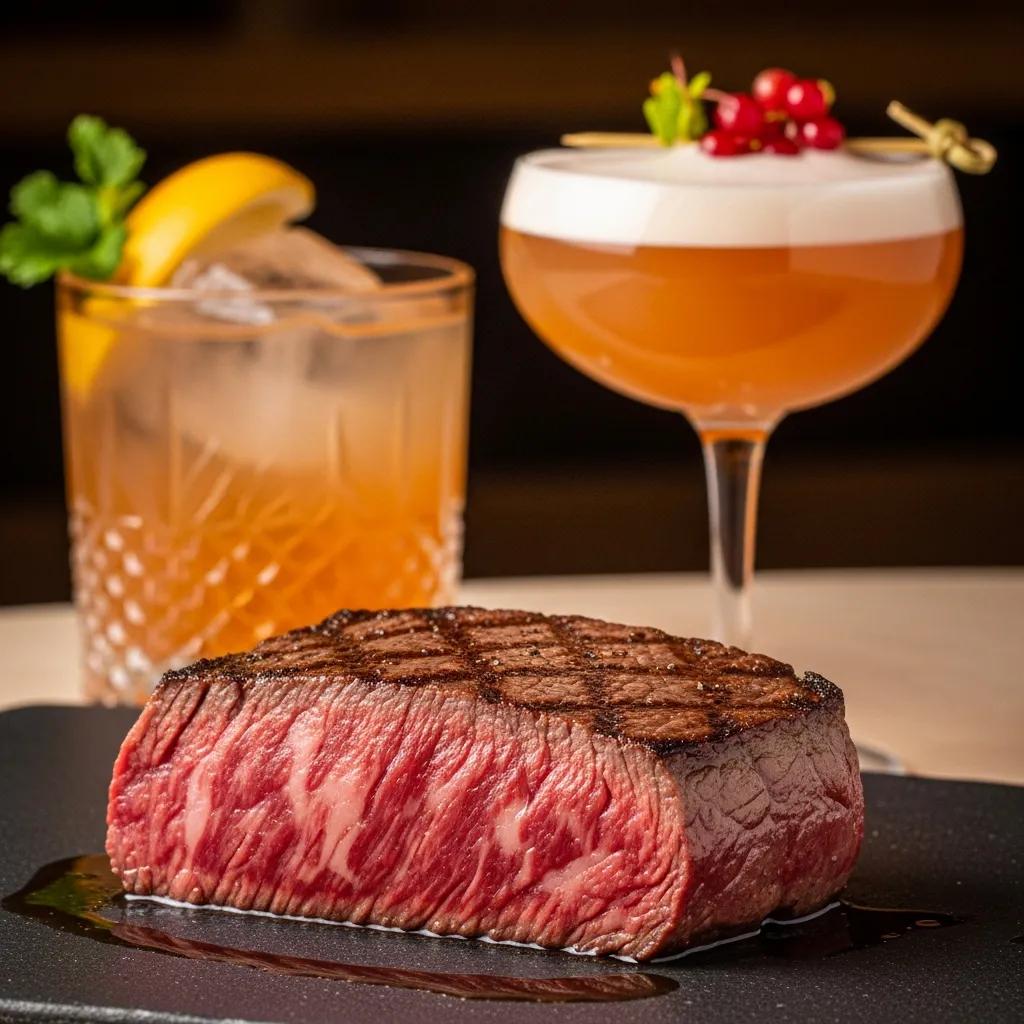
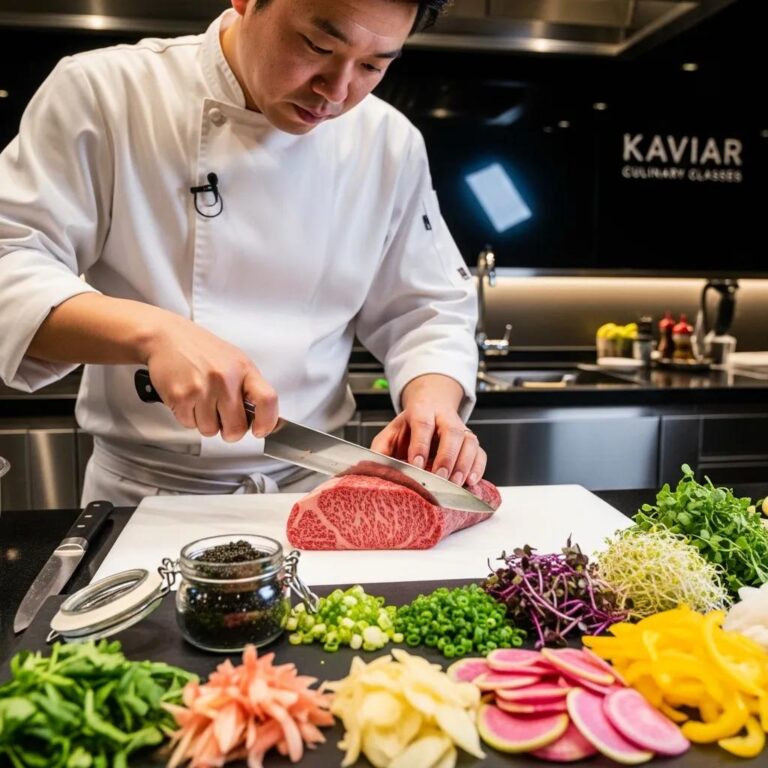
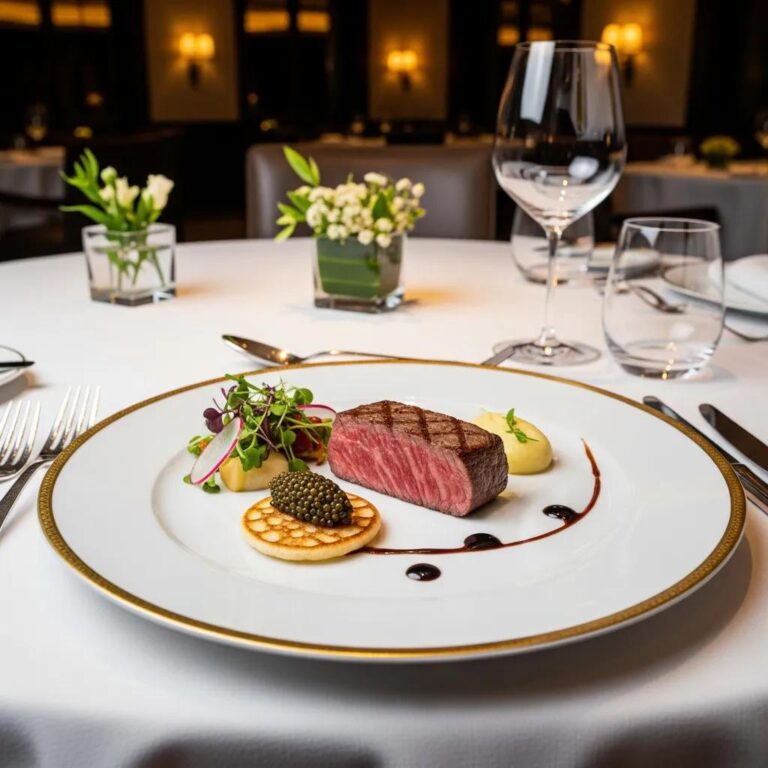
A5 Wagyu’s signature marbling and silky fat demand drinks that either harmonize with that richness or provide a clean counterpoint. Gentle oak or light peat add structure; sake‑based cocktails keep the umami alignment without overpowering the beef. Service technique matters: take small sips, pause between bites, and use acidic or tannic interventions to reset the palate. The table below pairs common Wagyu preparations with recommended cocktail categories and short notes to guide your sequence at the table.
A5 Wagyu: Wagyu Cut / Preparation | Cocktail / Spirit | Pairing Notes
Whiskey and Sake Cocktails That Elevate Wagyu
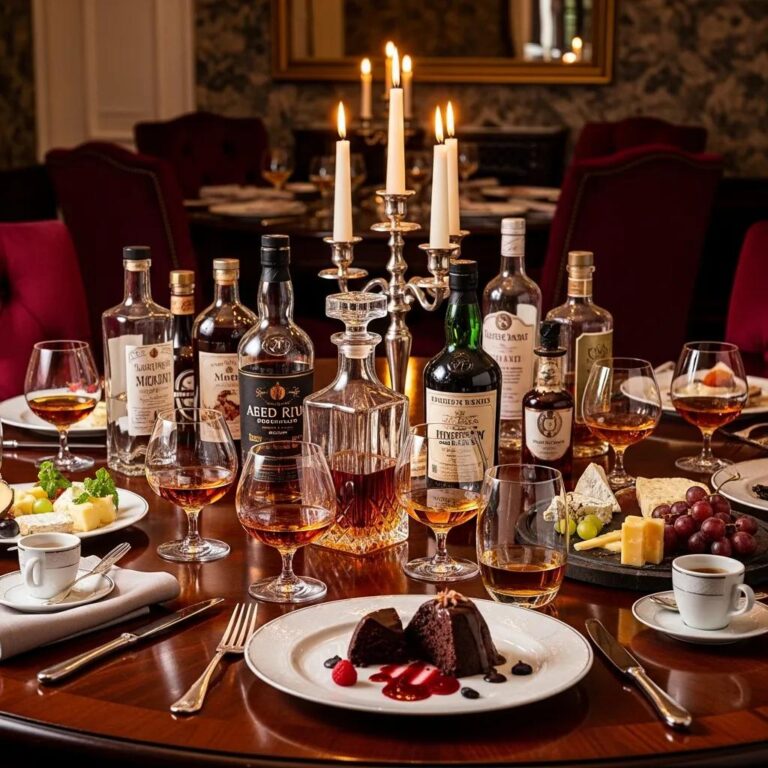
Whiskey cocktails that use restrained smoke, light oak, or a whisper of citrus oil enhance Wagyu’s seared notes without competing with the fat. A Japanese single‑malt with a touch of yuzu or a whiskey‑sake hybrid blends tannic structure and umami affinity, creating a complementary sip. Sake cocktails built on junmai or kimoto styles harmonize with soy‑forward accompaniments and are ideal for lighter preparations. For tasting order, start with sake cocktails for subtler presentations and move to whiskey‑forward drinks as seasoning and intensity increase.
How Wagyu’s Texture and Flavor Guide Drink Choices
Because Wagyu’s marbling coats the mouth and slows flavor clearance, acidity and tannic structure are useful tools to reset the palate between bites. Temperature affects perception: cooler drinks sharpen awareness of fat, while warmed spirits can deepen savory notes. Practically, take small sips of higher‑acid or mildly tannic cocktails and space them so the beef’s finish can develop. Match silky Wagyu with smooth, full‑bodied drinks or contrast it with effervescent, acidic mixers for balanced progression and more satisfying bites.
Pairing Cocktails with Kaviar’s Signature Caviar Service
Caviar pairing follows a classic axis but also rewards modern, umami‑aware cocktails. Traditionally, clean spirits like chilled vodka or brut champagne preserve the caviar’s saline nuance and texture; contemporary options include delicate sake cocktails or umami martinis that echo briny complexity. Service etiquette is essential: caviar should be chilled and tasted in small spoonfuls, with sip guidance that protects the tasting sequence. Below is a concise matrix comparing caviar types with cocktail categories and service notes to clarify pairing choices.
Caviar Pairing Matrix: Caviar Type | Cocktail Category | Pairing Rationale / Serve Notes
Classic and Modern Cocktails for Kaluga and Osetra
Classic pairings are reliable: chilled vodka and brut champagne provide a neutral, cleansing backdrop that lets texture and minerality shine. For a modern touch, a light junmai sake cocktail or a very dry gin martini finished with citrus oil brings umami and botanical layers that lift each spoonful. At Kaviar, Kaluga often meets clean, effervescent choices, while Osetra’s nuttier profile pairs well with herbaceous or lightly savory cocktails. Keep sips small and garnishes restrained so the caviar remains the focus.
Cocktail Etiquette for Caviar at Fine Dining
Good caviar etiquette starts with temperature, portion control, and sip order: serve caviar well‑chilled in small spoonfuls and take measured sips rather than large gulps. Use nonreactive spoons (avoid metal), cleanse the palate between bites with water or neutral crackers, and steer clear of overly sweet or spicy cocktails that overwhelm delicate beads. Favor dry, effervescent, or mildly umami drinks to preserve clean flavor interplay and let the caviar’s character shine.
Cocktails That Complement Kaviar’s Sushi and Sashimi
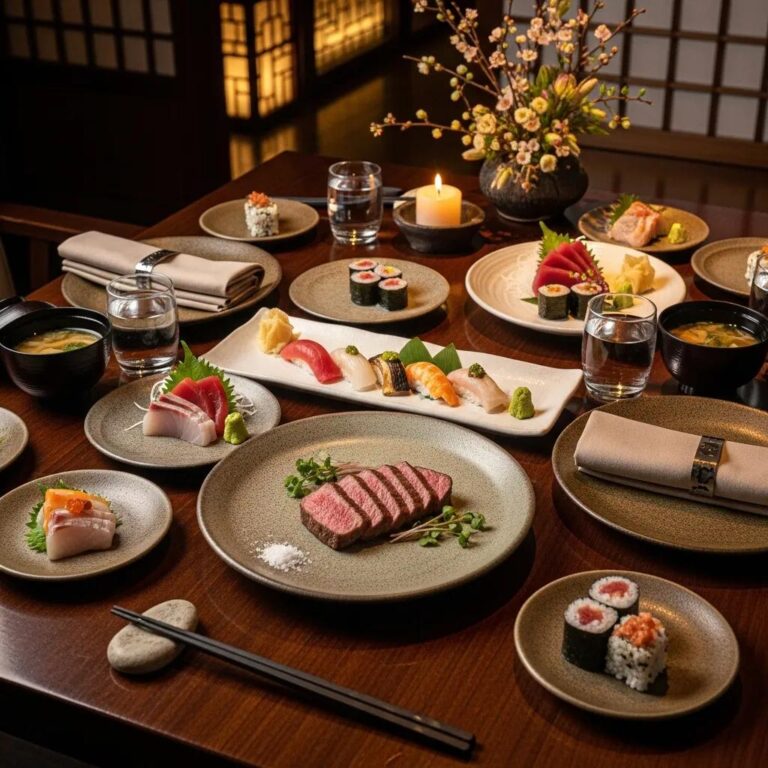
Pairing sushi and sashimi is an ingredient‑first exercise: yuzu’s bright acidity, shiso’s herbal lift, and uni’s creaminess all point to different cocktail directions. Light gin or sake cocktails with citrus or herbal notes suit delicate raw fish, while oilier fish like salmon or toro may call for fuller sake styles or citrus‑tinged highballs to lift the palate. The list below summarizes how key Japanese ingredients guide drink choices and sets up recommended sake and signature cocktail matches.
- Yuzu: bright acidity that pairs with citrus‑forward, clean spirits.
- Shiso: herbaceous, slightly peppery notes that favor gin and herbal liqueurs.
- Uni and miso: creamy, umami‑rich elements that benefit from gentle acidity or umami‑aligned sake.
Use these ingredient‑driven rules when ordering at the bar or requesting pairings during omakase.
How Yuzu, Shiso and Other Ingredients Guide Pairings
Yuzu’s intense citrus aroma and tartness act as a brightening agent; cocktails using yuzu cut through oiliness and refresh the palate between bites. Shiso’s basil‑like, peppery herbaceousness pairs naturally with dry gin and herbal vermouth, creating a bridge between sea flavors and botanicals. Miso, dashi, and other umami elements push pairings toward richer sake or fortified wines that can stand up to savory depth. By focusing on the dish’s primary ingredient, bartenders select cocktails that either echo or balance the featured flavors for coherent matches.
Top Sake and Signature Cocktail Matches for Sushi and Sashimi
Sake styles and signature cocktails can be matched to fish type and seasoning: Junmai Ginjo or Ginjo suits delicate white fish and subtle sashimi for their floral, clean finishes, while fuller junmai or nigori styles pair with oilier fish like salmon and mackerel. Signature cocktails using yuzu, shiso, or sake reduction often complement specialty rolls and seasonal pieces on our menu. Low‑ABV options such as yuzu spritzes and shiso‑infused tonics keep a long tasting balanced and prevent alcohol fatigue.
How to Build Your Ideal Cocktail & Fine Dining Experience at Kaviar
To create a tailored pairing experience, tell us your preferences, dietary needs, and the occasion when you book, and ask for a guided pairing or omakase tasting. Seasonal menus shape cocktail composition — spring leans toward yuzu and shiso, summer toward cooling citrus, fall toward umami and truffle accents, and winter toward warming whiskies — so timing your visit with the season results in the most integrated matches. The steps below help you plan a deliberate, high‑intent visit and ensure our team prepares the right pairing flow for your table.
- Request pairings or an omakase tasting when you reserve and note any allergies or preferences.
- Ask for a course‑by‑course pairing or a full beverage pairing to synchronize timing.
- Choose low‑ABV or nonalcoholic options if you’re pacing a long tasting to avoid palate fatigue.
- Mention special occasions so mixology and plating can be subtly adapted for the moment.
Following these steps helps your experience feel curated and seamless; the next subsection highlights seasonal themes and booking details.
Seasonal Cocktail Pairings on Our Menu
Seasonality drives our cocktail rotations: spring highlights yuzu and shiso in light, aromatic drinks that pair with fresh fish; summer favors citrus‑forward, cooling cocktails; fall introduces umami and truffle notes for heartier plates; winter emphasizes warmed whiskies and robust sake for comfort. Each seasonal theme aligns with ingredient availability and menu changes, so ask about current highlights when you book to enjoy pairings at their best.
How to Reserve a Paired Experience at Kaviar
Book early and indicate you’d like an omakase or pairing‑focused reservation so our team can schedule mixology time and course pacing. Use the restaurant’s reservations system or popular booking platforms cited by local guides, and note dietary restrictions or occasion details. Requesting pairings in advance lets chef and mixologist coordinate seasonal ingredients and timing, ensuring a cohesive progression. On arrival, remind your server of preferences so the on‑site team can make small, meaningful adjustments.
Frequently Asked Questions
What types of cocktails pair best with sushi and sashimi?
Focus on the dish’s ingredients. Light gin or sake cocktails with citrus or herbal notes suit delicate fish; richer sake styles or citrus‑tinged highballs enhance oilier fish like salmon. Cocktails that use yuzu or shiso can elevate freshness without stealing the show. The aim is harmony: both food and drink should feel elevated together.
How can I ensure a seamless cocktail pairing experience at Kaviar?
Tell us your preferences and dietary restrictions when you reserve and request a guided pairing or omakase tasting. Mention the season and the occasion so the team can plan appropriately. Open communication before and during your visit lets us tailor the progression to your tastes and keeps the experience smooth.
Are non‑alcoholic options available for pairings?
Yes. We offer low‑ABV and non‑alcoholic pairings — yuzu soda, shiso‑infused tonics, and thoughtfully composed zero‑proof drinks — that provide palate refreshment and pair well with courses, especially across long tastings.
Why is seasonality important in cocktail pairings at Kaviar?
Seasonality determines which fresh ingredients are at their peak and shapes the overall flavor of the menu. By aligning cocktails with seasonal produce and preparations, pairings feel native to the cuisine rather than added on, which creates a more authentic dining experience.
How do I choose the right cocktail for a specific dish at Kaviar?
Look at intensity, texture, and dominant flavors: light dishes call for lower‑proof, citrusy or herbal drinks; rich dishes benefit from fuller spirits or acidic counterpoints. Our staff is happy to recommend pairings based on the dish and your preferences.
What etiquette should I follow when enjoying cocktails with caviar?
Keep portions small and temperature cold. Use nonreactive spoons, sip deliberately rather than gulp, and avoid sweet or spicy cocktails that overpower the caviar. Cleanse the palate with water or a neutral cracker between bites to preserve nuance.
Conclusion
Thoughtful cocktail pairing deepens the Japanese fine‑dining experience, making dishes like A5 Wagyu and caviar more resonant and memorable. By using key principles and honoring seasonality, guests can enjoy cocktails that enhance — not compete with — each course. For a guided, intentional tasting, we invite you to reserve at Kaviar Restaurant and discover these pairings firsthand. Book your table to experience a fully curated progression of food and drink.