





The World of Truffles: Varieties, Sourcing, and Culinary Magic at Kaviar Restaurant
Truffles are underground fungi prized for a volatile, unforgettable aroma that can turn a simple bite into a moment of luxury. This guide walks through what truffles are, why chefs prize them, how the main varieties differ, and practical advice on sourcing and storage—framed by fine dining in 2025. You’ll learn to recognize black and white truffle traits, compare wild hunting and cultivated production, and adopt preservation methods that protect aroma and flavor. Along the way we’ll show how truffles pair with Japanese fine-dining ingredients—A5 Wagyu, uni, caviar—and point to truffle-forward dishes on Kaviar’s Pasadena menu as real-world examples. By the end you’ll have selection and storage checklists, quick-reference comparisons, and a clear view of current market direction.
What Are Truffles? Understanding This Gourmet Delicacy
Truffles are a family of subterranean fungi that form a symbiosis with tree roots and produce concentrated volatile compounds—many sulfur-based—that give them their signature scent. Those aromatics are what chefs leverage: a few thin shavings or a light finish can add layered umami and earthy depth without heavy seasoning. Their value comes from rarity, narrow harvest windows, and hands-on harvesting techniques, all of which create a luxury ingredient chefs use sparingly and deliberately. This section explains the biology and culinary logic behind truffle use, setting up the variety and sourcing notes that follow.
Beyond immediate scent, truffles interact especially well with fats and umami-rich foods, making them ideal finishing elements in high-end kitchens.
What Makes Truffles a Luxury Ingredient?
Truffles fetch high prices because supply is uneven, seasons are short, and locating them takes skill. Many prized species ripen in tight windows—winter for several black truffles, autumn for white—so availability swings year to year. Harvesting requires local knowledge and trained animals to find fruiting bodies without damage, while careful handling and quick transport protect fragile aromatics. Cultivating truffle-inoculated orchards is costly and slow to pay off, which further tightens supply. Demand from fine restaurants and collectors completes the picture: rare ingredient, limited season, meticulous harvest—luxury by every measure.
Those economic realities inform the cultural reverence for truffles and the menu choices that showcase them.
How Has Truffle Appreciation Evolved Historically?
Truffles have been noted since ancient Mediterranean cuisines, but their modern cachet grew through European aristocratic and haute-cuisine traditions. Improved transport and global culinary media turned a regional curiosity into an international status symbol. Over the 20th and 21st centuries, chefs refined truffle pairings—simple starches, butter, cream, and fatty proteins—to let aroma shine. Diners increasingly ask about origin and season, so transparency and terroir storytelling now matter as much as aroma. Today truffles sit comfortably between ceremonial luxury and practical menu tool.
This historical arc helps explain why we classify truffle varieties and assign them specific culinary uses.
Which Truffle Varieties Are Most Prized in Fine Dining?
Varieties differ by species, region, season, and dominant aroma. The most sought-after remain black truffles (Tuber melanosporum) and white truffles (Tuber magnatum); summer and Burgundy truffles offer more accessible alternatives. Knowing scientific names and growing regions sets expectations for scent and best preparations. The table below gives a concise comparison—season, flavor notes, and common culinary uses—useful for chefs, procurement teams, and serious home cooks planning purchases or menus.
Use these distinctions to match variety with season and the sensory intensity you want on the plate.
What Are the Key Features of Black Truffles?
Black truffles (Tuber melanosporum) deliver a dense, earthy aroma with subtle chocolate and savory notes that concentrate in winter. They pair especially well with warm, fat-rich carriers—cream, butter, egg yolk, and marbled beef—because fats carry and release volatile aromatics across the palate. Black truffles are often shaved as a finish or folded into compound butters and sauces where heat helps release scent without erasing it. Terroir—soil, host trees, microclimate in places like Périgord—creates fine distinctions chefs and sommeliers appreciate. Used sparingly, black truffle enhances umami without masking delicate components.
Why Are White Truffles So Rare and Valued?
White truffles (Tuber magnatum) are prized for a sharp, penetrating aroma often described as garlicky, floral, and honeyed. Their supply is geographically concentrated—notably Alba and Piedmont—and confined to short autumn harvests, so availability is limited and prices are high. Heat quickly degrades their most prized aromatics, so chefs typically shave white truffle raw over simple starches, egg, or lightly seasoned proteins to let scent lead. Their rarity and dramatic presence make white truffles a seasonal showpiece on menus.
Truffle Biodiversity, Ecology, and Cultivation: A Comprehensive Review
The genus Tuber has attracted vast scientific attention—from taxonomy and aroma chemistry to cultivation and biotechnology. Recent decades have seen a surge in research and a notable expansion of cultivated species such as Tuber melanosporum, T. borchii, and T. aestivum in the Southern Hemisphere. Advances in molecular identification and nursery techniques have broadened where truffles can be grown, deepening our understanding of biodiversity, ecology, and practical cultivation methods for true truffles.
Truffles: Biodiversity, Ecological Significances, and Biotechnological Applications, M Leonardi, 2021
How Are Truffles Sourced and Cultivated Around the World?
Truffles reach kitchens two ways: wild harvest and cultivated orchards. Wild truffles are found by trained animals and local knowledge; cultivated production inoculates host-tree roots and manages orchards to encourage mycorrhizal fruiting. Improved inoculation methods, nursery practices, and soil-microbiome research have increased cultivated yields, affecting availability and pricing. For chefs and diners focused on provenance, sustainable cultivation and traceability are becoming as important as aroma—offering predictable supply while easing pressure on wild habitats.
Knowing how truffles are found or grown clarifies seasonal supply dynamics that shape menu planning and retail availability.
- Truffle sourcing relies on several established detection and production methods:
Truffle hunting with dogs: Trained dogs scent and indicate underground fruiting bodies with minimal disturbance.
Traditional use of pigs: Historically valuable for detection but more likely to disturb the site.
Cultivated orchards: Inoculated host trees in managed settings create more predictable, traceable harvests over time.
What Are Traditional Truffle Hunting Techniques?
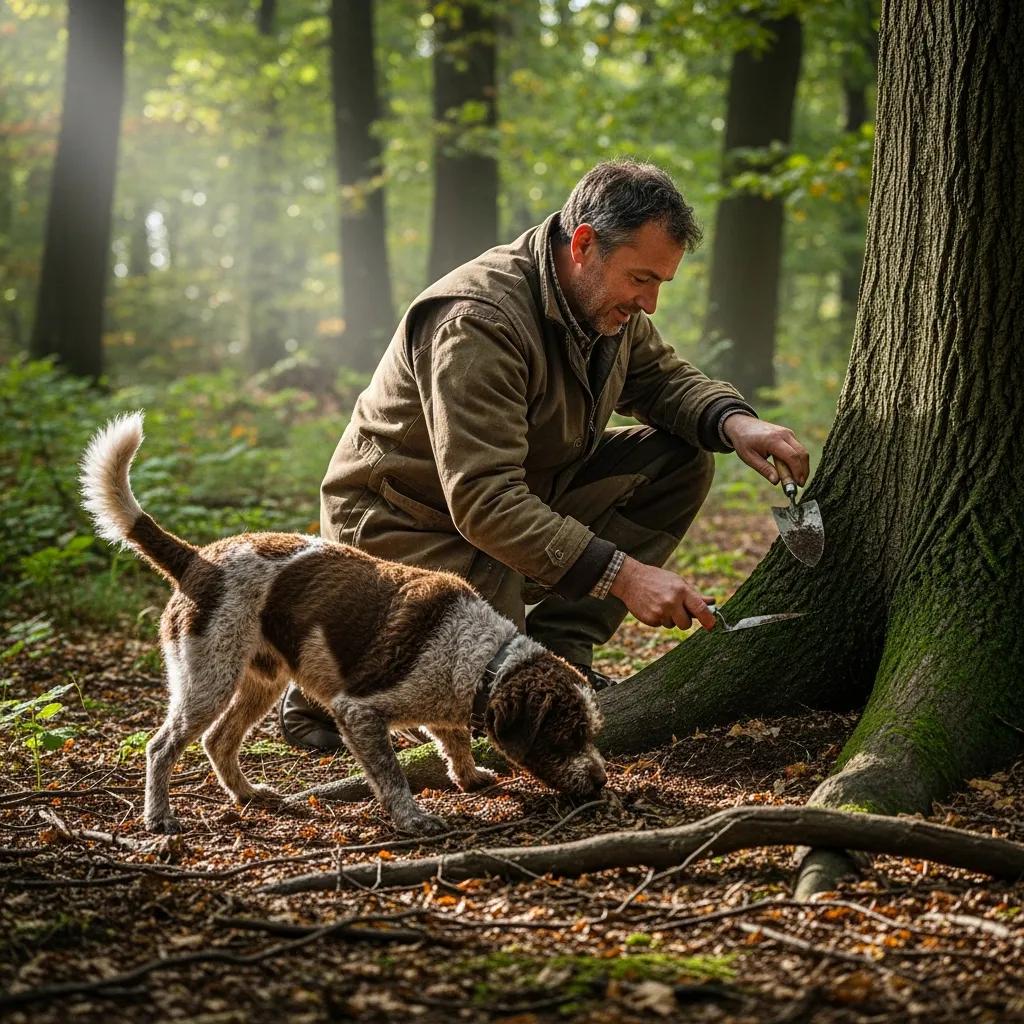
Traditional hunting blends local ecological knowledge with trained animals—today dogs are preferred for their reliability and gentle excavation. Hunters read terrain, host species (oaks, hazels), soil moisture, and historical fruiting to choose search times and places; timing matters because aroma changes quickly after harvest. Ethical practice focuses on minimal digging, immediate backfilling to protect mycelium, and rapid, cool transport to preserve delicate aromatics. This mix of skill and stewardship underpins the value of wild-sourced truffles.
How Is Sustainable Truffle Cultivation Changing the Market?
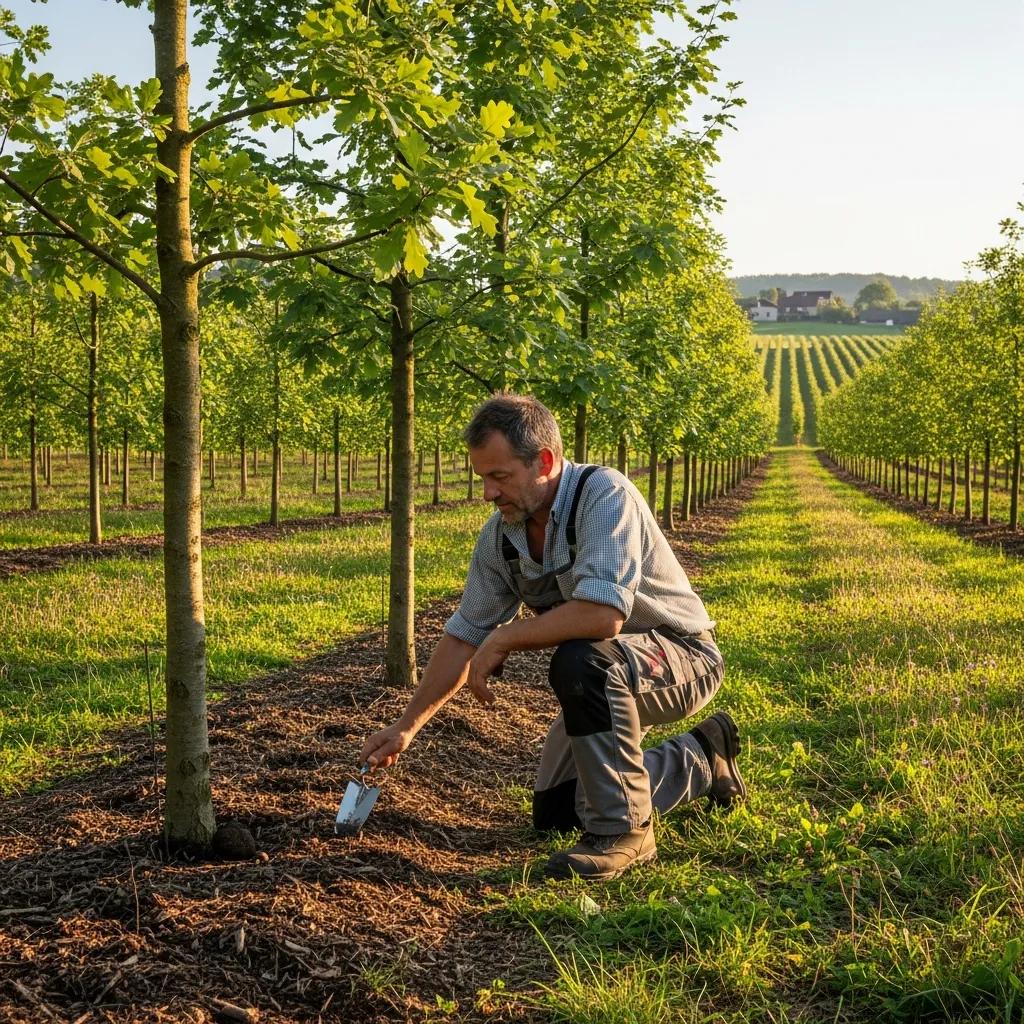
Sustainable cultivation—planting inoculated orchards and managing soils and plant communities—has expanded production beyond Europe and improved traceability, helping stabilize supply and moderate price swings. Advances in propagation, soil management, and companion-plant strategies support mycorrhizal development, though orchards still take years to yield. Chefs and consumers now expect provenance and responsible practices, and as cultivated truffles become more common, restaurants can plan seasonal offerings with greater confidence while preserving the premium status of exceptional wild specimens.
Sustainable White Truffle Cultivation: Ecological Insights for Tuber Magnatum
Tuber magnatum, the prized white truffle, poses unique cultivation challenges due to its underground life cycle and complex host relationships. Recent studies combine truffle-hunter knowledge with ecological data from dozens of sites, showing a wider geographic range than often assumed and highlighting specific climatic and soil conditions that favor production. This ecological understanding supports efforts to cultivate white truffle sustainably under changing environments.
Sustainable cultivation of the white truffle (Tuber magnatum) requires ecological understanding, T Čejka, 2023
Understanding cultivation’s role in supply leads naturally to how chefs assess and preserve truffle quality once purchased.
How Does Kaviar Restaurant Incorporate Truffles into Its Culinary Magic?
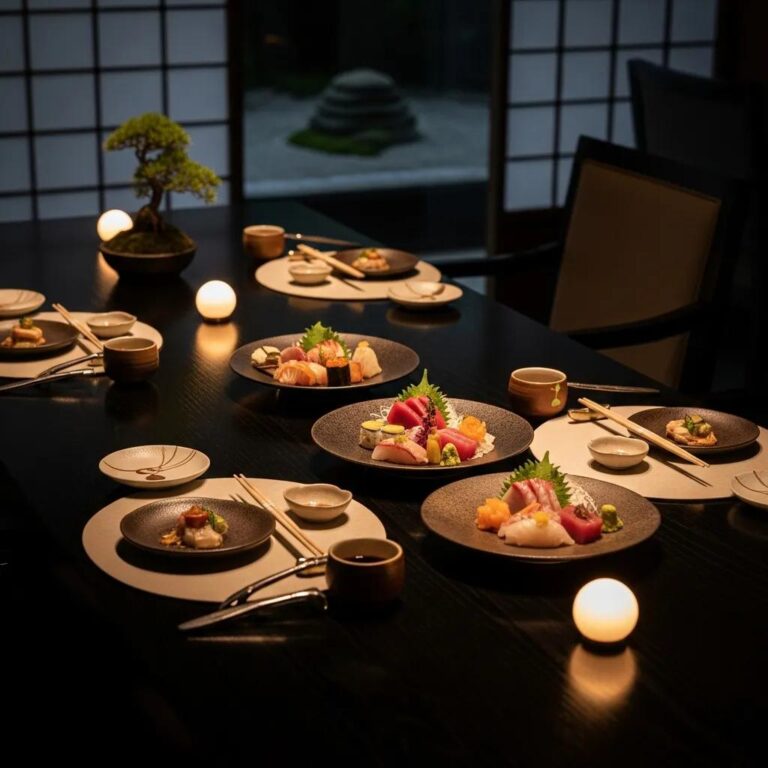
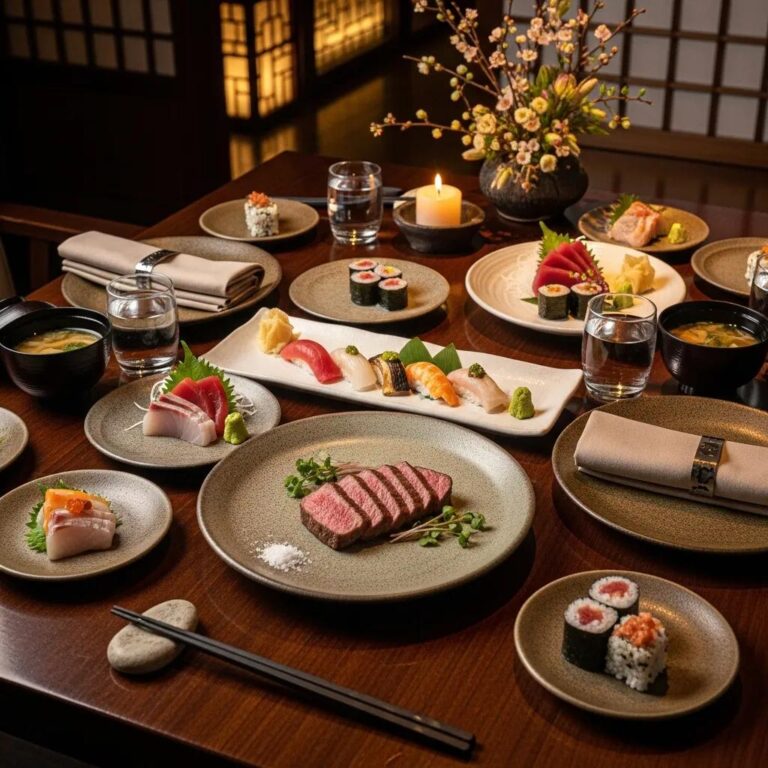
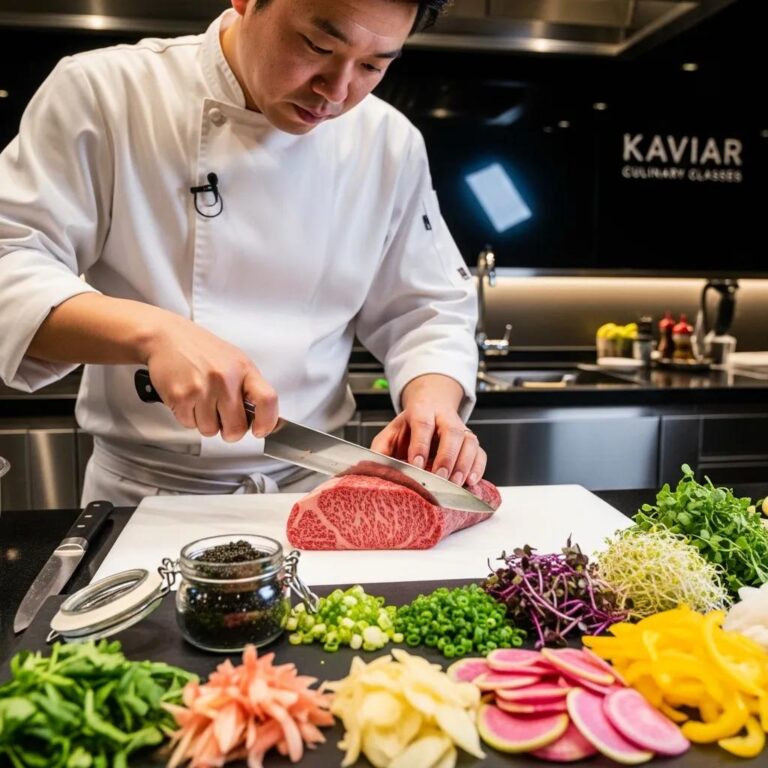
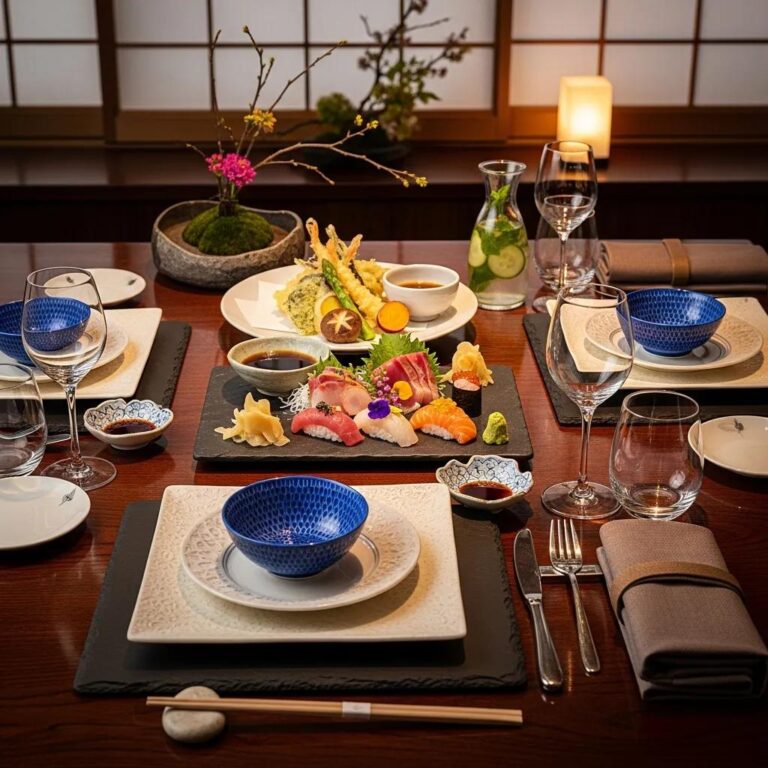
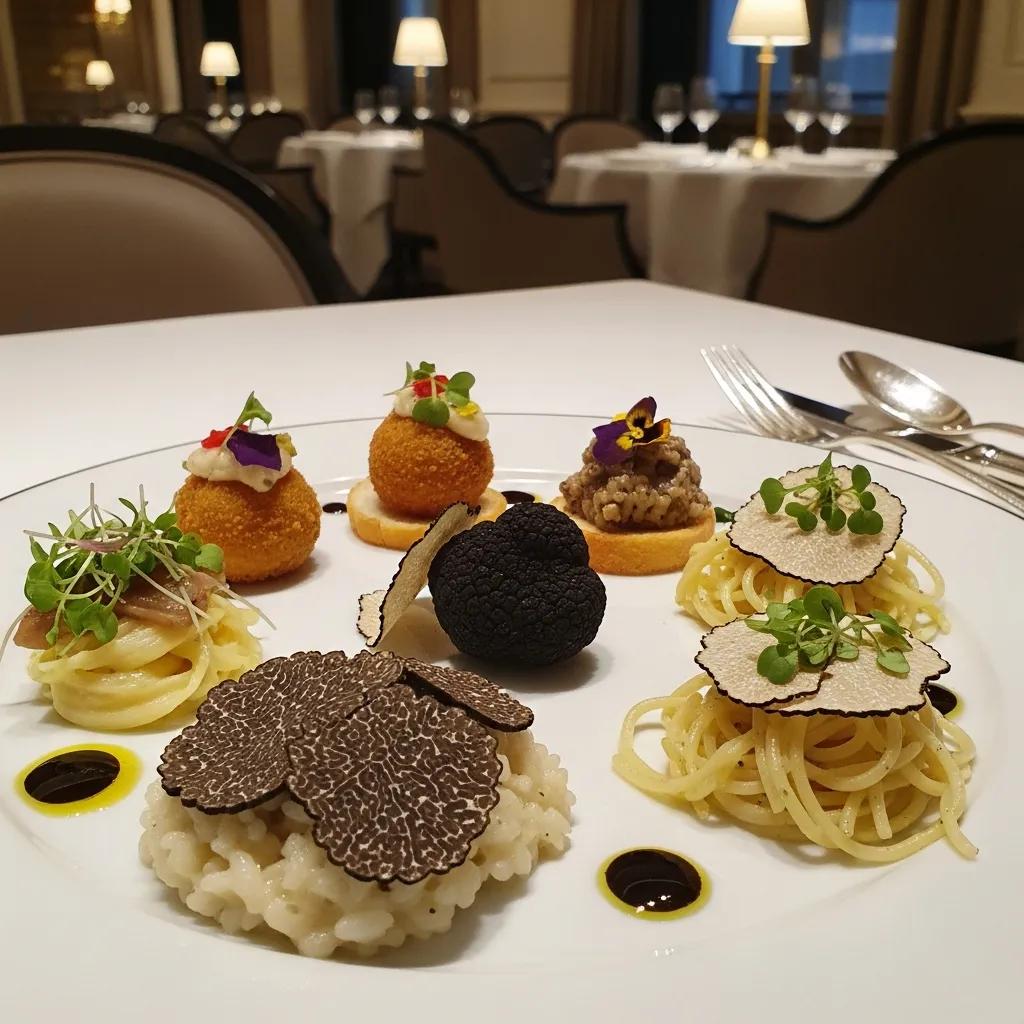
At Kaviar in Pasadena we use truffle as a finishing aromatic across both raw and cooked preparations, pairing it with fatty or umami-rich elements to create balanced, elevated courses. The kitchen employs truffle oil for a subtle sheen, fresh shavings for immediate intensity, and black truffle butter to enrich steaks—each application highlights a different facet of truffle scent and texture. The mapping below links menu items to truffle technique, showing how we let truffle complement toro, uni, and A5 Wagyu without overpowering delicate Japanese flavors. These examples show how a restaurant can teach and taste at once through careful truffle use.
Our philosophy is simple: finish, don’t mask—let truffle lift traditional Japanese elements into a refined tasting experience.
What Signature Truffle Dishes Does Kaviar Offer?
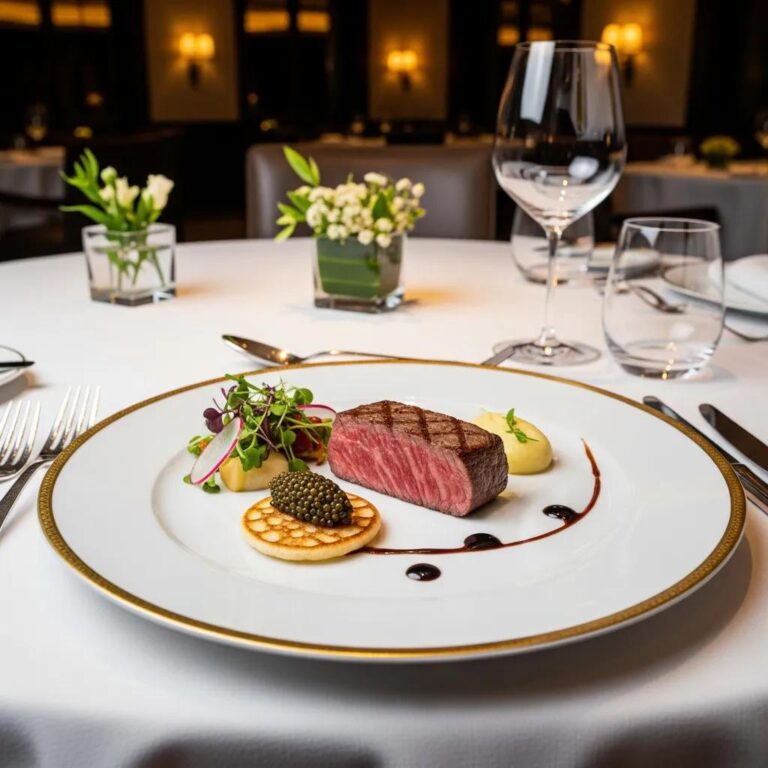
Our truffle-forward dishes favor restraint and clarity: Tuna and Toro Tartare finished with truffle oil, Seared Hotate topped with fresh shavings, Uni Pasta crowned with truffle, and a Wagyu Striploin finished with black truffle butter. Each plate highlights a premium ingredient—A5 Wagyu, uni, caviar—and uses truffle to enhance mouthfeel and umami rather than dominate. These signature items reflect Kaviar’s commitment to balance and seasonality.
In short: use truffle to enhance, never to overwhelm.
How Do Truffles Enhance Flavor Profiles in Japanese Cuisine?
Truffles deepen umami and aromatic complexity when paired sparingly with Japanese elements like dashi, shoyu, toro, and uni. Their volatile compounds interact with glutamate-rich ingredients to heighten savory perception, so best practice is to finish with thin shavings or a controlled spoon of butter or oil. Fatty carriers—toro, A5 Wagyu—are ideal because they hold and release truffle aromatics across the palate. Chefs favor restraint: a few grams of fresh truffle or a measured dab of truffle butter usually suffices to lift a course without masking temperature or seasoning precision.
This culinary approach guides our dish design, procurement, and handling protocols.
Biotechnology for White Truffle Cultivation: Tuber Magnatum and T. Borchii
Tuber magnatum (white truffle) and T. borchii (bianchetto) are both highly valued for their unique aromas. While cultivation of some white truffle species has lagged behind others, advances in biotechnology and nursery methods are expanding cultivation possibilities. This body of work reviews distribution, economic importance, genetic resources, and emerging cultivation practices that may broaden reliable production in the future.
Enhancing White Truffle (Tuber magnatum Picco and T. borchii Vittad.) Cultivation Through Biotechnology Innovation, A Zambonelli, 2021
How Should You Select, Store, and Preserve Truffles for Optimal Freshness?
Handling truffles correctly preserves their volatile aromatics. Selection focuses on aroma intensity, a firm springy texture, and season alignment; storage balances humidity and limited oxygen to slow aroma loss. Short-term refrigeration in breathable containers, freezing for longer-term cooking use, and derivative products—truffle butter, salt, or oil—are practical options. The table below outlines common methods, recommended environments, and realistic aroma windows to help home cooks and restaurants make informed choices.
Use this short checklist when selecting truffles:
- Smell first: Aroma strength is the clearest freshness signal.
- Inspect exterior: Choose firm truffles with intact surfaces and minimal mold.
- Check seasonality: Buy varieties in their proper harvest window for best aroma.
What Are the Best Practices for Selecting Quality Truffles?
Begin with scent: a fresh truffle should emit a clear, variety-typical aroma. Inspect visually and by touch—truffles should feel firm, be reasonably heavy for size, and show no soft, watery spots. Surface soil is normal; excessive mold or slippage is a red flag. Buying in season increases the chance of peak performance, and sourcing from trusted purveyors or traceable growers reduces variability for restaurants and collectors.
Following these steps reduces waste and protects the dish’s aromatic impact.
How Can You Store and Preserve Truffles to Maintain Flavor?
Short-term refrigeration—wrapped loosely in paper towels inside a sealed container and changing towels daily—controls moisture while allowing minimal airflow, keeping truffles usable for several days. Vacuum sealing or airtight jars slows oxidation but can suppress immediate scent release; use these for short transport rather than long service storage. Freezing preserves some volatile character but changes texture, so frozen truffles are best for cooked dishes. Derivative products (butter, salt, oil) extend utility and capture key aromatic notes, though they won’t fully replace fresh complexity. In a professional kitchen, frequent sourcing and rapid handling ensure diners experience truffles at peak aroma.
Kaviar keeps truffle quality high through tight sourcing, quick kitchen turnover, and careful handling so each course arrives with the scent intended.
What Are Current Trends and Market Insights in the World of Truffles?
In 2025 the truffle market mixes steady luxury demand with greater supply stability thanks to growing cultivated production. That shift is softening some historical price swings while preserving a premium tier for wild specimens. Market growth is driven by broader culinary use, food tourism, and stronger interest in traceability and sustainability, though climate variability still affects wild yields. Emerging producers in Australia and parts of the U.S. are expanding availability and creating alternative supply windows. These trends influence procurement decisions—balancing cost, provenance, and sensory goals when shaping seasonal menus.
Traceability and sustainable cultivation are increasingly important to chefs and diners who care about origin and environmental impact.
- Current market and culinary trends include:
Cultivated production growth: More orchards improve supply predictability.
Geographic diversification: New producers in Australia and the U.S. broaden availability.
Traceability and sustainability: Chefs and guests prioritize provenance and responsible sourcing.
How Is the Global Truffle Market Evolving in 2025 and Beyond?
The market is gradually stabilizing as cultivated yields increase and demand from high-end dining continues to grow. Cultivation eases some shortages but introduces quality distinctions—cultivated and wild truffles can differ in aromatic complexity—so chefs select by sensory goals rather than price alone. Climate remains an unpredictable factor for wild harvests, keeping exceptional specimens prized and costly. For restaurants and buyers, diversifying suppliers, investing in traceability, and aligning menus with predictable cultivated harvests will be key strategies going forward.
These signals encourage menus that combine reliable cultivated truffles with occasional wild highlights.
Which New Regions Are Emerging as Truffle Producers?
Australia and select U.S. regions have developed successful truffle cultivation programs using inoculated orchards and tailored host-tree strategies to produce consistent seasonal yields. These producers offer alternative supply windows and reduce reliance on European harvests, helping restaurants access truffle flavors beyond traditional seasons. Because terroir and technique shape aroma, chefs and buyers evaluate samples and build direct supplier relationships to ensure the sensory match they want for menu applications.
To taste our truffle-forward interpretations in person, consider reserving a table at Kaviar Restaurant—our seasonal menu is the most reliable way to experience fresh truffle with A5 Wagyu, uni, and caviar prepared in balance.
Frequently Asked Questions
What are the health benefits of truffles?
Truffles are more than flavor: they contain antioxidants and small amounts of vitamins and minerals. While they can contribute beneficial compounds, truffles are usually enjoyed in rich preparations (butter, oil), so moderation is wise. Think of them as an aromatic, nutrient-containing garnish rather than a primary health food.
How can I tell if a truffle is fresh?
Fresh truffles announce themselves by scent. A strong, characteristic aroma for the variety is the best indicator. Check for firmness and a clean surface—excessive mold or soft spots suggest decline. Buying in season also improves the odds of peak aroma.
What are some common misconceptions about truffles?
Not all truffles cost the same—summer and Burgundy truffles are more affordable than top-tier black or white varieties. Truffles aren’t always cooked; many chefs serve them raw to preserve aroma. And while Europe is the historic center, successful cultivation now exists in regions like Australia and parts of the U.S.
How do truffles impact the environment?
Cultivation can reduce pressure on wild habitats when done responsibly, and traceability helps buyers choose sustainable options. Conversely, careless hunting can harm ecosystems. Responsible sourcing, ethical harvesting, and habitat protection are essential to limit ecological impact.
What are the best ways to enjoy truffles at home?
Use truffles as a finishing touch on simple dishes: shave them over pasta, risotto, or eggs so the scent can shine. Truffle oils and butters are handy for sauces and drizzles, but use sparingly to avoid overpowering delicate flavors. Pair with rich carriers like cream or butter to amplify aromatics.
Are there any culinary trends involving truffles?
Truffles are appearing beyond French and Italian plates—chefs experiment with Asian pairings and even dessert applications. There’s also a louder focus on provenance and sustainability: diners want to know where their truffles come from and whether they were responsibly sourced.
Conclusion
Truffles are distinctive for aroma, rarity, and their ability to elevate simple ingredients into memorable dishes. Understanding varieties, sourcing, storage, and market trends helps you choose and use truffle with purpose. To experience truffle with A5 Wagyu, uni, and caviar prepared with restraint and seasonality, reserve a table at Kaviar Restaurant and taste how we let aroma lead.
**