




Top 5 Fine‑Dining Etiquette Tips for Guests — Essential Manners for an Elevated Dining Experience
Fine‑dining etiquette is a set of simple practices that help guests move through an upscale meal with ease and respect—for the service team, the cuisine, and fellow diners. Knowing these customs makes multi‑course tasting menus more enjoyable, preserves the presentation of premium ingredients, and keeps the kitchen and front‑of‑house running smoothly. This guide lays out the five most important rules, explains how to read formal place settings, and offers omakase‑ and ingredient‑specific tips so you can enjoy caviar, A5 Wagyu, sushi and other luxury plates with confidence. You’ll find arrival and dress recommendations, table‑setting guidance, staff‑interaction norms, device and conversation etiquette, and best practices for items like Kaluga caviar and A5 Wagyu—presented in clear steps and quick‑reference tables tailored to Japanese fine dining and omakase.
What Are the Most Important Fine Dining Rules Every Guest Should Know?
Fine‑dining rules combine practical behavior with cultural awareness: arrive on time, dress to match the venue, observe table manners, communicate courteously with staff and chefs, and minimize device distractions. These practices protect the rhythm of a multi‑course service, preserve the delicate flavors of premium dishes, and show appreciation for culinary craft. Following them improves service flow, reduces friction, and creates a better experience for everyone at the table. Below is a concise list of the core actions that matter across upscale restaurants and Japanese fine‑dining settings.
Top five etiquette rules to remember:
- Confirm your reservation and arrive on time so service can begin smoothly.
- Dress to suit the restaurant’s formality; avoid overly casual items.
- Read place settings from the outside in and use utensils accordingly.
- Share allergies or strong preferences before service and trust the chef during omakase.
- Silence phones, keep voices low, and photograph only when permitted and discreet.
Use this checklist when preparing for an upscale meal. The next section outlines practical arrival steps to make a polished first impression and ensure dietary needs are handled.
How Should Guests Arrive and Prepare for a Luxury Dining Experience?
Start by confirming your reservation and plan to arrive five to ten minutes early—this lets you greet the host without rushing the service timeline. Note allergies, dietary restrictions, or celebration details when booking so the kitchen can plan substitutions or special plating. If a condition is severe, bring any necessary documentation and quietly remind staff on arrival so the sommelier or chef can suggest safe pairings. Arriving calm and on time signals respect for staff and other guests; that courtesy is especially important in omakase, where timing and sequence are deliberate. For those booking an upscale Japanese meal, visit our reservation page to secure seating and share special requests.
What Is the Proper Dress Code and Arrival Etiquette for Upscale Restaurants?
Dress codes range from smart casual to formal; choose neat, well‑fitting clothing and avoid athletic wear, flip‑flops, or distressed items. In Japanese fine dining, understated elegance—clean lines, muted tones, and comfortable tailoring—keeps the focus on the food. On arrival, greet the host promptly, manage coats according to the venue’s options, and allow staff to guide seating so any tasting flow remains intact. If you’re uncertain about expectations, a quick call or note on your reservation will prevent awkwardness at the door. These arrival practices lead naturally into understanding place settings and the utensils you’ll use during a multi‑course meal.
How Do You Navigate Table Settings and Cutlery in Formal Dining Protocol?
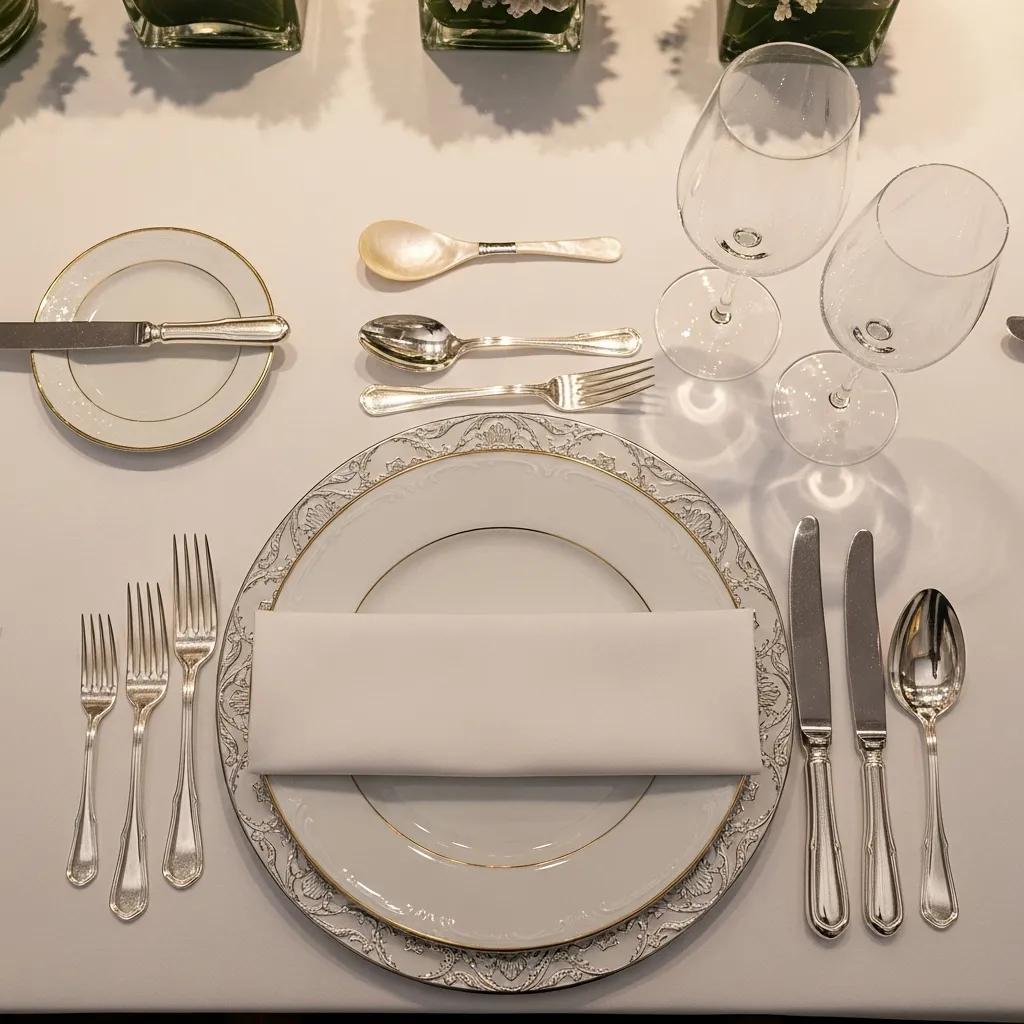
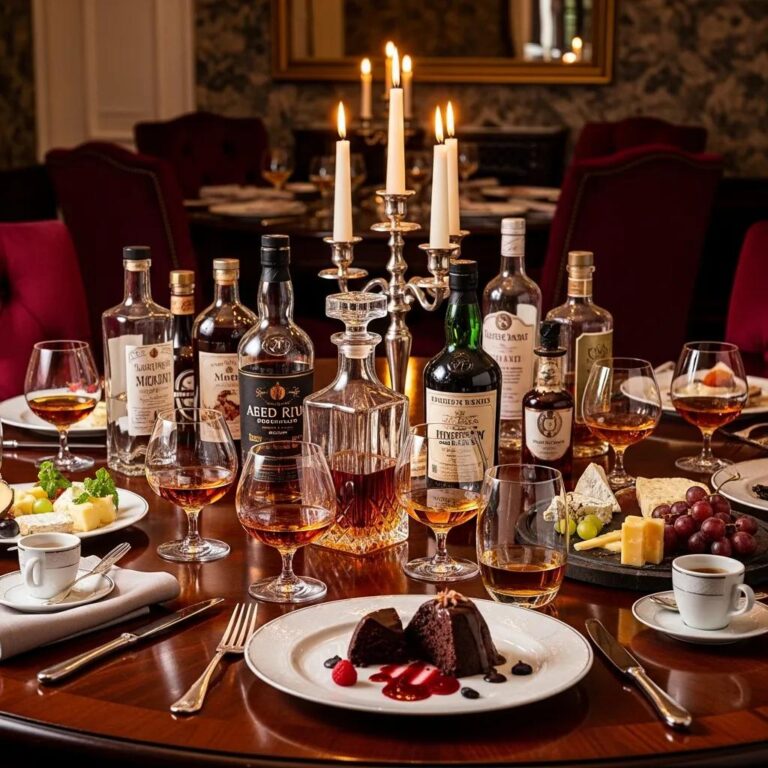
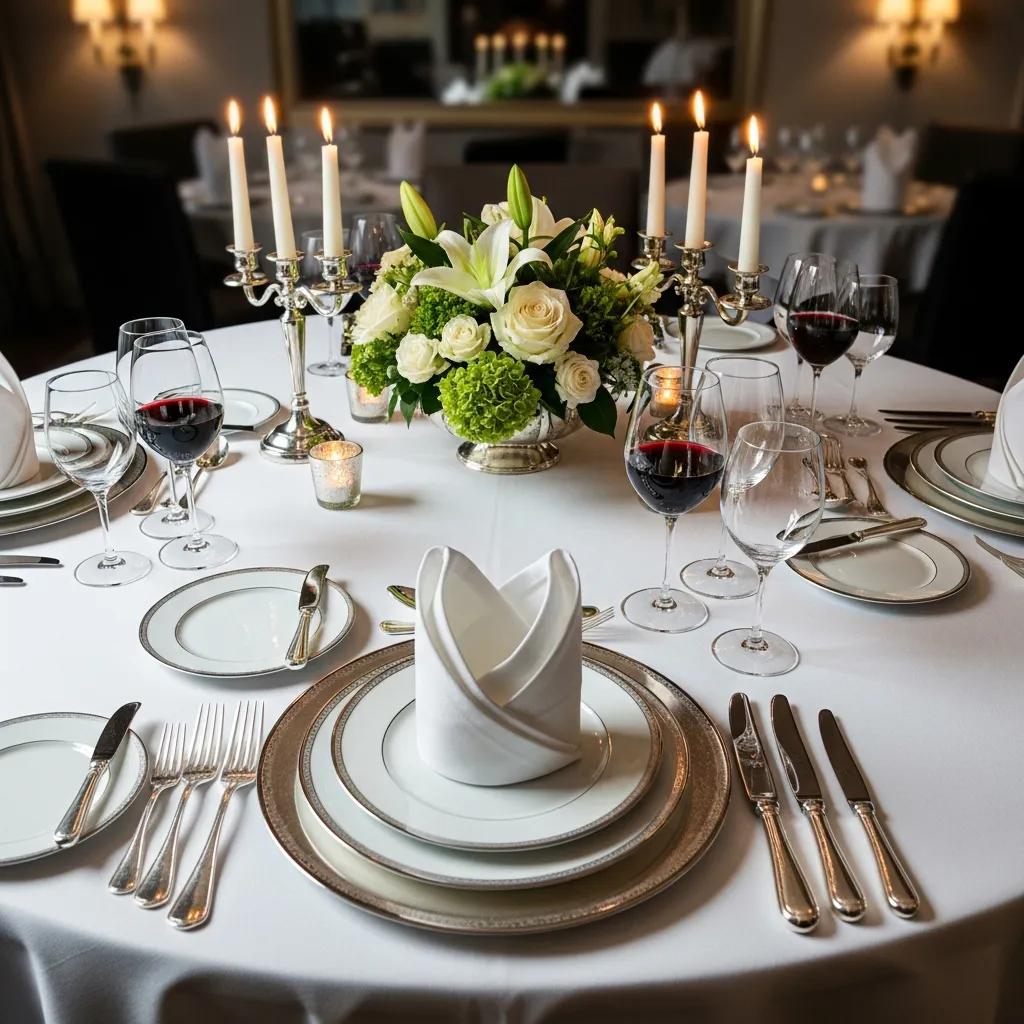
Reading a formal place setting is straightforward: work from the outside in and pair glassware with the drink being served. This rule helps you choose the correct fork, knife, or spoon for each course without interrupting service, preserves plated presentation, and signals familiarity with formal dining. Recognize specialized items—like a mother‑of‑pearl spoon for caviar or a small paddle for soy in sushi service—to avoid flavor contamination and enhance tasting. Below is a quick reference comparing common place‑setting items, their purpose, and correct use so you can move confidently at the table.
Quick reference — place setting item | purpose | correct use
This table outlines the most common utensils and how to use them during a multi‑course meal. Next, we cover napkin and posture etiquette that complements proper utensil use and keeps the table orderly.
What Are the Basic Table Manners and Napkin Etiquette Guests Must Follow?
Place your napkin on your lap shortly after being seated to signal readiness. Use it to blot your mouth gently—avoid large wiping motions—and when leaving briefly, fold it loosely to the left of your plate. Maintain an upright, relaxed posture; keep elbows off the table while eating; and chew with your mouth closed to minimize noise. If you step away, leave the napkin on your chair rather than on the plate to indicate you’ll return. These small habits preserve the presentation of each course and prepare you for correct utensil handling.
How Should Guests Use Cutlery and Glassware Correctly During a Fine Dining Meal?
Follow the “outside in” rule for cutlery: start with the outermost utensils and move inward as courses progress. Hold wine and sake glasses by the stem to avoid warming and to keep the bowl clear of fingerprints. When pausing between bites, rest utensils in the “pause” position—fork tines down, knife blade inward—and place them parallel across the plate when finished to signal staff. These nonverbal cues help service proceed smoothly while you remain focused on the tasting sequence.
What Are the Key Etiquette Tips for Engaging with Staff and Hosts in Fine Dining?
Interacting respectfully with servers, sommeliers, and chefs means communicating clearly, expressing gratitude, and respecting professional pacing—especially in omakase and chef‑led services. Share allergies and strong preferences when booking or on arrival, phrase requests politely, and avoid interrupting chefs during preparation or explanation. When you wish to compliment the kitchen, a brief “thank you” to your server or a short written note ensures praise reaches the chef without breaking service flow. Below is a quick table mapping common interactions to recommended guest behavior.
Quick reference — interaction scenario | recommended behavior | rationale
This reference helps guests choose the right behavior for common scenarios and supports a respectful atmosphere for service staff. The next section offers practical scripts for omakase interactions and explains tipping norms in luxury dining.
How Should Guests Interact Respectfully with Servers and the Sushi Chef in Omakase?
Omakase relies on trust: accept the chef’s sequence and eat dishes promptly so you experience each item at its intended temperature and texture. Communicate allergies or dietary restrictions before service begins and use concise phrases like “I have a shellfish allergy” or “I prefer less salt” so the chef can adapt without repeated interruption. Keep conversations with the chef brief during service—offer a quiet compliment or thanks at the end to show appreciation. These small courtesies preserve the chef’s focus and ensure every guest receives the intended progression.
When and How Should Guests Tip and Show Appreciation in Luxury Dining Settings?
Tipping in luxury dining follows local norms and should reflect the level of personalized service, sommelier expertise, and chef interaction you received. If unsure, discreetly ask the host or check your reservation confirmation. Present gratuities politely—cash in the bill folder or an added gratuity on the card are common—and consider a verbal thank‑you or a short written note to management for exceptional service. Non‑monetary appreciation, such as praising the team to management or leaving thoughtful feedback, also helps staff and chefs receive credit for elevated effort. Timely, tactful appreciation supports those who coordinate complex services.
How Can Guests Practice Proper Conversation and Phone Etiquette at Upscale Restaurants?
Thoughtful conversation and device etiquette protect the shared sensory environment and show consideration for timing and other diners. Choose neutral topics—food, wine, travel—and keep your volume low so conversation matches the room’s ambiance. Manage devices by silencing phones, using vibrate mode, and stepping outside for longer calls or video sessions. Below are practical do’s and don’ts to follow during a formal meal.
Do’s and don’ts for conversation and device use:
- Do keep voices low and pace conversation to match the meal’s tempo.
- Do ask permission before photographing a plated course or staff member.
- Do step outside for calls or extended texts to preserve the tasting experience.
- Don’t discuss topics likely to make others uncomfortable (medical, finance disputes, politics).
- Don’t use flash photography or film for extended periods that delay service.
Following these guidelines helps protect the integrity of a multi‑course meal and allows everyone to focus on the chef’s work. The next sections explore acceptable topics and specific phone‑photo guidance.
What Is the Appropriate Volume and Topic for Conversations During Fine Dining?
Conversation at a fine‑dining table should enhance the meal—talk about the dishes, ingredients, pairings, or culinary travel that relate to the experience. Speak in measured tones and allow pauses between courses to let plating and tasting moments land. Hosts can gently include quieter guests or introduce topics when timing permits to keep dialogue inclusive. Avoid personal or contentious subjects that could disrupt the room, and remember that silence during a plated explanation is often part of the intended experience.
Is It Acceptable to Use Phones, and What Are the Best Practices for Device Use?
Phones are acceptable when used discreetly: keep devices silent, avoid bright screens during service, and step outside for calls to prevent interrupting the tasting rhythm. When photographing food, ask permission if staff or other diners are visible, avoid flash to preserve ambiance, and limit the time spent composing shots so service isn’t delayed. For live updates, favor quick snapshots over extended filming and consider whether sharing might affect other guests’ experience. These practices balance personal documentation with respect for a curated dining environment.
What Are Specialized Etiquette Tips for Enjoying Luxury Ingredients Like Caviar and A5 Wagyu?
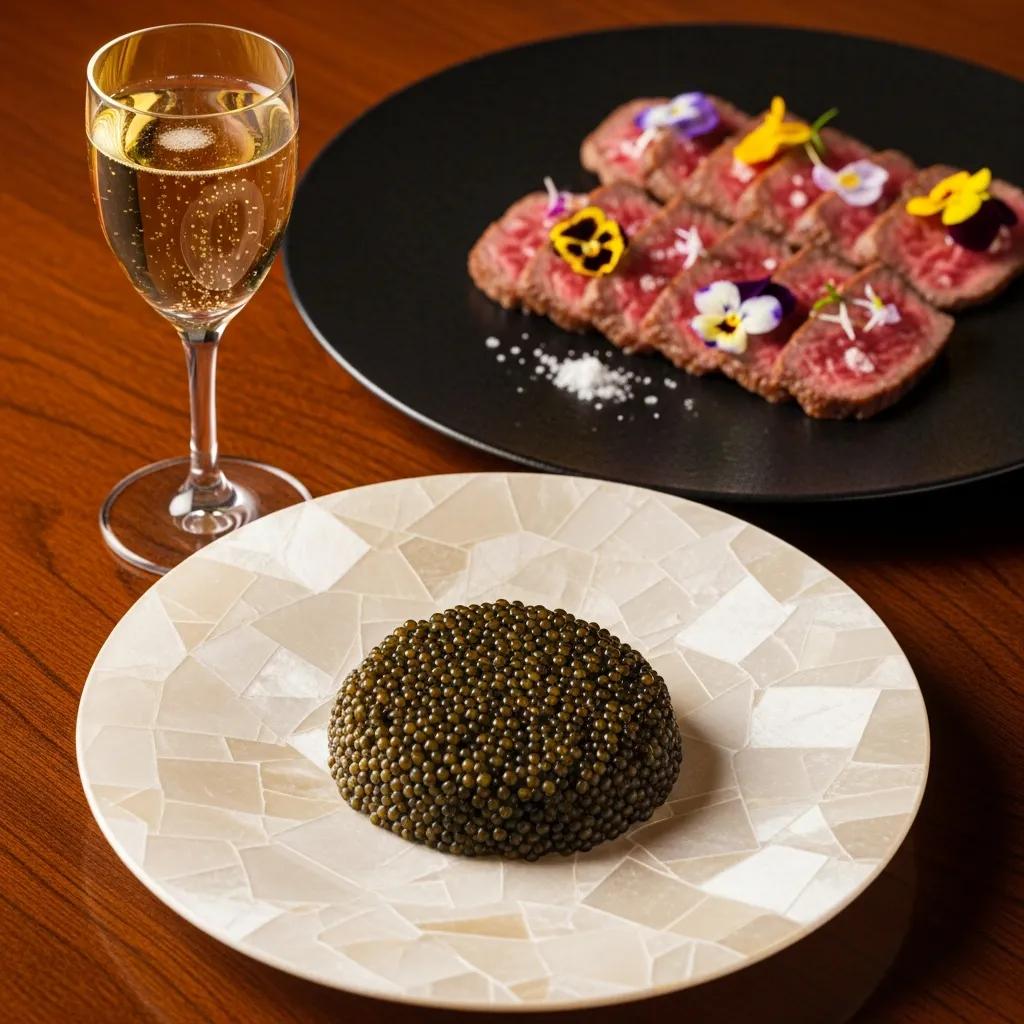
Luxury ingredients need careful handling to preserve delicate flavors and textures: use non‑metal utensils for caviar and take small portions; treat A5 Wagyu with minimal seasoning and small bites so the fat can melt and the umami develops. These approaches maximize nuance and honor sourcing and technique. The table below lists common luxury items and straightforward best practices you can use when they arrive at the table.
Quick reference — luxury ingredient | proper handling | best practice
This quick guide helps you approach luxury items in Japanese fine dining with confidence and avoid common missteps. The next sections break down caviar service and wagyu tasting into clear, practical steps.
How Should Guests Properly Enjoy Caviar Service and Use the Mother-of-Pearl Spoon?
Caviar etiquette starts with the utensil: use a mother‑of‑pearl, bone, or glass spoon because metal can alter the taste. Take a small portion—just a few grams—and place it on your palate or a lightly buttered blini; pause briefly to let aroma and texture register before closing your mouth. Share plates by passing small portions without double‑dipping and avoid heavy accompaniments that mask the roe’s subtle saline and nutty notes. With premium selections like Kaluga caviar, taste deliberately and resist adding strong condiments so you can appreciate the purity of the roe.
What Is the Best Way to Savor A5 Wagyu and Appreciate Its Flavor and Presentation?
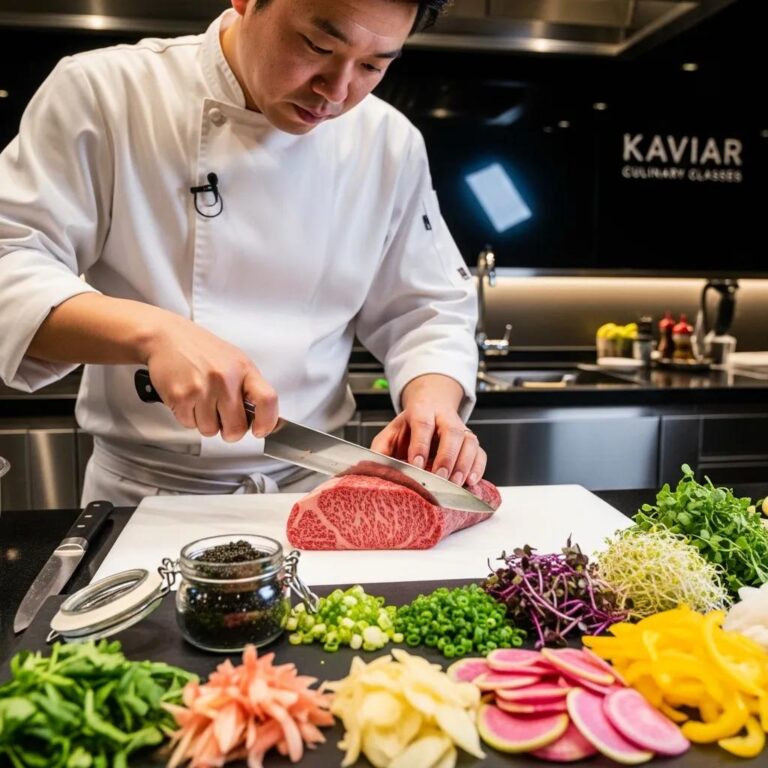
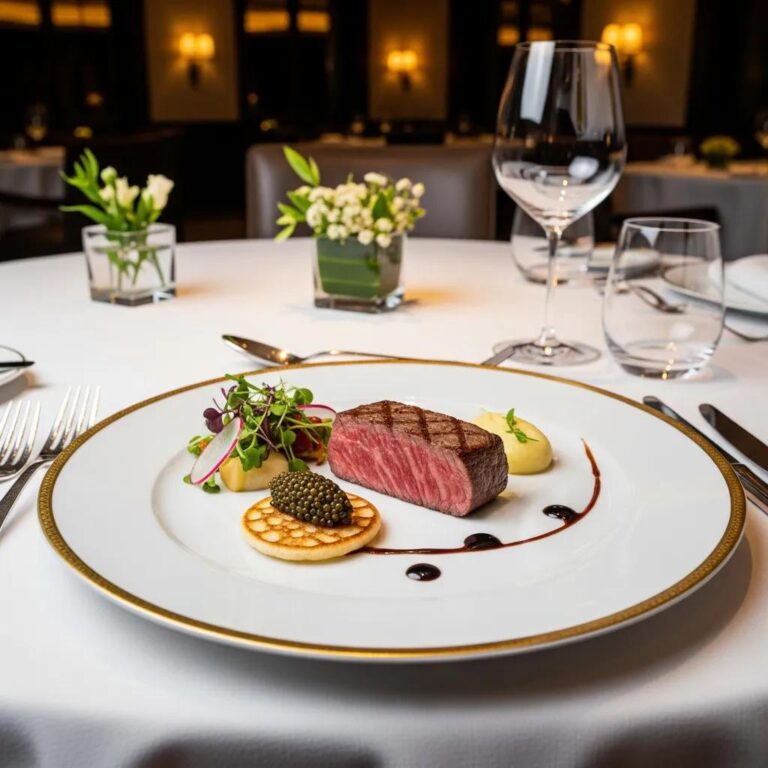
Savoring A5 Wagyu calls for restraint: cut pieces that fit comfortably in your mouth so warmth and saliva gently melt the fat and release umami. Skip heavy sauces that obscure the meat’s marbling; follow the chef’s guidance on light seasoning or a delicate sauce to complement rather than overpower. Chew slowly and focus on texture and the fat’s rendering—small portions extend the experience across multiple bites. When Wagyu appears on a tasting menu, sip a neutral palate cleanser or the recommended sake or wine between bites to refresh the tongue and highlight complexity.
How Does Japanese Fine Dining Etiquette Enhance the Omakase Experience?
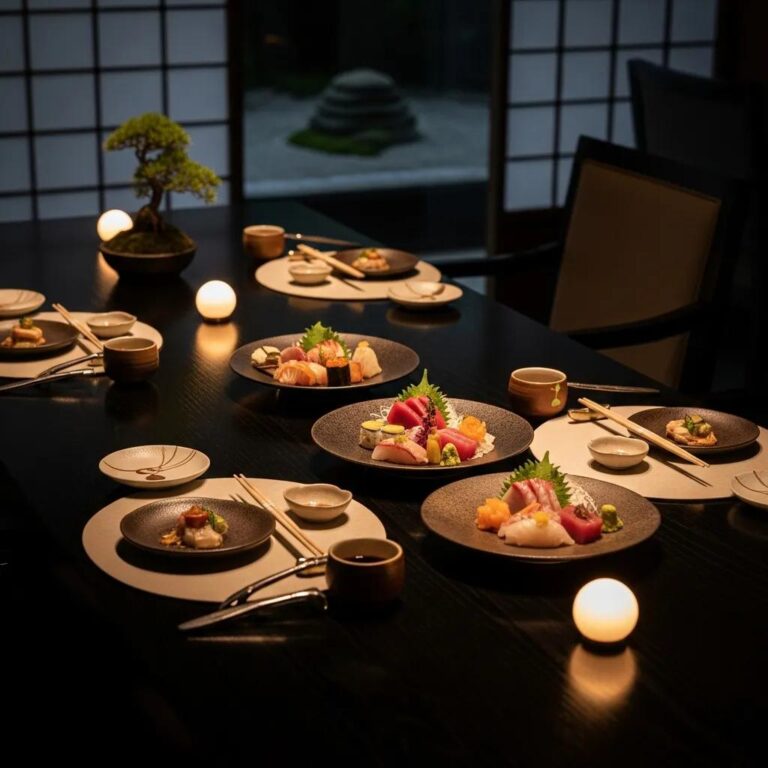
Japanese fine‑dining etiquette supports the omakase by emphasizing trust, timing, and respectful silence so the chef’s progression and seasonal nuances can be fully enjoyed. Trusting the chef means accepting the sequence and tasting each course when presented, which preserves temperature, texture, and the narrative of the meal. Proper chopstick use and focused tasting signal respect and let the chef maintain a steady rhythm. Below are concise do’s and don’ts to help you get the most from an omakase service.
Do’s and don’ts for omakase interactions:
- Do trust the chef’s sequence and taste courses promptly after they’re served.
- Do mention allergies or strong dislikes before service begins—not mid‑course.
- Don’t interrupt the chef during plating or explanation; wait for a natural pause.
- Don’t over‑sauce or drown delicate toppings with extra condiments.
These habits protect the sensory flow of omakase. The next sections cover chopstick rules and respectful engagement with the chef.
What Are the Essential Chopstick Etiquette Rules Guests Should Follow?
Chopstick etiquette includes holding them properly, avoiding stabbing food, and never passing food from chopstick to chopstick—a gesture associated with funeral rites in Japan. Rest chopsticks on the provided holder or the edge of your plate when not in use, and never leave them standing upright in rice. If the chef intends a piece to be eaten by hand, it is acceptable to do so—follow the chef’s cue and local custom. Observing these rules reduces discomfort for others and demonstrates cultural sensitivity.
How Should Guests Respectfully Interact with the Sushi Chef and Eat Sushi and Sashimi?
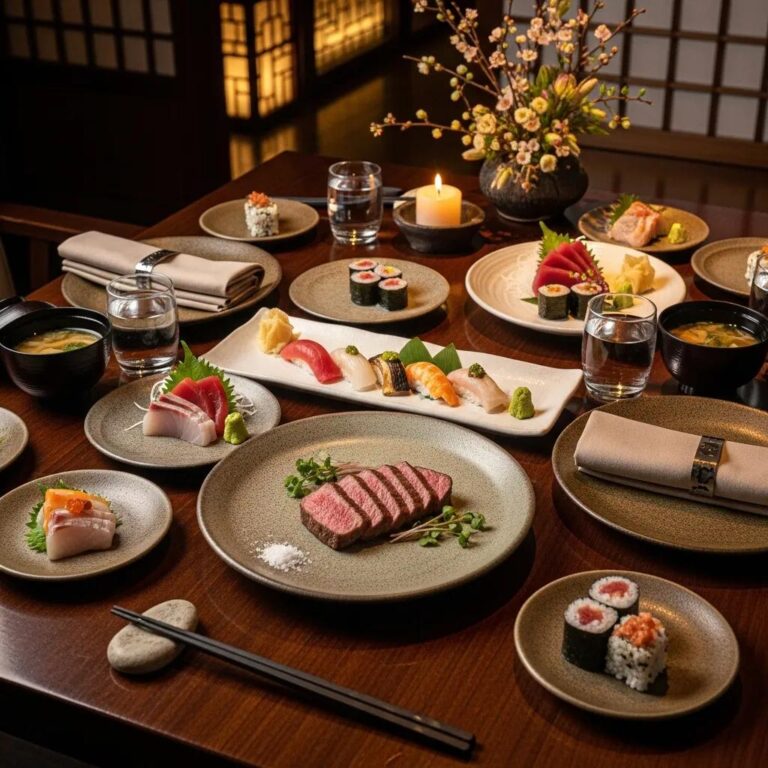
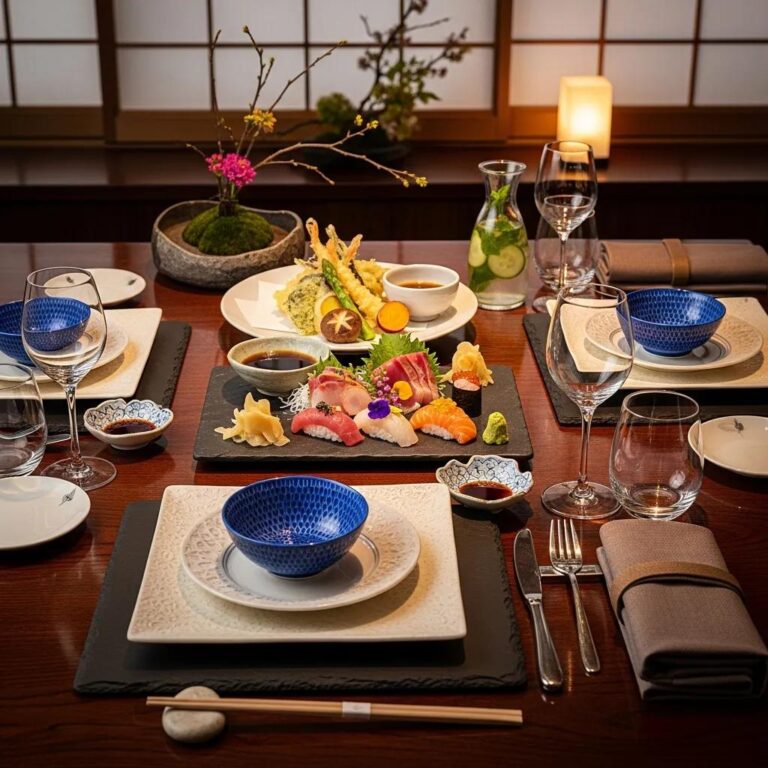
For sushi and sashimi, eat nigiri in one bite when possible, use minimal soy—dab the fish side rather than soaking the rice—and add wasabi sparingly or defer to the chef if already seasoned. Time your bites to respect the plating sequence and taste each piece promptly after it’s presented to you. Offer concise appreciation at the end of a course or at the meal’s close—short thanks or a brief compliment communicates admiration without interrupting service. These small rituals honor the chef’s craft and maintain the intended sensory journey.
To ensure an experience that reflects these etiquette steps, plan ahead: reserve the right seating and communicate dietary needs in advance. Kaviar Restaurant, a Pasadena‑based fine‑dining destination specializing in upscale Japanese cuisine and luxury ingredients such as Kaluga caviar, A5 Wagyu, Toro Tartare with 24k gold, Uni Pasta, and refined sushi and sashimi, maintains reservation and menu pages where guests can review offerings and secure a table. Booking in advance lets the kitchen accommodate preferences and sequence multi‑course services with precision.
Frequently Asked Questions
What should I do if I have dietary restrictions or allergies when dining at a fine restaurant?
Always tell the restaurant about allergies or dietary restrictions as early as possible—ideally when booking. This gives the kitchen time to plan safe substitutions. On arrival, remind the staff discreetly so they can confirm accommodations without disrupting service. Being proactive keeps you safe and helps the chef deliver a thoughtful meal.
How can I ensure a smooth dining experience when attending a fine dining restaurant for the first time?
Prepare by reviewing the restaurant’s menu and etiquette guidance, arrive a few minutes early, and dress appropriately for the venue. Familiarize yourself with basic table manners and don’t hesitate to ask staff for guidance—they’re there to help. A calm, curious attitude goes a long way toward a smooth first visit.
What are the best practices for photographing food in a fine dining setting?
Ask permission before taking photos, especially if staff or other diners may be in the frame. Use natural light when possible, avoid flash, and keep photography brief so service isn’t delayed. Aim to capture the dish without disrupting the experience for others, and share images discreetly.
How should I handle a situation where the service is not meeting my expectations?
If service falls short, address it calmly and discreetly. Signal a staff member, outline your concern politely, and allow them the opportunity to resolve it. Most fine‑dining teams welcome constructive feedback and will work to make things right.
What is the significance of silence during an omakase dining experience?
Silence during omakase allows guests to fully take in the chef’s work—the flavors, textures, and presentation. Quiet attention enhances the sensory experience and honors the narrative the chef builds with each course. Respectful silence is part of the ritual.
Are there specific ways to show appreciation to the chef after a meal?
Express appreciation with a brief compliment to your server, who can pass it to the chef, or offer a short thank‑you directly if appropriate. Leaving positive feedback with management or online also recognizes the team’s effort. These gestures meaningfully acknowledge the kitchen’s work.
What should I do if I feel uncomfortable with the pace of the meal during a multi-course dining experience?
If the pacing feels off, politely mention it to the staff. They can often adjust the timing of courses to better suit your group. Fine dining is about enjoyment—communicate respectfully and the team will usually accommodate reasonable requests.
Conclusion
Refining your fine‑dining habits enhances both enjoyment and respect for the culinary craft. By mastering arrival etiquette, appropriate dress, table manners, and thoughtful interaction with staff and chefs, you can navigate upscale meals with confidence and grace. Use these tips to elevate your next dining experience—and when you’re ready for a truly memorable meal, consider reserving a table at Kaviar Restaurant.