






Traditional and Modern Smoking and Curing Techniques for Meats: A Complete Guide to Preservation and Flavor
Smoking and curing are allied culinary crafts that turn raw protein into preserved, flavor-rich preparations. This guide walks through the science behind both methods, compares hot and cold smoking as well as dry and wet cures, and explains how wood choice, equipment and fermentation shape taste and texture. You’ll find clear safety rules, approachable starter recipes for the home kitchen, and examples of how chefs adapt these techniques for modern fine dining. We also map these methods to charcuterie work and spotlight Japanese-inspired possibilities and seasonal tasting‑menu touches. Throughout, we use precise definitions, step-by-step guidance, comparative tables and safety checklists so you can practice these techniques confidently and responsibly. Let’s begin by defining the core smoking approaches and how they differ by temperature, purpose and ideal proteins.
What Are the Core Methods of Meat Smoking and How Do They Differ?
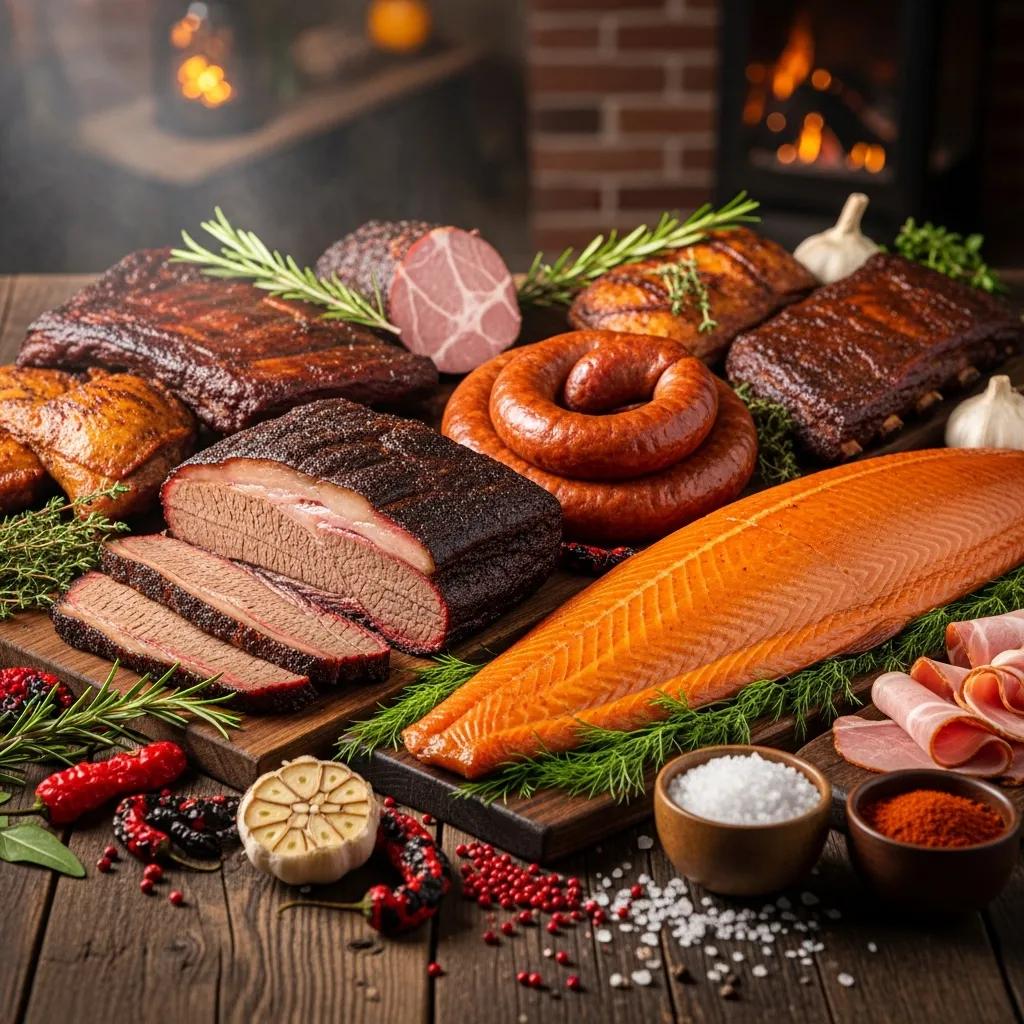
Smoking is the deliberate exposure of protein to wood smoke to add preservation and flavor. Which method you choose—hot or cold smoking—determines whether the meat is cooked in the process. Hot smoking applies higher temperatures to cook and smoke at once, producing immediately serviceable, tender results. Cold smoking deposits smoke flavor at low temperatures and depends on prior curing to keep the product safe. Knowing the temperature ranges, typical durations and safety implications helps you pick the right technique for each cut and outcome.
The table below summarizes the practical differences between hot, cold and hybrid smoking across key attributes and common uses.
Use this comparison to decide when hot, cold or hybrid smoking best serves your texture, flavor and safety goals before moving into practical steps.
What Is Hot Smoking and How Does It Affect Meat Flavor and Texture?
Hot smoking combines smoke with cooking heat to denature proteins, render fat and create Maillard crust where temperatures permit. The result is a tender interior with a pronounced smoky exterior — brisket develops a deep bark over long, low cooks while fish becomes flaky and imbued with smoke. Timings depend on cut and thickness: small fish fillets commonly take 1–3 hours, while large muscles like brisket may need 8–16 hours at stable temperatures. Controlling humidity, airflow and smoke density prevents bitter creosote and keeps flavors clean, so cooks watch fuel load, ventilation and internal meat temperature closely. Mastering these variables yields repeatable texture and flavor for both service and retail programs.
How Does Cold Smoking Preserve Meat Without Cooking?
Cold smoking exposes already cured or salted proteins to smoke at low temperatures. Smoke compounds such as phenols and aldehydes bind to the surface, adding complex aromatics and slowing microbial growth. Because the process doesn’t reach pasteurizing temperatures, an initial cure or salting step is required to lower water activity and make products like smoked salmon and cold-smoked prosciutto safe. Cold smokes can run from a few hours for a light wash of smoke to multiple days for a deep profile; strict temperature control is essential to manage bacterial risk. Cold smoking is prized for producing delicate textures and layered smoke character, often as one stage in a longer aging or refrigeration workflow.
How Do Dry Curing and Wet Curing Methods Compare in Meat Preservation?
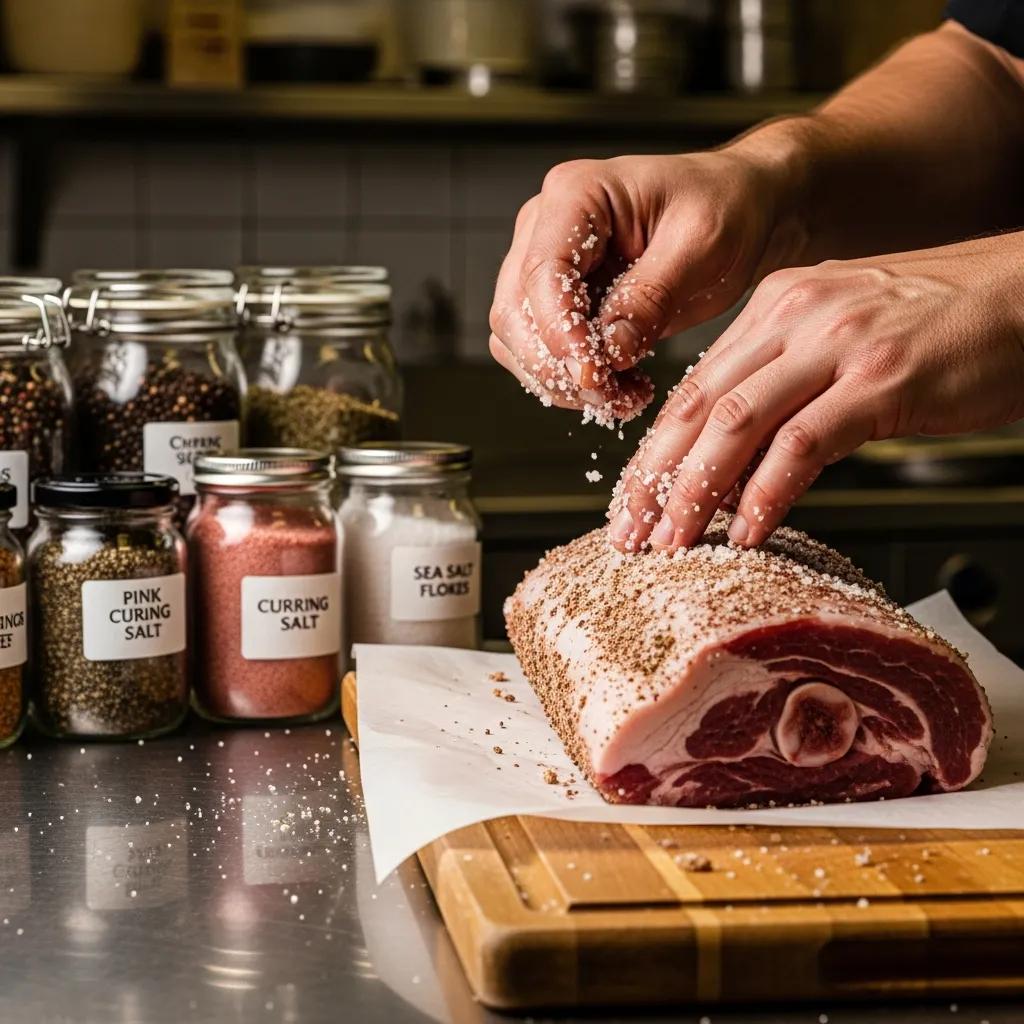
Dry curing preserves by applying salt (often with sugar and nitrates/nitrites) directly to the surface, drawing moisture out through osmosis and concentrating flavor. Wet curing, or brining, immerses meat in a salt solution for more even, faster penetration. Both reduce available water and shift the microbial environment to extend shelf life, but they differ in timing, texture and ideal applications. Dry cures suit dense, long‑aged items like prosciutto; brines are chosen for quicker, juicier results such as corned beef or brined poultry.
The following table contrasts dry and wet curing across practical attributes useful for planning and safety.
This side‑by‑side shows how salt mechanics and moisture control shape texture, flavor concentration and the timeline for safe curing.
What Are the Steps and Benefits of Dry Curing Meat?
Dry curing starts with a precise salt application — sometimes blended with sugar, spices and curing salts — followed by controlled refrigeration and humidity through a resting and aging period. Salt draws moisture from the muscle by osmosis, concentrating flavor and inhibiting spoilage organisms while enzymes and slow oxidation build complexity. Timeframes range from days for small cuts to months or years for whole‑muscle prosciutto projects; weight loss and firmer texture are useful progress markers. Benefits include concentrated, nuanced flavor, a firmer chew prized in charcuterie, and the potential for shelf stability when aging conditions are correct. Careful monitoring of salt levels, humidity and benign mold growth is essential to both quality and safety.
How Does Wet Curing Work and When Is It Used?
Wet curing dissolves salt and flavorings in water so the meat absorbs the solution until salt concentration nears equilibrium and flavors distribute evenly. Brining is faster and often yields juicier results than dry curing because the brine helps muscles retain moisture during cooking — ideal for poultry, corned beef or quick bacons. Brine recipes (salt, sugar, aromatics and sometimes curing salts) determine taste and microbial control, and soak times scale with cut size and desired seasoning. Wet curing is chosen for speed, uniform seasoning and moisture retention and can be paired with smoking to layer preservation and flavor. Always refrigerate and keep brines sanitary throughout the process.
Which Woods and Equipment Are Best for Traditional and Modern Smoking Techniques?
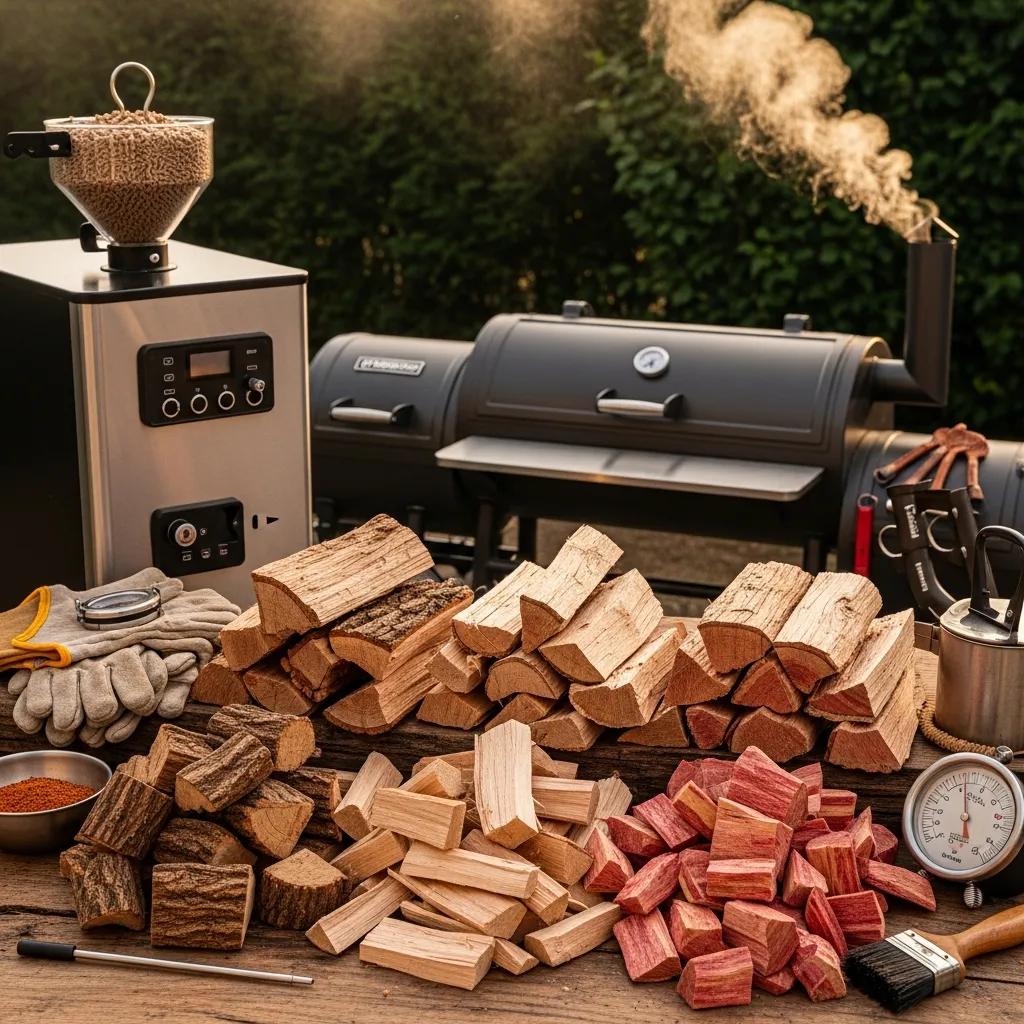
Wood species and smoker design together determine smoke chemistry, heat behavior and the level of control available to the cook. Hickory and oak yield robust, savory smoke for red meats; fruitwoods such as apple and cherry bring sweeter, more delicate aromatics for poultry and fish. Equipment choices — offset smokers, pellet units or commercial smokehouses — influence temperature control, smoke consistency and capacity. Professional kitchens favor systems that combine repeatability with subtle flavor nuance.
The table below compares common smoking woods and smoker types by flavor, control and recommended uses to help you choose the best pairings.
Match your flavor goals to equipment limits and volume needs — these pairings work whether you’re plating fine‑dining courses or experimenting at home.
What Types of Wood Impart Unique Flavors to Smoked Meats?
Different woods generate distinct smoke compounds — phenols, guaiacol, syringol — that translate into recognizable flavor traits. Hickory gives a strong, savory backbone suited to fatty red meats; maple or apple offer sweet, fruity notes that lift seafood and lighter proteins. Mesquite delivers an intense, peppery edge best used sparingly or on robust cuts, while oak provides a steady, adaptable smoke for long cooks. Blending woods lets you layer profiles — oak for a stable base and a fruitwood for aromatic top notes — a common technique for building nuance in both home and professional smoking.
- Each wood species contributes different aromatic compounds that interact with fat and muscle proteins.
- Chefs blend woods to balance intensity and avoid bitterness from overusing strong species.
- Fruitwoods are preferred for seafood and delicate preparations because they add sweetness without overpowering.
These guidelines help you tailor smoke to the protein and the intended preparation, and they lead naturally into equipment selection.
How Do Different Smokers Influence Smoking Results?
Smoker design controls airflow, temperature stability and smoke production — all factors that drive flavor consistency and final texture. Offset smokers deliver a classic smoke profile and fine control but demand active tending to keep temperatures steady. Pellet smokers automate fuel delivery for consistent heat and a milder smoke intensity, making them popular for reproducible results. Commercial smokehouses and convection units offer scale and precise environmental control needed for daily house‑cured production. Choosing equipment is a balance of flavor authenticity, staff skill, throughput and the smoke intensity required by your menu.
What Is Charcuterie and How Is It Made Using Smoking and Curing Techniques?
Charcuterie covers preserved meat products — long‑aged hams, bacons, sausages and pâtés — crafted through salting, smoking, fermentation and drying to concentrate flavor and build texture. The work combines preservation with enzymatic and microbial transformations: salt and smoke inhibit spoilage, while fermentation cultures create acids and aroma compounds that deepen umami. In fine dining, charcuterie serves both as preservation and narrative, with plating and pairings that highlight texture contrasts and seasonal ingredients.
Below is a concise breakdown of charcuterie categories and how smoking and curing shape each.
- Whole‑muscle cures: Long‑aged hams and shoulders cured and aged to concentrate flavor.
- Bacon and slab cures: Salted or brined pork bellies often smoked for layered taste.
- Dry sausages: Ground meats blended with cultures and salt, fermented and dried for preservation.
- Pâtés and terrines: Cured or cooked forcemeats often finished with smoked elements for depth.
These categories show how smoking, curing and fermentation combine to produce the range of textures and flavors chefs present on boards or as composed courses.
What Are the Traditional and Japanese-Inspired Styles of Charcuterie?
Western charcuterie leans on pork‑centric whole‑muscle cures, dry sausages and extended aging to create nutty, savory notes. Japanese‑inspired variations apply local ingredients and techniques — miso, shiso, soy, delicate seafood — to produce refined, umami‑forward profiles. Miso, for example, can act as a curing medium, imparting fermented depth to fish or vegetables; shiso or yuzu zest can brighten rich cured items in an elevated tasting context. Japanese approaches favor clean texture, balanced salt and pickled accompaniments that cut richness, making them natural partners for sake and nuanced beverage programs. These innovations expand the charcuterie toolbox while honoring core preservation principles.
How Does Fermentation Enhance Flavor in Charcuterie Making?
Fermentation introduces beneficial microbes that convert sugars into acids and aromatic compounds, adding tang, complexity and improved shelf stability in products such as saucisson, salami and certain pâtés. Starter cultures give predictable acidification and safety by suppressing unwanted organisms while accelerating proteolysis and aroma development. Time, temperature and humidity control enzyme activity and the development of desirable molds on casings or rinds, creating characteristic textures and savory profiles. When managed correctly, fermentation deepens umami and balances salt, transforming salted meat into richly layered, aged charcuterie.
How Can Home Cooks Master Smoking and Curing Techniques Safely and Effectively?
Home cooks should prioritize safety, begin with modest projects and use proven recipes that control salt, temperature and humidity for consistent results. Key practices include using measured curing salts when required, verifying internal temperatures with calibrated thermometers, and keeping refrigeration during curing stages. Beginner projects — quick brined chicken, brined and hot‑smoked salmon or a simple cured bacon following tested instructions — build skill without the complexity of long dry cures. Below is a practical safety checklist to anchor any home curing or smoking effort.
- Use curing salts exactly as directed when recipes call for nitrites or nitrates — they control botulism risk and stabilize color.
- Keep curing steps refrigerated (below 40°F / 4°C) and manage humidity during aging.
- Monitor finished internal temperatures with a calibrated probe thermometer and track storage conditions.
- Sanitize tools, prevent cross‑contamination and follow documented recipes designed for home kitchens.
These precautions reduce risk and build confidence; sample beginner recipes that follow will show how to put them into practice.
What Are the Essential Food Safety Guidelines for Meat Curing?
Safe curing rests on three controls: measured curing‑salt use when required, strict temperature control during curing and storage, and hygienic handling to avoid cross‑contamination. Curing salts with nitrite or nitrate must be dosed precisely — they prevent some pathogens but are toxic in excess — so always follow recipe and manufacturer guidance. Temperature and humidity control during aging inhibit spoilage organisms and allow predictable enzymatic and microbial changes; refrigeration for brines and controlled coolers for dry aging are fundamental. For larger projects consult authoritative resources and validated recipes, and always verify conditions with calibrated instruments.
How Can Beginners Start with Simple Smoking and Curing Recipes?
Beginners should choose projects with short timelines and clear safety margins: quick‑brined chicken, brined then hot‑smoked salmon, or an easy cured bacon from a trusted recipe. Follow a proven brine formula, keep curing refrigerated and finish hot‑smoked items to safe internal temperatures — this sequence teaches both cure and cook principles with low risk. Work with small cuts to practice smoke control and record wood, temperature and time for repeatability. Common pitfalls are under‑salting, temperature swings and over‑smoking; learning to read internal temperature and smoke color leads to consistent, delicious results.
How Do Modern Culinary Trends Influence Smoking and Curing in Fine Dining?
Contemporary chefs are reviving preservation methods while adapting them for sensory‑forward tasting menus, sustainability and local sourcing. Trends include tableside micro‑smoking for aromatic impact, house‑curing that highlights whole‑animal use and seasonality, and the pairing of fermentation with smoke to create layered umami. These approaches value precision, traceability and refined plating so that smoking and curing contribute both flavor and story to a dish.
Restaurants today apply smoking and curing in visible, guest‑facing ways that also support sustainability and craft.
- Micro‑smoking and tableside finishing: Adds theatrical aroma and immediacy to a course.
- House‑curing of components: Uses whole‑animal butchery and charcuterie to reduce waste and showcase provenance.
- Global flavor fusion: Incorporates elements like miso or yuzu into cures to bridge tradition and innovation.
These shifts let chefs tell ingredient stories and invite diners to taste preservation as a considered element of a composed experience.
How Are Traditional Techniques Revived in Contemporary Fine Dining Menus?
Chefs reinterpret smoke and cure to fit tasting‑menu pacing: short‑cured items for immediate service, micro‑aged components for textural contrast, and fermented condiments to add acidity and umami that balance richness. Preservation concentrates flavors and yields textures that fresh cooking alone can’t replicate, which is why these techniques resonate in modern fine dining. The revival also prioritizes sustainable sourcing and whole‑animal use, where cured cuts complement fresher preparations to celebrate the ingredient fully.
When preserved items are paired with seasonal produce and refined plating, courses feel both grounded and inventive.
What Signature Dishes Showcase Smoking and Curing at Kaviar Restaurant?
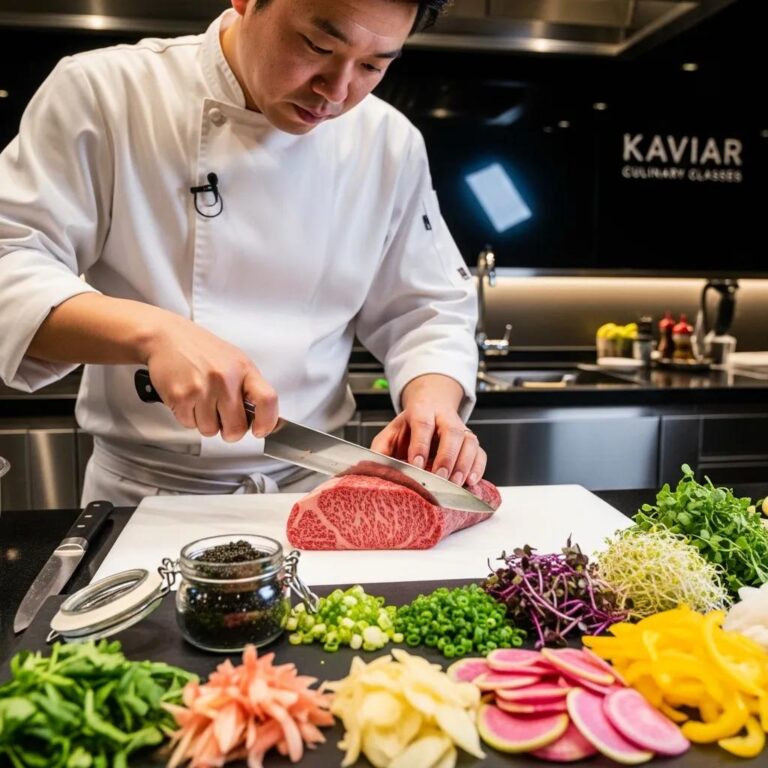
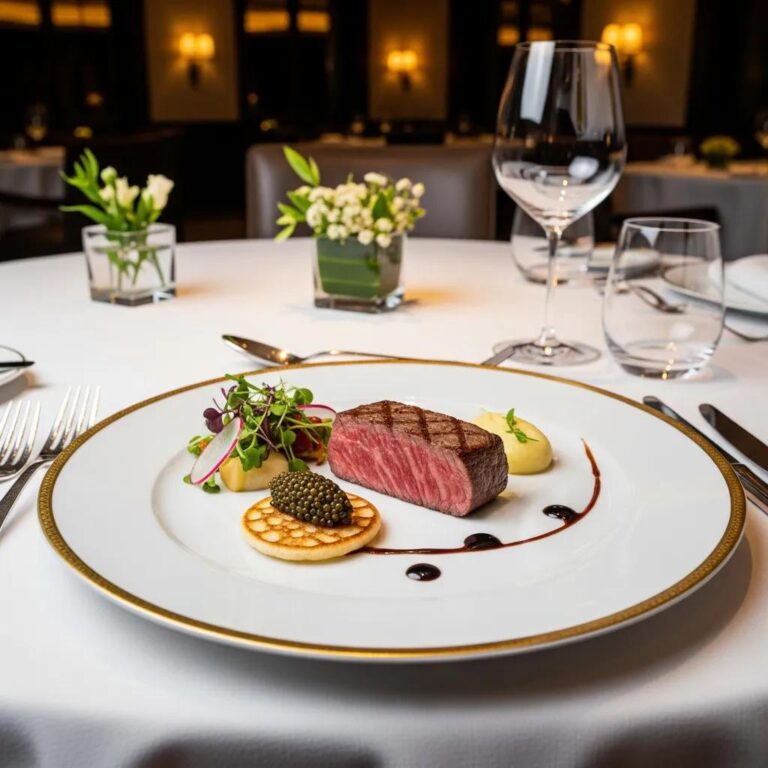
At Kaviar Restaurant, smoking and curing are used sparingly to accentuate premium ingredients — a measured smoke note can highlight the fat and umami of Miyazaki A5 Wagyu or lend aromatic contrast to delicate seafood like toro tartare or uni pasta. A subtle smoked element might underscore the buttery texture of A5 Wagyu tartare or bring brightness to miso‑glazed black cod, while a light cure or brine can lift the saline richness of a caviar service. Guests who want to taste how preservation techniques are woven into our tasting menus can reserve a table via Resy, OpenTable or phone to sample seasonal preparations that explore these methods.
For a deeper exploration of smoked and cured flavors, Kaviar Restaurant’s tasting sequences show how precise smoking and house curing elevate premium ingredients into memorable courses.
Frequently Asked Questions
What are the health benefits of smoked and cured meats?
When enjoyed in moderation, smoked and cured meats can add flavorful protein options to your diet. Smoking intensifies taste, which can reduce the need for heavy seasoning, and some curing processes concentrate nutrients by reducing moisture. That said, be mindful of sodium and any added preservatives in commercial products — choose high‑quality, minimally processed items and balance portions within a varied diet.
Can I use any type of wood for smoking meats?
Not all woods are suitable. Hardwoods like hickory and oak are reliable for robust flavors; apple and cherry offer milder, fruitier notes. Avoid softwoods (pine, cedar) and any wood treated with chemicals, as these impart off‑flavors or harmful compounds. Experiment with clean, food‑safe hardwoods and small blends to find profiles that suit the protein.
How long can smoked and cured meats be stored?
Storage life depends on the method and conditions. Properly prepared smoked and cured meats may keep for several weeks in the refrigerator and longer in the freezer; vacuum sealing extends shelf life further. Always inspect for off odors, sliminess or discoloration before use, label products with dates and follow recommended timelines for safety and best quality.
What are some common mistakes to avoid when smoking or curing at home?
Common errors include poor temperature control, incorrect curing‑salt measurements and rushing the process. For smoking, neglecting to monitor internal temperature leads to inconsistent doneness; for curing, incorrect salt or nitrite dosing is a safety risk. Follow tested recipes, maintain cleanliness and give flavors time to develop for the best results.
How can I incorporate smoking and curing techniques into everyday cooking?
Start small: quick brines for chicken, stovetop smoking for vegetables, or cold‑smoking nuts and cheese. Making a simple bacon or experimenting with a pre‑cured smoked salmon fillet are accessible projects that add interest to weeknight meals. These techniques let you introduce nuanced flavors without complex equipment.
What safety precautions should I take when smoking and curing meats at home?
Safety is essential. Use curing salts precisely as directed, refrigerate during cure stages, and verify temperatures with a calibrated thermometer. Sanitize equipment and avoid cross‑contamination. Stick to established recipes and guidelines — they’re designed to protect both flavor and food safety.
Conclusion
Learning traditional and modern smoking and curing techniques expands your flavor vocabulary and lengthens the life of ingredients. By understanding hot versus cold smoke, dry versus wet cures, and the roles of wood, equipment and fermentation, home cooks and chefs alike can create preserved dishes with clarity and care. Embrace these methods thoughtfully: start with safe, beginner projects, refine your process, and use preservation to elevate the ingredients on your table. Ready to begin? Try one of our starter recipes and apply the safety tips above.