





Umami, Beyond the Basics: The Science and Savory Story of the Fifth Taste
Umami is the savory quality that gives many beloved dishes their depth and mouth‑coating satisfaction. This guide explores how umami works, why chefs prize it, and how diners learn to spot it on the plate. You’ll get a clear look at the key compounds behind umami, how those molecules interact with taste receptors, and which Japanese ingredients deliver the deepest savory notes. We bridge flavor science and kitchen practice—showing how chefs in fine dining layers and sequences tastes in an omakase to maximize pleasure. Expect ingredient comparisons, tasting tips for identifying umami, sake and wine pairing ideas, and a straightforward way to experience a deliberately crafted umami tasting at Kaviar in Pasadena. By the end, you’ll understand both the biology and the gastronomy of the fifth taste, and how to seek dishes that showcase genuine umami depth.
What Is Umami and Why Is It Called the Fifth Taste?
Umami is a basic taste defined by savory, brothy, and mouth‑filling sensations, driven mainly by free glutamate and certain ribonucleotides. It’s detected separately from sweet, sour, salty, and bitter by dedicated receptor pathways. The label “fifth taste” stems from early 20th‑century research that identified glutamate’s unique sensory effect, and later physiology work confirmed specific receptors for it. In the kitchen, umami’s role is to add depth and roundness—enhancing other flavors rather than overwhelming them. Recognizing umami lets cooks use dashi, aged proteins, and fermentation intentionally, turning savory elements into a design principle rather than a happy accident in modern fine dining.
Identifying glutamate as the core compound behind umami changed global seasoning practices and suggests nutritional applications beyond flavor alone.
L‑Glutamate: The Key to Umami Taste and Its Global Culinary Impact
A century ago researchers identified L‑glutamate (Glu) as the primary compound behind the savory taste of a Japanese seaweed‑based soup stock. Since then, umami seasoning has been adopted worldwide; chemical analyses show glutamate contributes to many savory traditions that had been masked by fats or herbs. Recent studies indicate glutamate influences chemical sensing beyond the mouth—affecting digestion and protein metabolism in the gut—and suggest umami might help address protein intake issues in vulnerable populations. (Taste‑active components in foods, with concentration on umami compounds, H Uneyama, 2009)
How Does Umami Differ from Other Basic Tastes?
Unlike sweet, salty, sour, or bitter, umami signals amino‑acid–rich foods that support nourishment and satiety. Its hallmark is a lasting, mouth‑coating richness that amplifies perceived savory complexity; salt primarily delivers ionic intensity, and sweet signals energy. Chefs use umami to build backbone and persistence in a dish—pairing it with acidity or salt to create lift and contrast. That’s why parmesan, kombu dashi, and slow‑braised meats register differently from a simple salt or sugar note: umami acts as structural flavor in fine dining compositions.
What Are the Key Chemical Compounds Behind Umami?
The principal umami molecules are free glutamate and the ribonucleotides inosinate and guanylate. Glutamate activates primary umami receptors, while inosinate and guanylate on their own add savory character but most powerfully amplify glutamate when combined—creating culinary synergy. Typical sources include kombu and ripe tomatoes (glutamate), dried fish like katsuobushi (inosinate), and dried shiitake (guanylate). Knowing these sources helps chefs layer ingredients for maximum depth—for example, pairing kombu dashi with dried fish intensifies savoriness without adding more salt. This chemical frame leads naturally into how chefs exploit synergy to craft memorable plates.
Which Umami‑Rich Ingredients Define Japanese Cuisine’s Savory Depth?
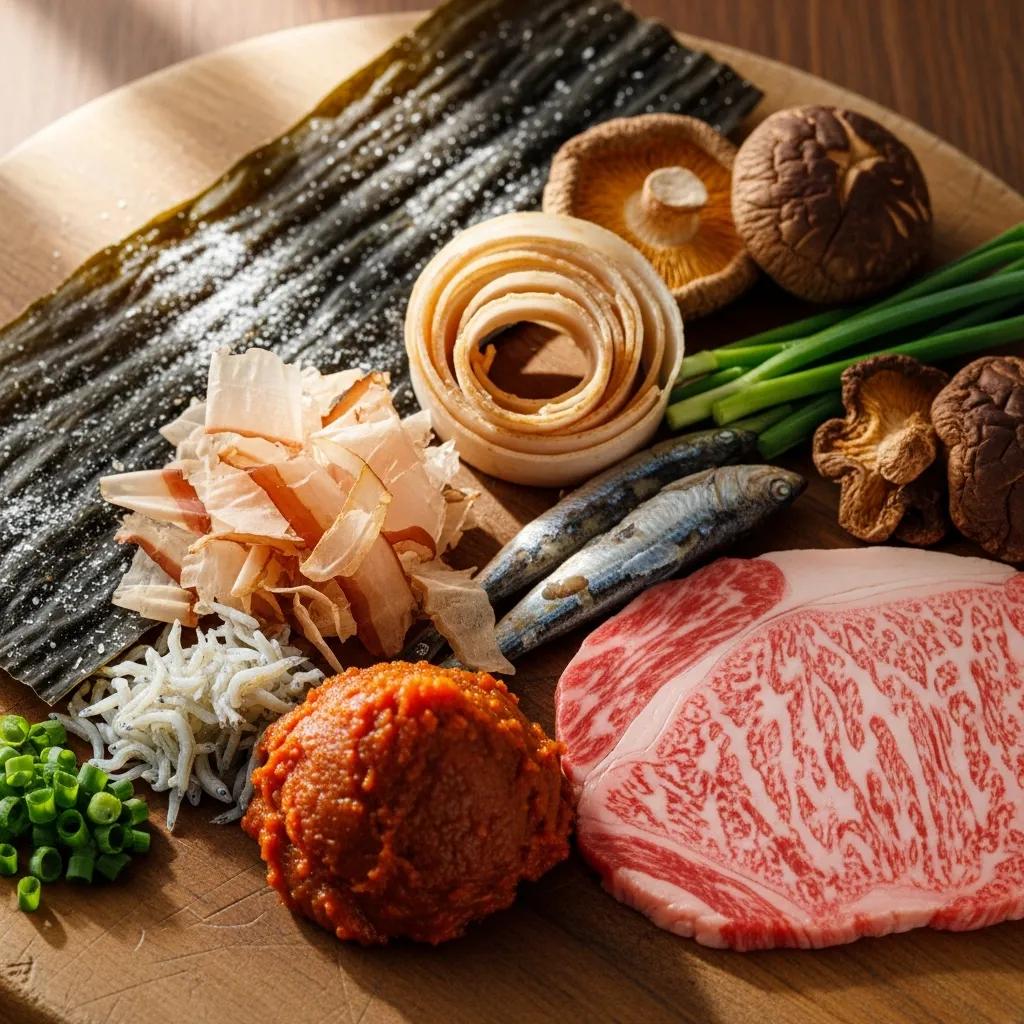
Japanese cooking concentrates several high‑umami ingredients chefs use strategically to build savory profiles across a tasting. Classic sources include dashi (kombu + katsuobushi), miso, aged fish products, A5 Wagyu, uni, and caviar—each offers different balances of glutamate, inosinate, and guanylate plus distinct textures. Chefs deploy these for immediate impact and for layering via fermentation, aging, or reduction. Below is a practical comparison of common umami ingredients—where they come from, their dominant compounds, and how a luxury kitchen might use them.
That comparison shows how ingredients bring distinct umami textures and chemistry—tools chefs combine to create layered savory experiences. Next we look at why A5 Wagyu exemplifies umami in beef and how its marbling shapes perception.
Why Is A5 Wagyu Considered the Ultimate Umami Beef?
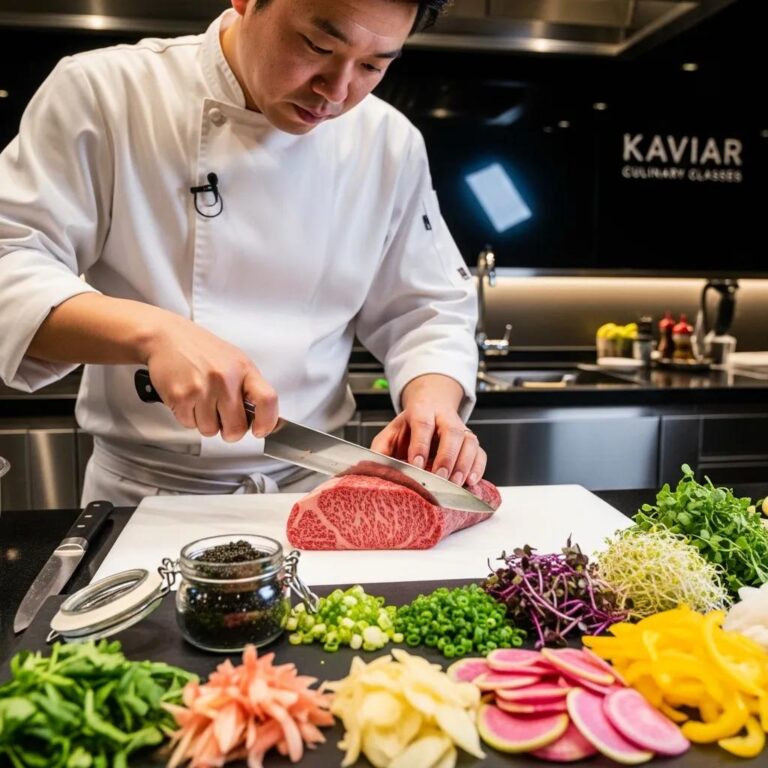
A5 Wagyu is prized for intense intramuscular marbling and a fatty acid profile that encourages the release and perception of free amino acids like glutamate during gentle cooking. The marbling melts at low temperatures, carrying savory compounds across the palate and producing a lingering, buttery umami impression rather than a simple salty meat note. Chefs often serve it raw or lightly seared (for example, as tartare) to preserve delicate amino‑acid flavors and let texture deliver umami. Paired with restrained seasoning or an acid/aged fish element, A5’s amino acids read as profound savoriness that complements fermented or briny components.
How Does Caviar Enhance Umami in Fine Dining Dishes?
Caviar delivers concentrated brine and umami through free amino acids and subtle nucleotides, creating a saline‑umami counterpoint to fatty or creamy elements. Used as a finish—on toro tartare or seared scallop, for example—caviar gives microbursts that cut richness and elevate overall savoriness. Chefs prize caviar for taste and texture: the roe’s pop provides tactile contrast while its brine amplifies glutamate‑driven flavors nearby. In luxury service, caviar signals provenance and materially raises umami intensity, especially when paired with aged fish, citrus, or a light oil to spread its flavor through the bite.
How Does Kaviar Restaurant Craft an Umami‑Driven Culinary Experience?
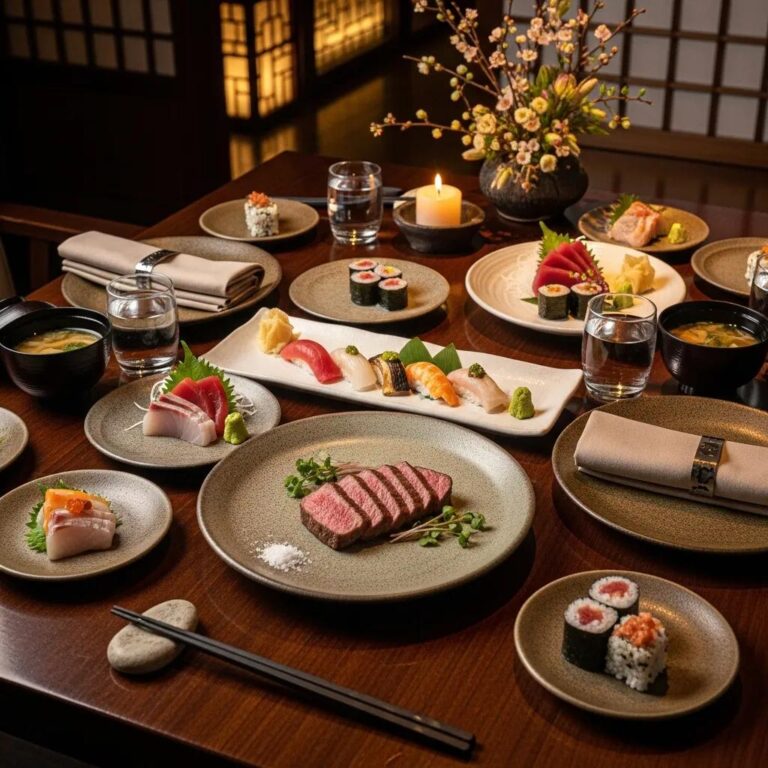
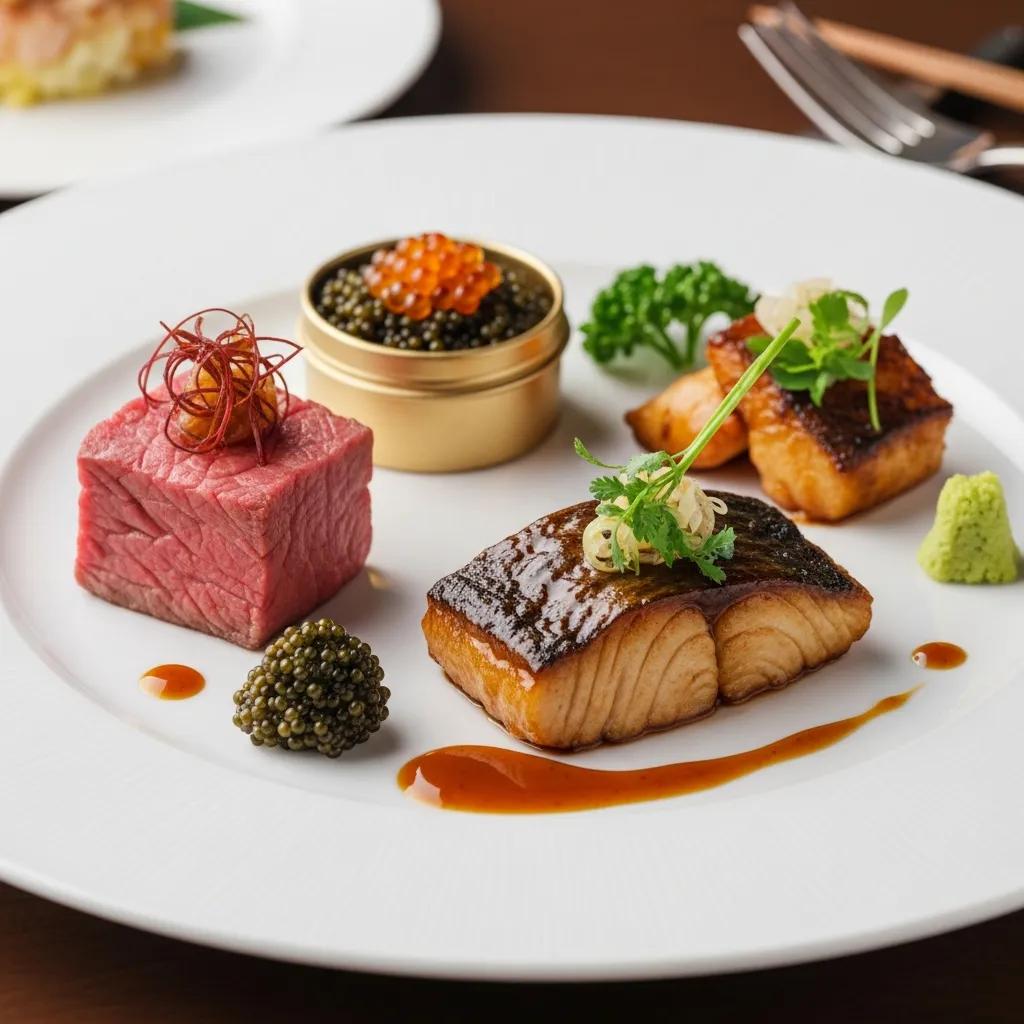
At Kaviar in Pasadena we apply umami science through meticulous sourcing, refined technique, and an omakase structure that sequences savory tension and release across a tasting. The restaurant’s menu highlights premium elements—A5 Wagyu, caviar, uni, miso‑glazed fish, and refined sushi and sashimi—and uses them to build umami momentum rather than isolated hits. Our chefs use controlled aging, gentle searing, reduction, and fermentation to concentrate amino acids and ribonucleotides, then order courses to heighten perception through the meal. Umami becomes a guiding axis of flavor design, with each course priming the palate for the next. Common techniques we lean on include:
Kaviar’s chef techniques to layer umami include:
- Controlled aging of proteins to raise free amino‑acid levels and deepen savory character.
- Incorporation of fermented components like miso and aged sauces to add persistent background umami.
- Precision searing and finishing to melt fat and release flavor compounds while preserving texture.
What Signature Dishes Showcase Umami at Kaviar?
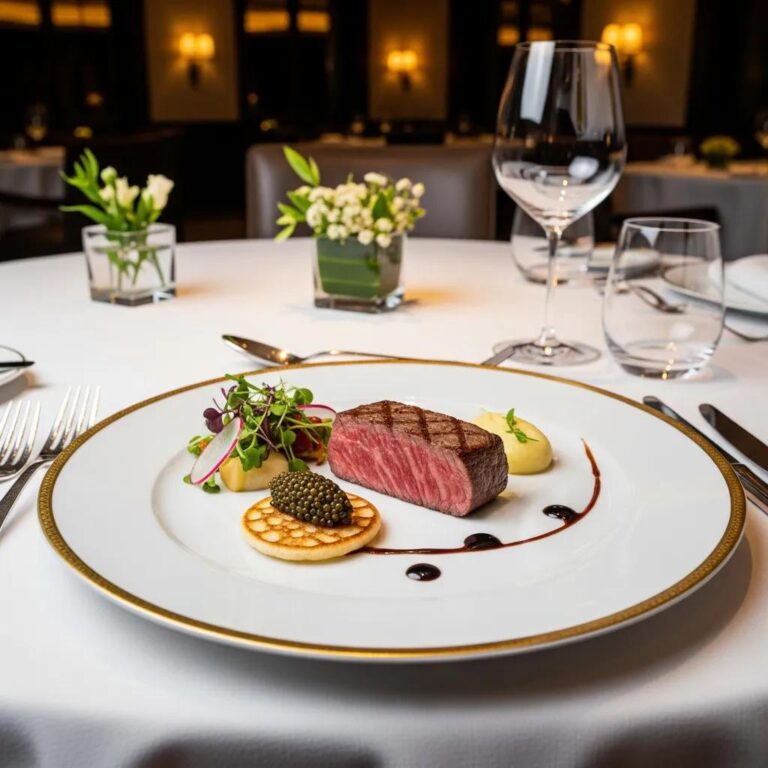
Our signature plates put umami chemistry into practice with concentrated ingredients and reductive technique. Expect dishes such as an A5 Wagyu tartare that showcases marbling and amino‑acid richness, a toro tartare finished with caviar to marry fatty omega‑rich fish and saline umami, and a uni pasta that pairs creamy roe with butter and a light dashi reduction. Each dish combines complementary umami compounds to exploit synergy and deliver a mouth‑filling finish. Tasting notes focus on mouthfeel, savory persistence, and a lift of acidity to balance richness—small lessons in how texture, fat, and nucleotides interact to create profound savoriness.
How Does the Omakase Menu Elevate Umami Through Chef Techniques?
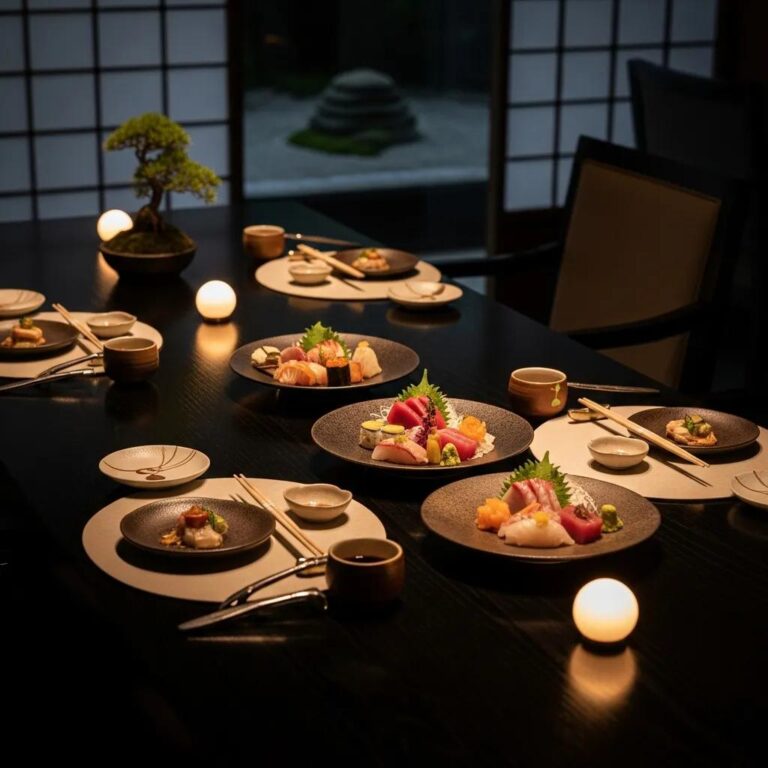
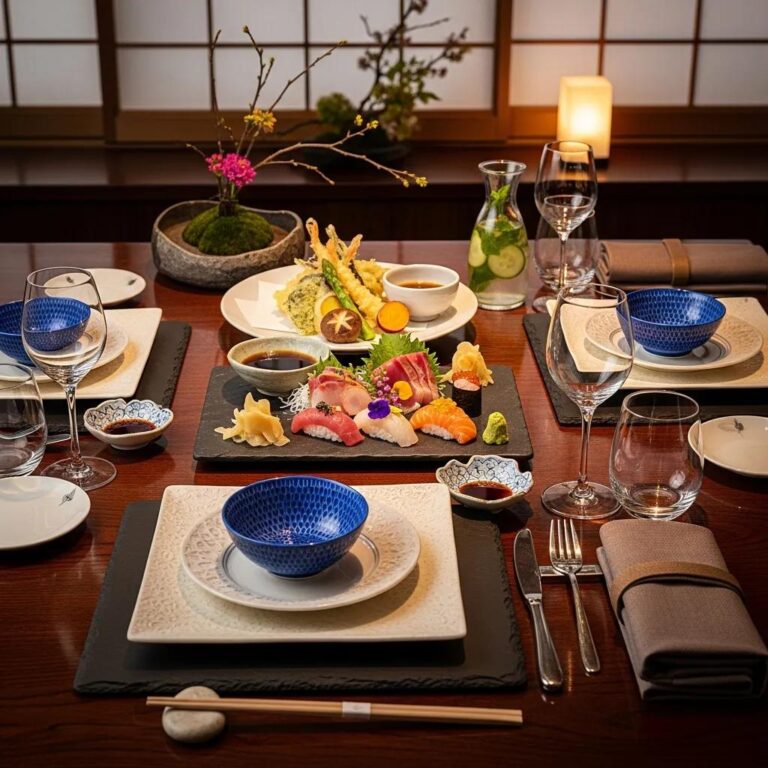
Our omakase reveals umami progressively by sequencing cold to warm, delicate to intense, and light to fatty so perception builds without overwhelm. We’ll start with clean, glutamate‑rich bites—sashimi bathed in subtle dashi or brightened with citrus—to open receptors, then move into fermented or aged items that introduce inosinate and guanylate, and finish with richer plates like A5 Wagyu or miso‑glazed fish. Mise‑en‑place of umami garnishes, timed sauce application, and measured salt use ensure each course increases perceived savoriness in controlled steps. That sequencing uses sensory adaptation and contrast so umami compounds interact cumulatively, creating a satisfying crescendo and a lasting savory memory.
What Is the Science Behind Umami Perception and Flavor Synergy?
Umami perception starts at molecular recognition by specific taste receptors and is shaped by retronasal aroma and texture to form the complex savory sensation we describe. The primary umami receptor is a heterodimer responsive to free glutamate and modulated by ribonucleotides—this biology explains the strong synergy seen in many culinary pairings. Receptor activity combined with mouthfeel and smell clarifies why broths and aged proteins taste fuller and more satisfying than merely adding salt. Understanding these mechanisms helps chefs pair ingredients and use techniques that maximize savory perception without over‑salting. The table below maps core umami compounds to their roles and culinary uses.
How Do Taste Receptors Detect Umami?
Taste receptors detect umami via G‑protein–coupled receptors that recognize free glutamate and trigger intracellular signaling to the brain about nutrient‑rich foods. The T1R1/T1R3 heterodimer is central: glutamate binding activates signaling cascades that increase nerve firing and alter perception. Ribonucleotides such as inosinate and guanylate bind adjacent sites or change receptor conformation to heighten sensitivity and intensity. This biology explains why small additions of the right nucleotide‑rich ingredients can dramatically boost savoriness without bulk or extra salt. Knowing receptor behavior informs practical choices—like a dash of dried fish stock to efficiently deepen a dish.
What Is the Synergistic Effect of Glutamate, Inosinate, and Guanylate?
Synergy happens when glutamate and specific ribonucleotides combine to produce savory intensity greater than the sum of their parts—classic examples include kombu (glutamate) paired with katsuobushi (inosinate) or shiitake (guanylate). The strength of synergy depends on relative concentrations, temperature, and matrix factors such as fat and viscosity that affect retronasal perception and receptor access. Chefs exploit synergy with small, concentrated additions—a spoonful of dashi, a shaving of aged fish—to lift an entire dish. Using synergy lets cooks create intense savory impressions while controlling salt and fat, improving flavor and perceived refinement.
Umami and kokumi together deepen flavor: umami adds savory depth while kokumi enhances mouthfeel and continuity.
Umami and Kokumi: Enhancing Taste and Sensory Appeal in Foods
Umami and kokumi compounds each play distinct roles in flavor perception. Umami—derived from amino acids like L‑glutamate and nucleotides such as GMP and IMP—provides savory depth found in Parmesan, soy sauce, and shiitake. Kokumi compounds, like γ‑glutamyl peptides in fermented soy products and certain cheeses, don’t impart a single flavor but amplify mouthfeel, intensity, and continuity. Together they create more memorable dishes. This interplay is increasingly important in food innovation—helping develop natural, clean‑label flavors and improving sensory quality in products ranging from soups to plant‑based alternatives. (Natural sources, mechanisms, and sensory evaluation of umami and kokumi flavour compounds in food, MM Ramesh, 2025)
How Can You Pair Drinks to Complement Umami‑Rich Flavors?
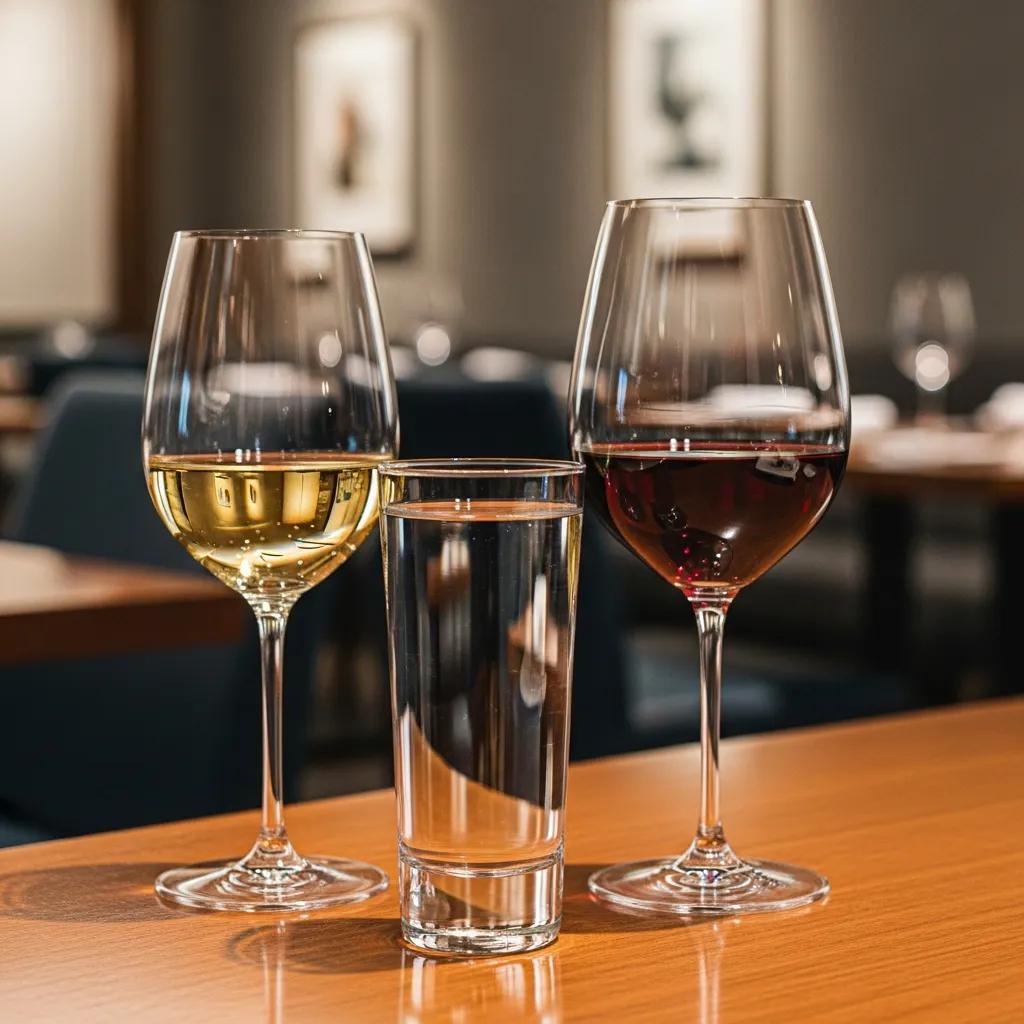
Pairing drinks with umami dishes is about matching intensity, balancing texture, and complementing savory compounds rather than overpowering them. Certain sake styles, lighter reds, and crisp, carbonated beers work especially well. Junmai and Ginjo sakes offer rice‑derived umami and gentle acidity that harmonize with seafood and fermented flavors; light reds with moderate tannin can stand up to fatty beef without masking umami; and crisp or textured whites brighten miso‑glazed fish and shellfish. Thoughtful selection by style and intensity lets drinks underscore umami instead of competing with it—useful guidance for sommeliers and diners building cohesive pairings.
Key pairing principles for umami dishes:
- Match intensity: choose beverages with structure that mirrors the dish’s umami level.
- Use acidity and carbonation to cut rich mouthfeel and refresh the palate.
- Where helpful, select drinks that offer complementary umami (for example, certain sakes) to harmonize rather than clash.
Which Sake and Wines Best Enhance Umami Dishes?
Junmai and Ginjo sakes often enhance umami thanks to rice‑derived savory notes and balanced acidity—ideal for sashimi, uni, and fermented elements. For richer, protein‑forward dishes like A5 Wagyu, light‑to‑medium reds with soft tannins and ripe fruit pair well, matching fat while letting umami shine. Crisp or slightly aged whites with texture suit shellfish and miso‑glazed preparations by brightening flavors and echoing mouthfeel. Choosing by style and intensity helps beverages support umami instead of overshadowing it.
What Are the Benefits of Flavor Layering in Umami Pairings?
Flavor layering—introducing umami across a dish and its beverage components—builds perceived savoriness and creates continuity through a meal, making it more memorable. Layering might mean a dashi base in a sauce, a finishing miso glaze, and a sake with rice umami; each element contributes different compounds that add synergy. This approach increases satisfaction while allowing lower salt use and a nuanced balance of textures and temperatures. Diners who appreciate layered umami report a more complex, lasting aftertaste and stronger meal cohesion. Understanding layering empowers chefs and guests to recognize and value intentionally composed umami narratives.
How Can You Experience and Reserve Your Umami Journey at Kaviar Restaurant?
Kaviar Restaurant in Pasadena offers an omakase‑first fine dining experience that showcases premium umami ingredients and chef‑led sequencing designed to educate and delight the palate. Located at 70 N Raymond Avenue, Suite 250, Pasadena, CA, our tasting menus highlight A5 Wagyu, caviar accents, uni preparations, and miso‑forward techniques in a curated multi‑course flow. Reservations are encouraged for omakase seatings so the kitchen can prepare the intended progression and source special ingredients. Below are concrete steps to book and what to expect at an umami‑focused service.
Steps to book an omakase umami experience at Kaviar:
- Select an omakase seating and provide preferred dates and party size when reserving.
- Share dietary restrictions and special requests in advance so the kitchen can adapt sequences.
- Arrive a bit early to confirm details with staff and ensure the tasting begins on time.
What Are the Steps to Book an Omakase Umami Experience?
To reserve an omakase umami experience, choose a tasting seating and note party size and any dietary needs so our chefs can plan ingredient‑driven progressions. Omakase is a curated flow—sequencing matters—so advance notice about allergies or restrictions preserves the tasting’s integrity. On arrival, staff will confirm preferences and outline the tasting arc, including whether you’d like sake or wine pairings. For private events or special requests, we can discuss customized menus that emphasize umami‑forward compositions.
What Private Dining and Event Options Highlight Umami at Kaviar?
Our private dining and events can center on tailored omakase formats that spotlight umami through custom menus, curated pairings, and ingredient storytelling. Events may feature multi‑course sequences focused on A5 Wagyu, caviar service, uni highlights, and dashi‑ or miso‑based preparations, with beverage pairings chosen to complement the savory progression. Hosts can request menu tweaks to emphasize specific umami elements, adjust pacing, and select pairings aligned with guest tastes—creating immersive, educational, and sensorially rich gatherings.
- Custom Menus: Tailored omakase sequences that emphasize chosen umami ingredients.
- Pairing Options: Sake and wine pairings calibrated to each course’s umami intensity.
- Event Coordination: Collaboration with the kitchen to align sourcing and timing for premium ingredients.
Frequently Asked Questions
What are some common misconceptions about umami?
People often mistake umami for simply salty flavor or think it only comes from soy sauce and mushrooms. In fact, umami is a distinct taste that signals amino acids—especially glutamate—found in many foods, from aged cheese and cured meats to ripe tomatoes. Rather than overpowering, umami enhances other tastes, making it a foundational tool in global culinary practice.
How can I identify umami in everyday foods?
Look for a lingering, savory, mouth‑coating sensation. Everyday umami sources include aged cheeses, cured meats, ripe tomatoes, and fermented items like miso and soy sauce. Try adding a small amount of parmesan to tomato sauce or folding miso into a broth—those combinations make umami’s depth immediately obvious.
Are there health benefits associated with consuming umami‑rich foods?
Yes. Many umami foods provide valuable nutrients and amino acids—fish, mushrooms, and fermented products offer protein, vitamins, and minerals. Umami also increases palatability, which can help people enjoy nutritious dishes without excess salt or fat, supporting a balanced diet.
Can umami be enhanced in cooking without adding salt?
Absolutely. Use umami‑rich ingredients—mushrooms, tomatoes, aged cheeses—or techniques like roasting, caramelizing, and fermenting to intensify savory notes. For example, roasting vegetables concentrates natural umami, and a splash of vinegar or citrus can brighten a dish without extra salt.
What role does umami play in food pairings?
Umami helps ingredients complement and elevate each other. Pairing umami elements—say, a miso glaze with fatty fish—creates balance between richness and savory depth. Understanding umami enables cooks to craft harmonious profiles that engage the palate and improve the dining experience.
How does umami influence the dining experience at restaurants?
Umami shapes satisfaction by adding depth and persistence to dishes. Restaurants often design menus to layer umami through ingredient choice and technique so each course builds on the last. That thoughtful sequencing yields a more memorable meal and leaves guests with a coherent savory impression.
Conclusion
Recognizing umami deepens how you taste and compose food. By learning which ingredients and techniques produce savory richness, you can elevate both home cooking and your dining choices. Visit Kaviar Restaurant to experience an omakase that thoughtfully showcases umami—reserve a table and start your savory journey with us.