




Kaiseki in Pasadena: The Art, Tradition and Quiet Luxury of a Multi‑Course Japanese Experience
Kaiseki is a disciplined, multi‑course form of Japanese dining that prizes seasonality, balance and visual composition. This guide presents kaiseki ryori both as a historic culinary art and as a practical roadmap for diners seeking an elevated Japanese meal in Pasadena. You’ll learn how seasonal sourcing, plating and pacing shape each course, how kaiseki differs from omakase, what to expect from a typical progression, and which etiquette points help you savor the experience. We also map these traditions to local dining options and reservation channels, so you can turn interest into an intentional, memorable dinner. Throughout, terms like kaiseki, traditional japanese dining and omakase appear naturally to support clarity and discoverability.
What Is Kaiseki Dining and Why Is It a Unique Japanese Fine Dining Experience?
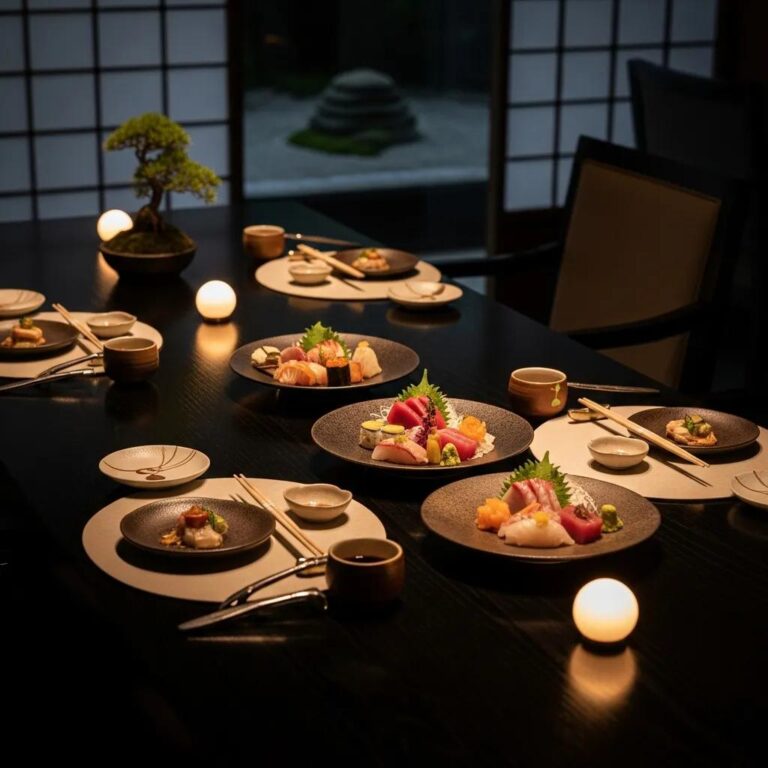
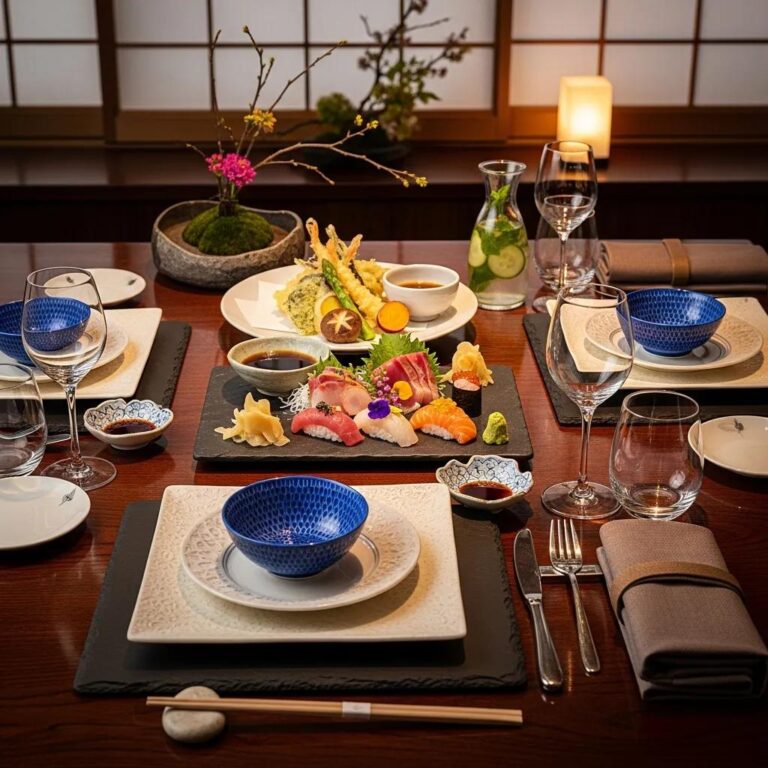
Kaiseki is a carefully ordered sequence of small courses designed to create harmony across taste, texture, color and season. At its heart is shun—seasonality—which dictates ingredient choice so each plate reflects peak flavor and local availability. The experience relies on restrained seasoning, thoughtful plating and deliberate pacing so diners can appreciate each moment. These elements together explain why kaiseki is regarded as a pinnacle of traditional Japanese dining and why its principles influence many modern tasting menus.
Below are the three pillars that shape every kaiseki meal and guide how chefs design the progression and guest experience.
- Seasonality (shun): ingredients selected at their peak to highlight freshness and flavor.
- Presentation and balance: each course reads as a visual and textural component of the whole.
- Multi‑course progression: a measured rhythm that enhances appreciation and builds toward a satisfying finish.
Taken together, these pillars explain kaiseki’s lasting distinction and its influence on contemporary omakase and tasting menus that share similar values.
How Does Kaiseki Reflect Japanese Culinary Art and Seasonality?
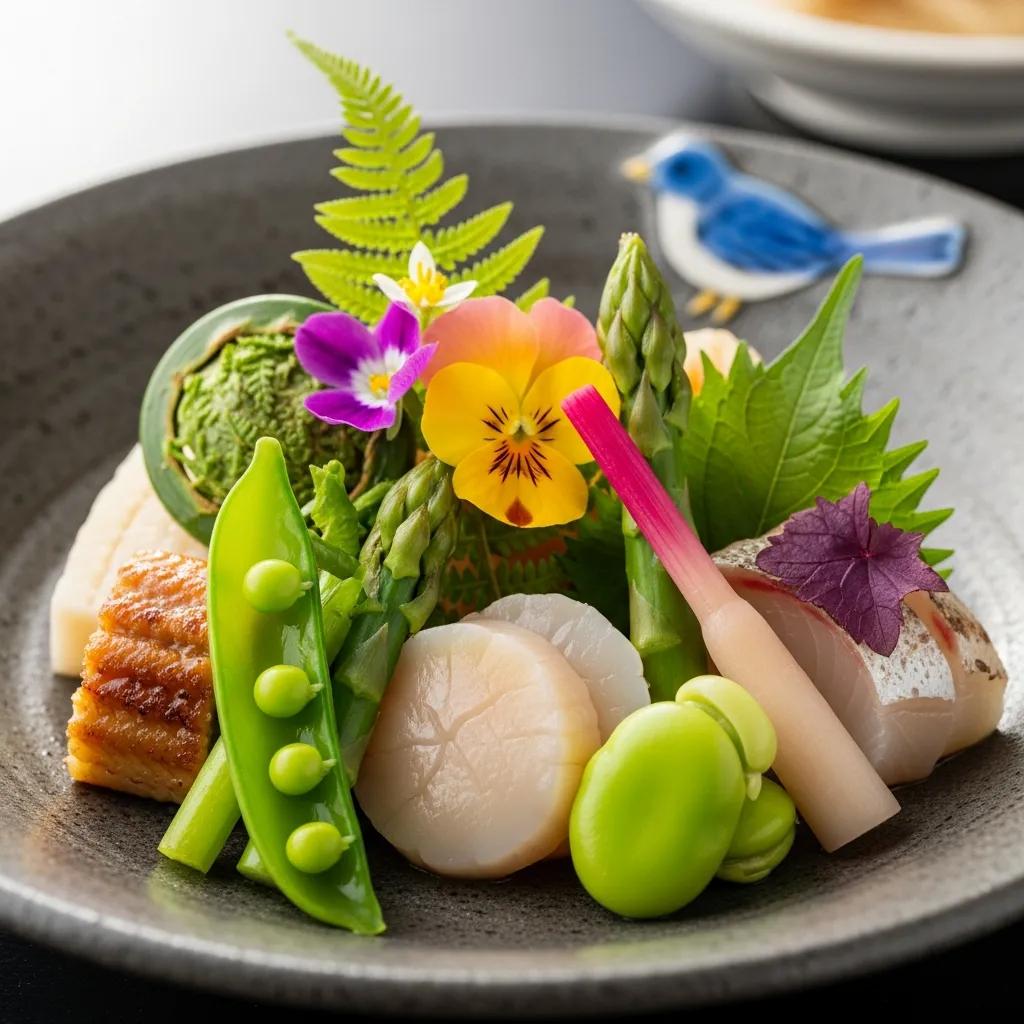
Kaiseki centers on shun—the Japanese idea of seasonal peak—so chefs design menus that change with the months. That rotating menu ties a meal to a specific time and place rather than to a fixed set of dishes. For guests, this means tasting produce and seafood at their best while learning, subtly, about the rhythms of the year.
Spring might highlight tender bamboo shoots and delicate greens; autumn often favors root vegetables and deeper broths. Those ingredient choices also influence plateware and garnishes, as chefs select vessels and accents that echo the season—an aesthetic thread that connects to how omakase overlaps and diverges from kaiseki in curation and personalization.
What Are the Key Differences Between Kaiseki and Omakase Dining?
Kaiseki follows a ritualized, multi‑course sequence rooted in the tea ceremony; omakase is chef‑directed and prioritizes spontaneity and personalization. Kaiseki provides a predictable, ceremonial rhythm that emphasizes harmony and ritual. Omakase gives the chef freedom to adapt dishes in real time to ingredients and diner preferences. For diners, kaiseki offers a framed cultural experience; omakase offers bespoke surprises and closer chef interaction.
This distinction leads naturally into kaiseki’s history and how that lineage informs modern service and hospitality.
What Are the Historical Roots and Cultural Significance of Kaiseki Dining?
Kaiseki grew from cha‑kaiseki—the modest, balanced meals served during Zen tea ceremonies—and over centuries evolved into a refined culinary art focused on restraint and harmony. That evolution translated spiritual simplicity into aesthetic refinement: simple, local fare gradually acquired courtly presentation, ritual pacing and seasonal motifs. Today, kaiseki still embodies omotenashi—wholehearted Japanese hospitality—putting guest comfort, respect and mindful service at the meal’s center. In practice, kaiseki delivers nourishment and a ritualized expression of seasonal awareness and social grace.
Seeing this lineage helps explain why ceremonial values persisted as kaiseki moved from temple and court settings into contemporary restaurants.
How Did Kaiseki Evolve from Zen Buddhist Tea Ceremonies?
Cha‑kaiseki began as modest meals served around the tea ceremony to calm the appetite and complement the gathering’s spiritual focus. These plates valued simplicity, local ingredients and unobtrusive presentation. As aristocratic tastes and regional culinary skill intersected, the sequence expanded and presentation became more elaborate—seasonal motifs, refined plating and an expanded course order. Modern kaiseki preserves those tea‑ceremony values—modesty, seasonality and ritual—while allowing chefs to apply contemporary technique and premium ingredients.
This historical progression highlights kaiseki’s deep ties to aesthetic principles and helps explain its emphasis on visual presentation.
The Aesthetics of Kaiseki: Art, Tradition, and Global Influence
Kaiseki, a traditional multi‑course Japanese meal, represents one of the most refined forms of culinary art, deeply rooted in cultural and philosophical principles. This study explores the evolution of Kaiseki from its origins in the Japanese tea ceremony to its establishment as a sophisticated fine dining experience. It delves into the key aesthetic principles of seasonality and visual balance, examining how these elements reflect the broader Japanese worldview. The philosophical foundations of Kaiseki, particularly its embrace of wabi-sabi and Zen mindfulness, highlight its role as a meditative and sensory journey. Furthermore, the study investigates the techniques and tools used in Kaiseki plating, emphasizing the importance of tableware and naturalistic presentation. Finally, the paper addresses contemporary adaptations and Kaiseki’s significant influence on global fine dining, showcasing how this centuries-old tradition continues to evolve and inspire. Through this
Preserving these elements underscores hospitality’s central role in kaiseki—what we explore next through the lens of omotenashi.
What Role Does Omotenashi Play in Kaiseki?
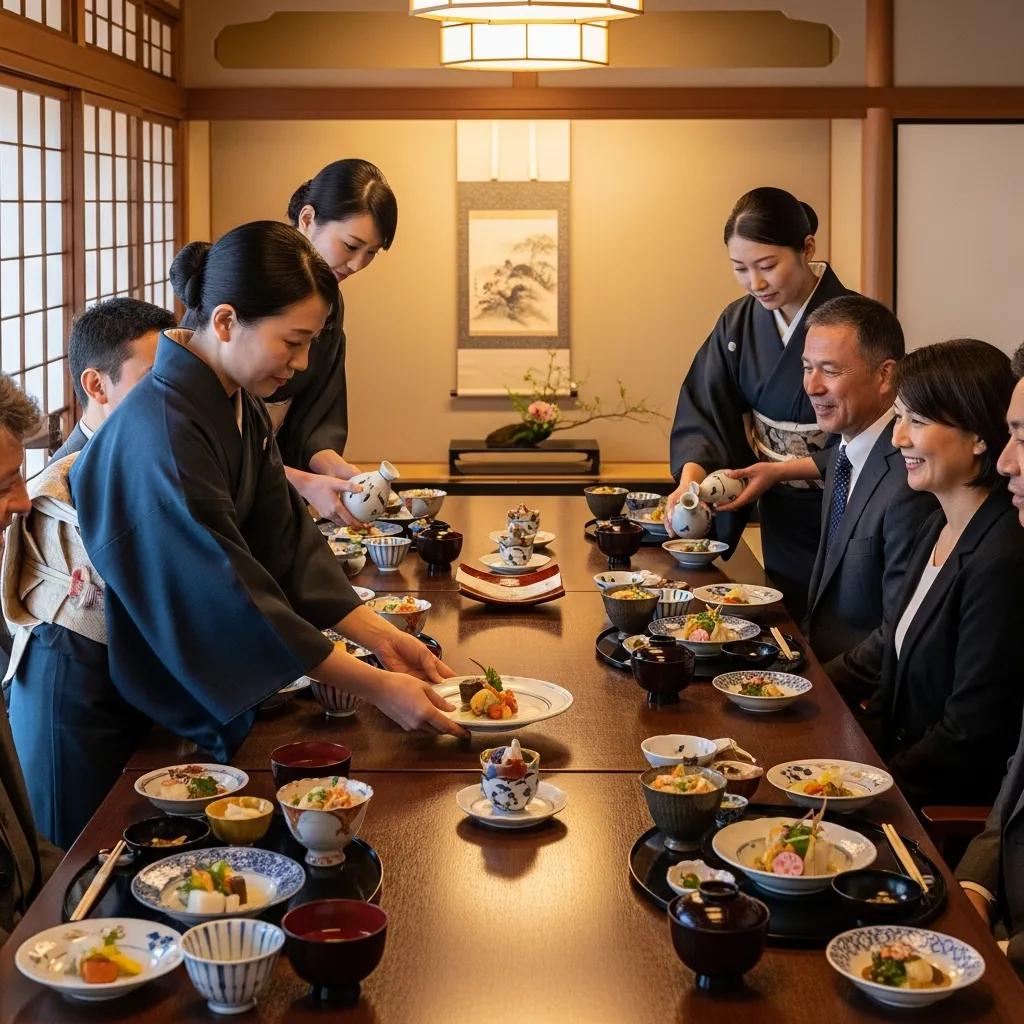
Omotenashi—the Japanese spirit of anticipatory, wholehearted hospitality—shows up in kaiseki as careful pacing, attentive service and dish choices that honor both guest preference and the season. Practically, that means courses arrive in time with the diner’s rhythm, staff offer contextual explanations when appropriate, and plates are composed to complement what came before and what follows. The result feels curated and respectful: each gesture supports the meal’s narrative instead of distracting from it.
This service ethic helps kaiseki balance culinary artistry with genuine human care.
With hospitality framed, we turn to the meal’s structure and guiding principles.
What Are the Core Principles and Typical Courses of a Kaiseki Meal?
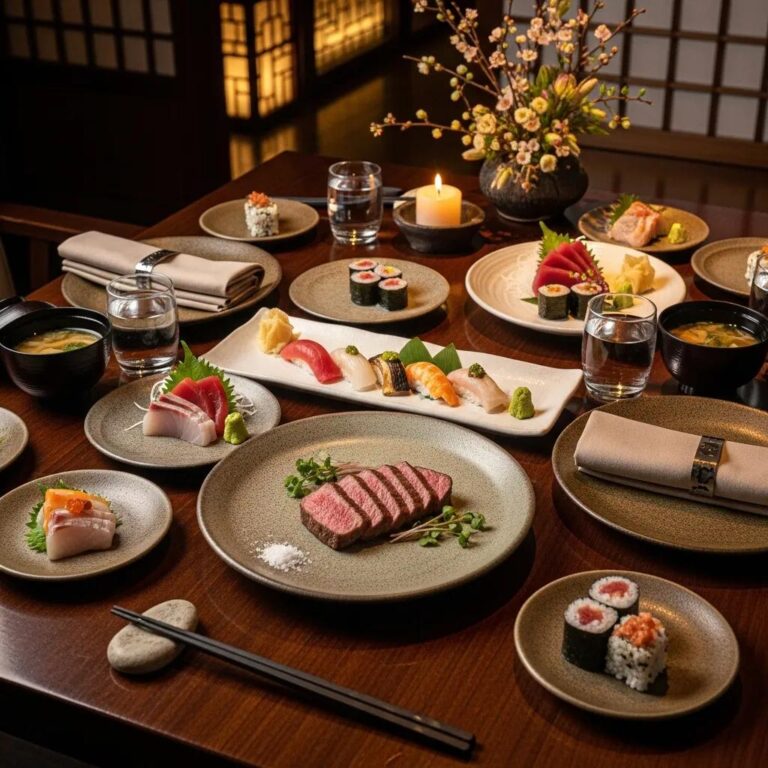
Kaiseki is guided by three core principles—seasonality, balance and presentation—that determine course selection and order to create a unified sensory journey. The meal unfolds as a deliberate progression of small, paced courses that shift temperature, texture and flavor to prepare the palate for what follows and finish with rice and a light dessert. The result is a complete dining arc that highlights local, seasonal ingredients while demonstrating restraint and craft. Below is a concise mapping of standard kaiseki courses, their roles and a Kaviar‑style illustration to connect tradition with contemporary plating.
Each course has a functional role in the progression and can be reinterpreted through modern sourcing and technique.
This table shows how each course shapes the meal’s arc and prepares you to consider how seasonal ingredients and presentation styles define kaiseki in practice.
Which Seasonal Ingredients and Presentation Styles Define Kaiseki?
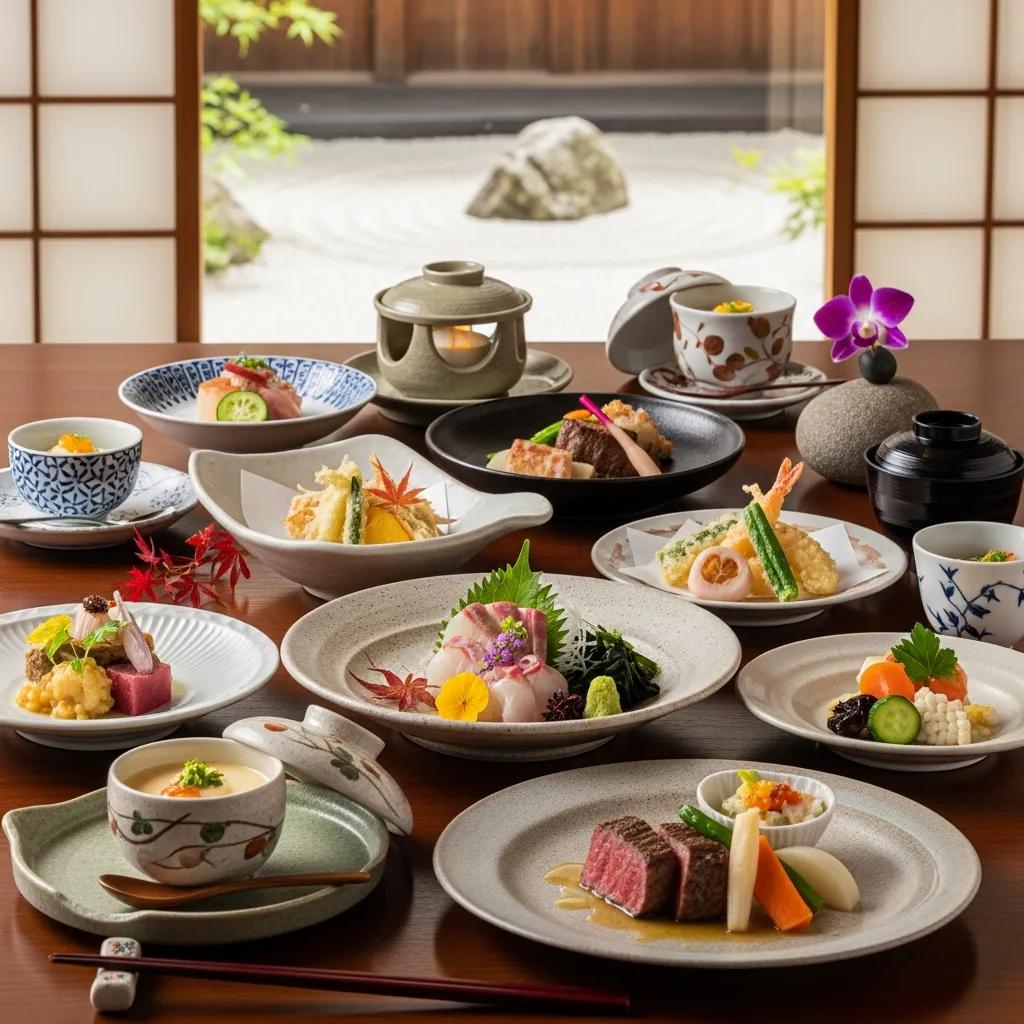
Seasonal ingredients—spring shoots and greens, summer seafood, autumn roots and winter slow‑cooked proteins—anchor kaiseki because shun ensures peak flavor and cultural resonance. Presentation emphasizes negative space, asymmetry and texture contrast; chefs often use leaves, blossoms or seasonal ceramics to reinforce a dish’s time and place. The net effect is a cohesive sensory message where ingredient choice, temperature and visual language all speak to the season. This interplay of sourcing and aesthetic choice leads naturally into the traditional courses and their meanings.
What Are the Traditional Kaiseki Courses and Their Meanings?
Traditional kaiseki courses are arranged to balance contrast and continuity: a small starter, seasonal platter, raw fish, simmered items, grilled dishes, rice and dessert—each serving a specific culinary purpose. The sakizuke opens the appetite, mukozuke reveals the quality of raw fish, and gohan provides a grounding finish; these roles inform portioning, seasoning and pacing. For chefs, the sequence is a template for rhythm; for diners, it creates a predictable arc that enhances appreciation.
Knowing these roles helps guests recognize how contemporary chefs adapt the tradition—using modern technique and premium ingredients like A5 Wagyu or Kaluga caviar—to honor kaiseki’s focus on peak flavor and presentation.
How Does Kaviar Restaurant Interpret Kaiseki Principles in Pasadena’s Luxury Dining Scene?
At Kaviar, we interpret kaiseki principles by combining measured multi‑course pacing, seasonal sourcing and elevated presentation within Pasadena’s fine‑dining context. Our tastings and omakase‑style offerings highlight shun and visual composition while allowing premium ingredients to enhance—not overwhelm—the meal. The result is an upscale dining event that fuses traditional kaiseki values with contemporary luxury elements, designed to meet local expectations for refined Japanese cuisine and memorable occasions.
Below is a comparison of select premium items and how they align with kaiseki attributes and guest appeal.
This comparison shows how premium ingredients act as focal points within a kaiseki‑inspired progression and introduces how our signature dishes and omakase services express those principles.
Which Signature Dishes at Kaviar Embody Kaiseki’s Multi-Course Artistry?
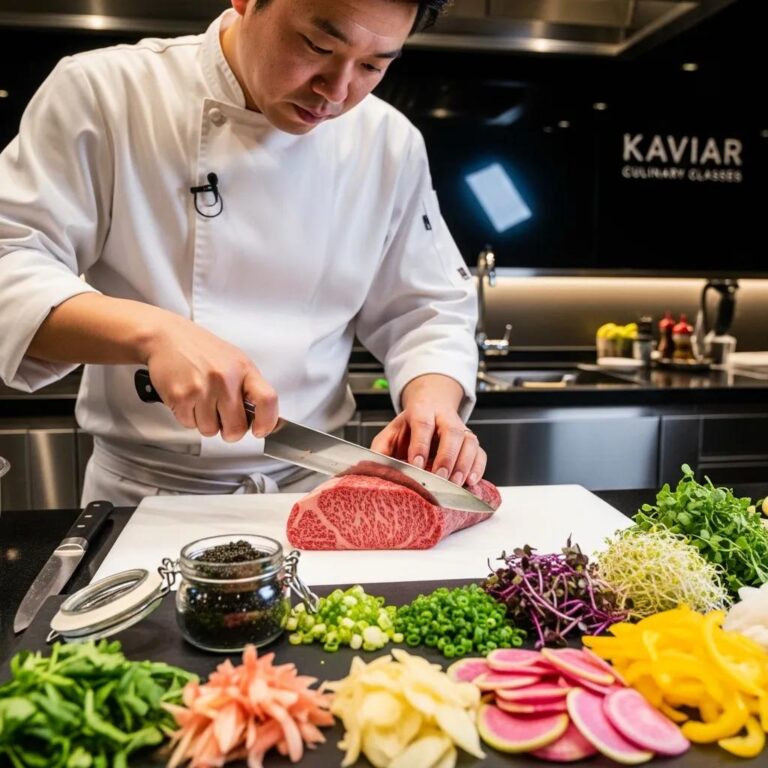
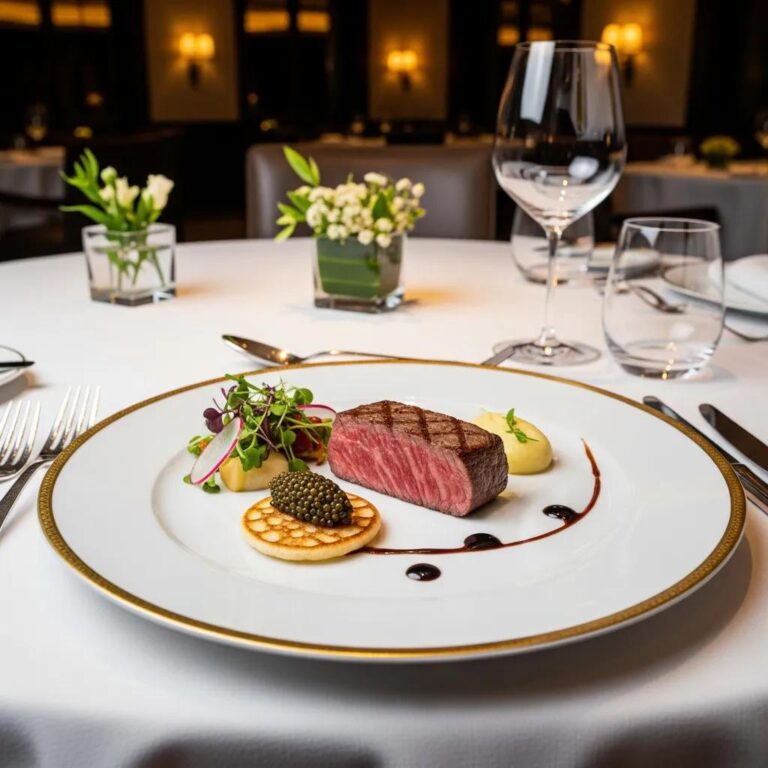
Kaviar’s signature items—from A5 Wagyu preparations to Kaluga caviar service and a Toro Tartare finished with 24k gold—are presented as course‑level statements rather than one‑off extravagances. Our approach is restraint: premium components are used sparingly and thoughtfully so texture, seasoning and plating remain balanced. The benefit for diners is a heightened sense of occasion where rare ingredients sit within a considered progression rather than overpower it.
These dishes show how modern fine‑dining kitchens can adapt kaiseki values for a luxury palate while preserving the meal’s overall equilibrium.
How Does Kaviar’s Omakase Experience Complement Kaiseki Traditions?
Kaviar’s omakase complements kaiseki by offering chef‑curated sequences that emphasize seasonal sourcing, careful pacing and refined presentation—core mechanisms for both forms. In practice, our omakase selections follow shun and guest preferences while keeping a coherent flow from lighter to richer preparations. The result blends the predictability of course progression with the spontaneity of chef choice, giving diners structure and surprise in equal measure.
Expect a measured number of courses, close attention to plating and service cues that guide pacing—everything designed to help you appreciate the interplay of ingredients and technique. Below are etiquette and appreciation tips to help you get the most from the experience.
How Can Diners Enhance Their Kaiseki Experience Through Proper Etiquette and Appreciation?
You can enhance a kaiseki experience by following a few simple etiquette points—respectful pacing, thoughtful utensil use and mindful engagement with the chef and servers—so the kitchen’s intended rhythm and presentation register as intended. By observing customary behaviors, guests help the meal unfold smoothly and gain deeper sensory and cultural appreciation. Below are practical guidelines to prepare for a kaiseki or omakase reservation.
- Pace Respectfully: Eat deliberately and unhurriedly so the kitchen can time each course appropriately.
- Handle Utensils Properly: Use chopsticks with care and rest them on the provided holder when not in use.
- Engage Briefly and Kindly: Ask concise, appreciative questions about a dish rather than interrupting service.
- Accept the Sequence: Avoid requesting major changes to course order that would disrupt the meal’s narrative.
What Are the Essential Etiquette Practices for Japanese Fine Dining?
Essential etiquette centers on respect for timing, dishware and service: wait for each course to be presented, use communal utensils appropriately, and show appreciation for explanations and recommendations. These respectful actions support omotenashi by signaling to staff that you value the intended pacing and presentation. The benefit is smoother service and a more authentic, immersive experience where the culinary narrative unfolds as designed.
Following these practices also creates space for subtle questions that deepen understanding without interrupting the flow.
How Should Guests Appreciate the Presentation and Flavors of Kaiseki?
Practice mindful tasting: take a moment to observe the presentation, inhale aromatics before you taste, sample small bites to note texture transitions, and reflect on how seasonality and balance shape each course. Observing color, temperature and texture primes the palate to detect how chefs balance umami, acidity and sweetness. The reward is a deeper recognition of craft—where small contrasts and seasonal references become meaningful. Short, informed questions about provenance or technique will further enrich your experience while respecting the meal’s pacing.
Where and How Can You Book an Authentic Kaiseki-Inspired Fine Dining Experience in Pasadena?
Booking a kaiseki‑inspired tasting in Pasadena benefits from choosing the right reservation channel and planning ahead—omakase and multi‑course tastings often have limited seating. For prime slots, use the channel that fits your needs: call for special requests or private arrangements, or use Resy or OpenTable for immediate availability. Early planning increases your chances of preferred seating and omakase counter access.
This table clarifies practical reservation choices so you can decide which channel fits your needs.
What Reservation Options Does Kaviar Offer for Kaiseki and Omakase Dining?
We offer multiple reservation paths to suit different needs: phone booking for bespoke requests and private arrangements, and third‑party platforms for quick availability. To book kaiseki‑inspired tastings or omakase seating, consider calling (626) 605-0330 for special requests or using Resy/OpenTable for immediate slots. Because premium tasting menus and counter seating are limited, early booking gives you access to curated courses and preferred dates—ensuring expectations match the available service and seating formats.
- Call (626) 605-0330 for special requests and private arrangements.
- Use Resy for curated availability and omakase‑specific offerings.
- Use OpenTable for standard table bookings and group accommodations.
Following these steps increases the likelihood of securing a tailored kaiseki‑inspired experience in Pasadena and aligns your booking method with your needs.
Why Choose Kaviar for Luxury Japanese Dining Featuring A5 Wagyu and Caviar?
Kaviar is recognized among Pasadena’s upscale Japanese dining options and features premium selections such as Kaluga caviar, A5 Wagyu (including A5 Wagyu Tartare) and a Toro Tartare finished with 24k gold in multi‑course and omakase‑style presentations. Our appeal comes from integrating luxury components into a paced tasting flow that preserves kaiseki’s balance instead of overpowering it. The benefit for diners is access to high‑quality ingredients presented with craftsmanship and service that supports an elevated dining narrative. If you’re seeking a reservation‑based, refined experience in Pasadena, Kaviar’s focus on seasonal sourcing and premium dishes aligns with kaiseki’s values while catering to modern luxury expectations.
This context is intended to help you choose a kaiseki‑inspired dining option in Pasadena and make an informed reservation.
Frequently Asked Questions
What should I expect during a kaiseki dining experience?
Expect a carefully curated, multi‑course meal that emphasizes seasonal ingredients, refined presentation and balanced flavors. Each course is intentionally composed to engage your senses and showcase the chef’s technique. Service is paced to let you savor every bite, and the atmosphere is often calm and focused—turning the meal into a cultural and culinary journey rather than just dinner.
How can I prepare for my first kaiseki meal?
Familiarize yourself with the course structure and a few etiquette basics—knowing the sequence from appetizers to dessert helps you appreciate the flow. Dress appropriately for an upscale setting, arrive with curiosity and consider asking staff about the seasonality of the dishes. That small engagement will enrich your experience and deepen your appreciation of the tradition behind each plate.
Are there vegetarian or vegan options available in kaiseki dining?
Yes. Many kaiseki venues can offer vegetarian or vegan menus—rooted in shojin ryori, the Buddhist culinary tradition—emphasizing seasonal vegetables, tofu and grains prepared with the same care and presentation as standard kaiseki. If you have dietary restrictions, please inform the restaurant when booking so the kitchen can prepare a satisfying alternative.
How long does a typical kaiseki meal last?
A kaiseki meal typically runs between 1.5 and 3 hours, depending on the number of courses and pacing. The experience is meant to be unhurried, giving diners time to enjoy each course and reflect on the craftsmanship behind it. Plan for a relaxed evening rather than a quick meal.
Can I customize my kaiseki meal based on personal preferences?
While kaiseki normally follows a set menu focused on seasonal ingredients, many restaurants will accommodate dietary needs or reasonable preferences if informed in advance. Chefs can often adjust or substitute courses to meet restrictions while keeping the spirit of the progression intact. Keep in mind that major changes may alter the intended experience.
What is the significance of the presentation in kaiseki dining?
Presentation is central to kaiseki. Each dish is plated to reflect the season and create visual harmony—often using seasonal motifs, colors and carefully chosen dishware. Thoughtful presentation enhances the experience by engaging sight and scent as well as taste, and it reflects the cultural values of meticulous attention and hospitality.
Conclusion
Experiencing kaiseki in Pasadena is an opportunity to enjoy seasonality, craftsmanship and hospitality in an elevated setting. Understanding kaiseki’s principles—seasonal sourcing, balanced progression and refined presentation—helps you appreciate the detail in every course. To begin this culinary journey, consider reserving at Kaviar, where traditional values meet contemporary luxury. Explore our offerings and book a kaiseki‑inspired tasting for an evening that’s thoughtfully composed and distinctly memorable.